Our drive south was interrupted by a some sheep.
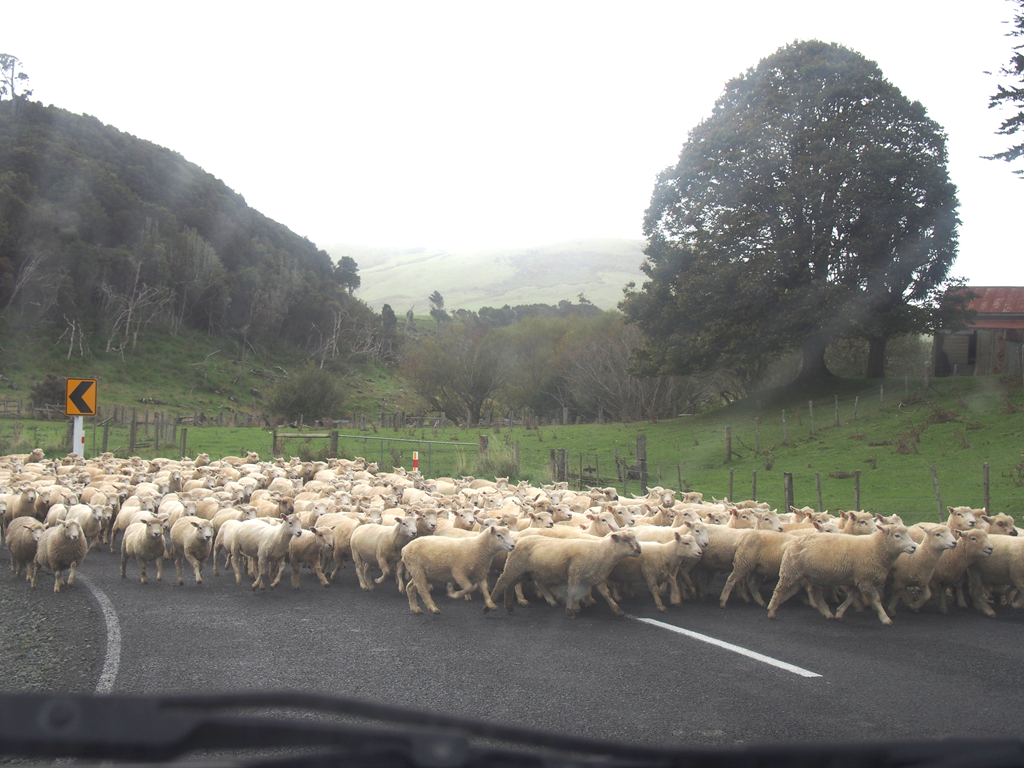
Lots of sheep.
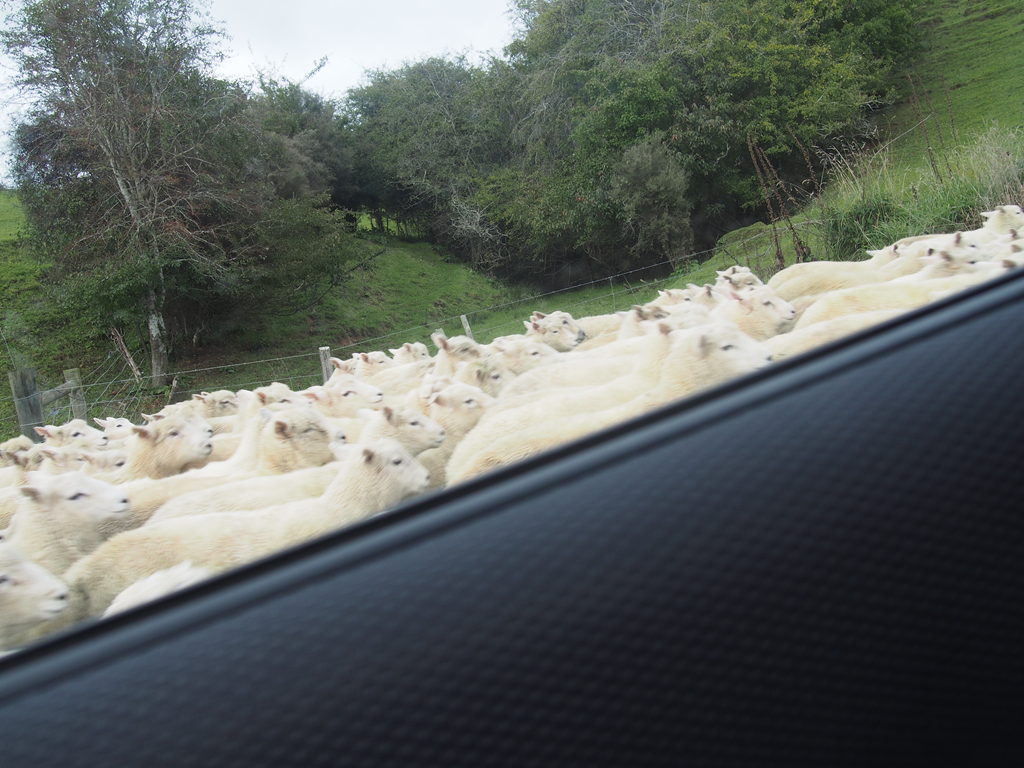
Our drive south was interrupted by a some sheep.
Lots of sheep.
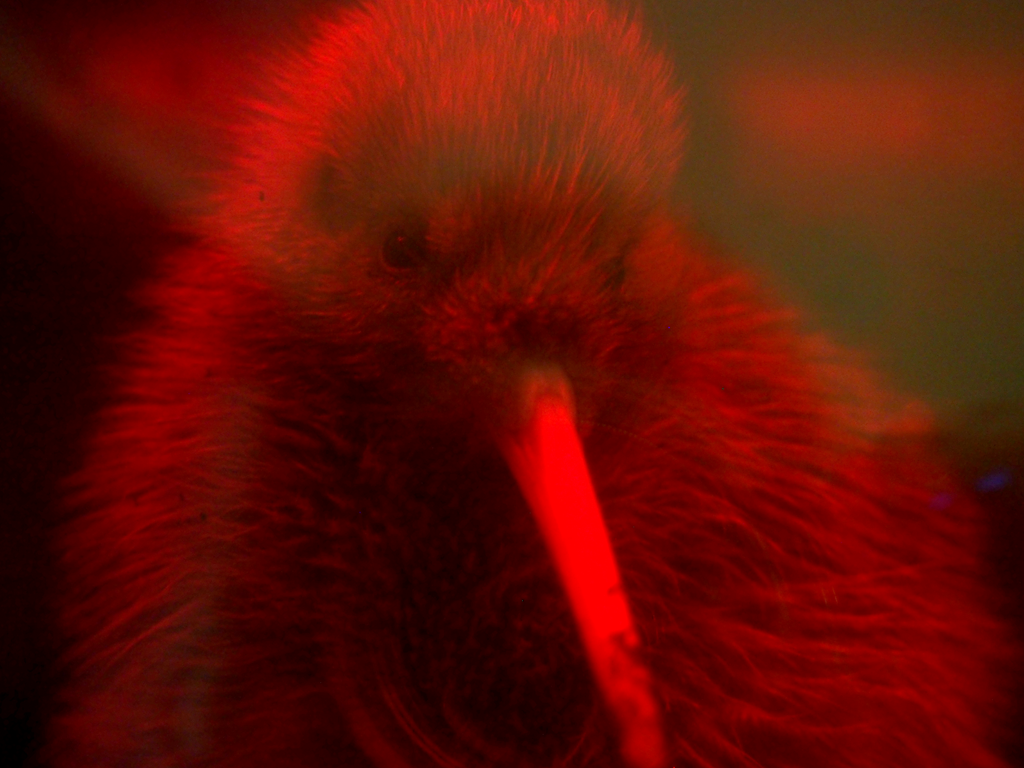
Baby kiwis are quite large because they hatch from giant eggs. The eggs are 1/3 of the size of mom.
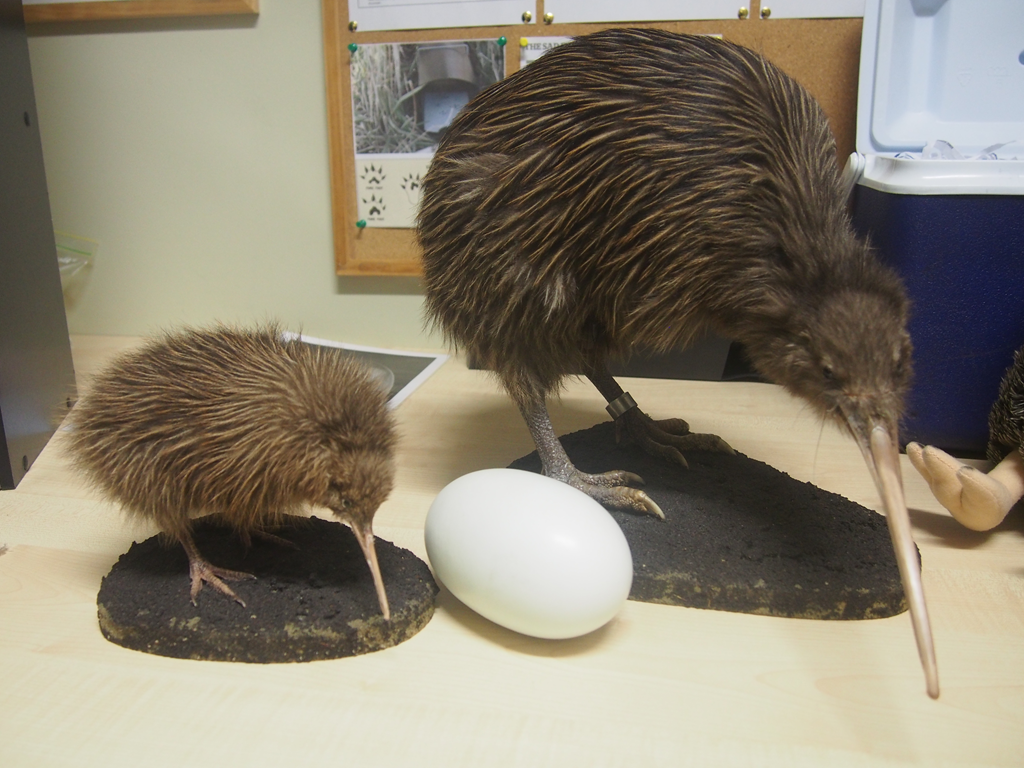
At first all we could see was his little koosh ball bum.
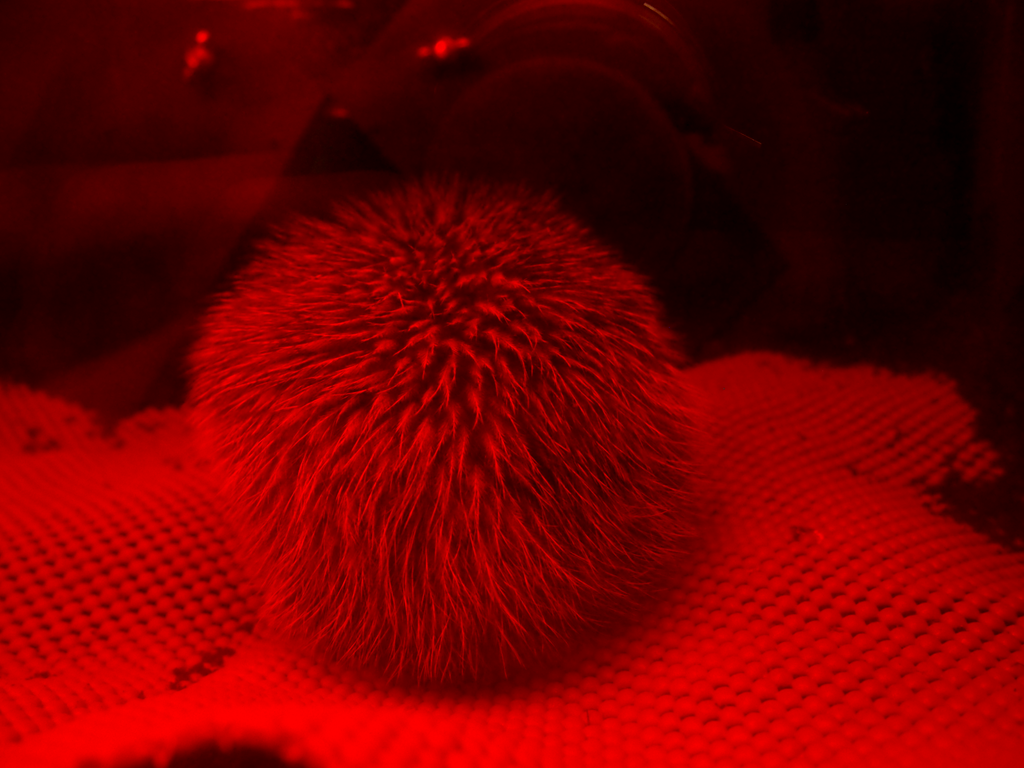
But then he turned around and you could see him all tucked in.
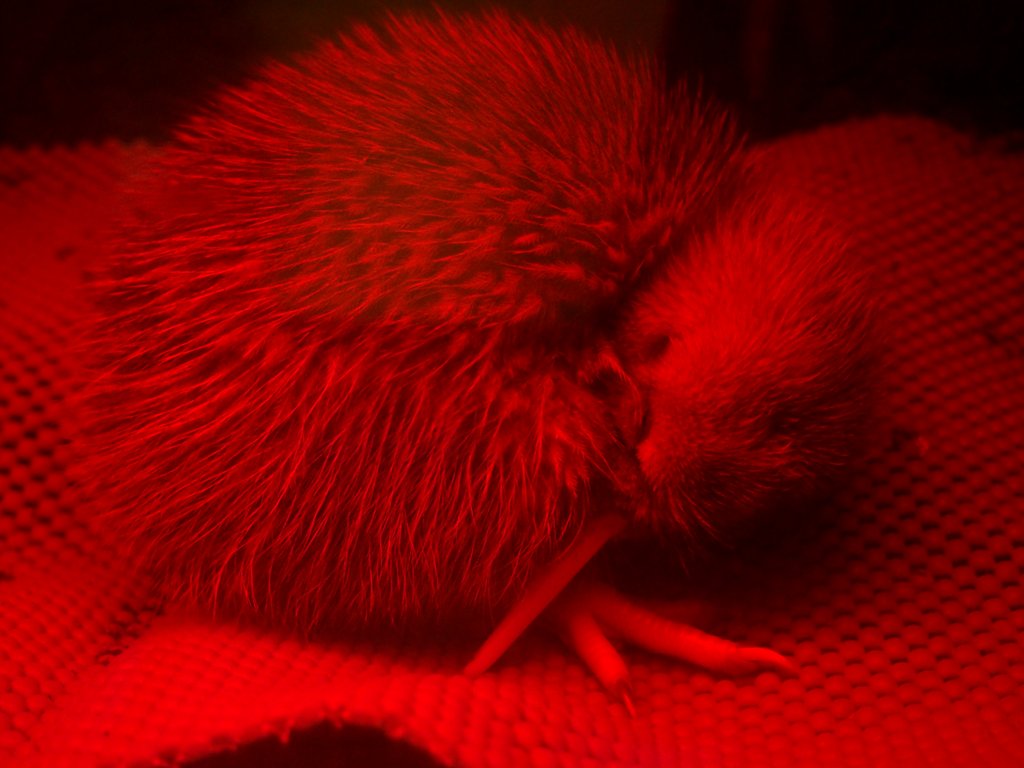
And then he groggily woke up.
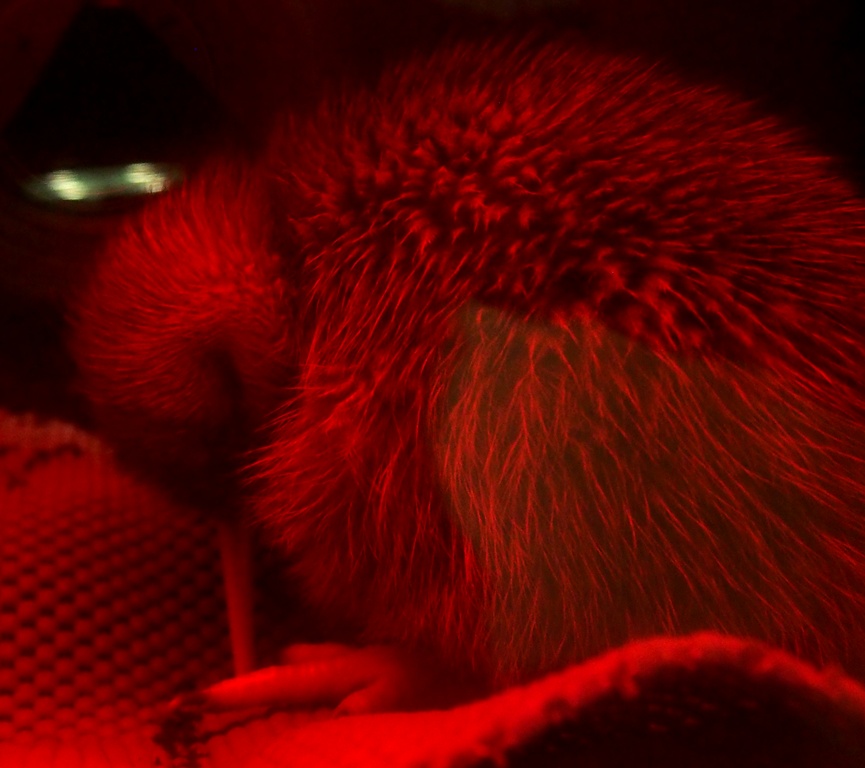
And then he started poking.
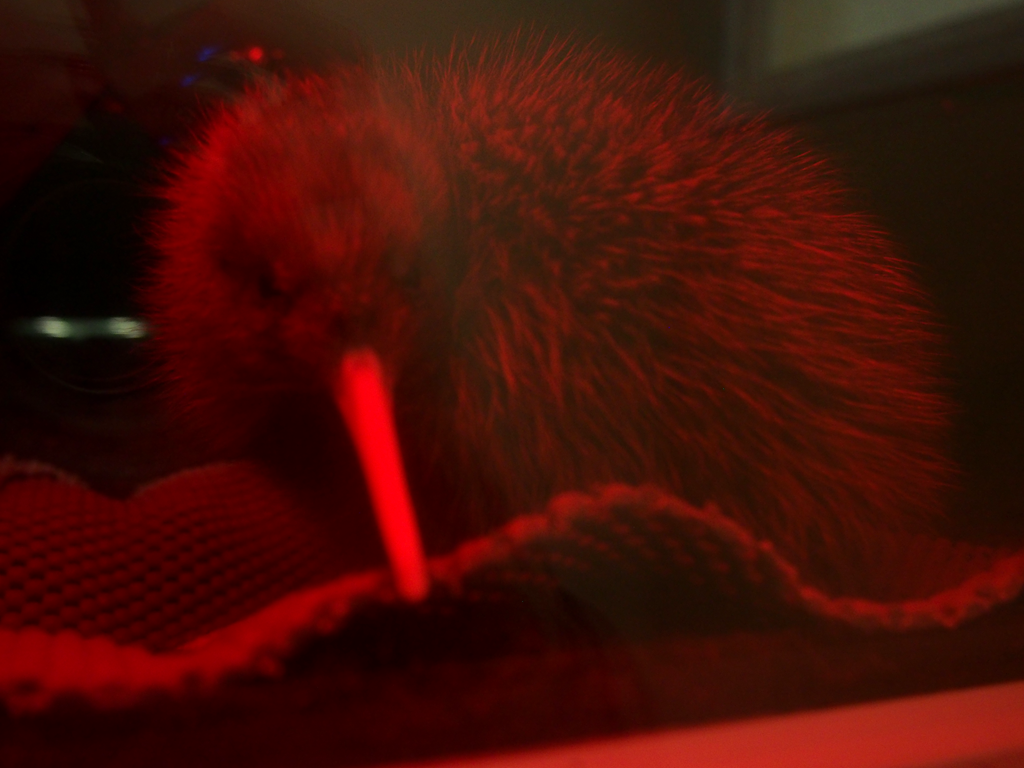
Poke poke poke.
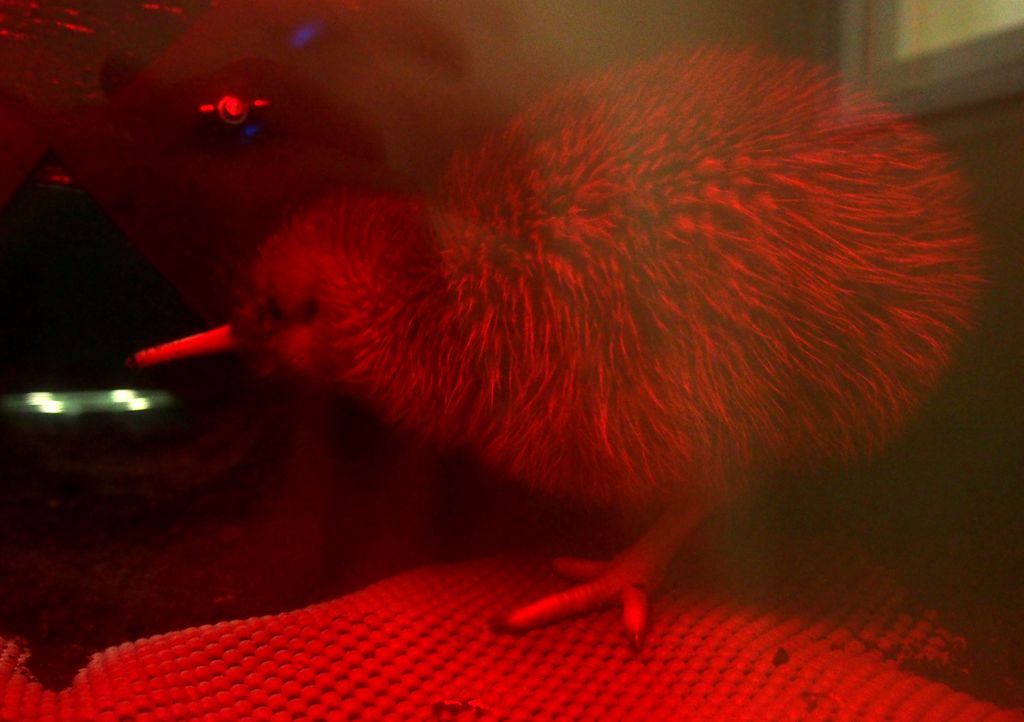
Poke poke poke.
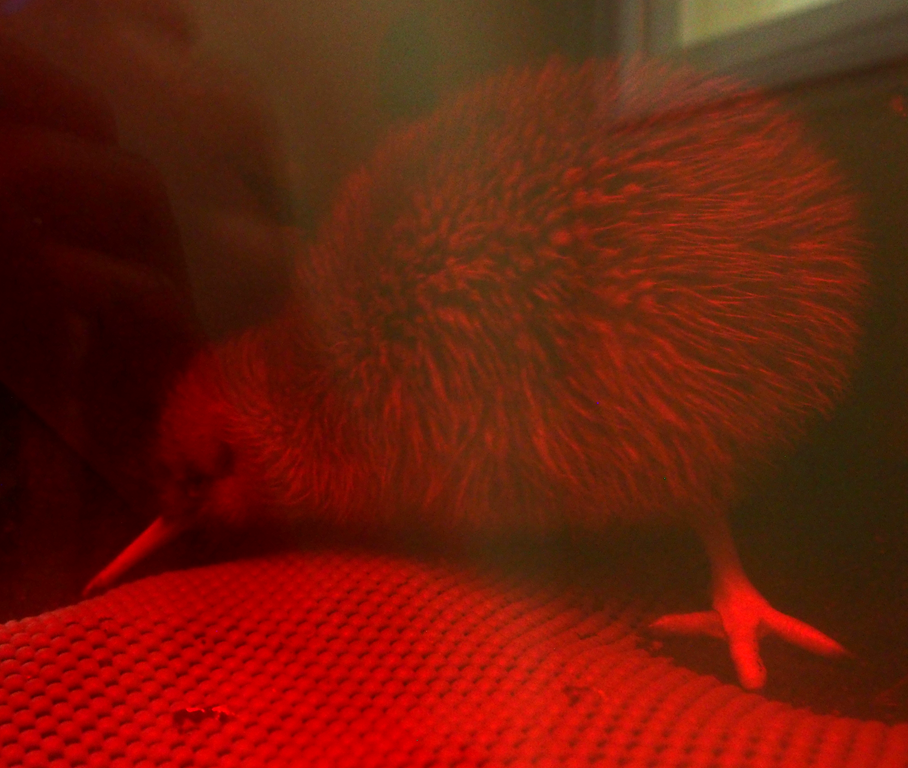
And then a sneeze because his nose was full of dirt.
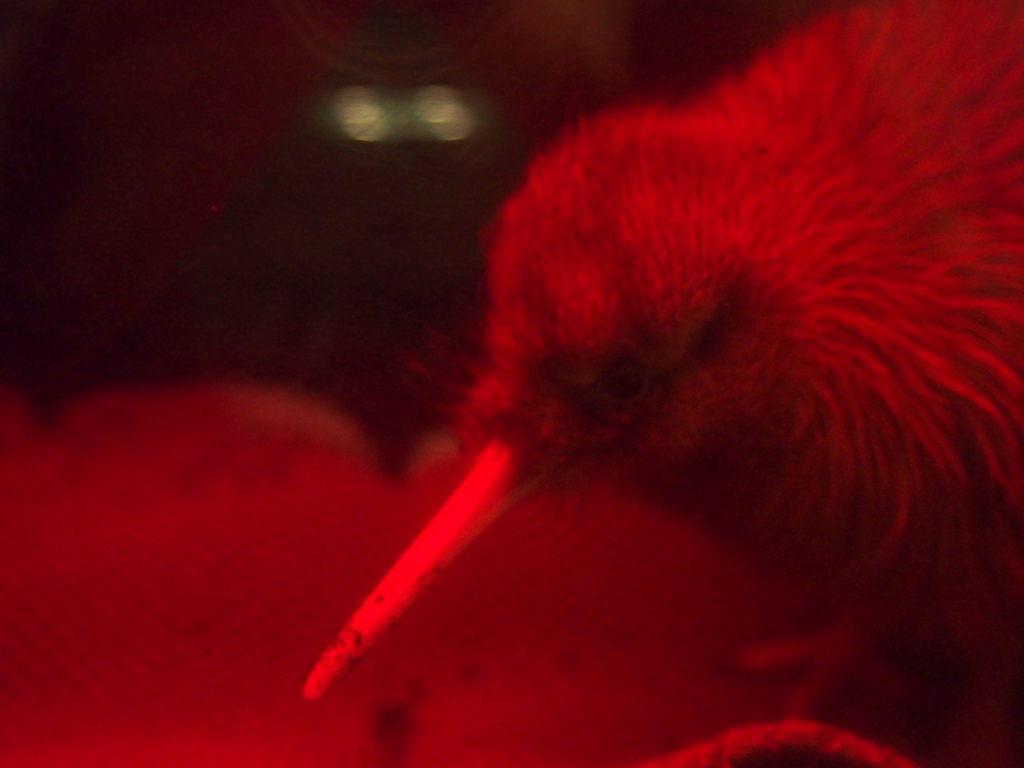
Then back to poking.
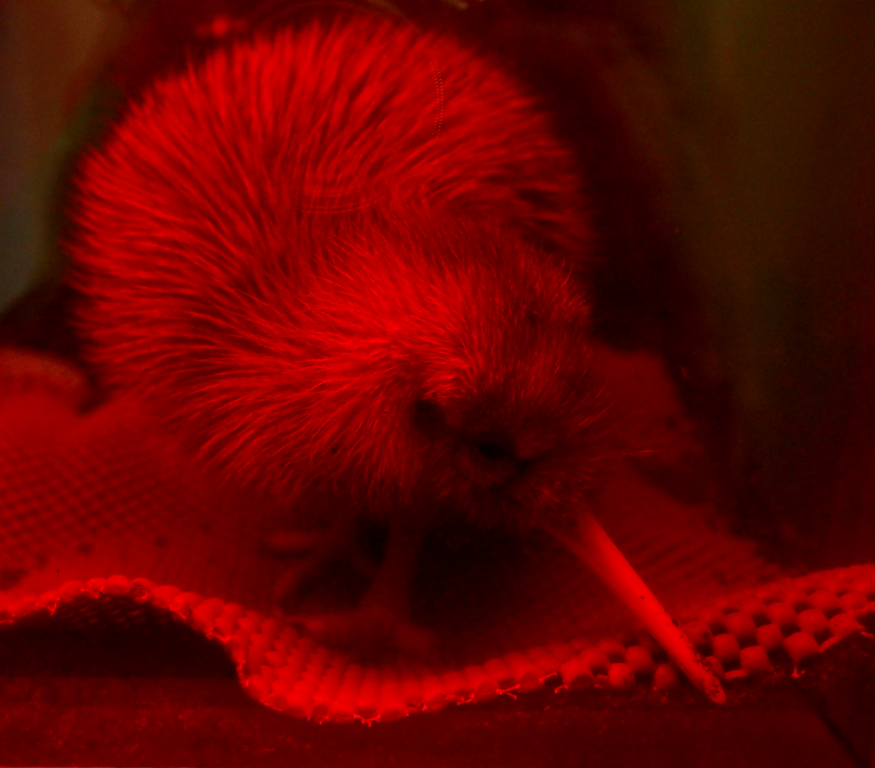
We didn’t get to pet him but his feathers are really light and fluffy.
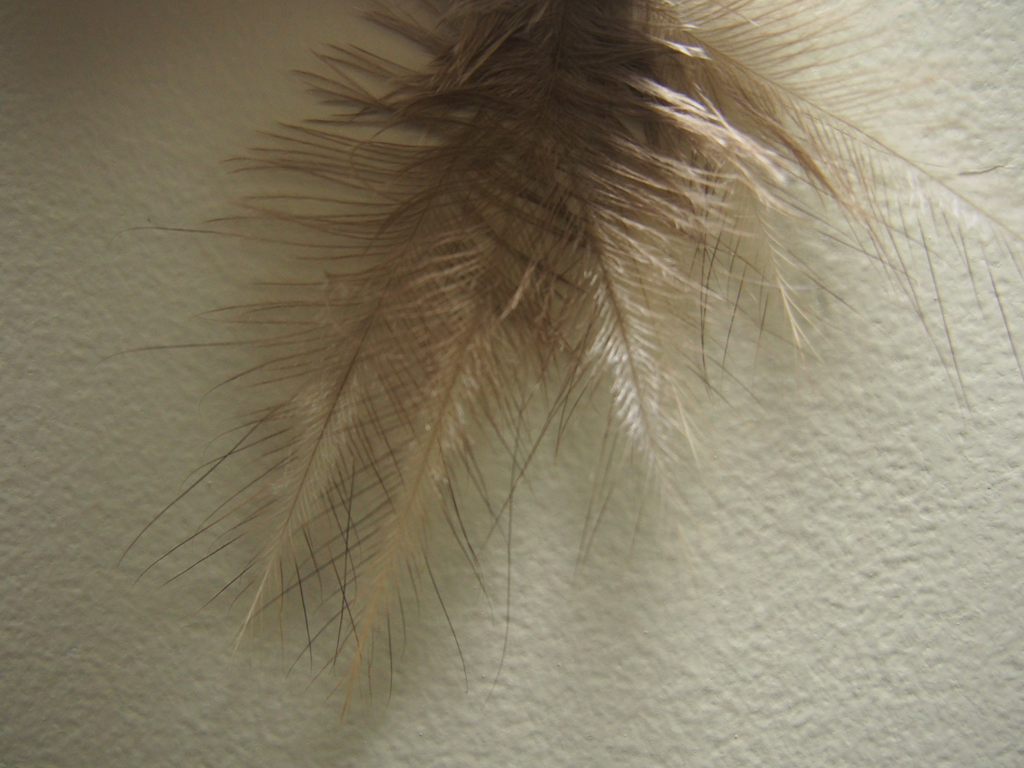
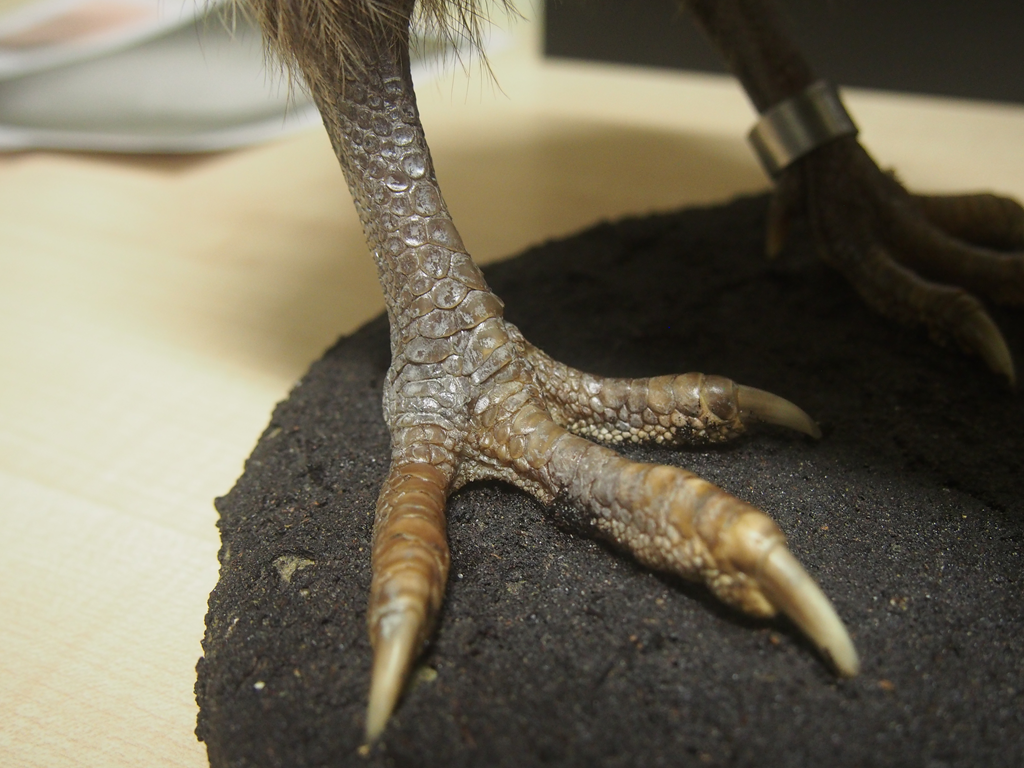
His itty bitty feet are too small to fight off a stoat, which is why he is still in captivity.
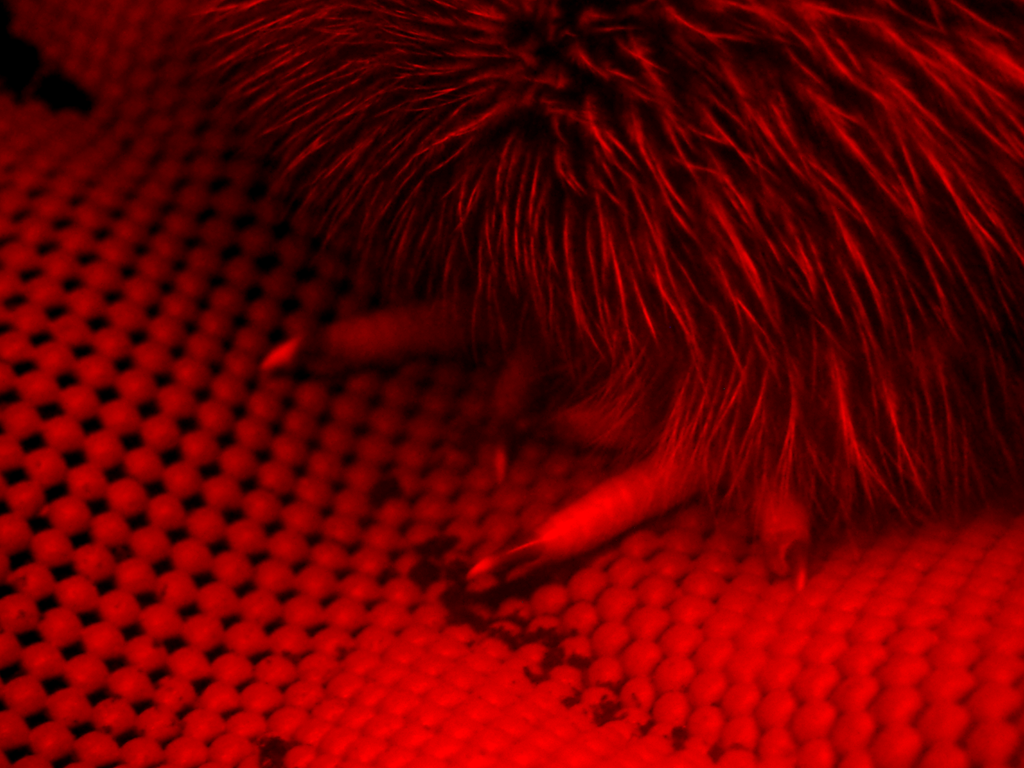
When he gets big claws like Mom he’ll be released into the wild.
He was really cute.
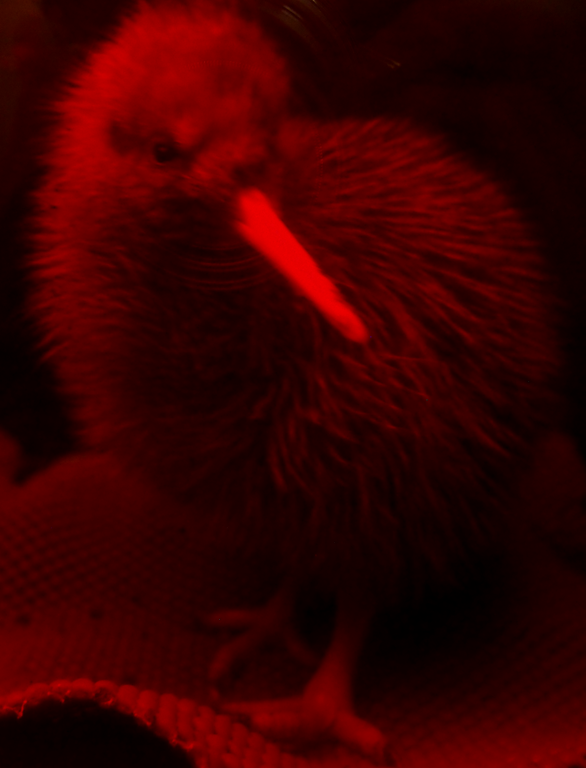
Really really cute.
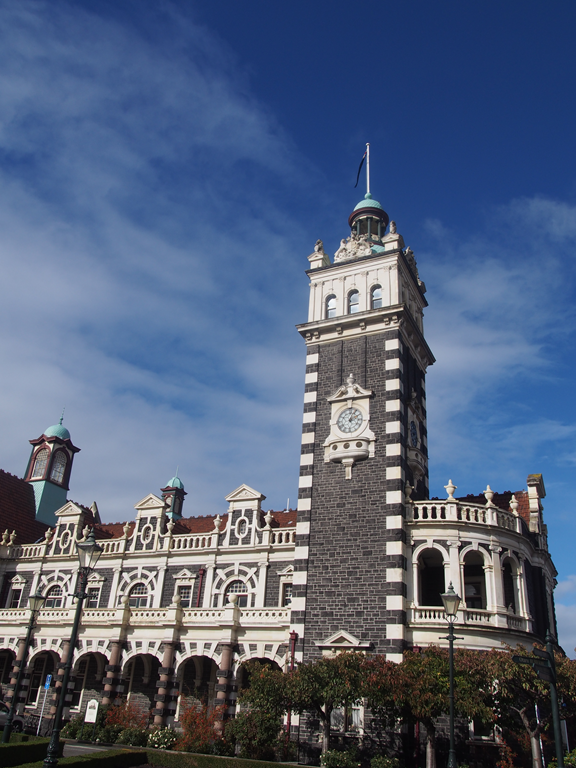
This is the Dunedin Trains Station.
Lonely Planet said it was very important to go inside to see the elegant stained glass work.
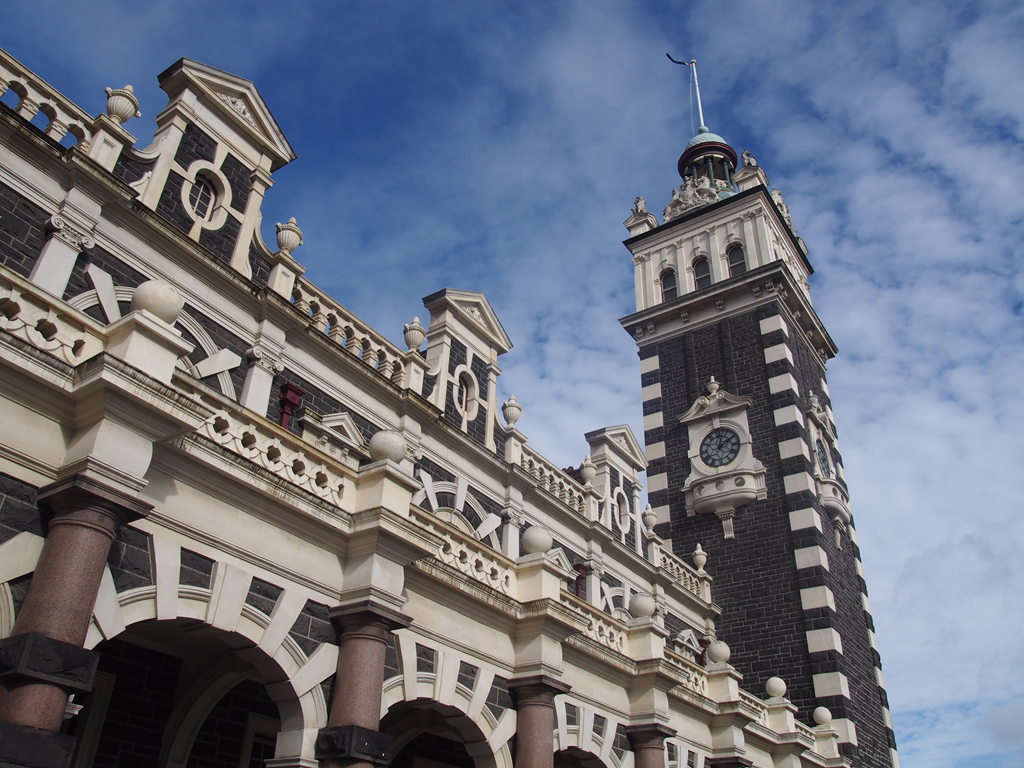
So we paid for parking and went inside.
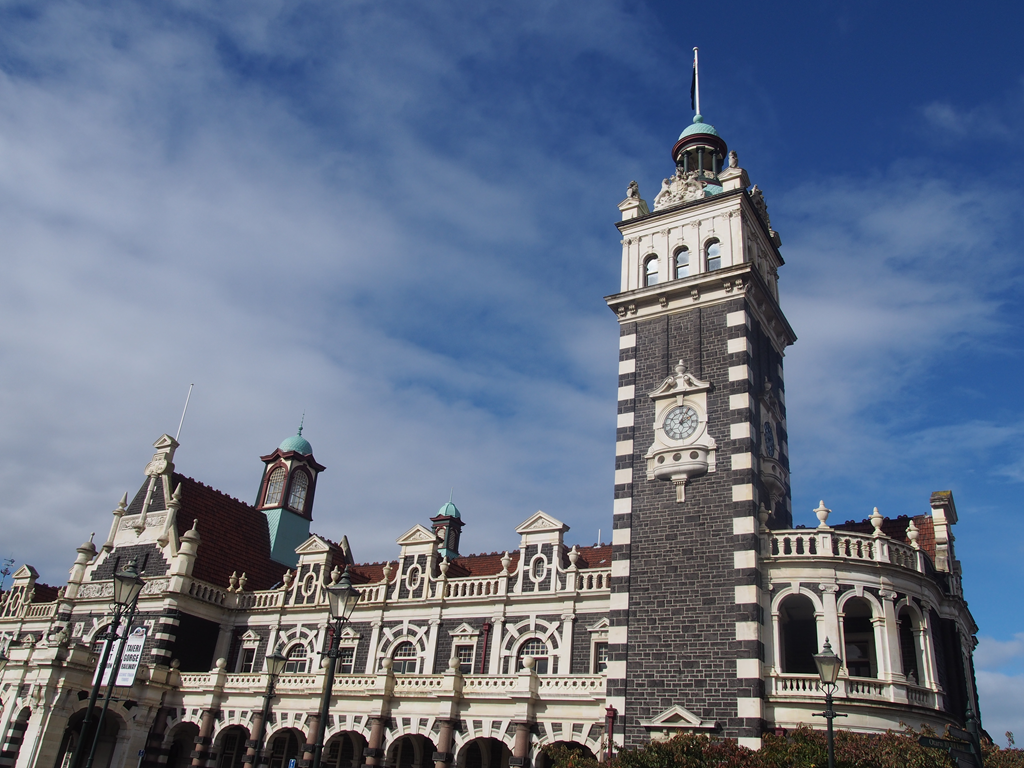
This was it.
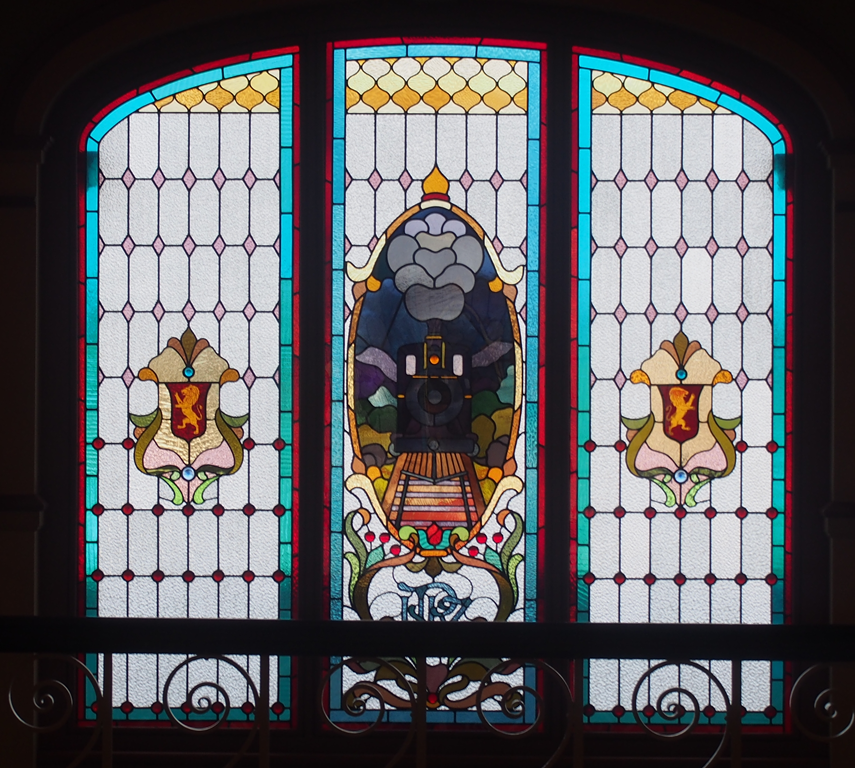
In retrospect, this is probably the point where we should have stopped taking Lonely Planet’s recommendations.
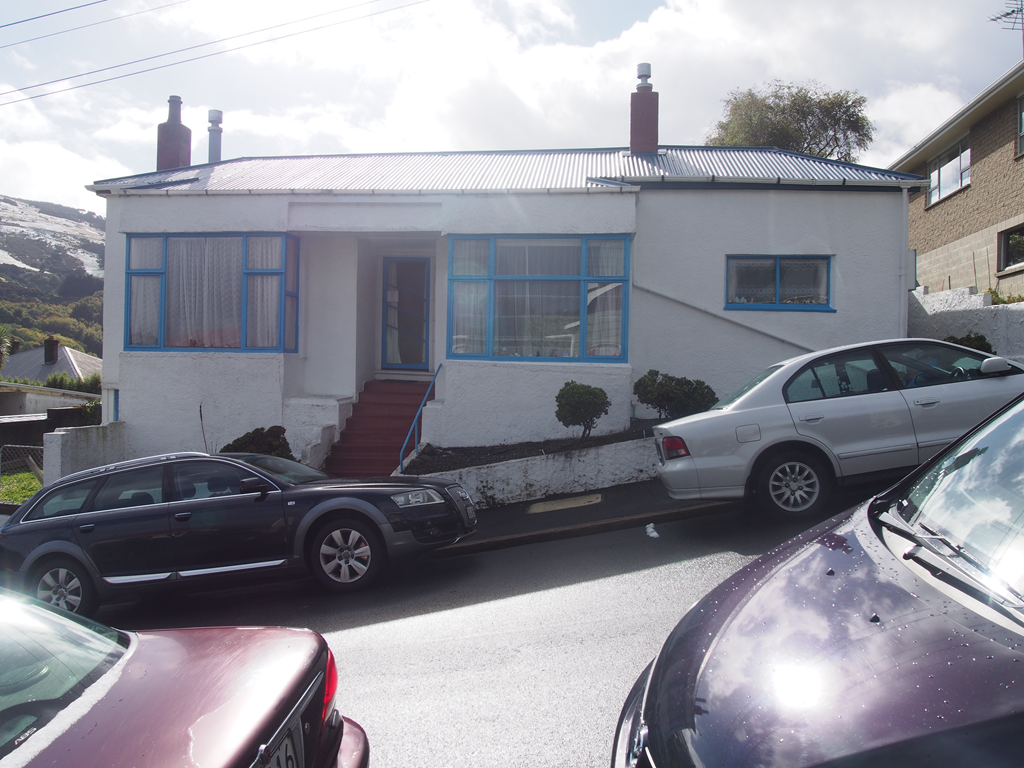
We drove up the world’s steepest street.
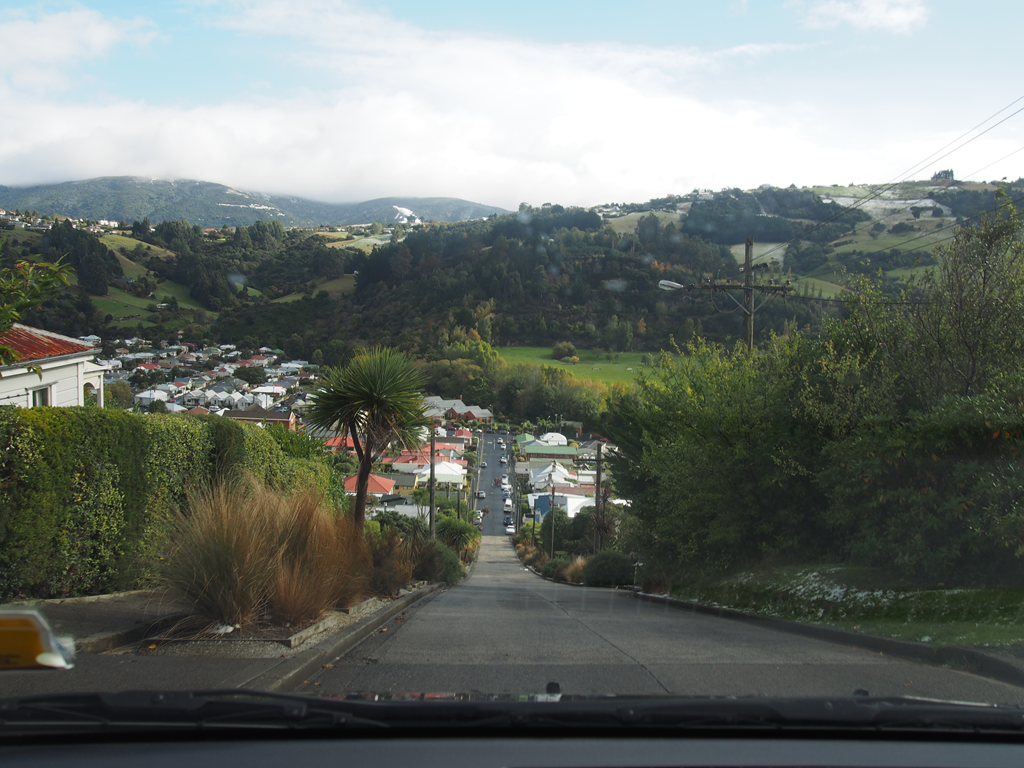
And back down it.
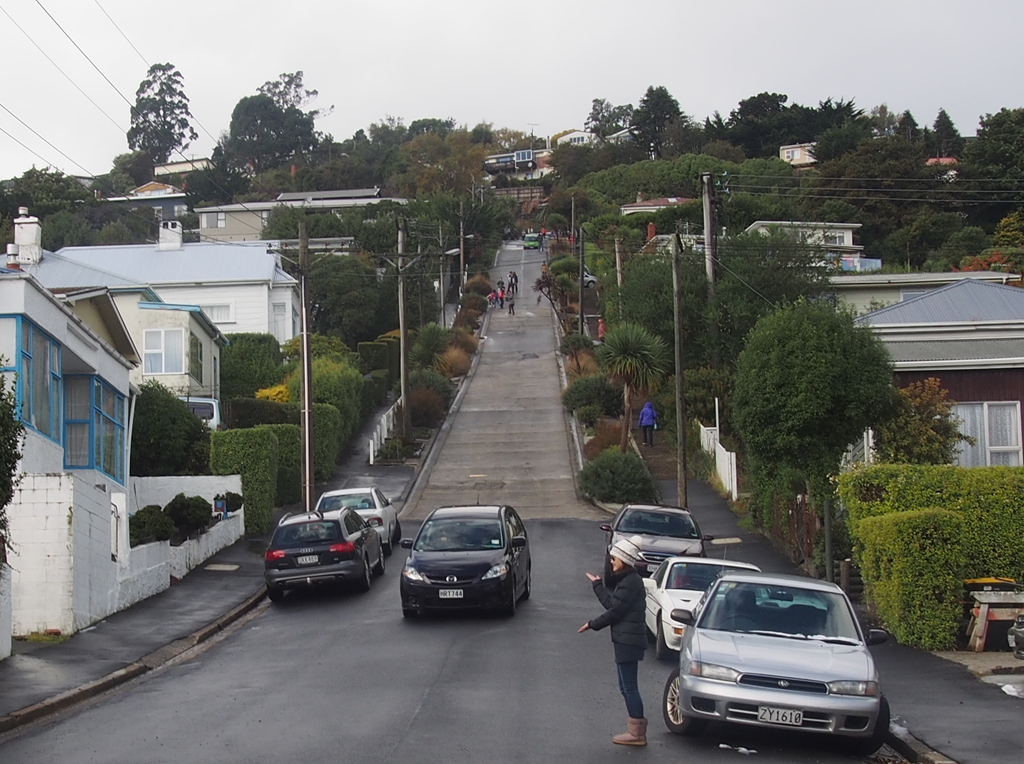
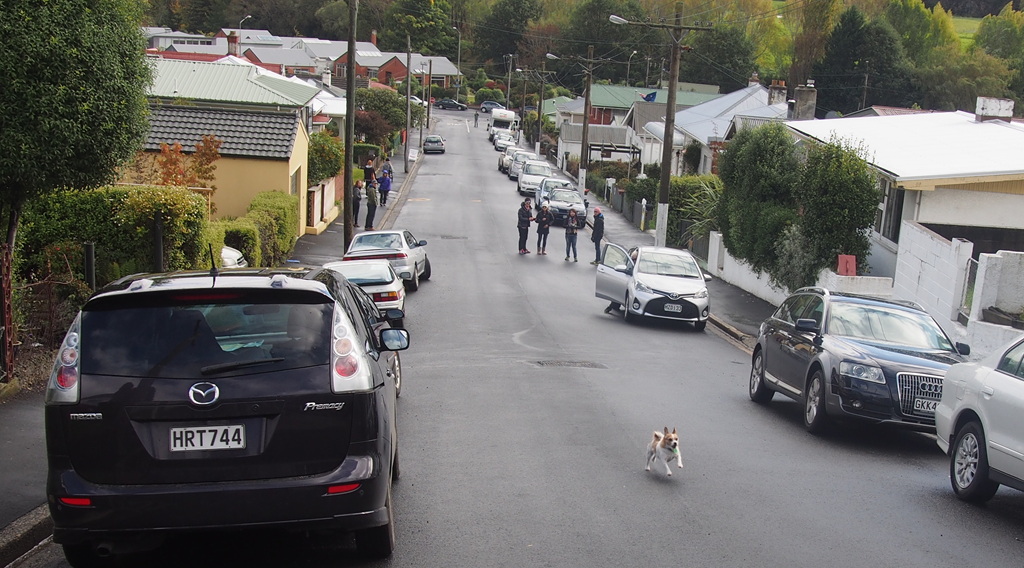
It has an average slope of 1:5.
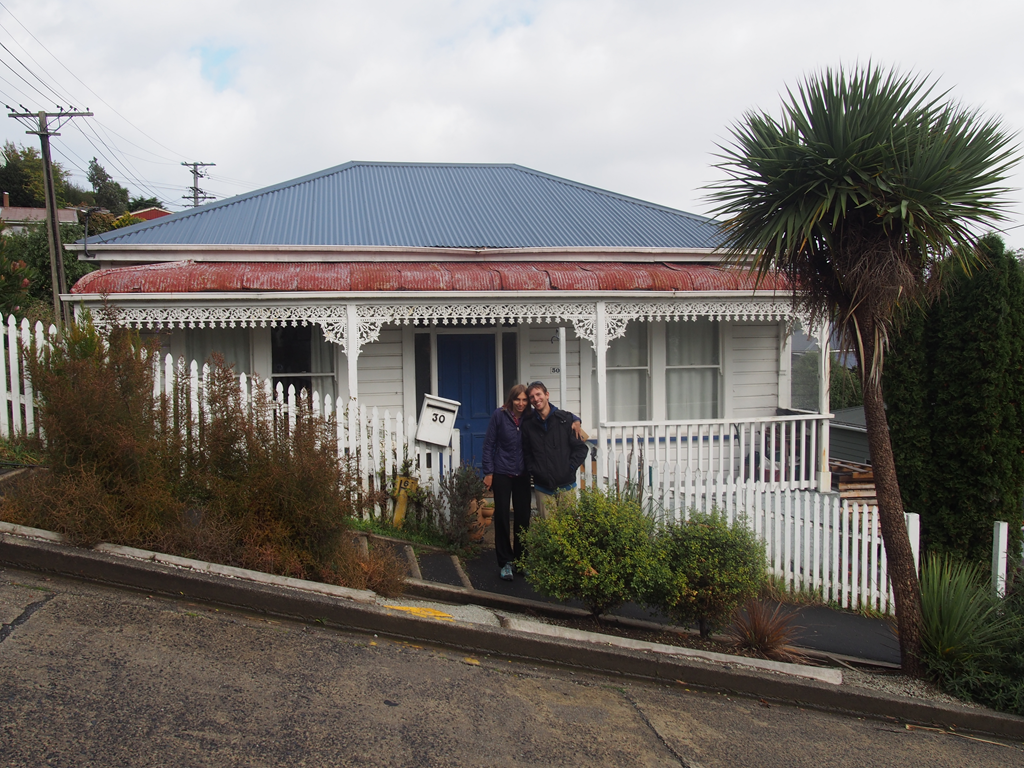
And people don’t even turn their wheels toward the curb to park on it. They should fail their driving exams.
This little guy galloped up it like it was level.
On the way to Dunedin we took a detour to see fossil beds and interesting rock formations. Most of these are on private land and are inhabited by sheep and very noisy cows. The first site was the elephant rocks. It feels like it was a LOTR location but most of New Zealand felt like that, especially the south island.
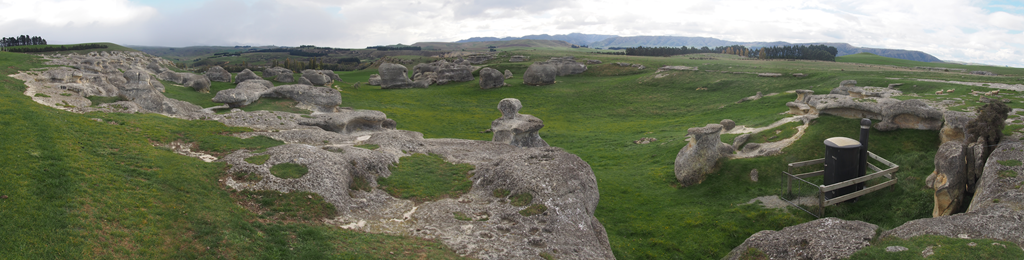
It was actually used for filming the Narnia movies.
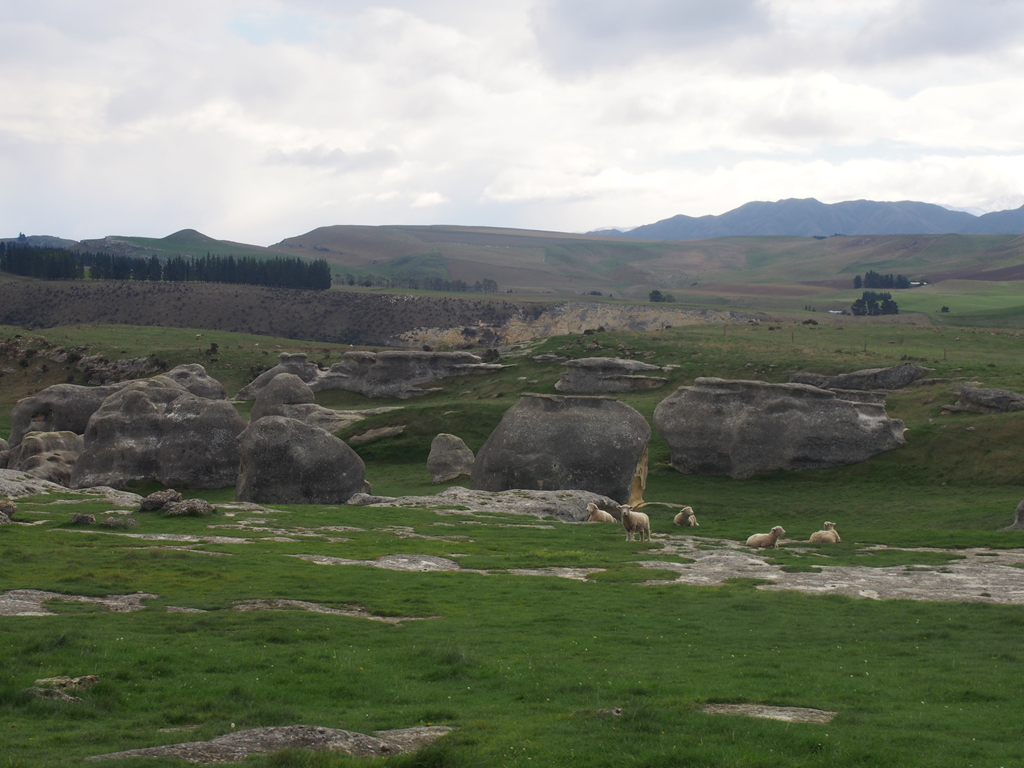
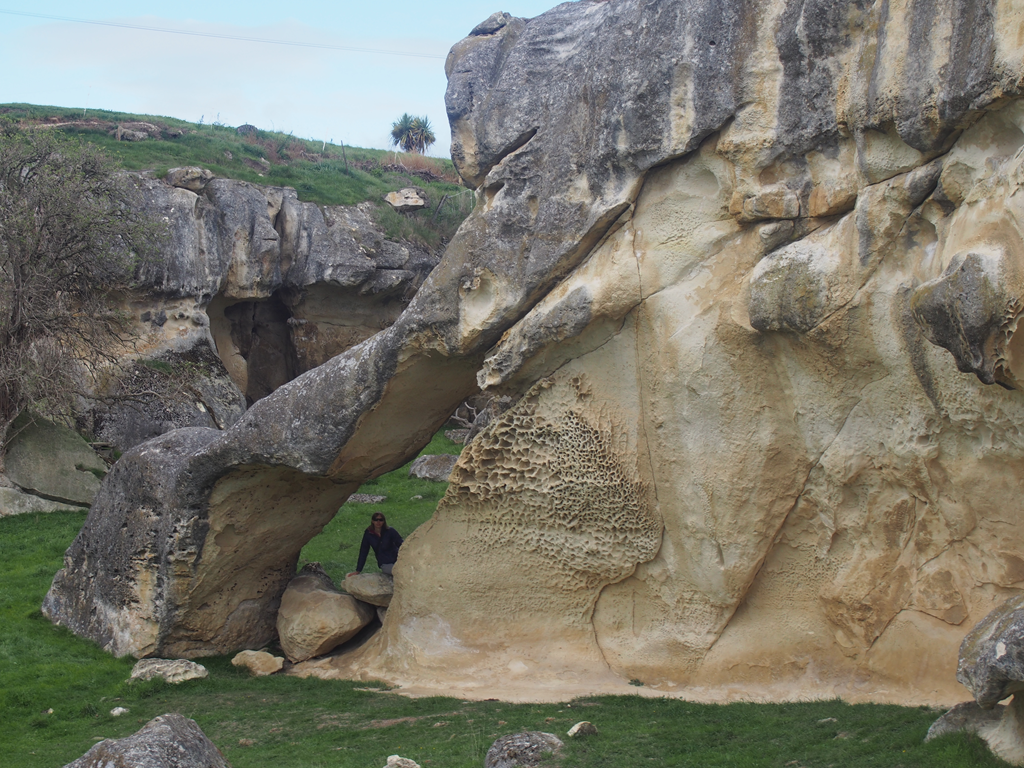
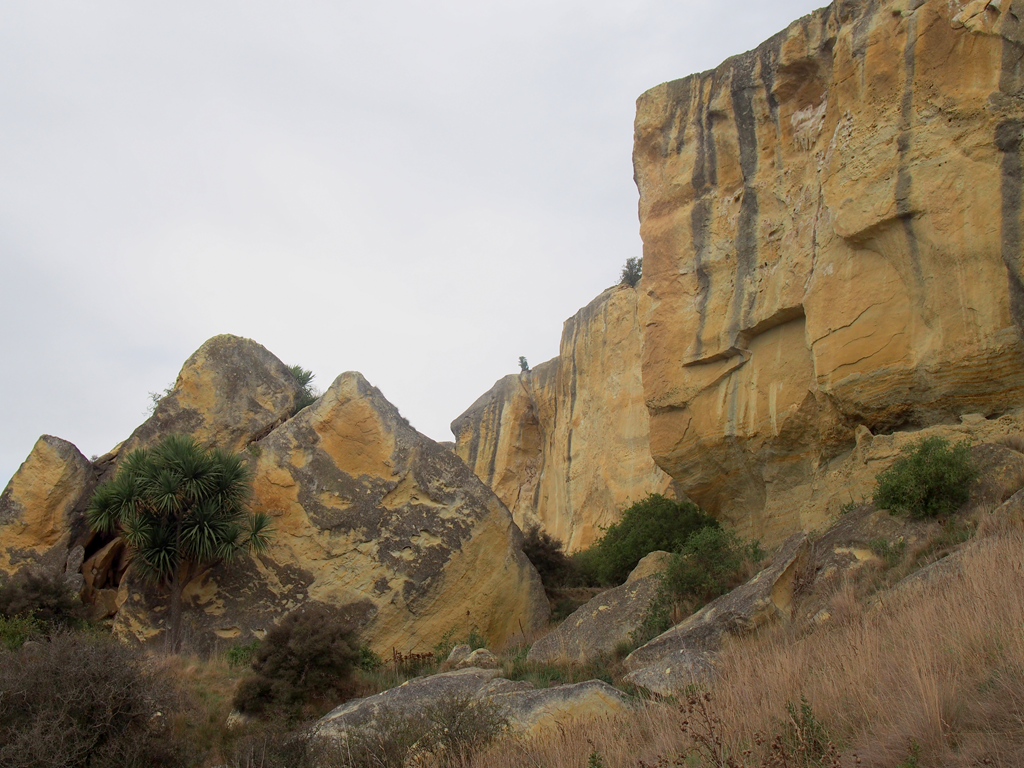
These are giant limestone formations jutting out of the landscape that have interesting erosion patterns formed by wind and rain.
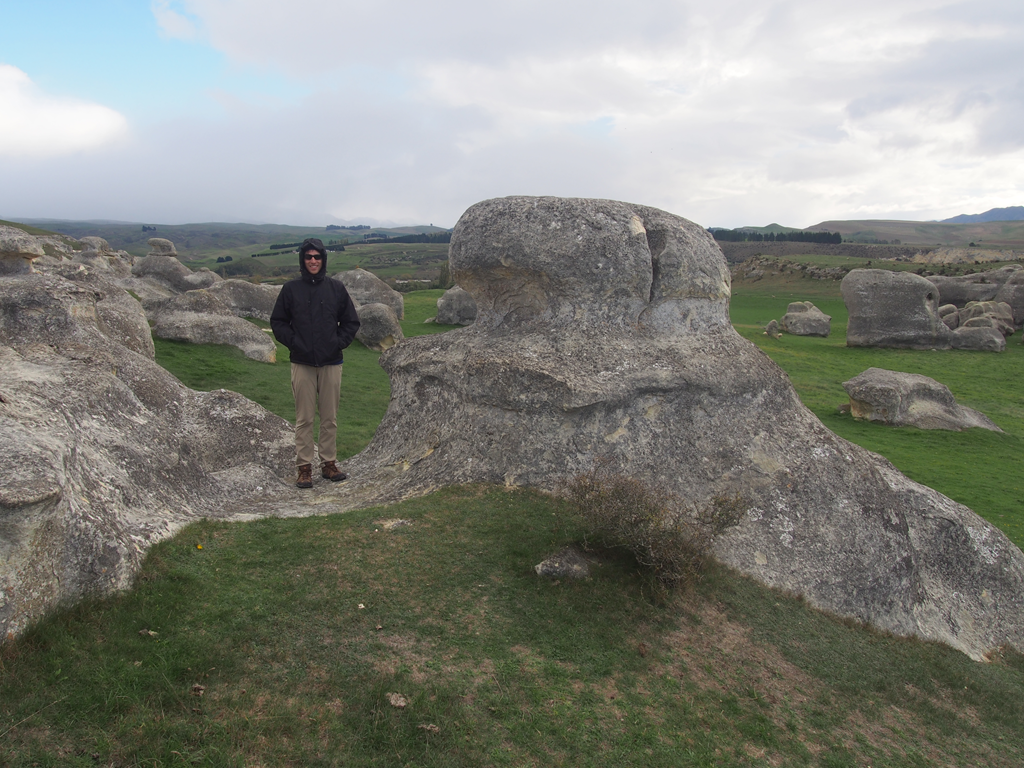
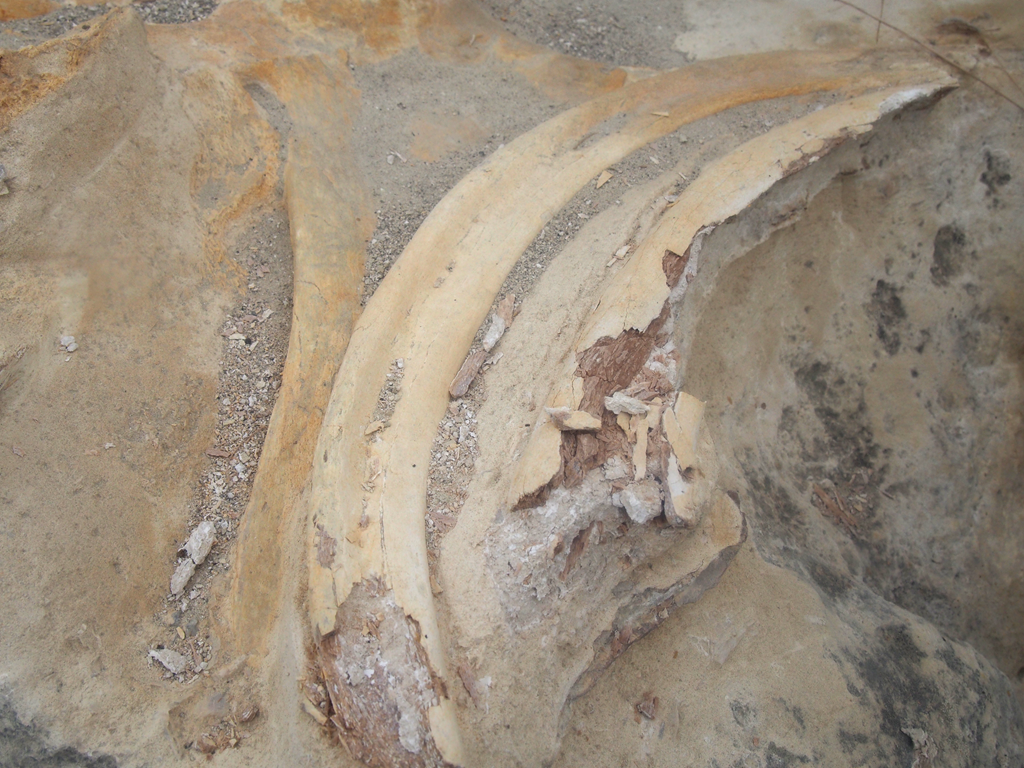
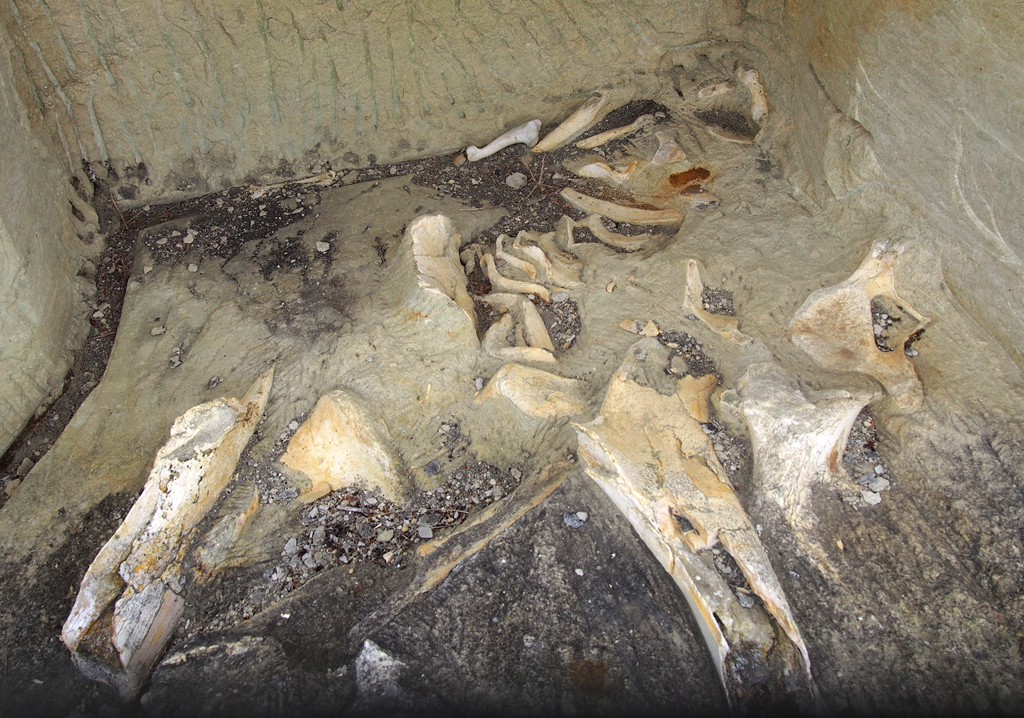
The next spot had a protected whale fossil site. These fossils are very fragile and the rock around them much harder than back home so excavating them is very difficult as they fall apart quite easily.
Kerri enjoyed the formations as well.
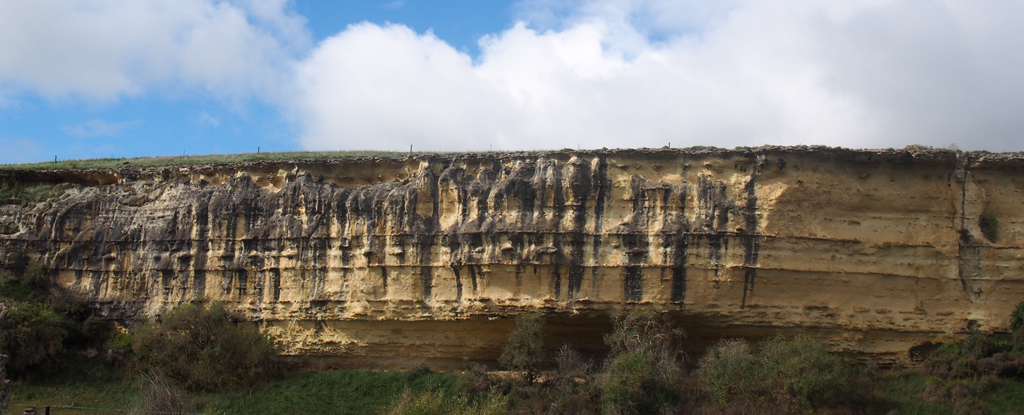
You could also see some neat banding patterns in the limestone as each layer formed over time.
Here was a much larger group of whale fossils that can’t be further excavated due to their fragility.
These were giant boulders that have broken away from the main body and fallen. New Zealand has a fault running right through it and is no stranger to seismic activity.
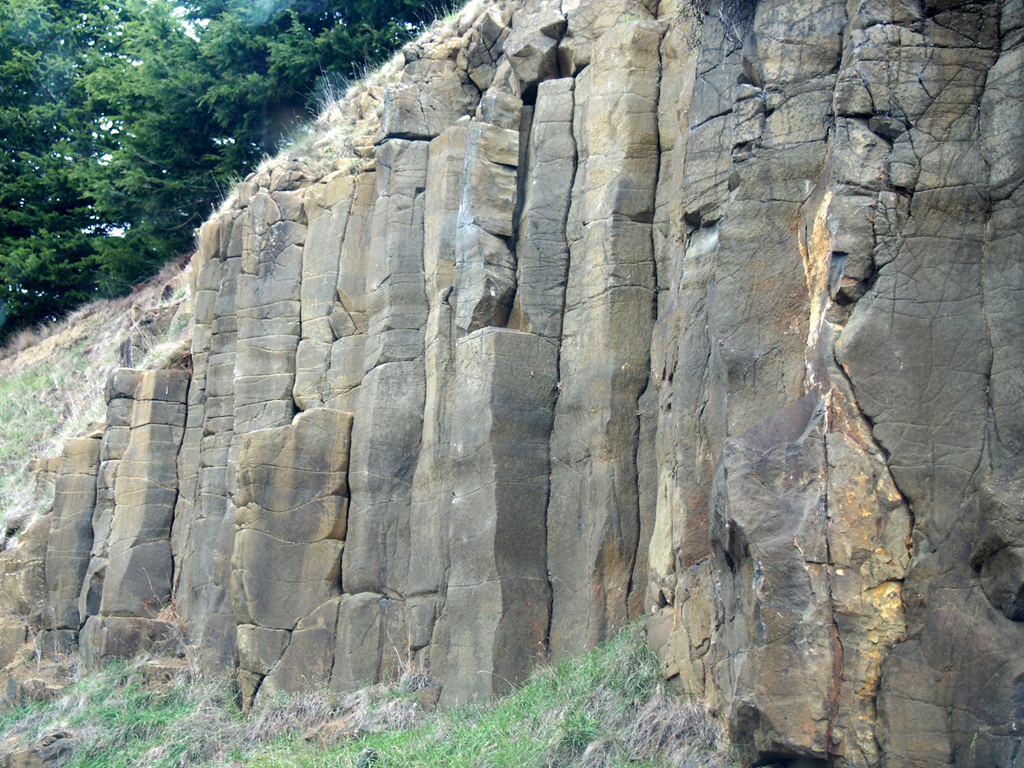
Sometimes rocks form interesting structures while they crystalize. Here there are rectangular pillars all along the exposed surface.
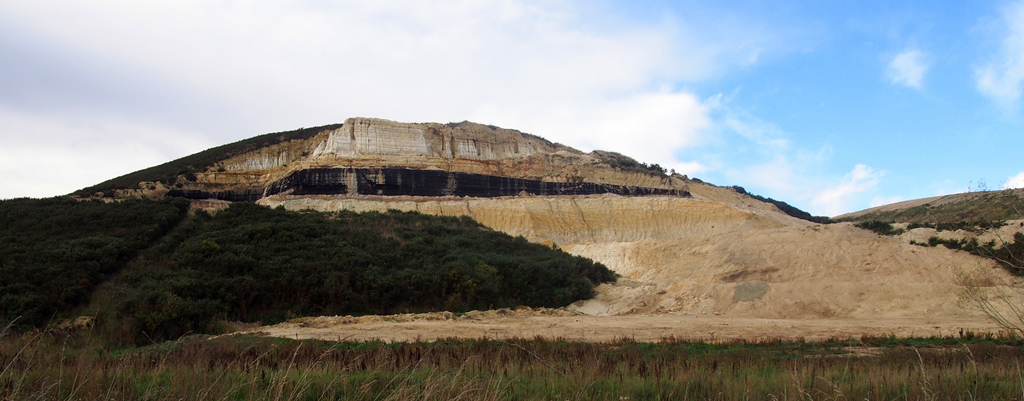
Here is a really clear example of a coal deposit amongst the limestone where a lot of plant life was trapped to form this seam of coal.