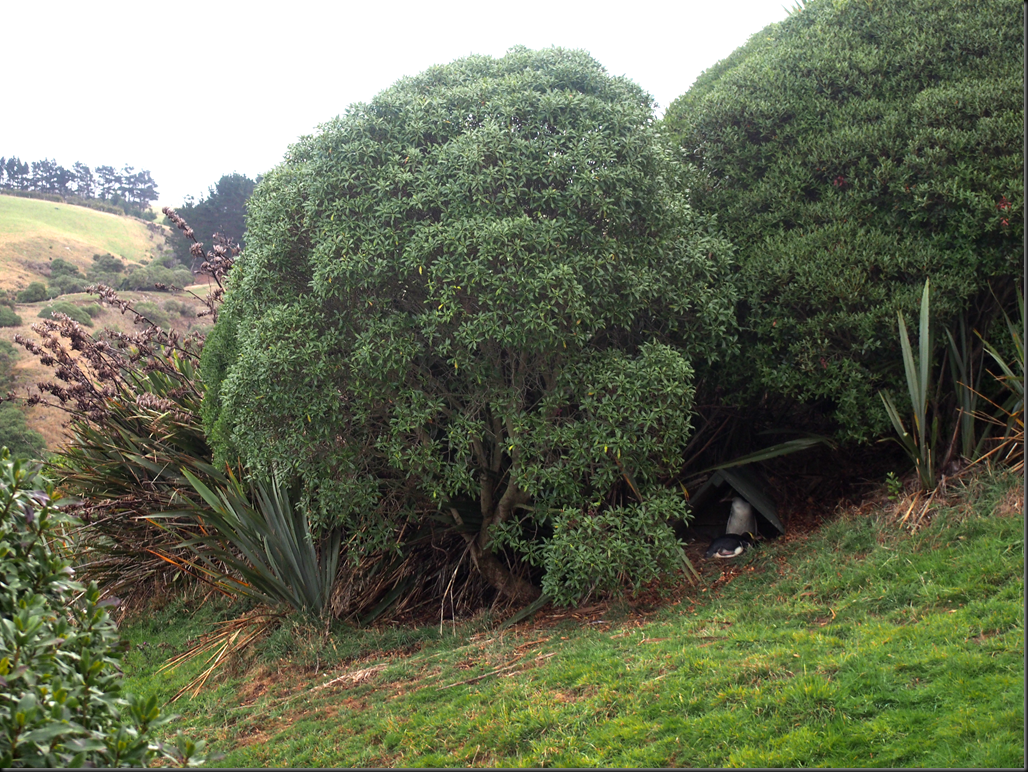
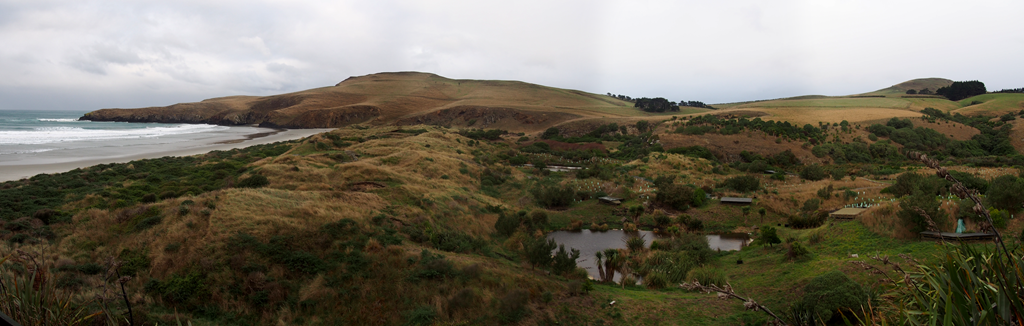
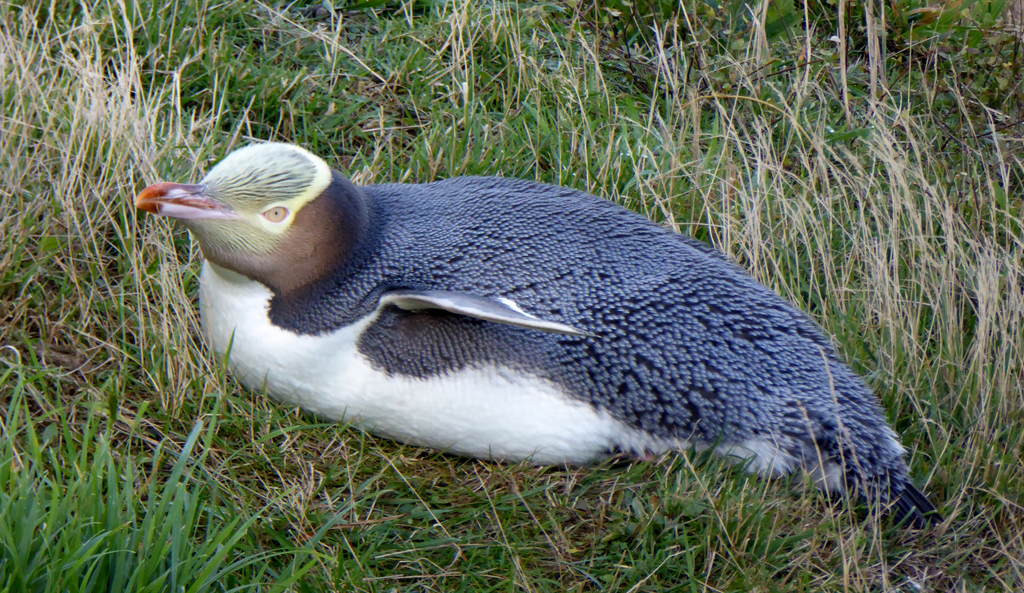
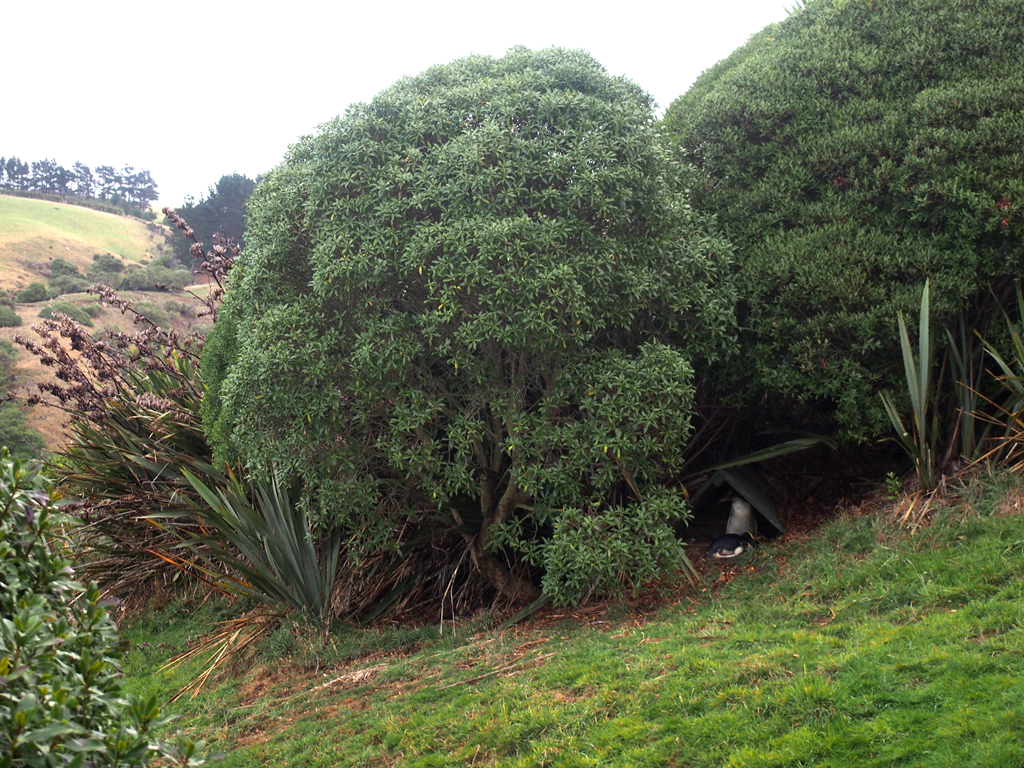
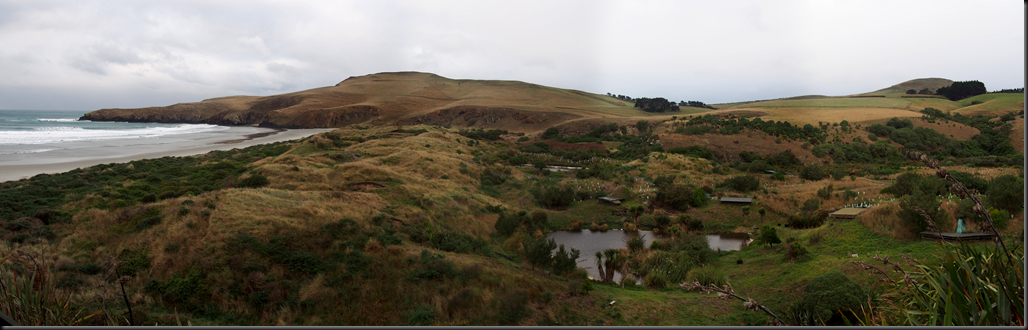
On a cold evening we went out to where the penguins live. This is where they come on shore then walk to their nests. There are 30 pairs living in this area. How many can you find?
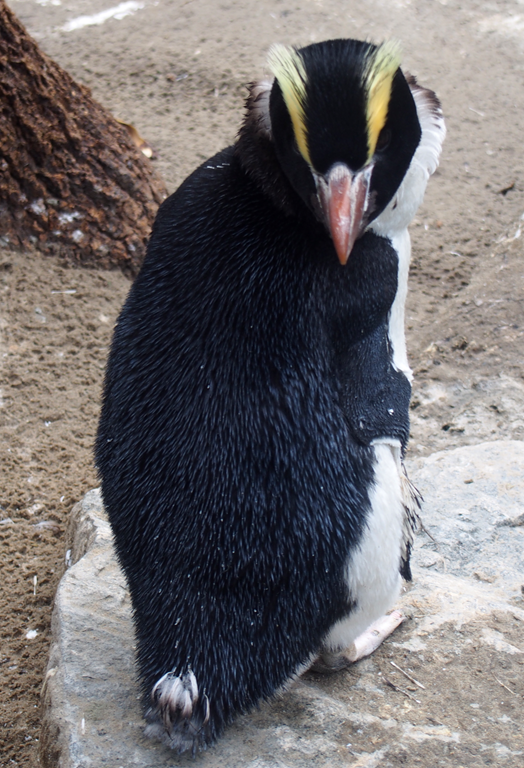
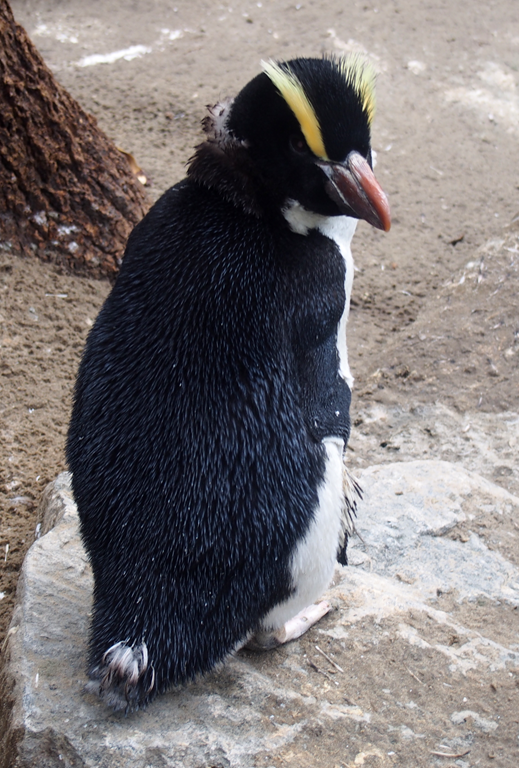
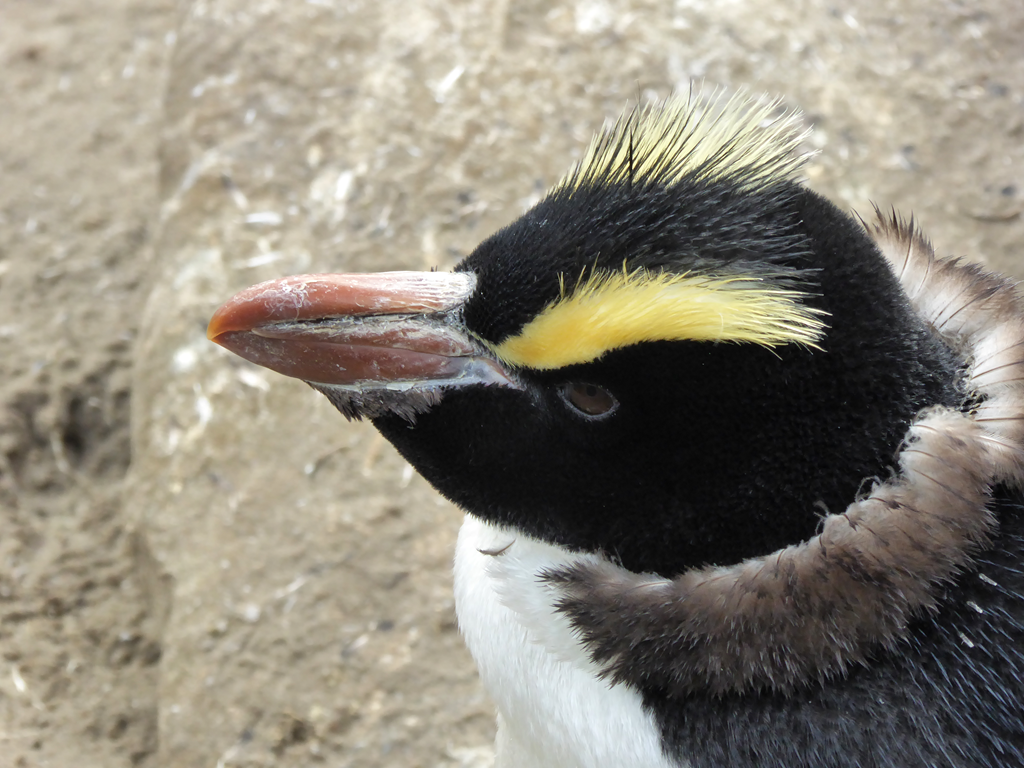
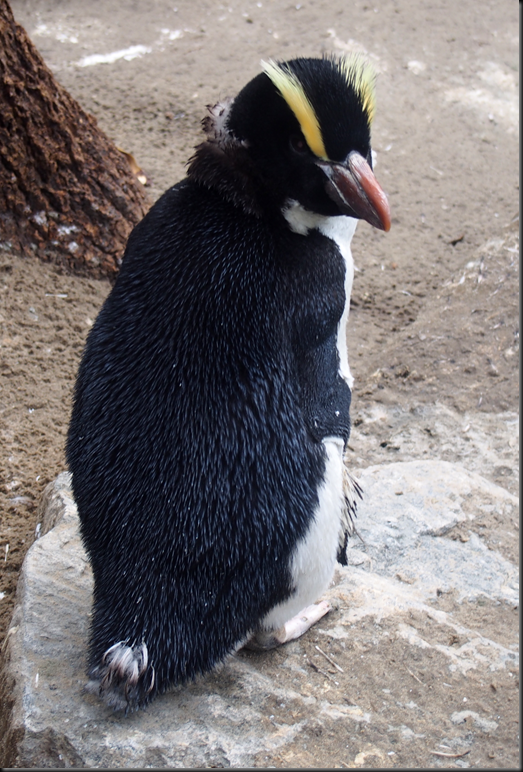
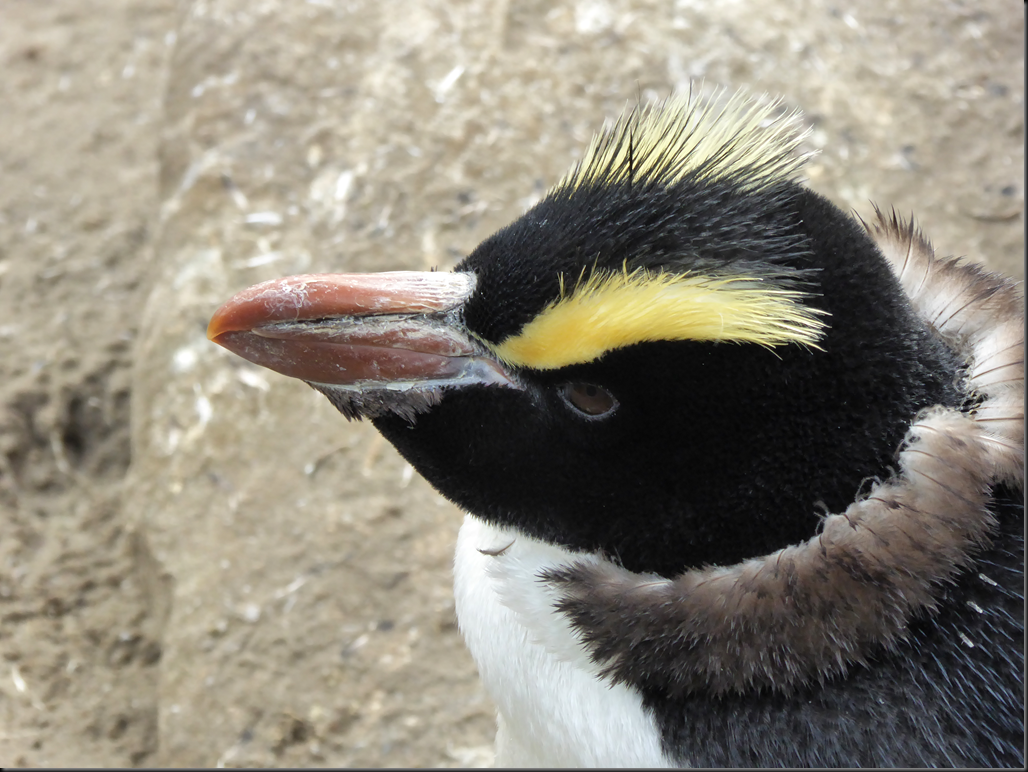
The Penguin Place also has a hospital where they can keep penguins for short periods if sick or injured. This is not a penguin we ever expected to see in New Zealand (and neither did the staff). It is a rock hopper which doesn’t live in New Zealand but islands much closer to Antarctica.
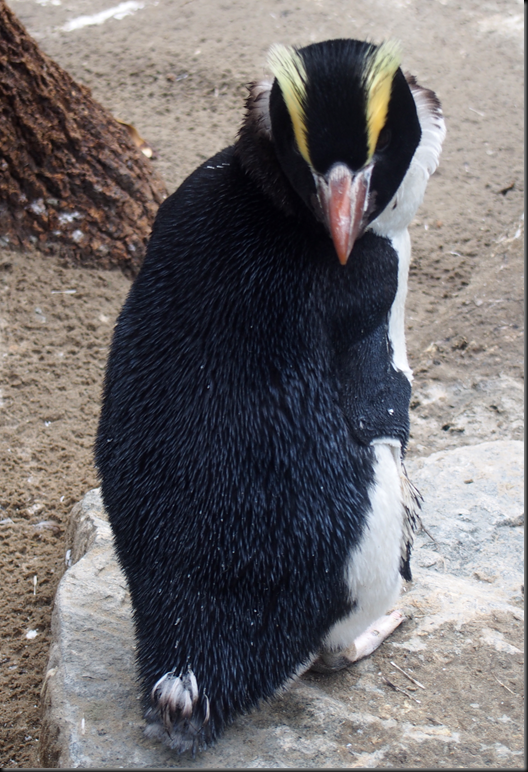
It came up on a nearby shore and wasn’t doing too well so he was brought here.
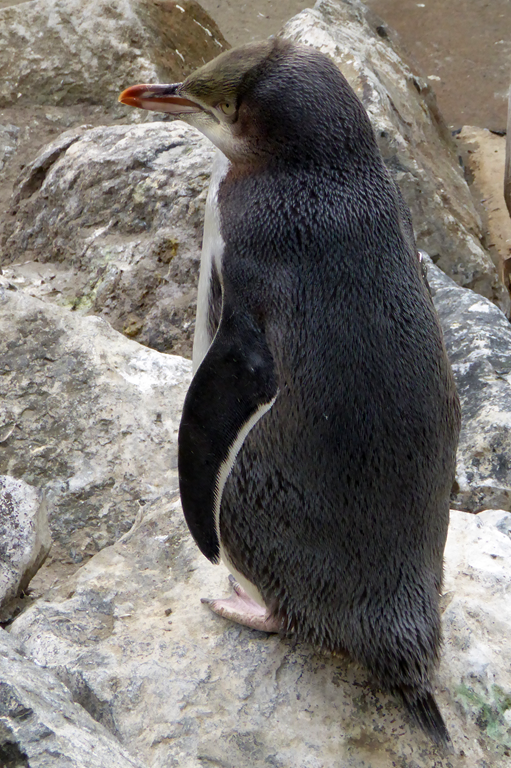
The injured yellow-eyed penguins were not too impressed.
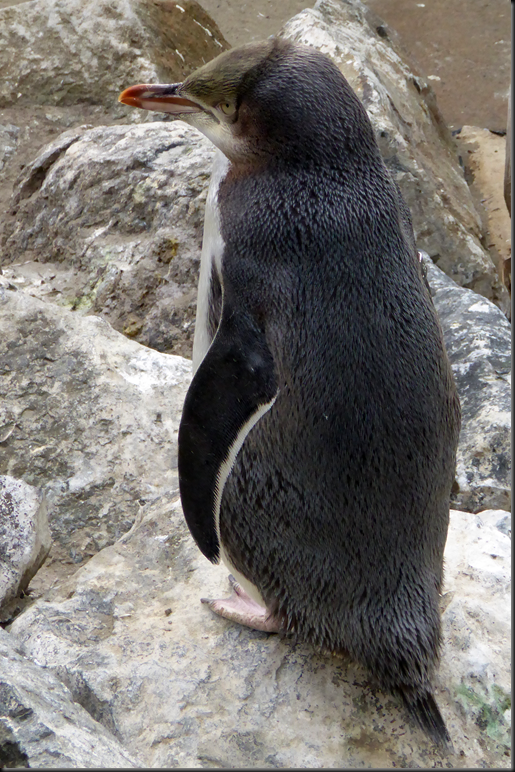
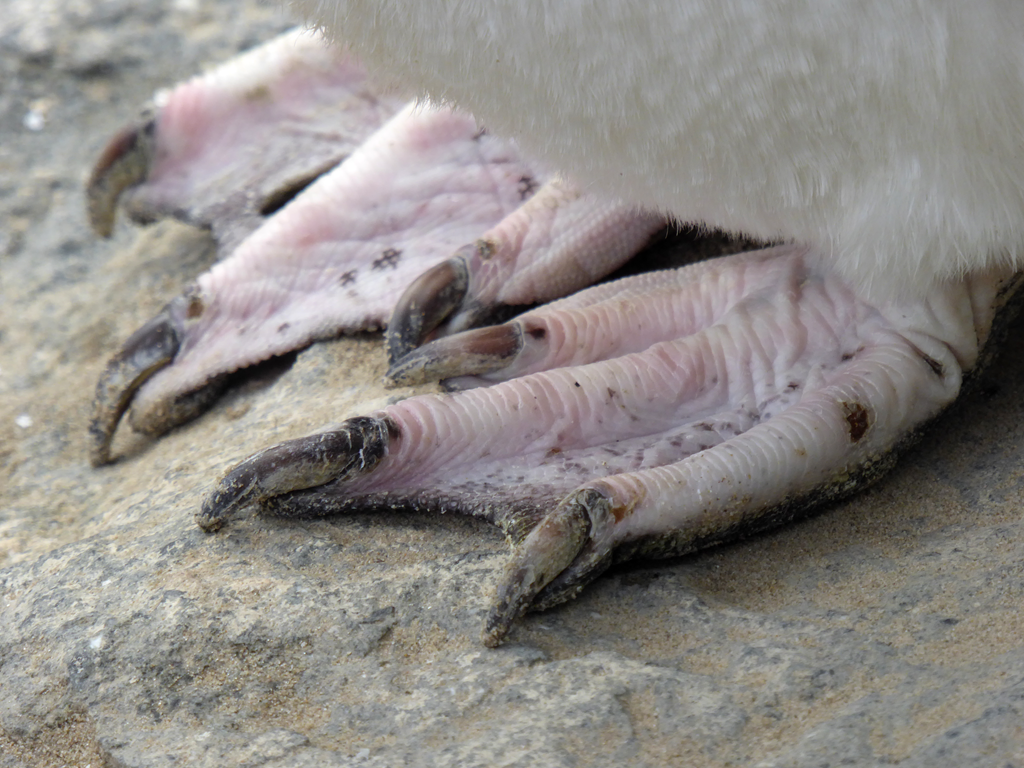
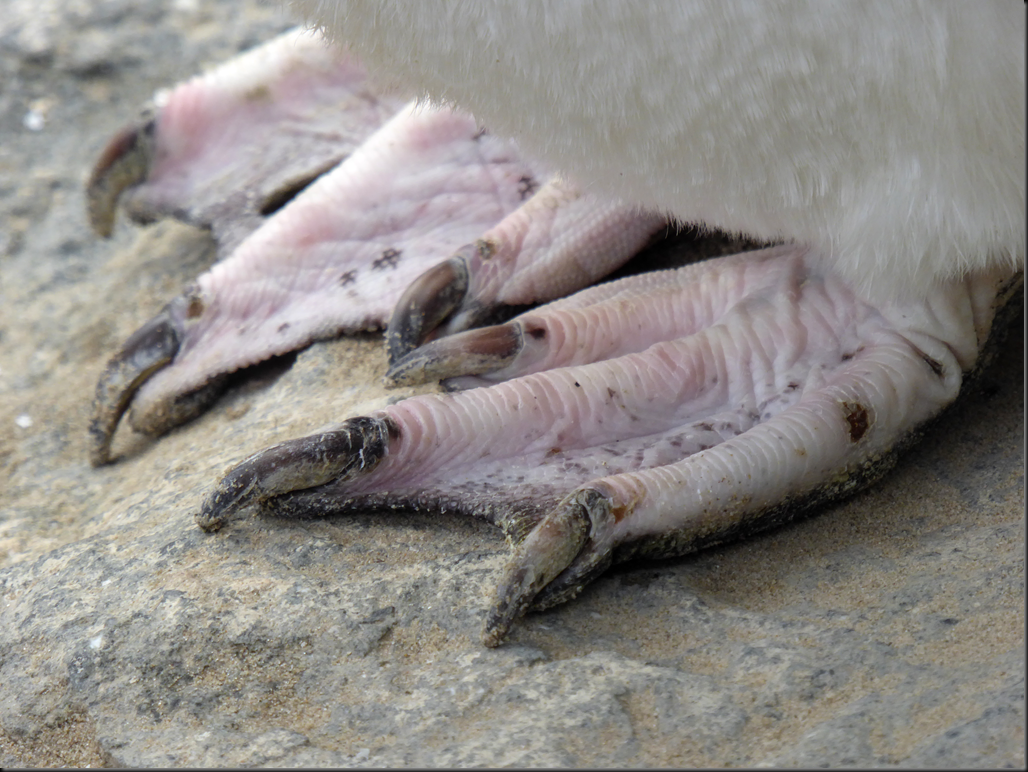
Because we could get close we could really see the details, like their feet which are used for swimming as well as climbing up the paths to their dens. Some penguins walk 2 km after coming on shore.
The rock hopper began moulting shortly after arriving so he wasn’t going anywhere. Penguins can’t go into the water while moulting because they aren’t waterproof and wouldn’t be able to swim. This is why it looks like he’s got a feather collar.
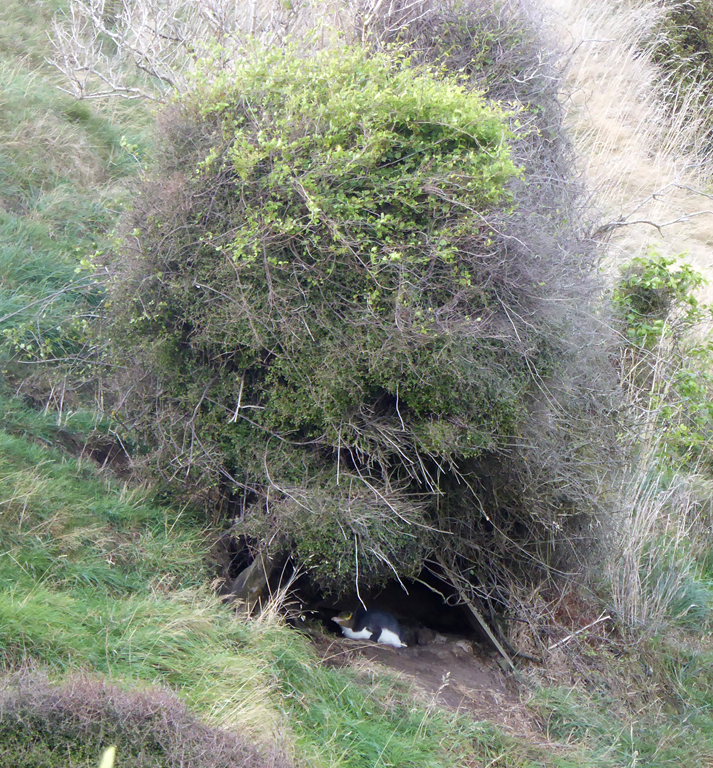
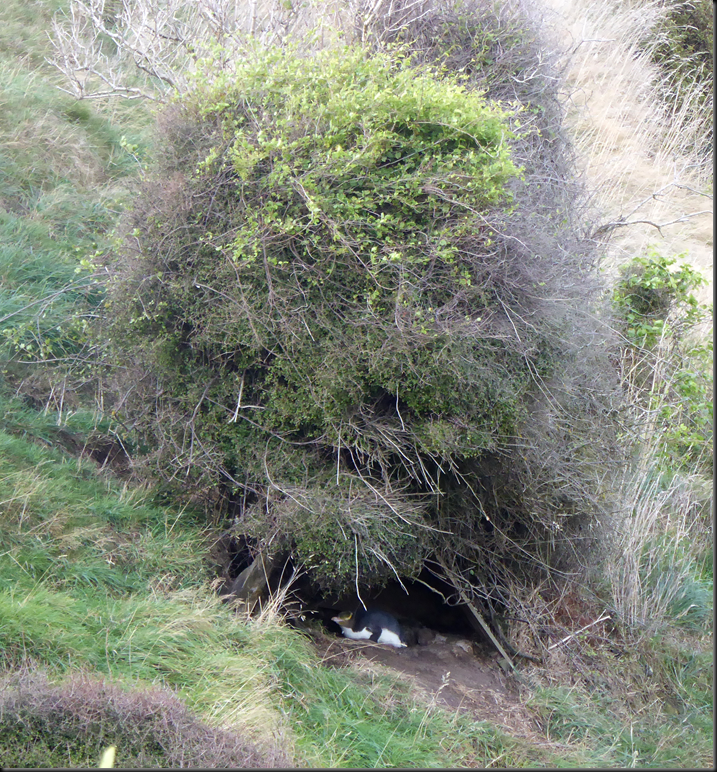
After visiting the hospital we walked through trenches to get to the burrow sites. Where the occupants were already present.
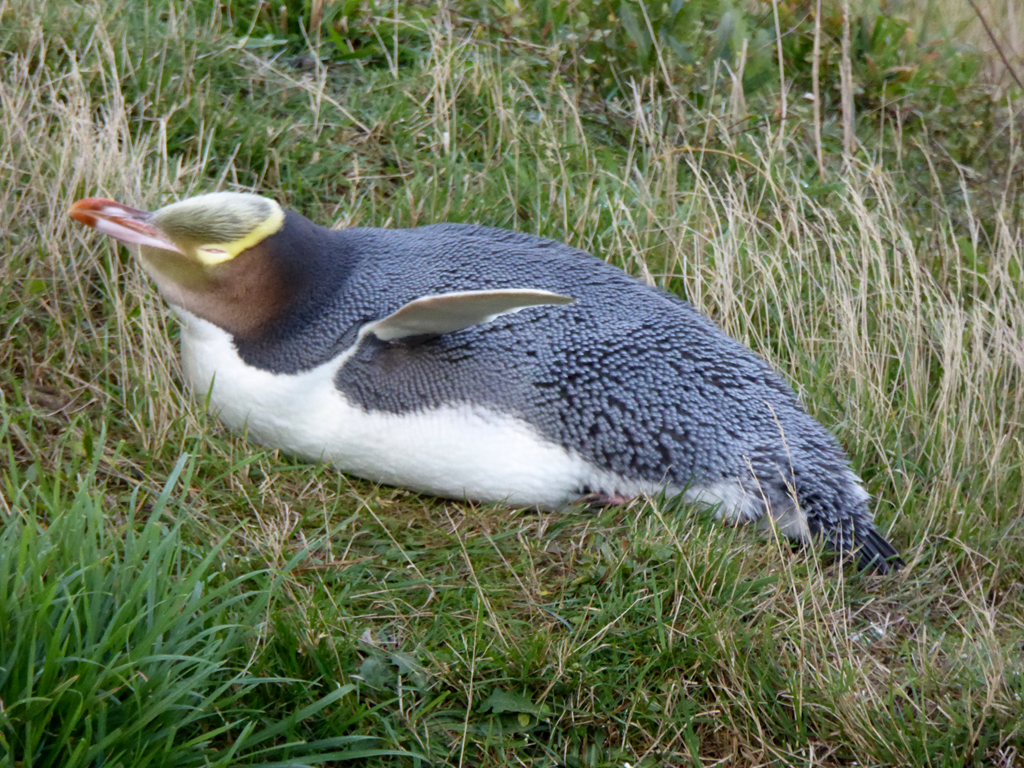
One was just relaxing out in the wind pretending to fly.
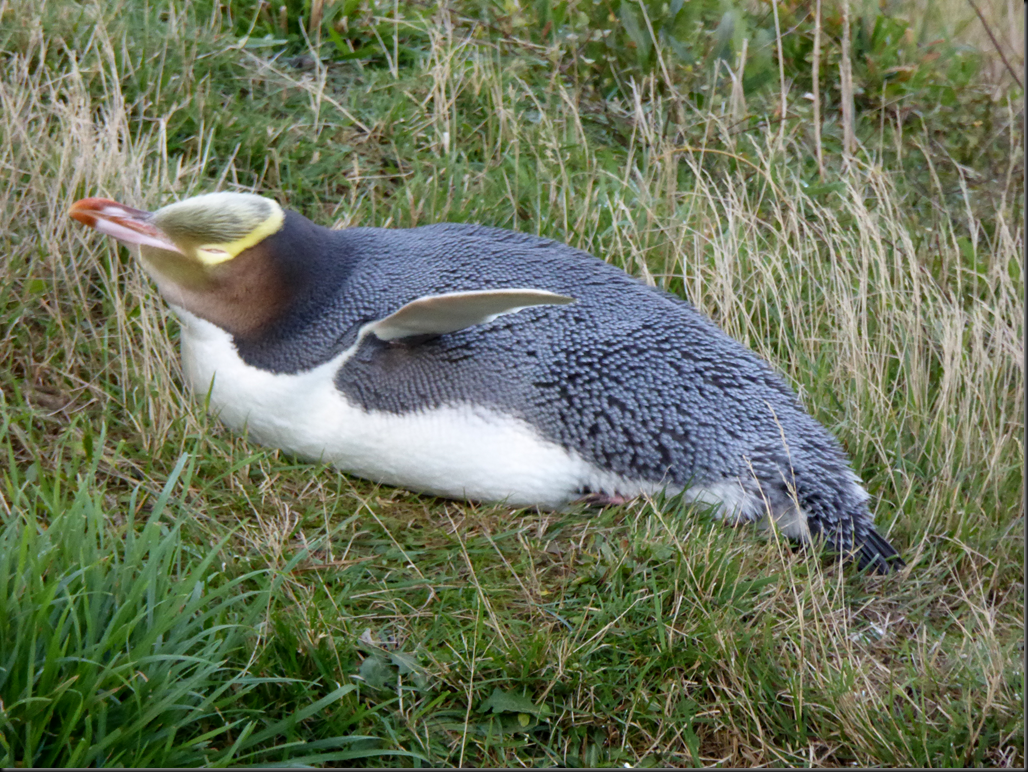
And was surprised to see he was still on the ground despite all the wind.
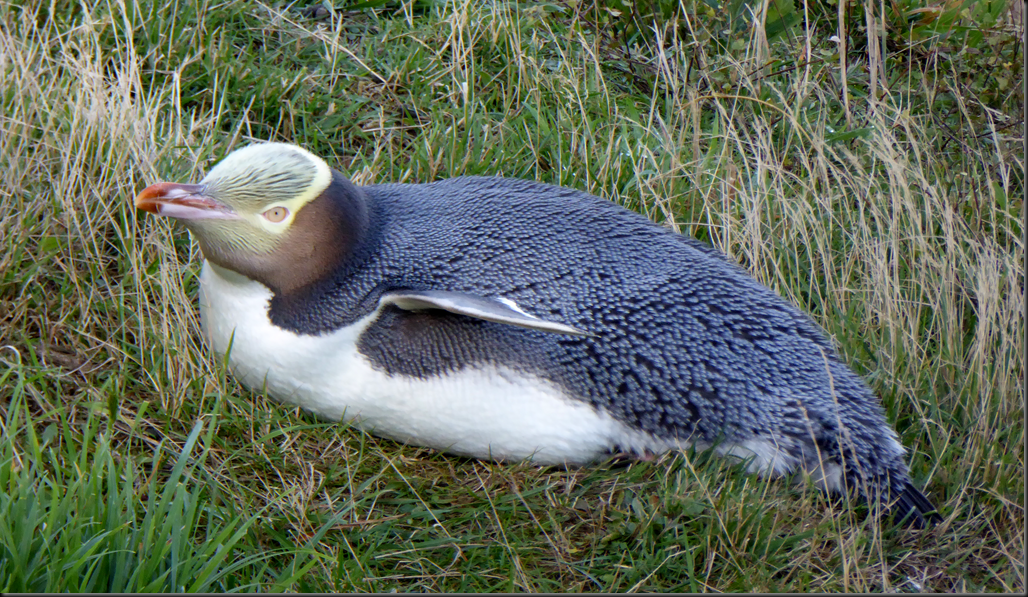
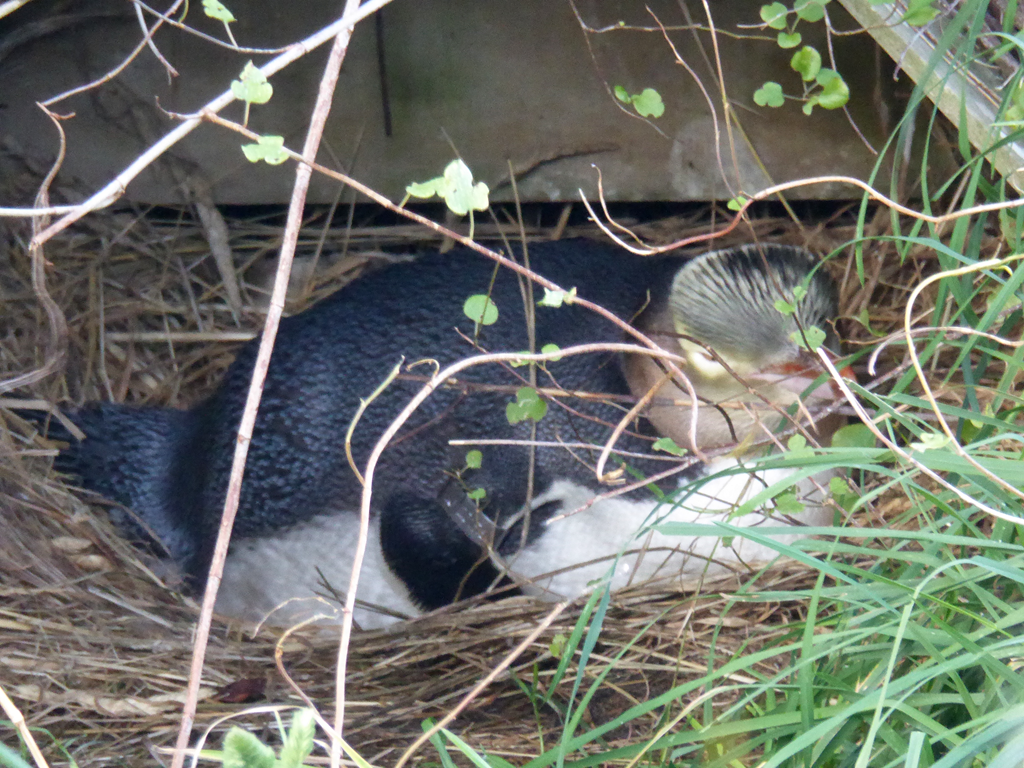
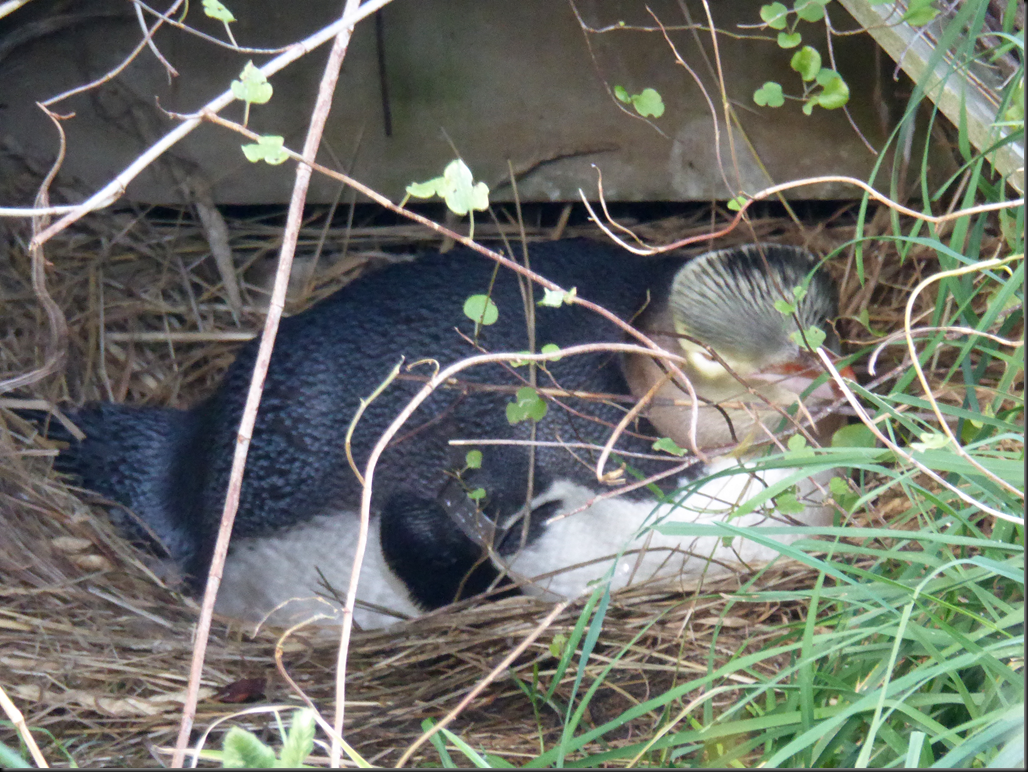
His partner was much smarter and hung out in the den instead of the wind.
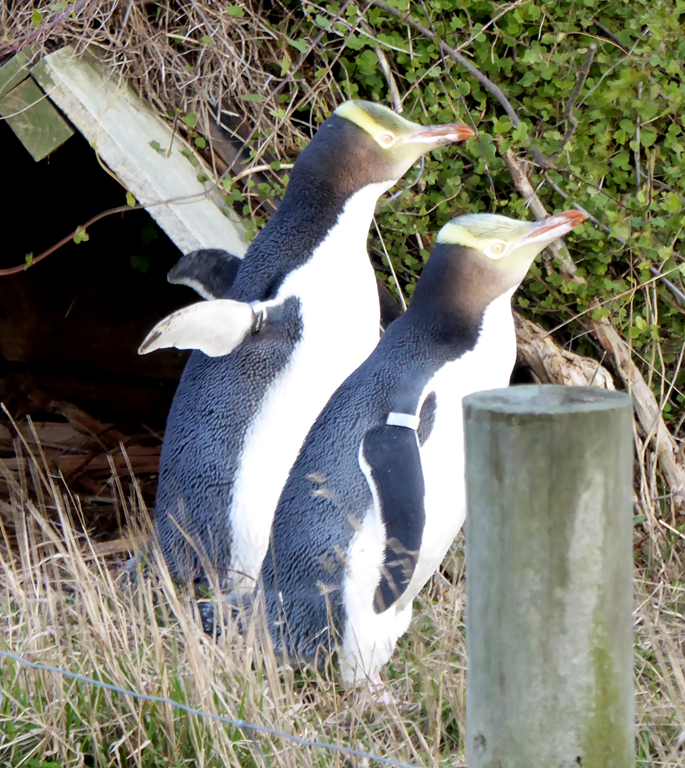
This pair was was relaxing outside as the sun set.
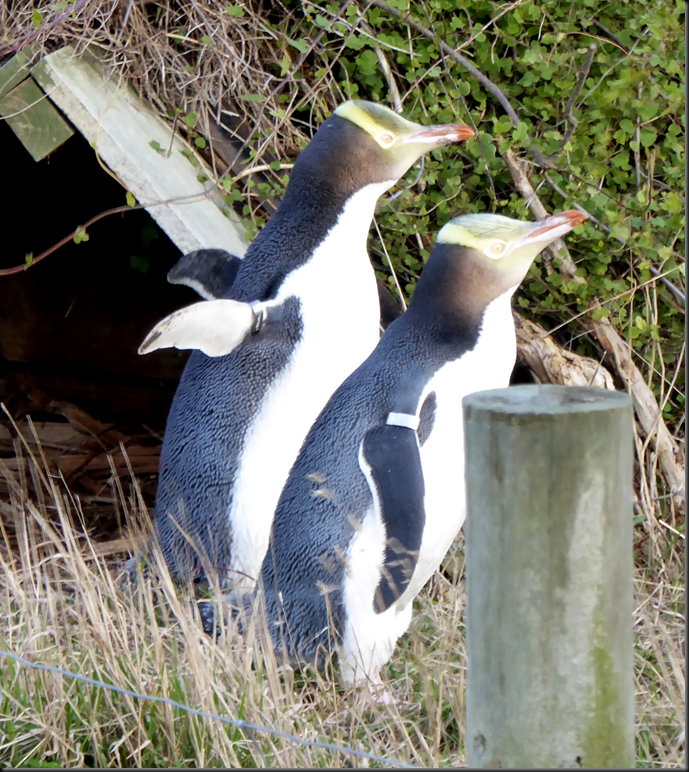
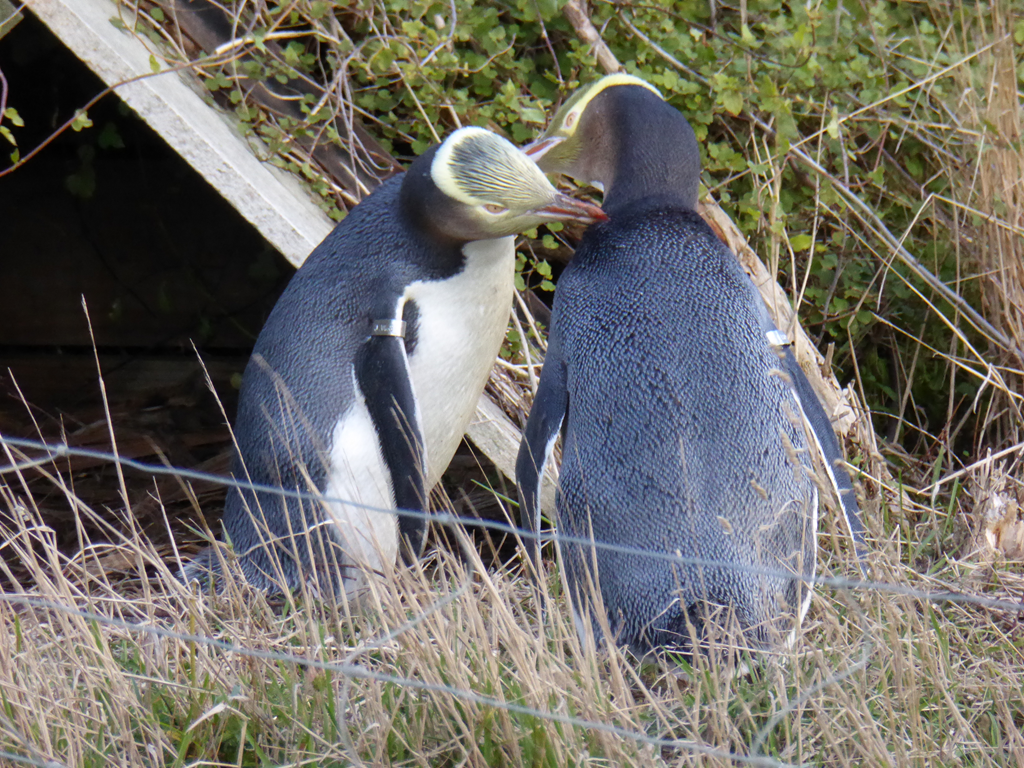
They were doing some mutual preening.
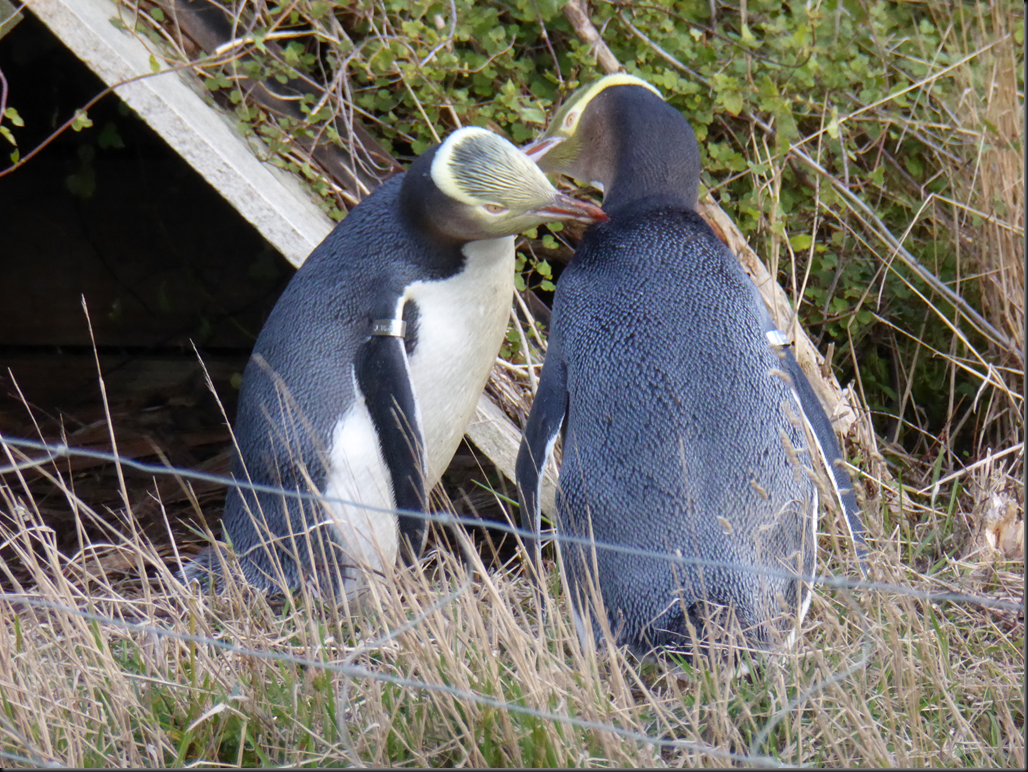
Their dens are overturned wooden crates. One crate was left on the land when it was used as a sheep farm and penguins moved in so now they have several of these crates spread all over the property. Far enough away so each pair has enough territory.