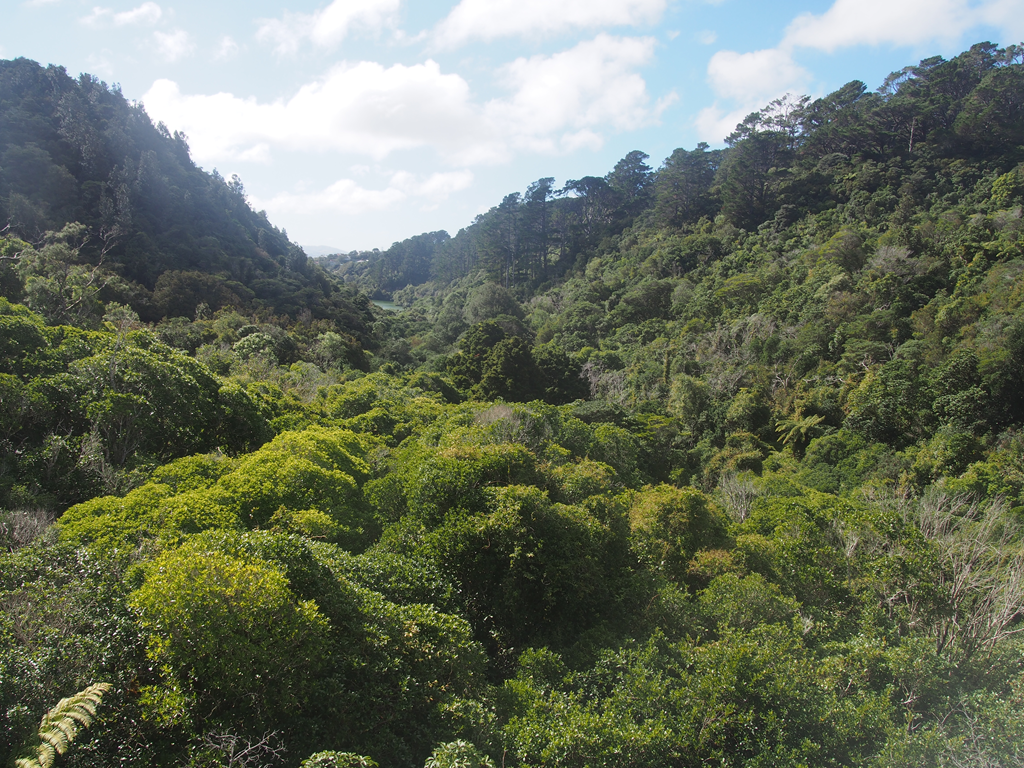
Millions of years ago New Zealand broke away from Australia and submerged below the ocean. Now Zealandia is a predator free sanctuary on the north island right in the middle of Wellington. This area was undeveloped because it used to be dammed and was the water storage site for the city.
It is full of tuis, which are incredibly noisy birds.
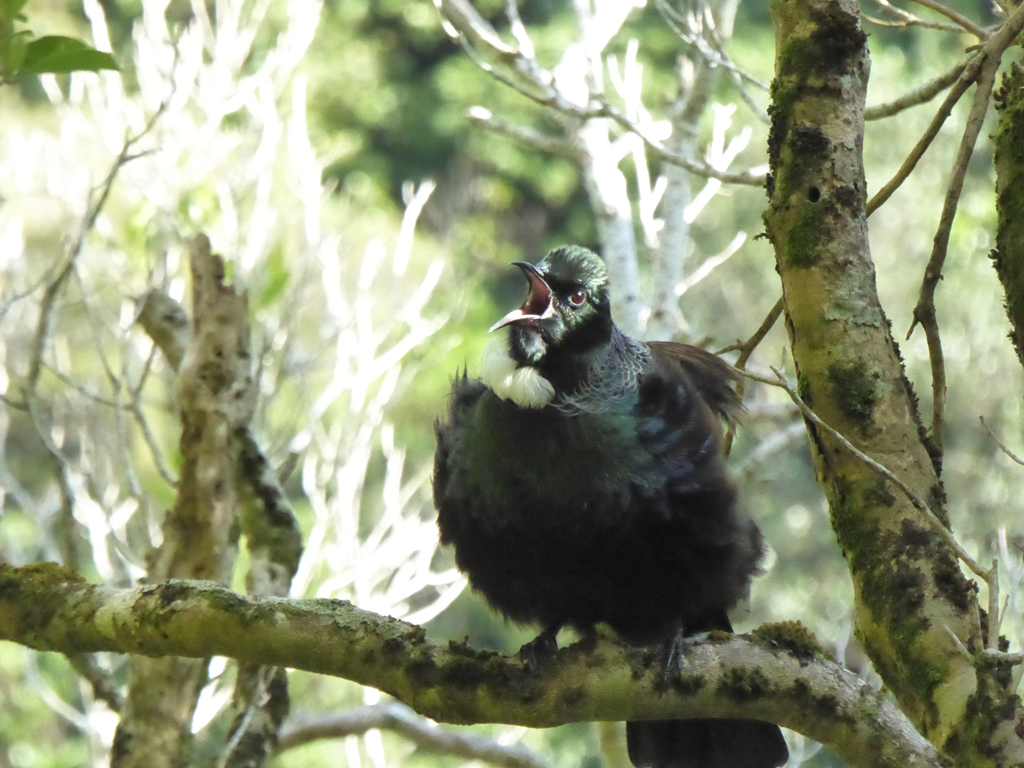
With really weird songs full of clicks and other un-birdlike noises.
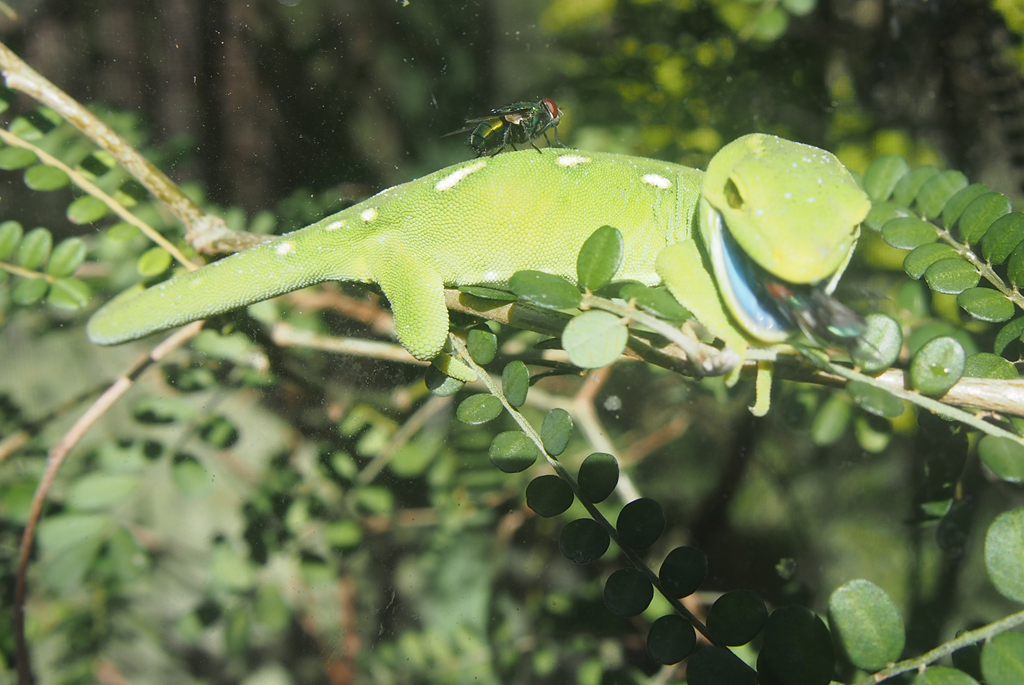
Instead you can find lots of New Zealand animals. This is a Wellington green gecko. It is blue on the inside of its mouth.
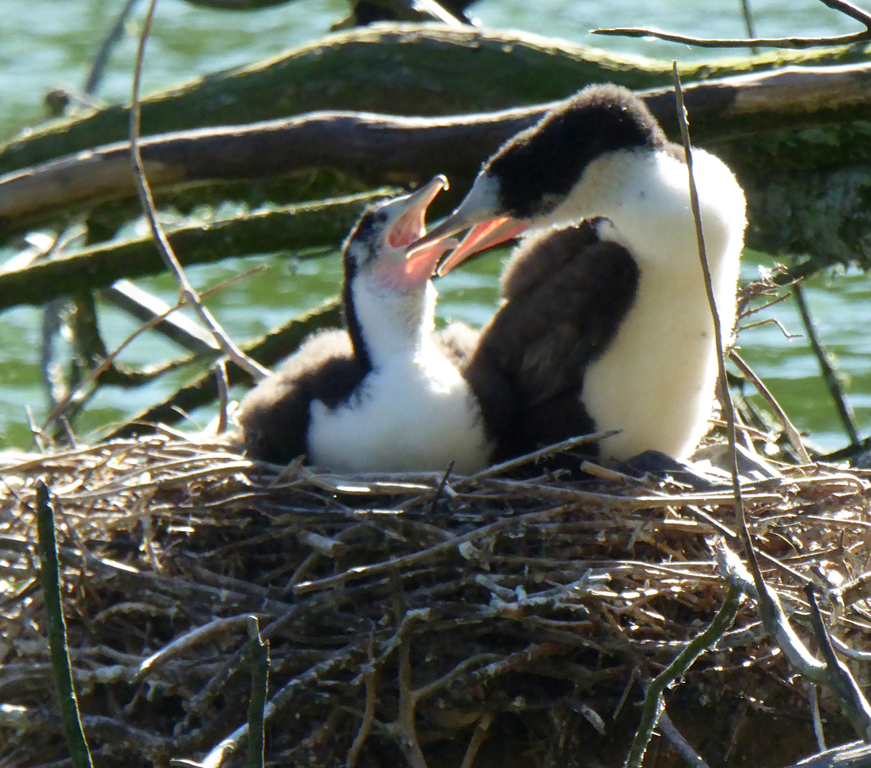
This is a baby comerant (Shag)
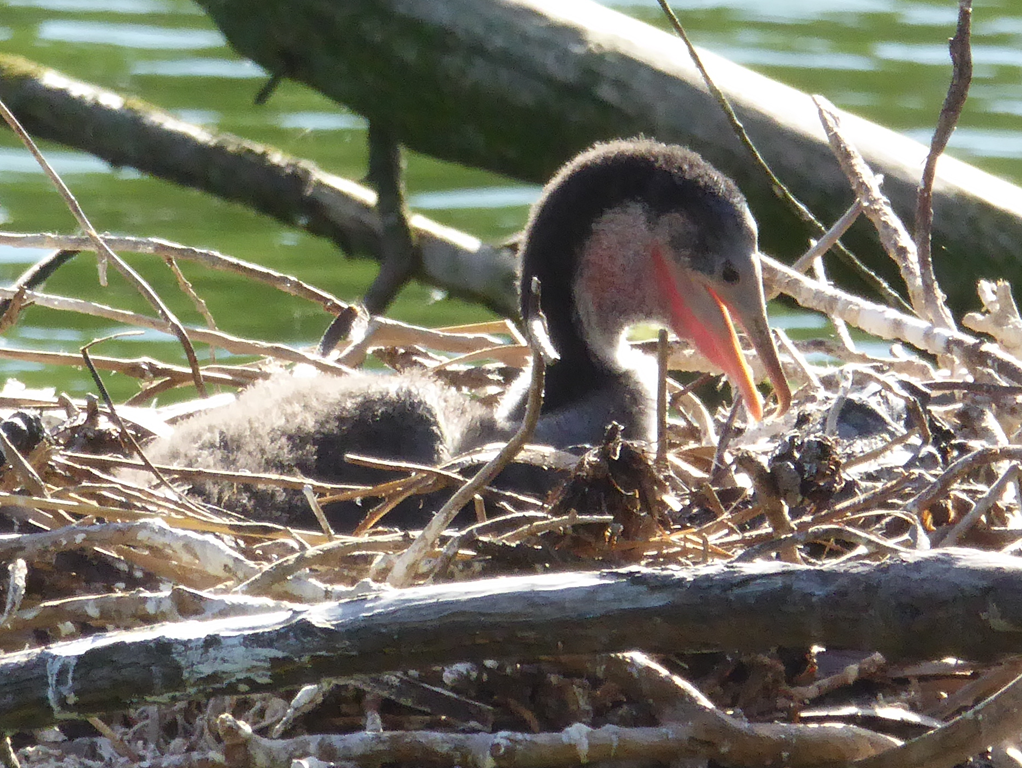
These ones are still small enough that they need to be fed and don’t look like an adult trying to eat from another adult.
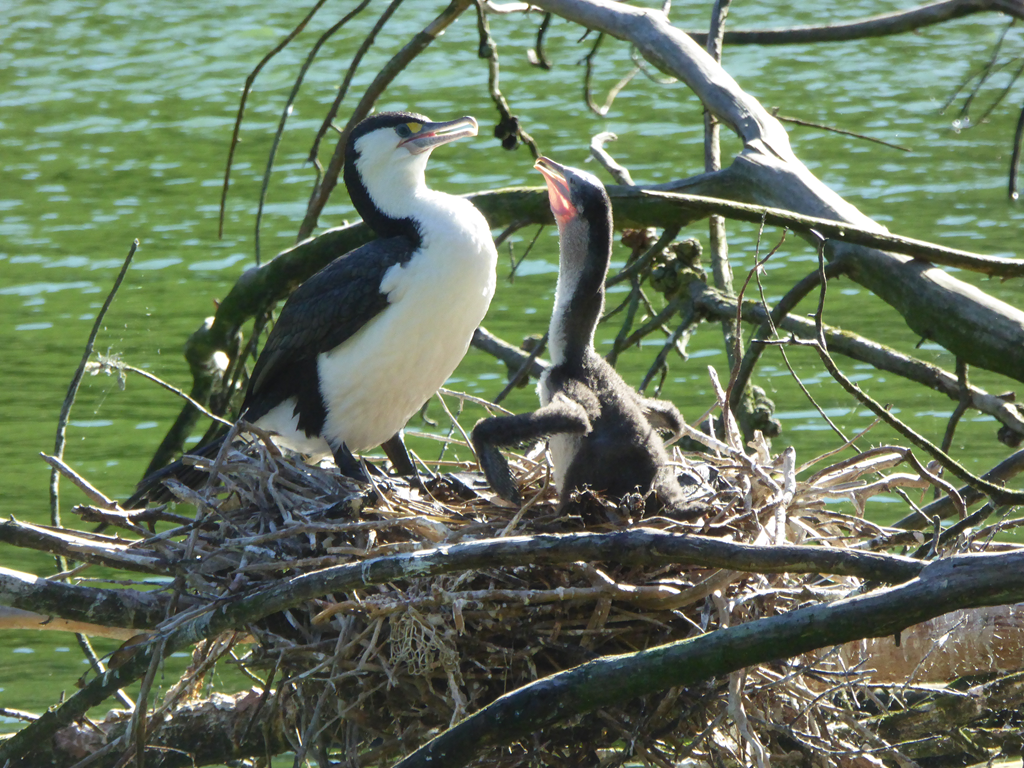
Like this lazy chick.
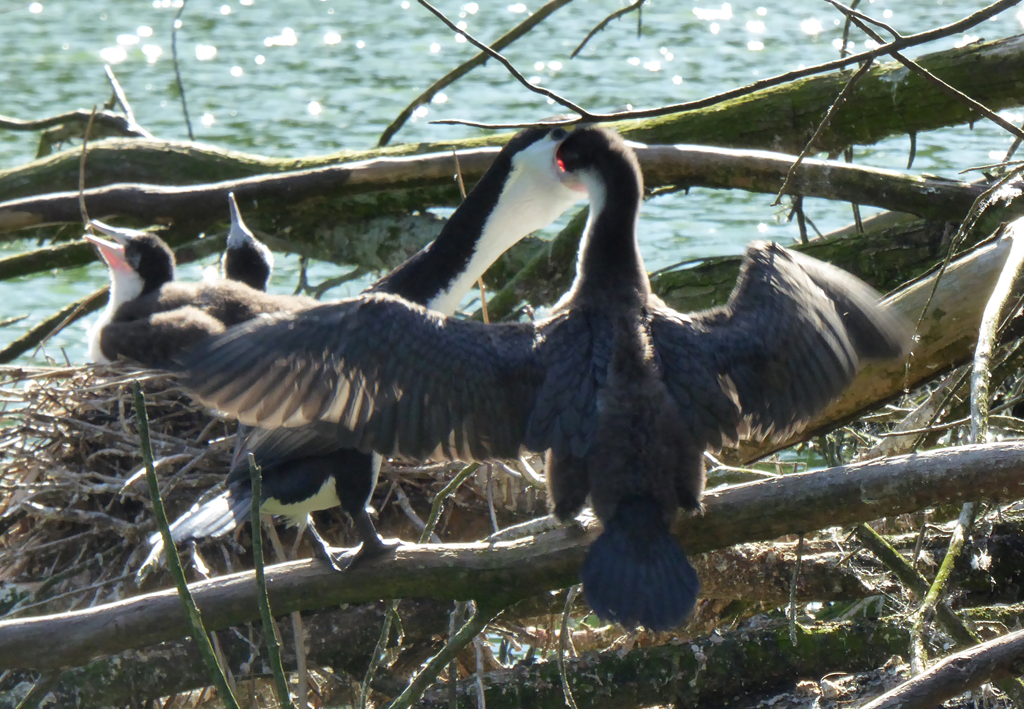
Looks like one is swallowing the other. The chick is actually grabbing food out.
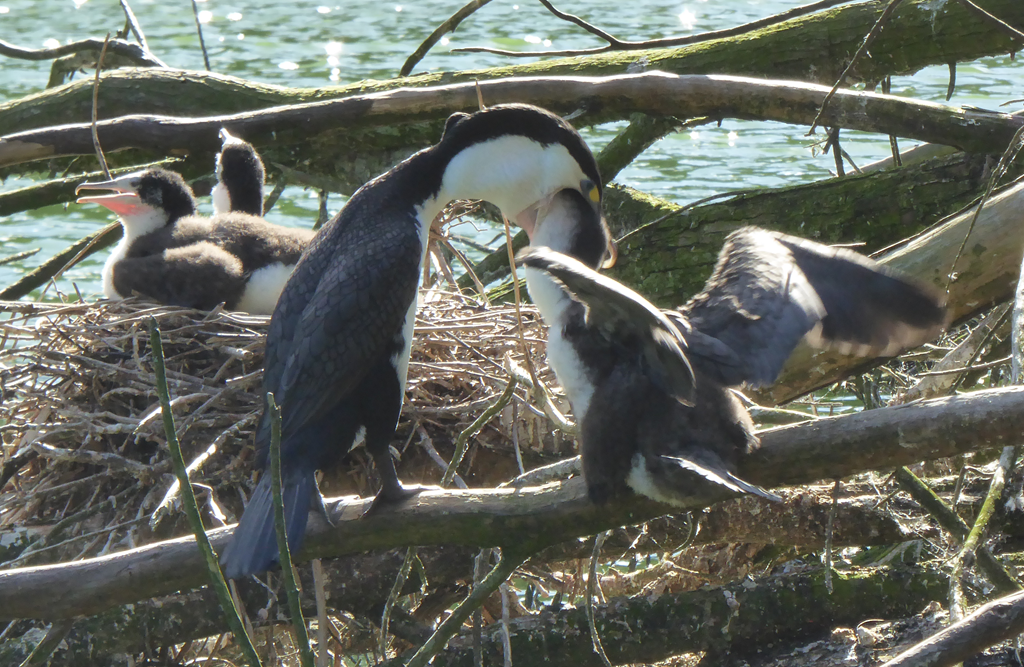
Sometimes this requires extensive searching.
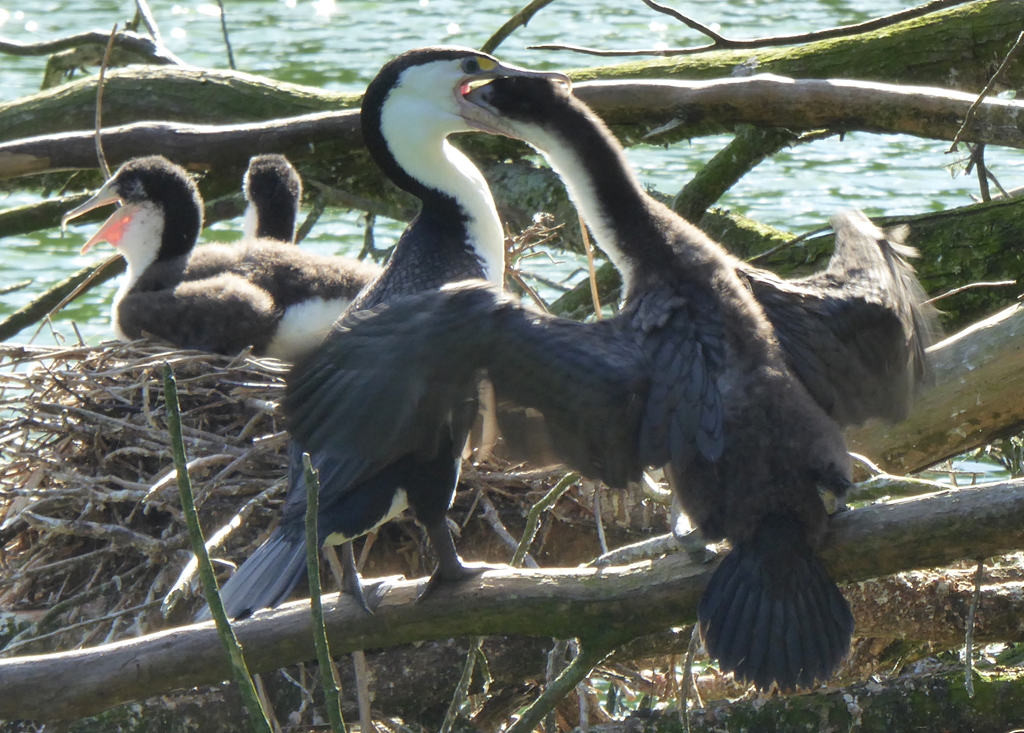
This little on isn’t quite as needy yet.
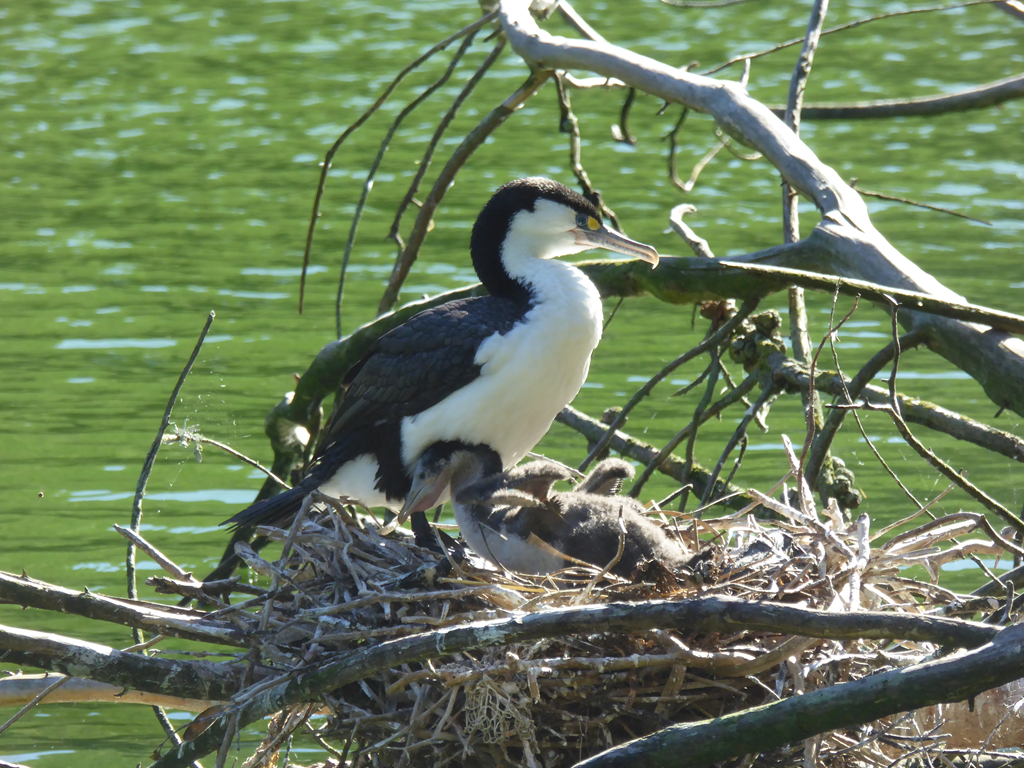
While these ones are still waiting for dinner to come home.
This is a Takahe. They are endangered (like most birds in New Zealand). It lives in the mountains but got to move somewhere warmer after outliving its breeding age.
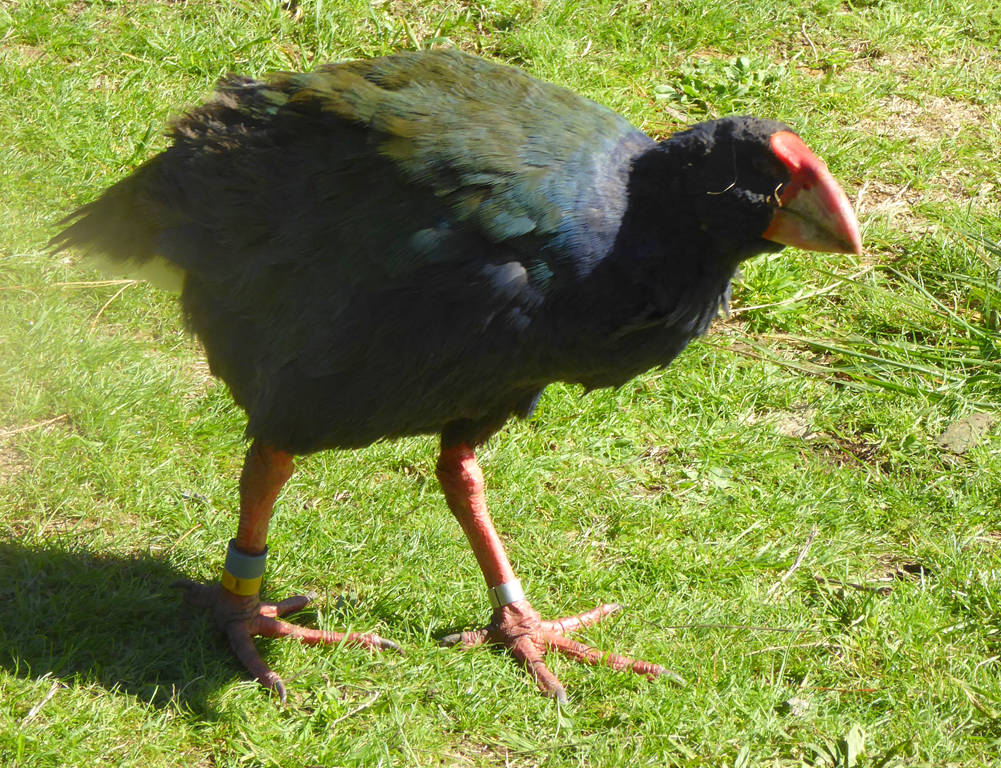
They have very strong beaks and the staff seem to all have stories of bruised fingers when they have to add the extra feed to the feeders.
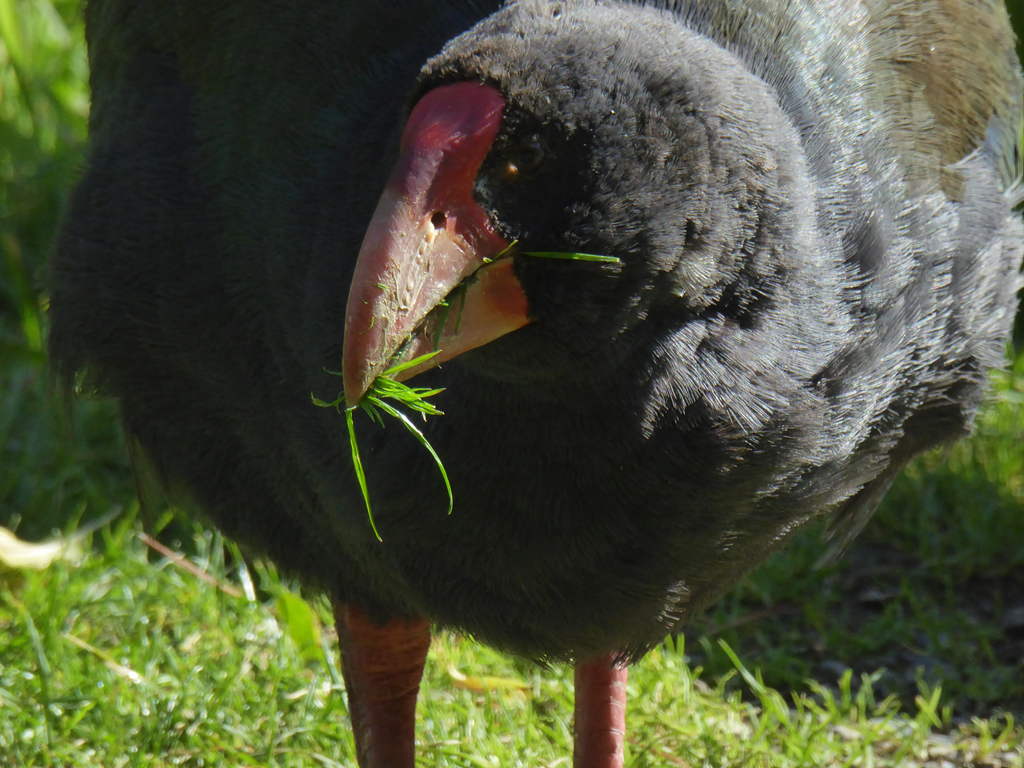
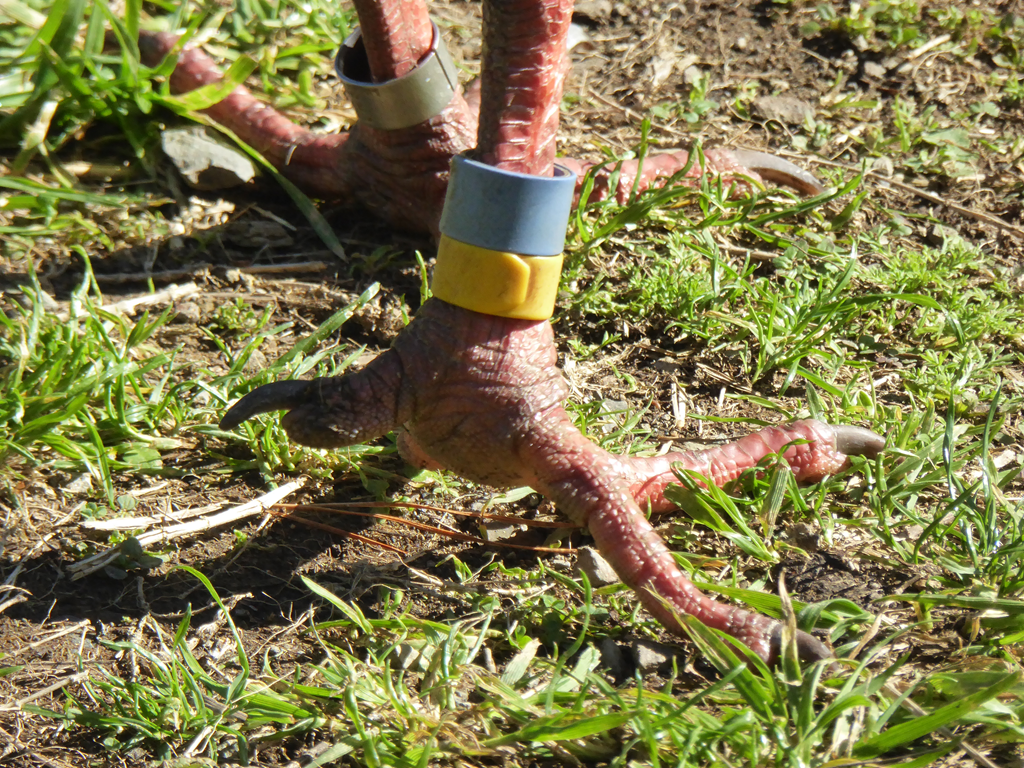
They also have large feet which can scratch pretty bad, so we kept our distance.
There was a sanctuary within the sanctuary to keep out the mice since the predatory fence was found to let baby mice in. They did this so they could bring tuatara back to the mainland.
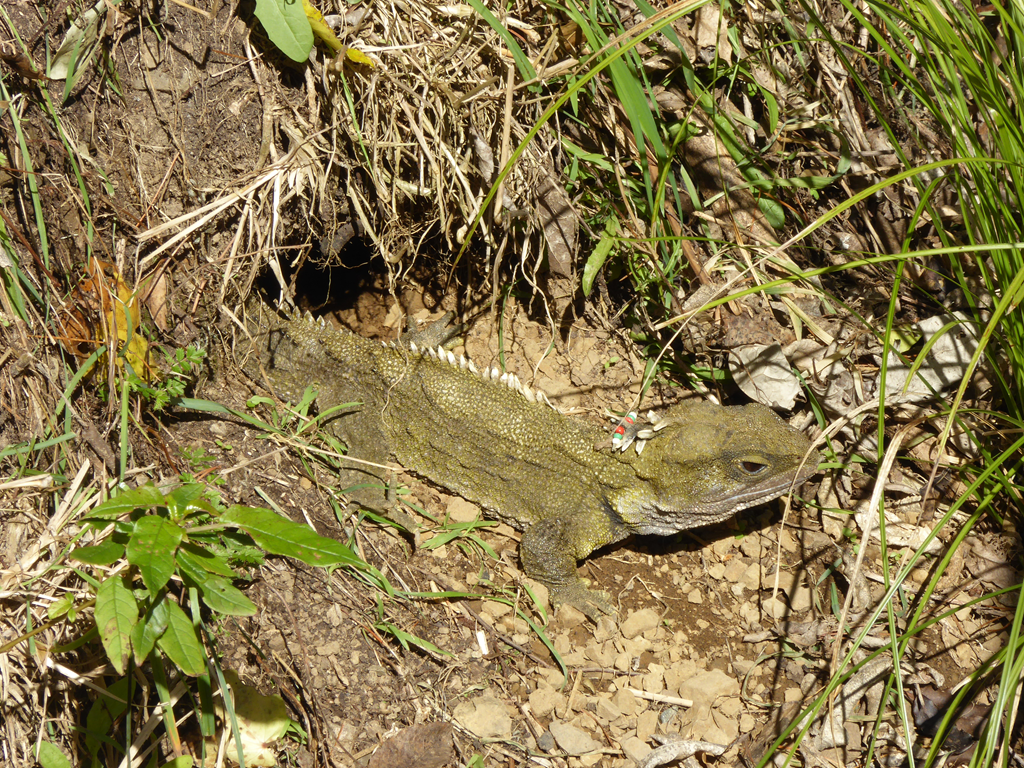
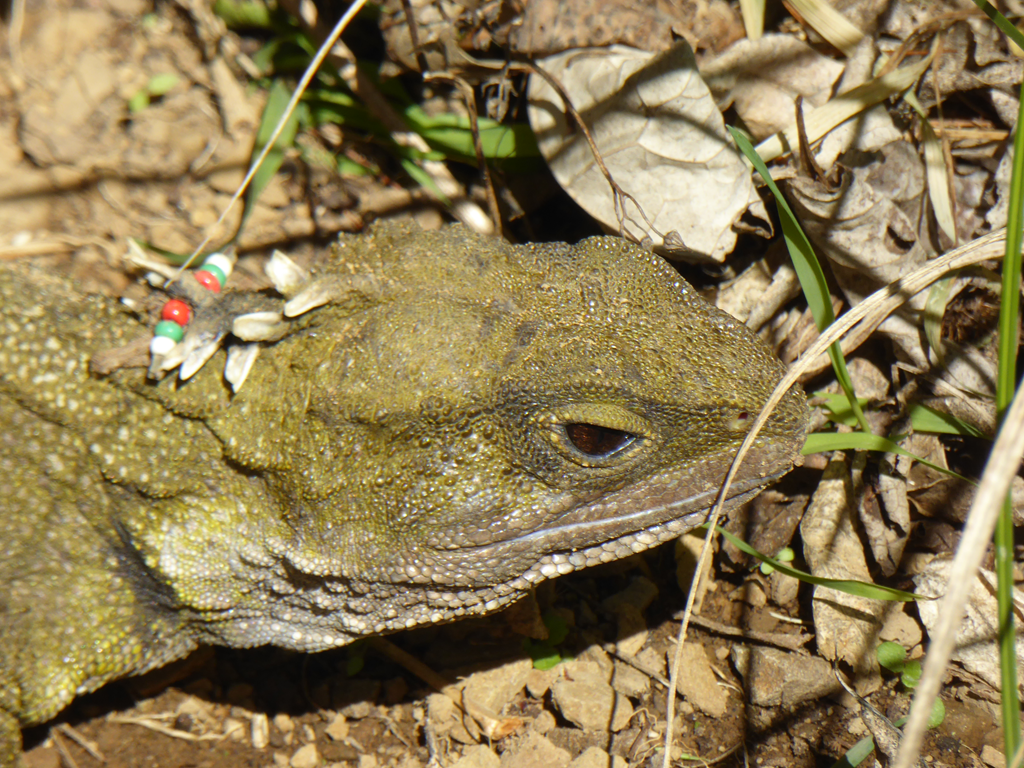
The old ones have beads in their spines to identify them. They live at far colder temperatures than other reptiles.
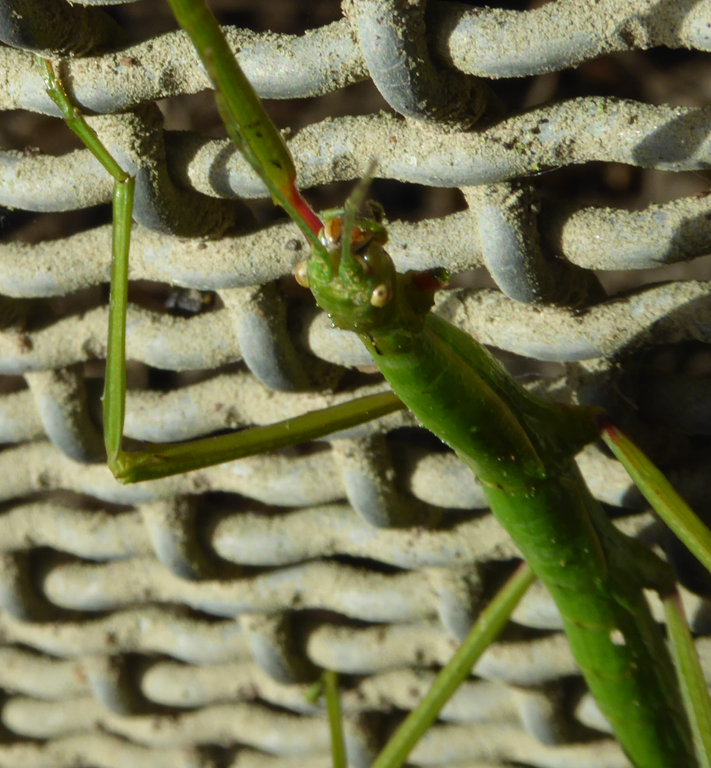
While looking at the tuatara we found a stick bug not blending in with the fence. He was dropped there by a bird earlier in the day.
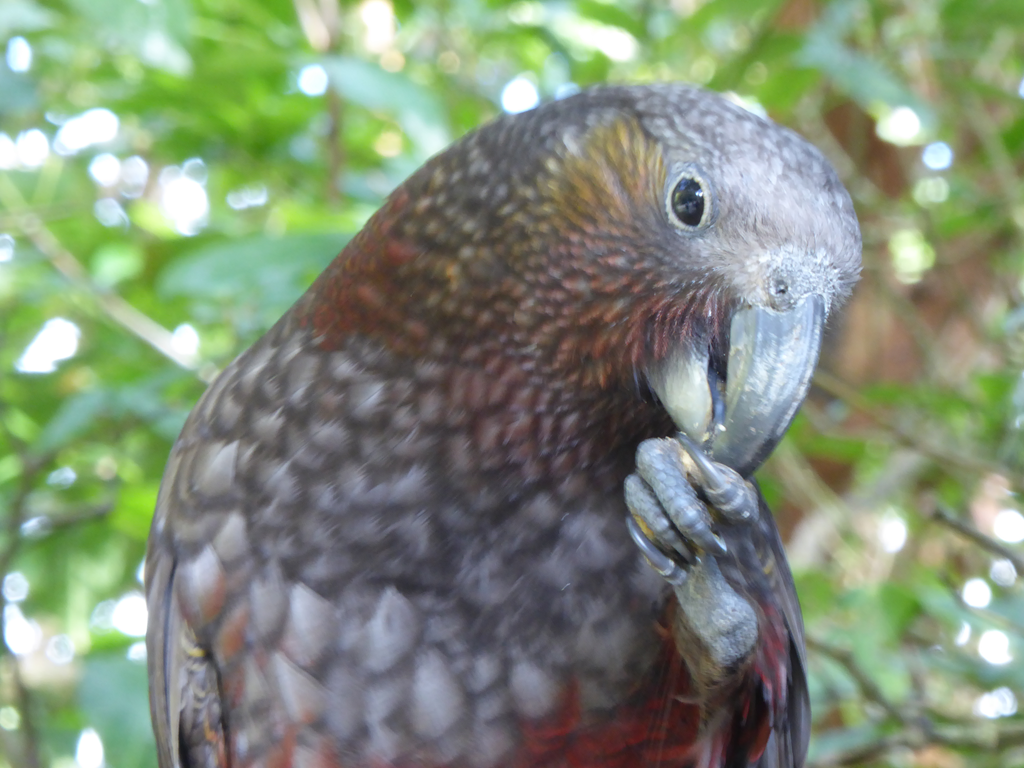
There were also many very noisy Kaka parrots.
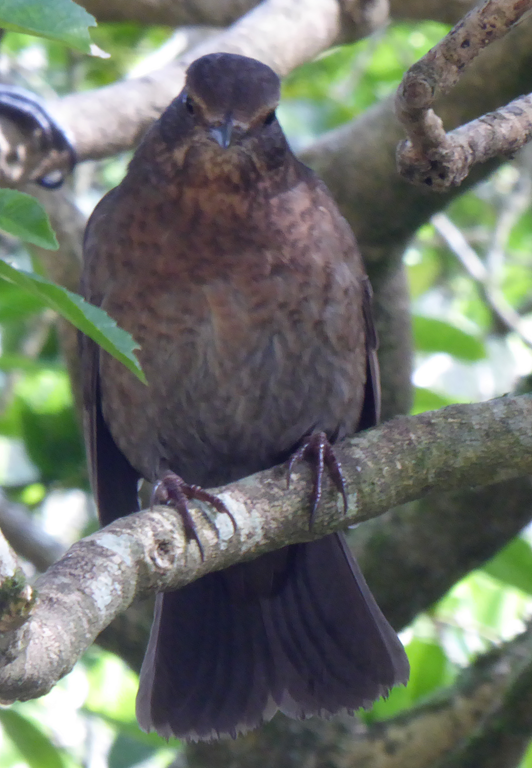
There were many other birds that we saw. Many of which I cannot remember their species.
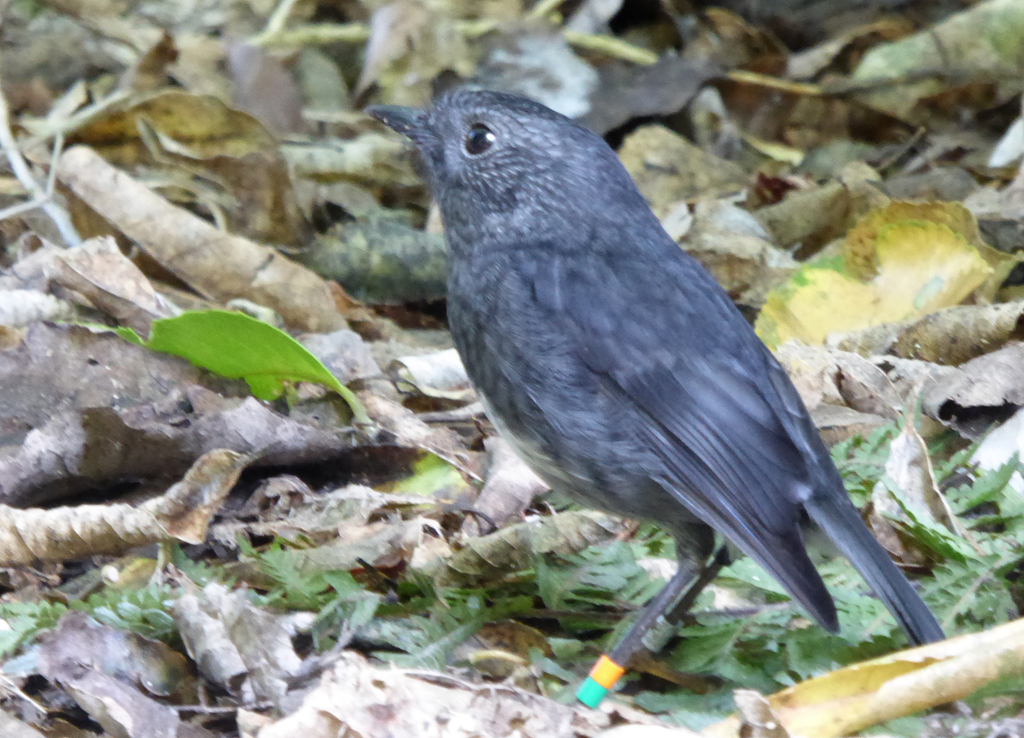
This one we do remember. It was the previously critically endangered black robin. Thanks to all the conservation efforts it has come back from only 5 individuals left.
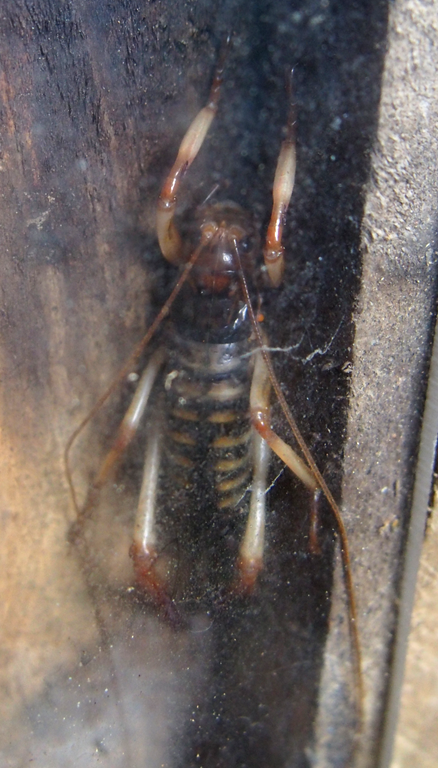
They also had some spots where the wetas like to hide during the day. We found and disturbed one tree weta.