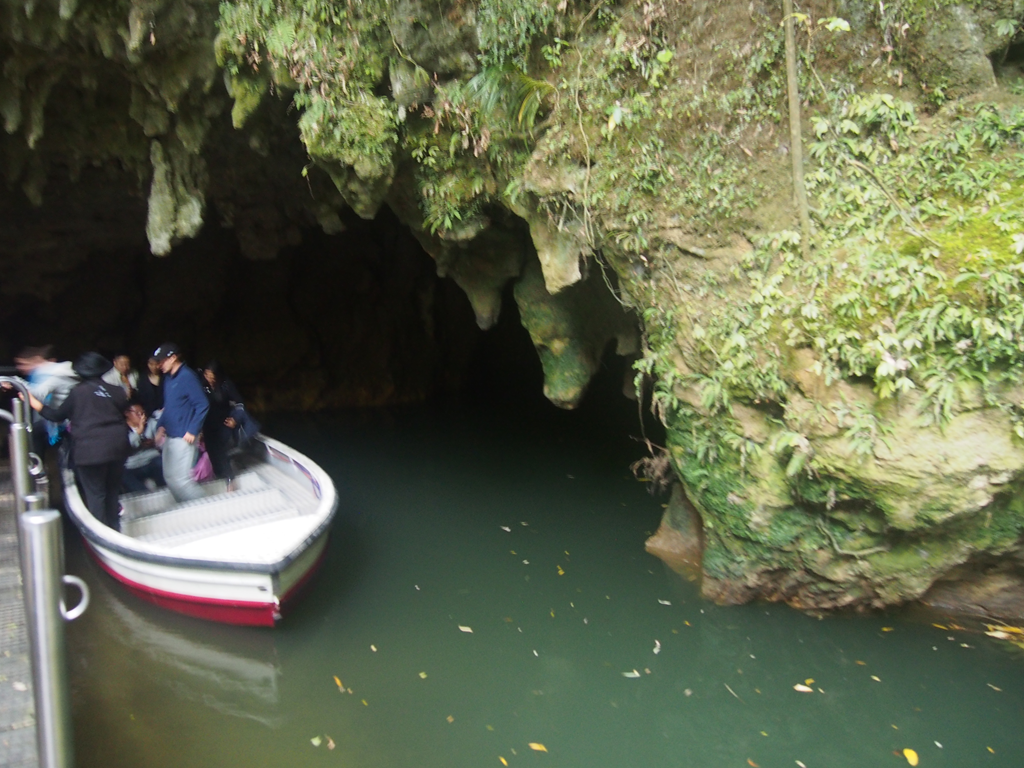
Described by Lonely Planet as “subterranean sexiness”.
Matt abseiled into the caves.
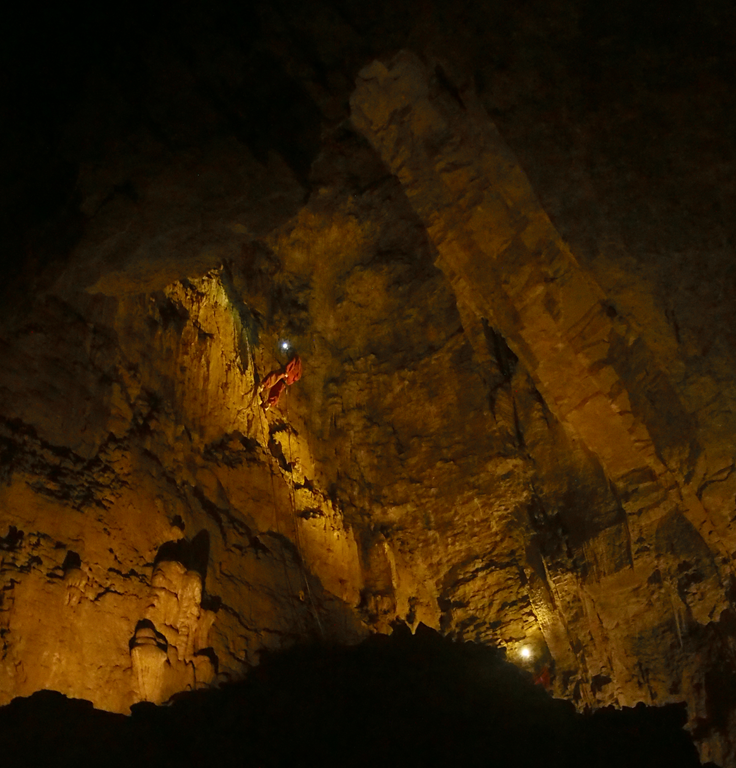
This is a stunt double because he wasn’t allowed a camera.
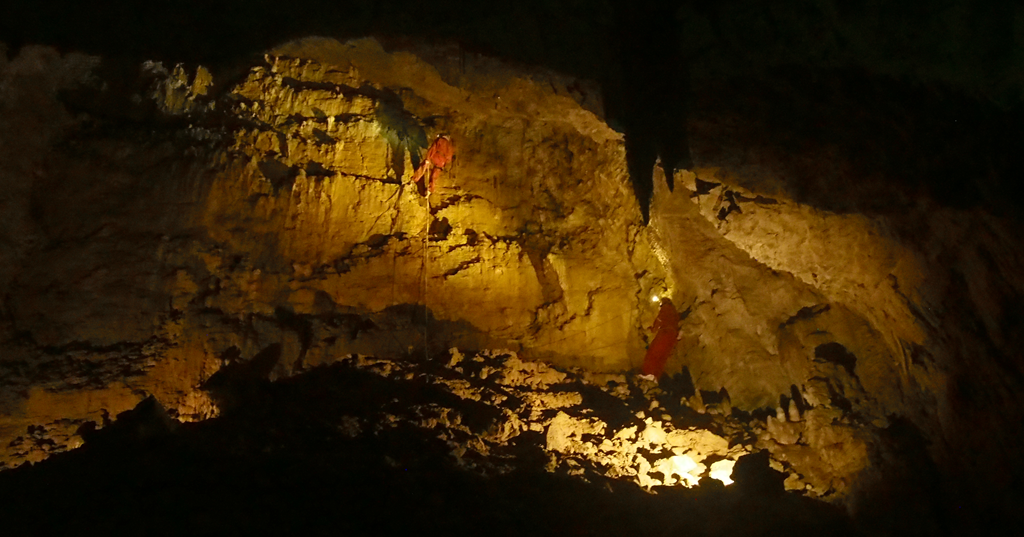
He actually went through an itty bitty hole like this. Only banged his knee once on the way down.
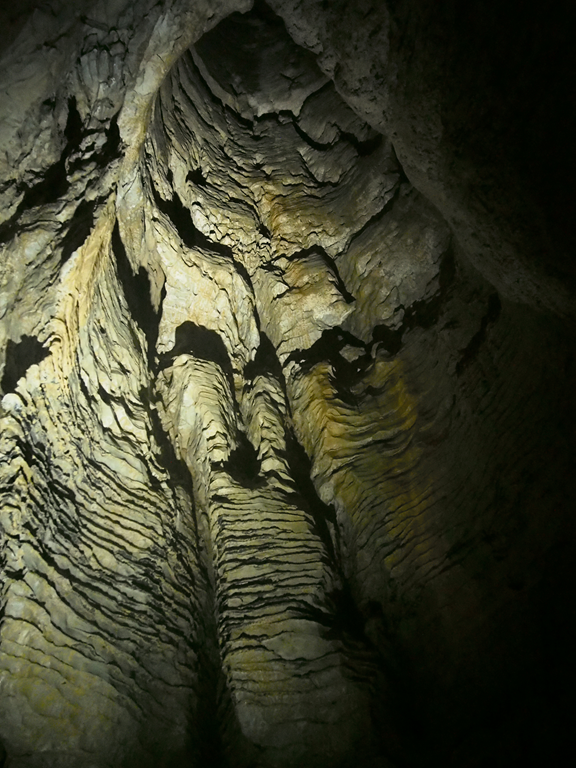
Kerri took a long, illuminated spiral staircase.
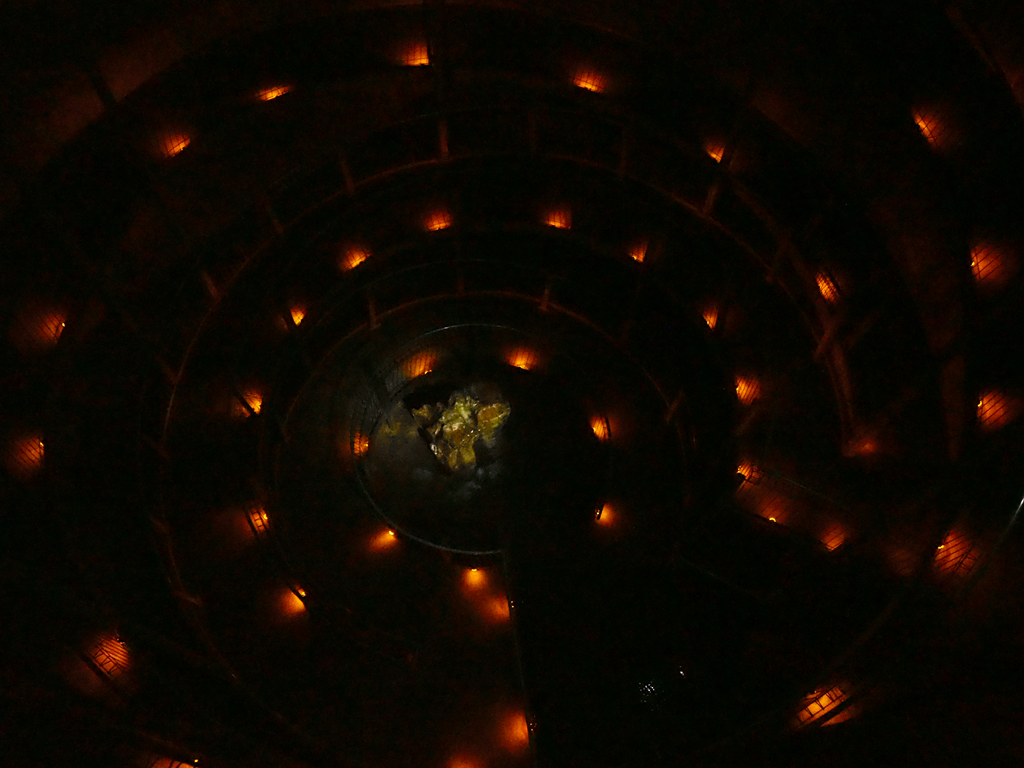
Both of us ended up in amazing caves with very cool formations.
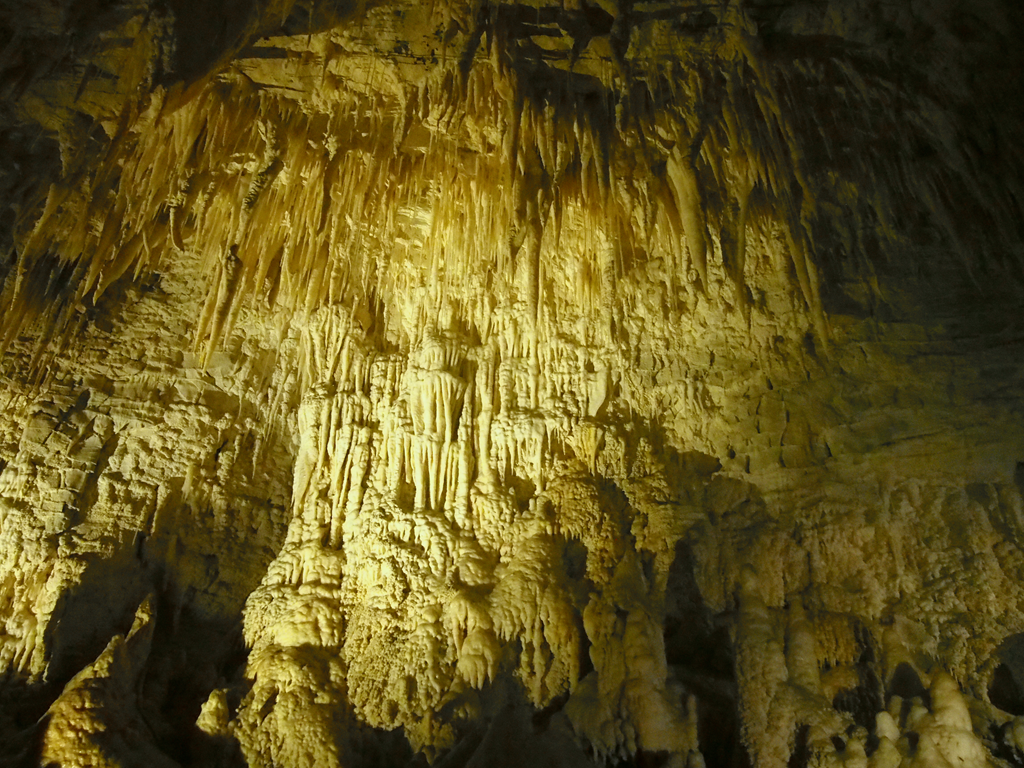
Some were very thin.
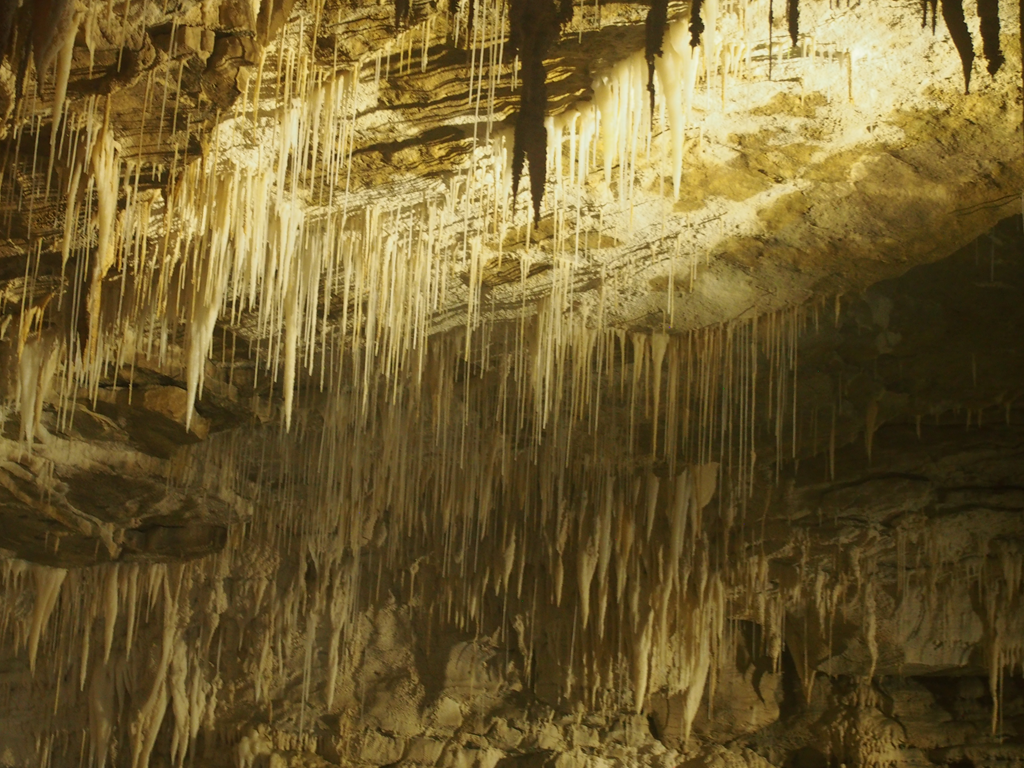
While others formed ribbons.
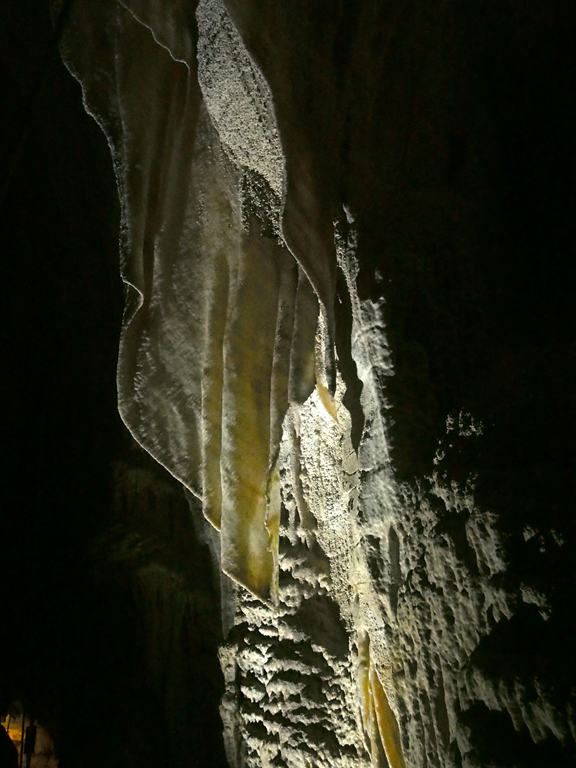
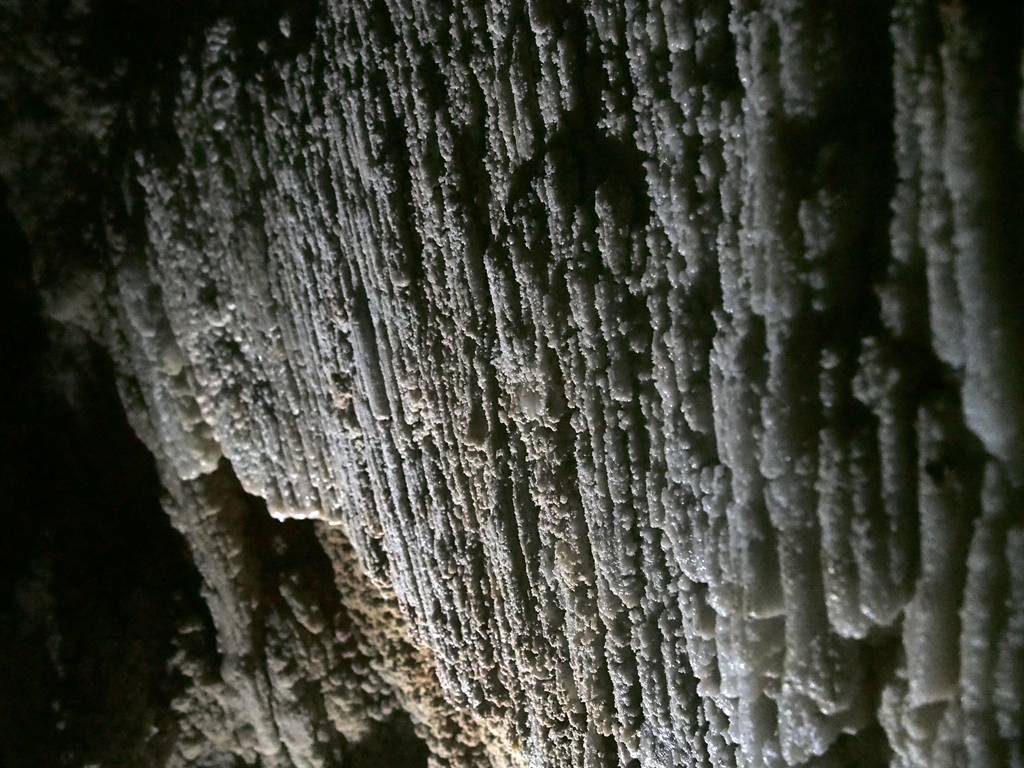
Thousands, or hundreds of thousands of years to make these formations just from the slow crystallization of calcite from the limestone dissolving and reforming.
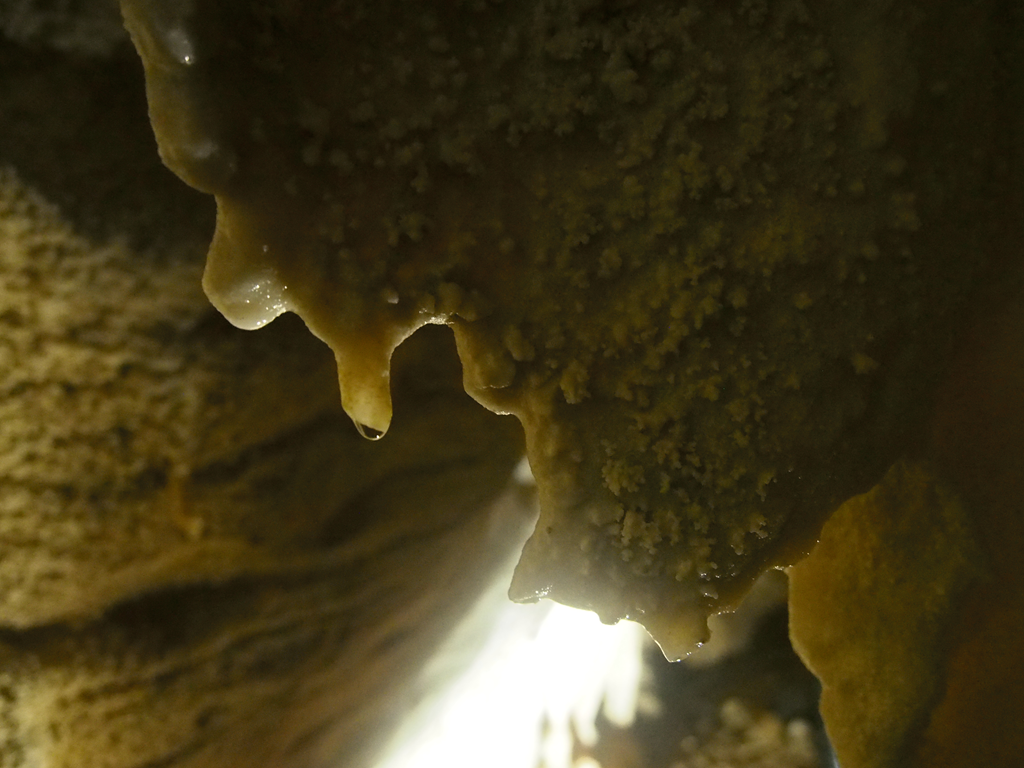
Some stalactites start to get much wider over time.
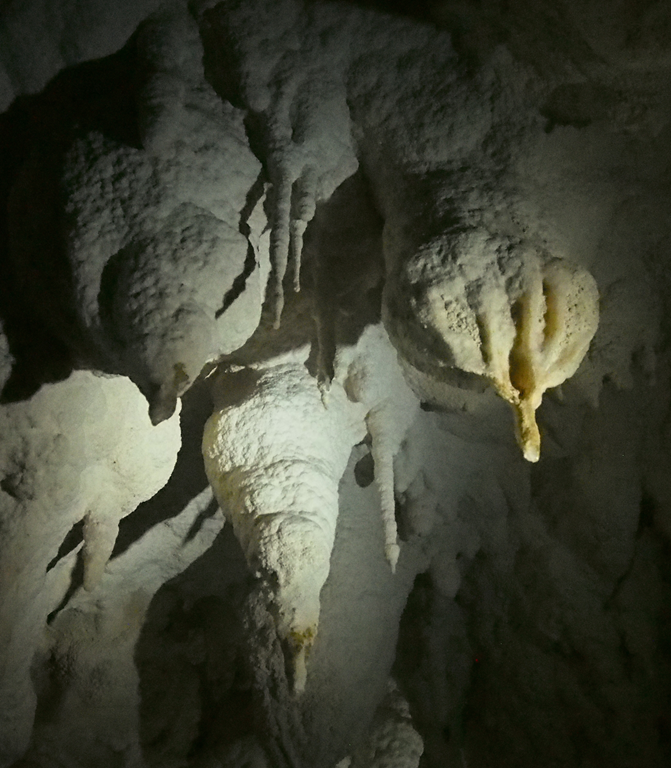
Sometimes the way the water drips you get flowstone.
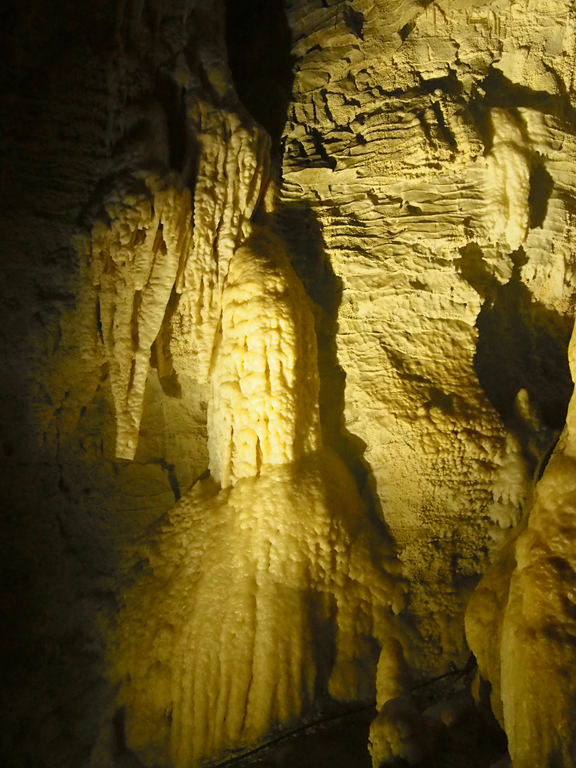
Flowstone is where the crystal can form over a large area rather than forming a stalagmite.
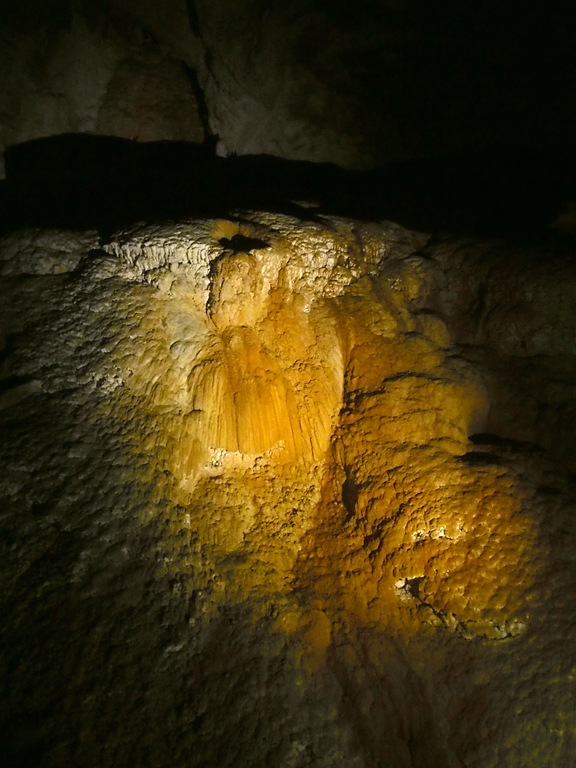
The new crystal is still very fragile and you have to avoid touching it which could break it or cause it to stop growing.
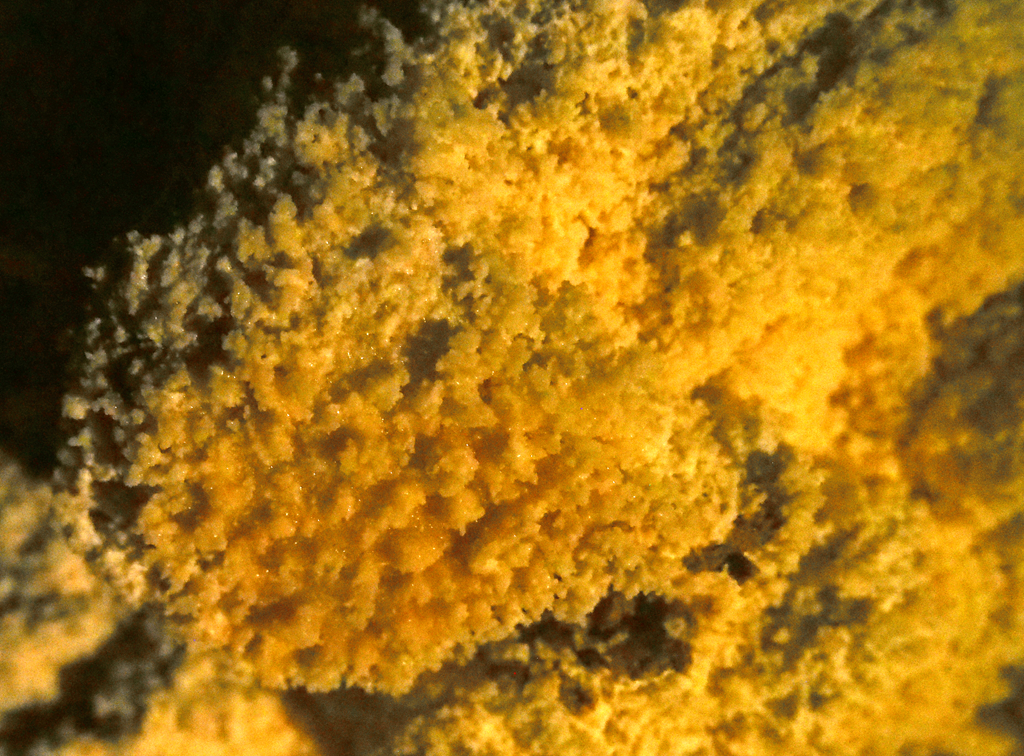
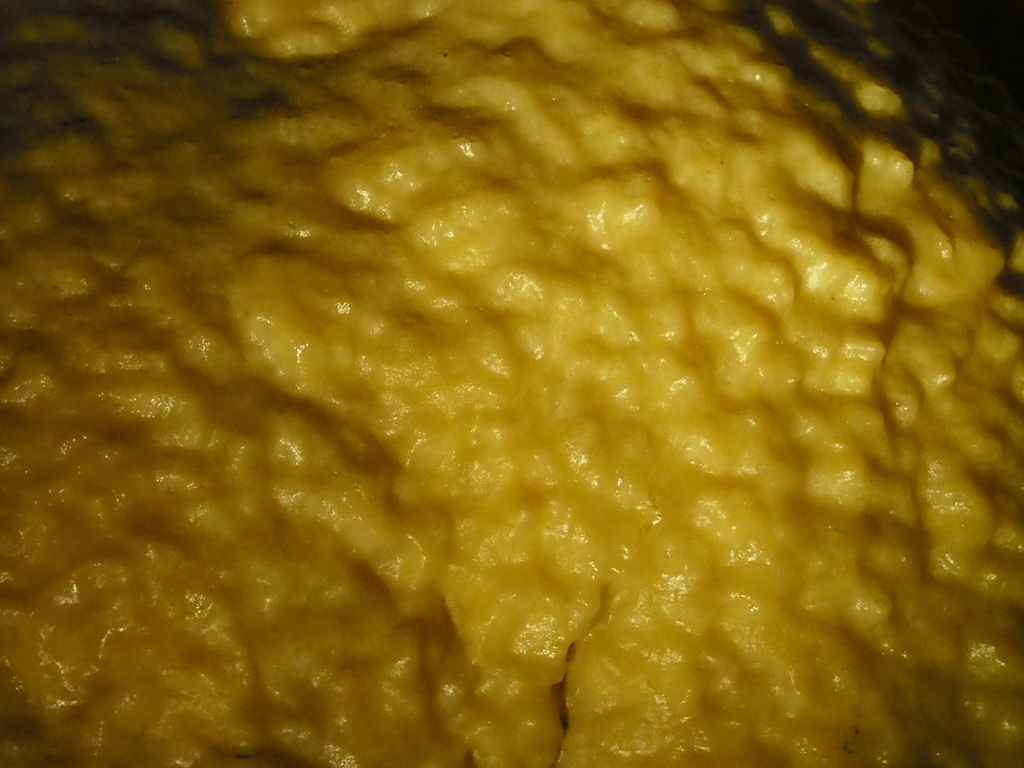
Some crystals looked much smoother than others.
The conditions inside the cave don’t really change and keep at a constant 17 C.
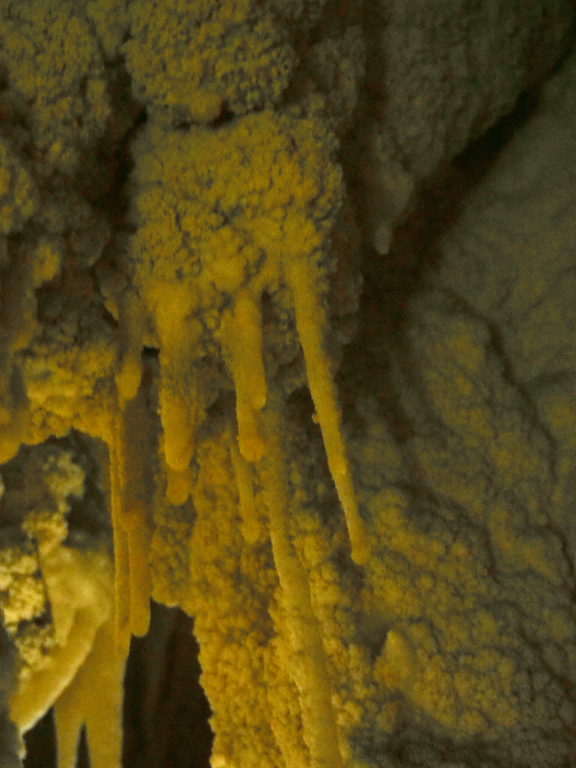
The constant temperature helps these formations grow as nothing really changes decade after decade.
Kerri got to see much more of the caves as Matt was in the dark freezing in the underground river.
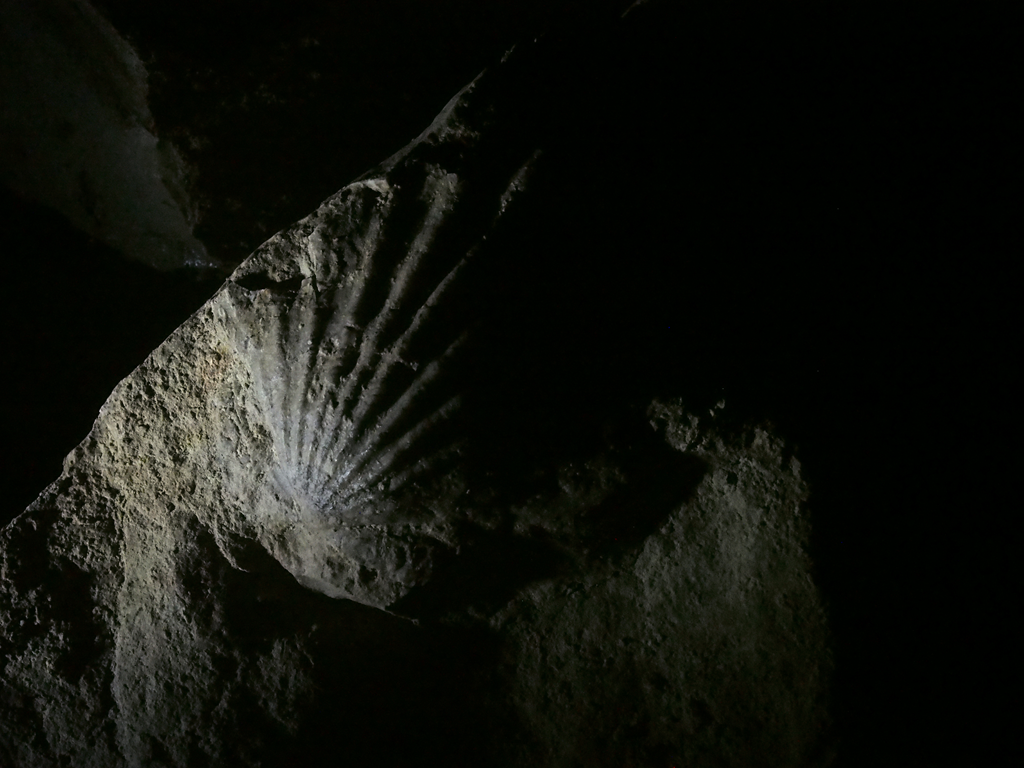
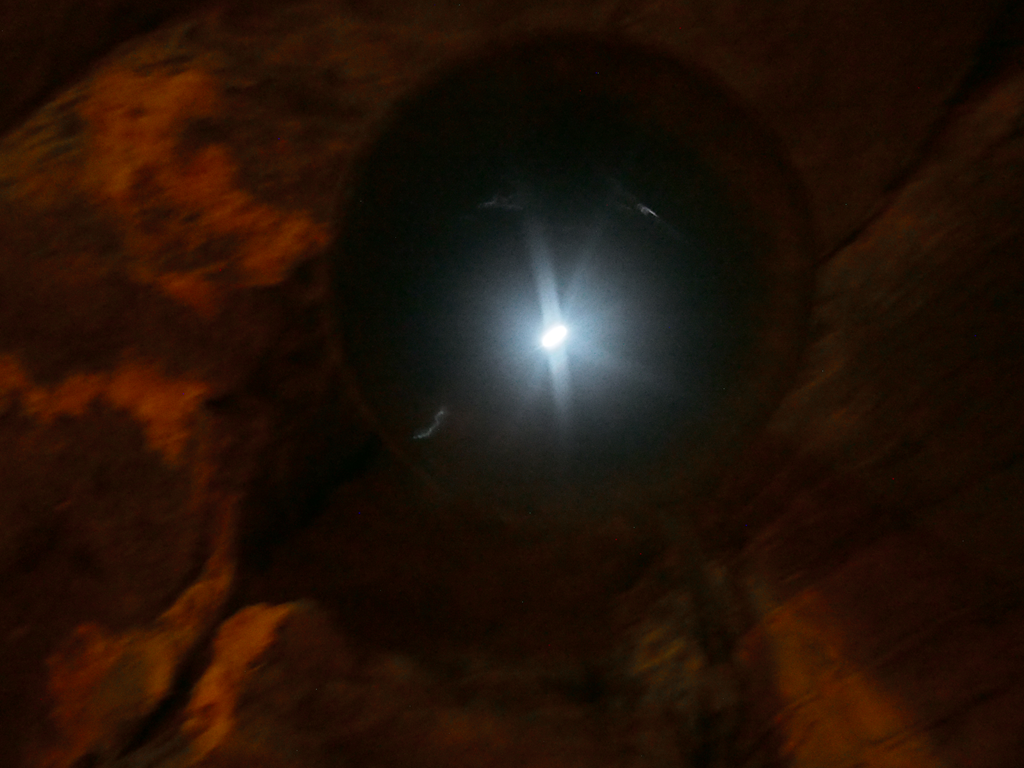
The caves were very deep. This is sunlight through a 100mm pipe to the surface from 60m underground.
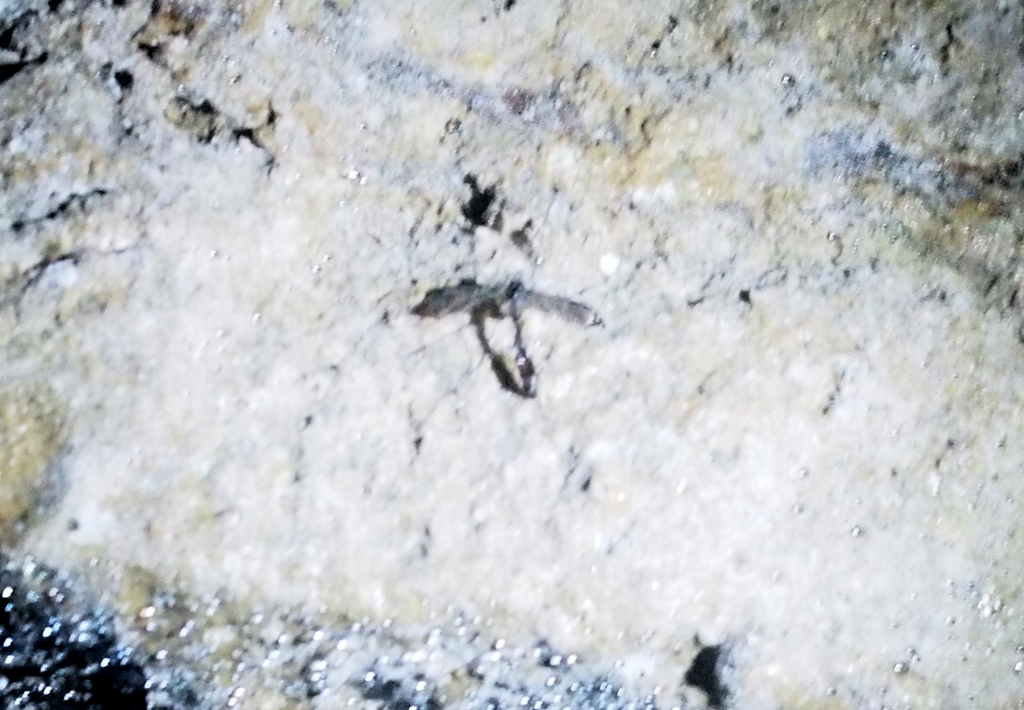
The main reason to go to these caves in New Zealand is the glow worms.
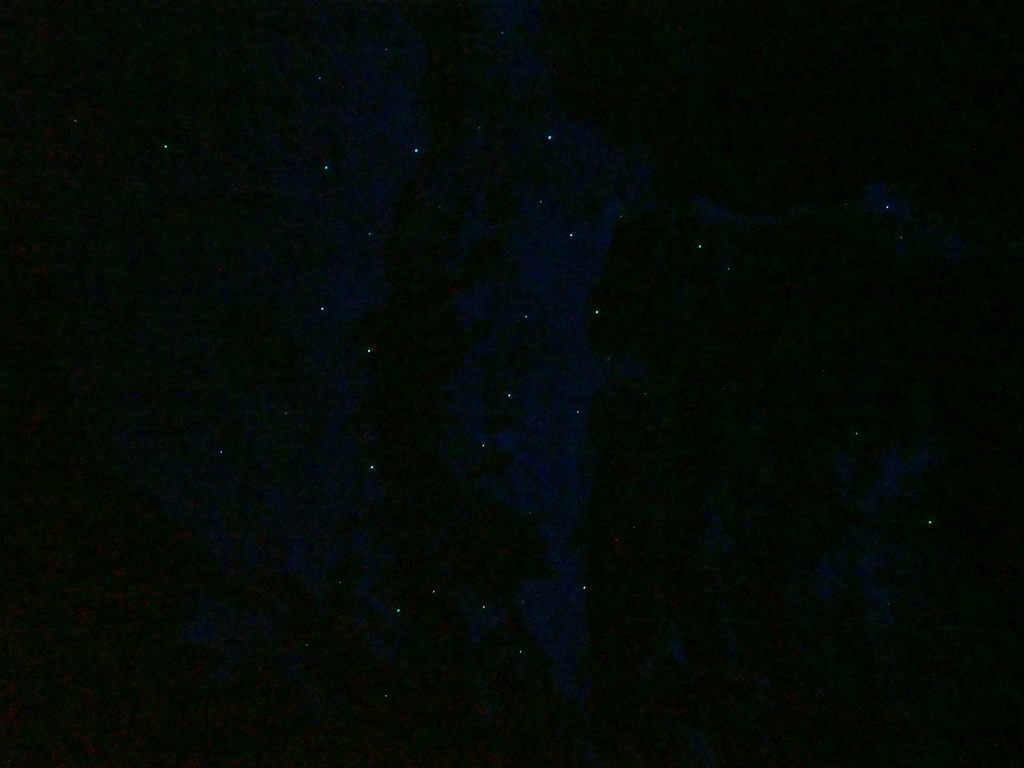
They aren’t worms though. They are the larval (maggot) stage of the fungus fly. They attract other insects by bioluminescence and hang down sticky threads to trap their prey.
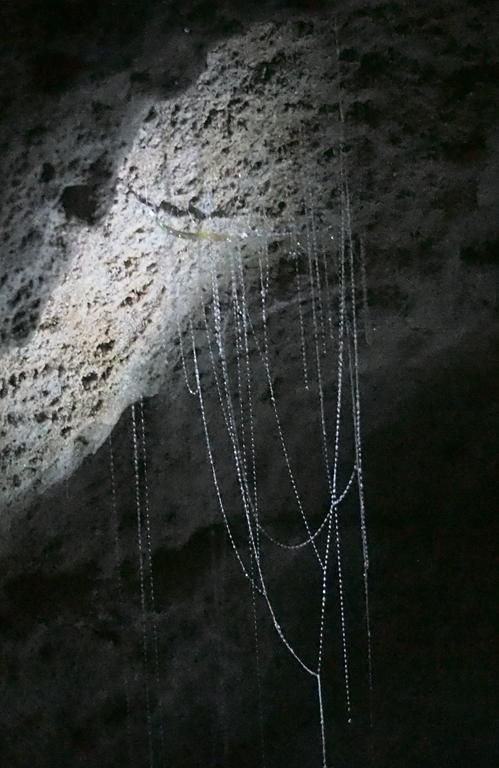
They are far more romantic in the dark.
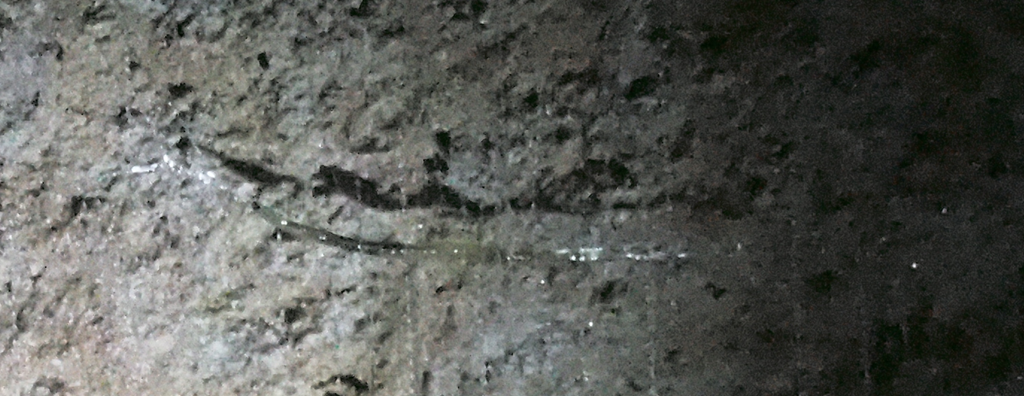
In the light they are just really long maggots.