• Tag Archives machu picchu
  • Machu Picchu: Temple of the Three Windows

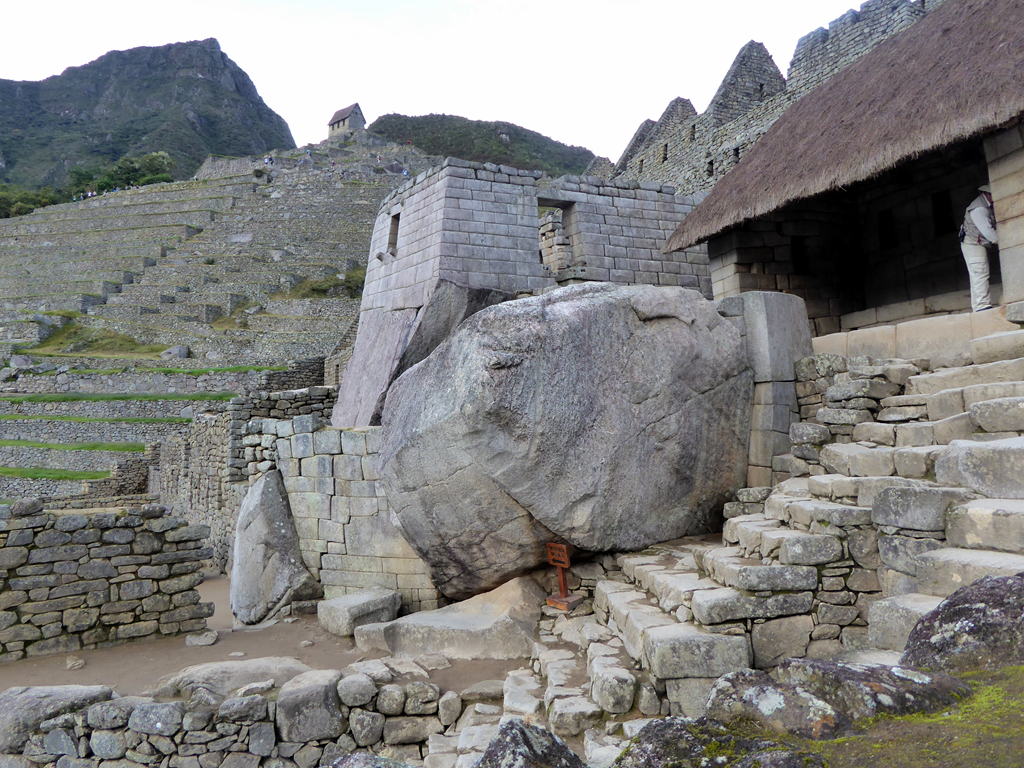
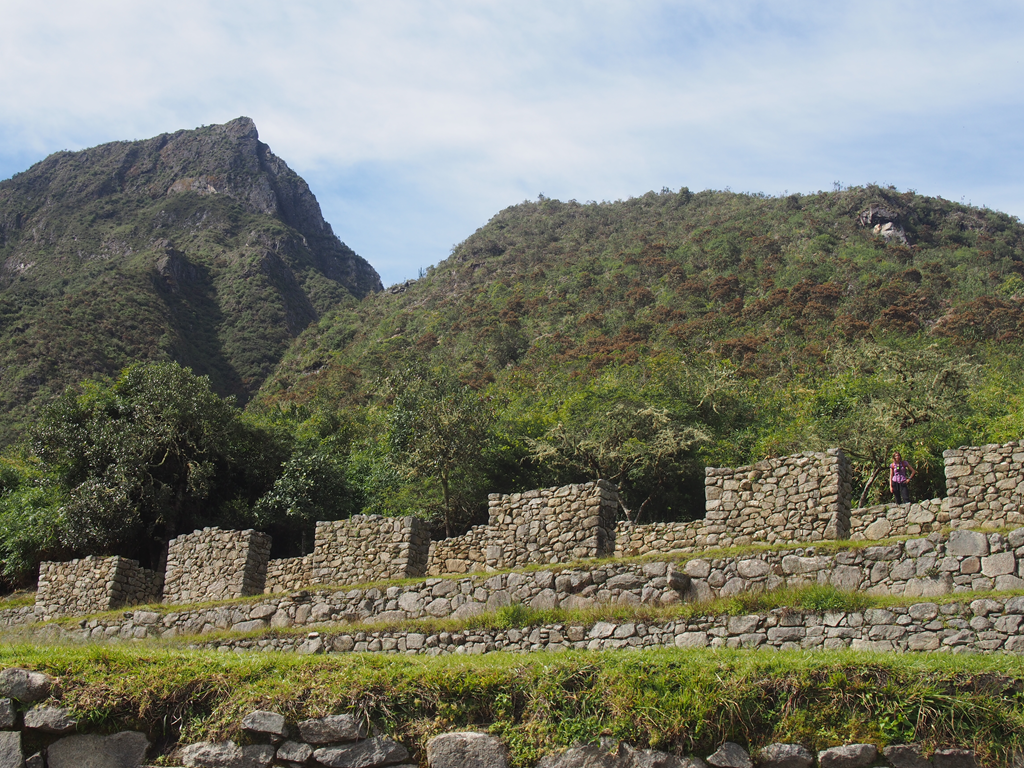
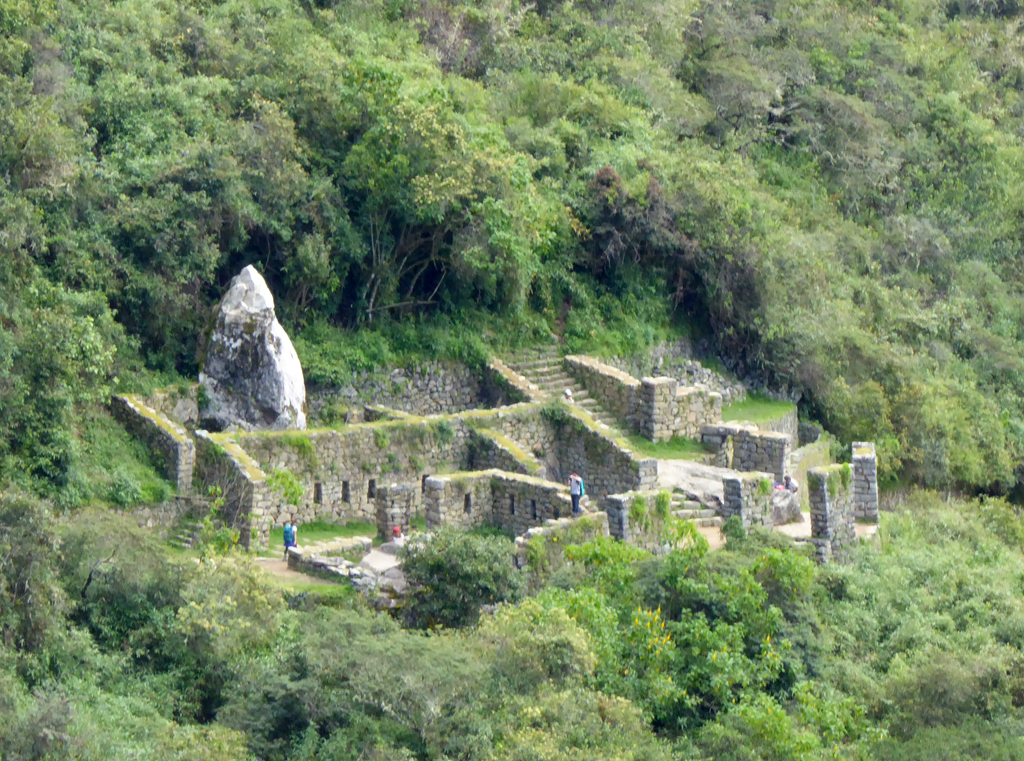
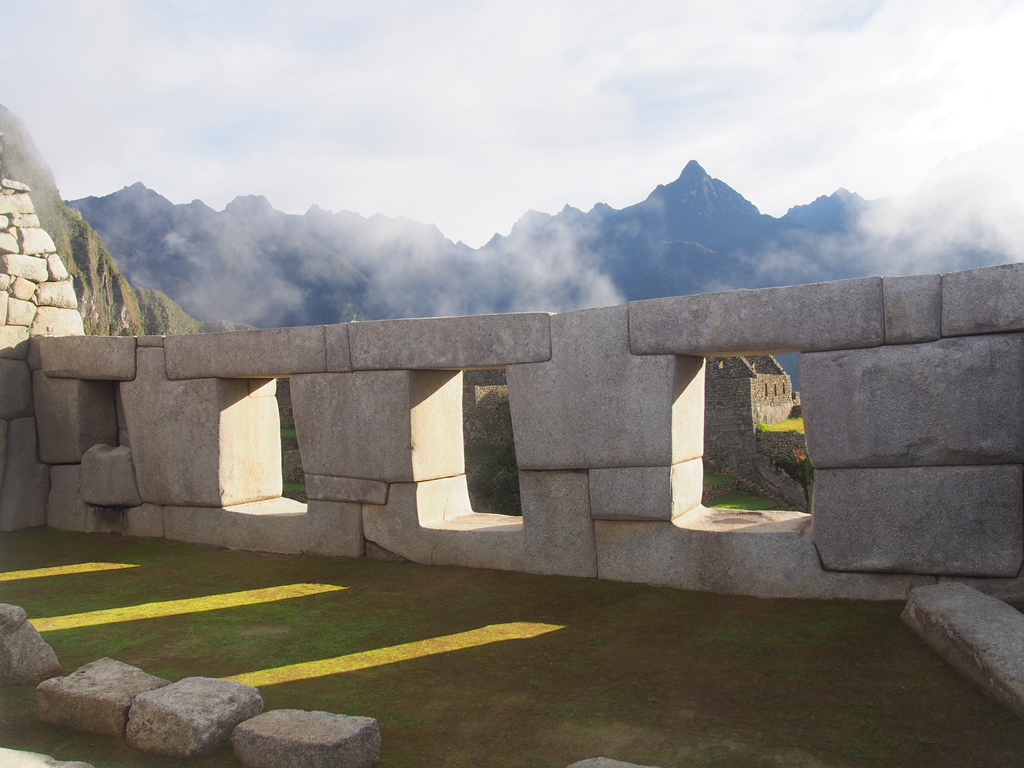
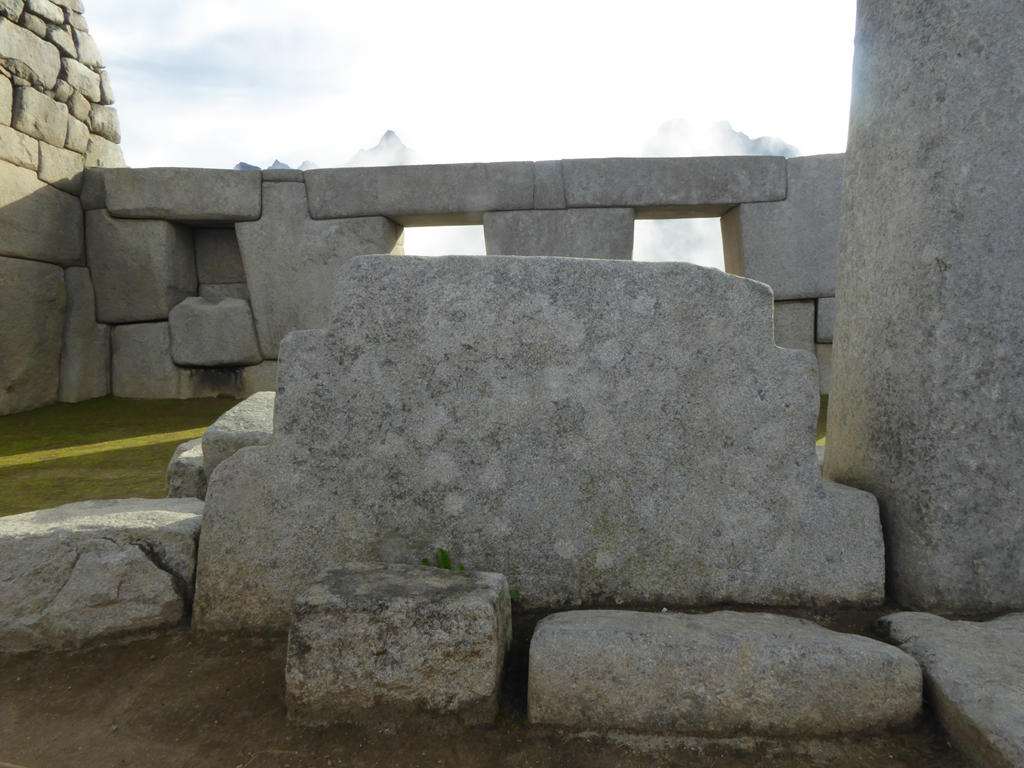
    This is the temple of the Three Windows is obvious because it has 3 windows. It only has three walls and used to have a roof.
    image

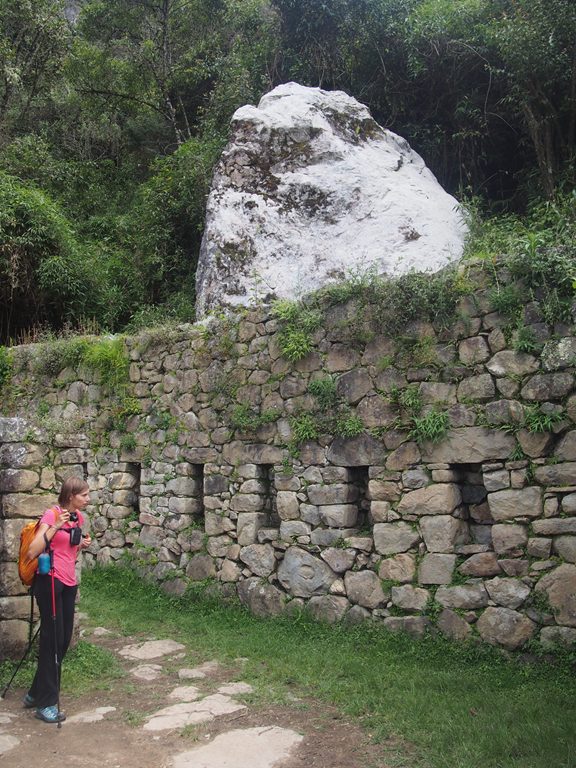
    It lead to speculation that Machu Picchu’s original name was Tampu-Tocco, the place where the first Inca was born. This is because of a story that the first Inca “ordered works to be executed at the place of his birth; consisting of a masonry wall with three windows, which were emblems of the house of his fathers whence he descended.” However Tampu-Tocco was supposed to be by lake Titicaca, and the temple of the three windows actually originally had 5 windows but the outer two were filled in. You can see one in the left of this picture.

    The stones are irregular shapes, smoothed and fitted together, instead of rectangular blocks. Therefore it must have either been built earlier or been less important than the Temple of the Sun and the Main Temple.
    image

    This stone in front of the temple and its shadow form an Incan cross on the ground when the sun hits it just right.
    image


  • Machu Picchu: Temple of the Sun

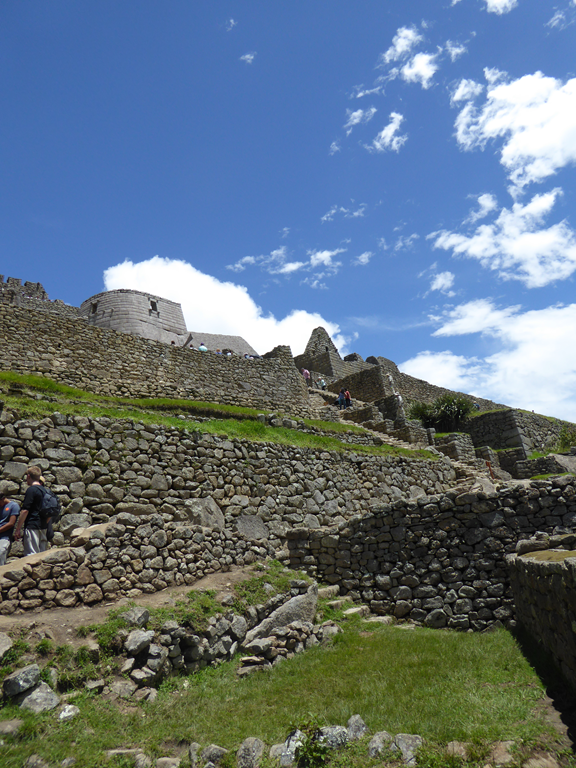
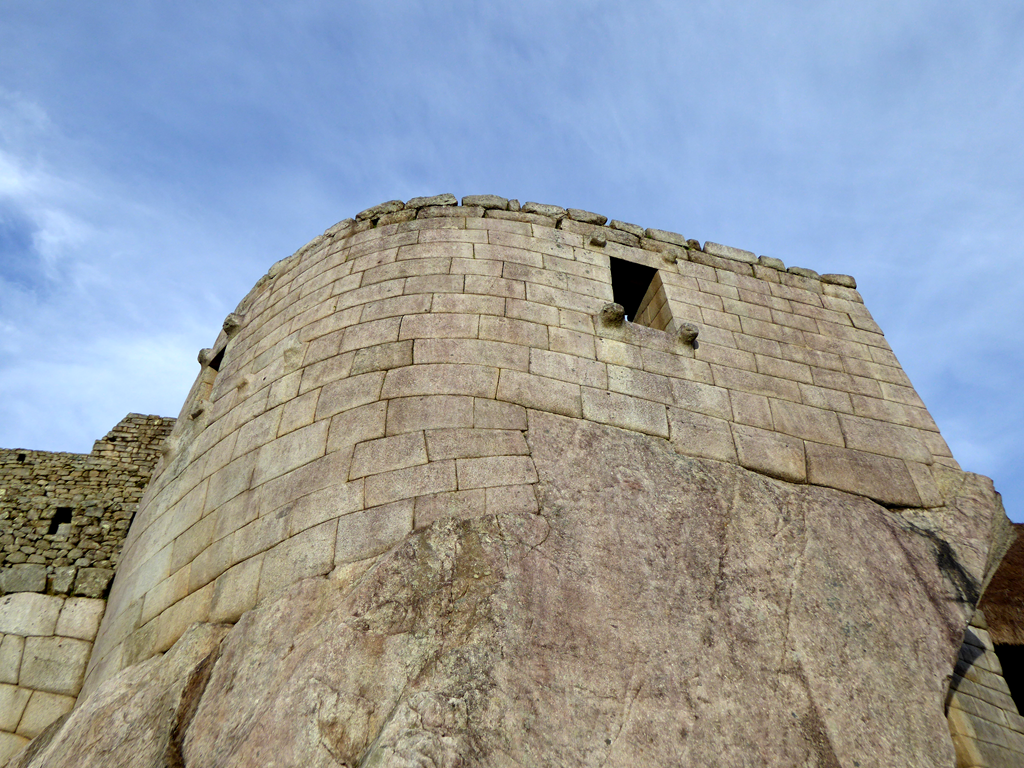
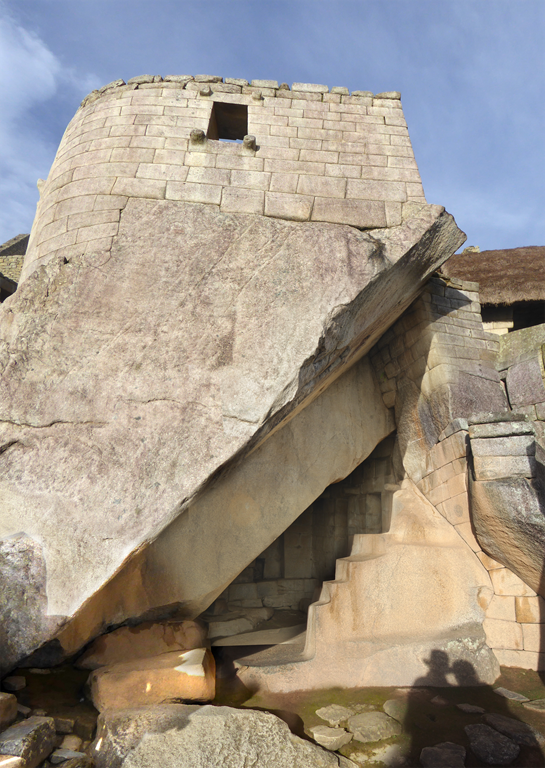
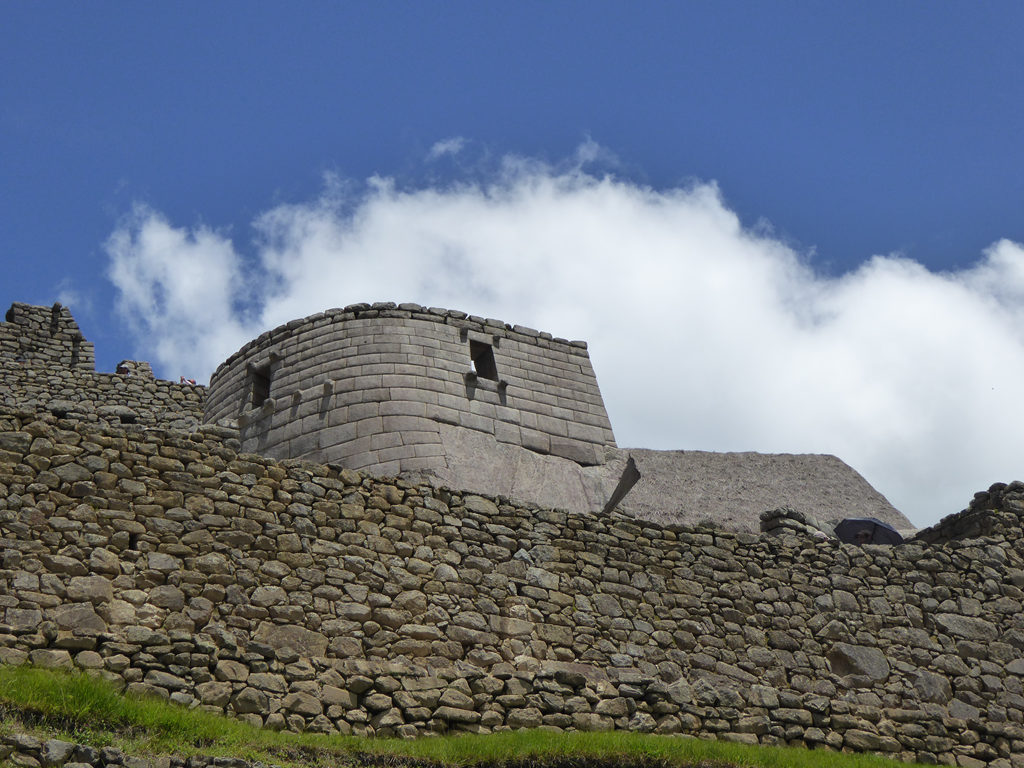
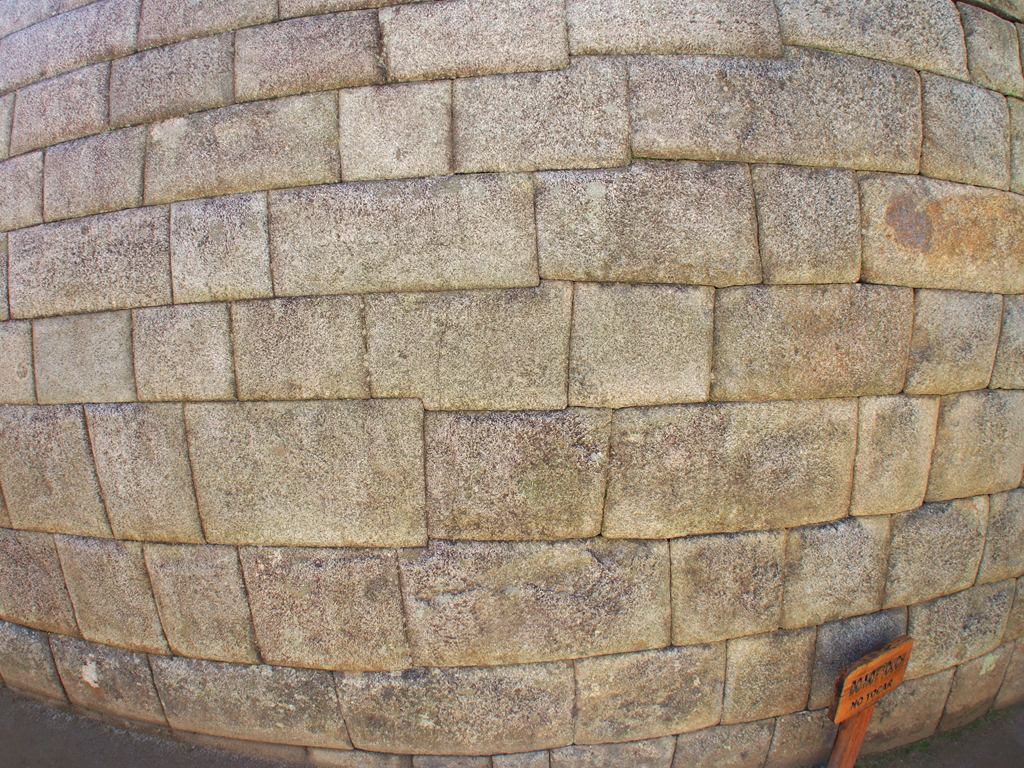
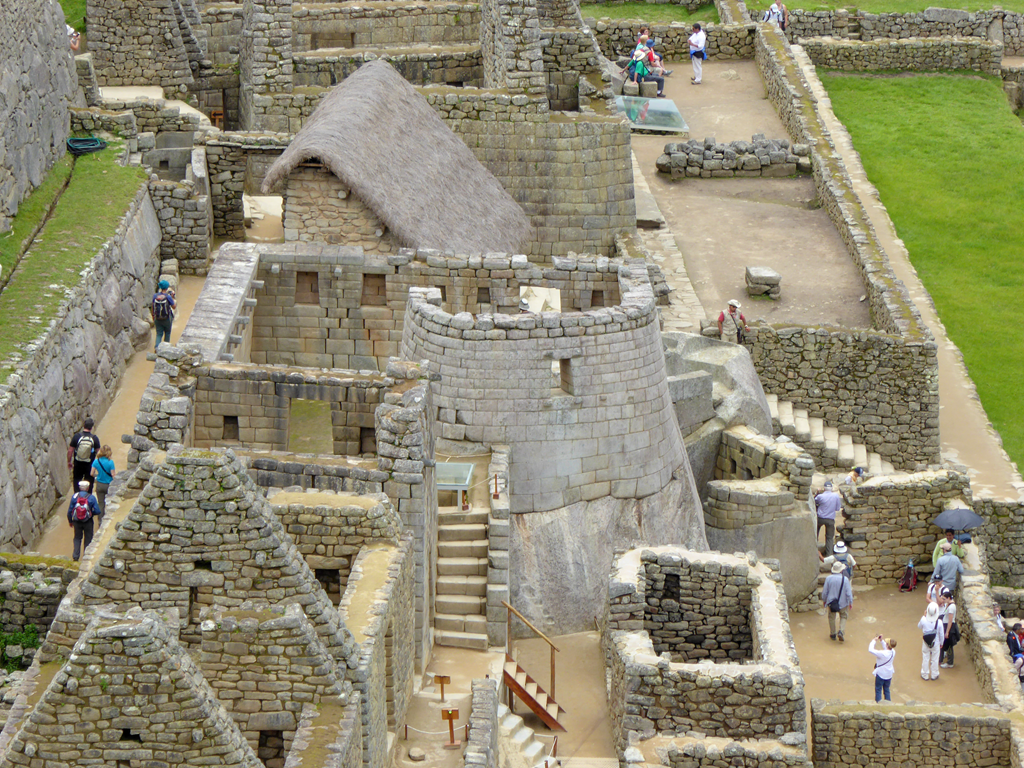
    The temple of the sun is the most elaborately carved temple on the site. It is also one of the only Incan structures that has a curved wall.

    image

    It is called the temple of the sun because the window lines up with the sun on the solstice.

    image

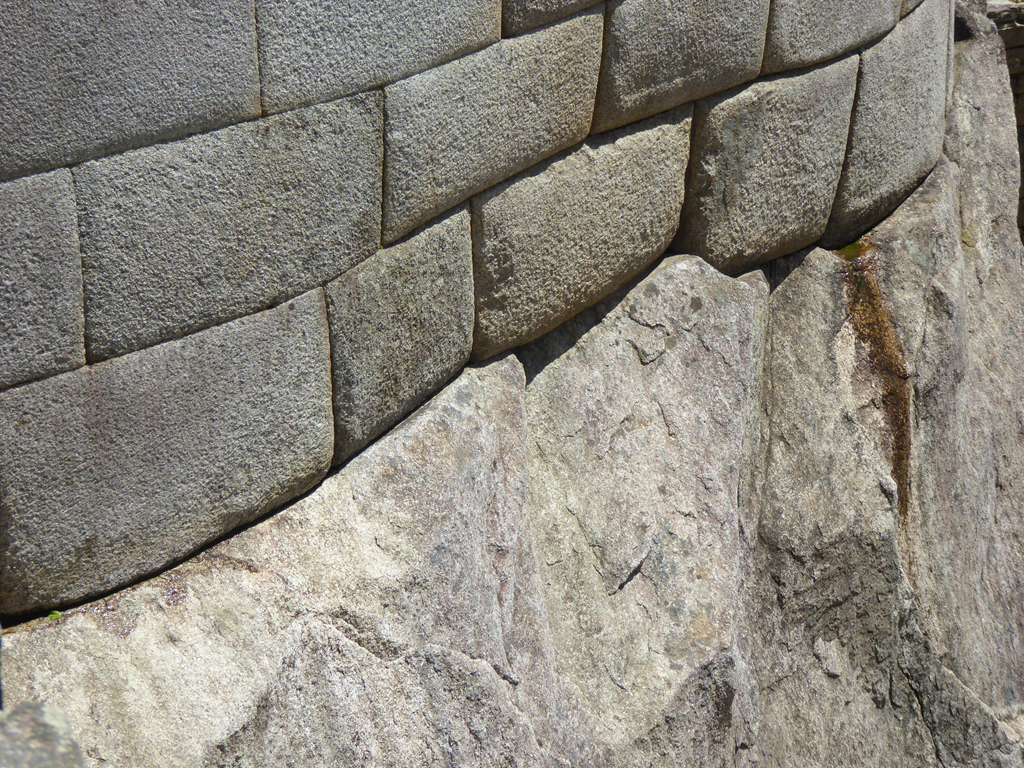
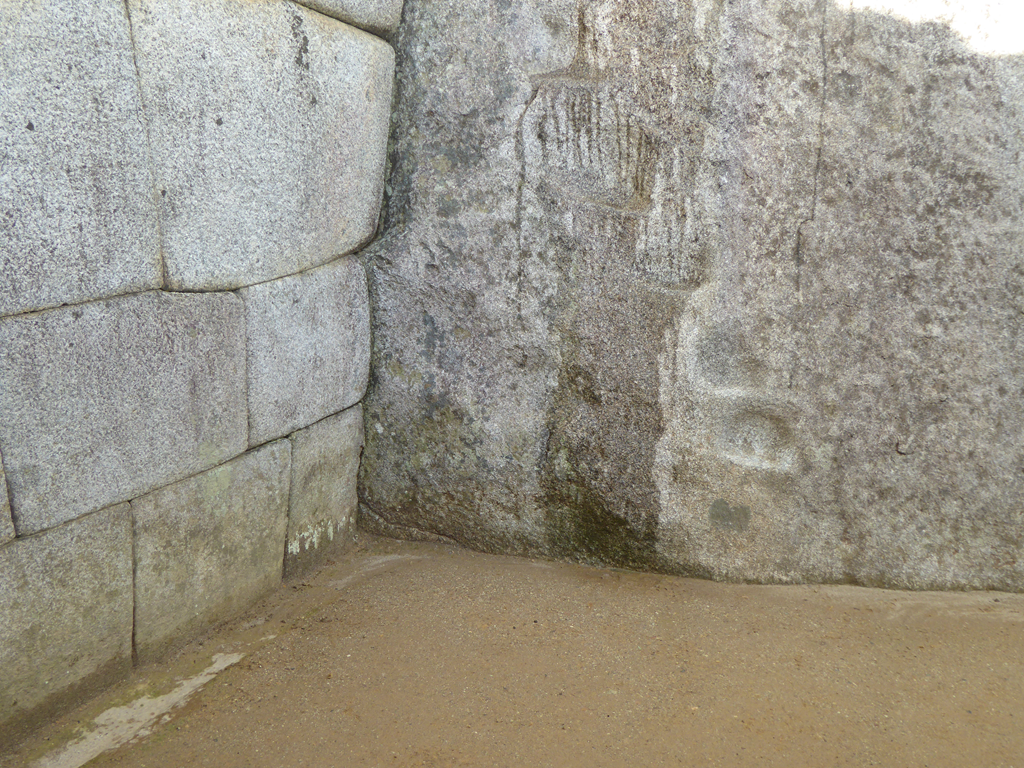
    It was built upon large chunks of natural rock.

    image

    The little nubs outside of the windows probably supported some kind of instruments to assist with solar observations.

    image

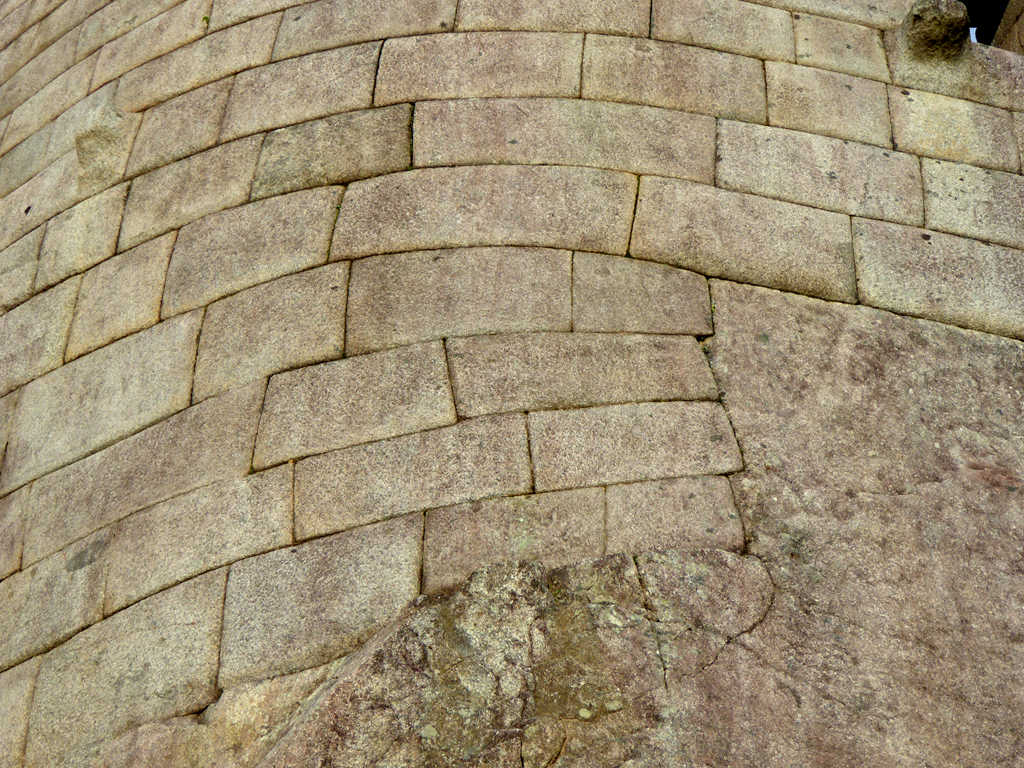
    The natural rock was carved so that the rectangular blocks would fit into it securely.

    image

    The back wall of the temple of the sun connects to an adjoining building, which was probably a priest’s house. The priest’s house used slightly lower quality stones. You can see the transition from the poofier stones used for the priest’s house to the smoother, flatter ones used for the Sun Temple.

    image

    Underneath the temple of the sun is a cave which sunlight only enters for a few days before and after the winter solstice. Therefore they think it was used as part of the winter solstice celebrations.

    sun_temple_test

    The curved wall and shiny white rocks really stand out from the surrounding buildings.

    image


  • Machu Picchu: Construction

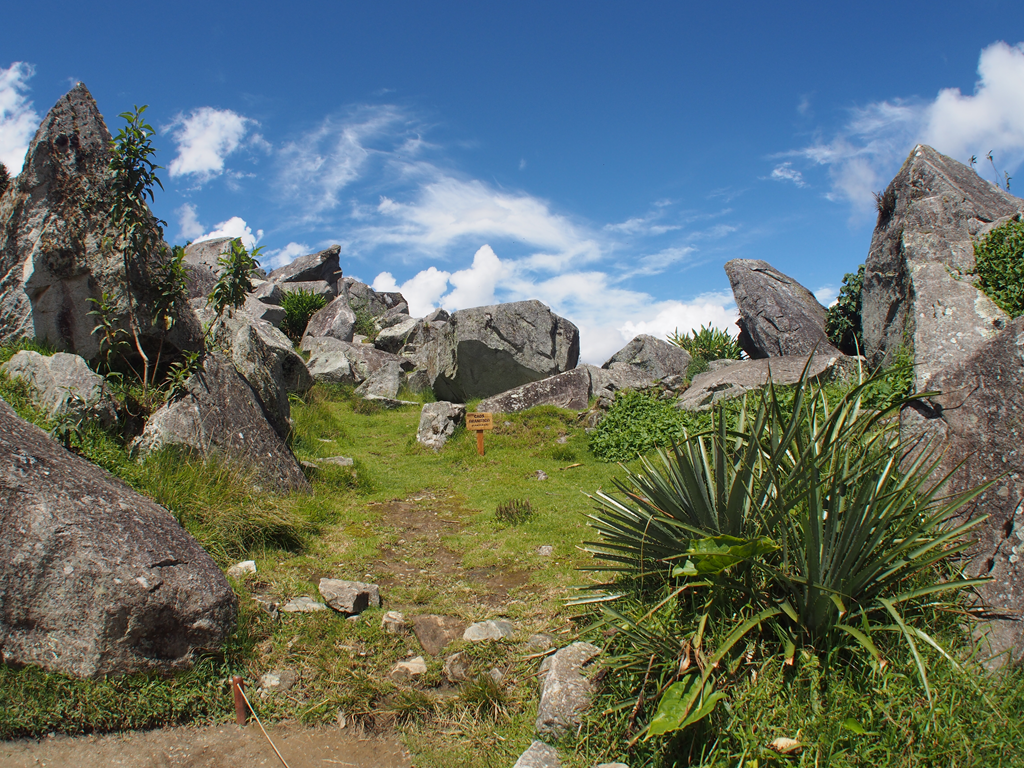
    Machu Picchu was built out of rocks quarried from the mountain it was built on.

    image

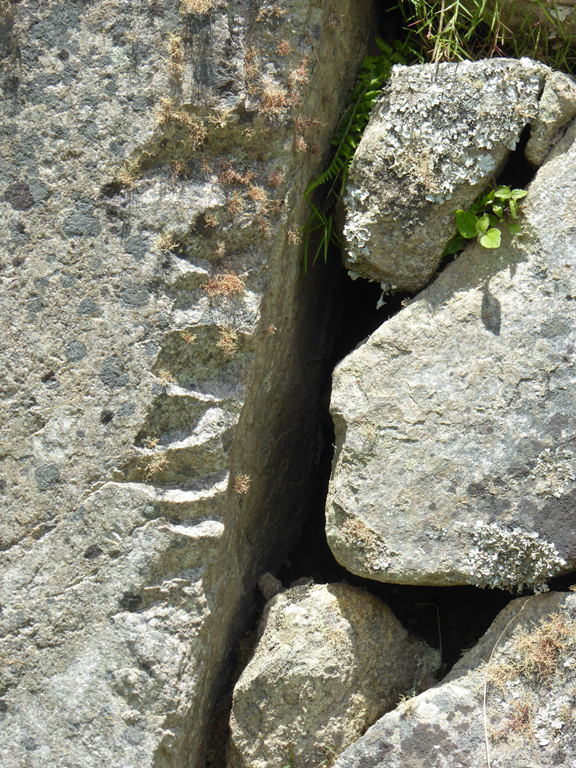
    Ledges were carved into the base rocks for the carved stones to sit on.

    image

    This is a place where they made a mistake and started to put the wall in the wrong place.

    image

    The rocks were chipped a bit with a hard stone (usually meteorite) or metal tool, and then a wooden wedge was inserted. This was soaked in water and allowed to slowly expand. This would cause the stone to split along the crystal lines, usually at 90 degree angles.

    image

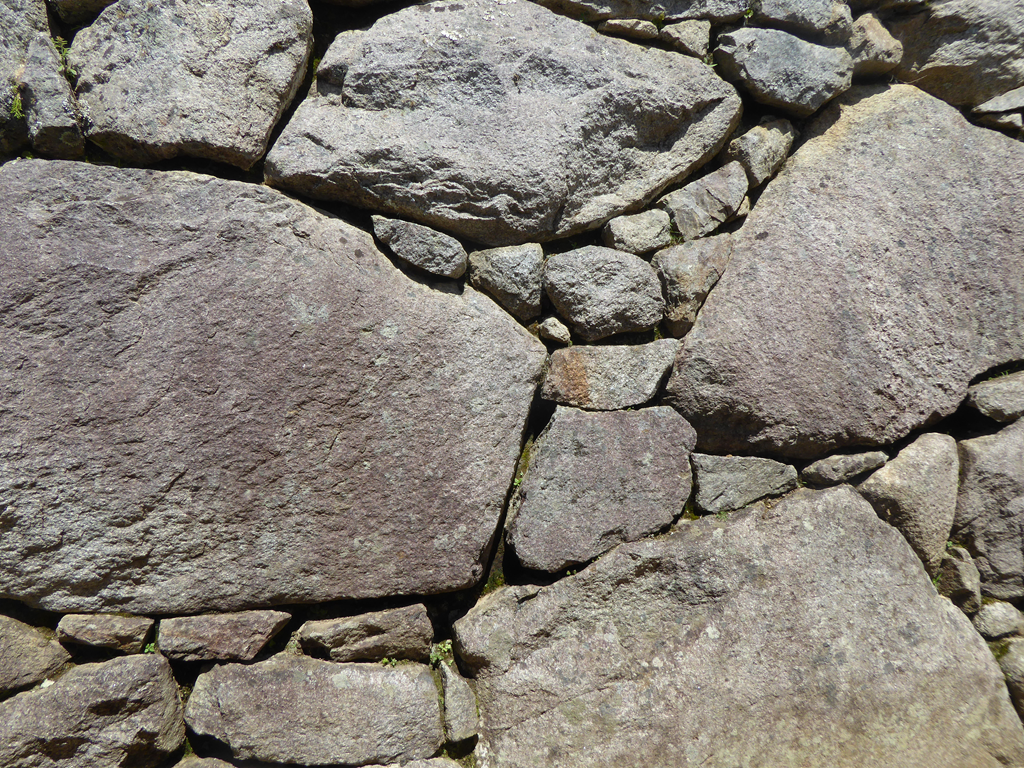
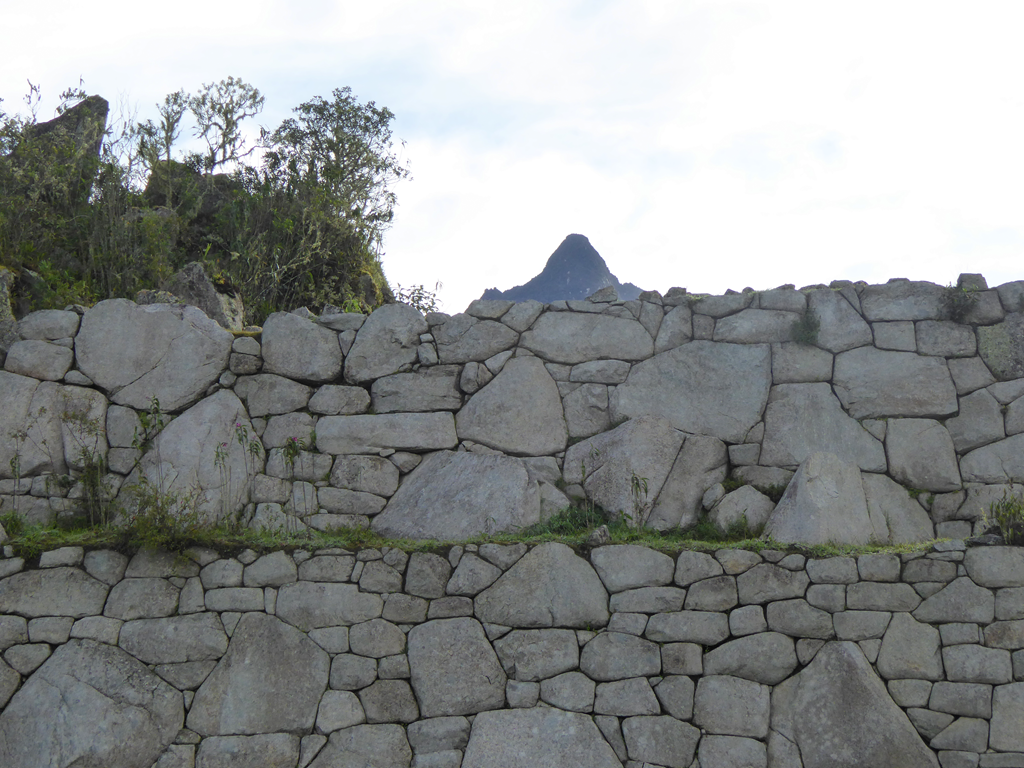
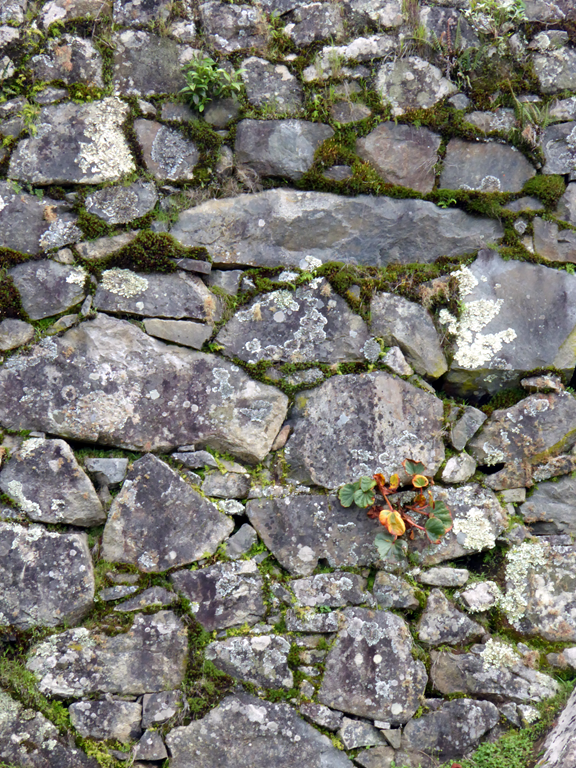
    The least important (and oldest) buildings just had randomly sized chunks of rock, roughly fit together.

    image

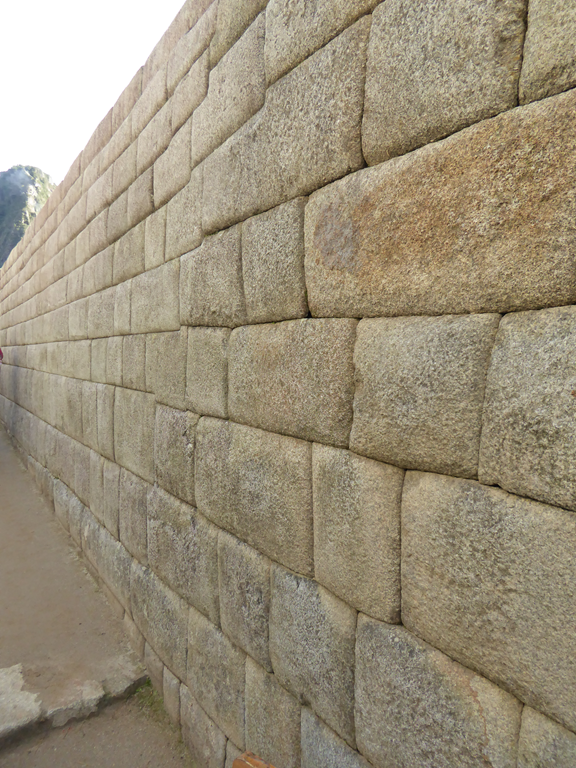
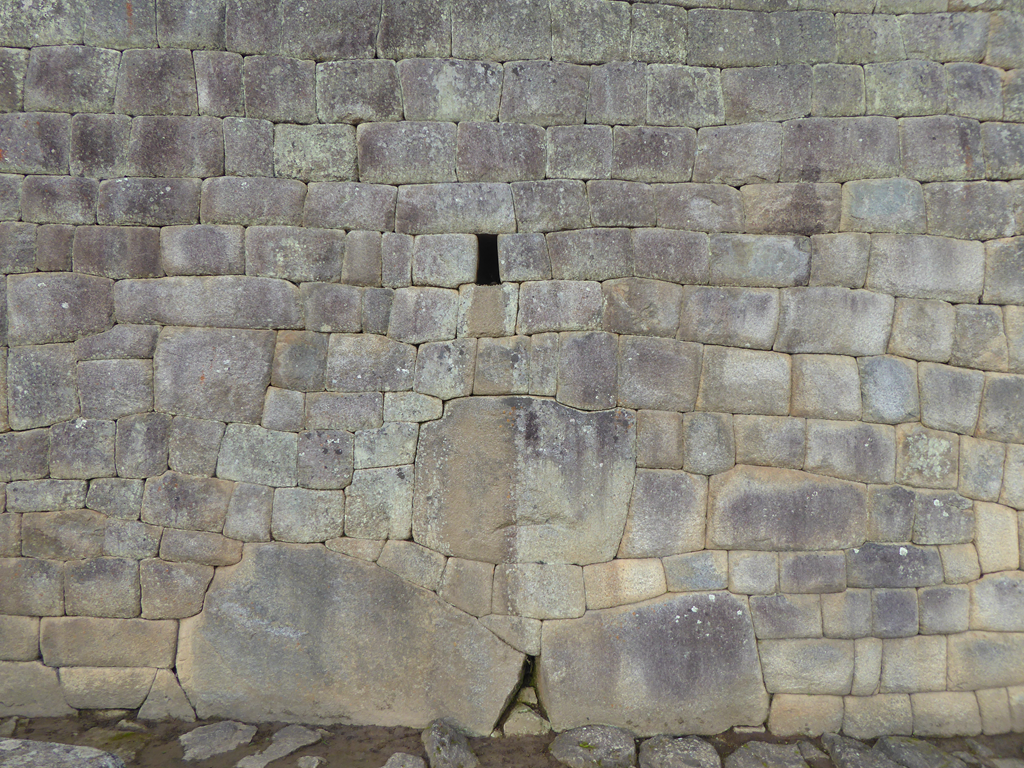
    Nicer buildings had the stones carefully carved to perfectly fit into each other, like puzzle pieces.

    image

    But the best buildings had stones carved into perfect rectangles. They were probably also polished to a shine originally.

    image

    Some buildings have puzzle pieces at the bottom but get more rectangular near the top. This might be because building styles changed as the building was under construction.

    image

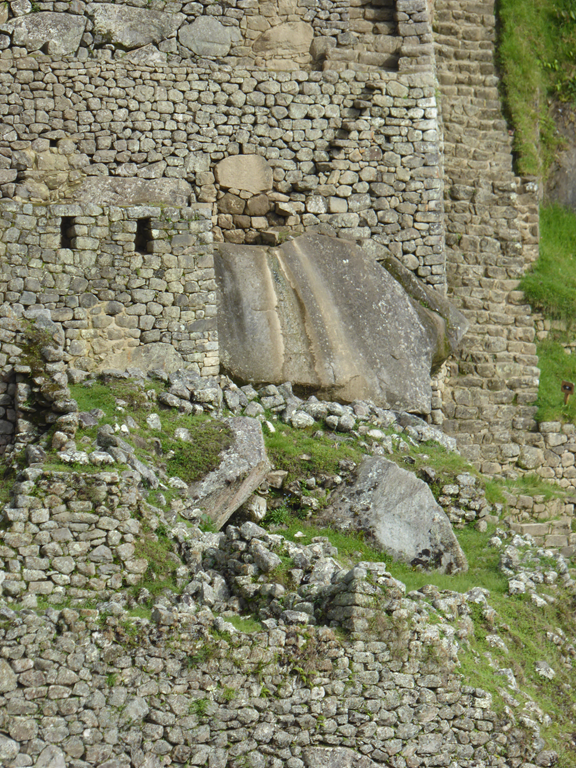
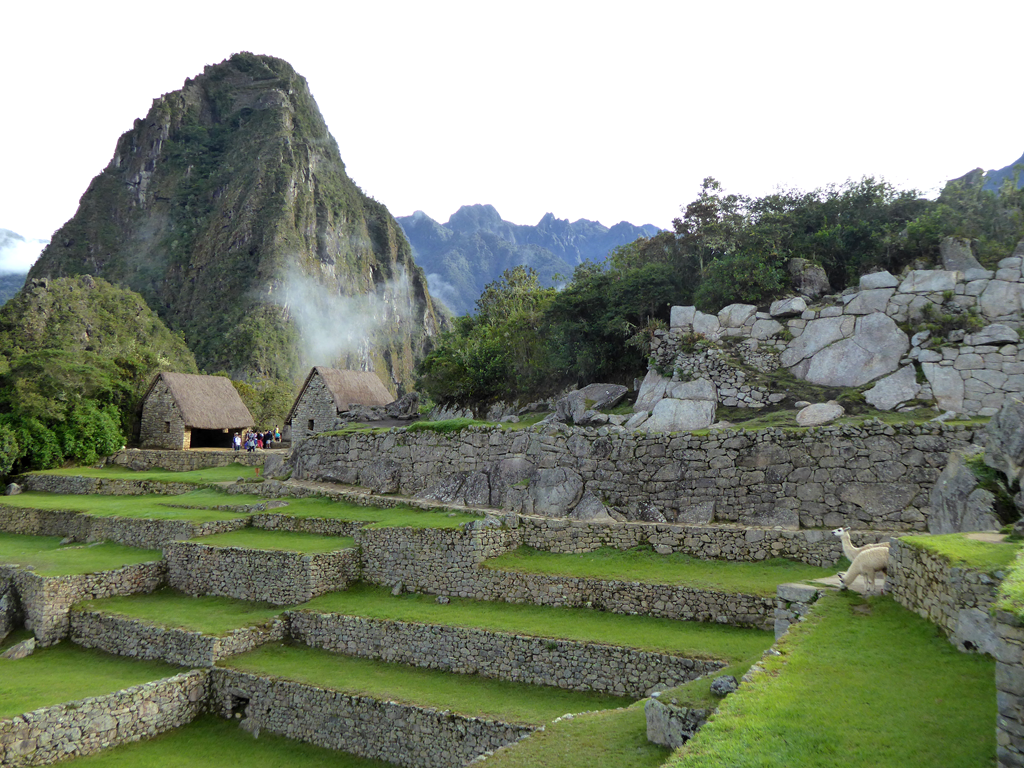
    A lot of the time big natural rocks were incorporated into the walls.

    image

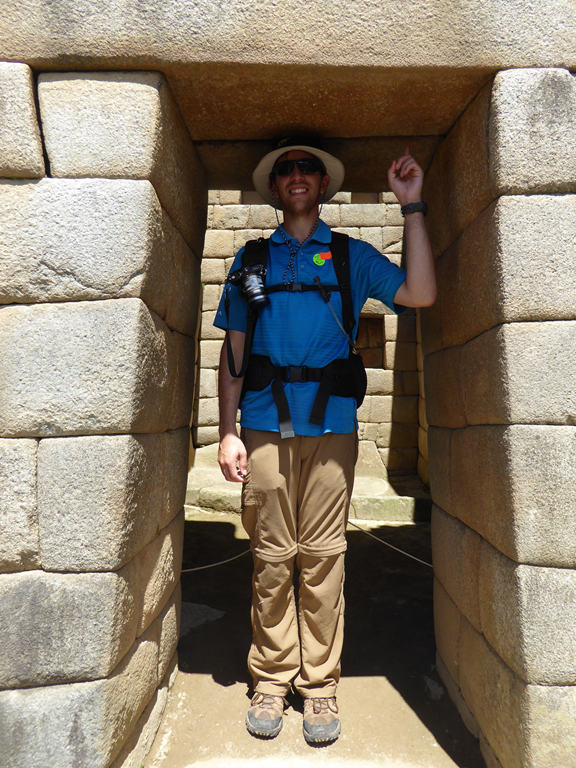
    Some of the doorways were very short.

    image

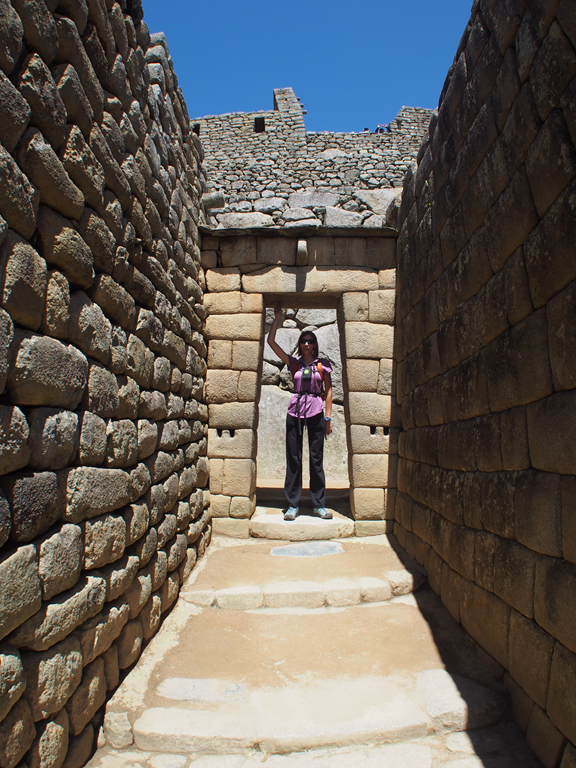
    But there were also tall ones.

    image

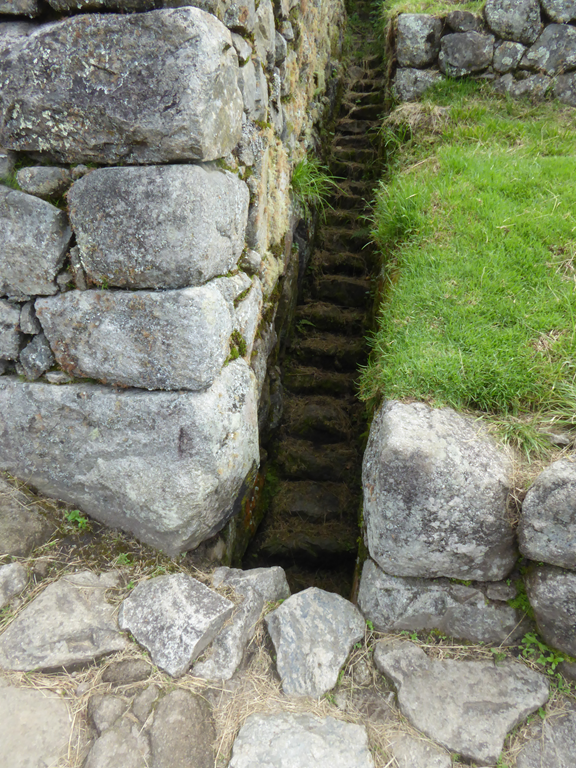
    There were also staircases so narrow that Kerri would have to go down sideways.

    image

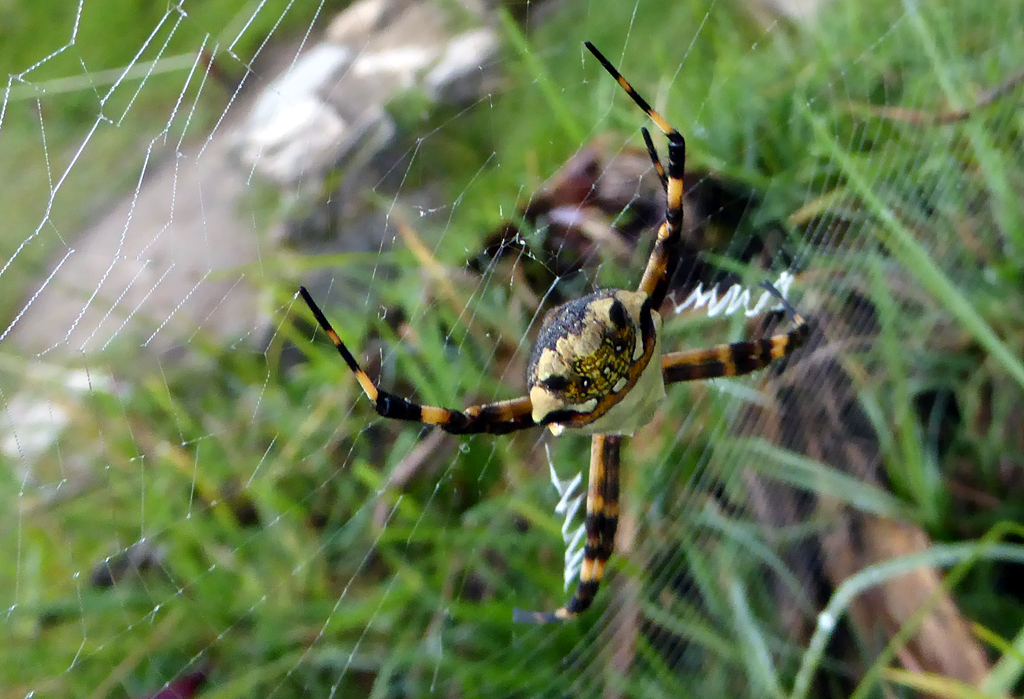
    This spider also built his home at Machu Picchu.

    image

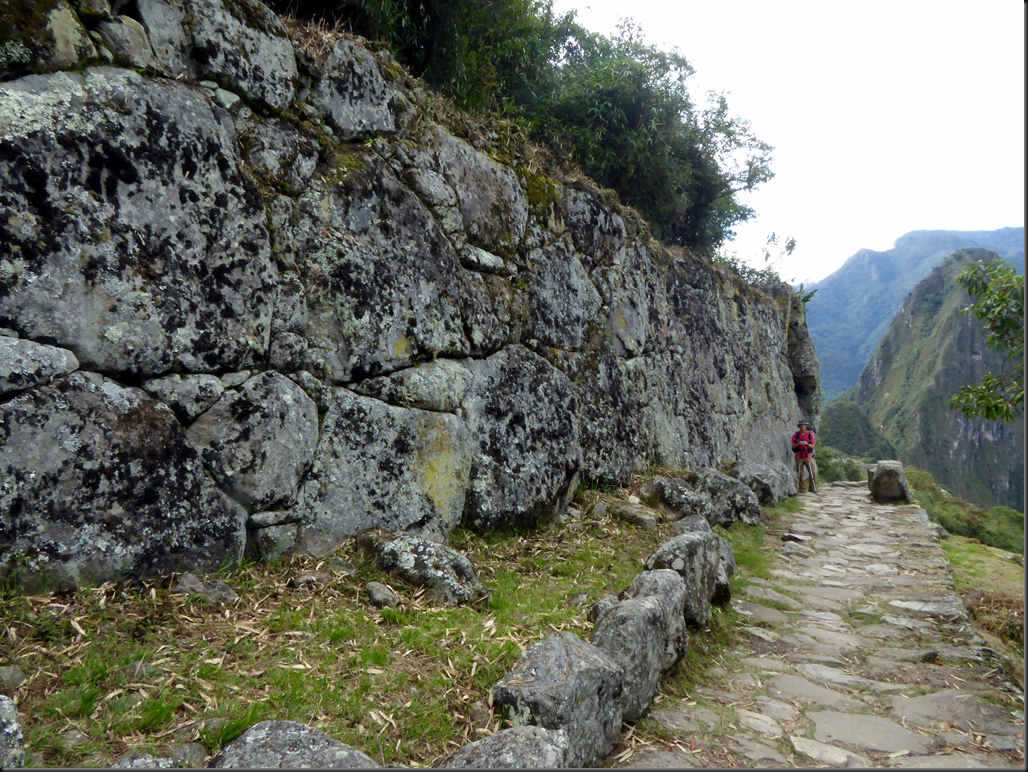
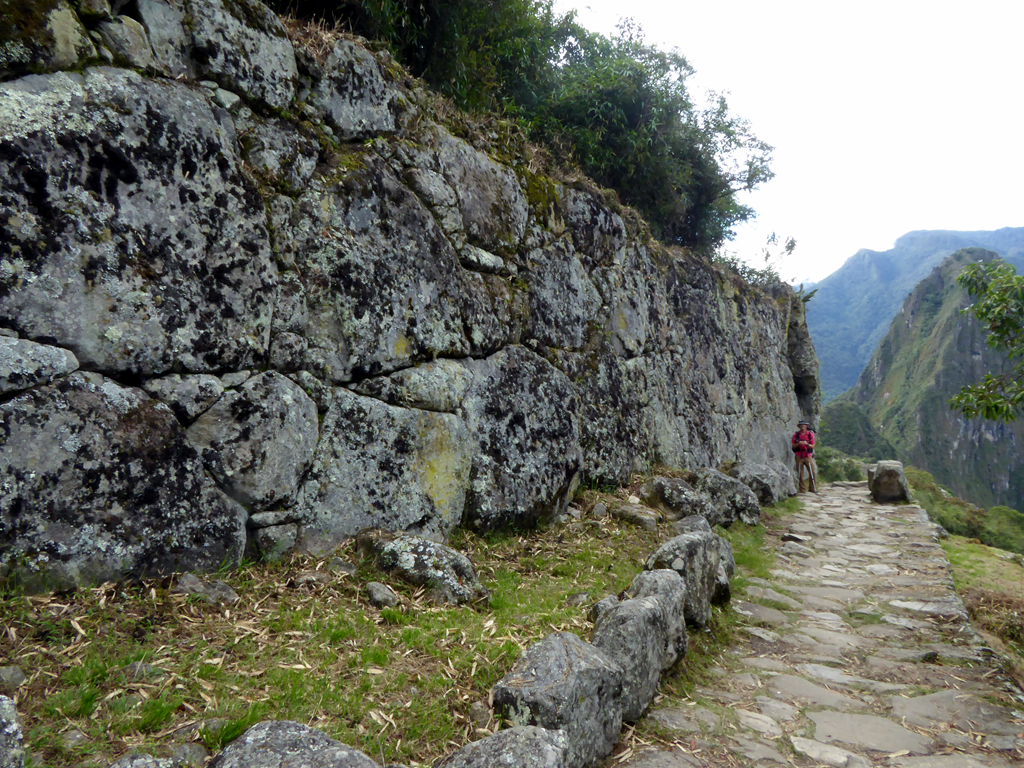
    The wall along the main trail into the city was well fortified.

    image

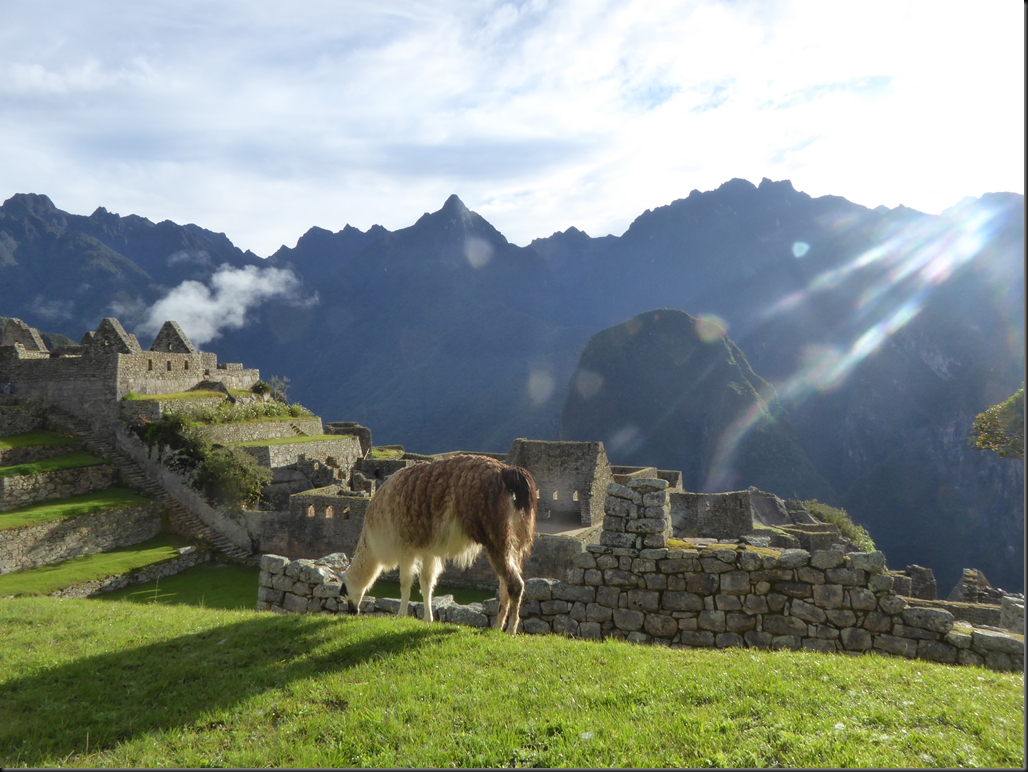
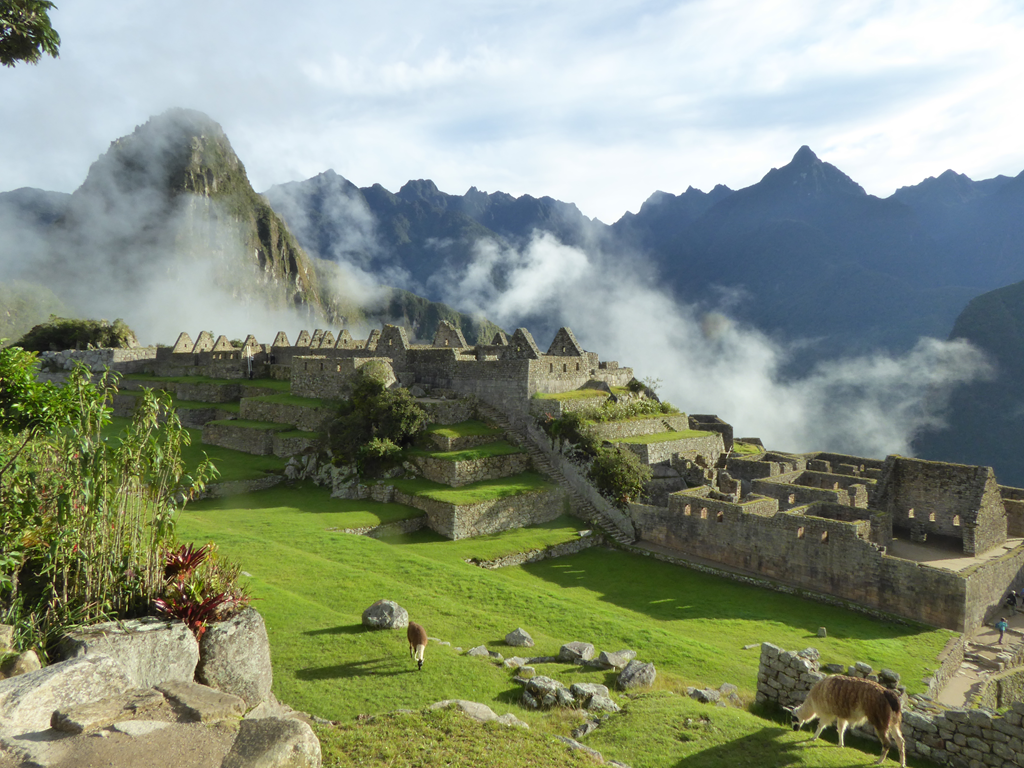
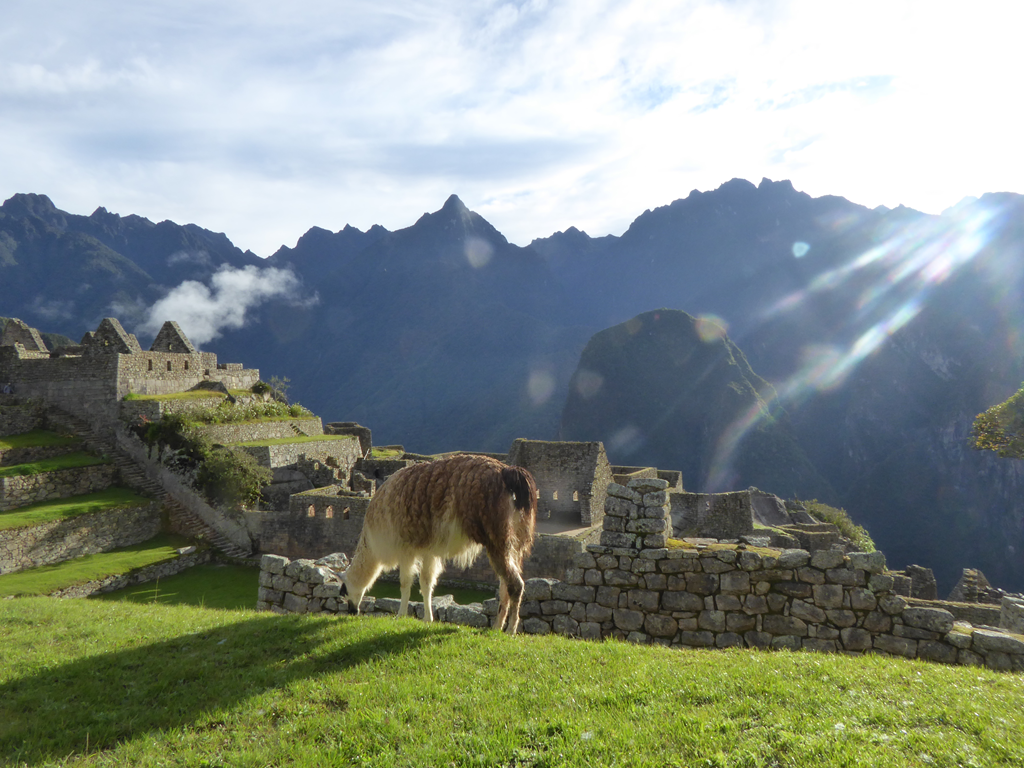
    They keep several llamas on site to cut the grass.

    image

    They work very hard.

    image


  • Machu Picchu

    Note: In order to deal with slow internet connections, Machu Picchu has been divided into 16 parts. This is part 1.

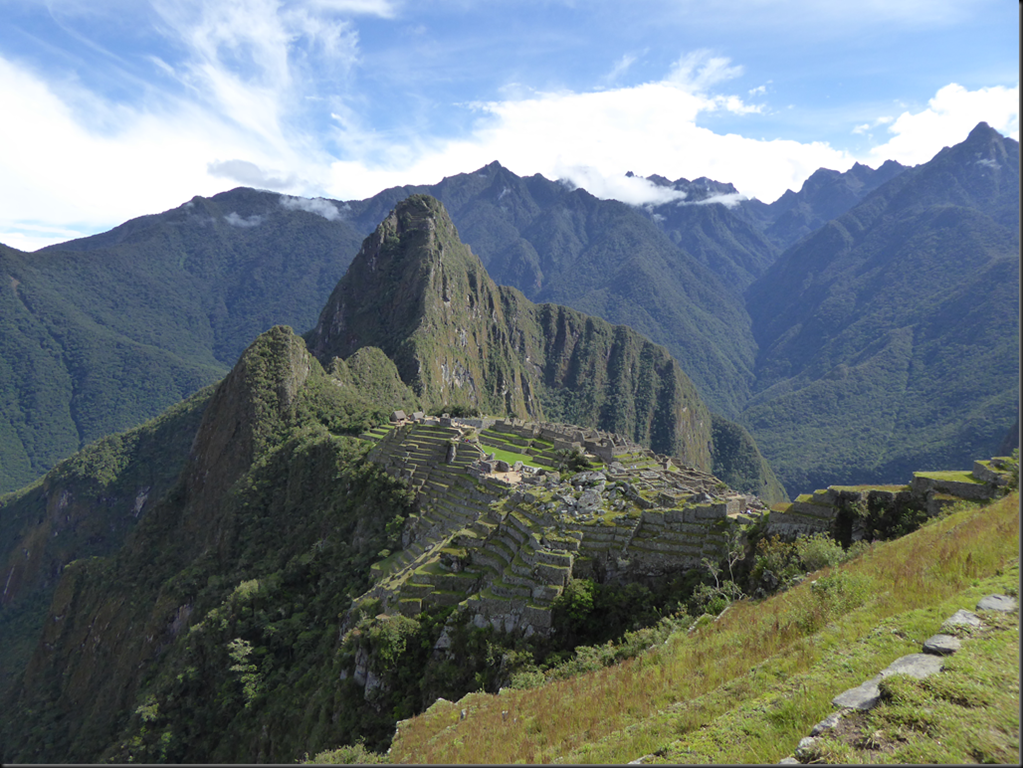
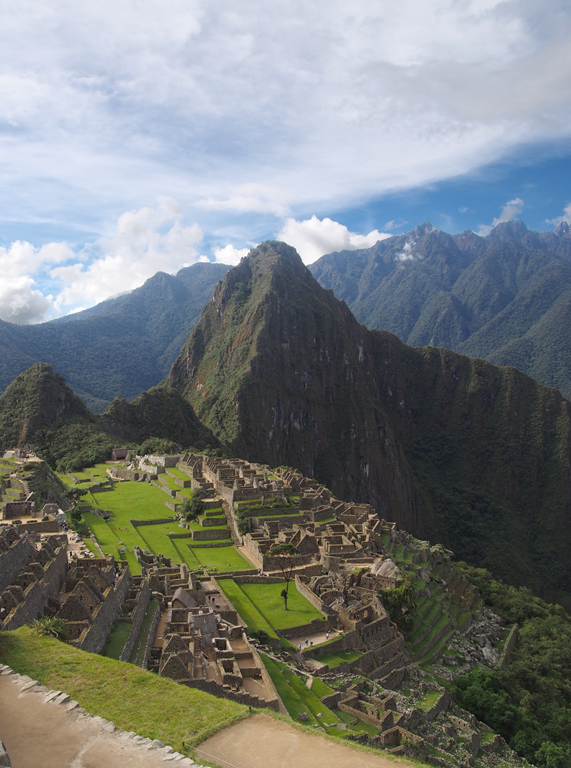
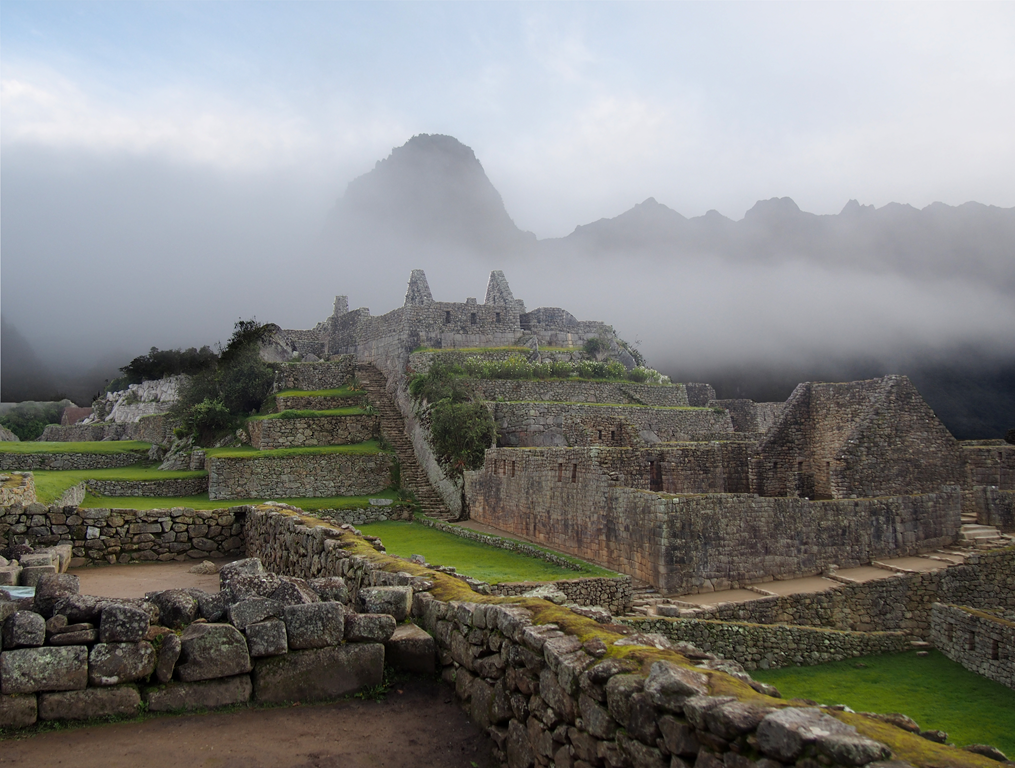
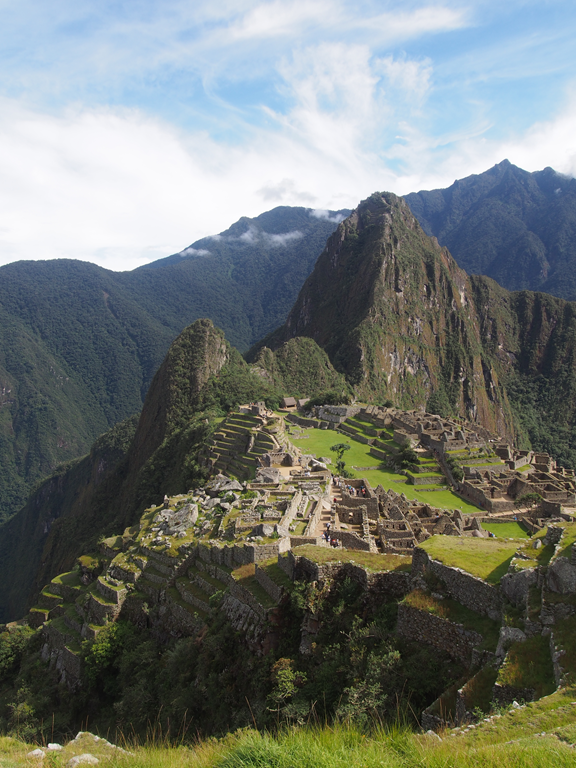
    Machu Picchu is the most famous Incan site.

    image_thumb31

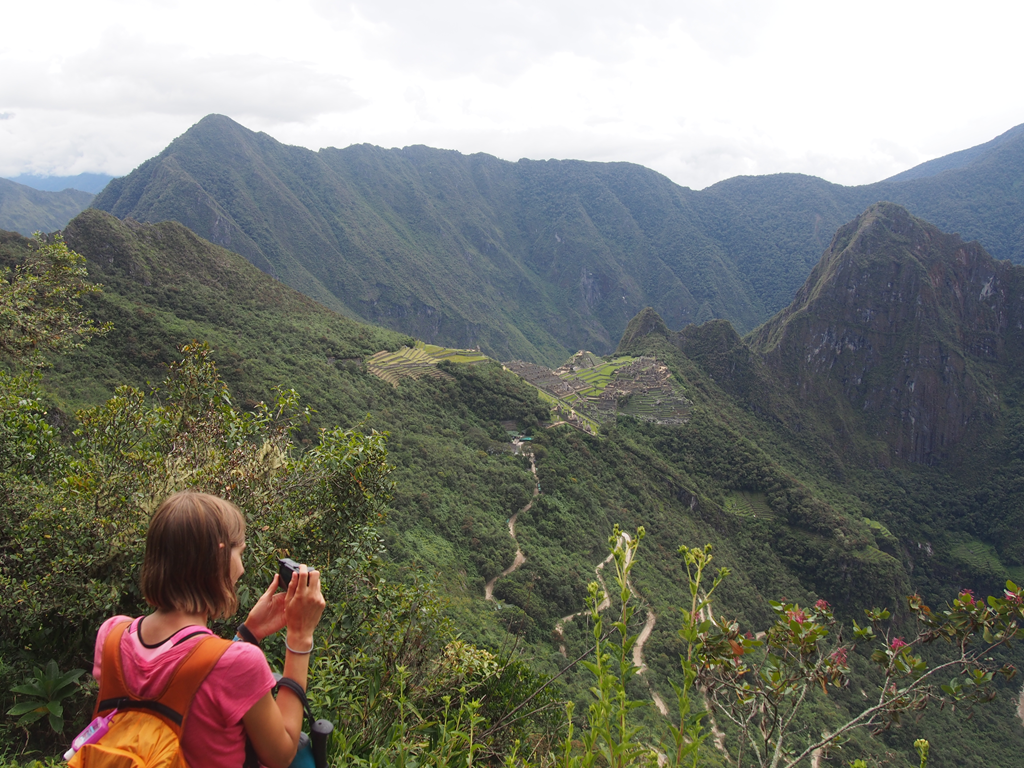
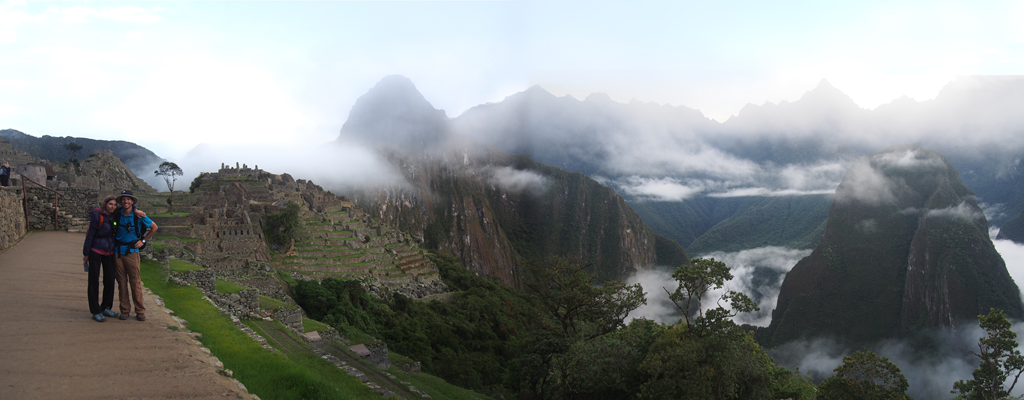
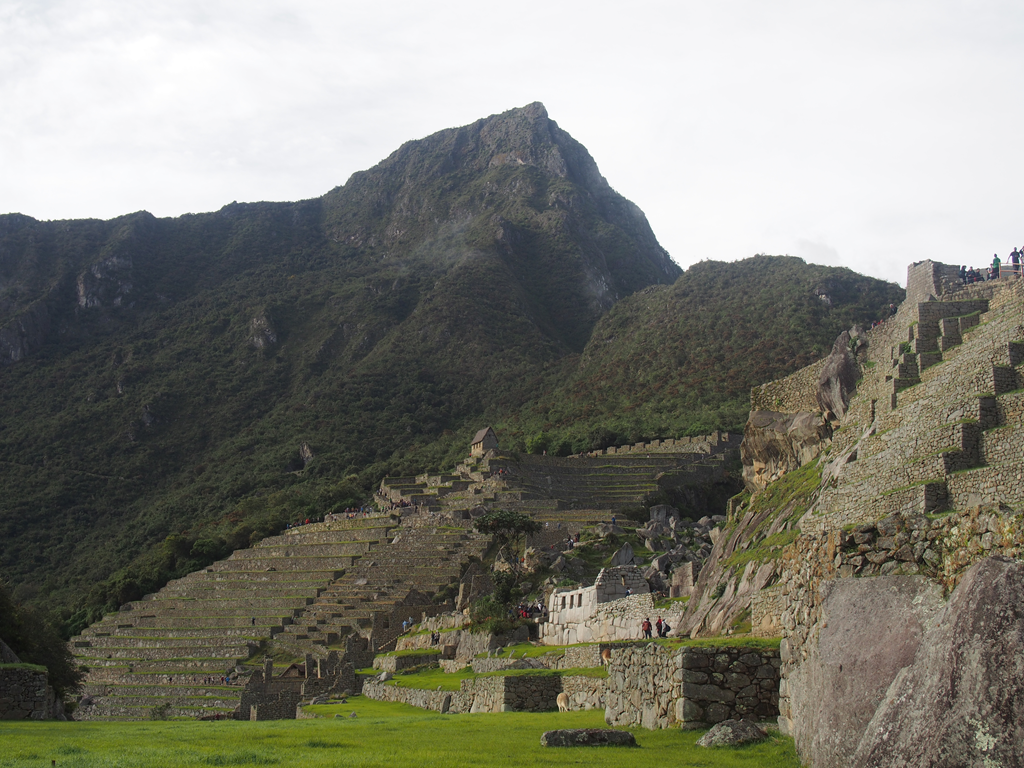
    It is located in a very scenic but inaccessible valley.

    image

    It was built in about 1450 and abandoned in 1572 for unknown reasons.

    image

    Because it was abandoned before the Spanish showed up to destroy the temples and steal the stones, the Spanish never found it.

    image

    Therefore it is the most complete Incan site that we know of.

    image

    It was officially rediscovered in 1911 by an American. Though when he found it two or three native families were already farming the terraces, and he found it by asking the locals if there were any interesting ruins nearby. In his notes on the excavation the next year he complains about spending two days cleaning recent charcoal graffiti off of the ruins.

    image

    It contains about 200 buildings. And over 100 stairways. It was probably home to about 1000 people at its peak.

    image

    No one knows what Machu Picchu was used for.

    image

    A lot of the theories about what Machu Picchu was used for involve the inhabitants being 80% women. This is based on a study from 1912 in which the skeletons from tombs around the site were examined, and 80% of them were female.

    image_thumb4[1]

    But when the same remains were re-examined in 2006 they found a 50-50 split. They think the 1912 study must have based the gender almost entirely on body size, so short men were assumed to be female.

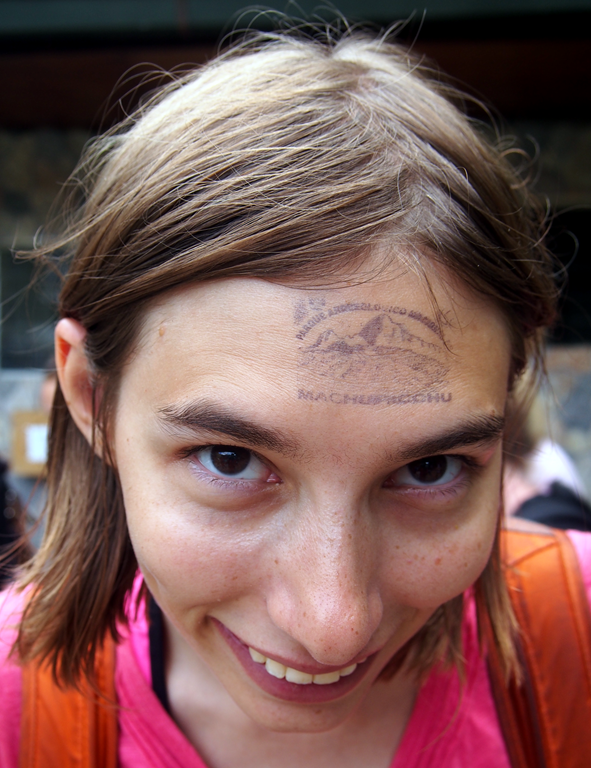
    imageThey have a booth where you can get your passport stamped with Machu Picchu. We are worried that we will run out of pages in our passports, but Kerri really wanted a stamp.

    image

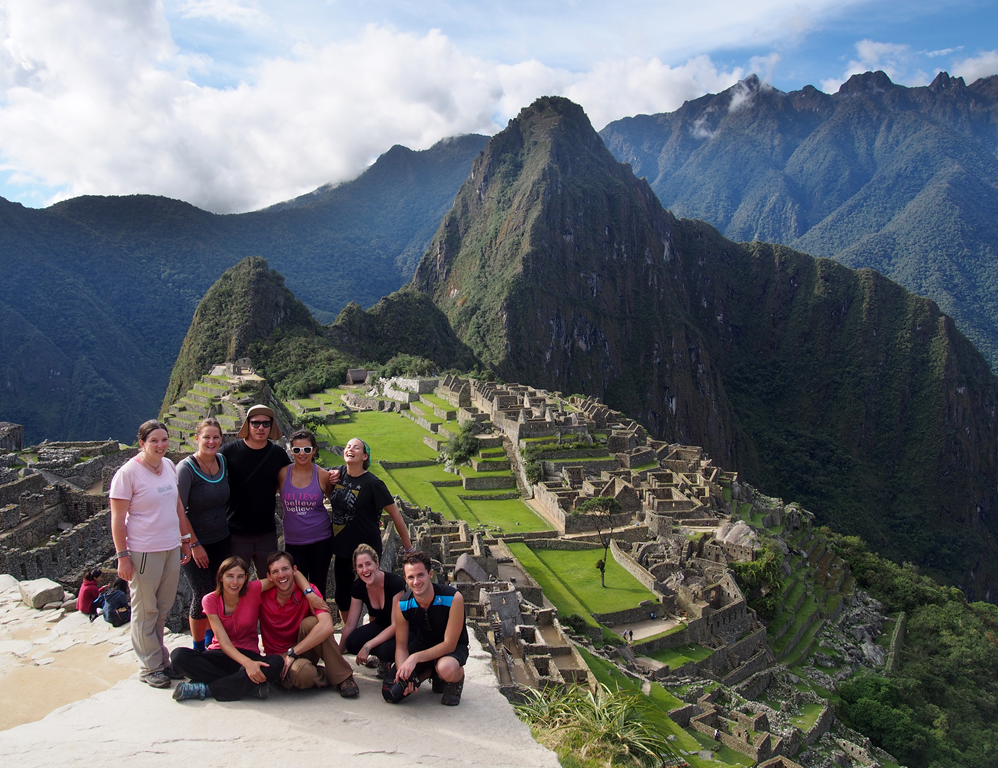
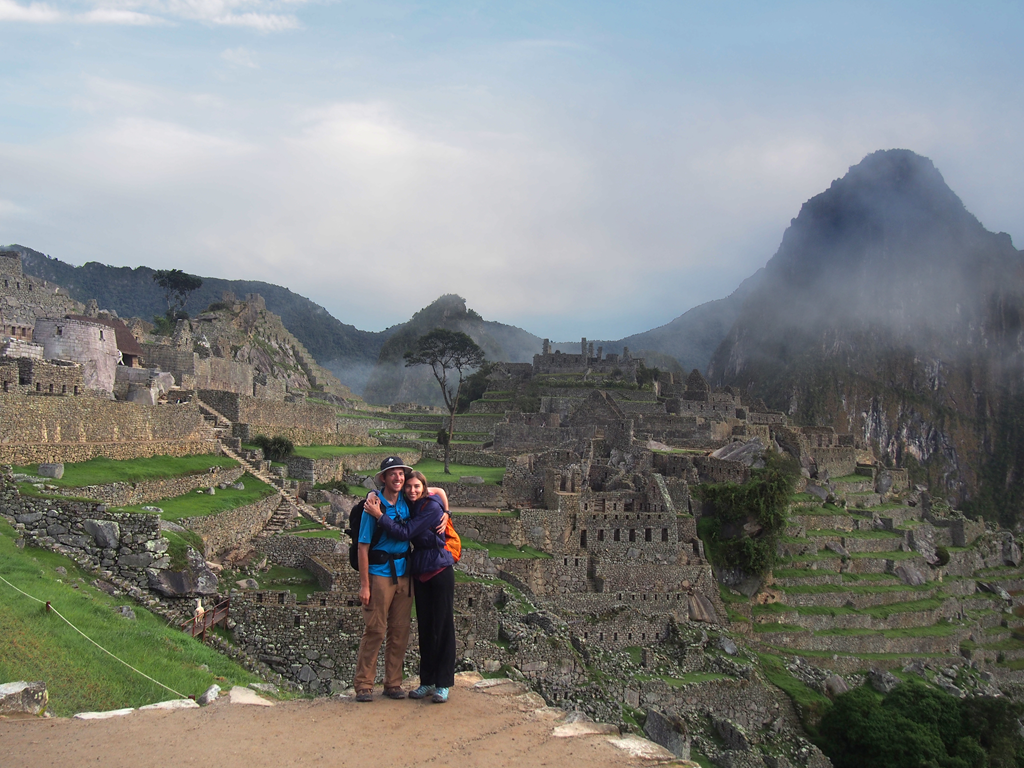
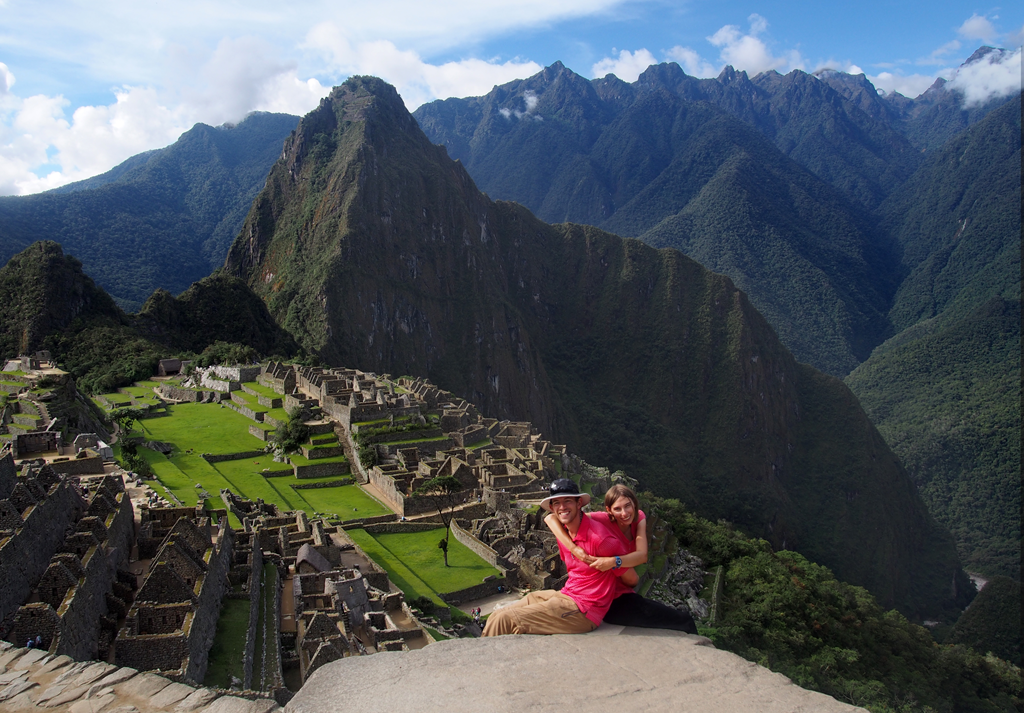
    After surviving the Inca Trail we got our tourist picture on the brink of Machu Picchu. Luckily few other tourists were around.

    image


  • Machu Picchu: Big Sacred Rock

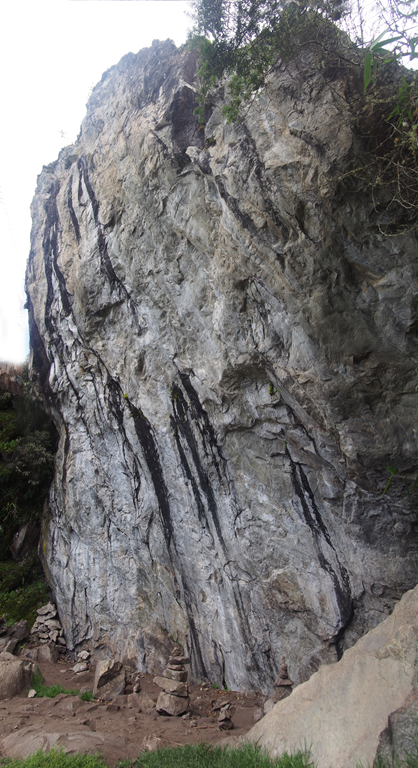
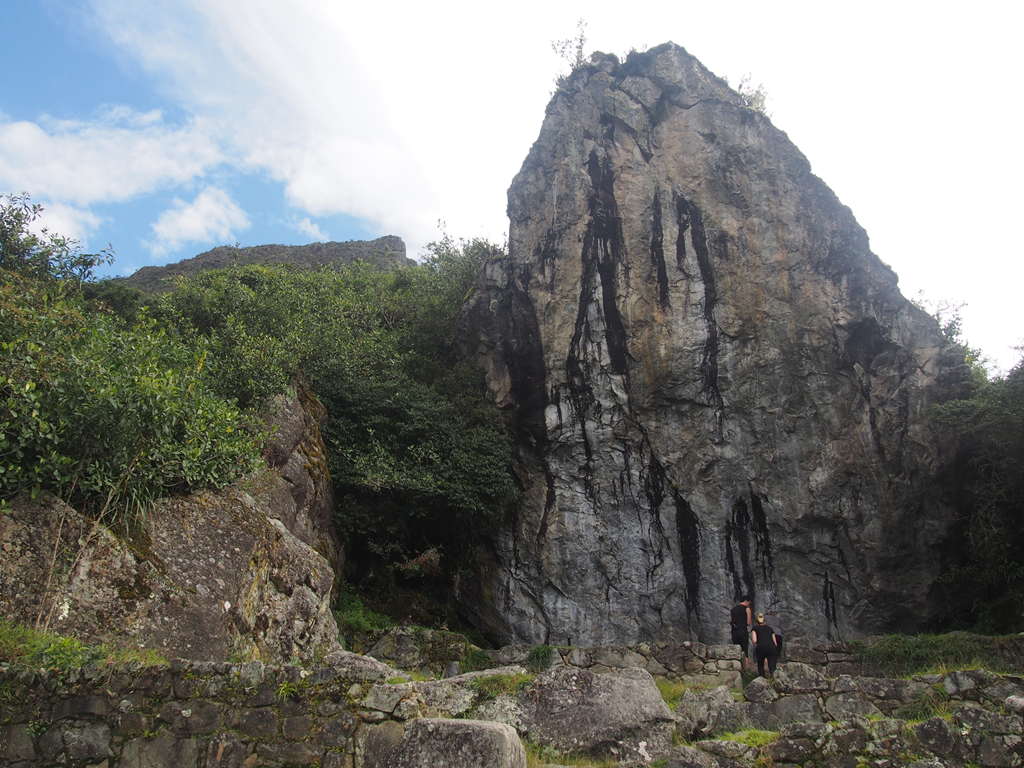
    This big rock has a building around it.

    image

    It was probably considered sacred.

    image

    It is now, anyway. People leave coca leaves at its base as offerings. Sometimes under little piles of rock.

    image

    It is a very big and impressive looking rock.

    image

    The walls around it are not very impressive, so it was either a very old temple or not a very important one.

    image

    But one big wall leading up to it uses gigantic stones that are carved to fit into each other.

    image