Note: In order to deal with slow internet connections, Machu Picchu has been divided into 16 parts. This is part 1.
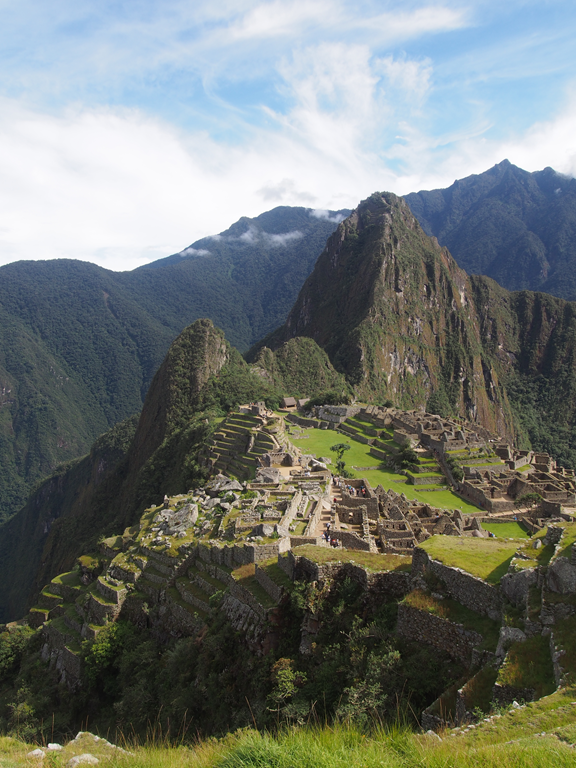
Machu Picchu is the most famous Incan site.
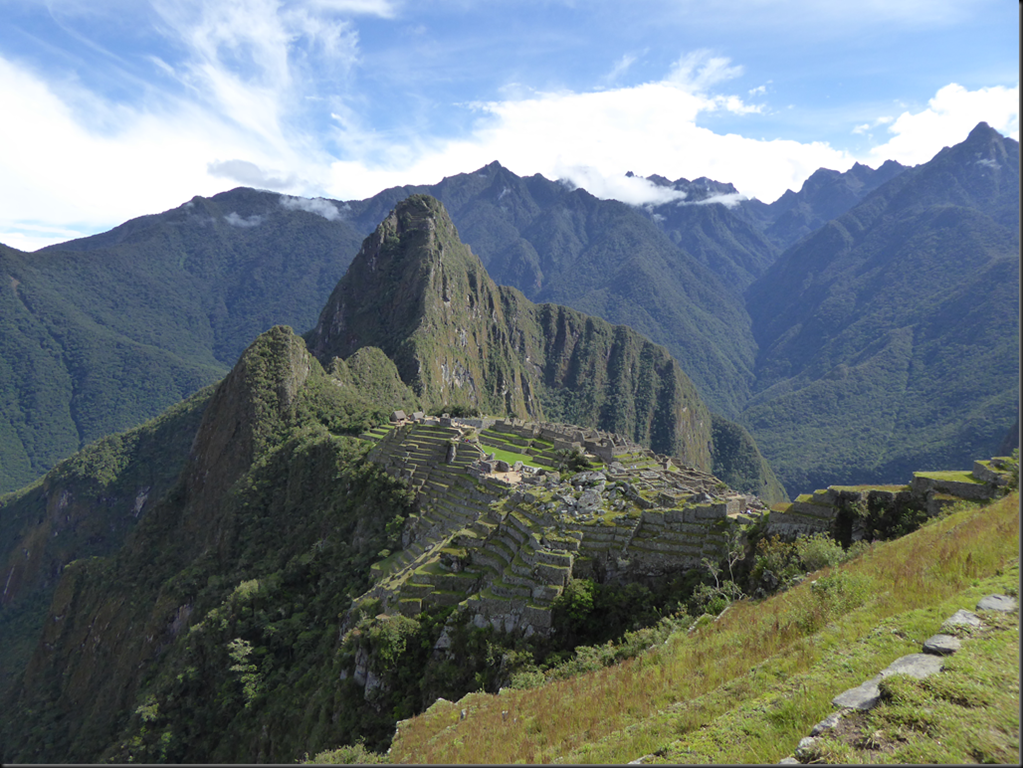
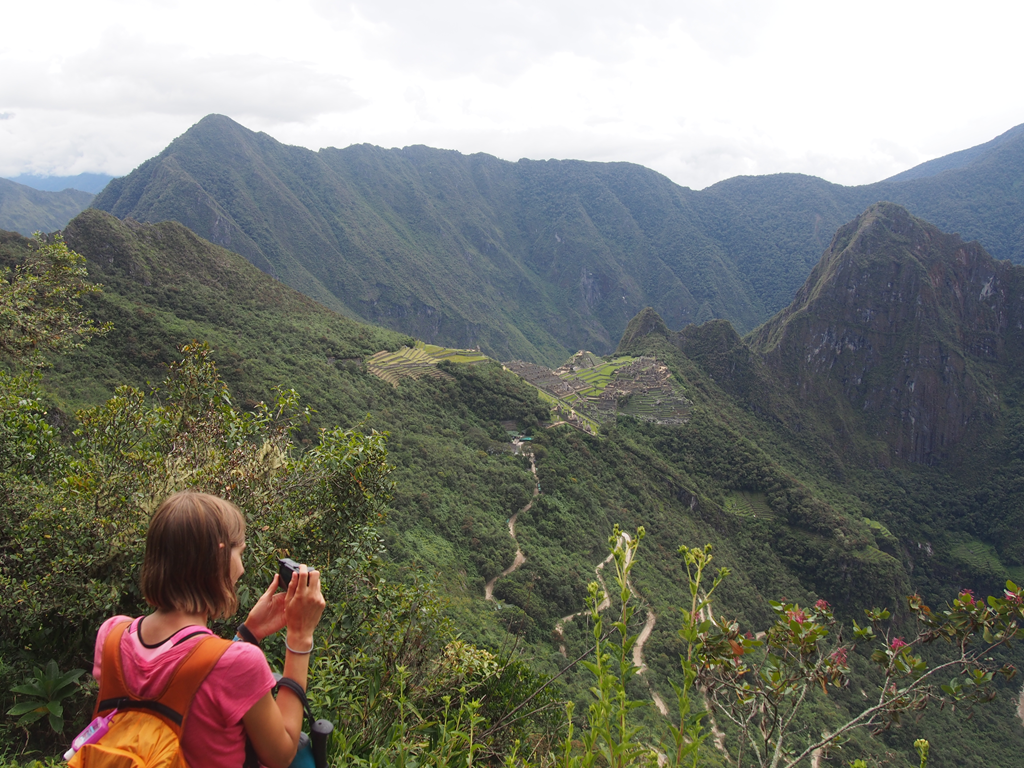
It is located in a very scenic but inaccessible valley.
It was built in about 1450 and abandoned in 1572 for unknown reasons.
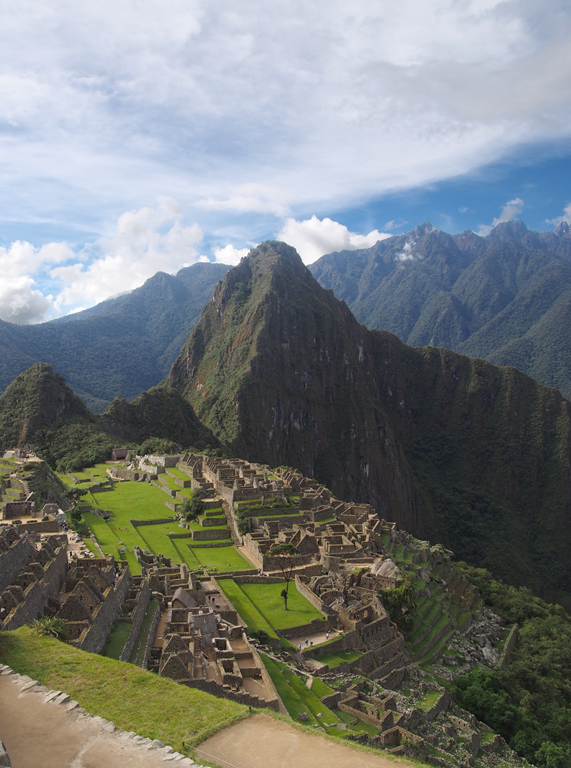
Because it was abandoned before the Spanish showed up to destroy the temples and steal the stones, the Spanish never found it.
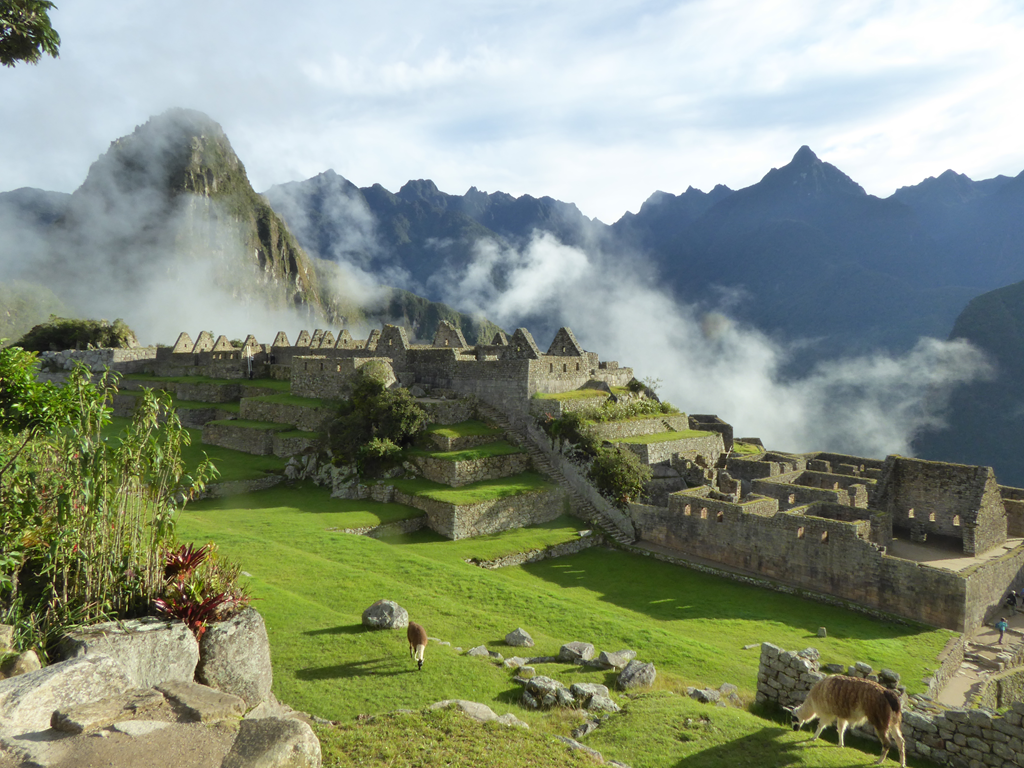
Therefore it is the most complete Incan site that we know of.
It was officially rediscovered in 1911 by an American. Though when he found it two or three native families were already farming the terraces, and he found it by asking the locals if there were any interesting ruins nearby. In his notes on the excavation the next year he complains about spending two days cleaning recent charcoal graffiti off of the ruins.
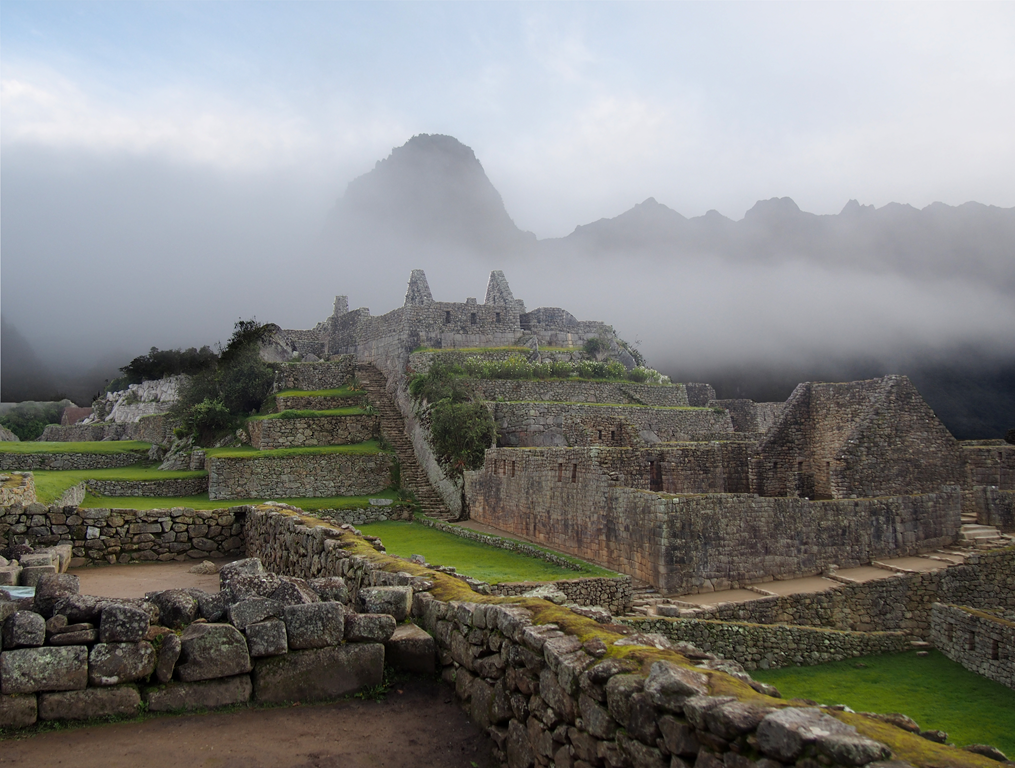
It contains about 200 buildings. And over 100 stairways. It was probably home to about 1000 people at its peak.
No one knows what Machu Picchu was used for.
A lot of the theories about what Machu Picchu was used for involve the inhabitants being 80% women. This is based on a study from 1912 in which the skeletons from tombs around the site were examined, and 80% of them were female.
![image_thumb4[1]](https://www.kerrimatt.com/wp-content/uploads/2015/03/image_thumb411.png "image_thumb4[1]")
But when the same remains were re-examined in 2006 they found a 50-50 split. They think the 1912 study must have based the gender almost entirely on body size, so short men were assumed to be female.
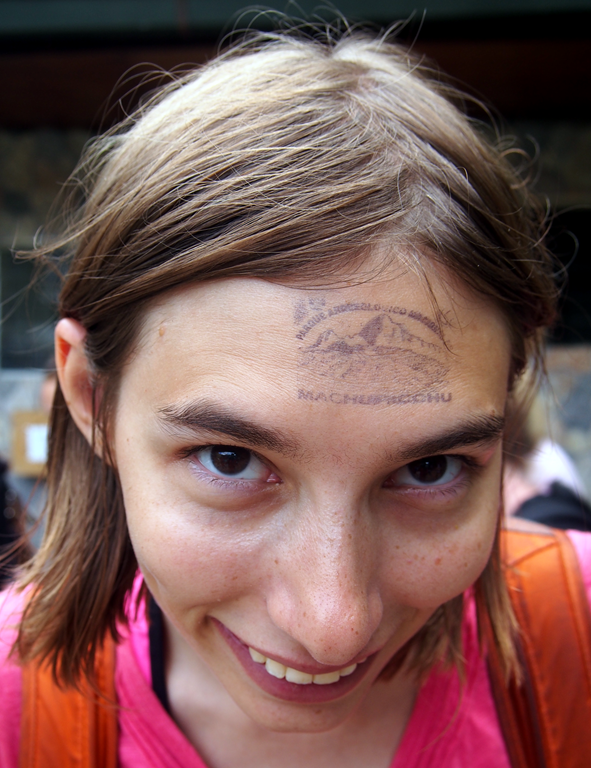
 They have a booth where you can get your passport stamped with Machu Picchu. We are worried that we will run out of pages in our passports, but Kerri really wanted a stamp.
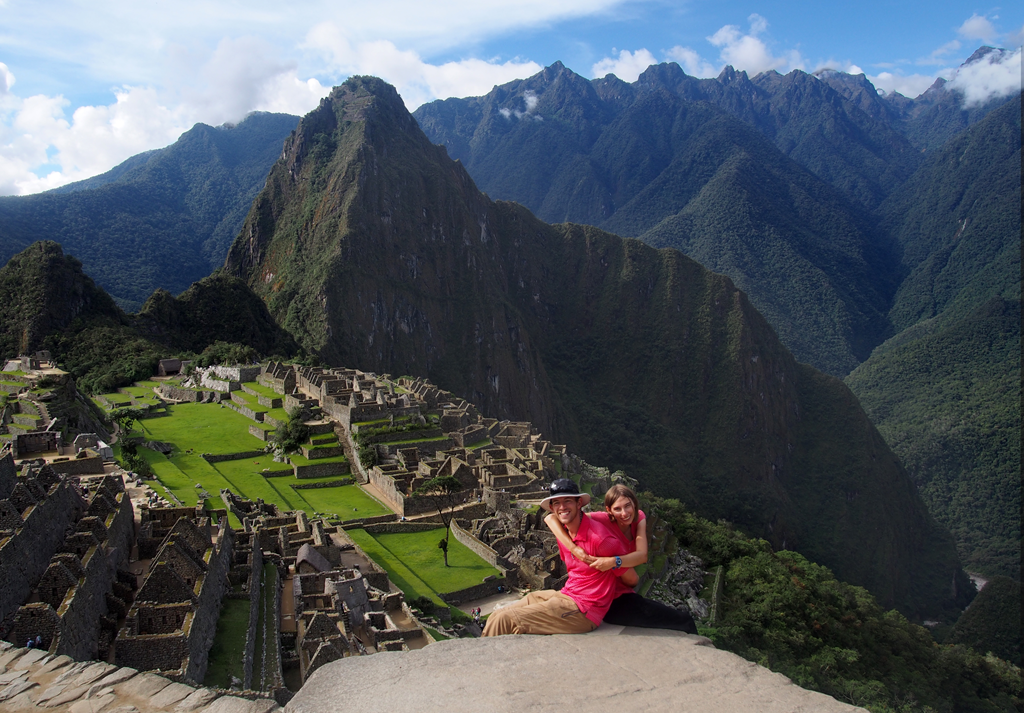
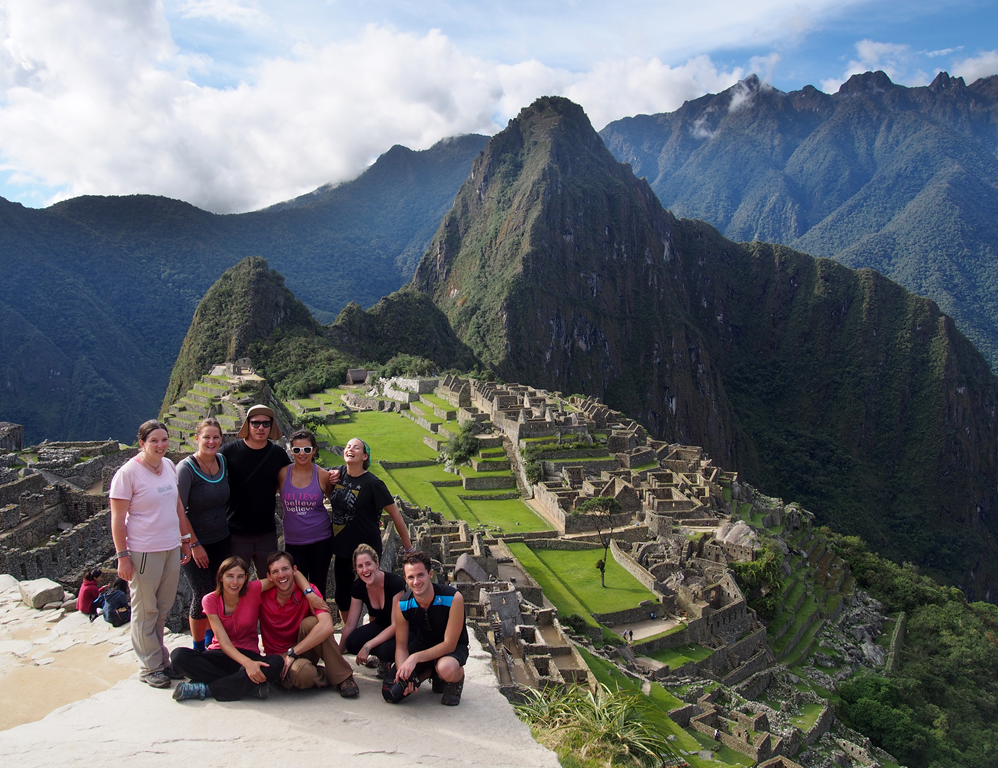
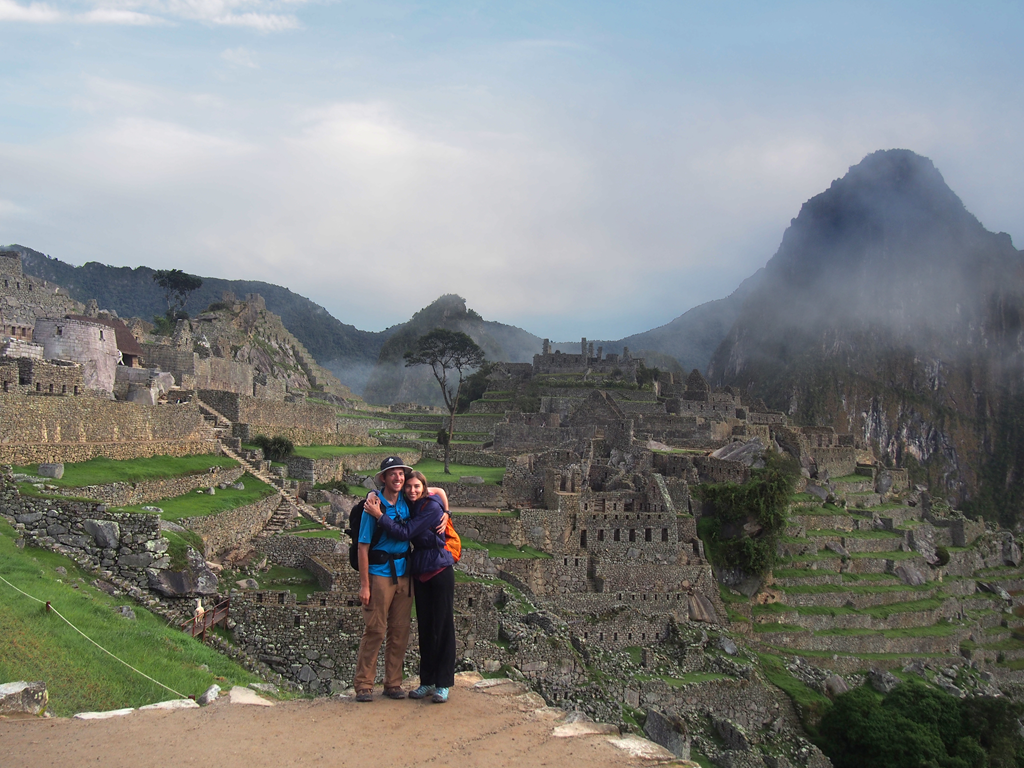
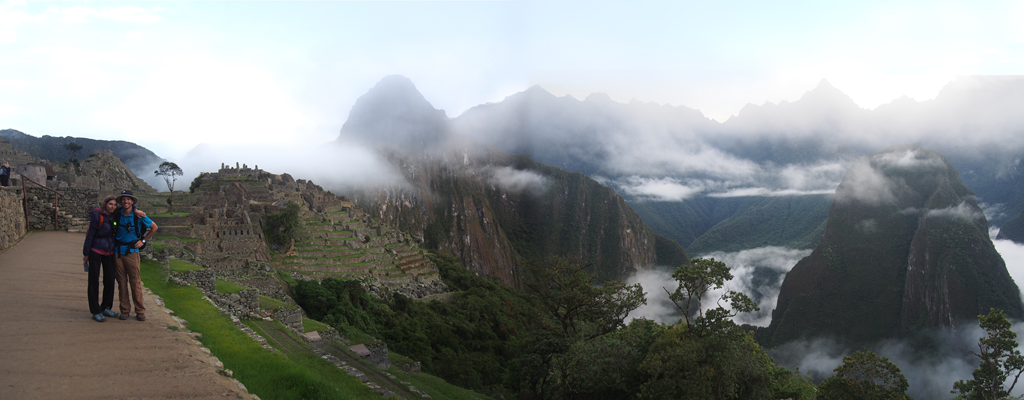
After surviving the Inca Trail we got our tourist picture on the brink of Machu Picchu. Luckily few other tourists were around.