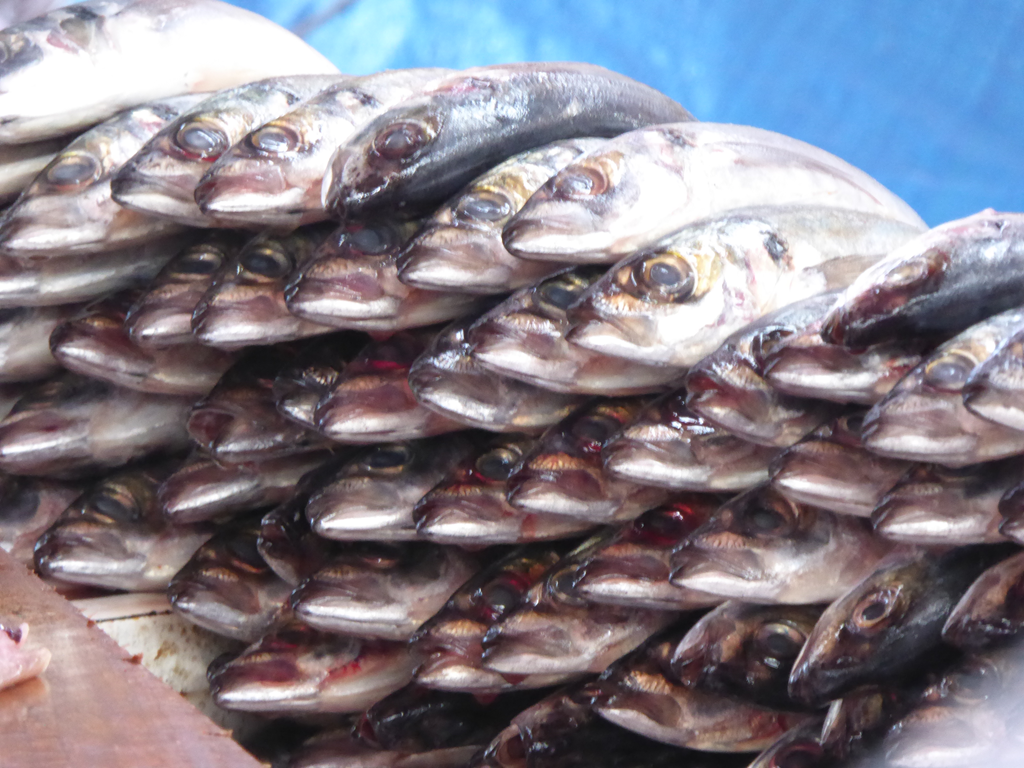
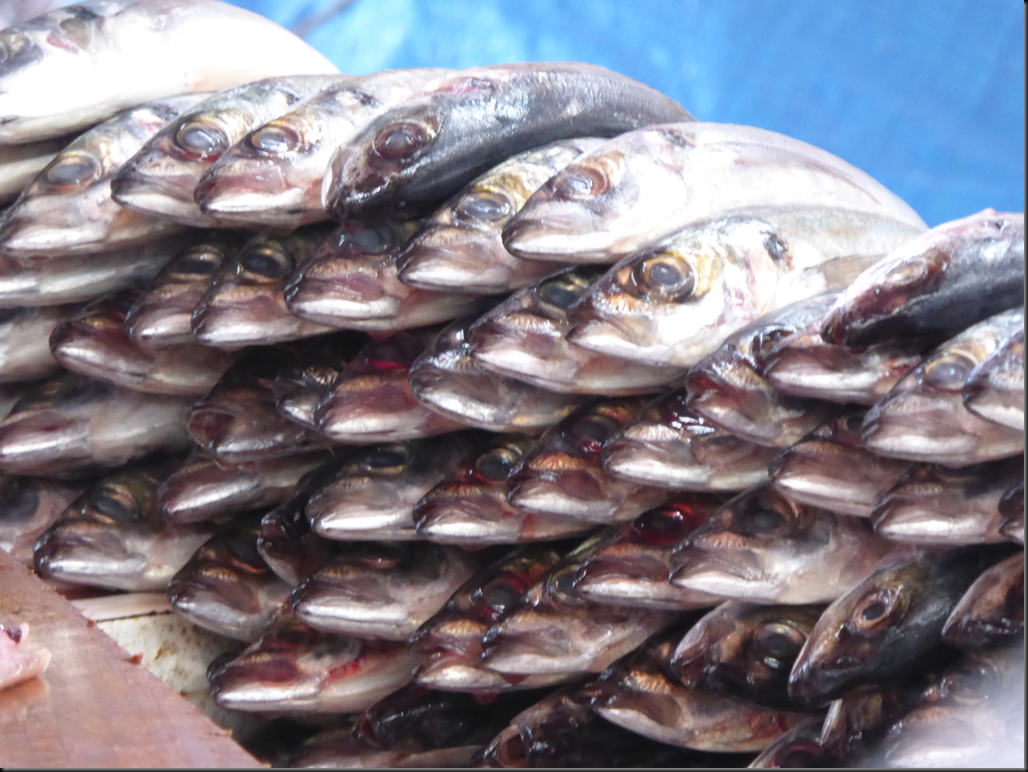
As a part of our orientation and walking tour we went to the market. It was very organized into different areas. Those for fish.
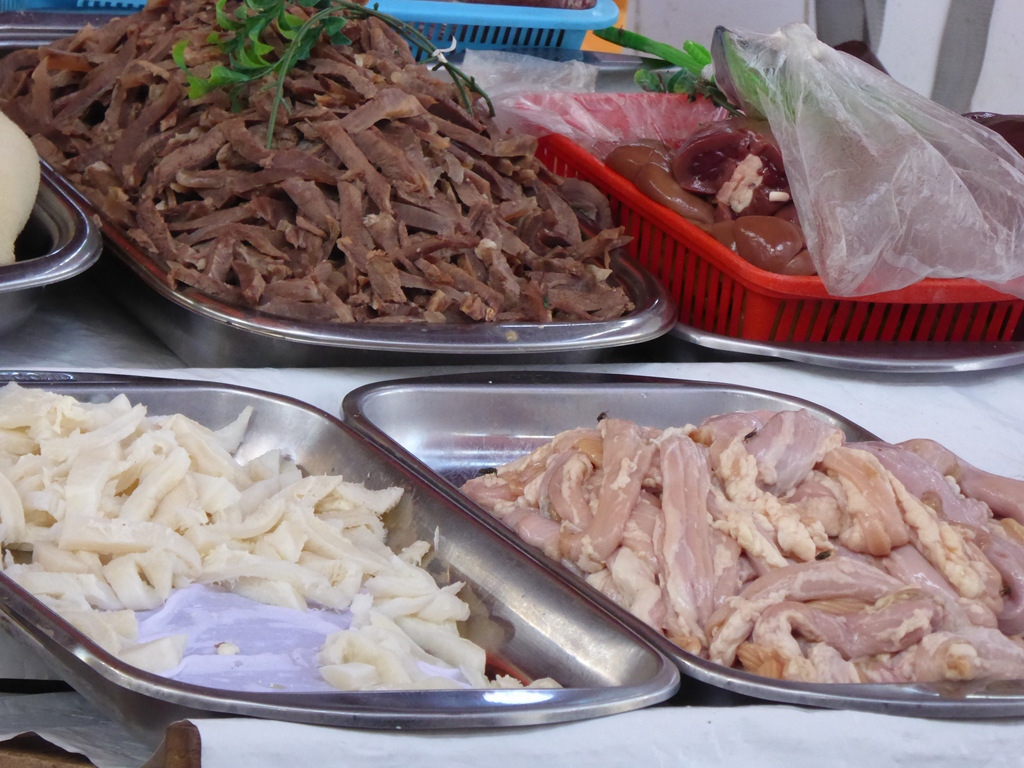
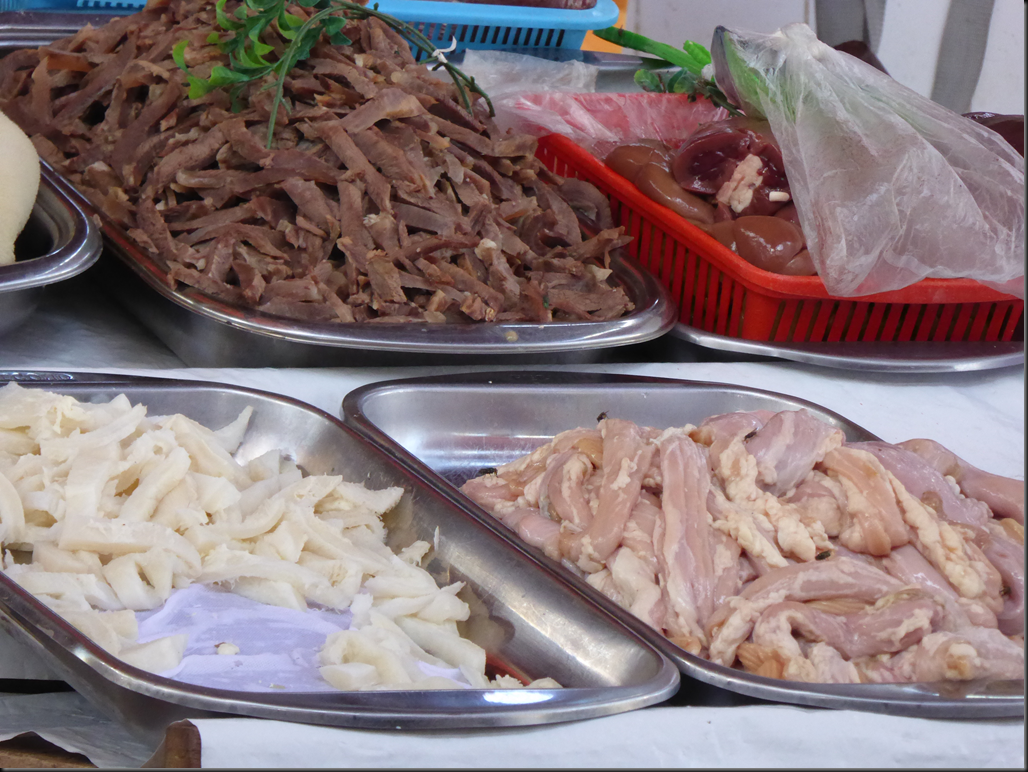
The area for organ meats.
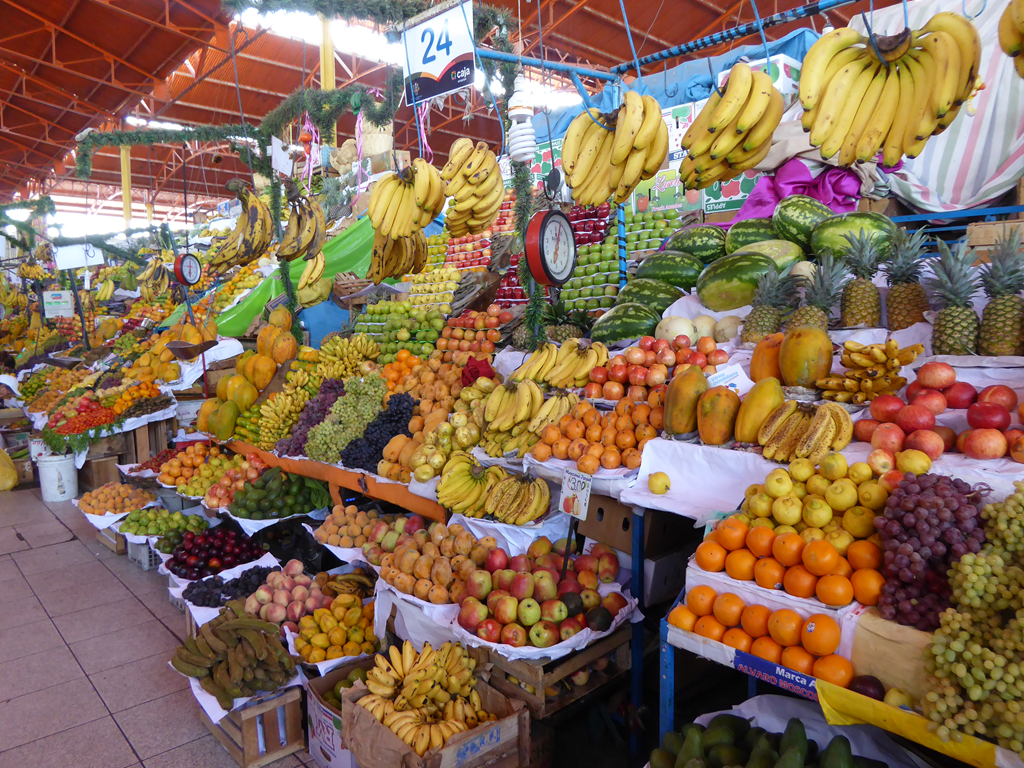
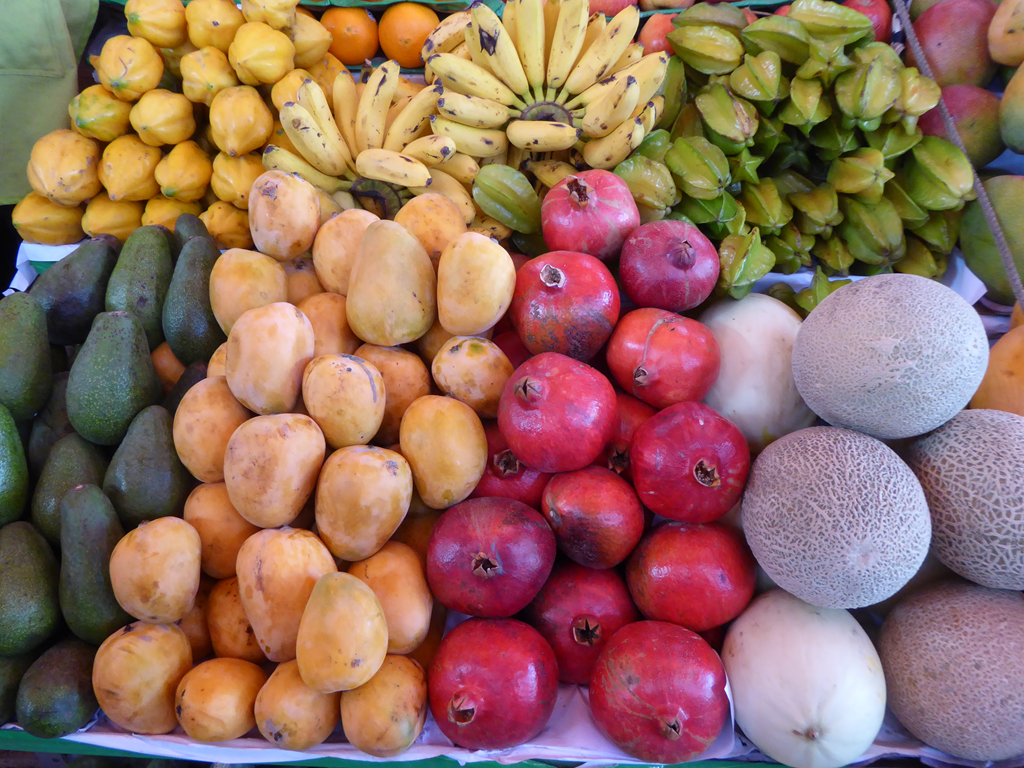
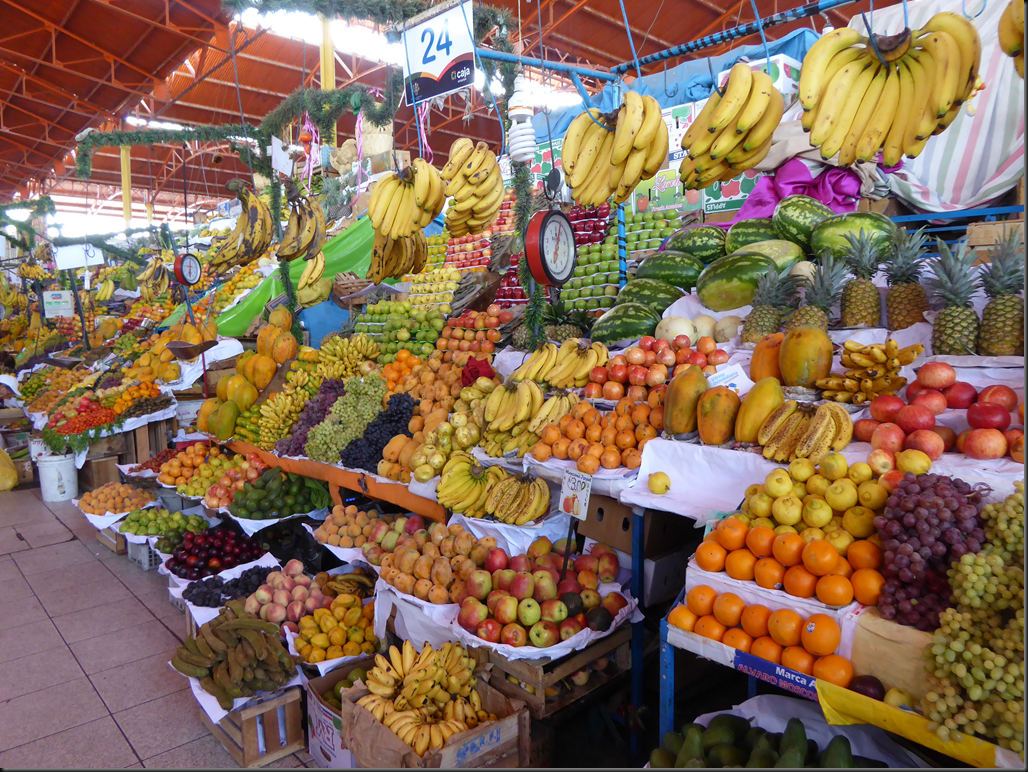
The beautiful area for fruits. They also were the nicest looking fruits we had seen so far. The pomegranates needed to be eaten but we kept it to just buying one to eat that night.
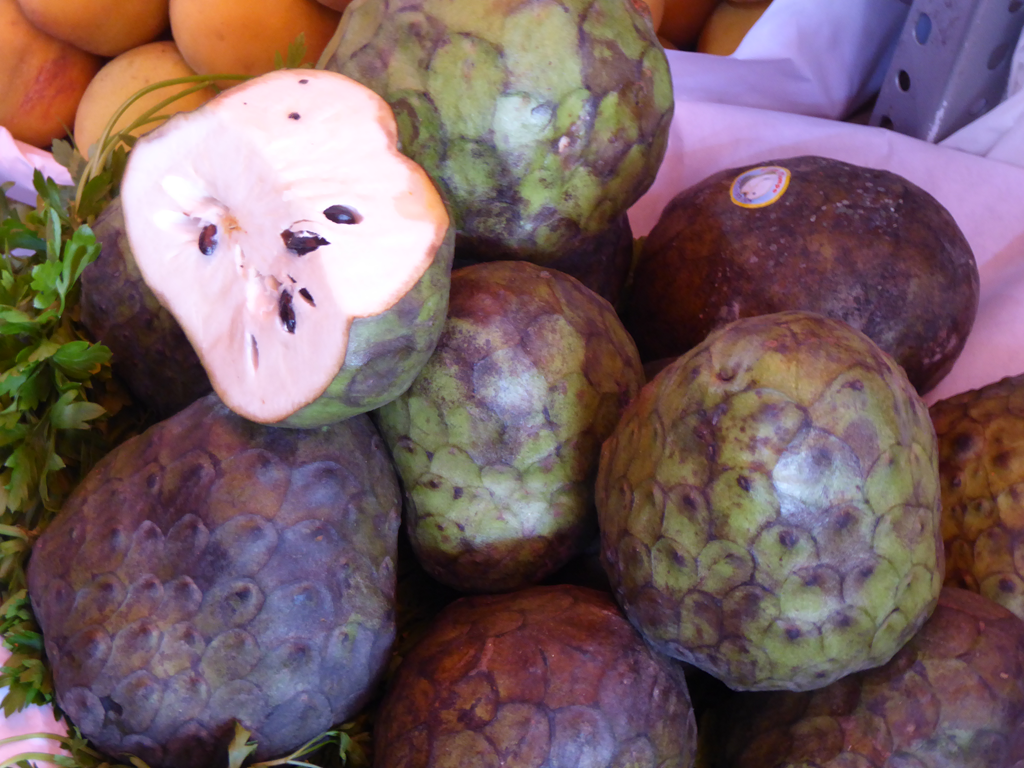
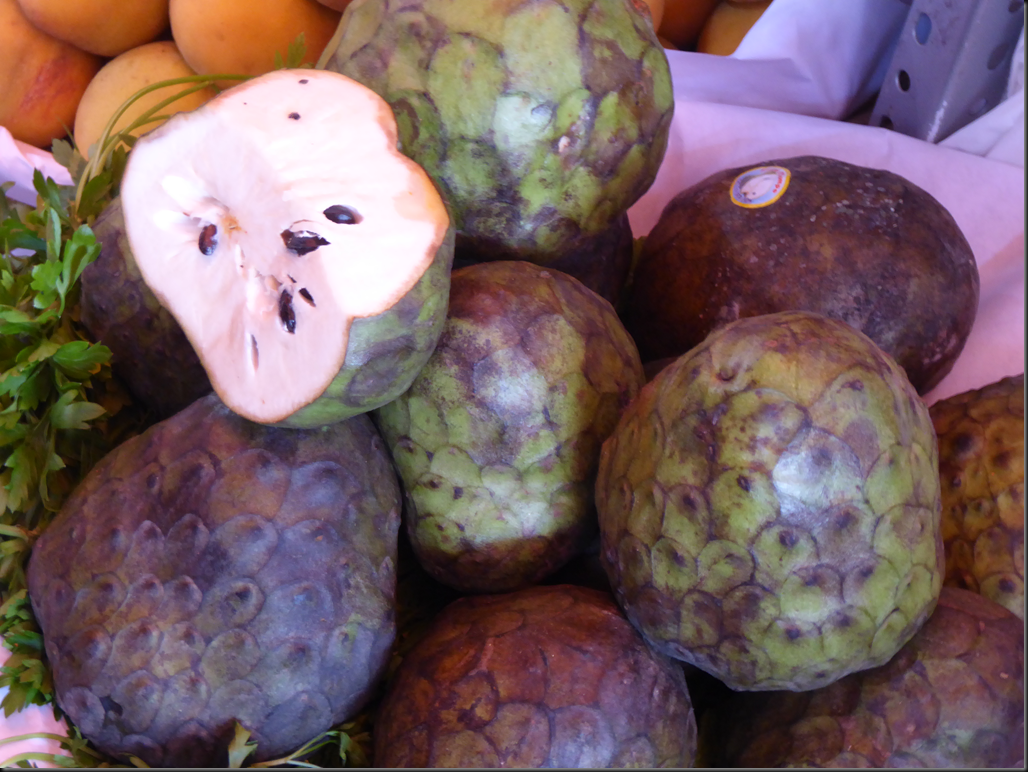
This was a fruit from the coast valley called chirimoya, but didn’t have any so no idea what it tastes like.
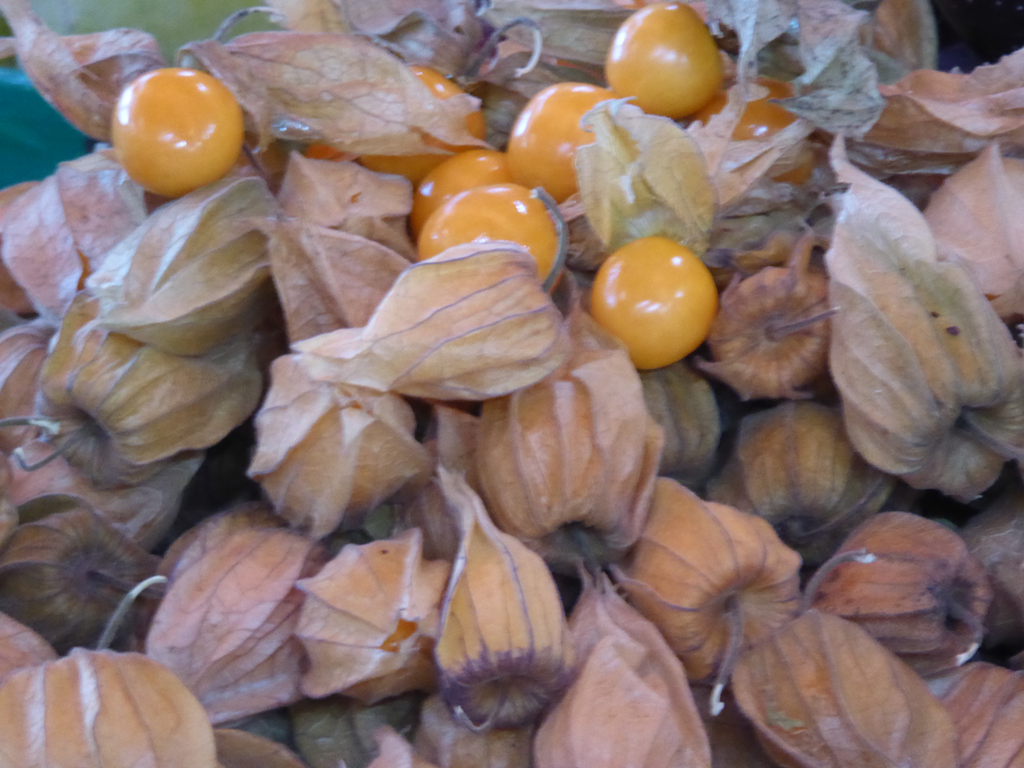
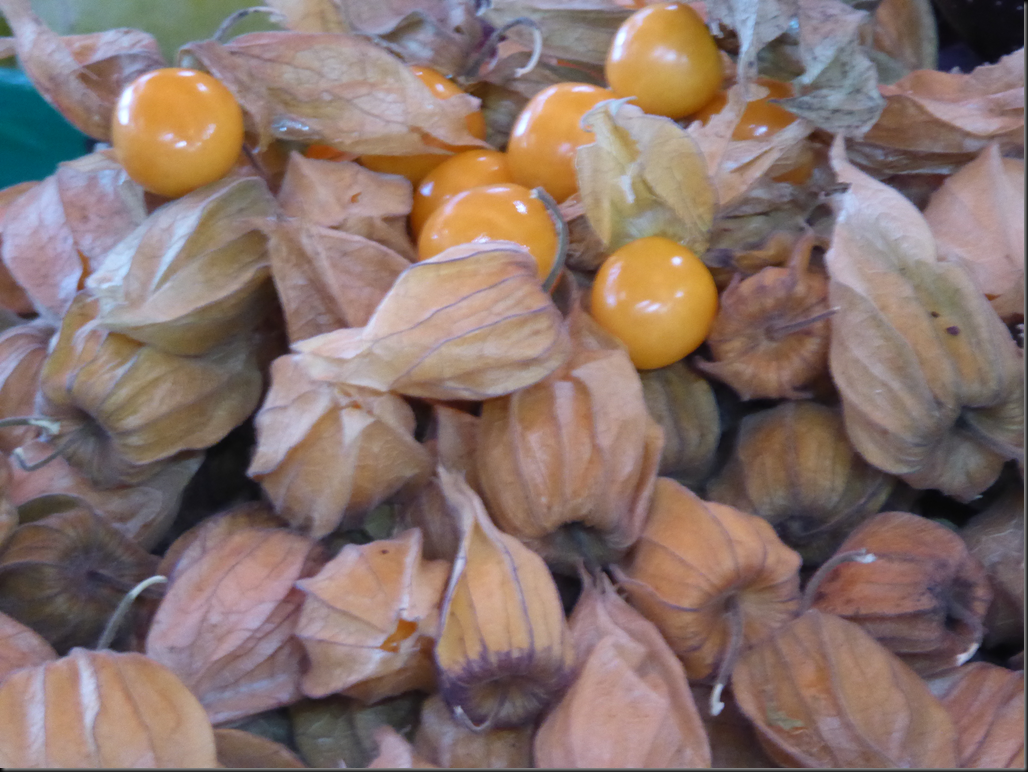
They had lots of aguaymanto.
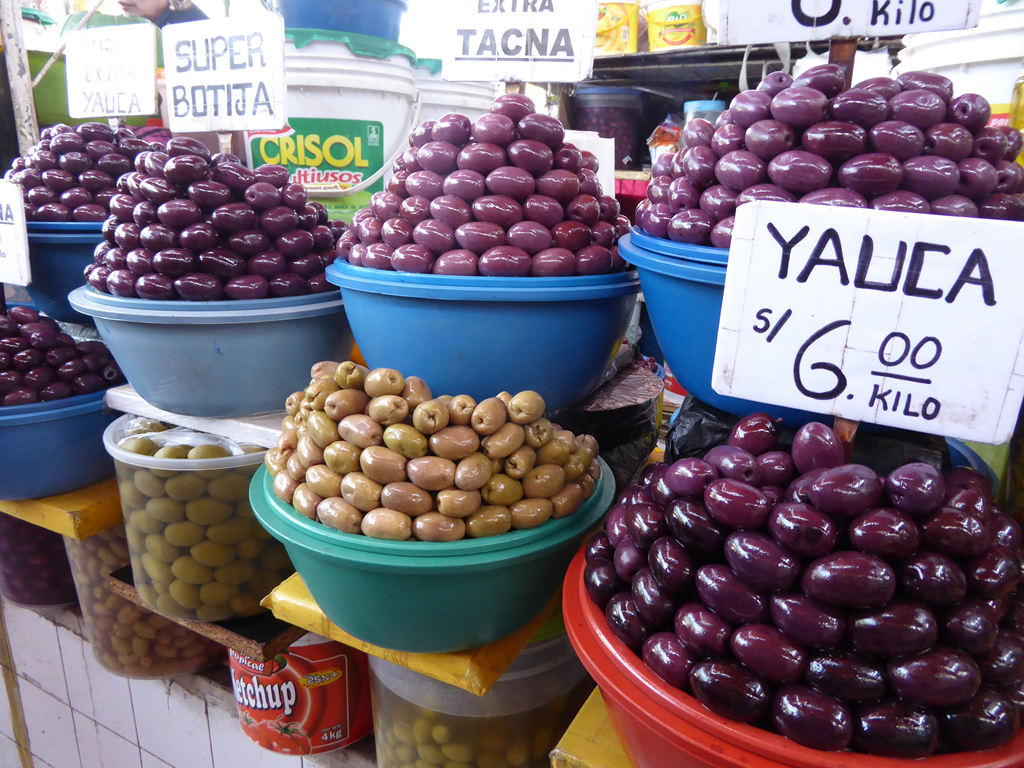
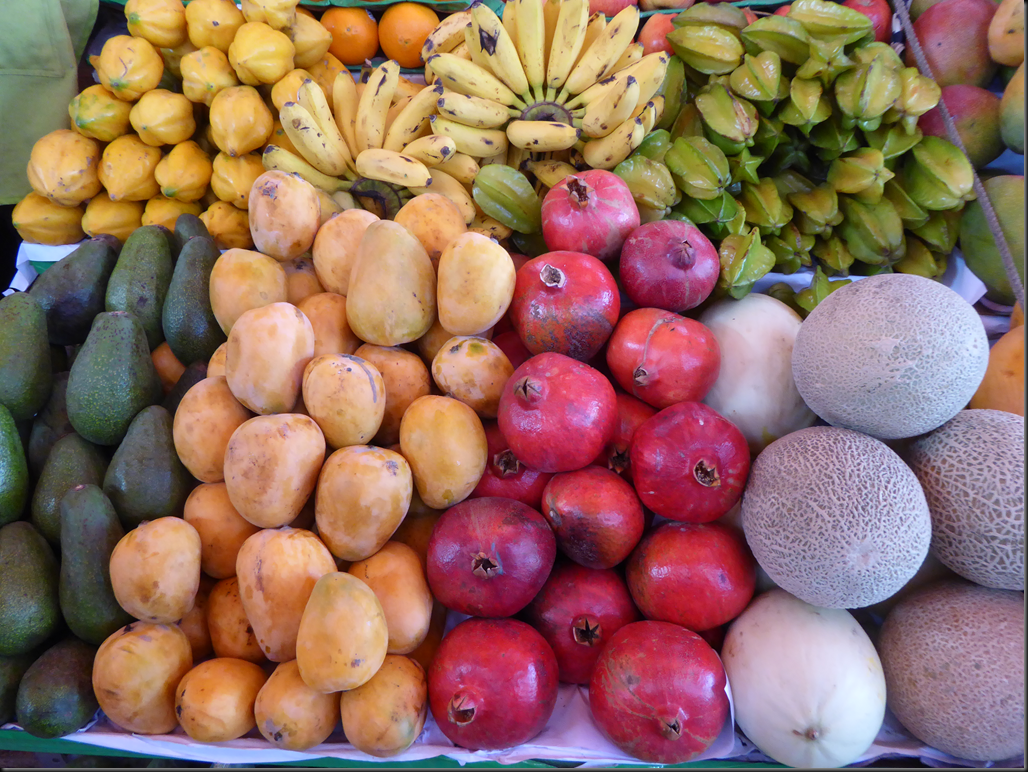
And the rest but these ones are much easier to identify as most of these are at home.
In Peru they have a few types of potatoes. The Inkas actually cultivated over 100 varieties, there were quite a few available here.
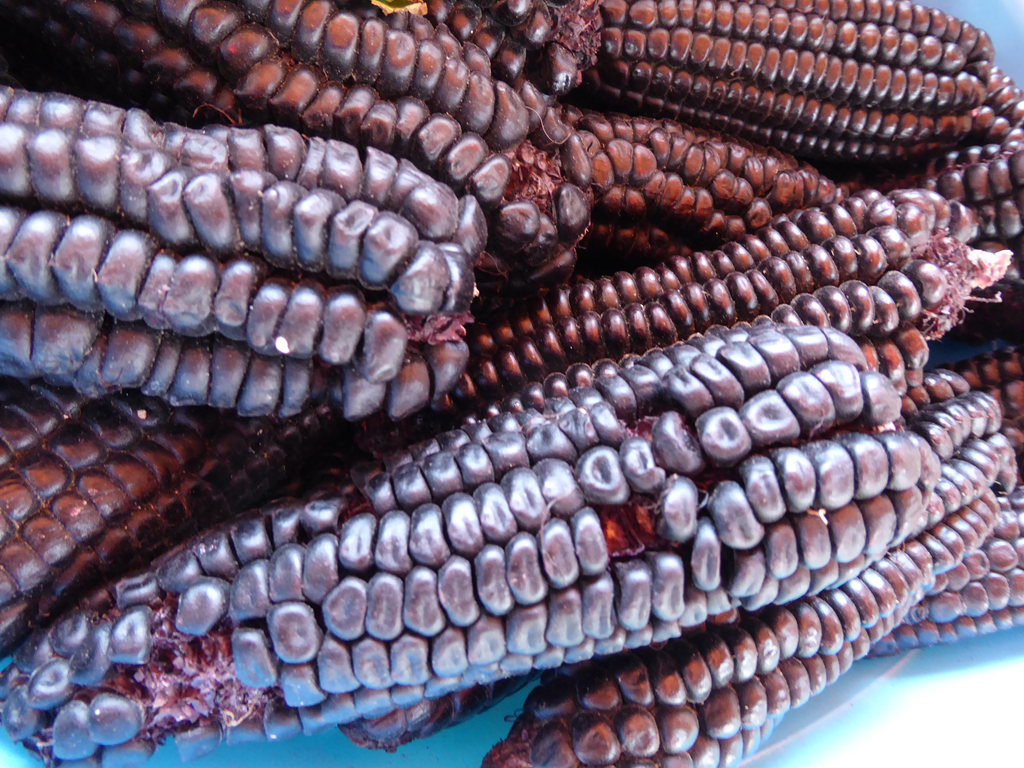
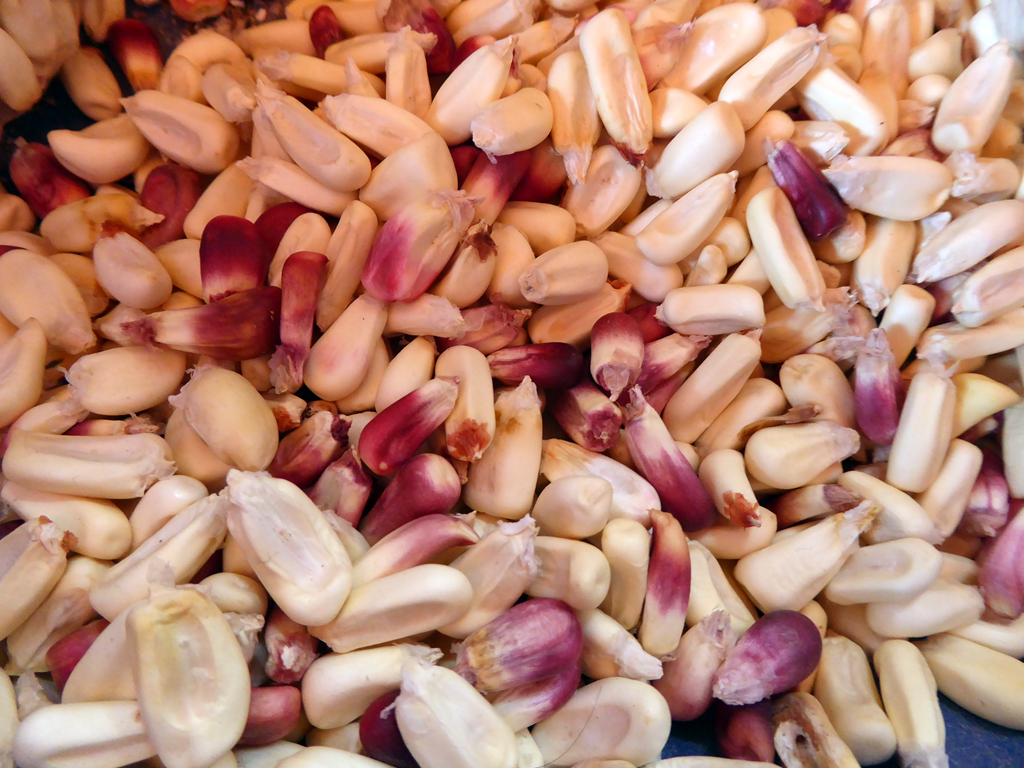
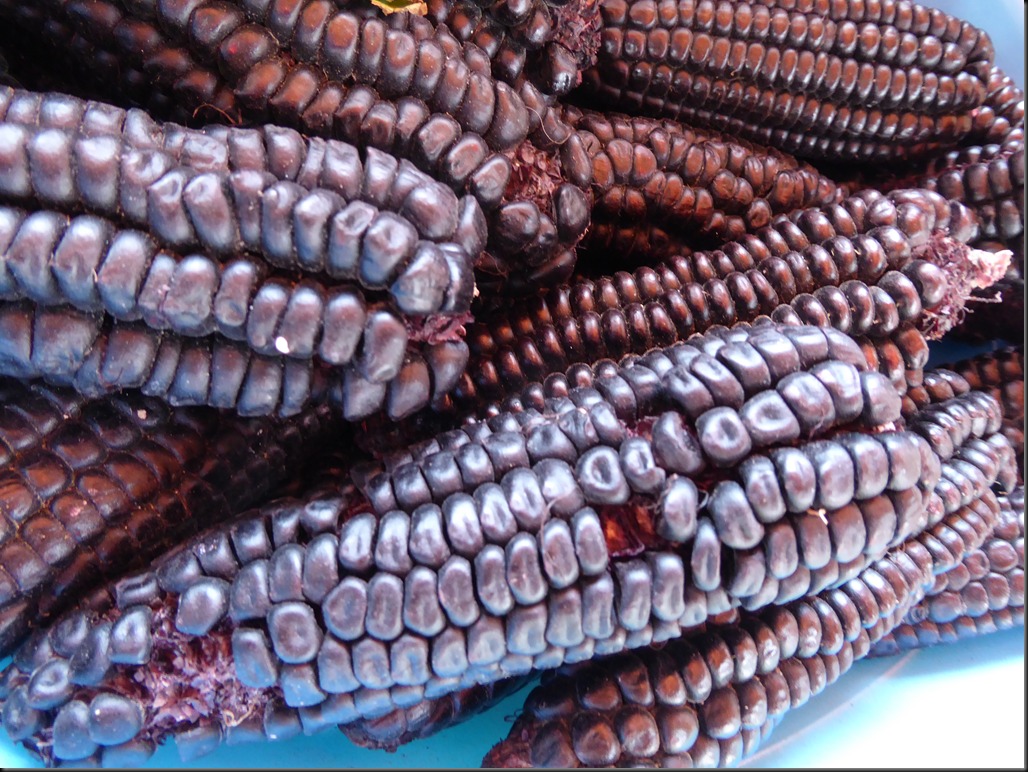
They also have lots of types of corn, including the purple corn which is used for juice.
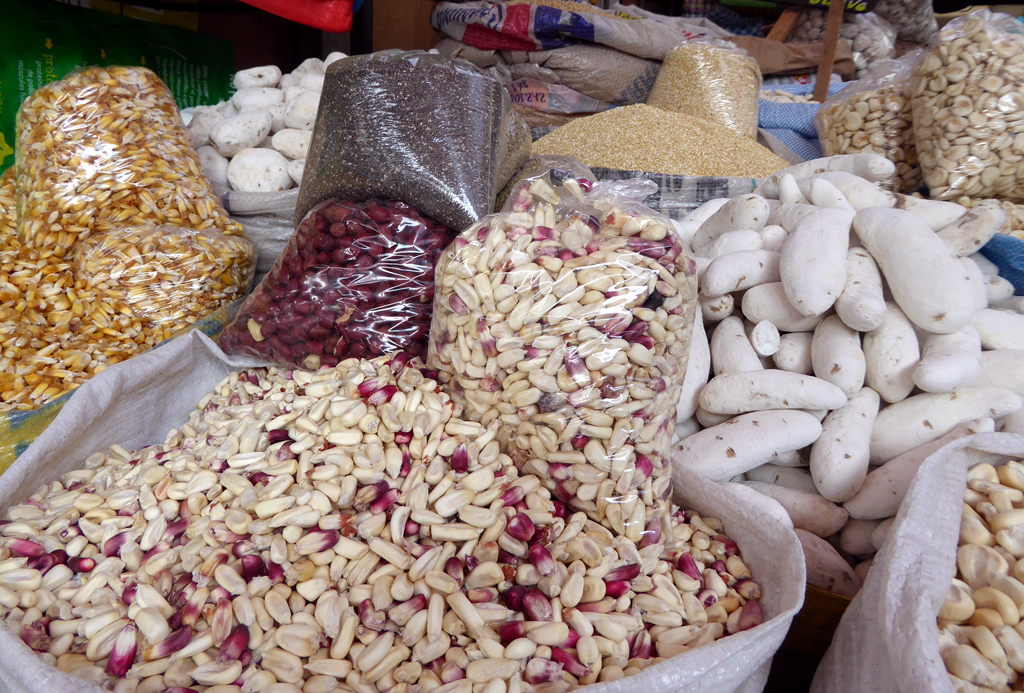
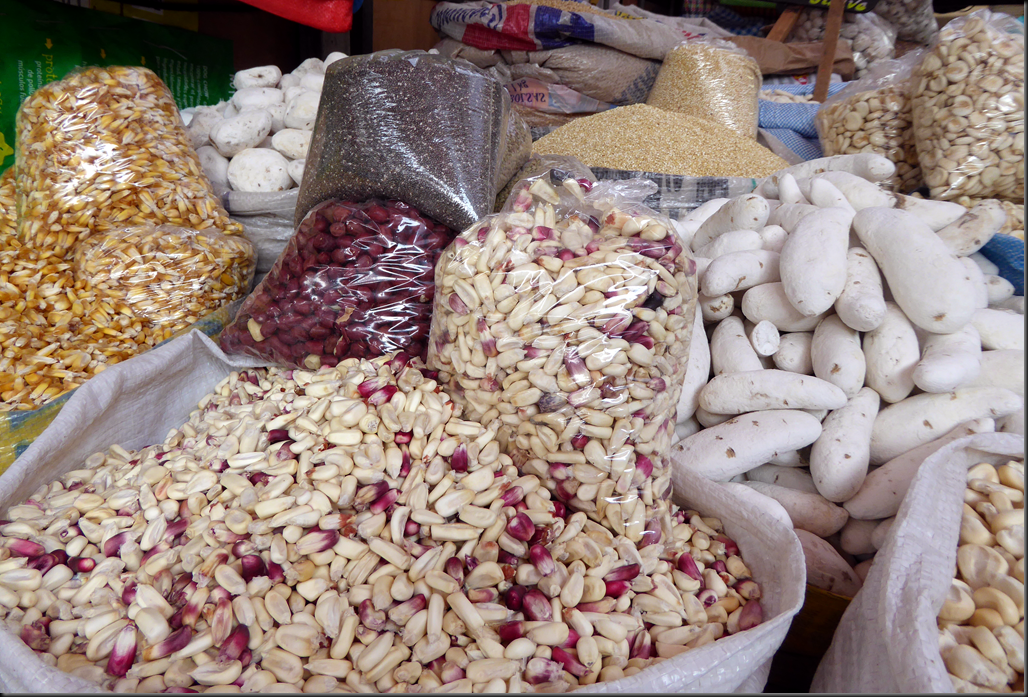
There were other types of corn and grains available.
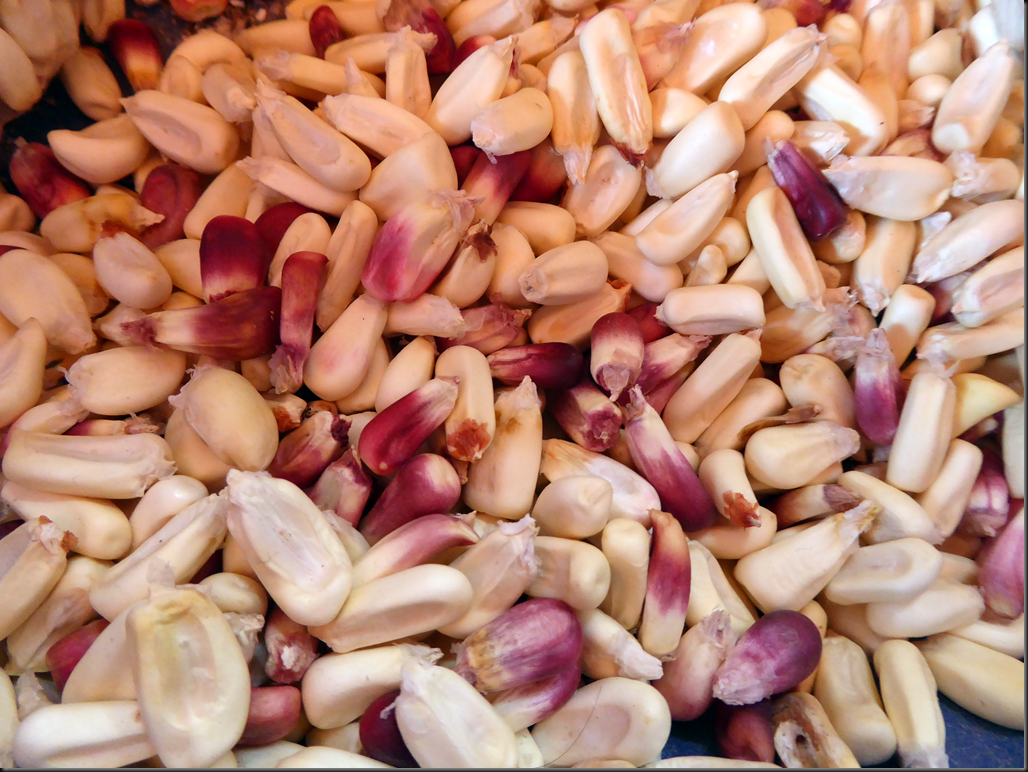
Some kernels were more purple than others.
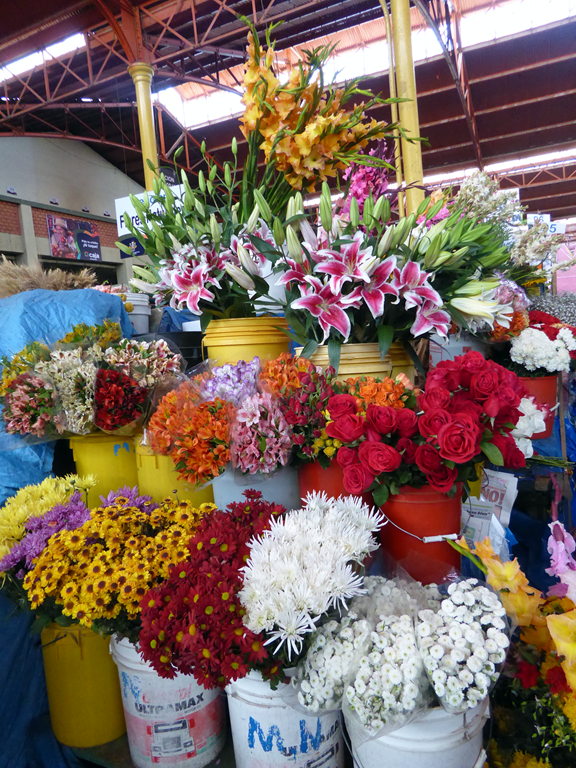
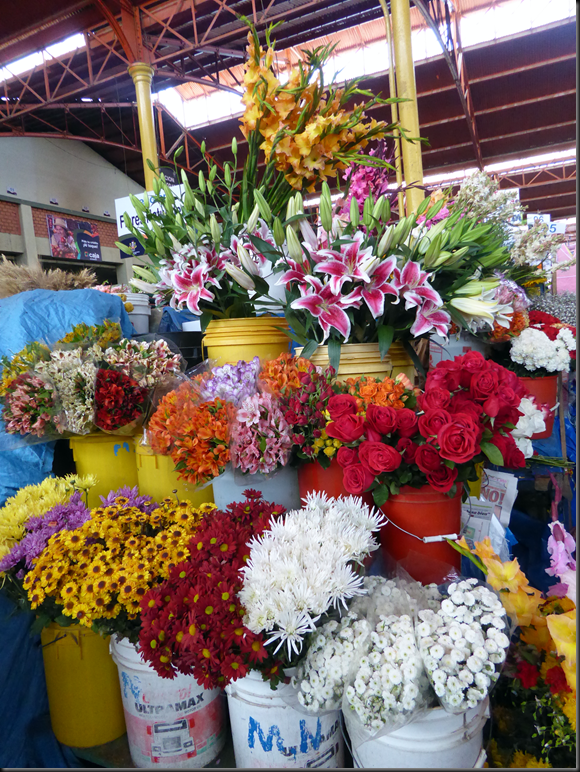
There was also a section where flowers were sold.
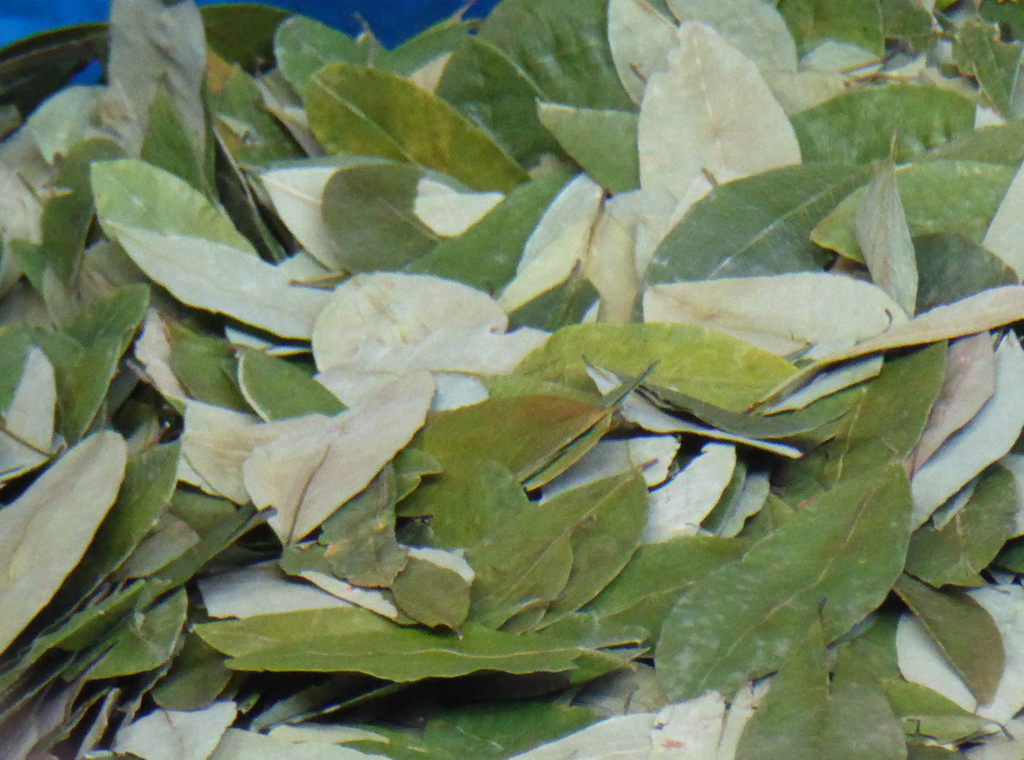
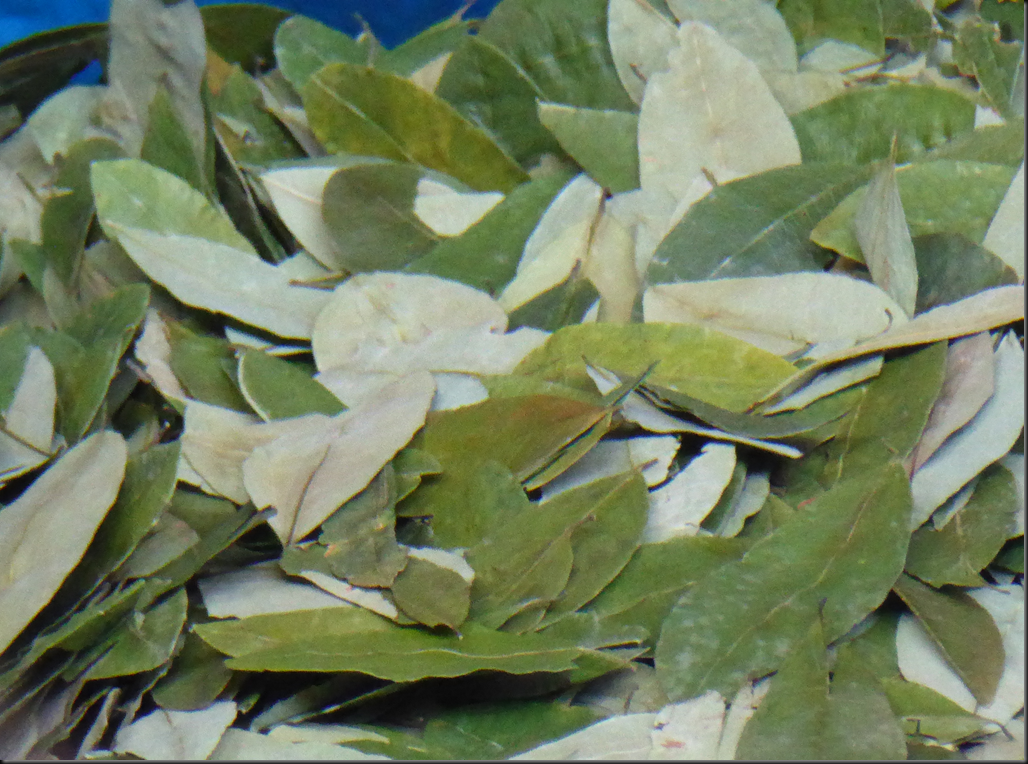
These are coca leaves. Locally they are chewed with a bit of an alkaline substance to release a small dose of cocaine, which acts as a stimulant and is supposed to relieve altitude sickness. They are also sometimes used to make tea. Internationally they are illegal, because they are used to make cocaine.
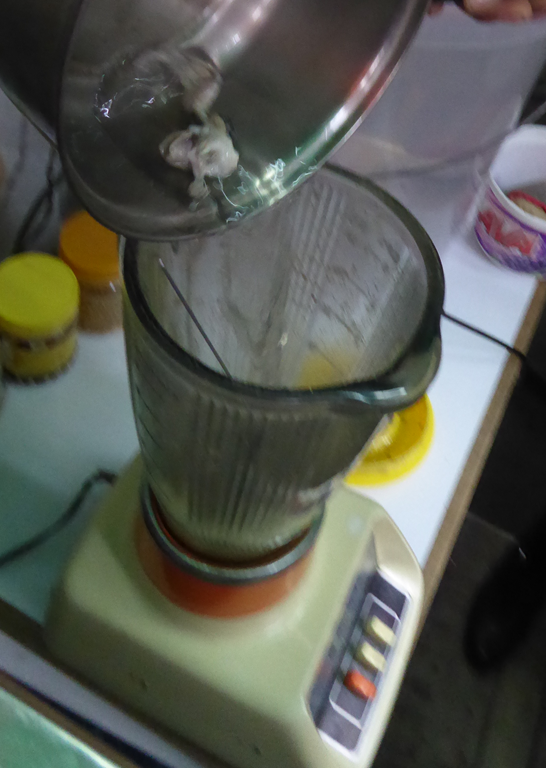
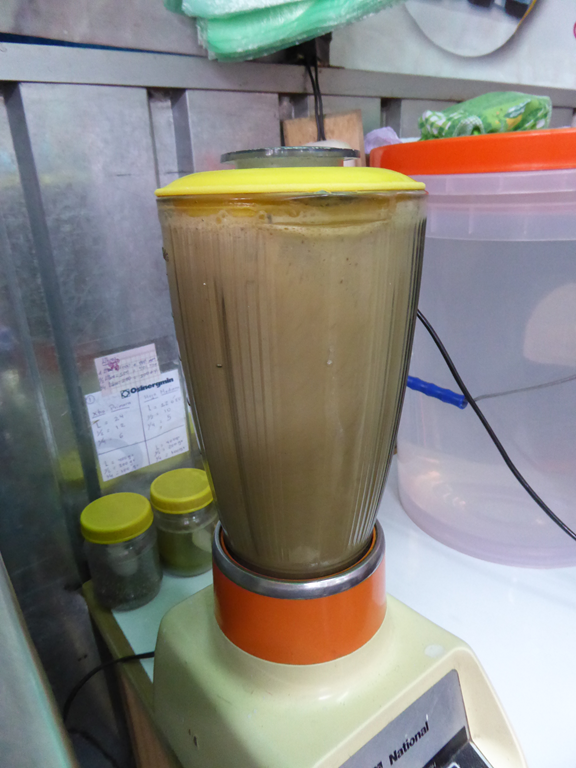
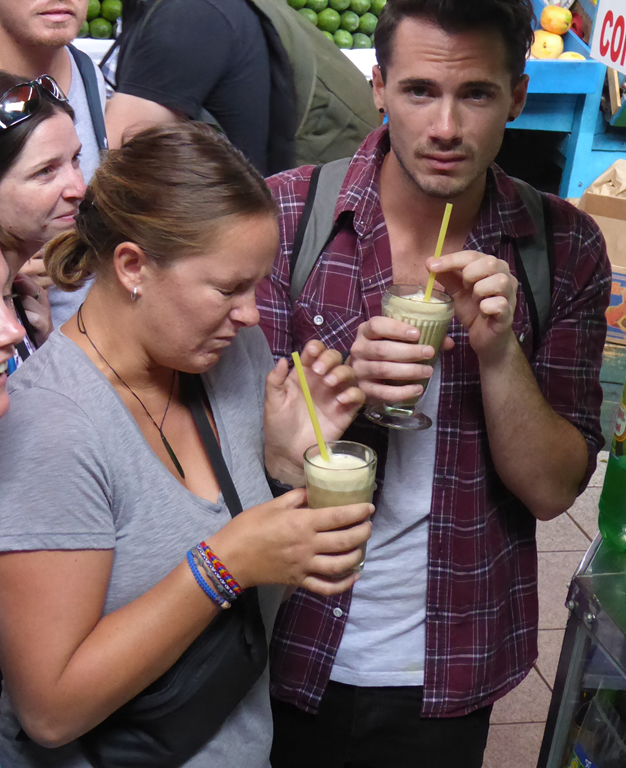
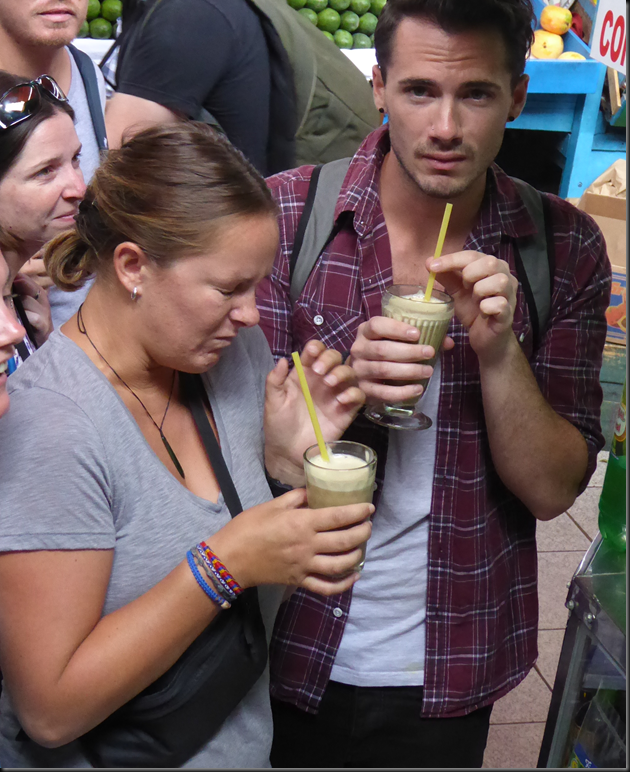
Some members of our group tried frog juice. It involves putting a boiled frog in a blender.
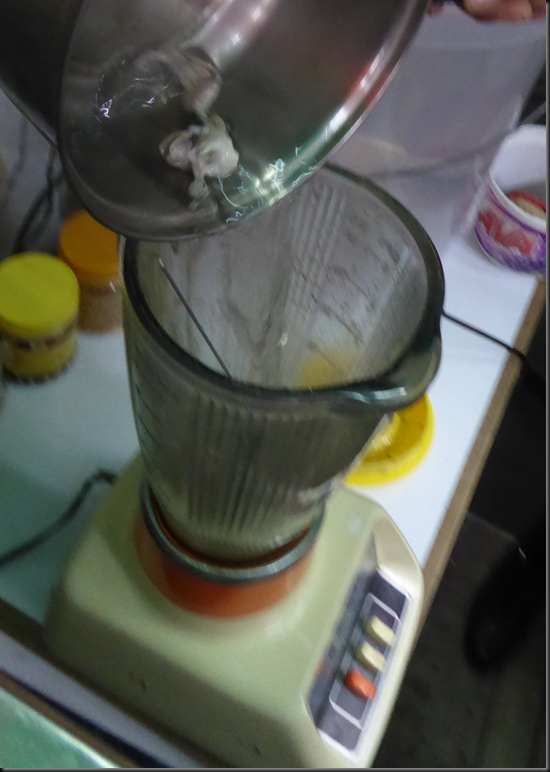
With soy milk, chia, and miscellaneous powders purported to cure things.
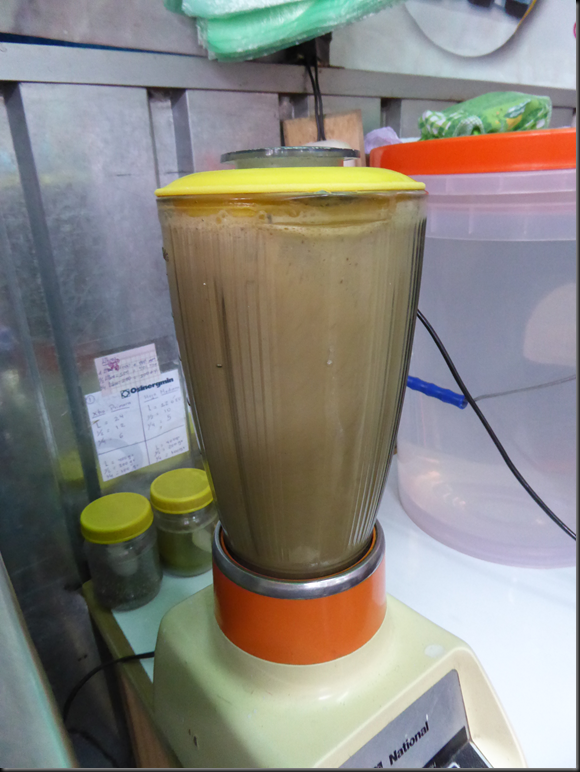
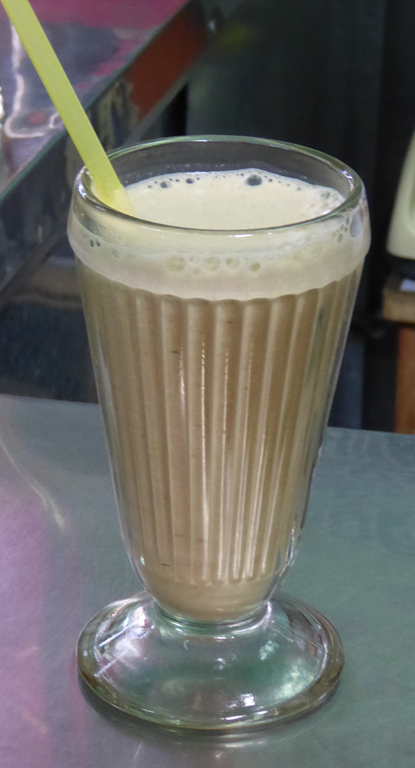
To make a disgusting looking drink.
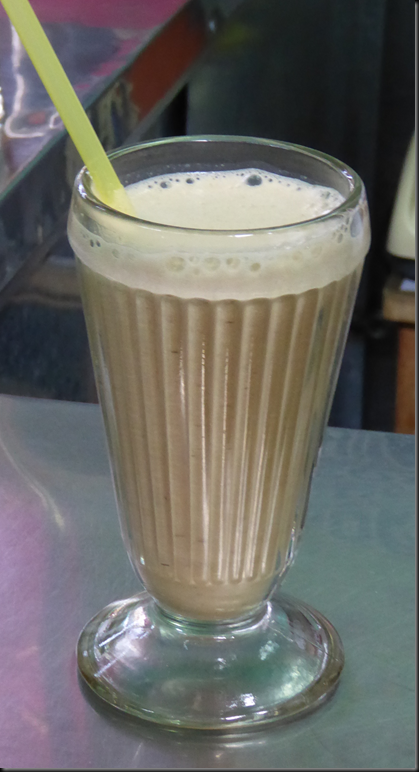
Those that did try it did not seem thrilled. They described it as tasting like a warm milkshake, or a protein shake. Possibly due to the graininess of the seeds, or perhaps the ground bones of the frog.
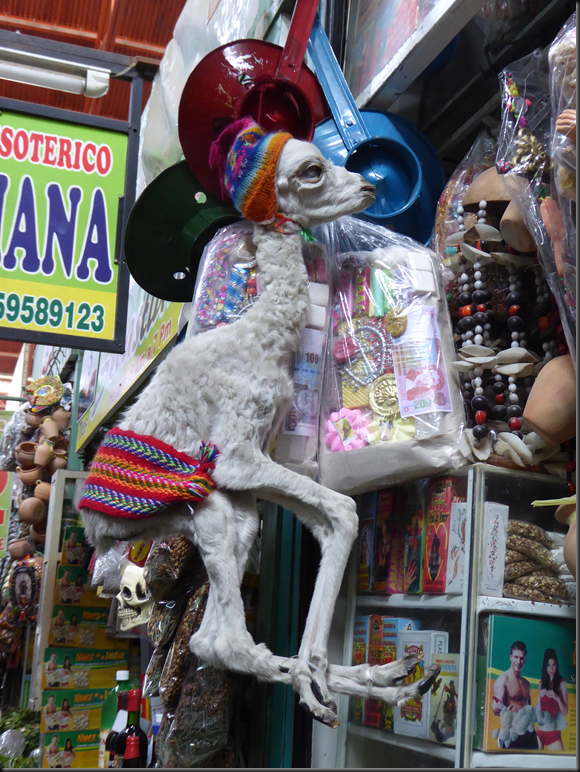
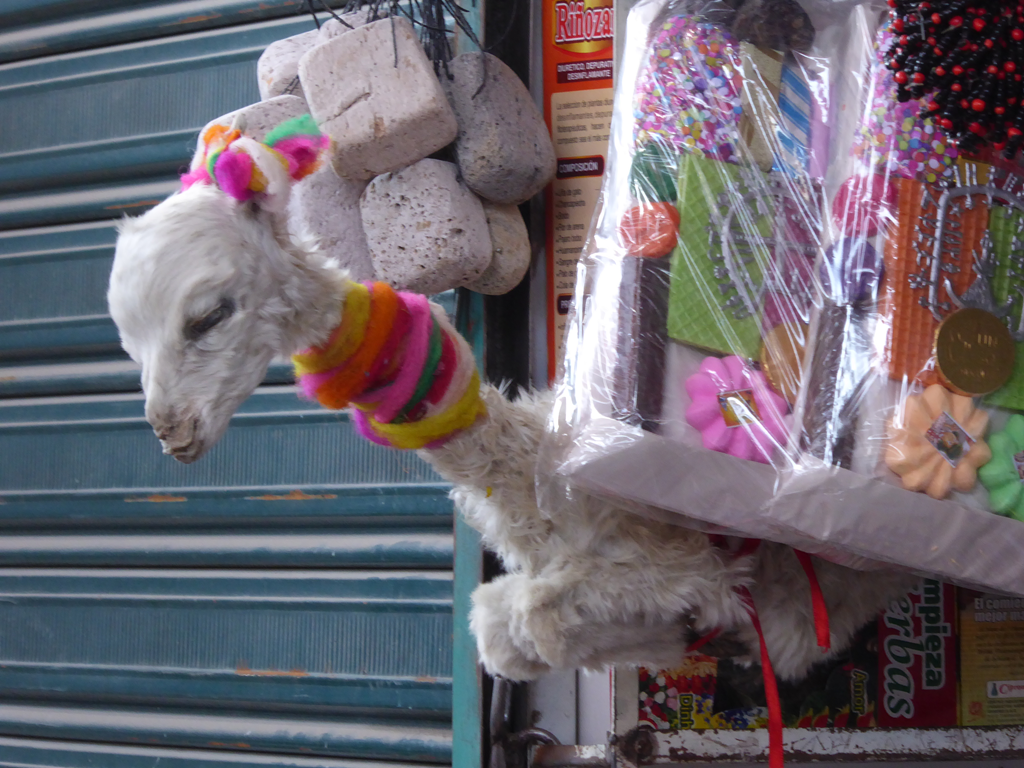
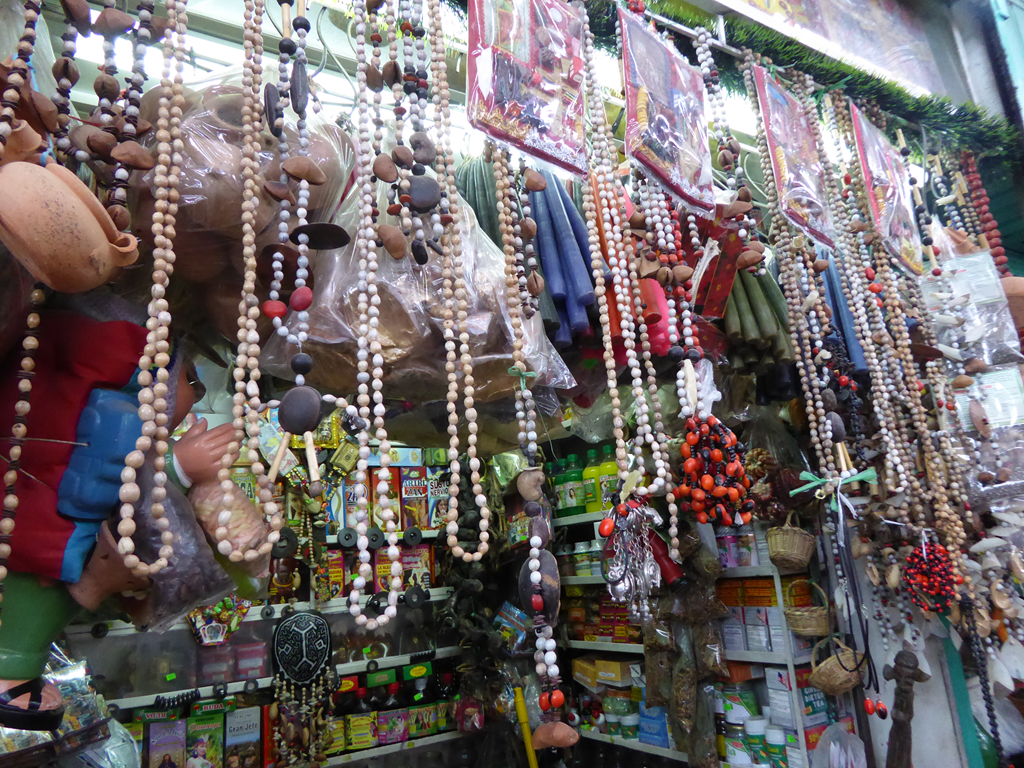
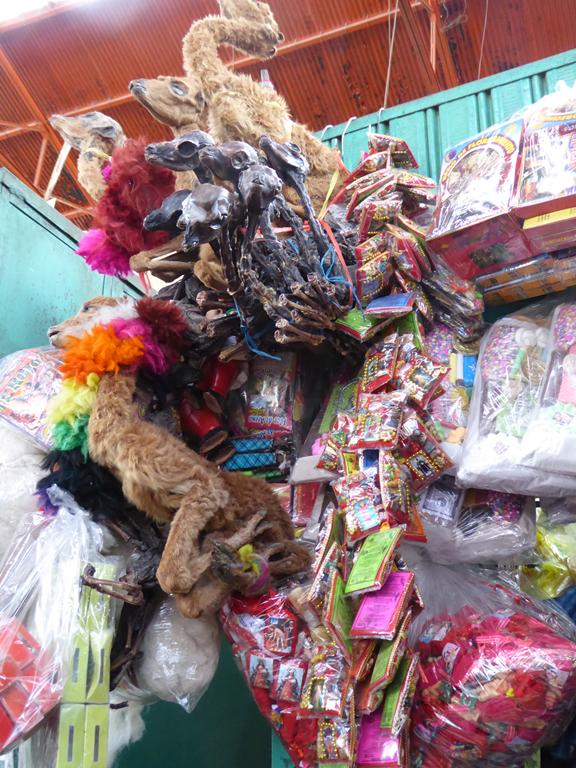
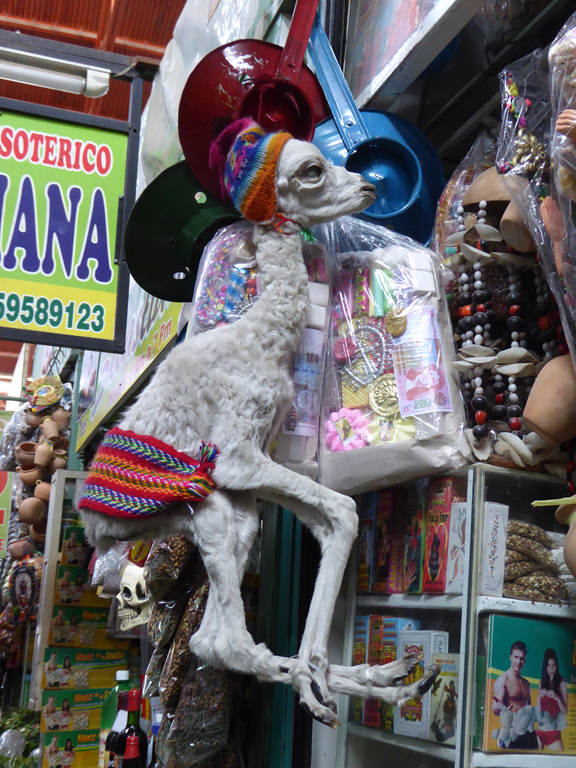
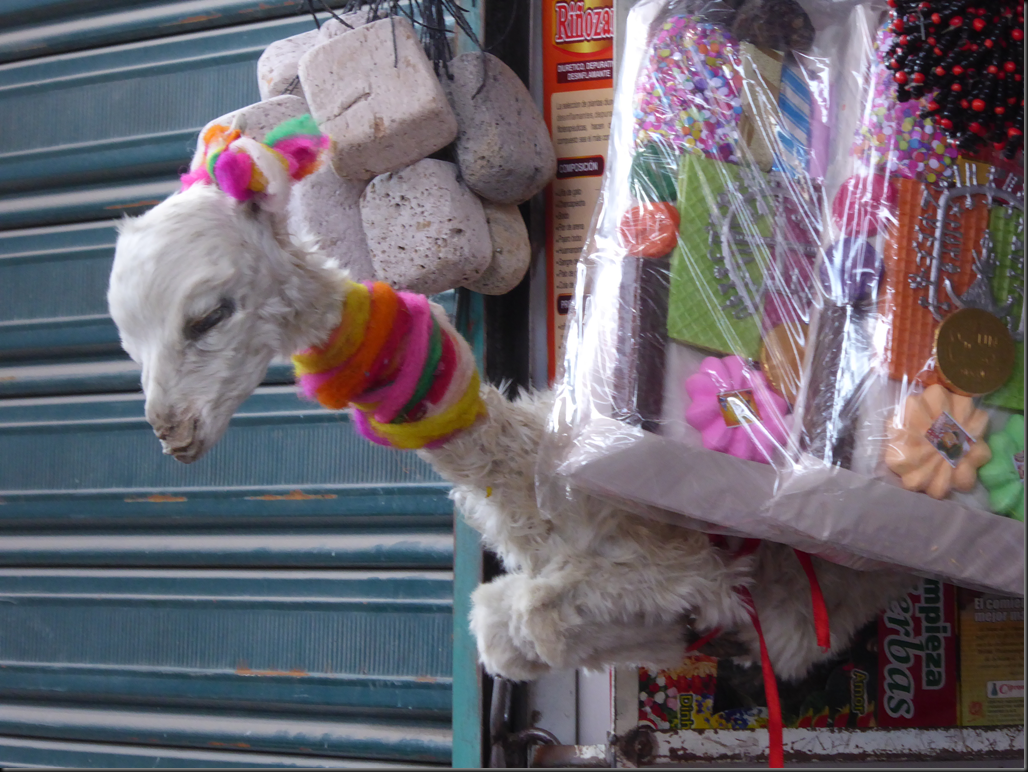
The last section of the market was the witches market, which contained a collection of decorated llama fetuses.
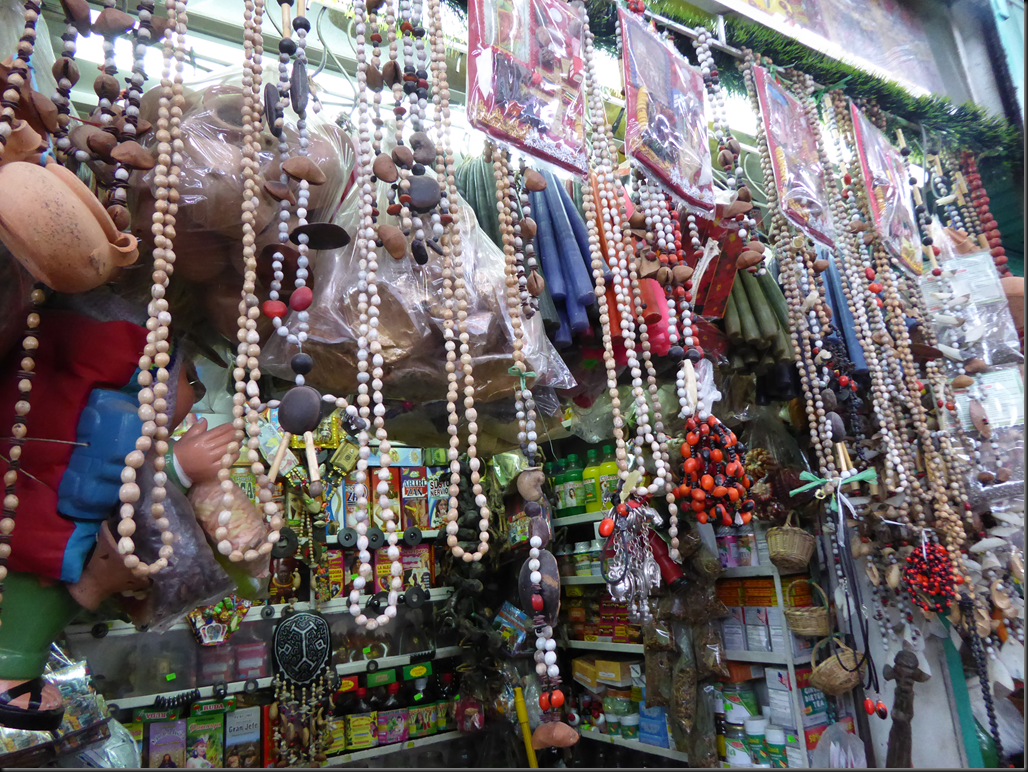
Necklaces and bracelets.
Llama fetus skeletons.
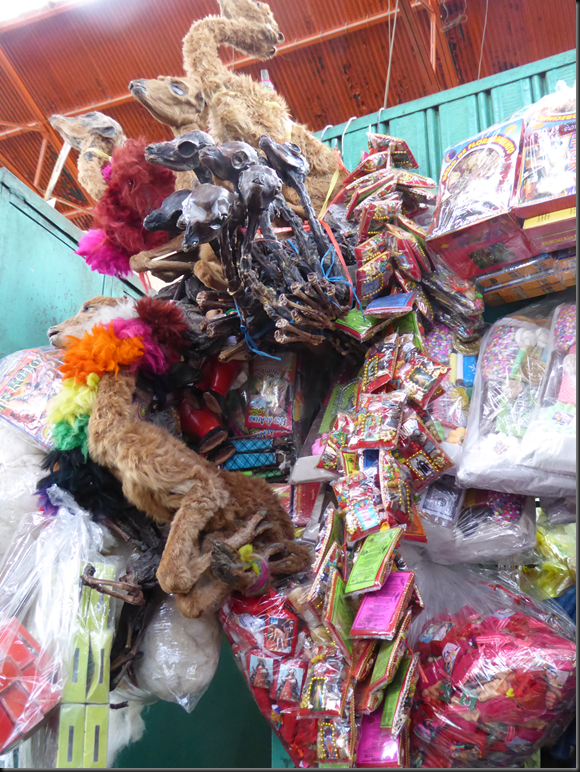
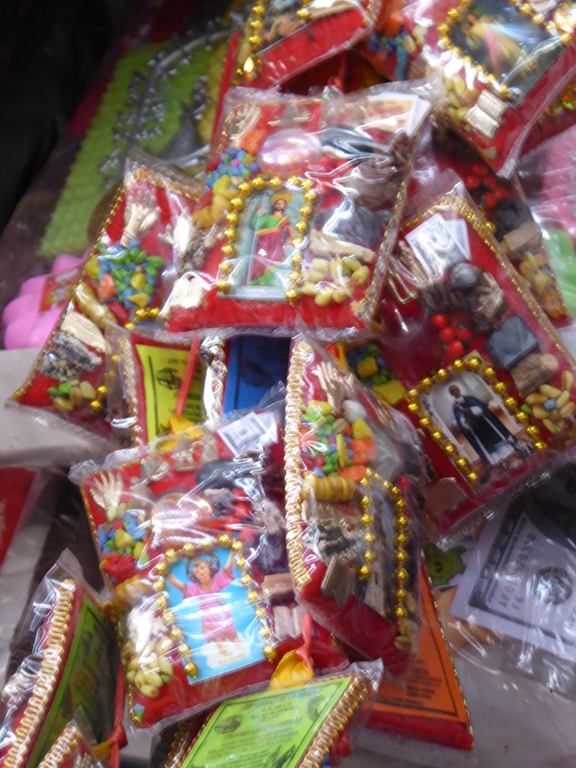
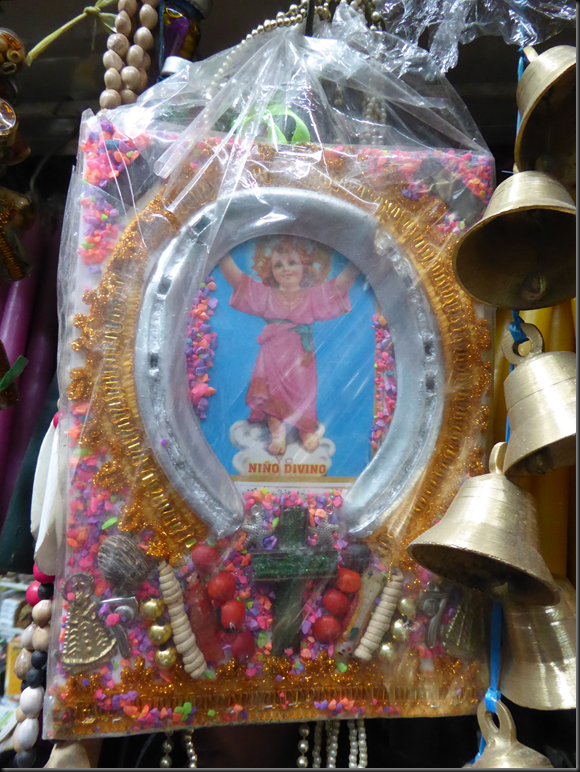
Little bags of random Catholic paraphernalia.
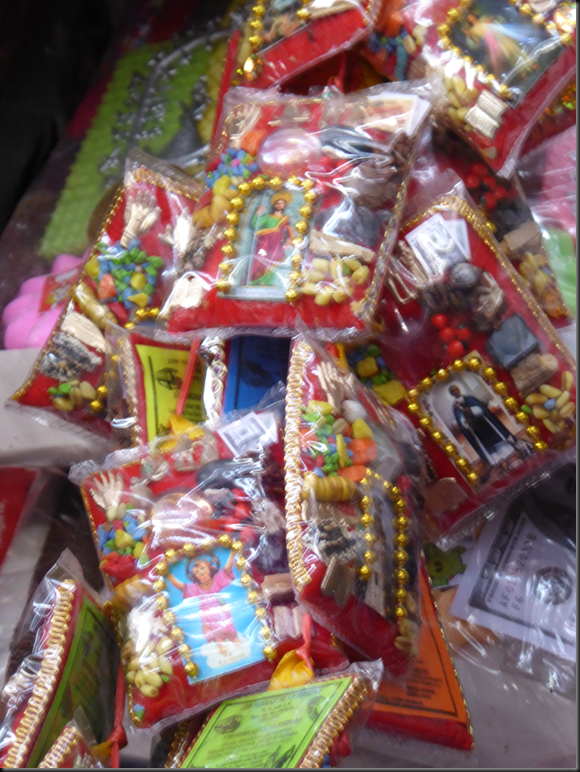
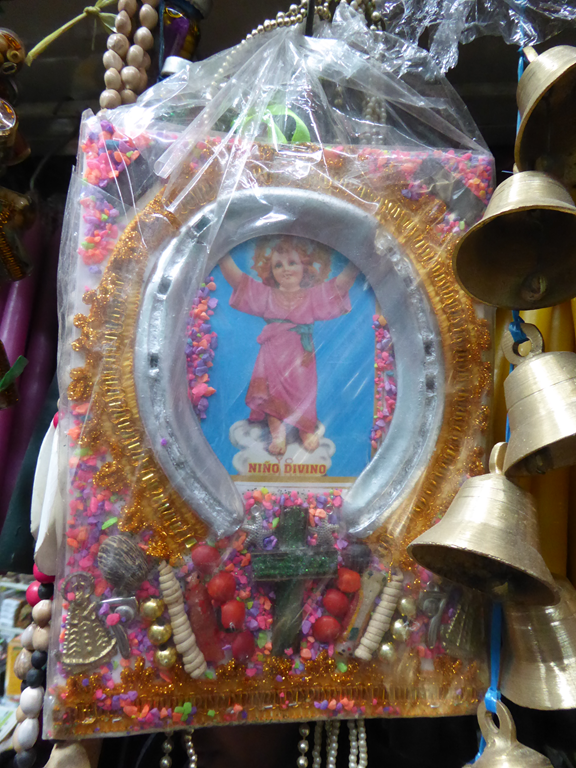
Big bags of random Catholic paraphernalia.
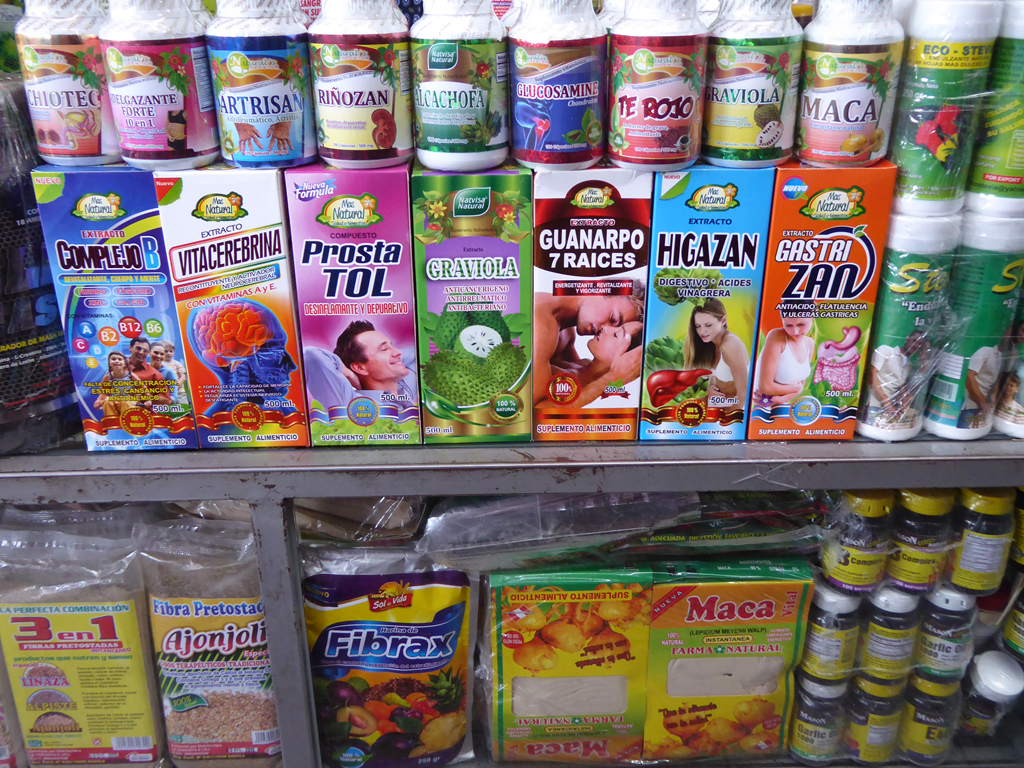
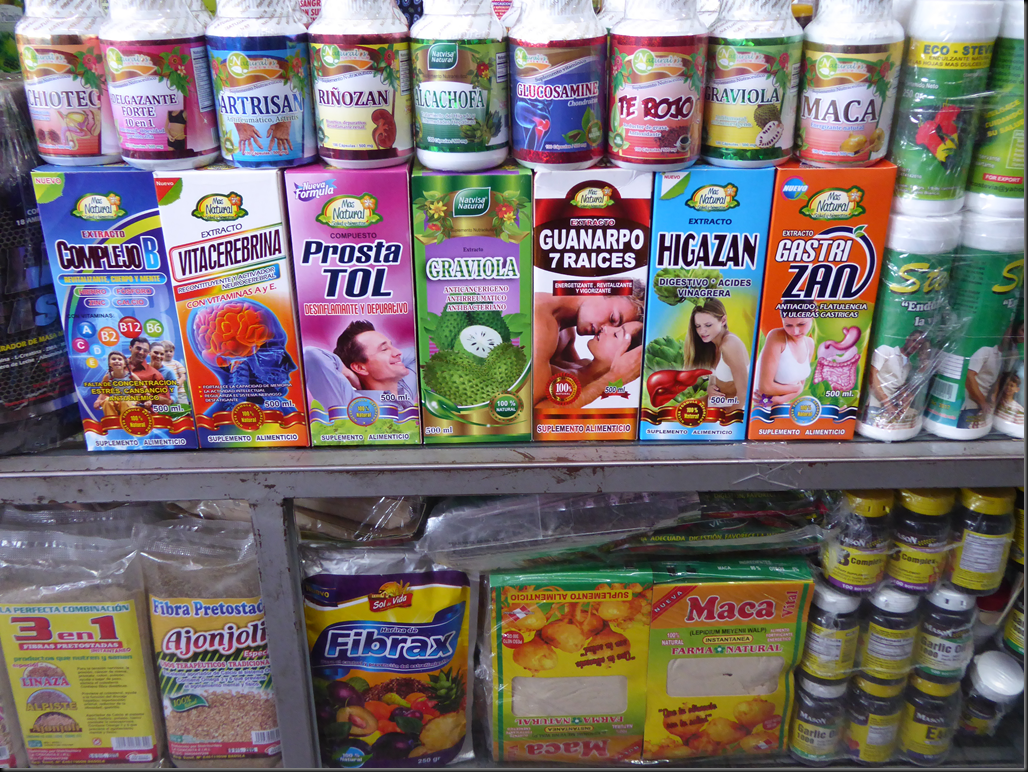
And herbal supplements. Yes, all at the same tiny little booth.
This llama fetus got a diaper for some reason.