
There are many fish at the great barrier reef.
Near the edge of the reef you get many different schools.
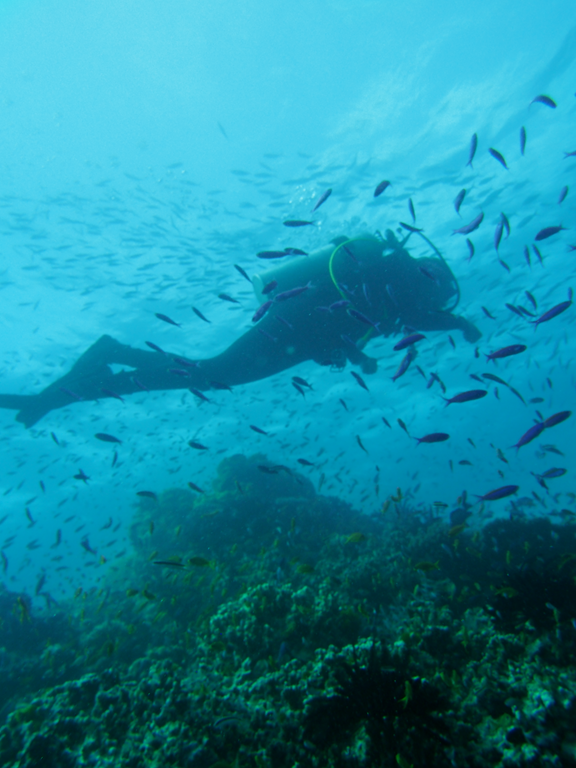
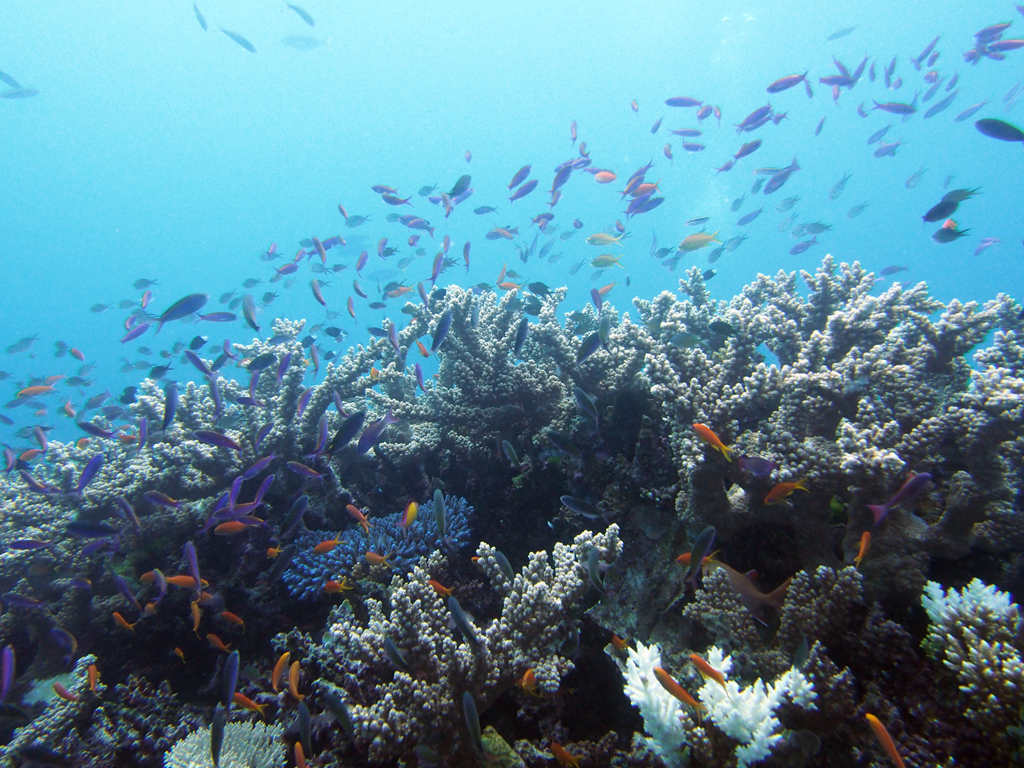
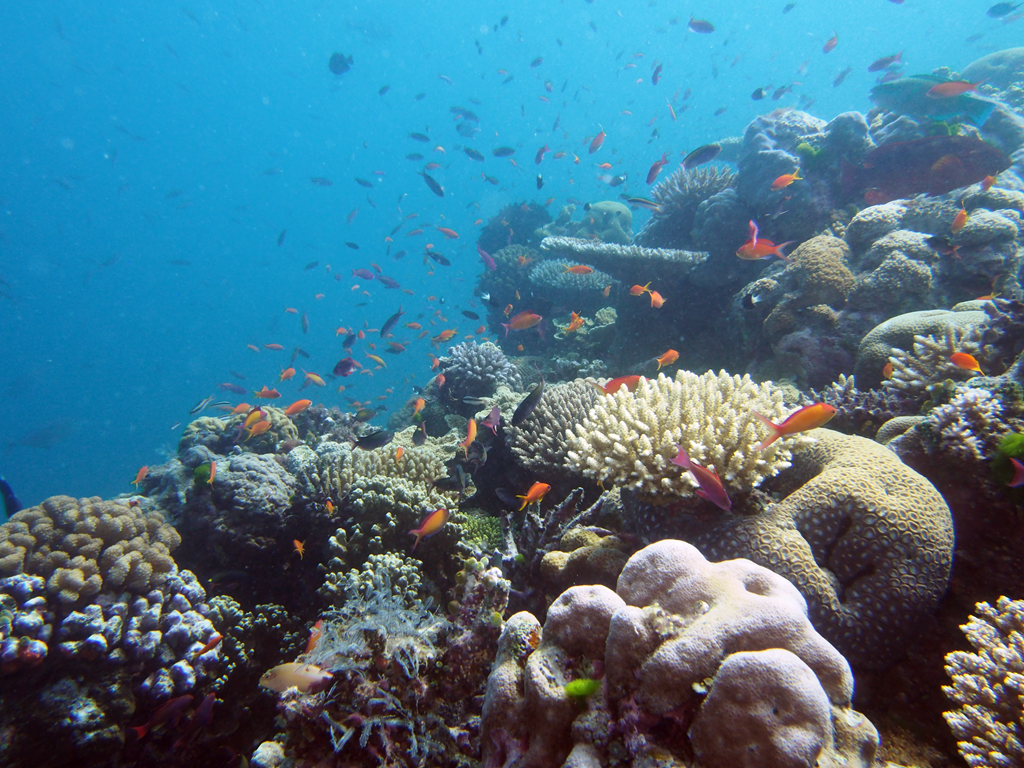
Near the top of the reefs there were many blue, orange, and blue with orange fish.
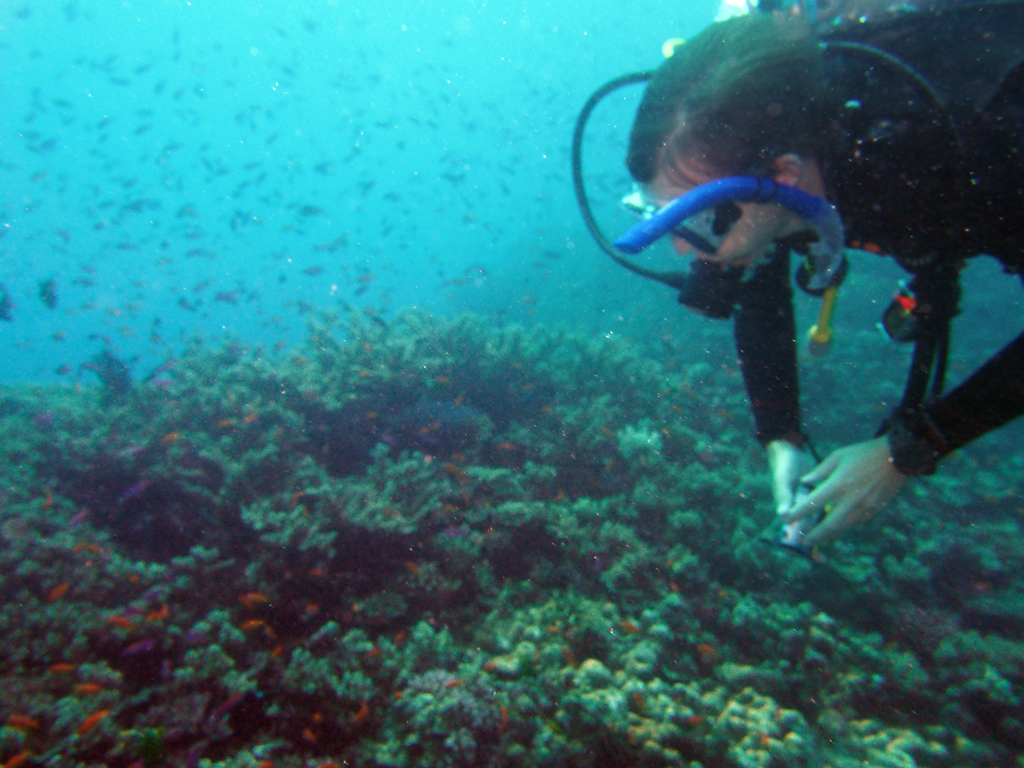
Since the water is warmer all the fish depend on the reef for survival.
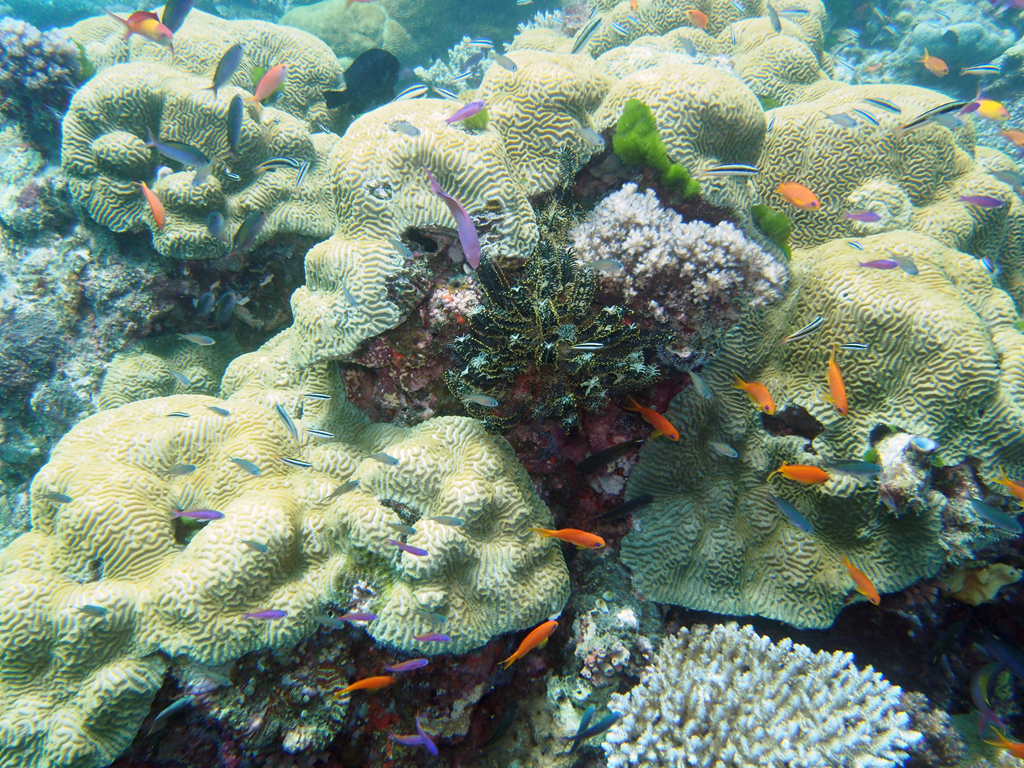
The coral provides shelter from the larger fish predators.
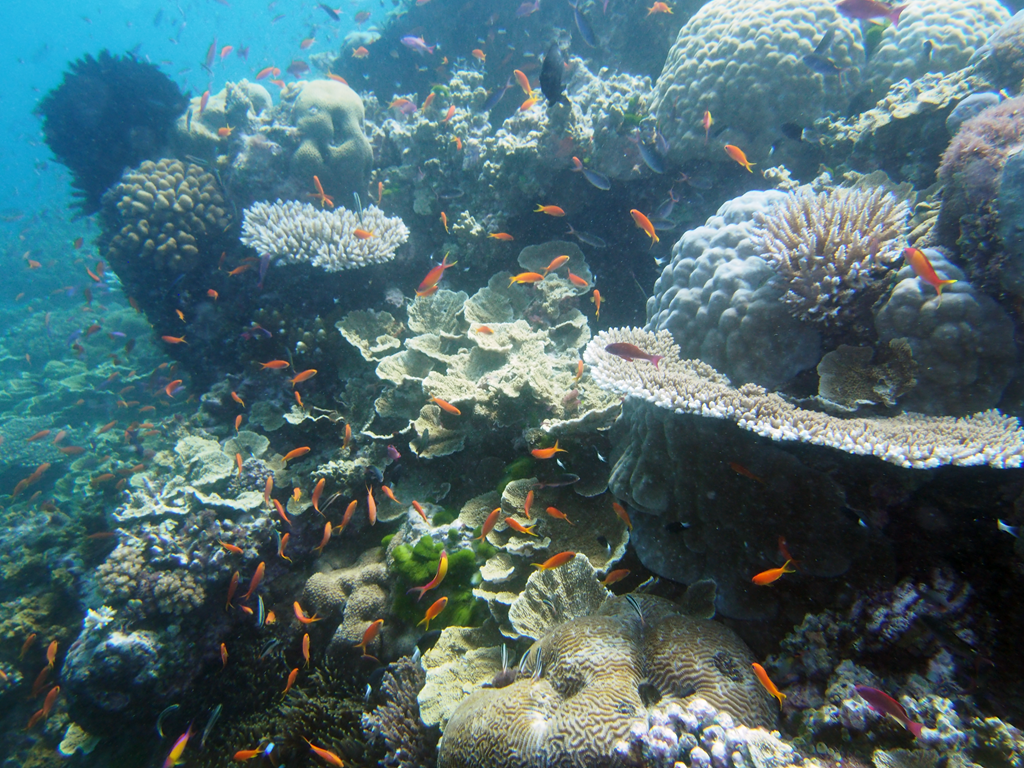
There were more fish then we thought there were be.
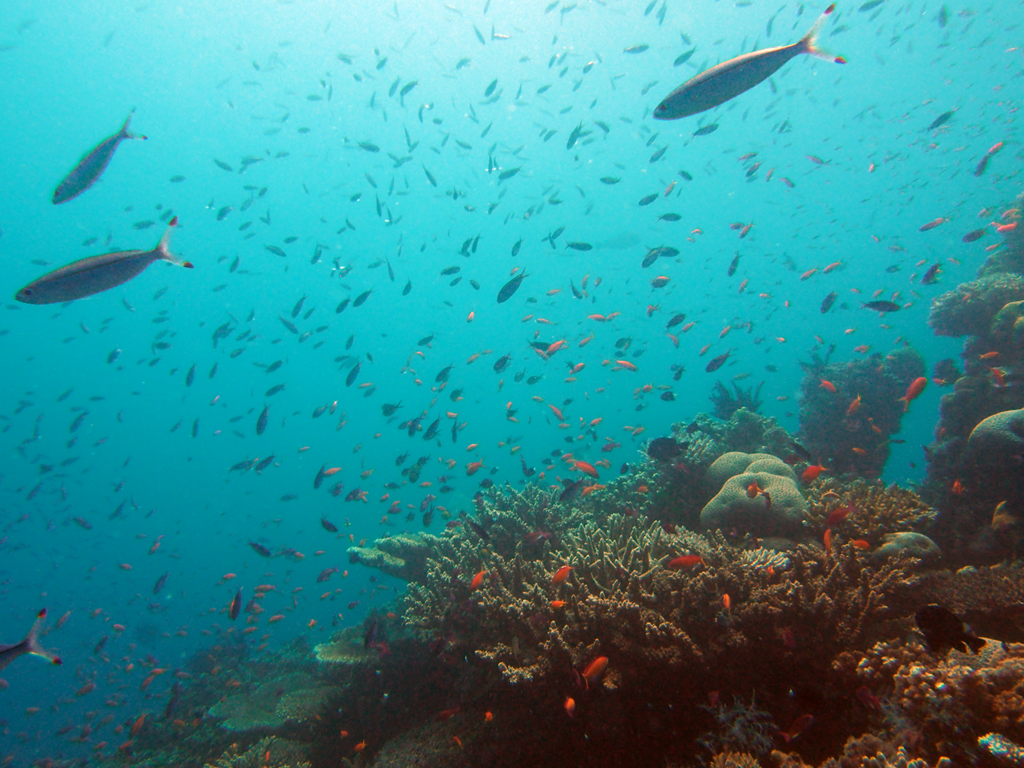
Sometimes you could swim really slowly and get surrounded by the schools.
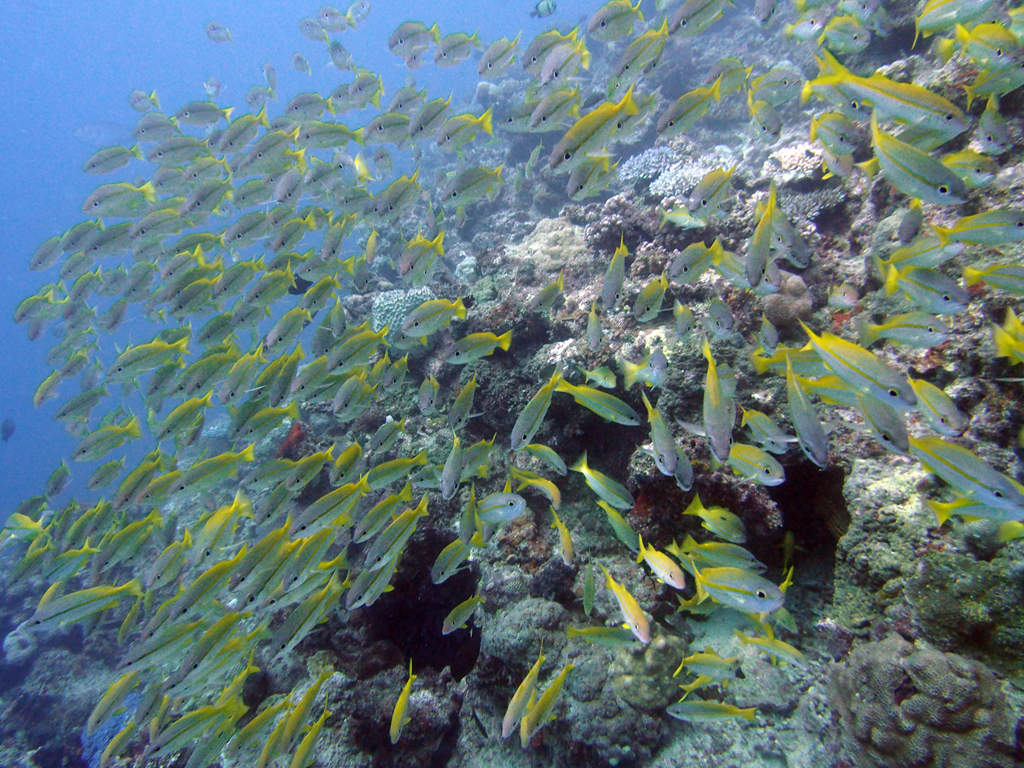
Others would hide right away.
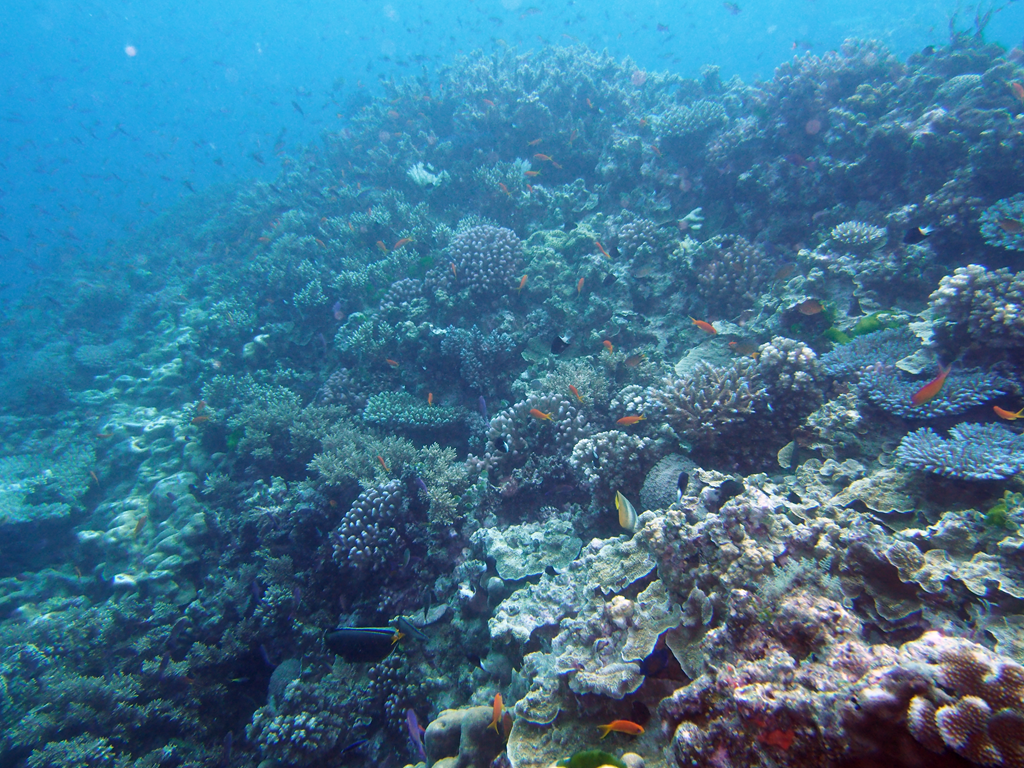
This is another example of the orange and blue fish.
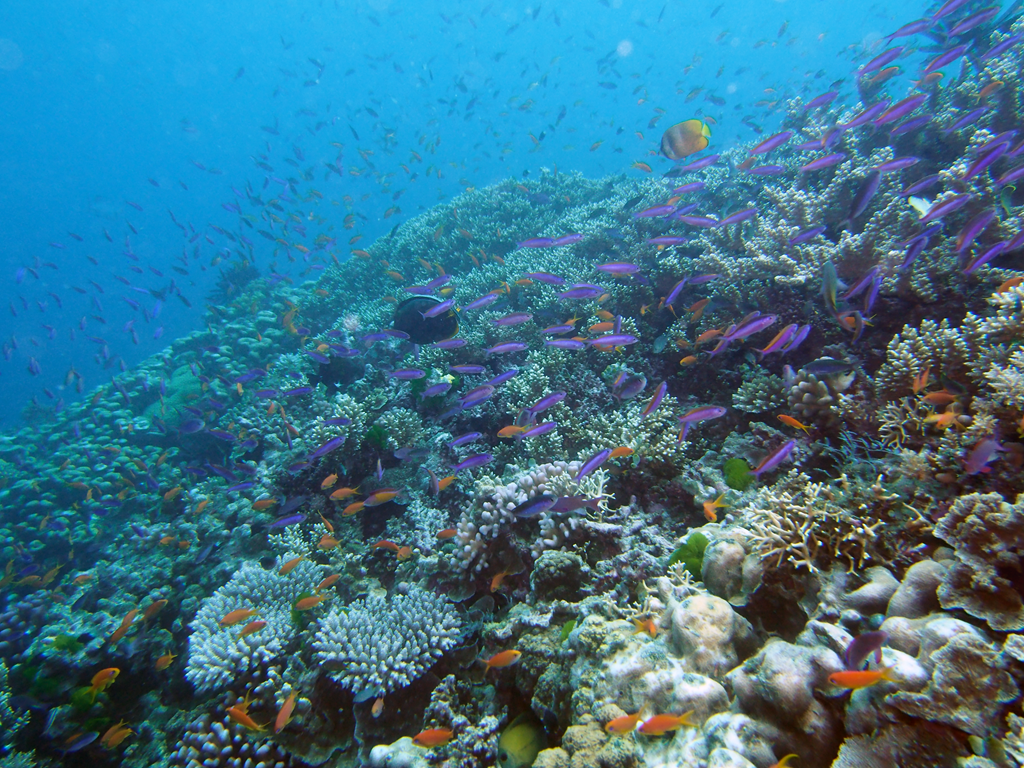
They weren’t very timid and would always hang out above the coral.
Further away from the reef are the boring silver/grey coloured fish.
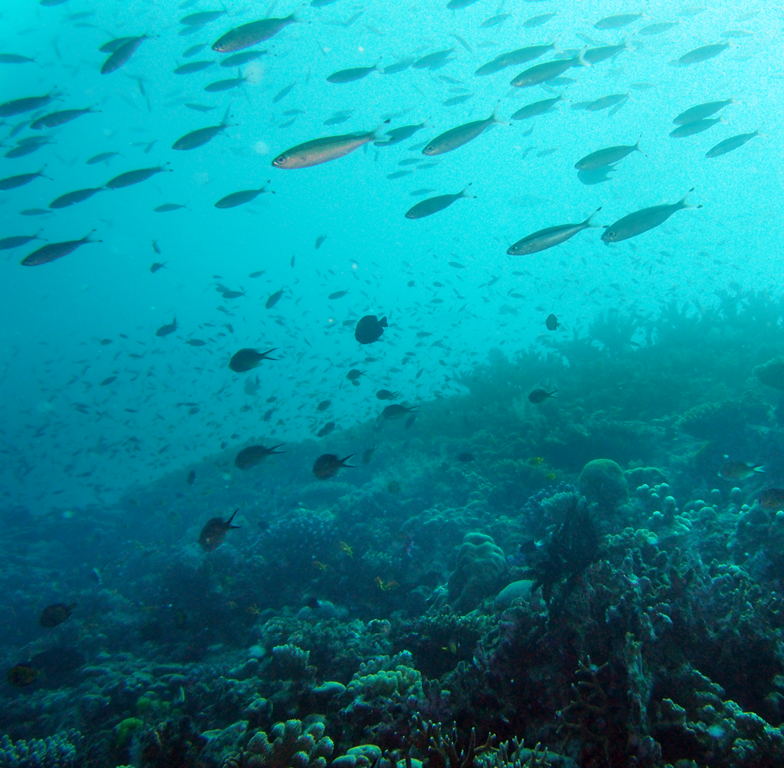
There were far too many species for us to have remembered.
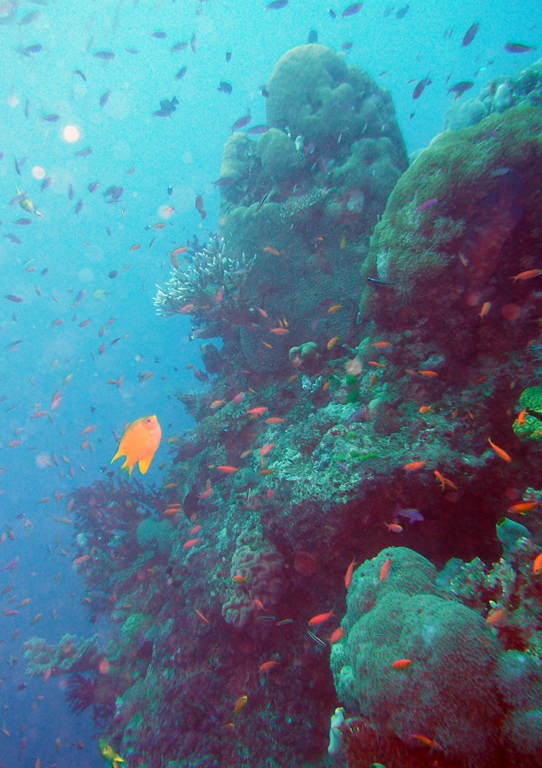
Many of our dives were of bommies which are coral pillars that we would spiral around from the bottom up.
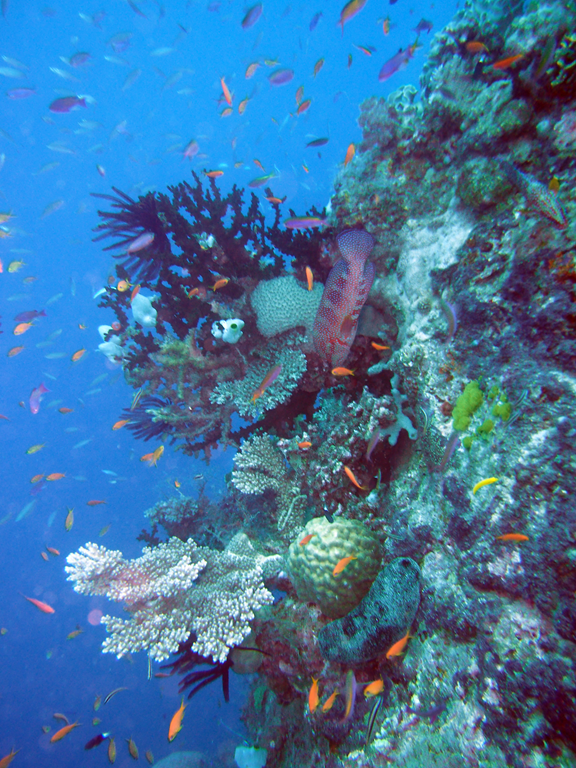
We are running out of things to say and you may notice this post is quite long.
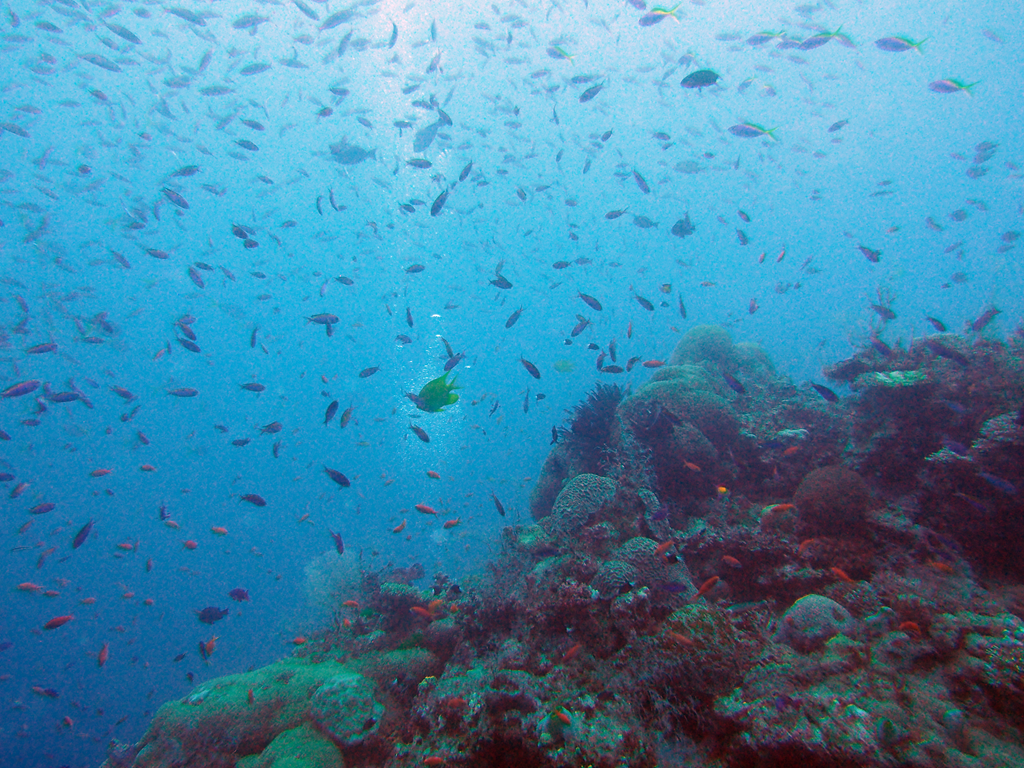
We might break our rule of having to write a line for every picture.
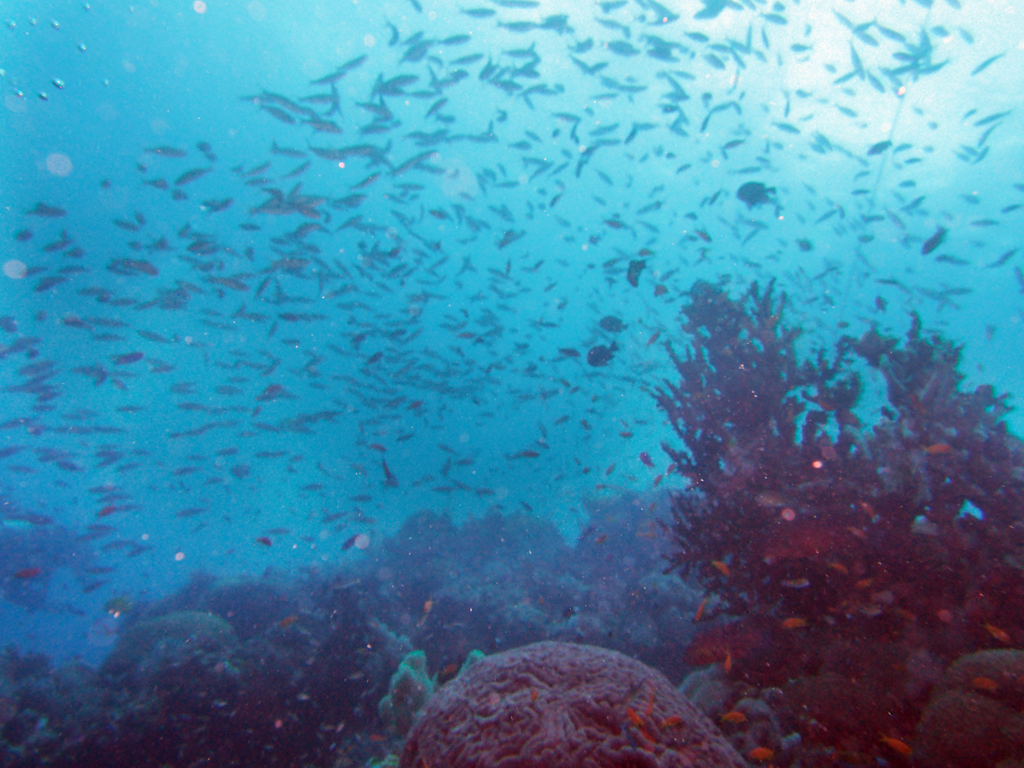
But not yet.
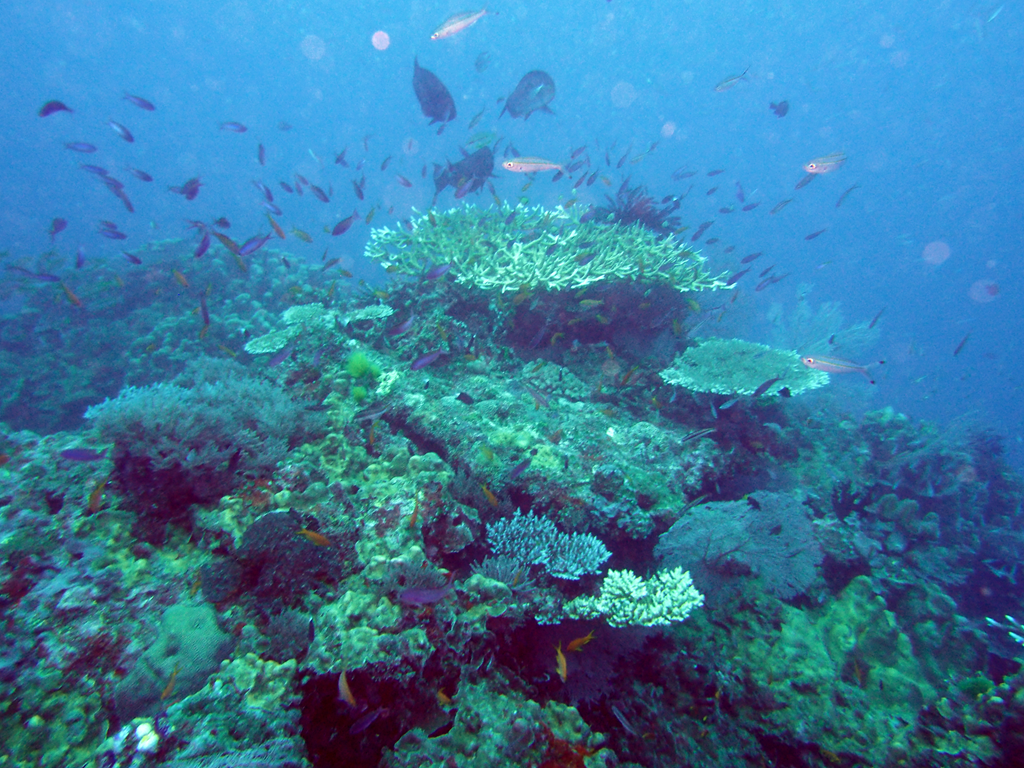
Once we got a bit lower some more unique fish could be spotted.
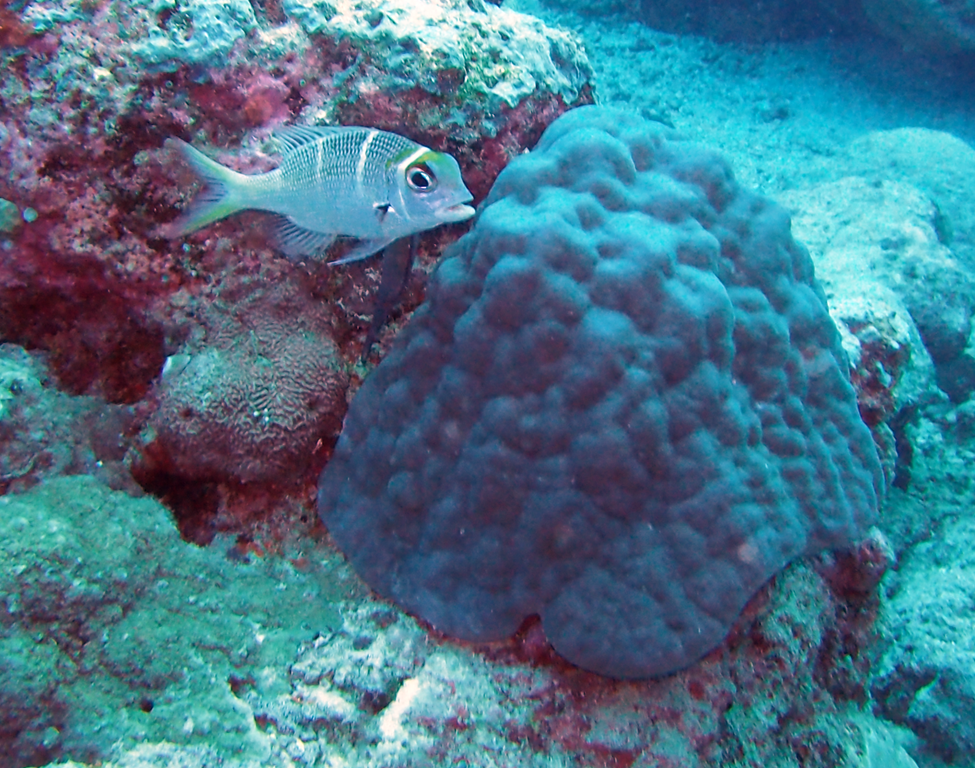
Like these great barracuda.
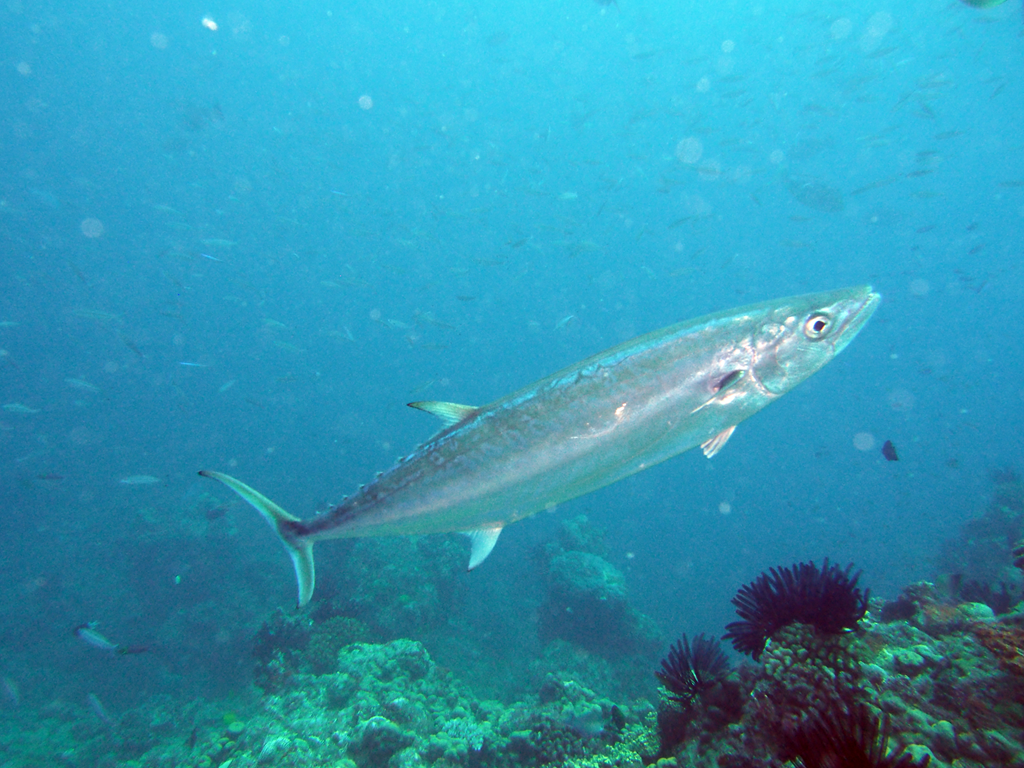
There were quite a few of these orange and blue fish.
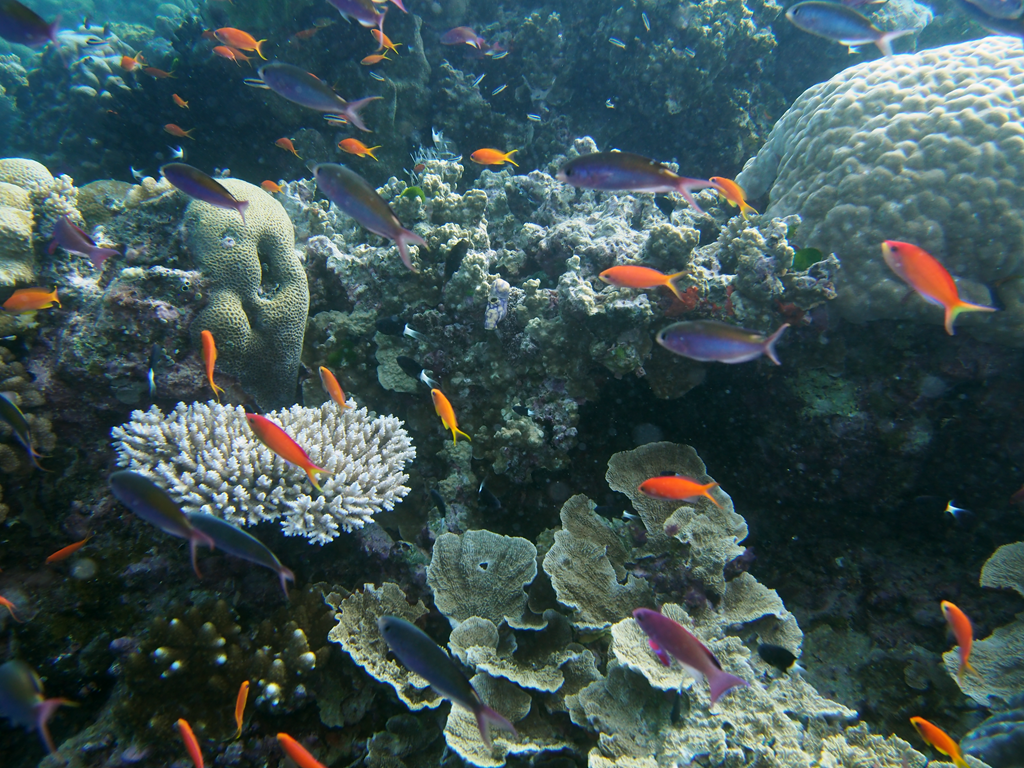
Sometimes the bigger fish that are fished would show up.
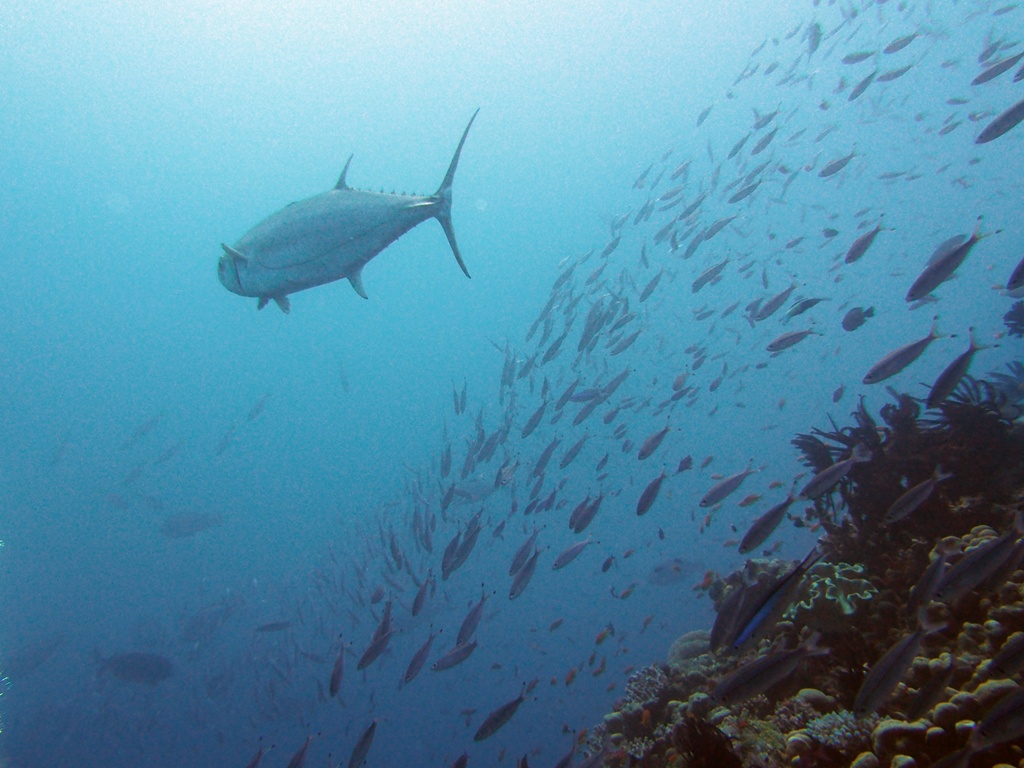
Even with all these fish Kerri wasn’t scared at all.
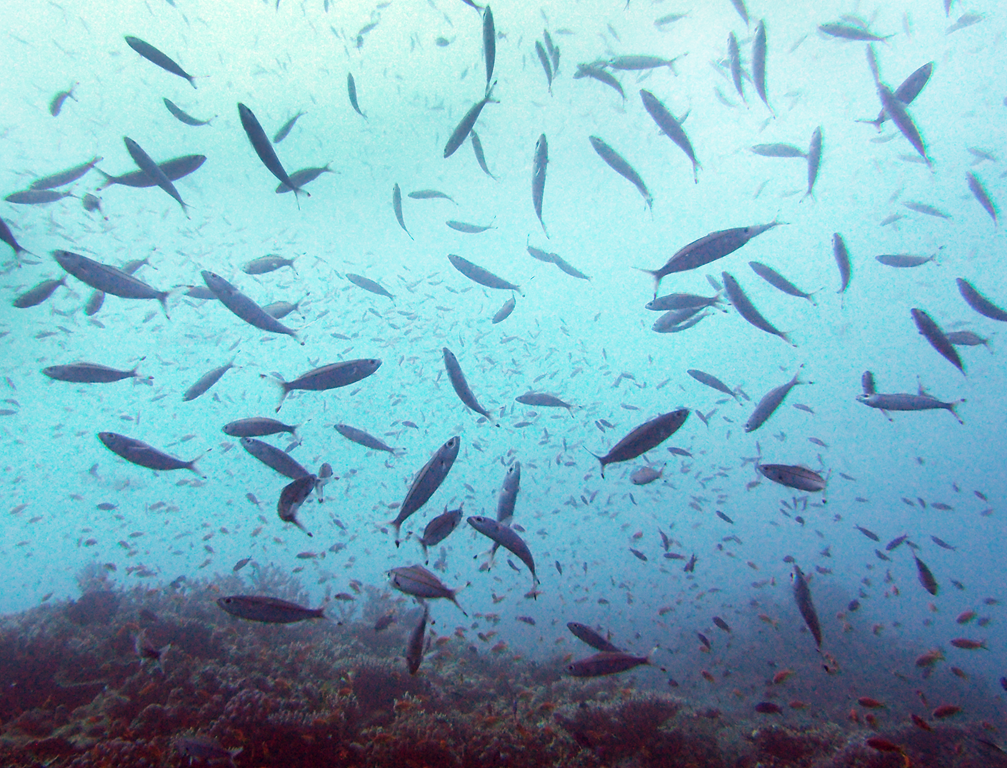
It may have been the fact that she was in a full suit so there was nothing showing to nibble.
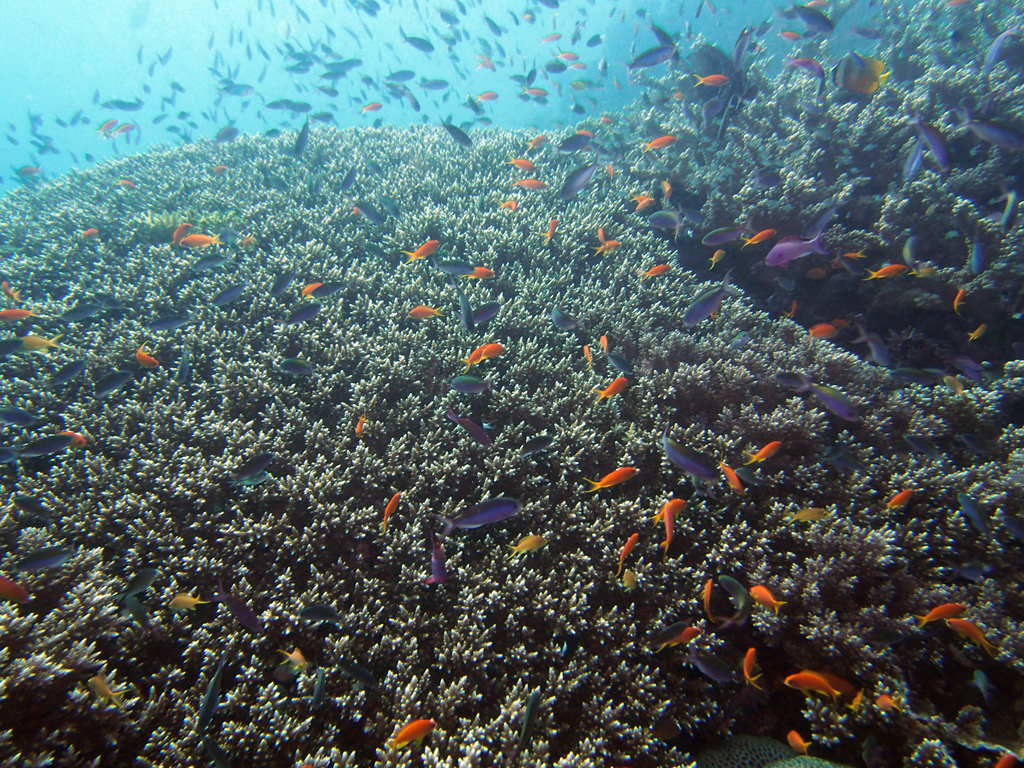
These were at several different dive sites on the ribbon reefs.
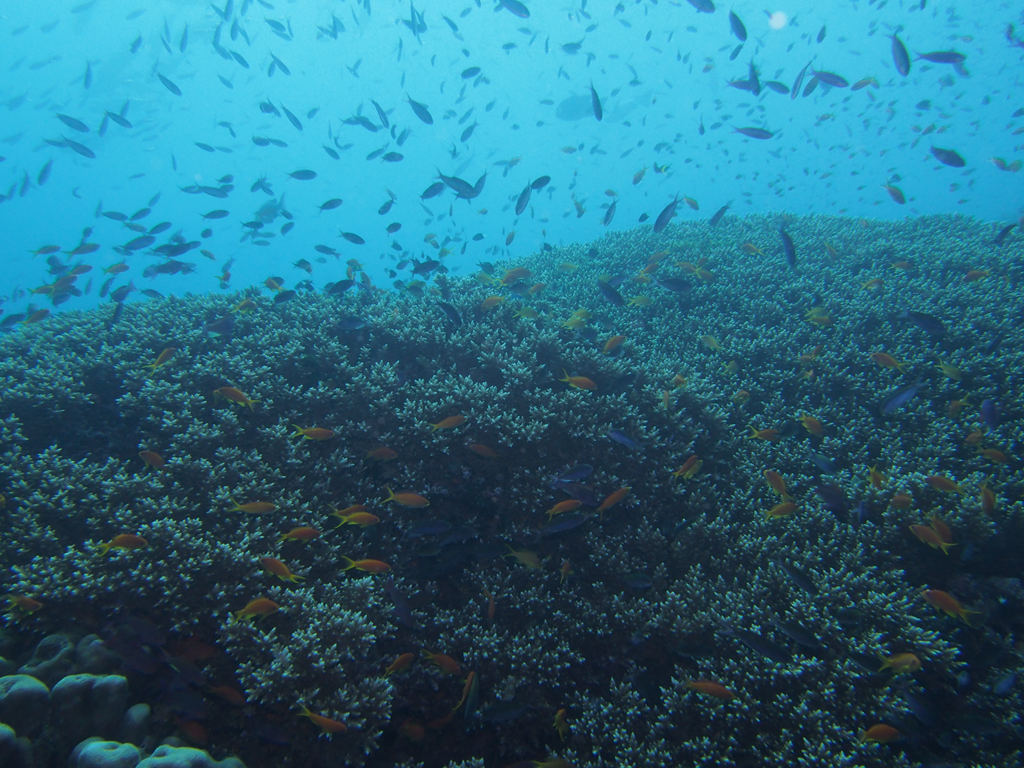
Okay, maybe we’ve gone a bit overboard with all these orange fish.
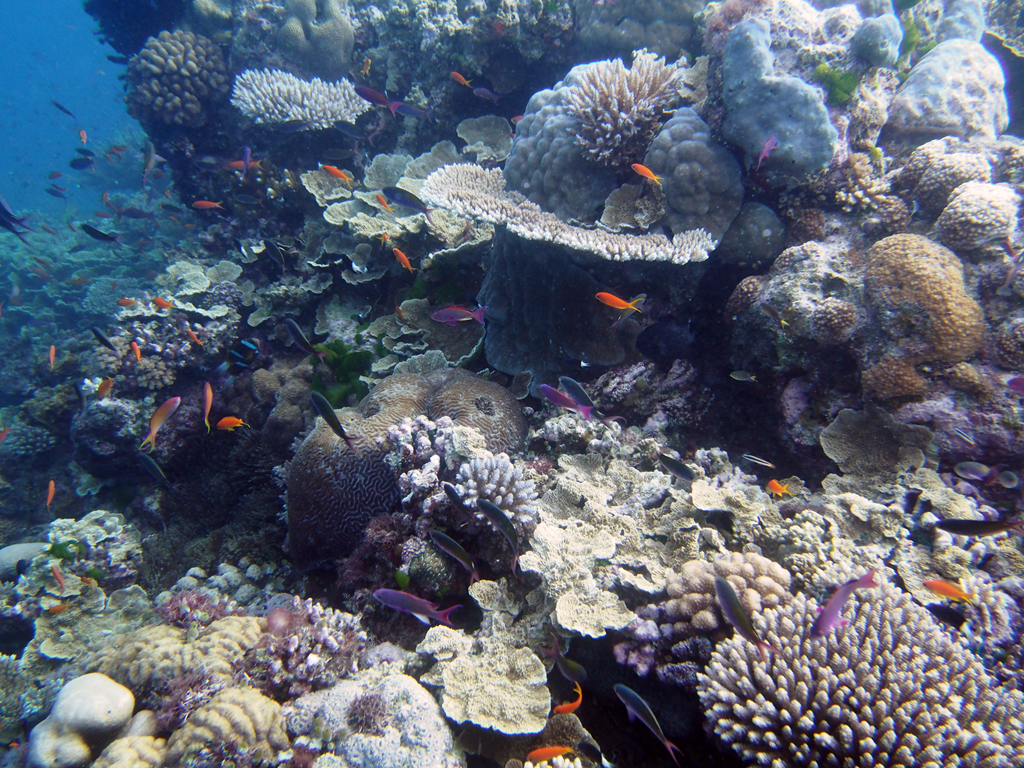
Surprise, not little orange and blue fish.
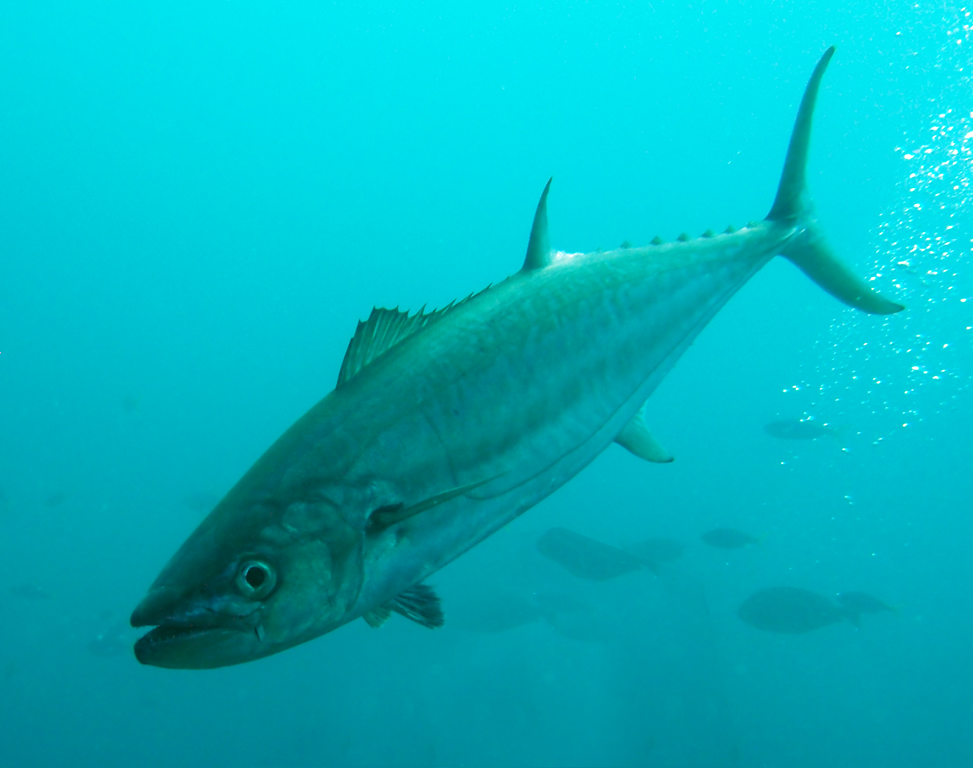
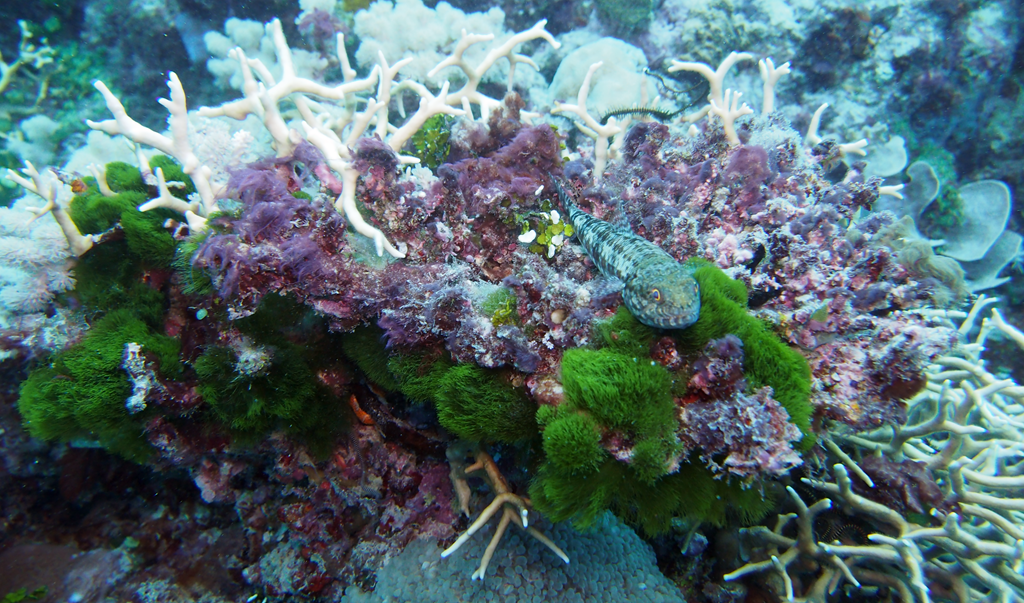
This lizardfish is also different.
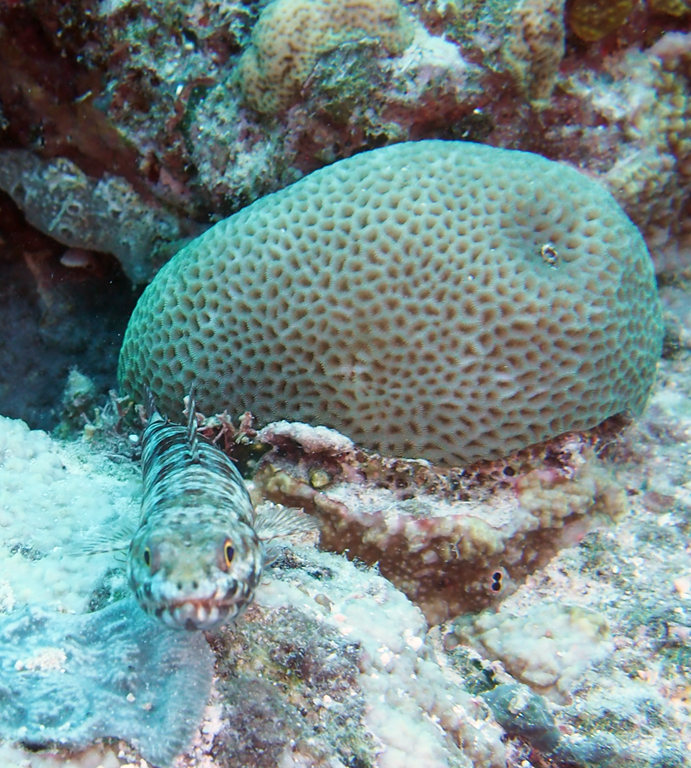
Finally free of the tiny fish.
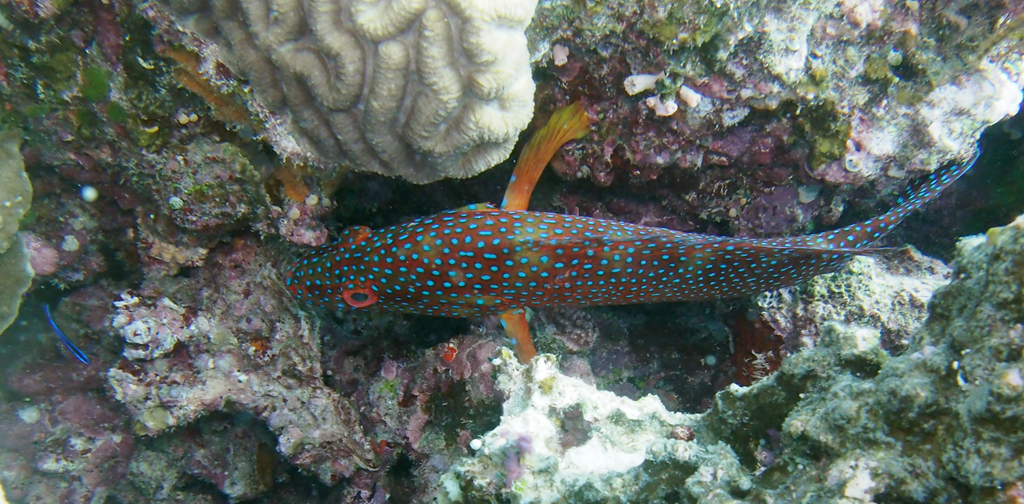
Time to go hunting for something different.
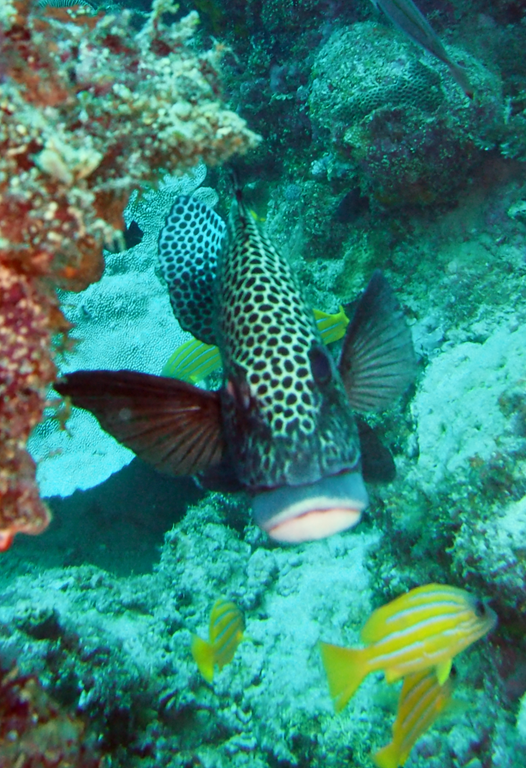
Like this butterfly fish.
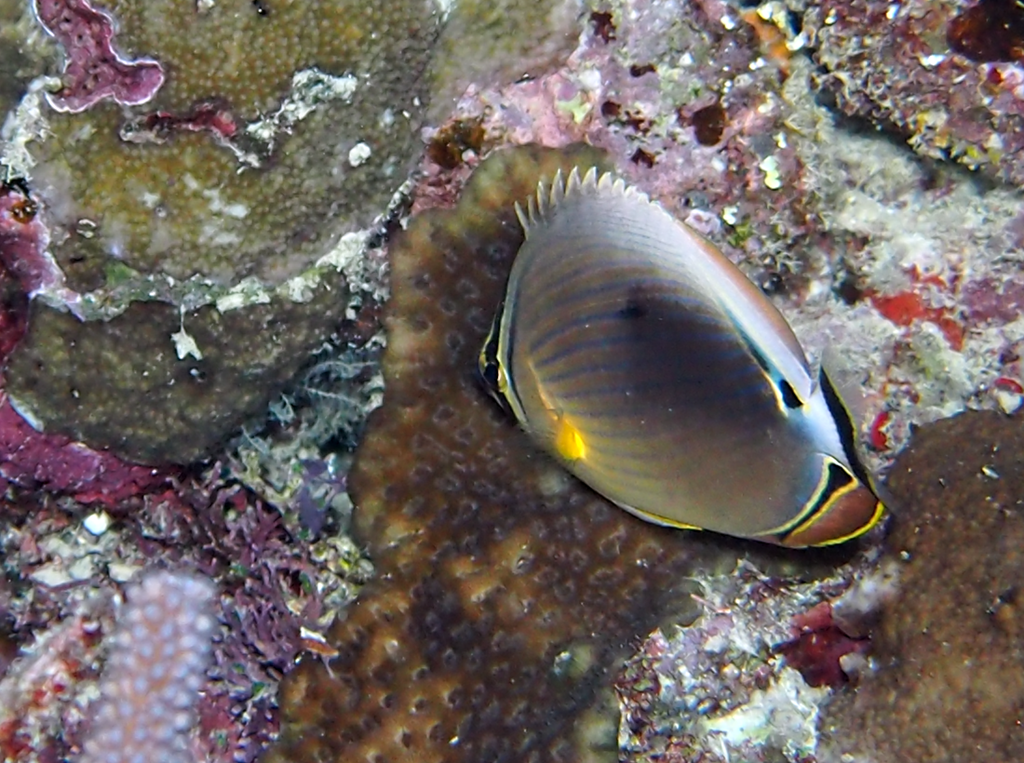
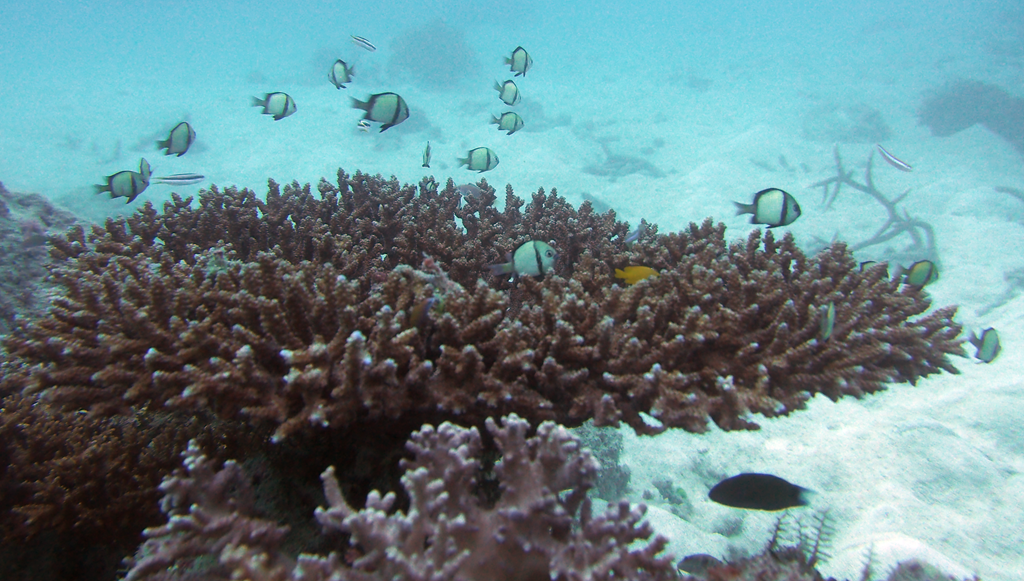
Or these little zebra striped fish hiding in the coral.
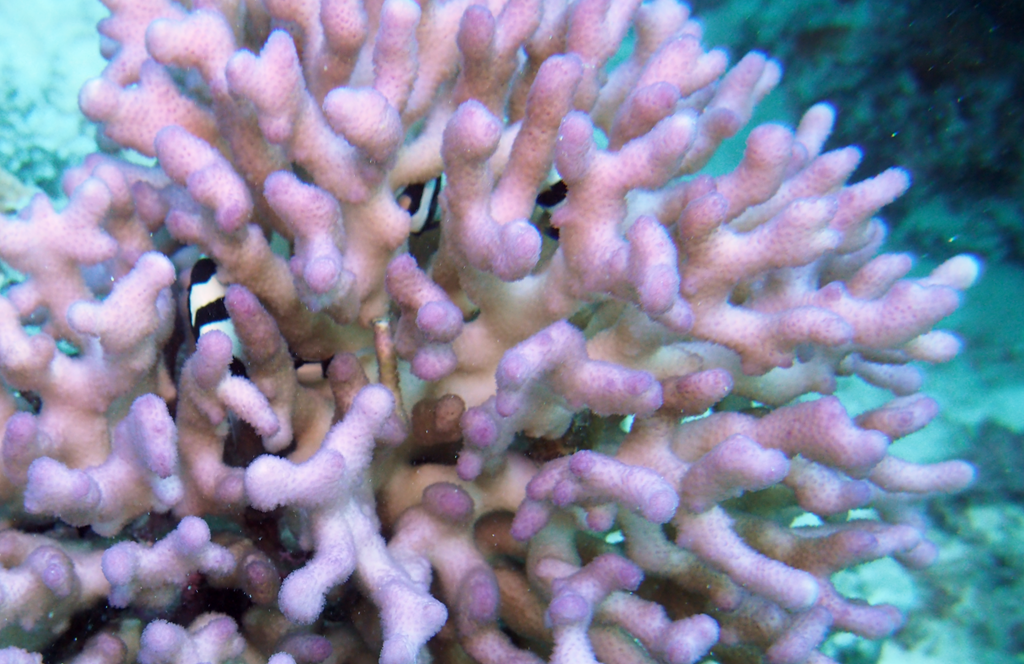
Oh, new dive site so the orange and blue fish are back.
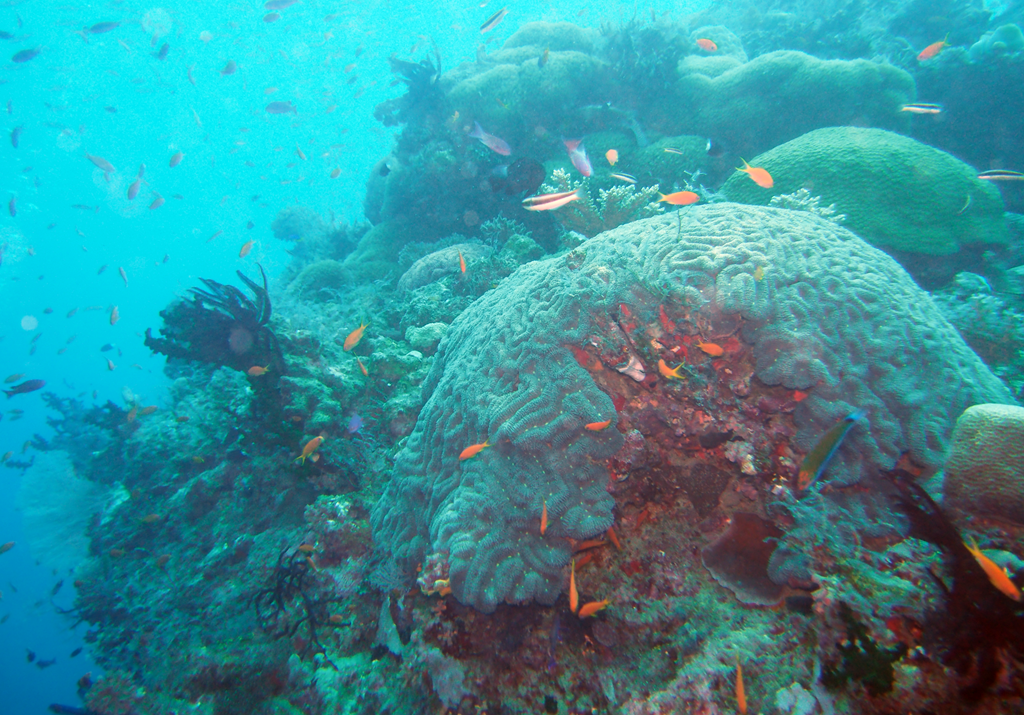
Sorry about the lack of fish descriptions but we are really bad at memorizing fish species for some reason.
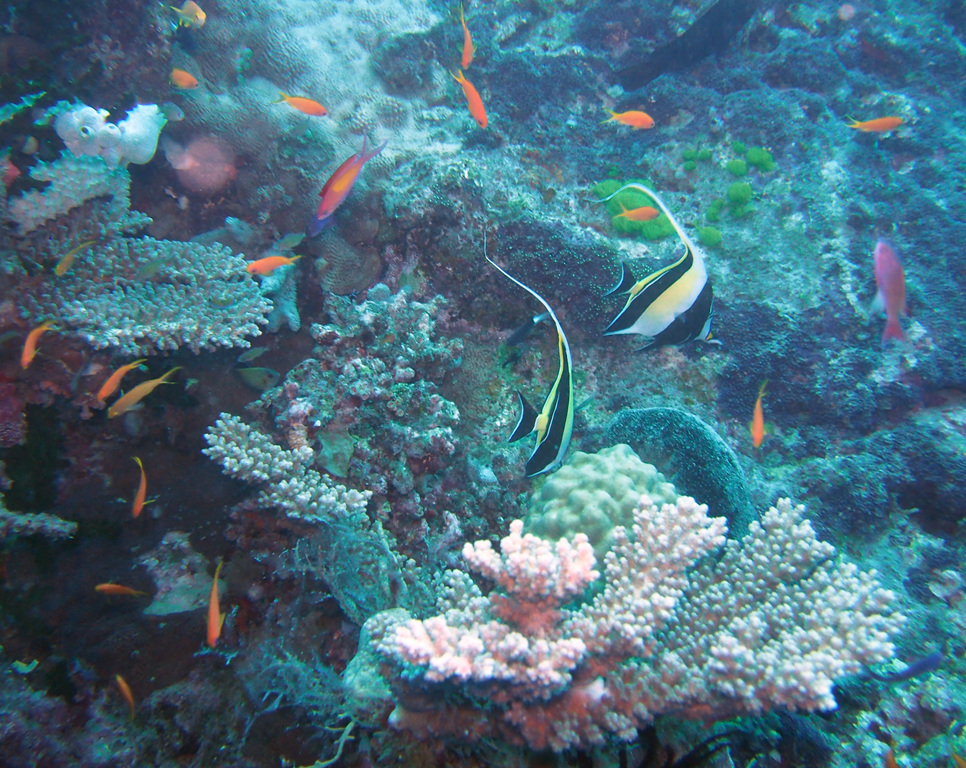
Most of the dives were not too deep so there were still some bright colours.
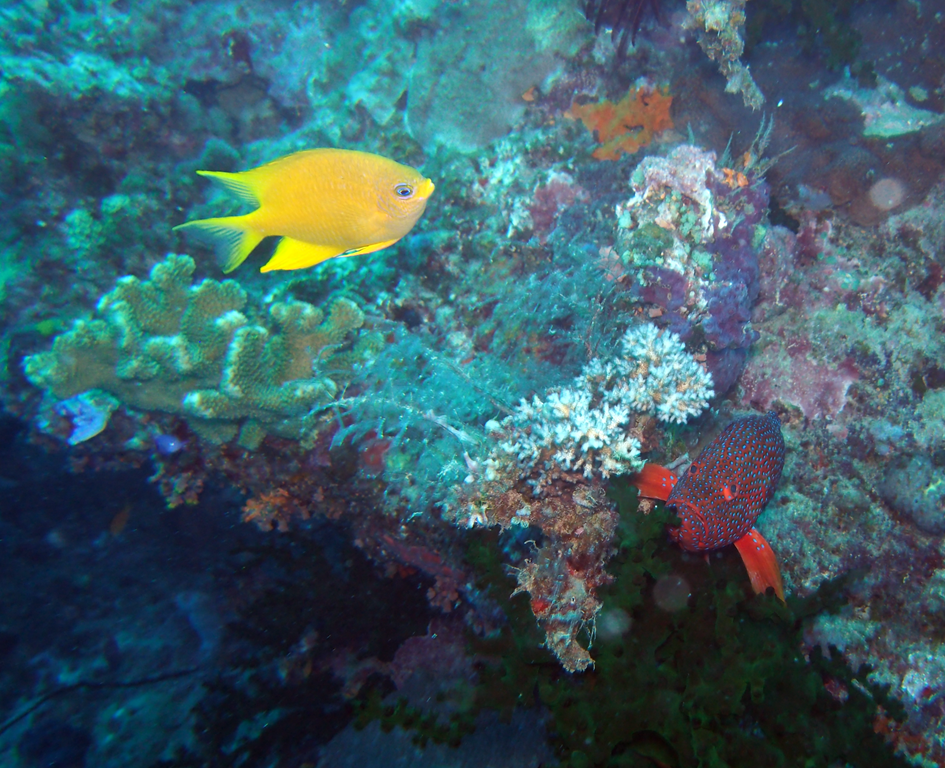
The flash helped a bit to bring out the reds.
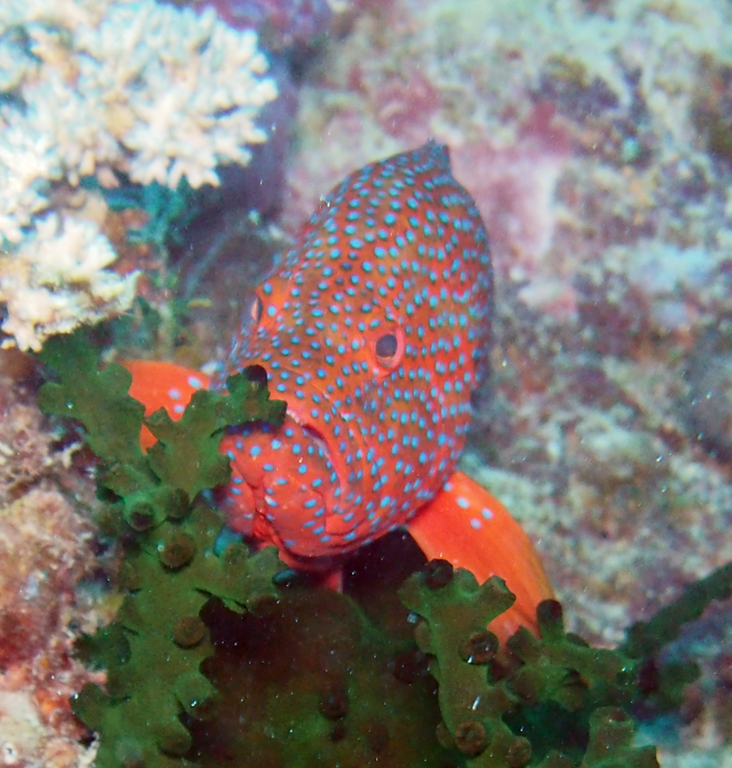
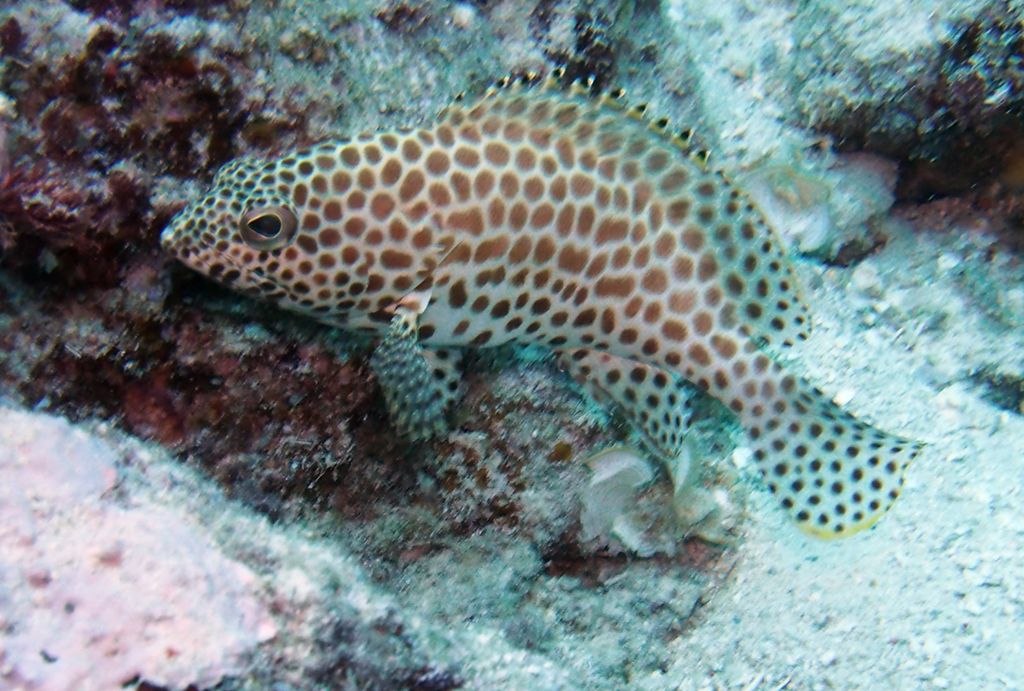
Here’s another spotted fish not camouflaging so well.
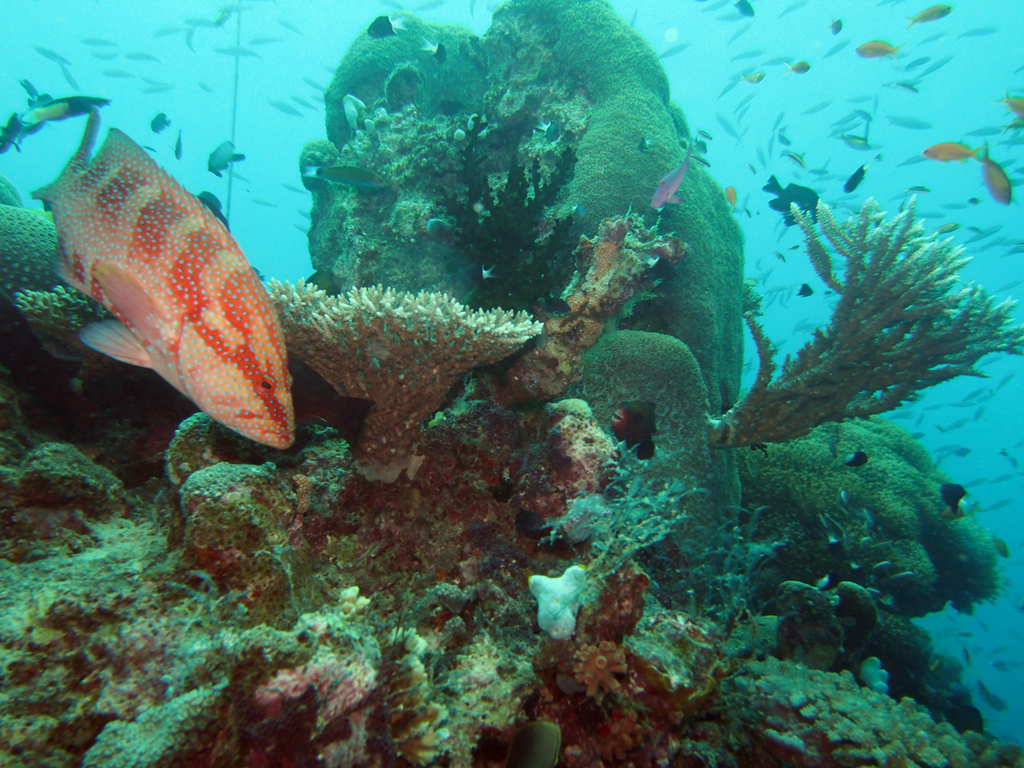
Other small fish were better at hiding.
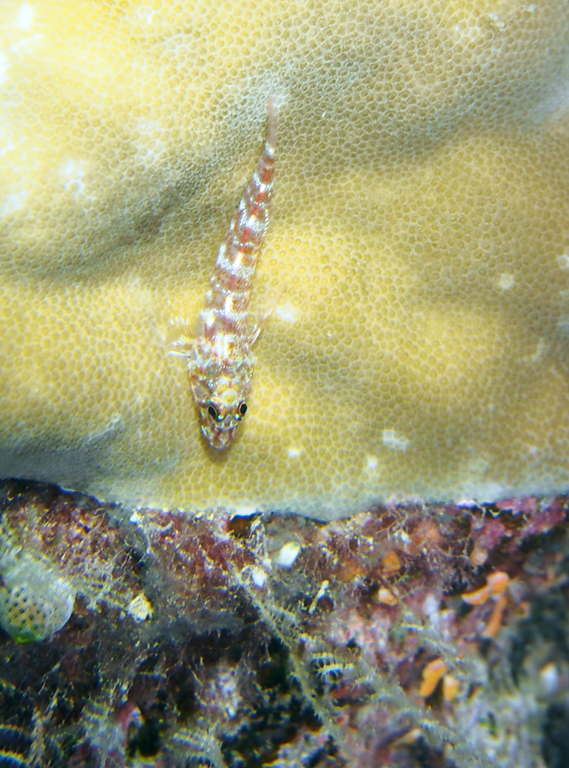
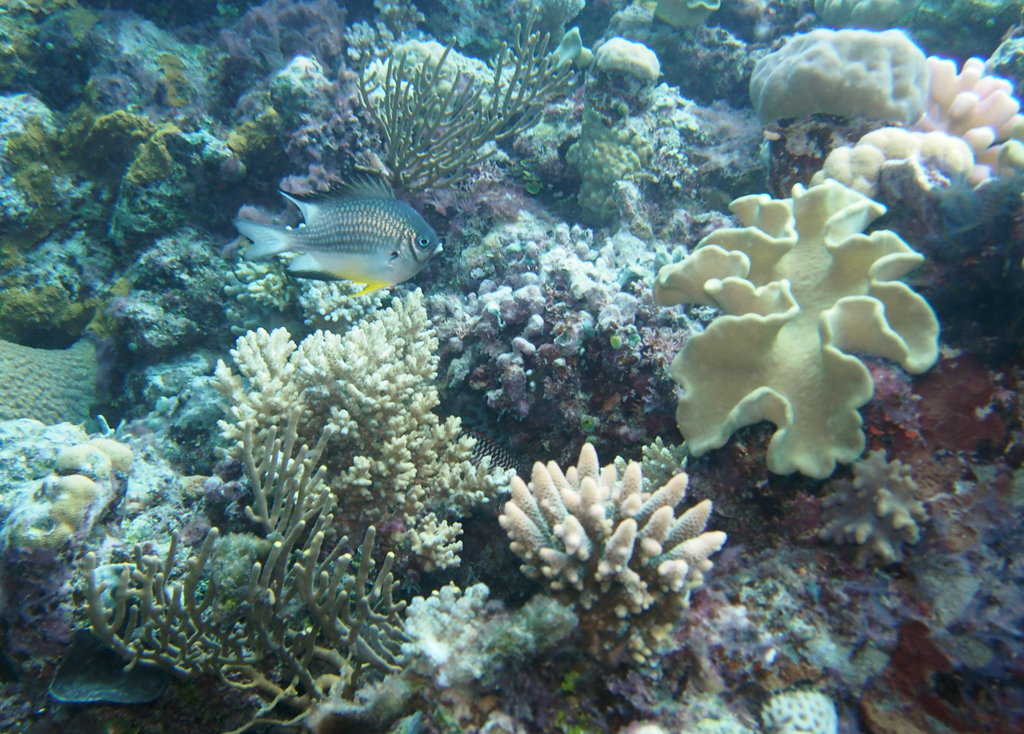
Many fish have spines to help protect them.
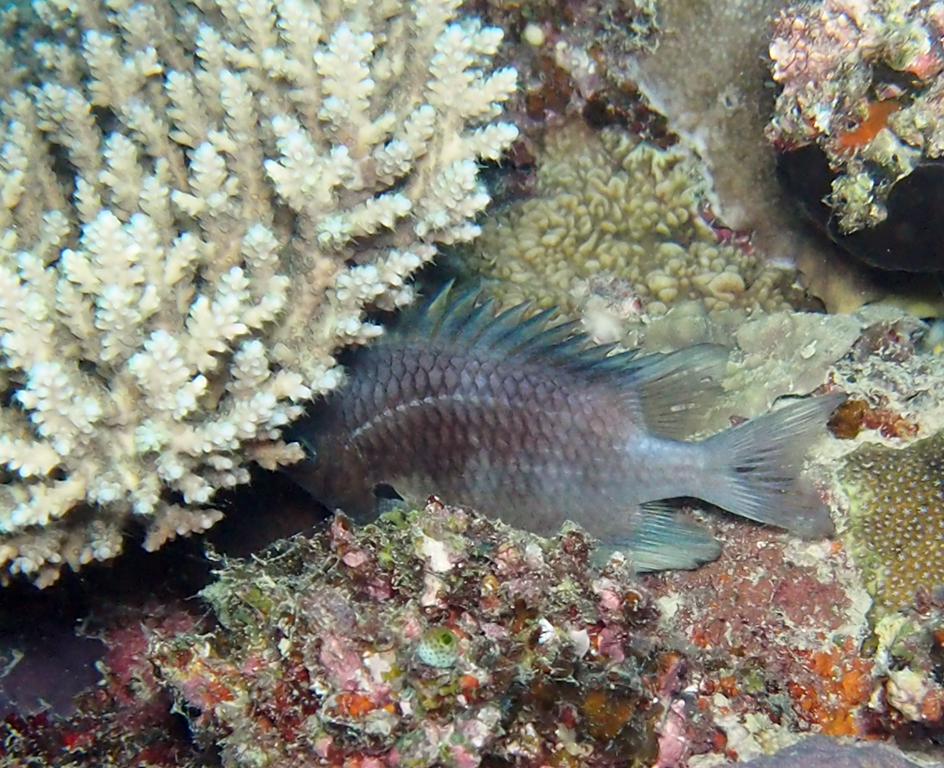
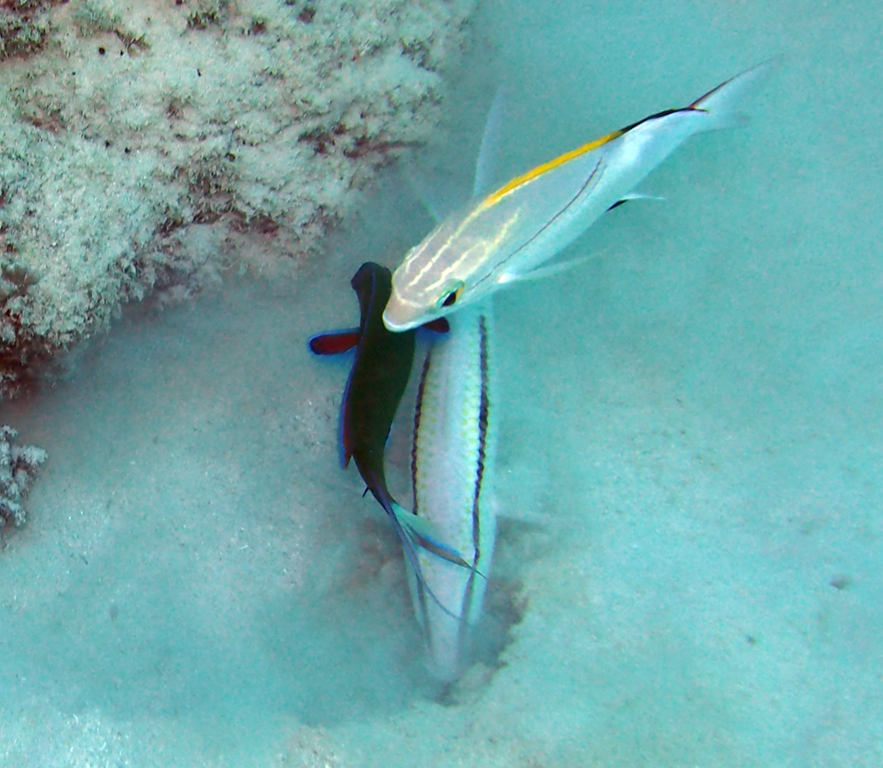
When one fish starting digging for food in the sand it attracted others to check out what was going on.
These were really tiny fish only 2-3 cm long.
There were only a few puffer fish around.
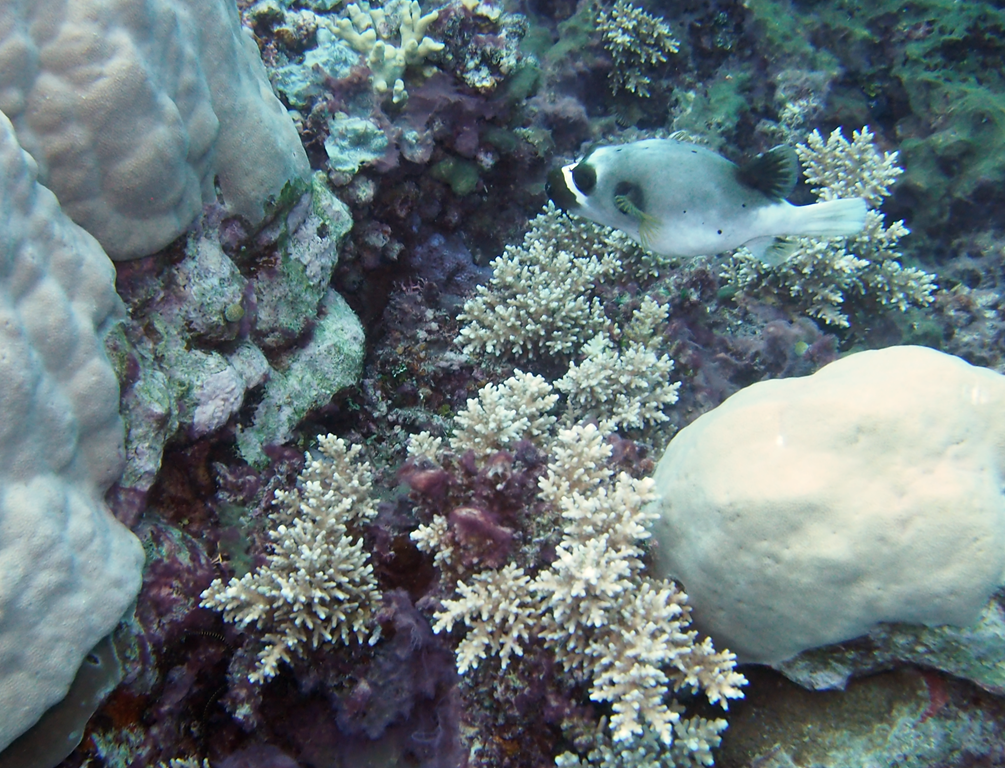
Here’s a better shot of the spiky fish.
Here was another lizardfish hanging out in the coral.
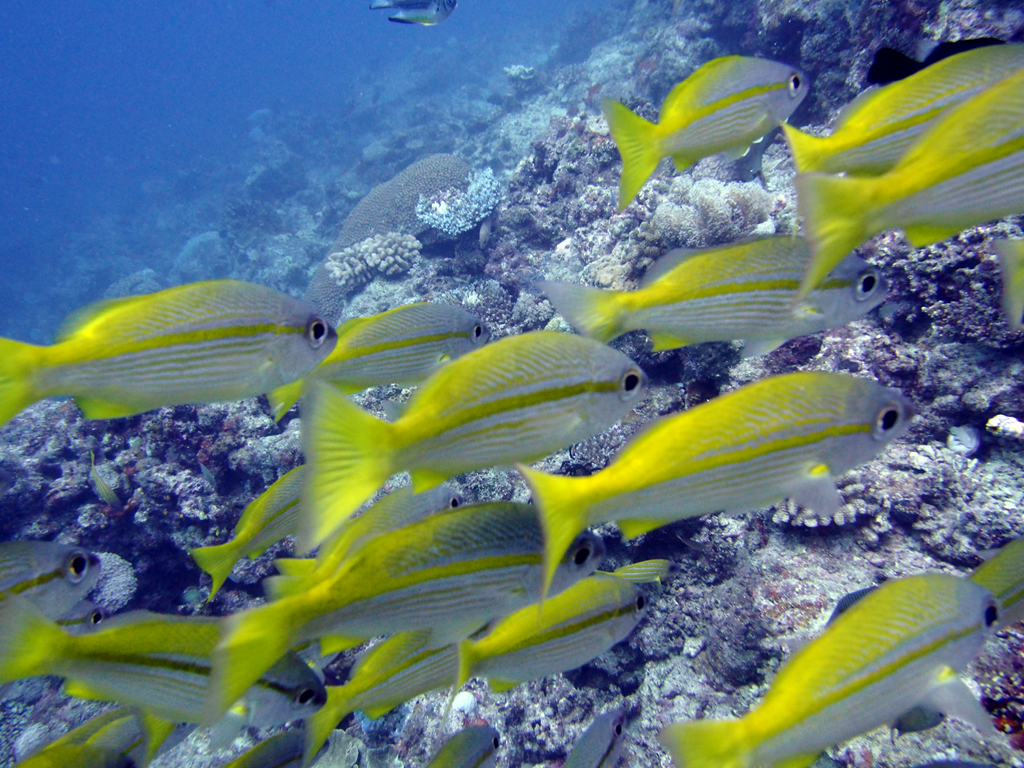
These fish weren’t sure about us joining into the school.
The end of this post is near. Only a few fish left.
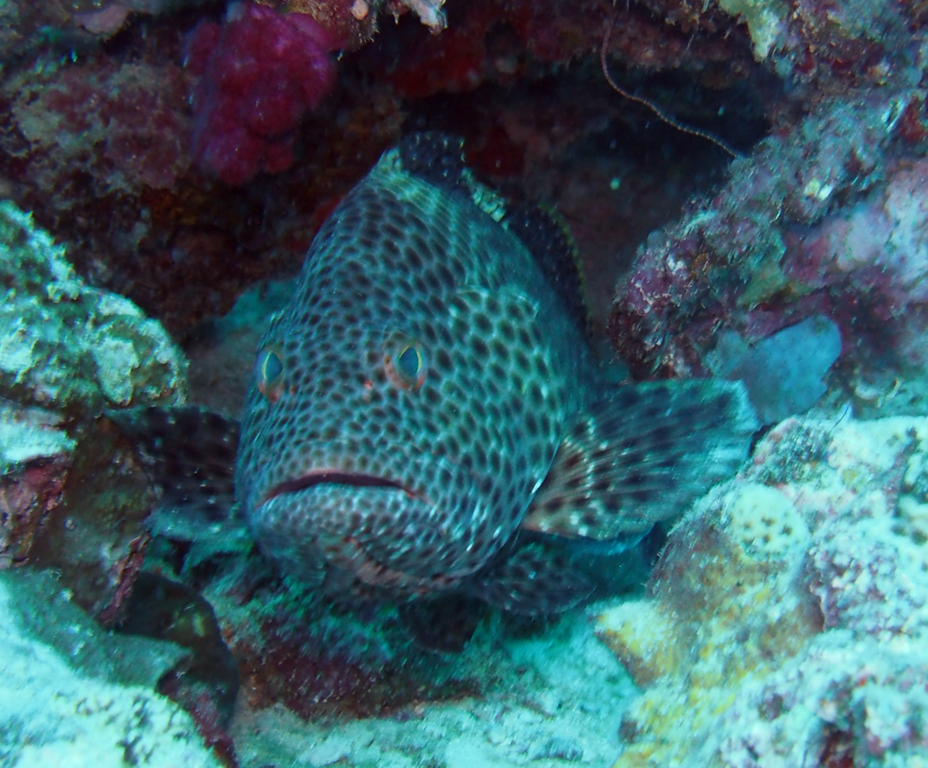
Like this big guy who wasn’t so happy about being disturbed.
Kerri became one with the school while Matt looked on.
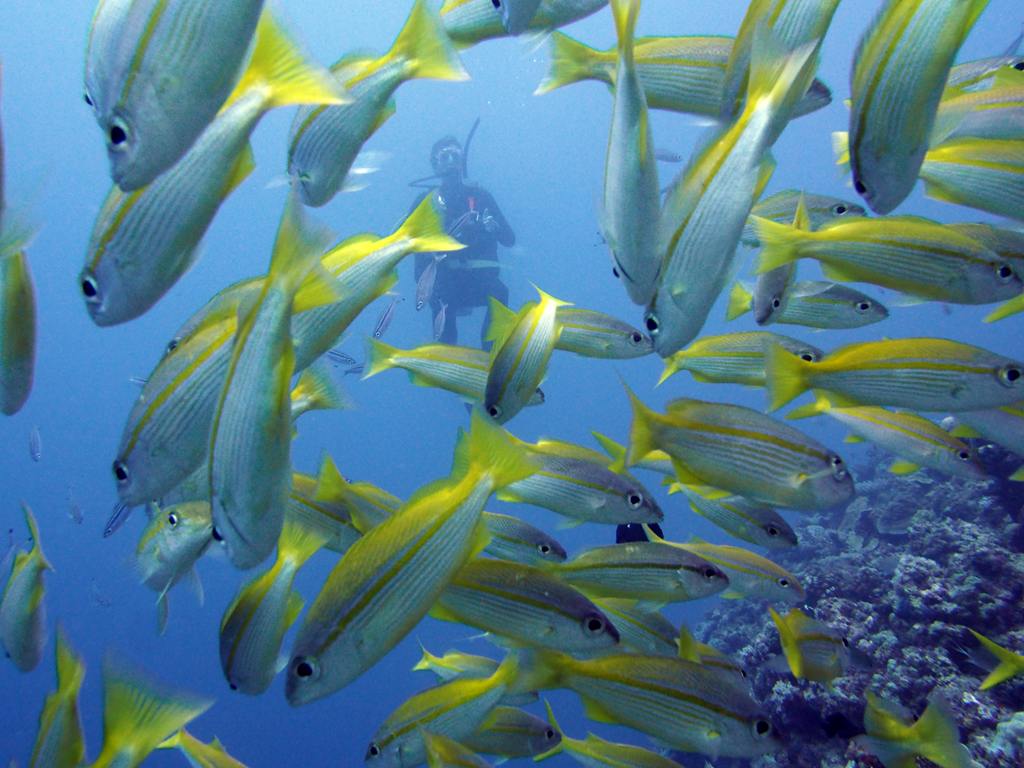
Occasionally some fish were very photogenic.
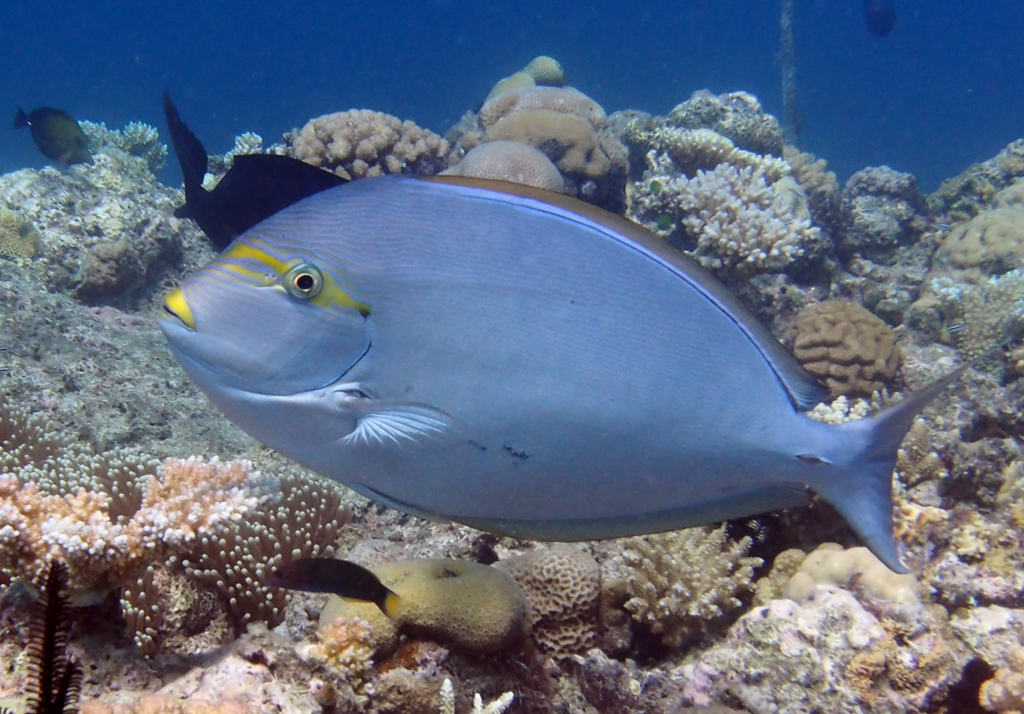
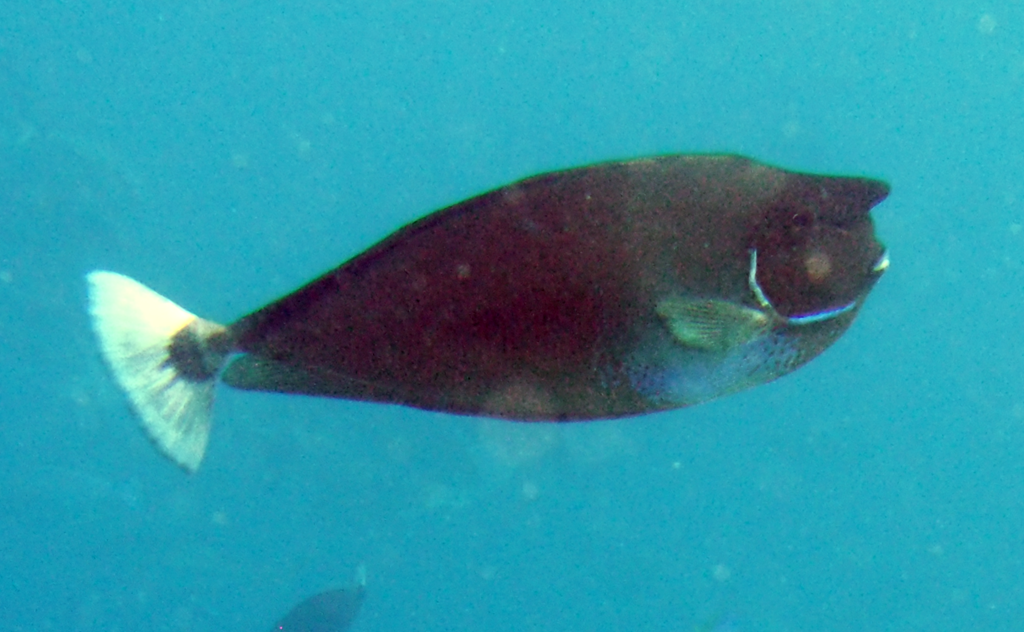
Other times we could only get brief shots.
Can’t go without one more shot of the orange fish.
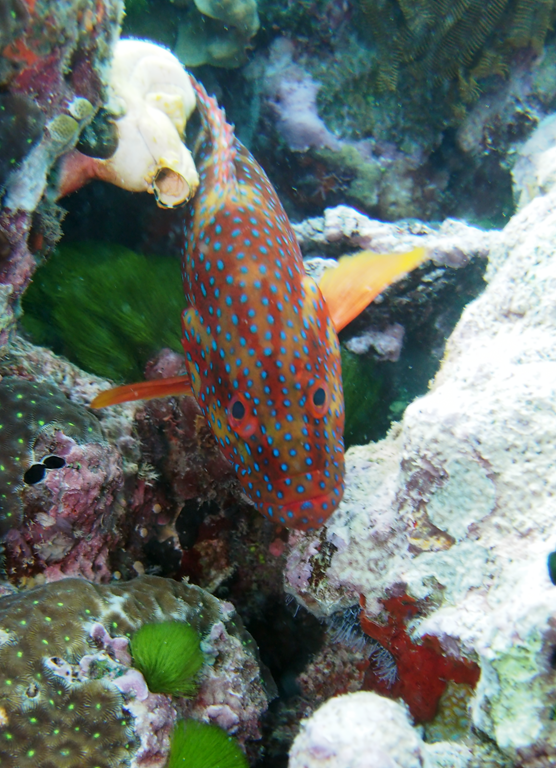
Or the bright spotted fish.
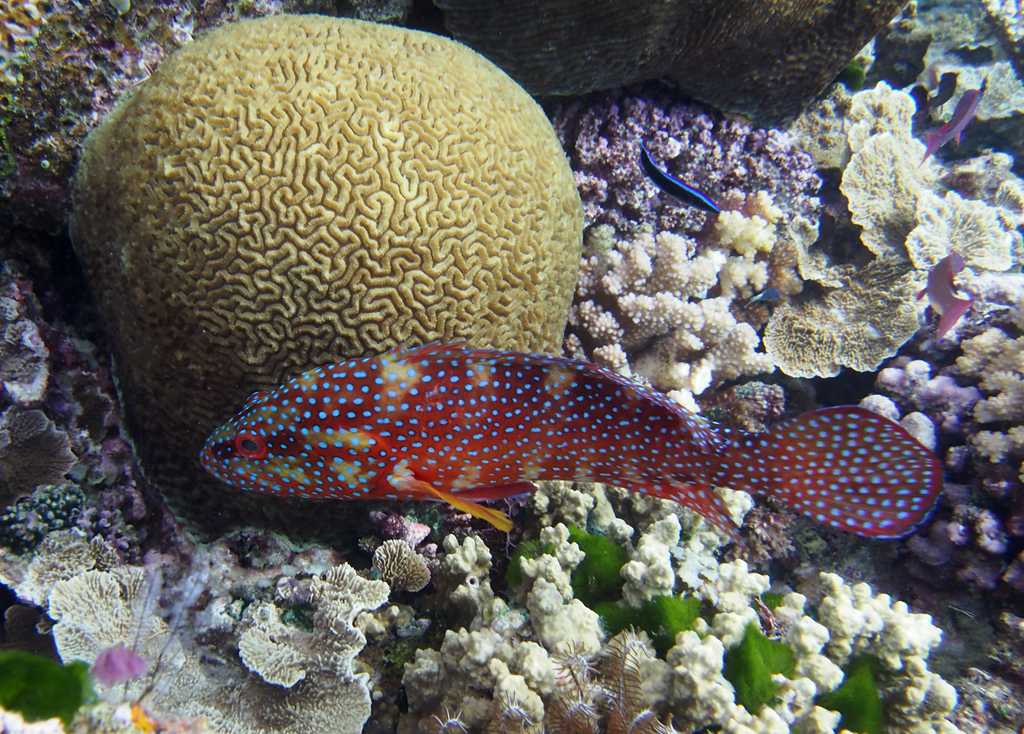
It seemed puzzled at us as we tried getting its picture.

If you want to know more about the fish you’ve been seeing we should go for coffee once you get back. There are a lot of cool fish in these pictures. Just a few: the orange are female anthias (there will be a few bolder more purplish once in each school, which are the males), the purple schools are another anthias I have not seen myself. The spikey fish is a damselfish (as are the zebra “humbug dascyllus” in the coral. The barracuda is actually a dogfish tuna, and the other big silvery fish is a double-lined mackerel (it has a unique extra sensory line on the belly part of is flank that you can clearly see).
Thanks for the shot of colourful fish. I just came back from 2 weeks diving the Red Sea but you can never have too many fish 🙂