• Category Archives south africa
  • Sterkfontein Caves

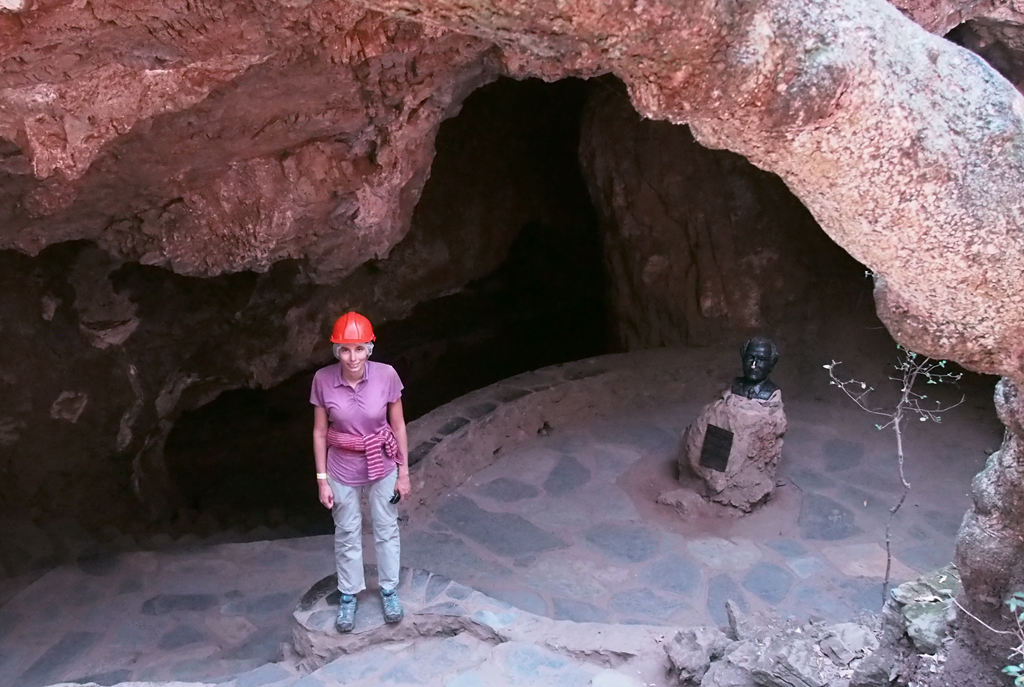
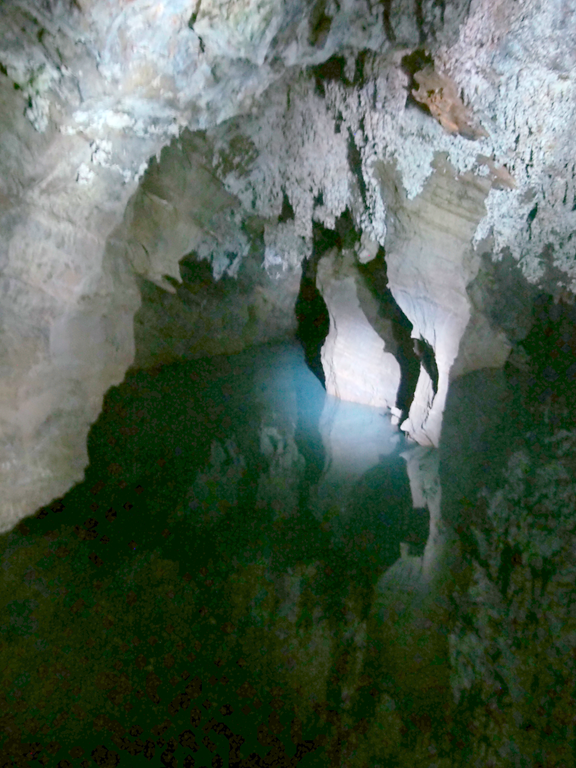
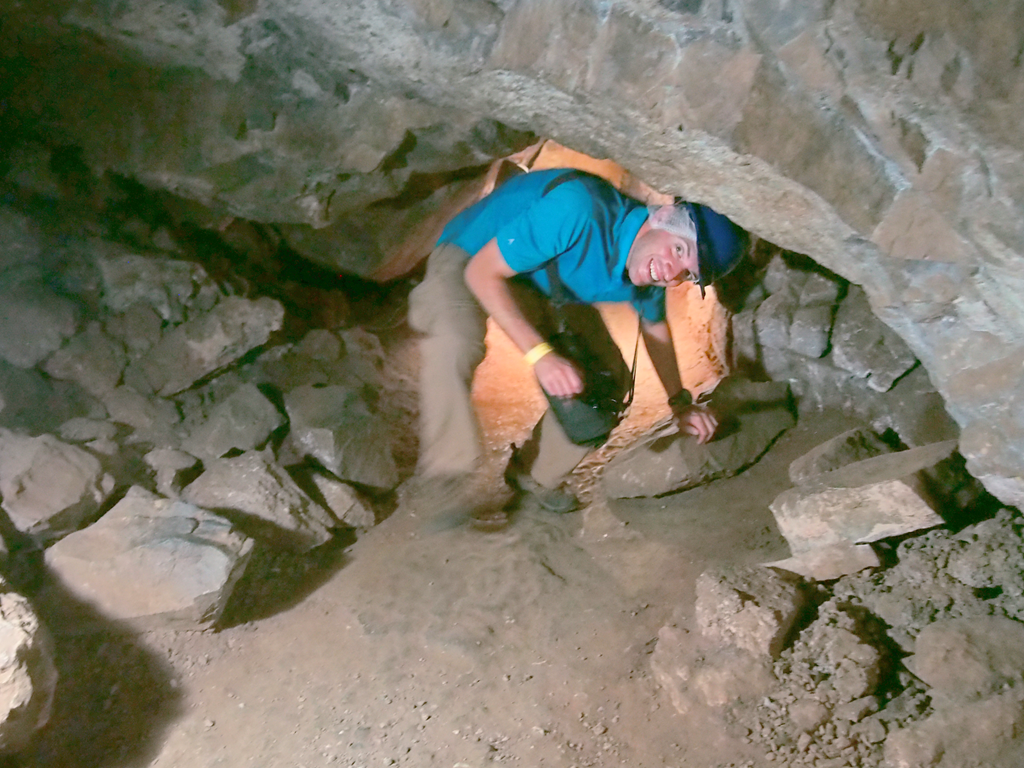
    We toured the Sterkfontein Caves where important australopithecine fossils were found.

    image

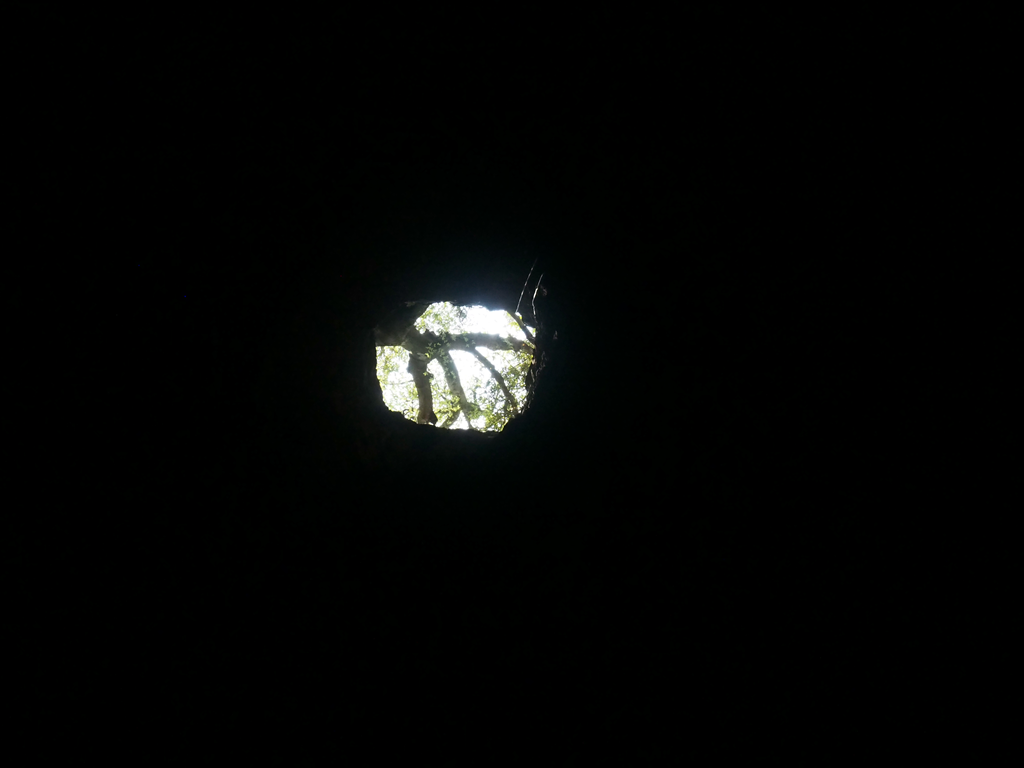
    They swung through the trees above and fell through holes like this and died.

    image

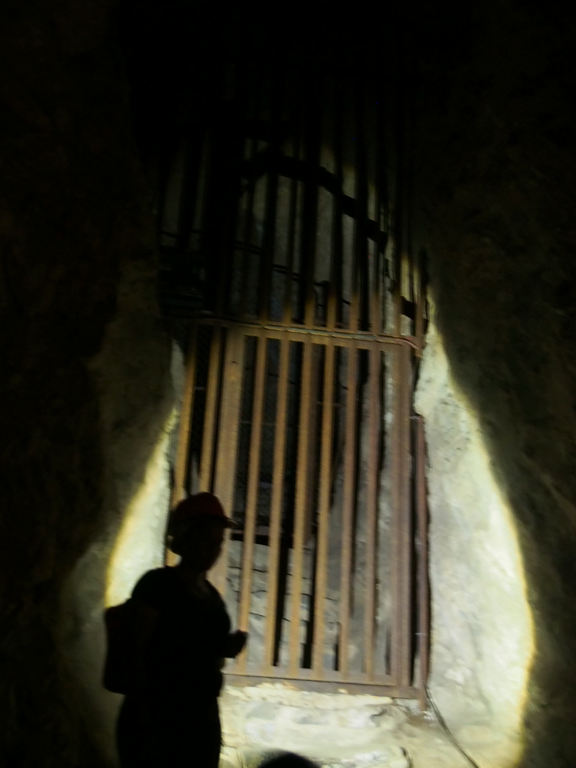
    There are still active excavations going on, but we weren’t allowed to visit those parts.

    image

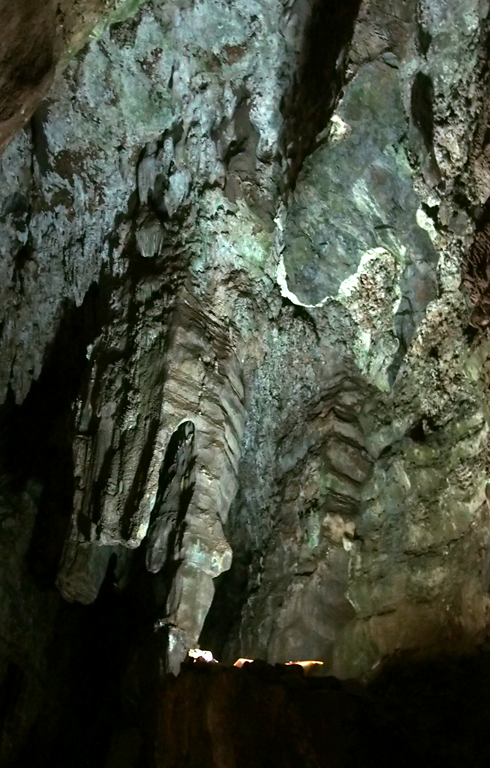
    Which meant it was a tour of a fairly typical cave.

    image

    Dark and wet.

    image

    And difficult to get around.

    image

    There are also some open excavations at the surface.

    image_thumb[1]


  • Naledi

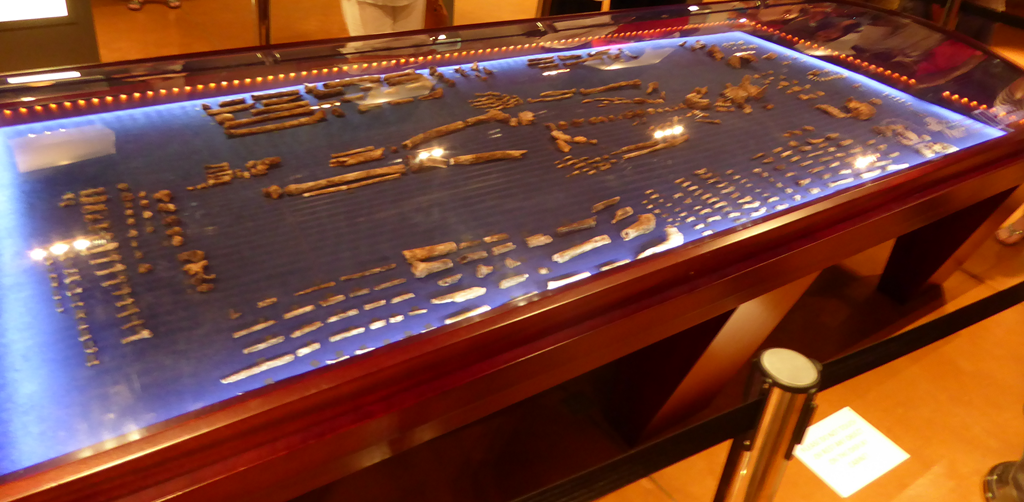
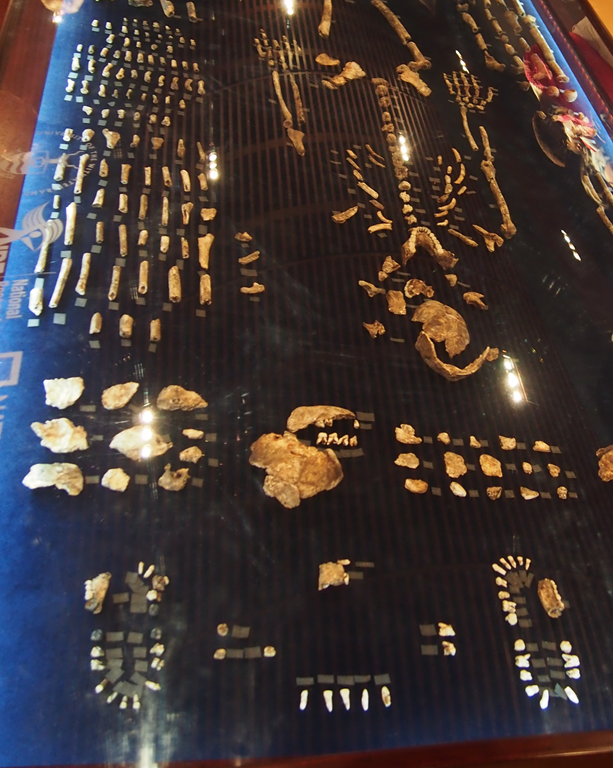
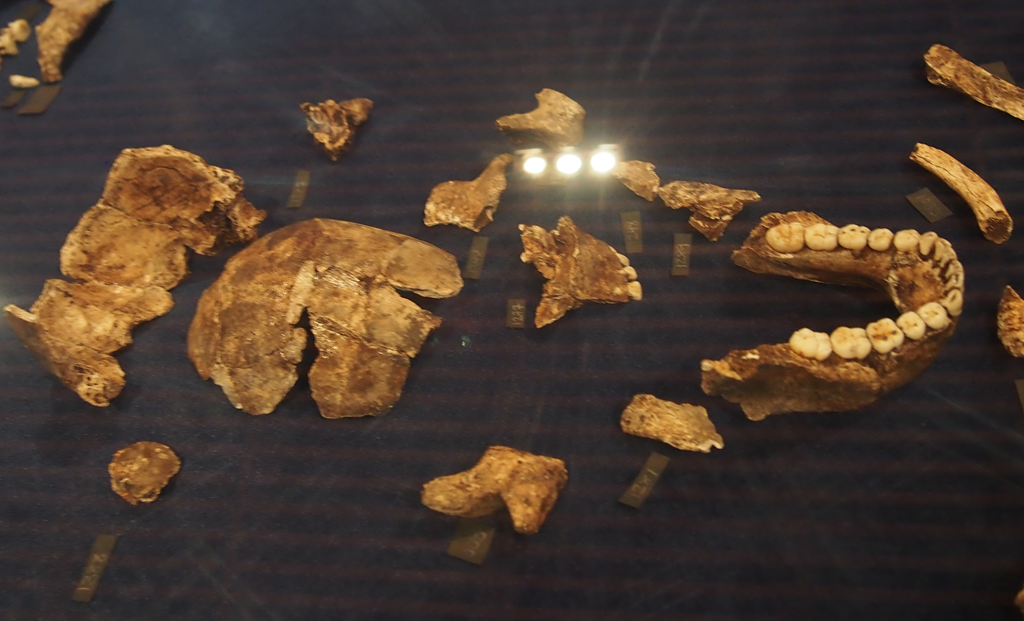
    Here’s Homo naledi. H. naledi is the newly discovered hominid from South Africa.

    image

    The reason we have such a huge collection so soon after discovery is that they found the bones at the back of a very hard to access cave system. This may be the earliest form of burial behaviour because the shape of the cave makes it unlikely that it was used for living. Most bones are quite damaged due to crushing from the sheer number clustered together.

    image

    We were lucky to catch it on it’s first public showing on its last day before heading off to another location.

    image

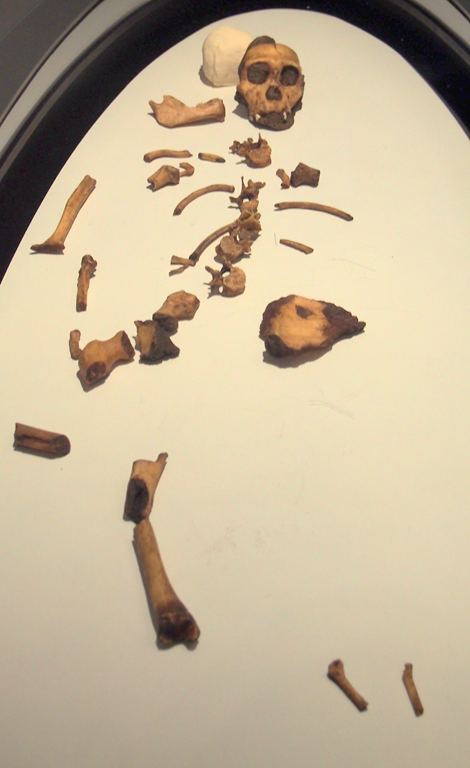
    Their former prize fossil, a young Australopithecus sediba, had been hastily shoved into a corner to make space for the newcomer.

    image

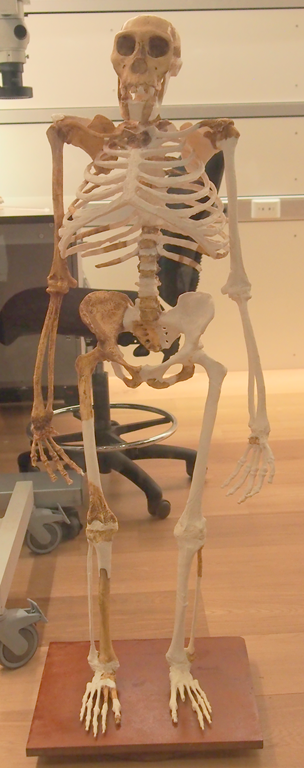
    This is a cast of him standing up.

    image

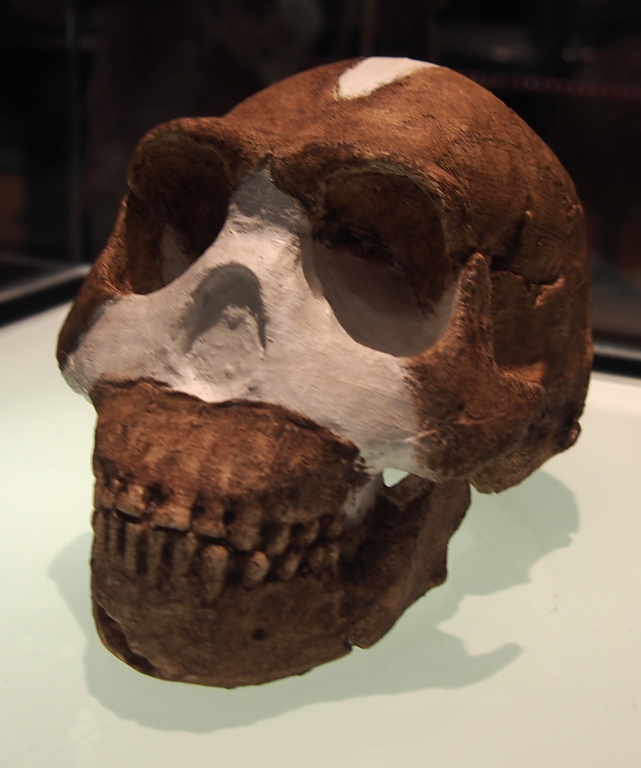
    This is an assembled skull. It’s a little smaller but looks very similar to our skulls, except that it looks like it’s wearing glasses. Not big glasses like Homo erectus though.

    image

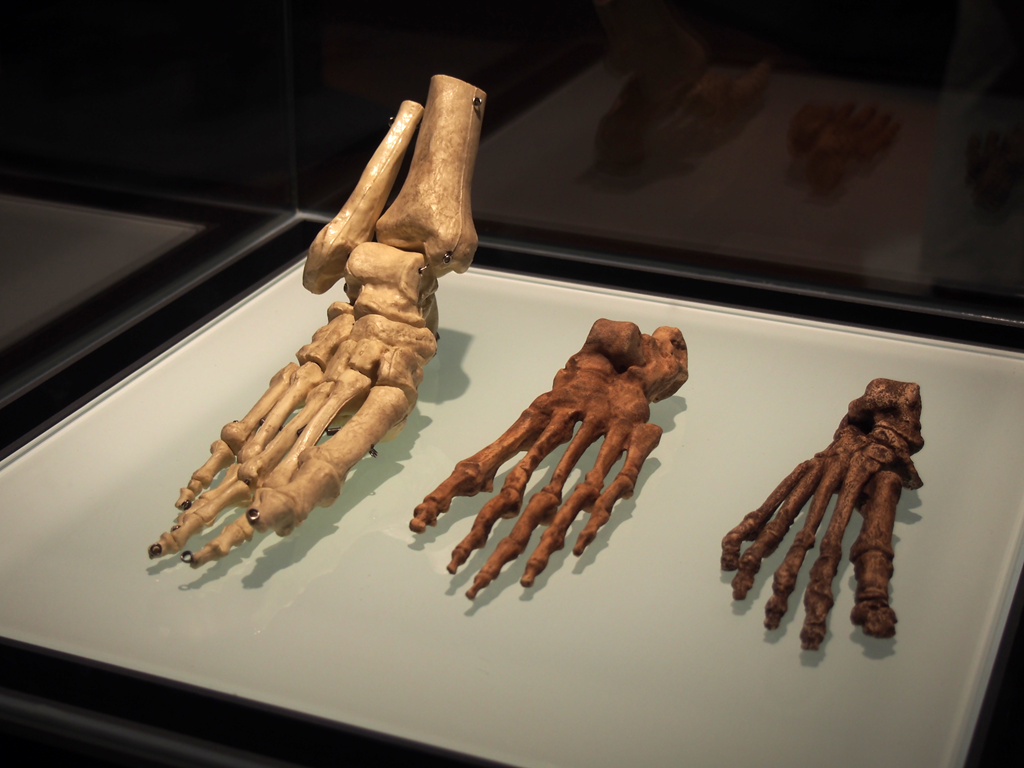
    When looking at the foot structure the other hominids are smaller and the bones are at different angles suggesting different walking gaits.

    image

    We stood in the long line twice to see it because we only had 10 minutes each time to see this remarkable collection.

    image


  • Naledi

    Here’s Homo naledi. H. naledi is the newly discovered hominid from South Africa.

    image

    The reason we have such a huge collection so soon after discovery is that they found the bones at the back of a very hard to access cave system. This may be the earliest form of burial behaviour because the shape of the cave makes it unlikely that it was used for living. Most bones are quite damaged due to crushing from the sheer number clustered together.

    image

    We were lucky to catch it on it’s first public showing on its last day before heading off to another location.

    image

    Their former prize fossil, a young Australopithecus sediba, had been hastily shoved into a corner to make space for the newcomer.

    image

    This is a cast of him standing up.

    image

    This is an assembled skull. It’s a little smaller but looks very similar to our skulls, except that it looks like it’s wearing glasses. Not big glasses like Homo erectus though.

    image

    When looking at the foot structure the other hominids are smaller and the bones are at different angles suggesting different walking gaits.

    image

    We stood in the long line twice to see it because we only had 10 minutes each time to see this remarkable collection.

    image


  • Jackass Penguins

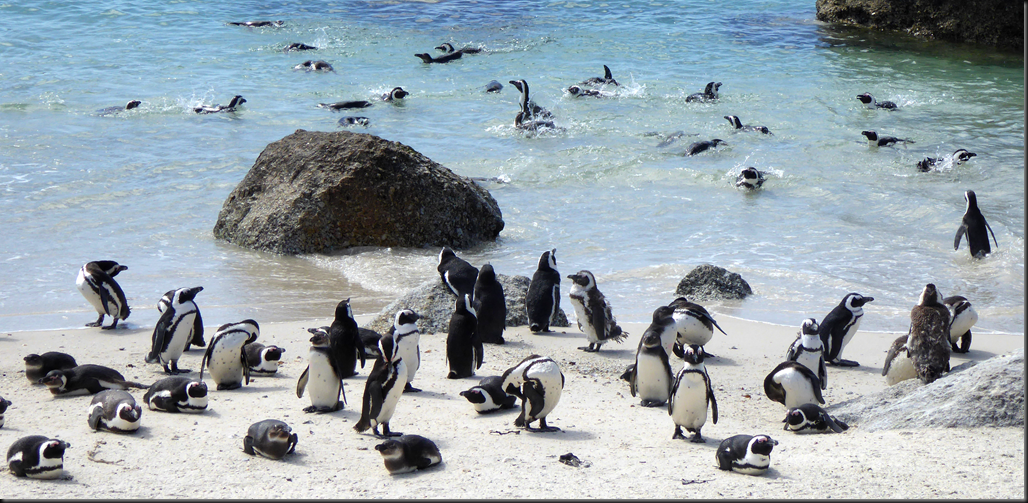
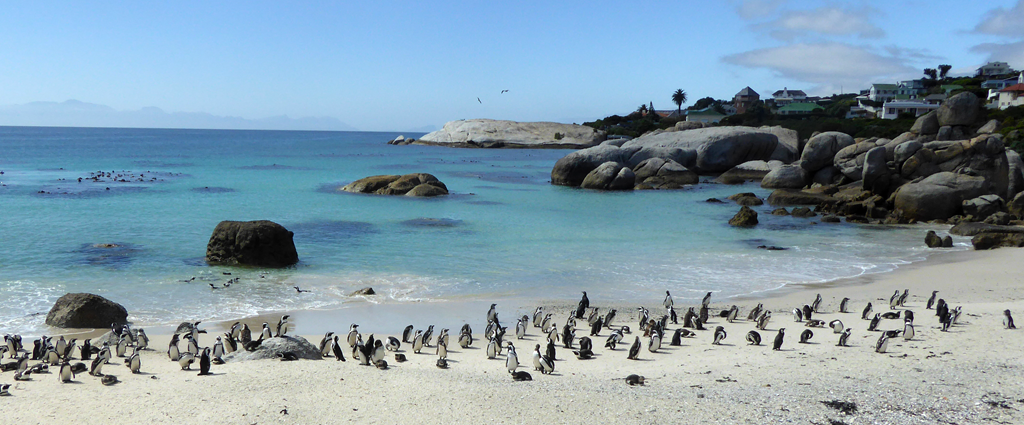
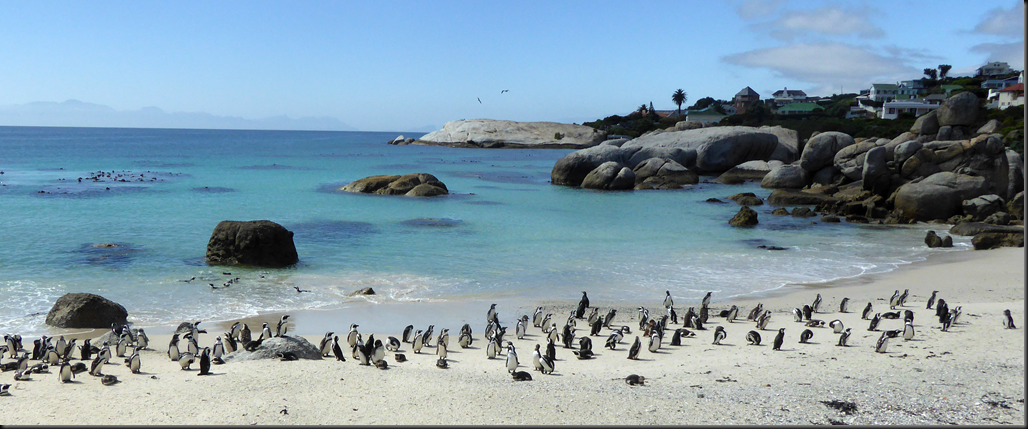
    The jackass penguins live just south of Cape Town.
    image

    It looks like a fun place to live.

    image

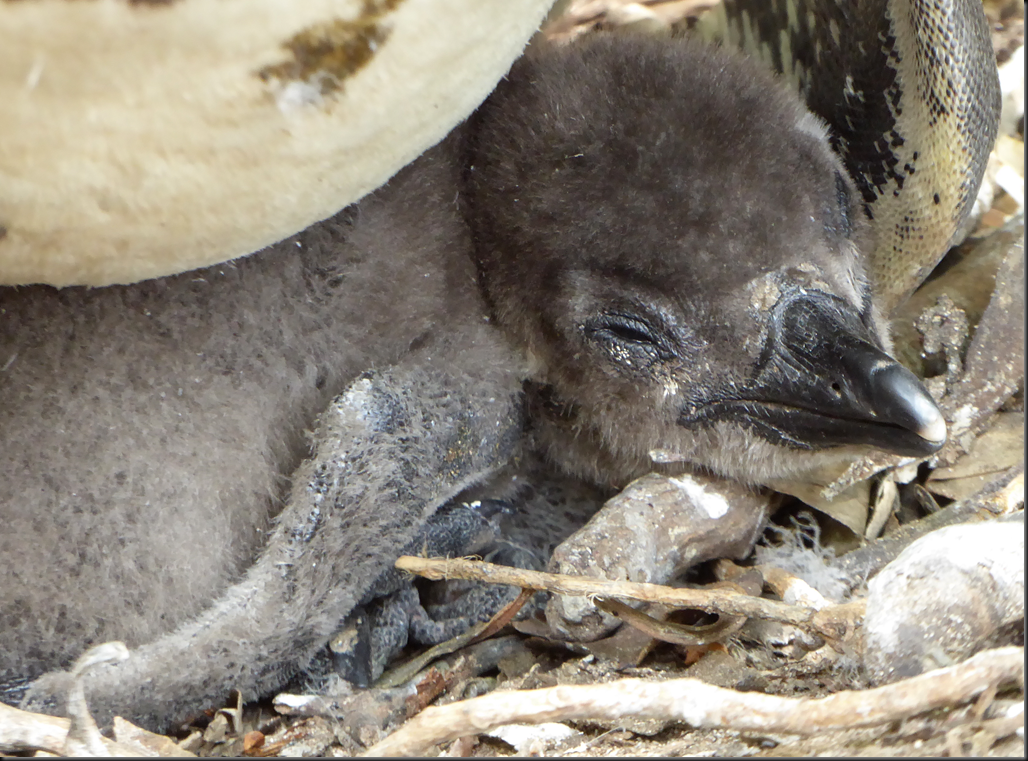
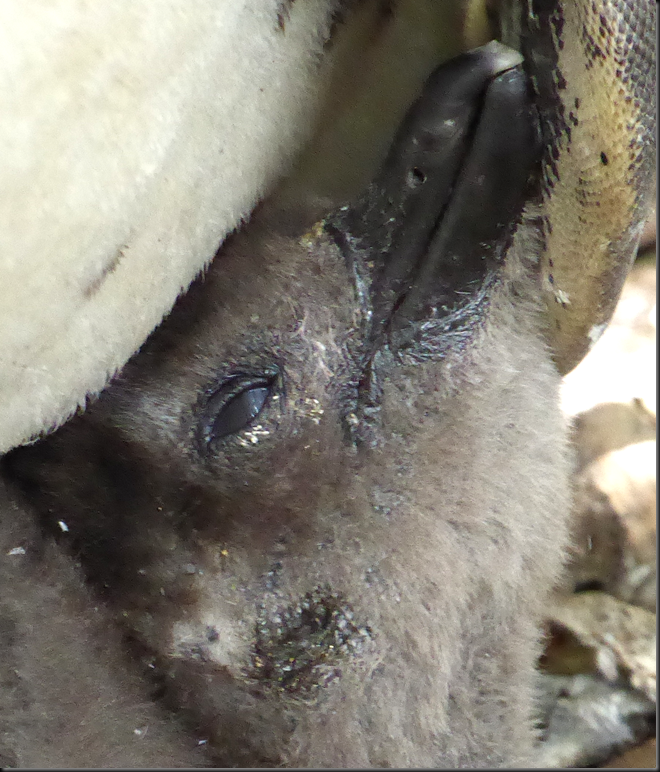
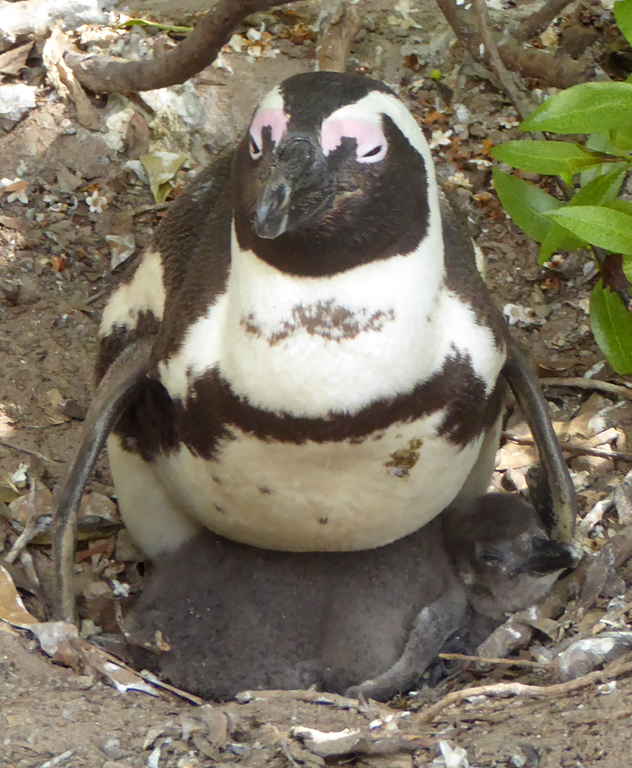
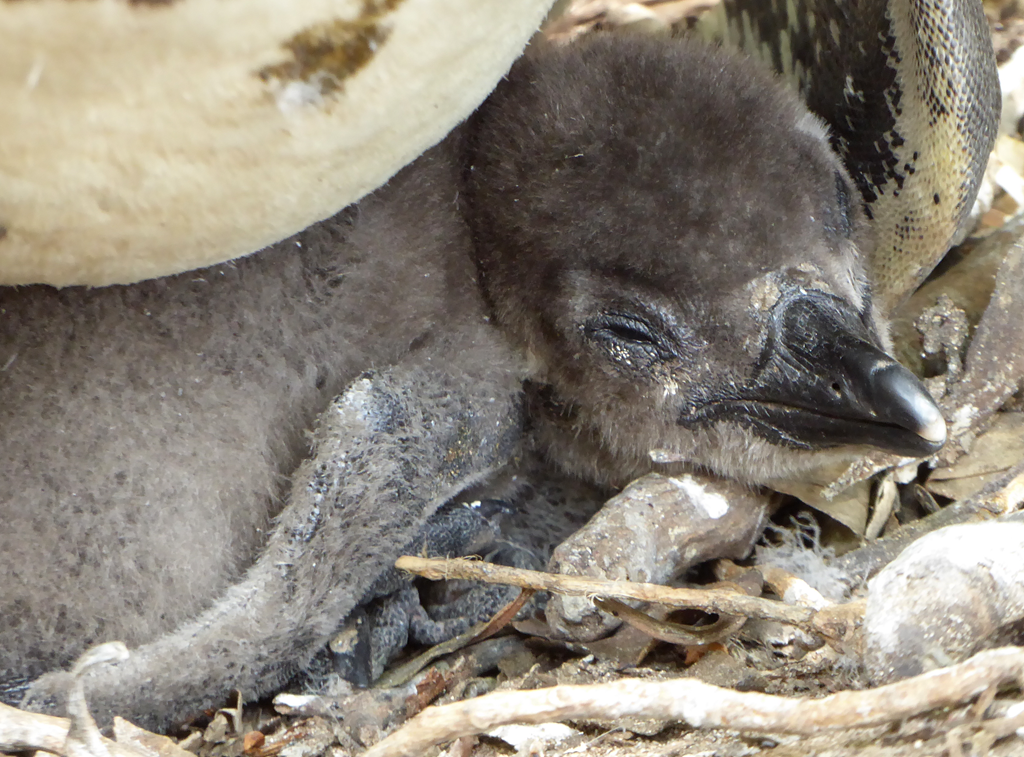
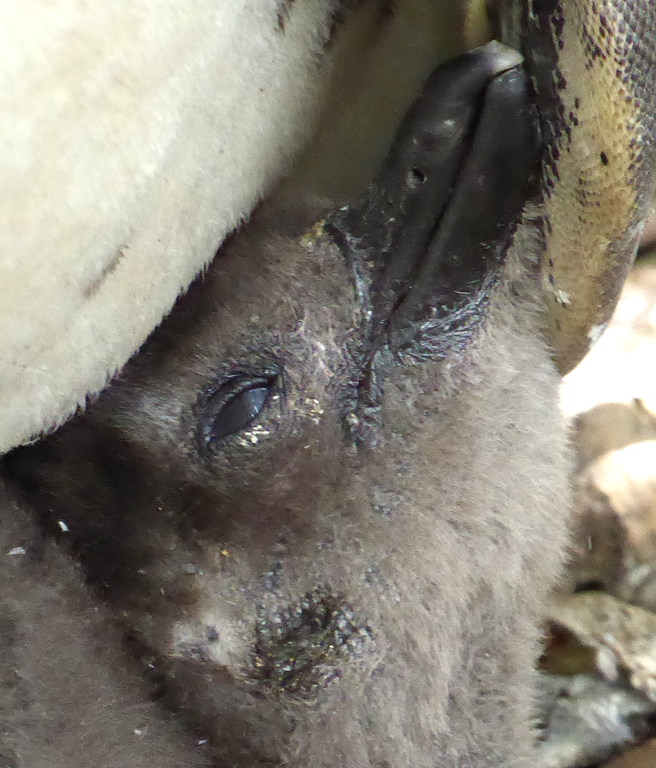
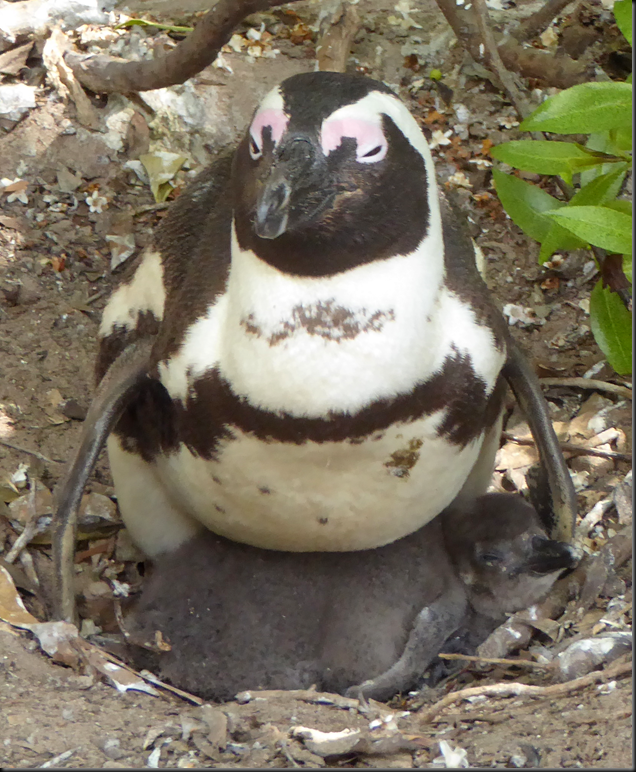
    When they are born they stay warm and safe under Mom’s feet.
    image

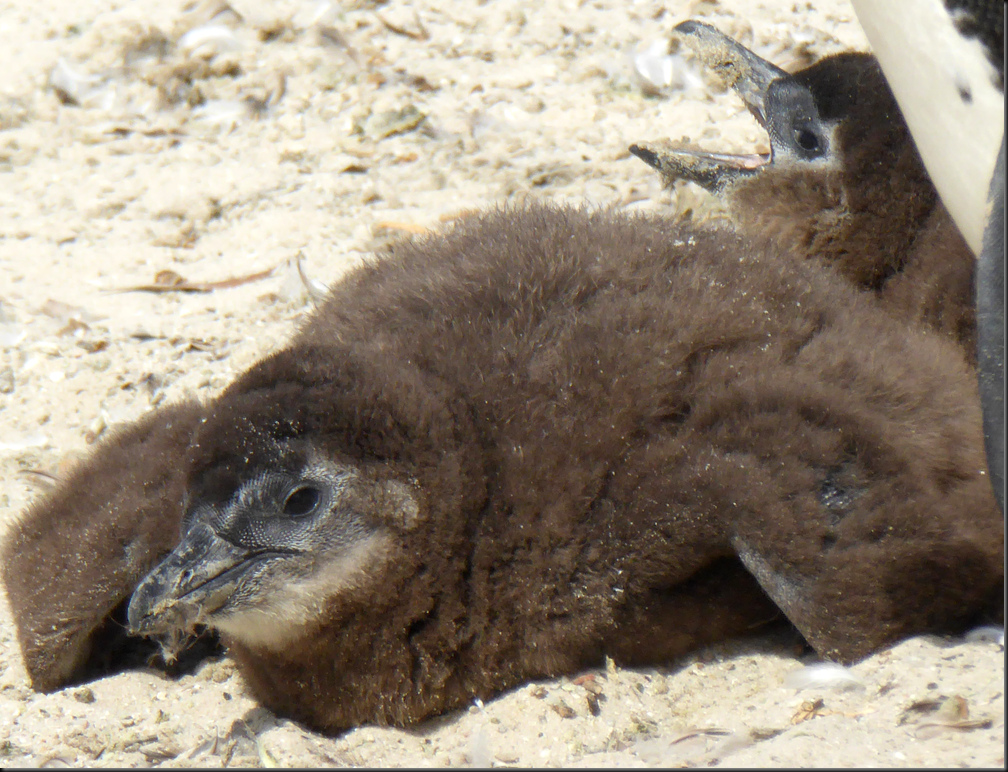
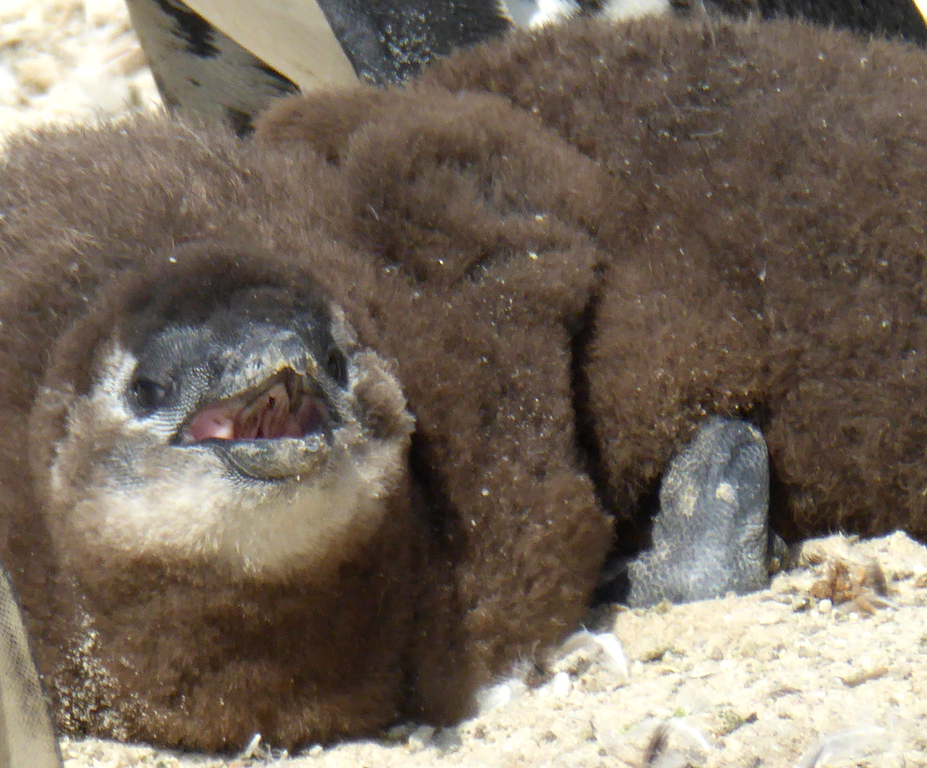
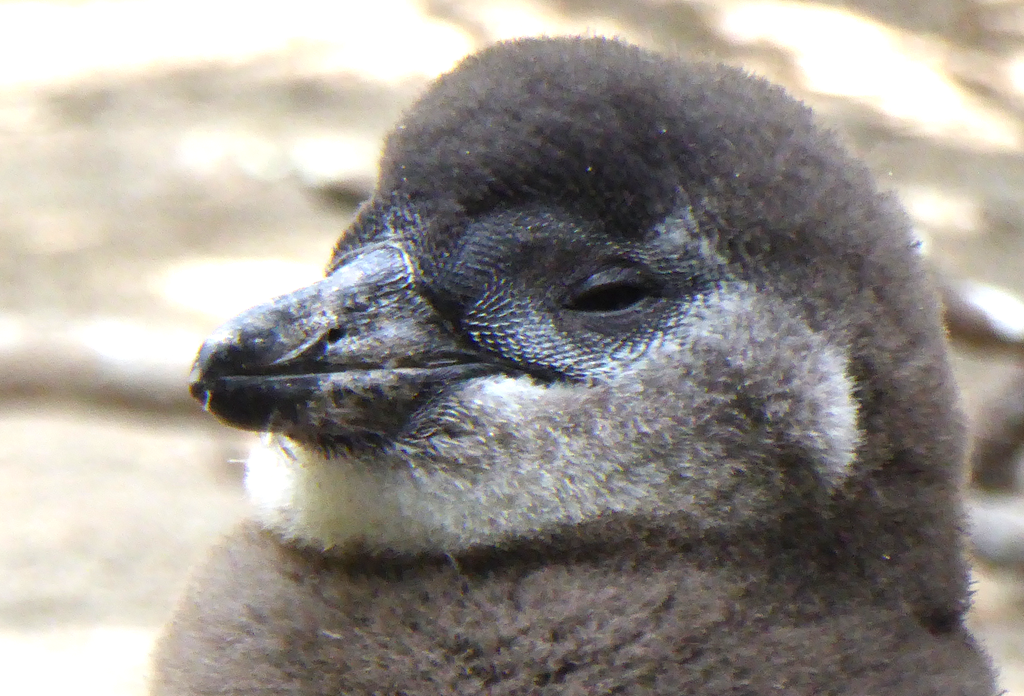
    They are fluffy and cute.

    image

    And cuddly.

    image

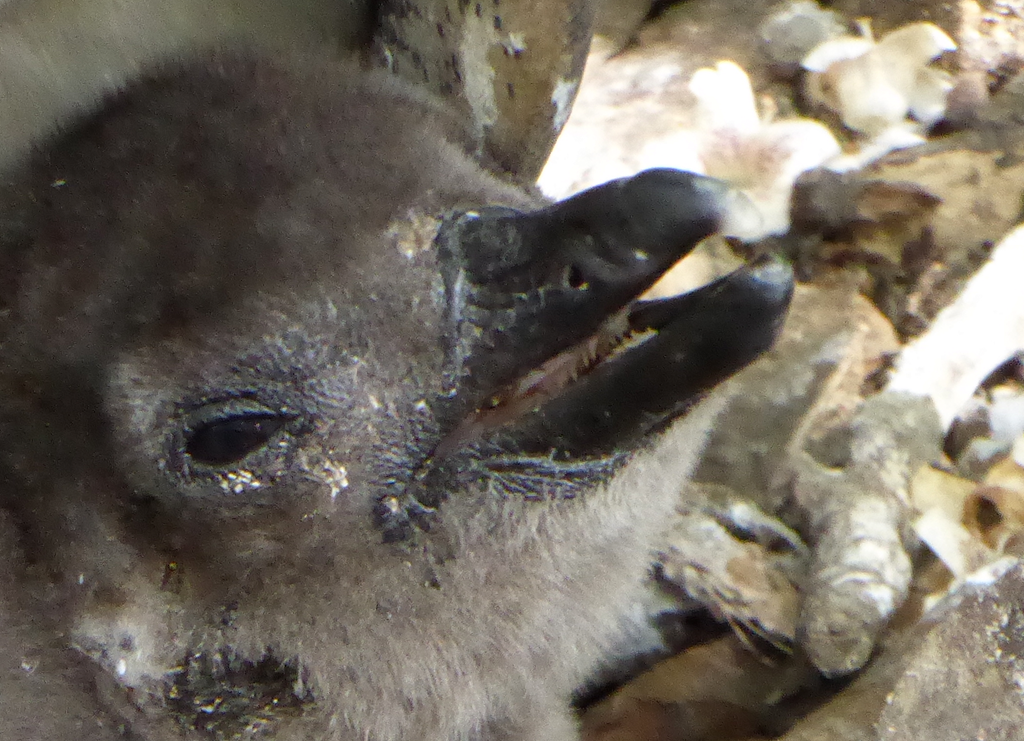
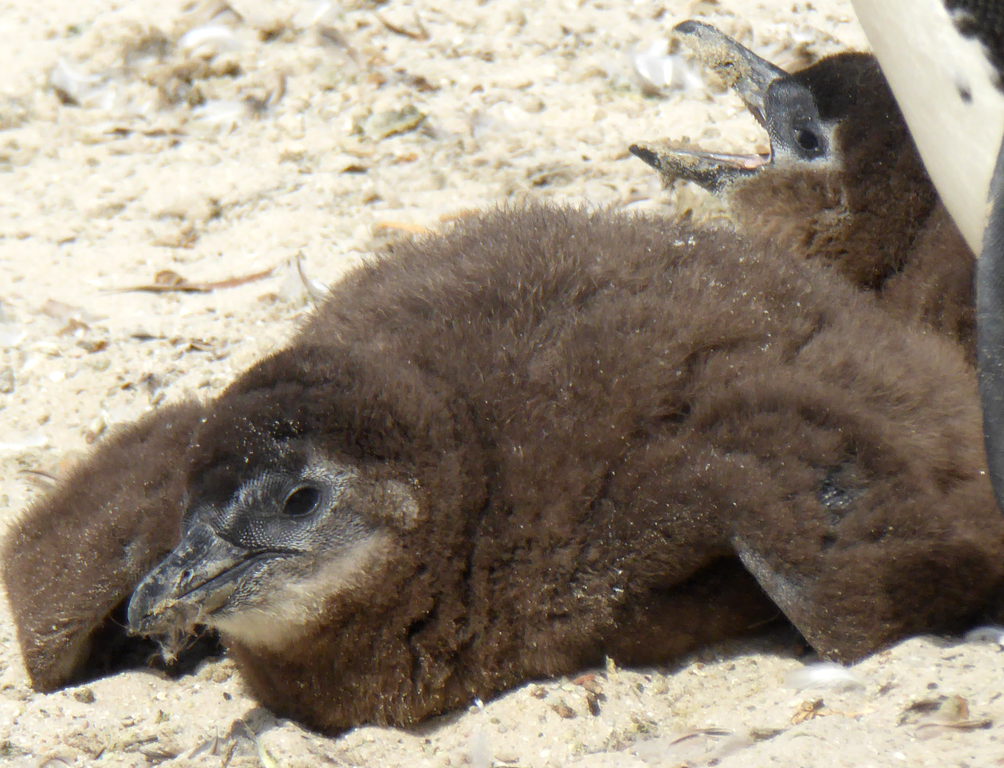
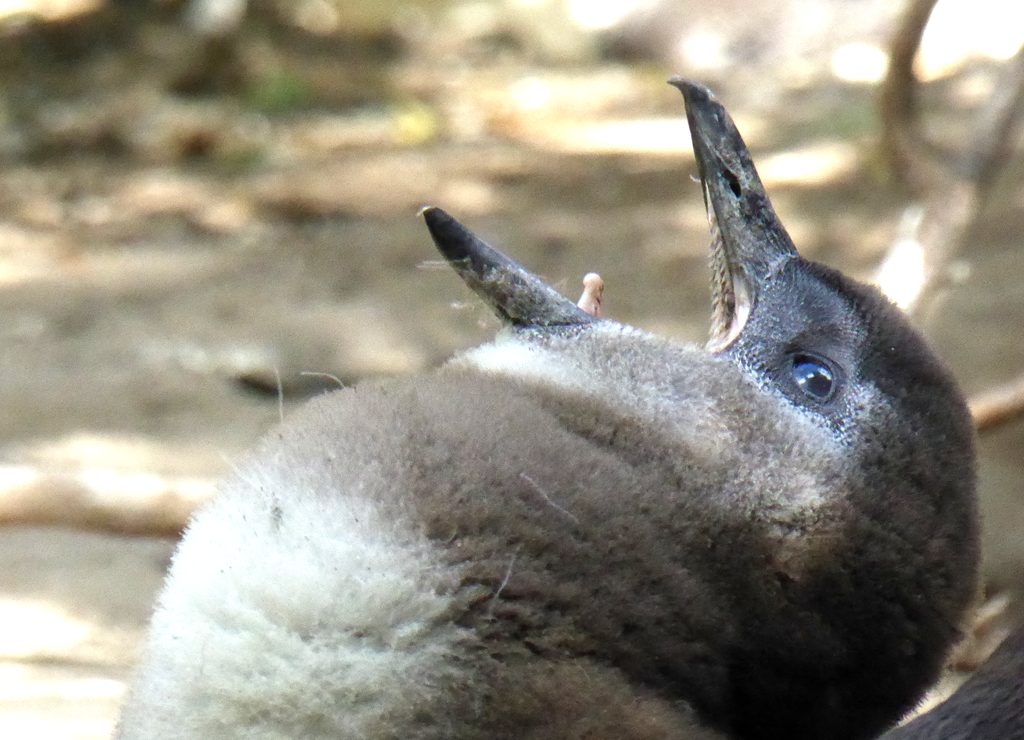
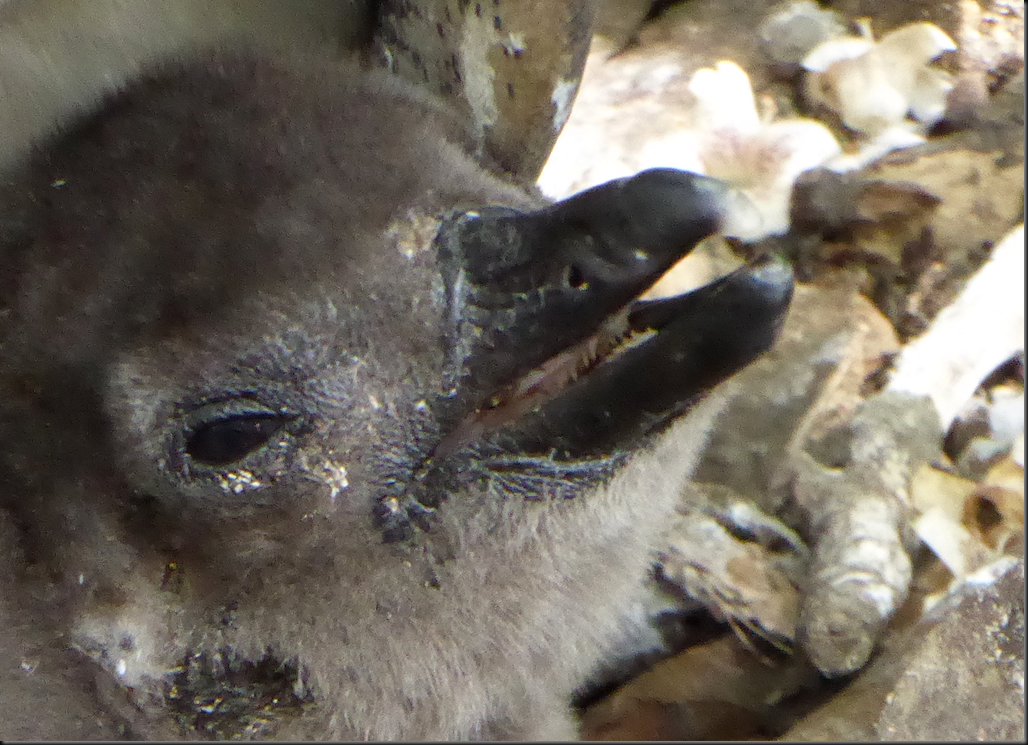
    And loud when they are hungry. The noise doesn’t sound much like a donkey, but that’s where they got their name.
    image

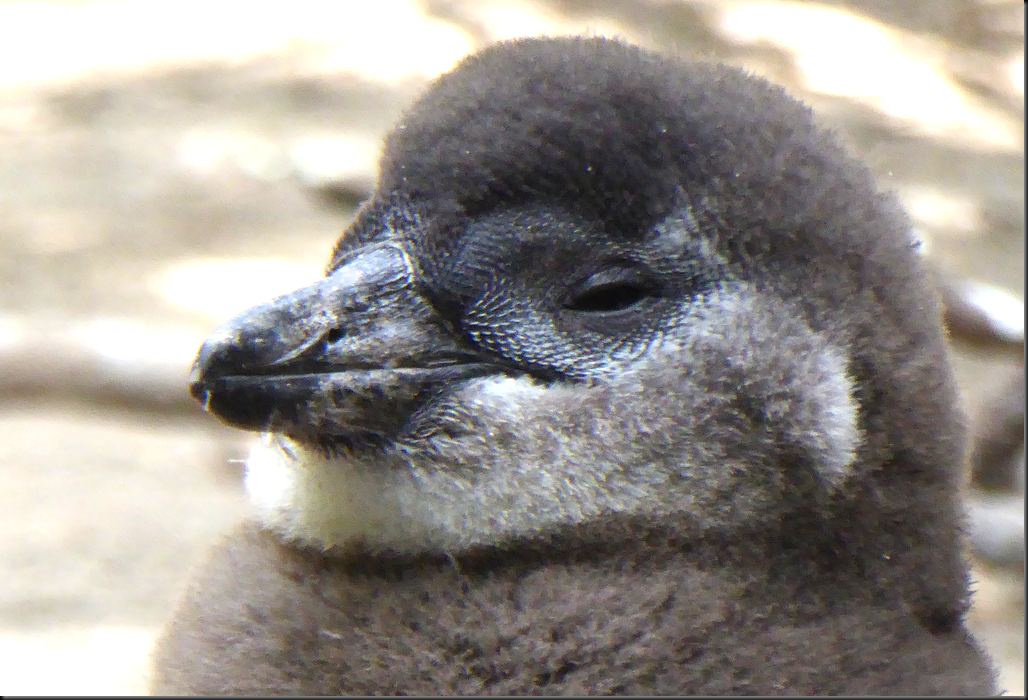
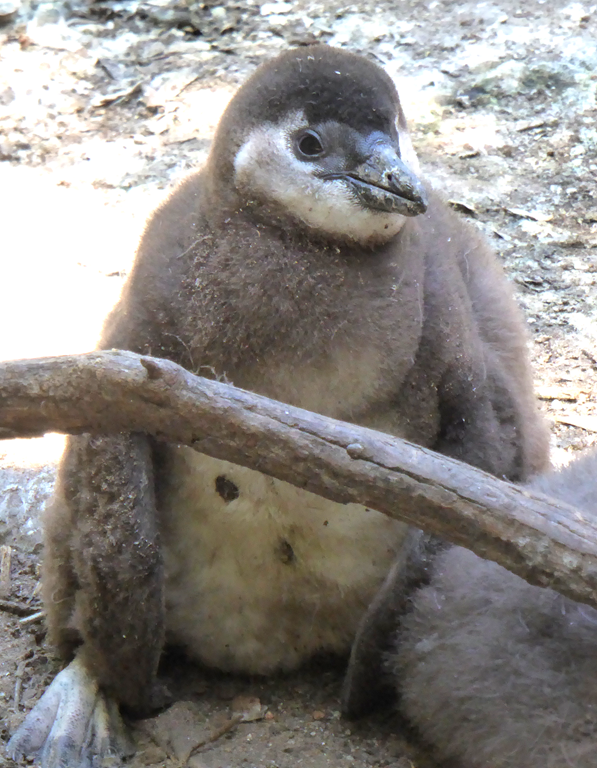
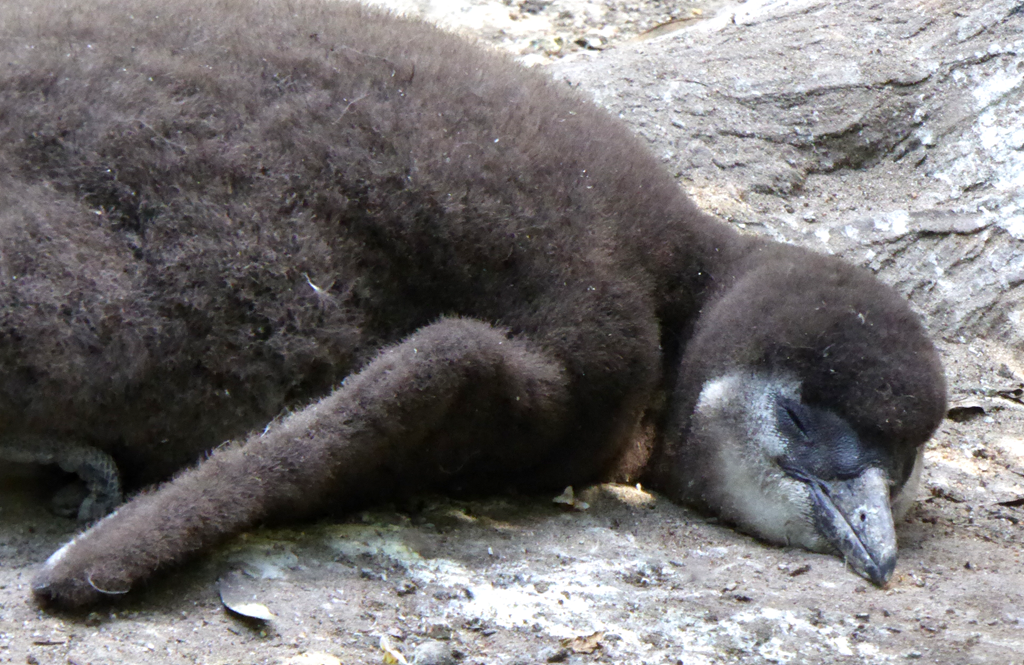
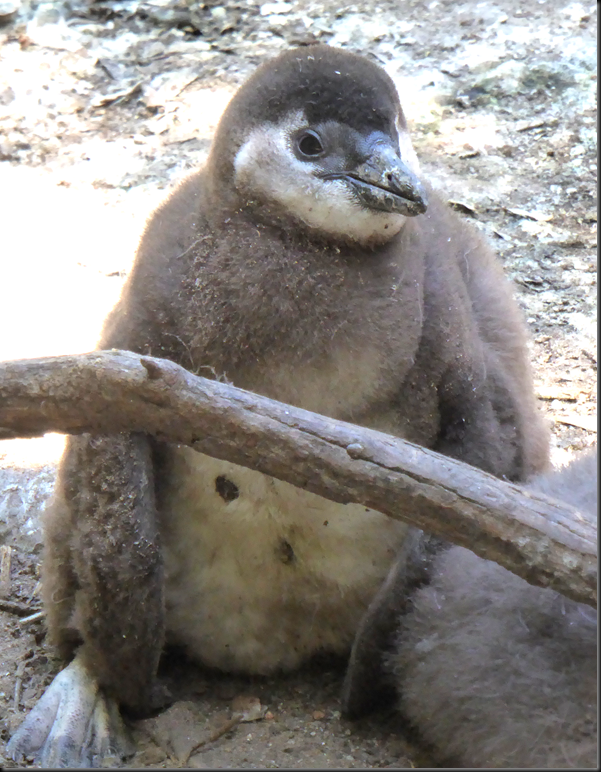
    When they get bigger they are tubby fluffballs.
    image

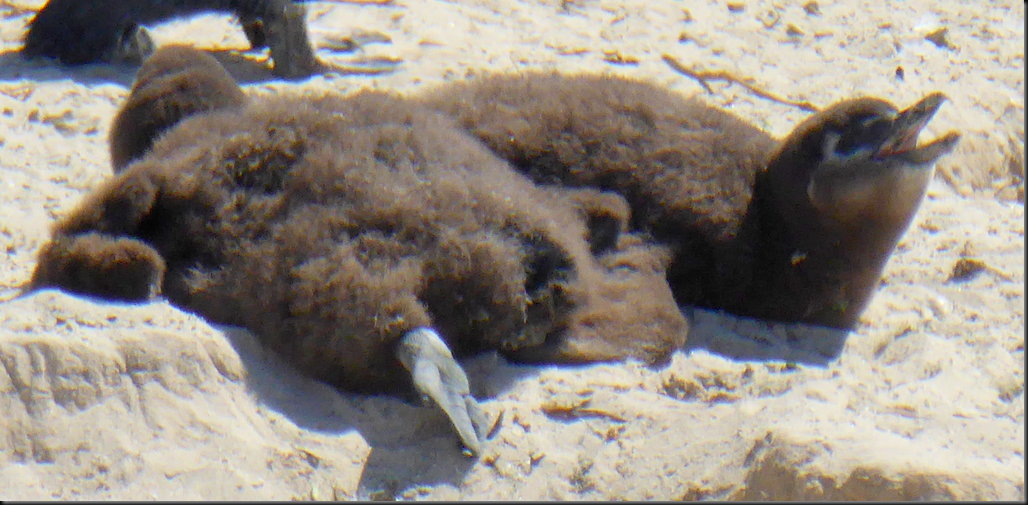
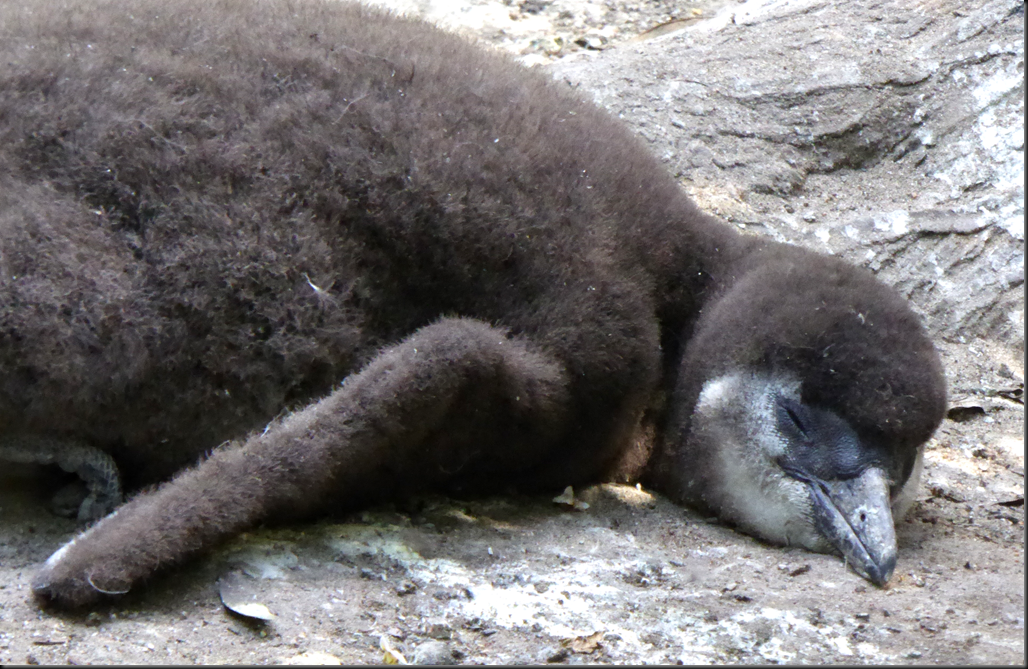
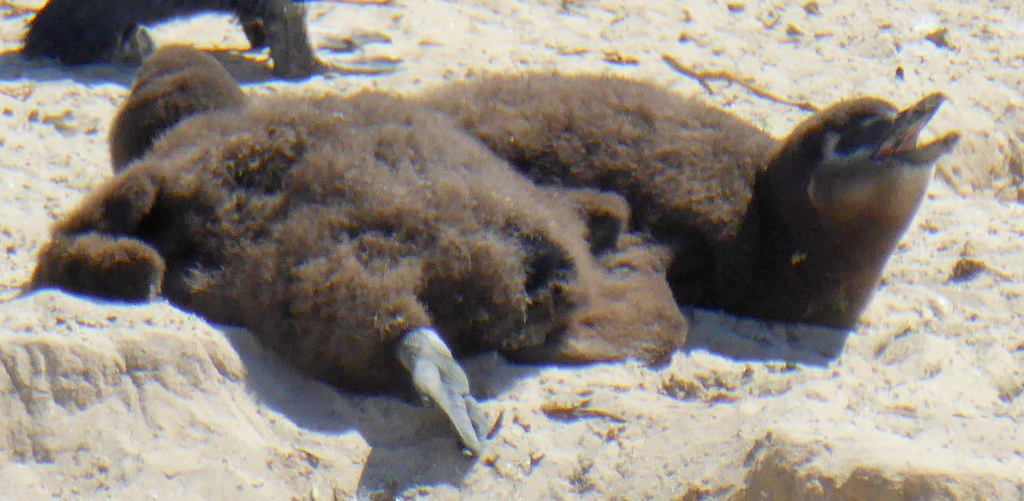
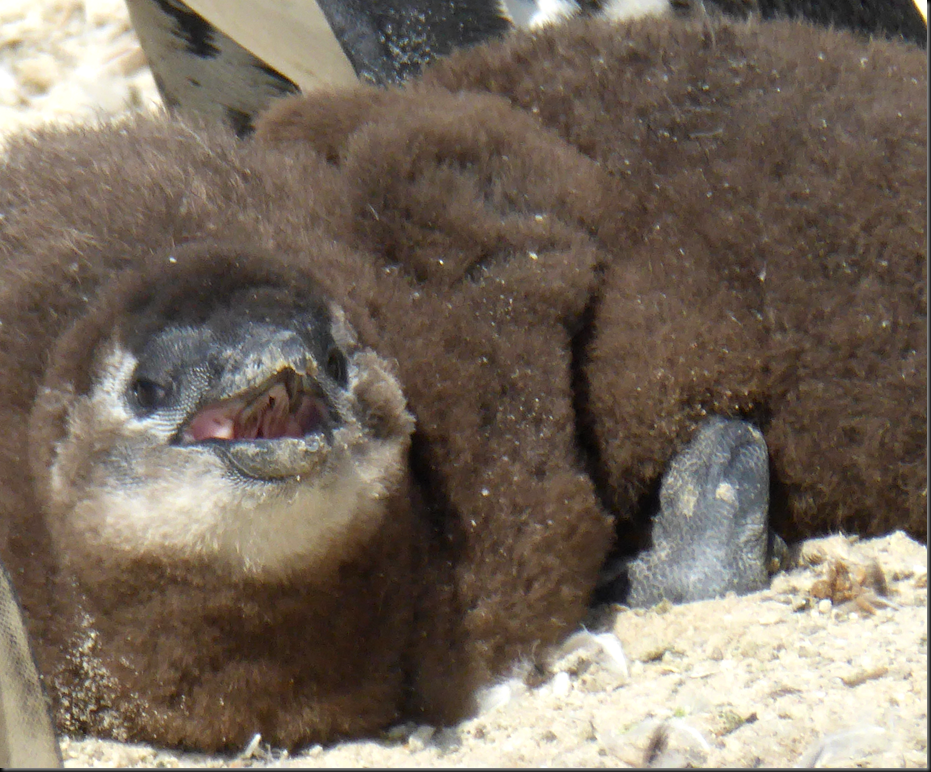
    They still spend a lot of time lying around.
    image

    All sprawled out in the sand.

    image

    Pretending they can fly.

    image

    They are so cute.

    image

    So fluffy and cute.

    image

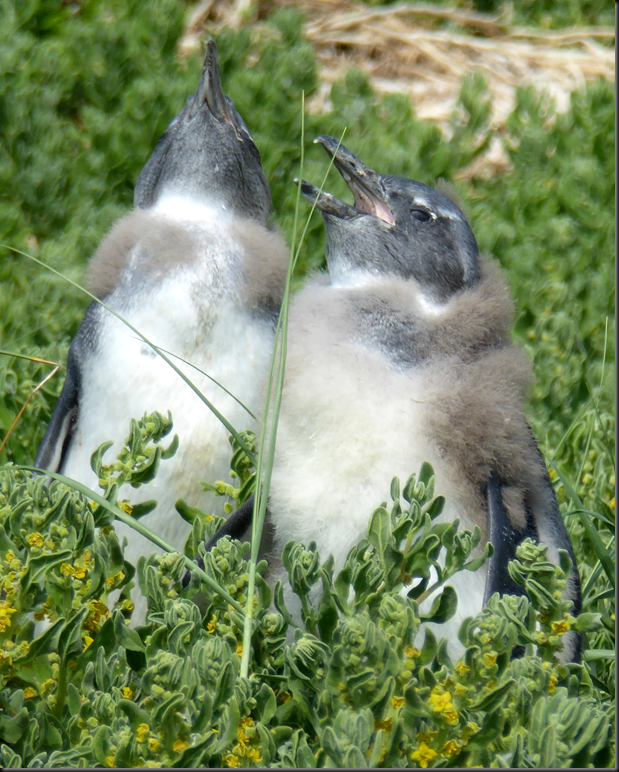
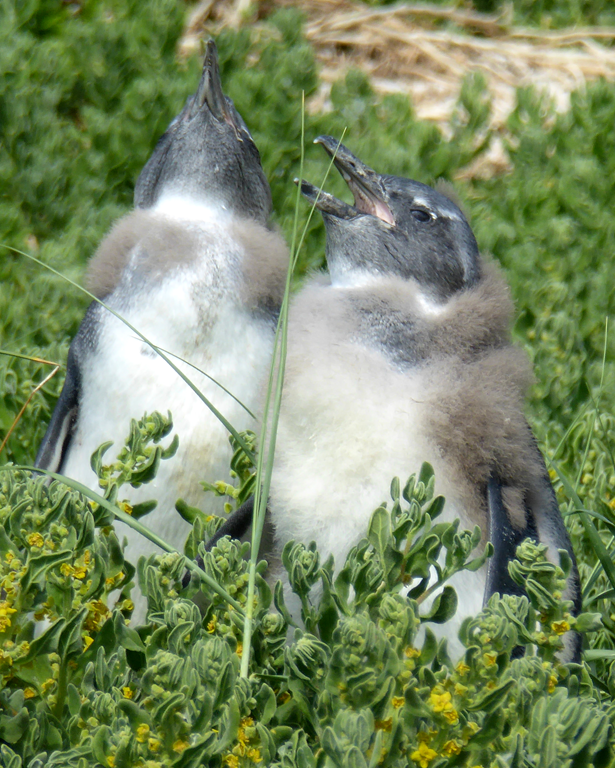
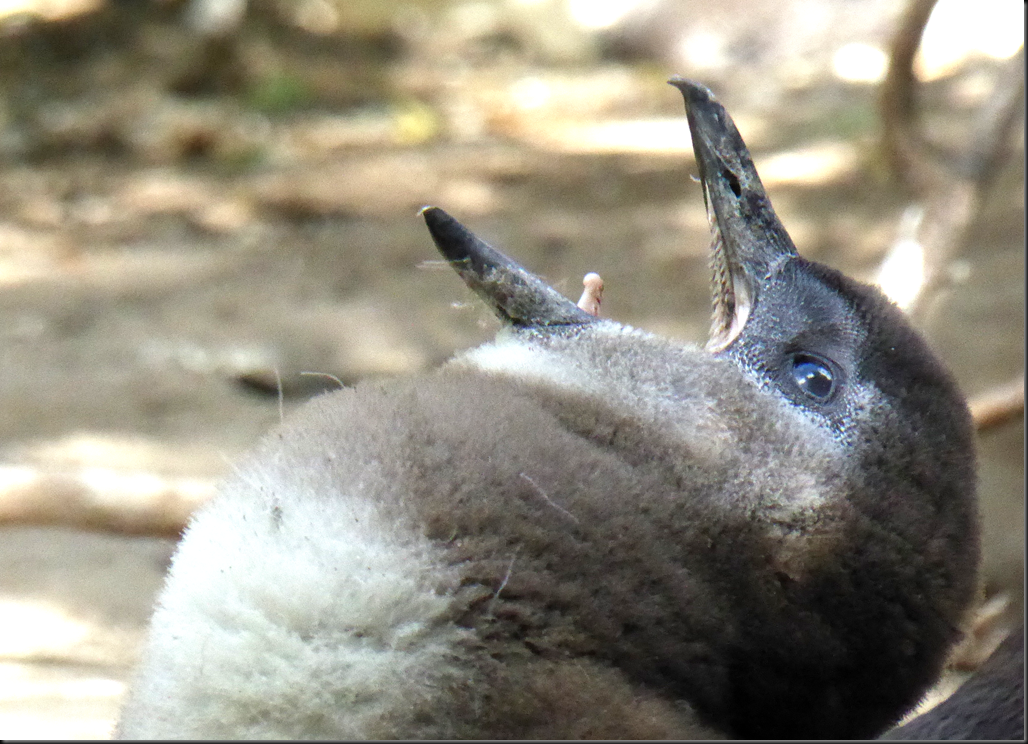
    But they are still loud when they were hungry.
    image

    Very loud.

    image

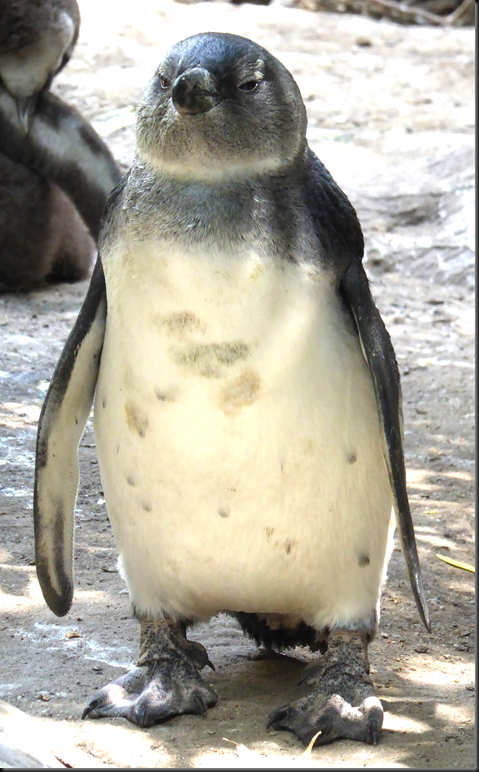
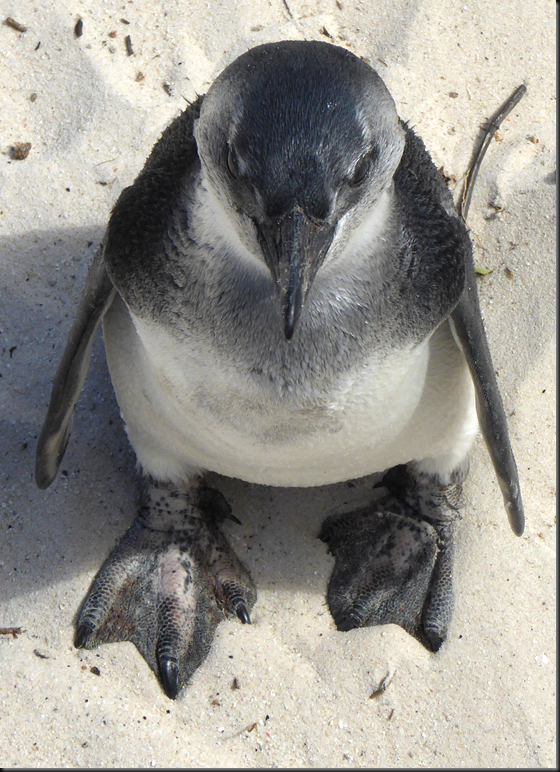
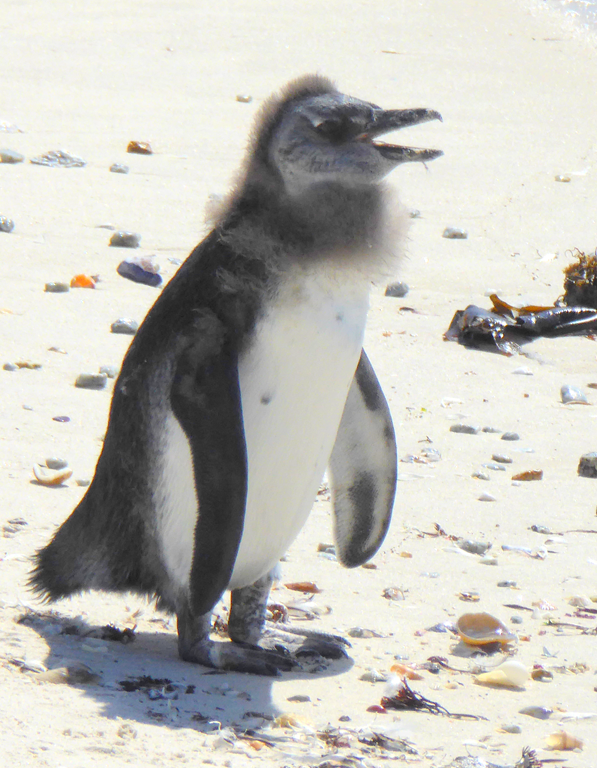
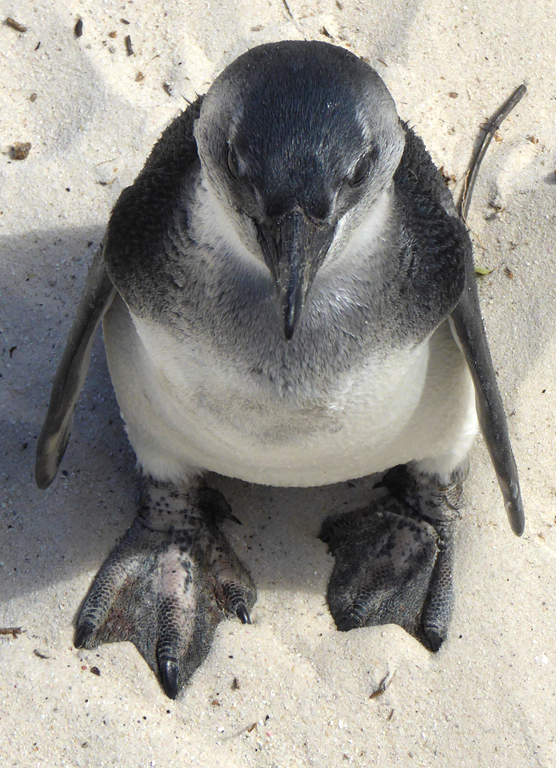
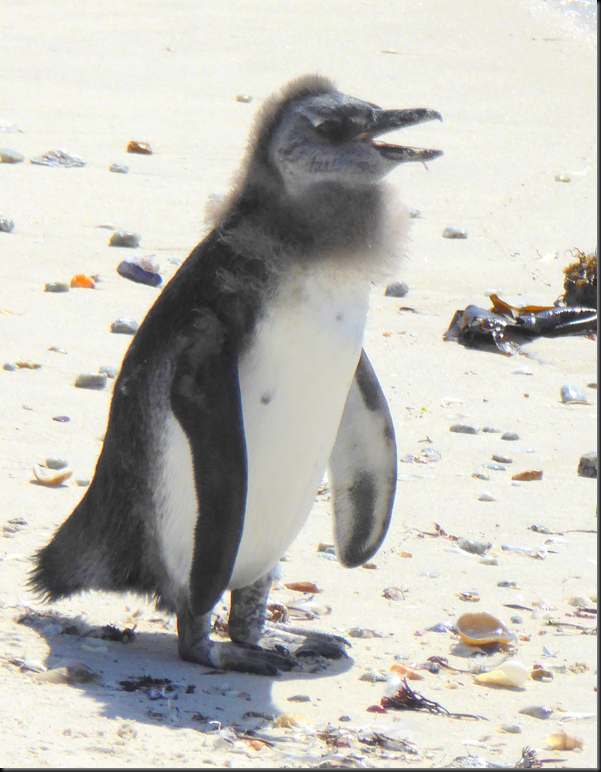
    When they get older they loose their fluffball feathers and become blue.
    image

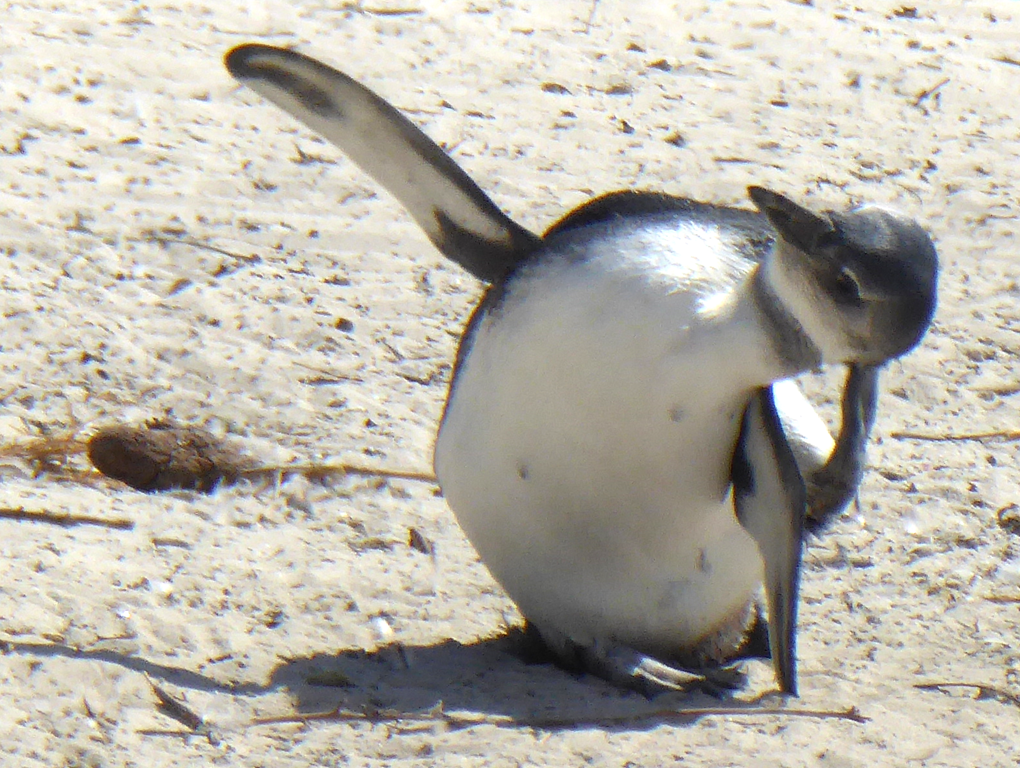
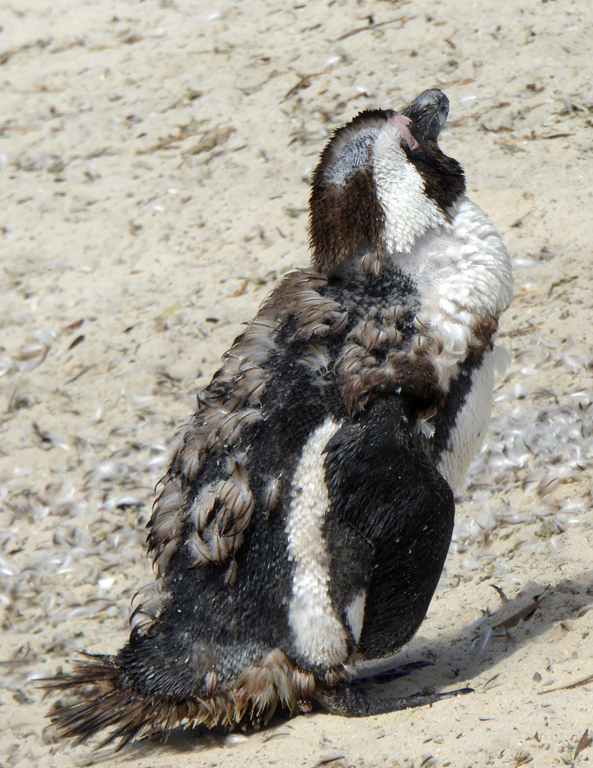
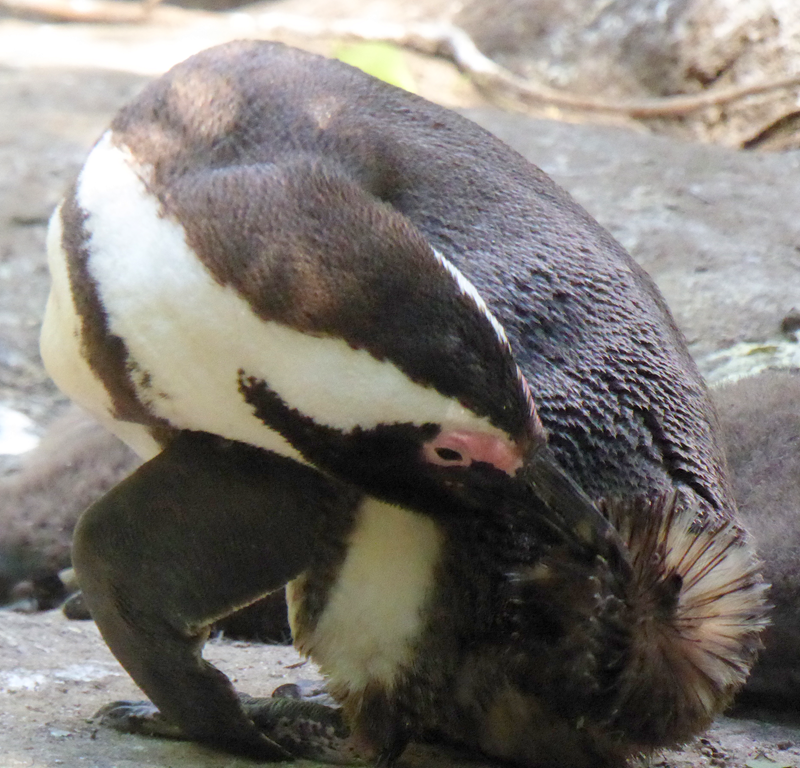
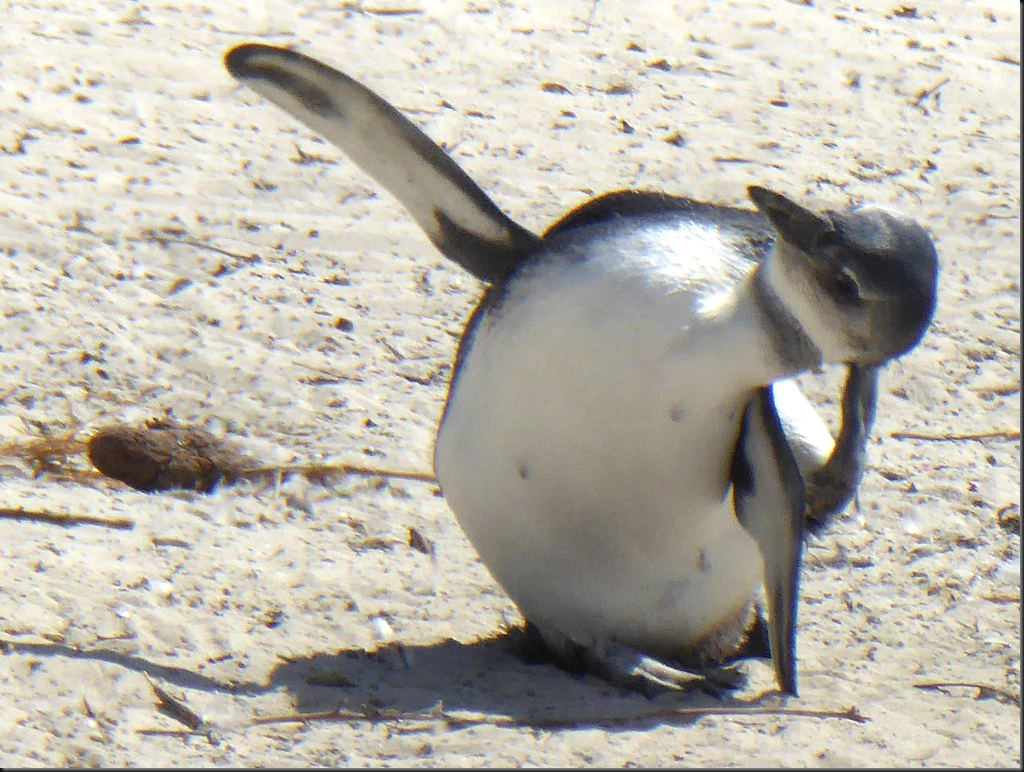
    The loose feathers itch and they spend a lot of time scratching.
    image

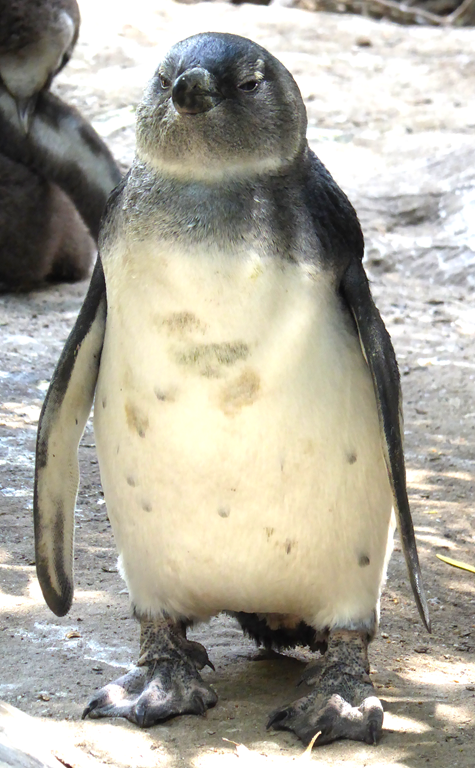
    Then they are teenagers.

    image

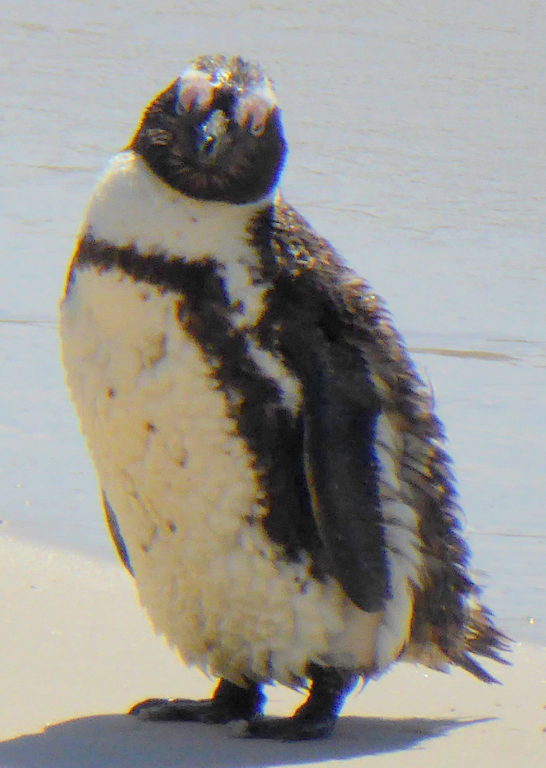
    And slightly less cute.

    image

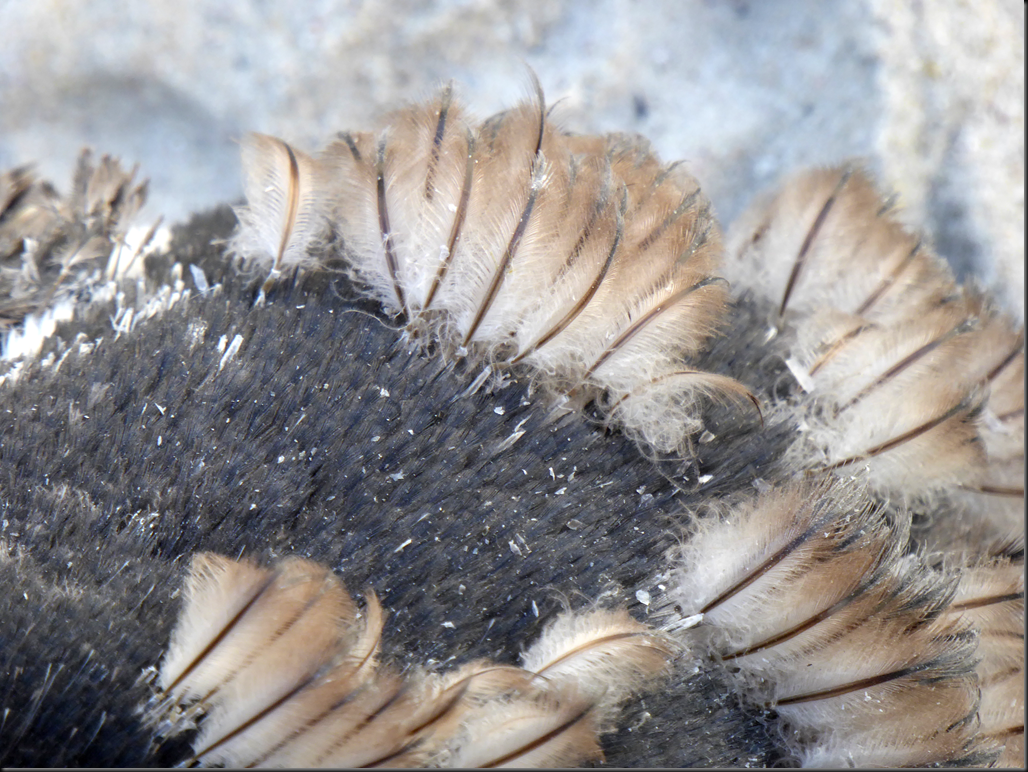
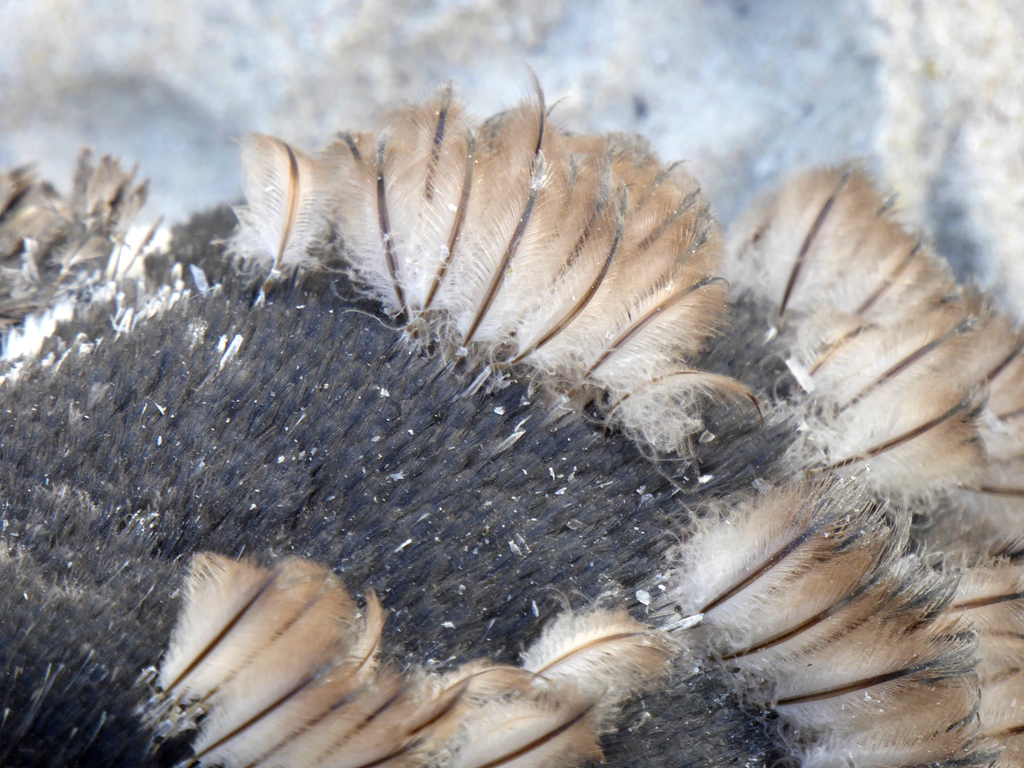
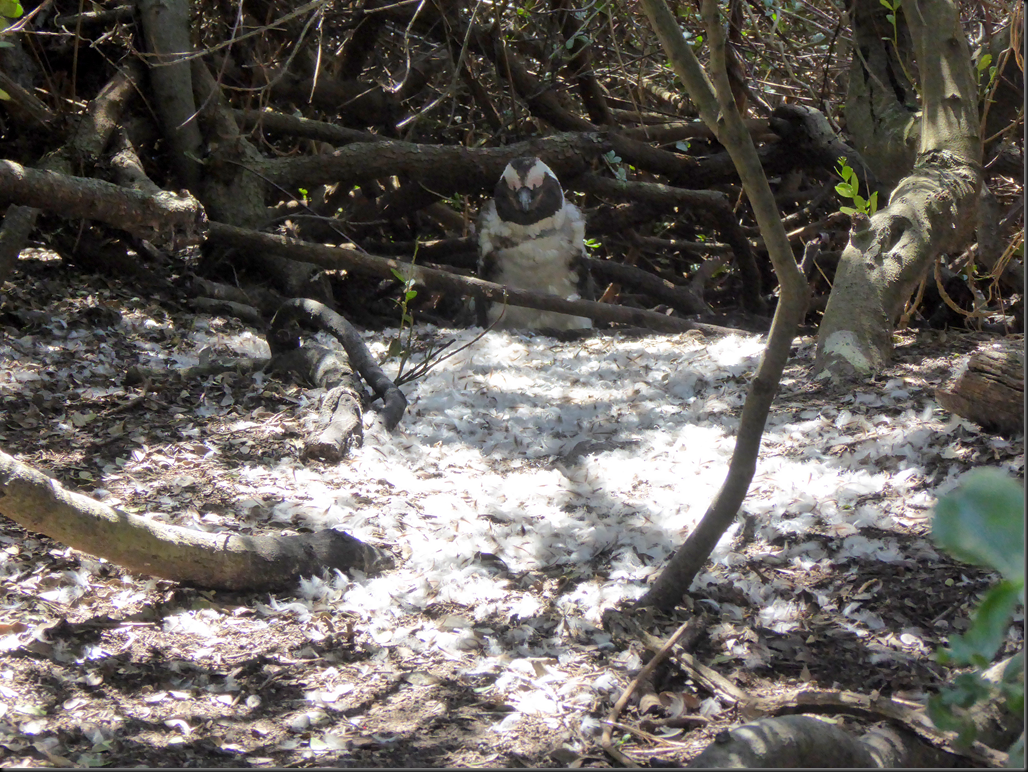
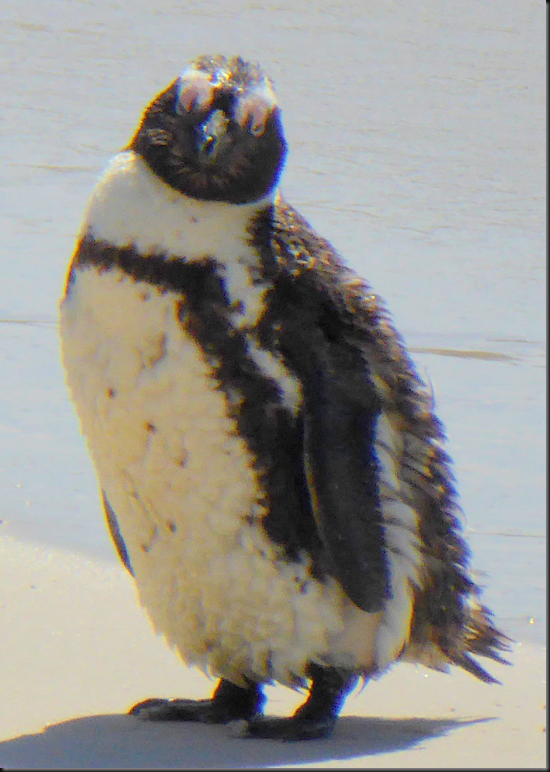
    They moult every year, loosing a ton of feathers every time. Eventually they become black and white adults.
    image

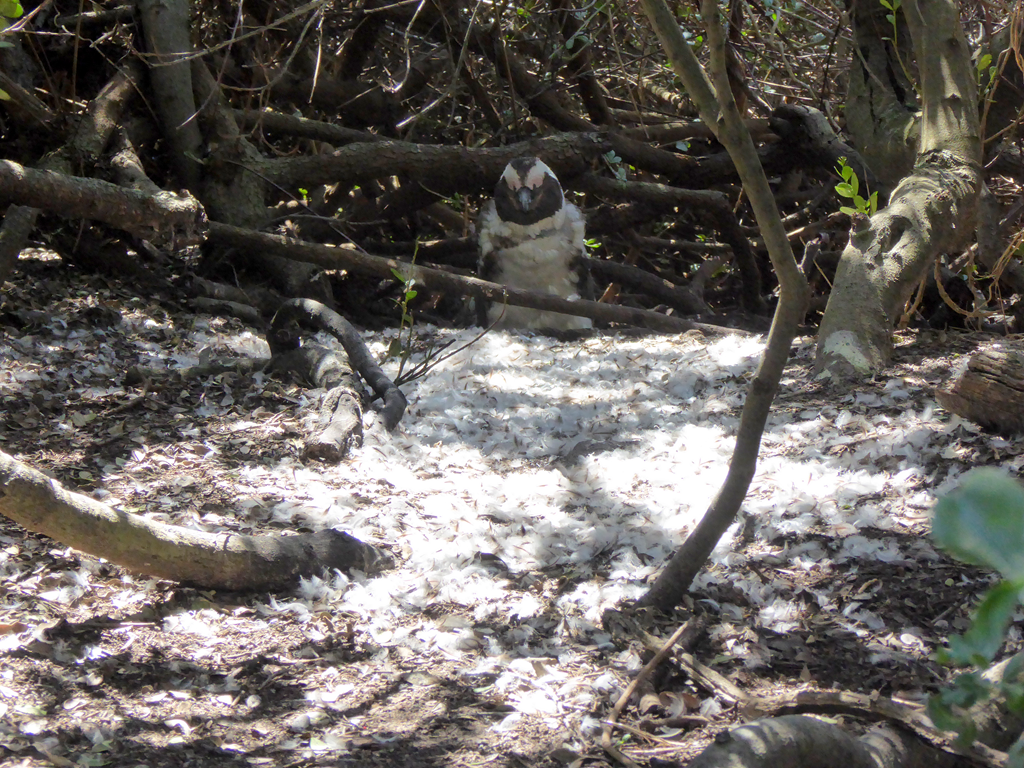
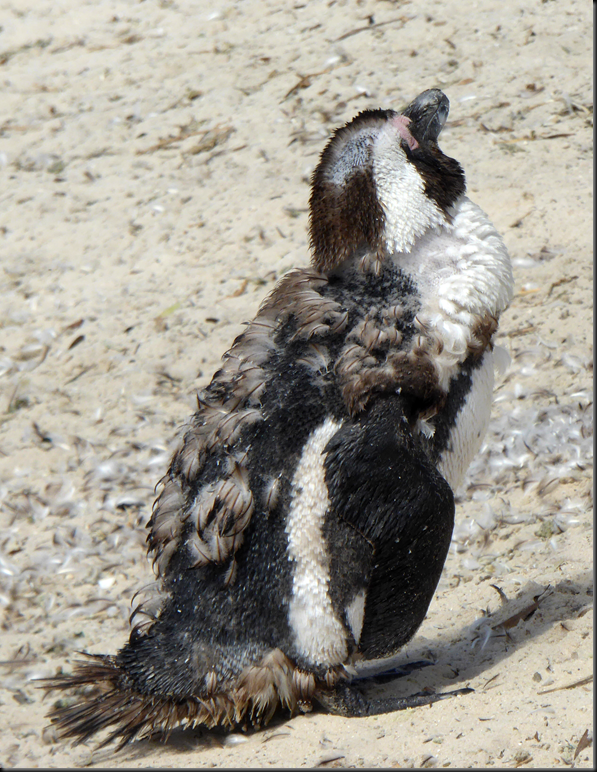
    The leftover feathers look funny.

    image

    They can’t fish while they are moulting, so they get very hungry.
    image

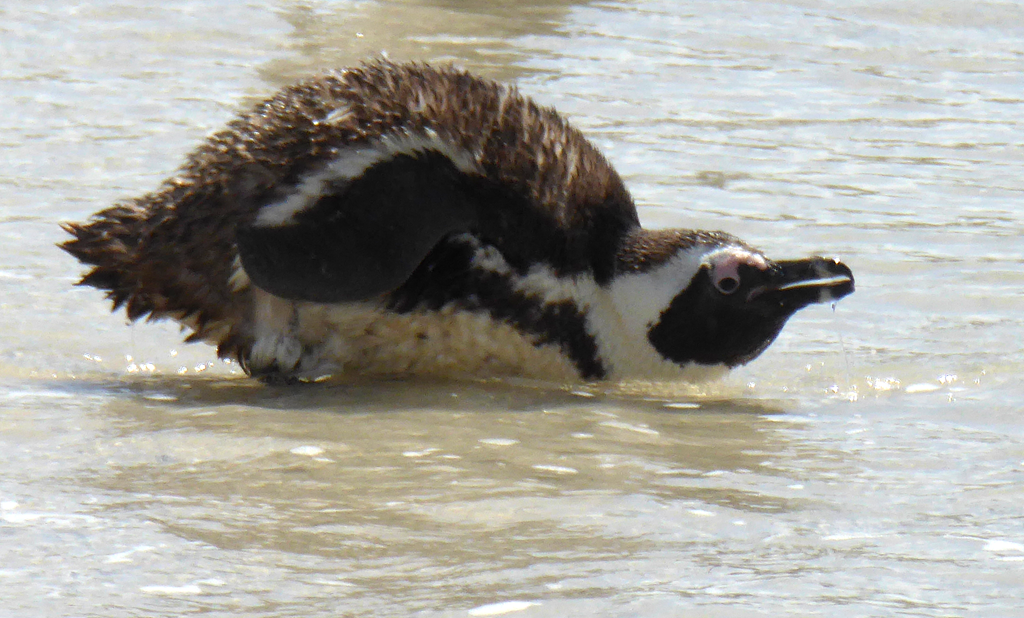
    They can’t swim well and get cold because they are not properly waterproofed.
    image

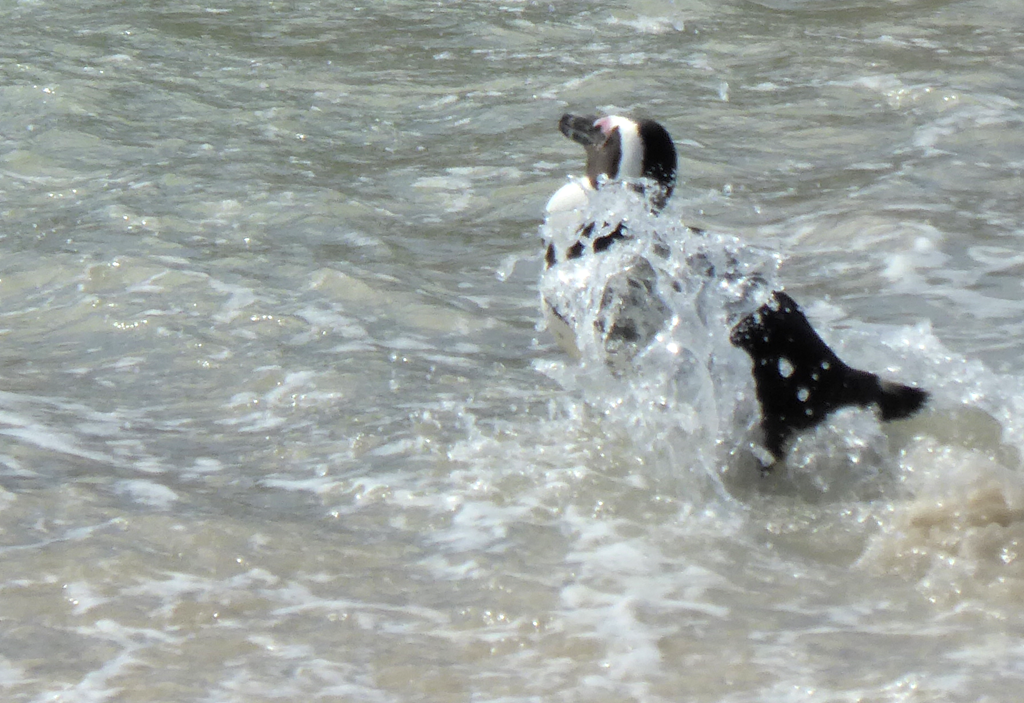
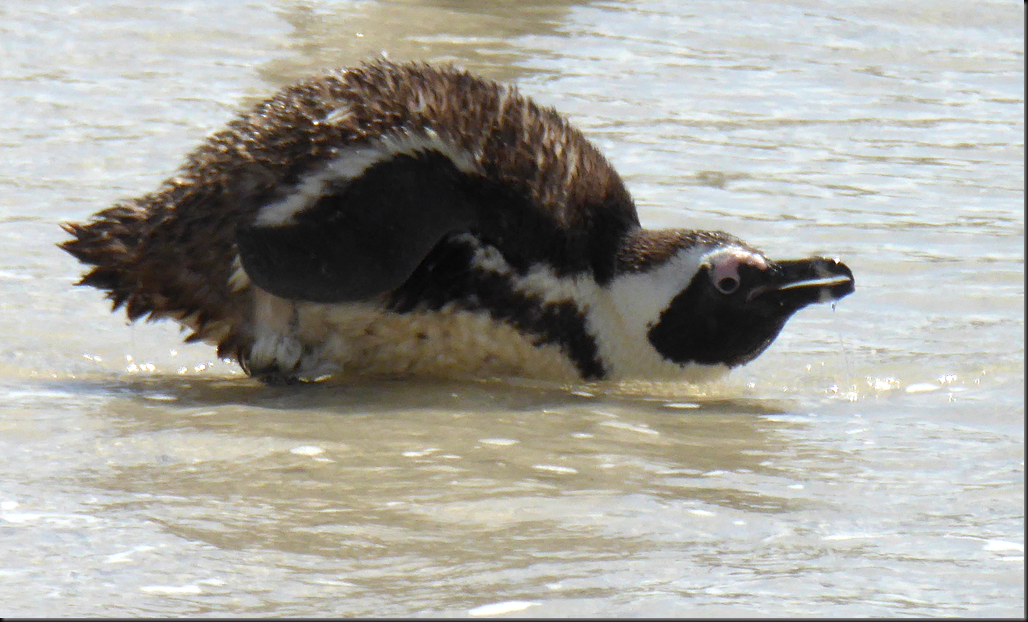
    But they still wade in, presumably to cool off.
    image

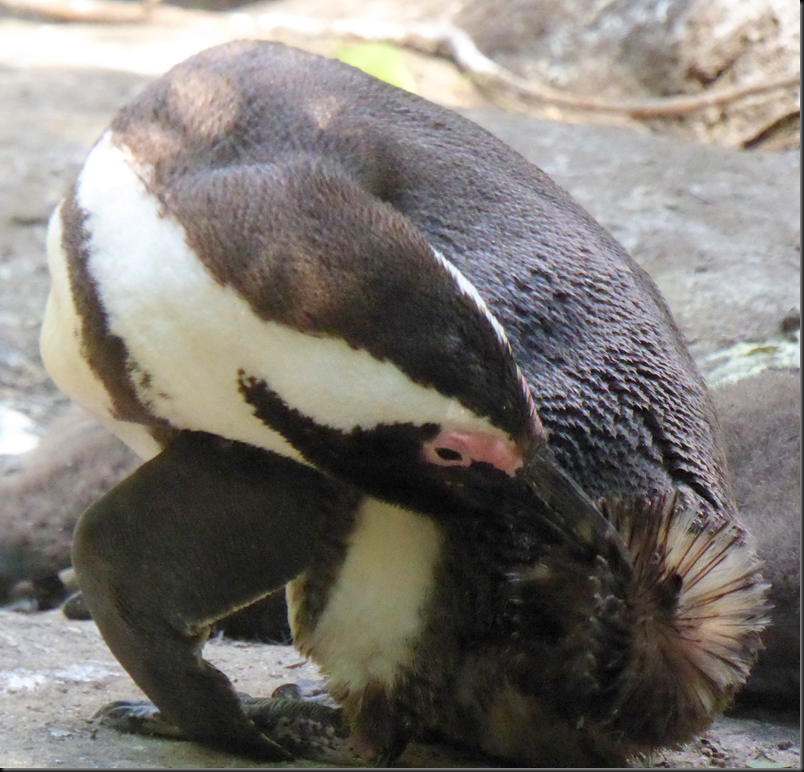
    They pick most of the loose feathers out with their beaks.
    image

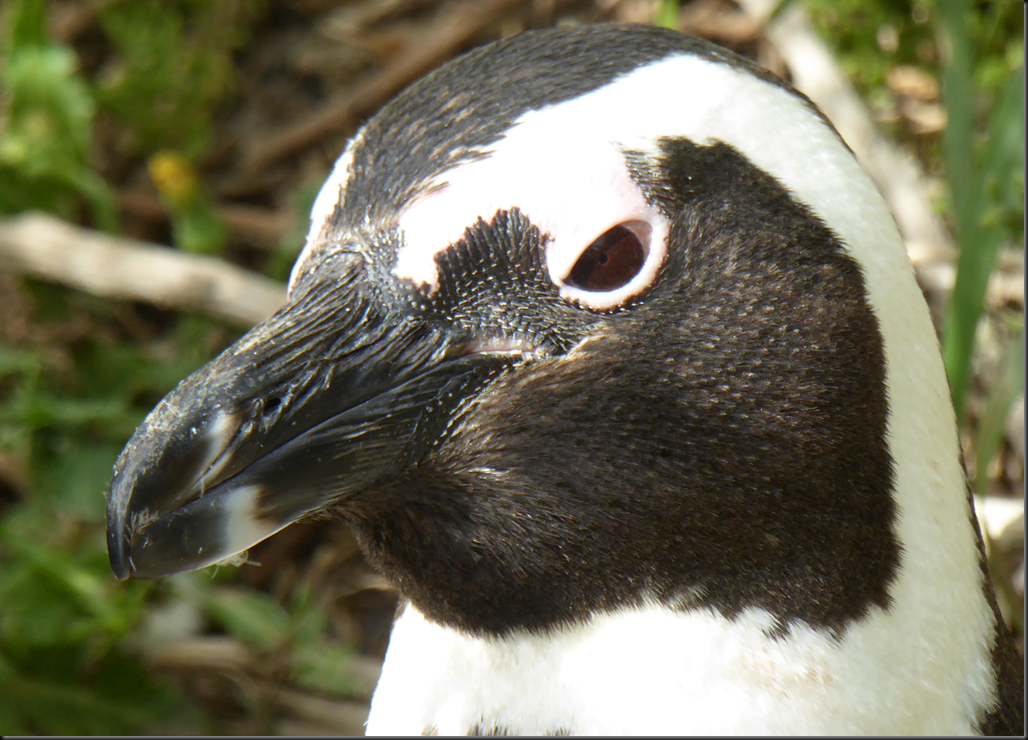
    The adults are not at all fluffy.

    image

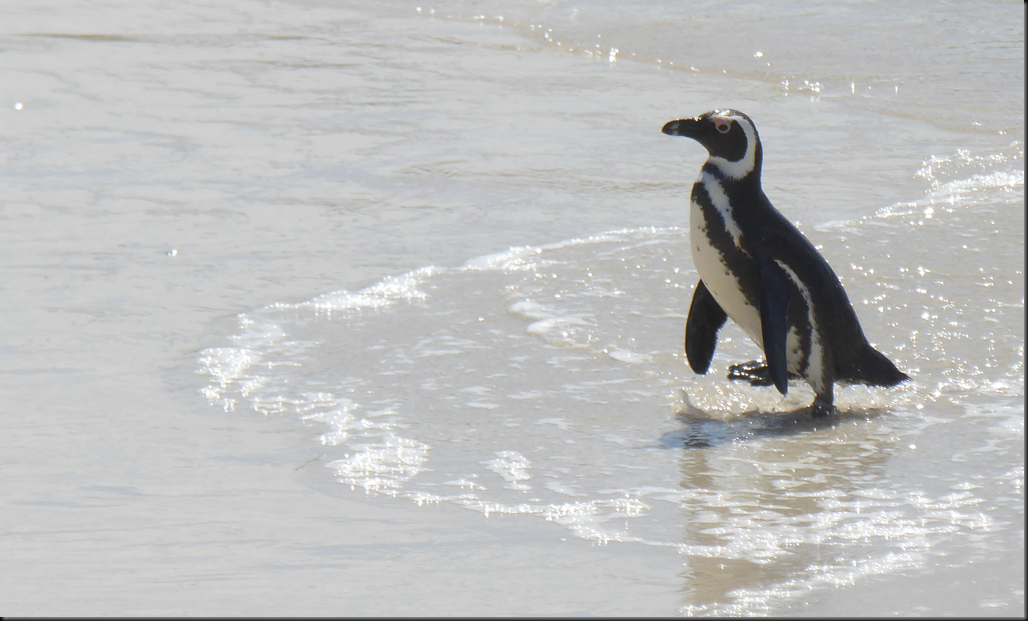
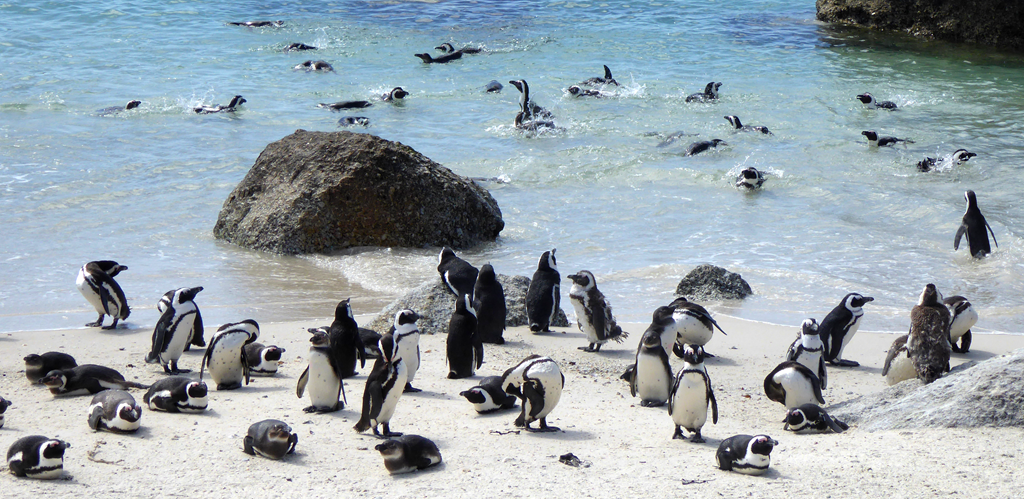
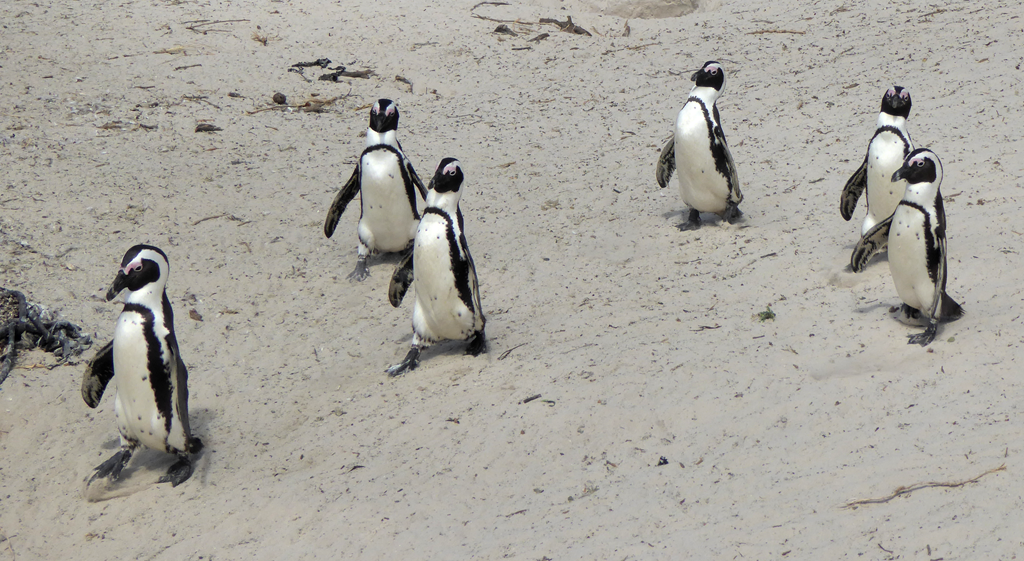
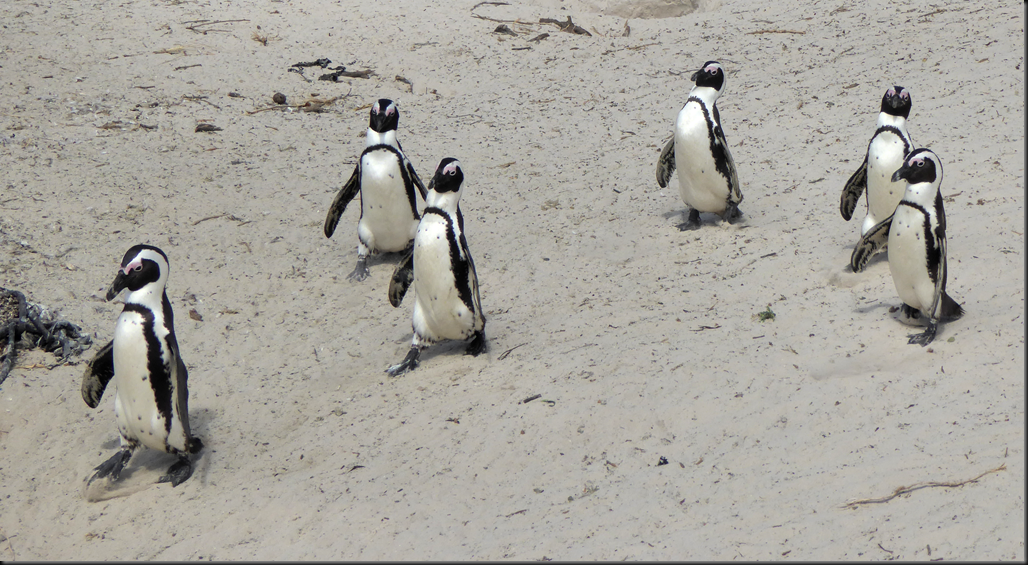
    They march in groups down to the water.
    image

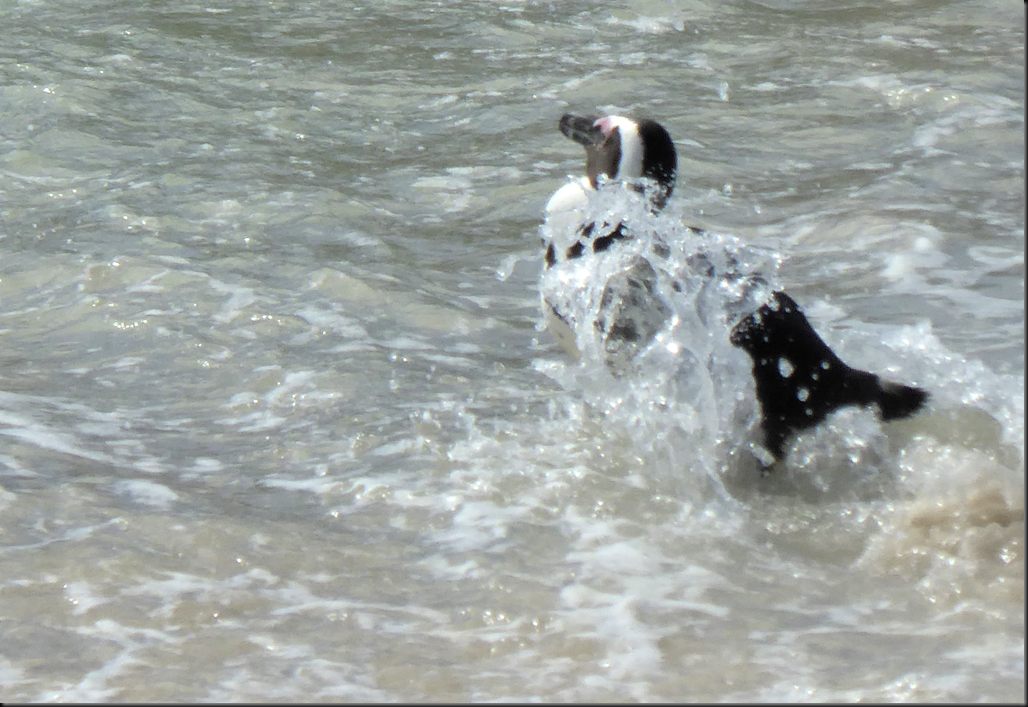
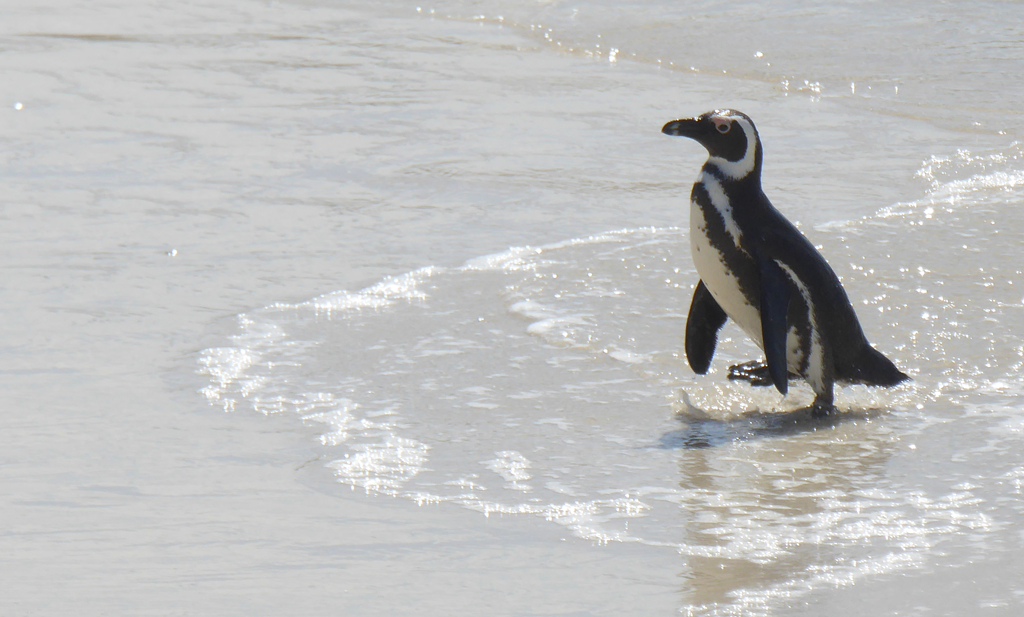
    And wade in.

    image

    Until it gets too deep to wade.

    image

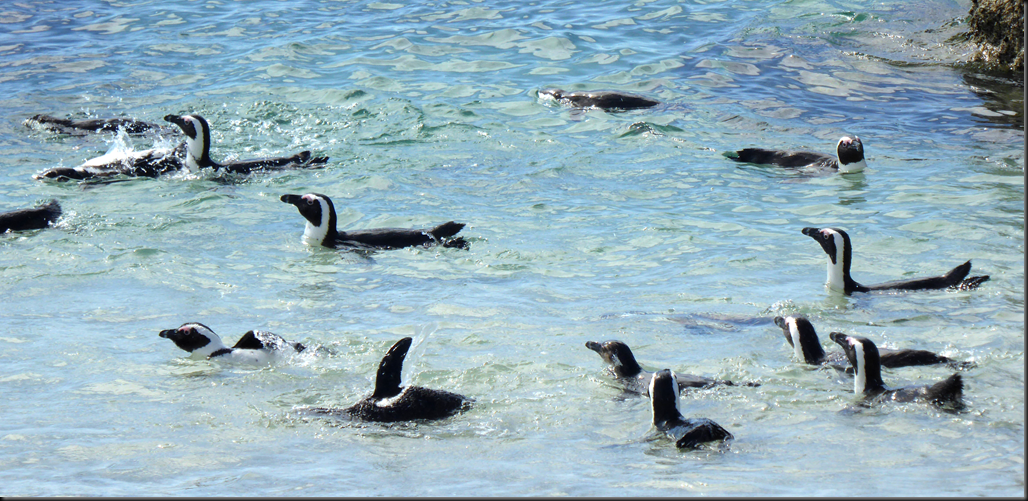
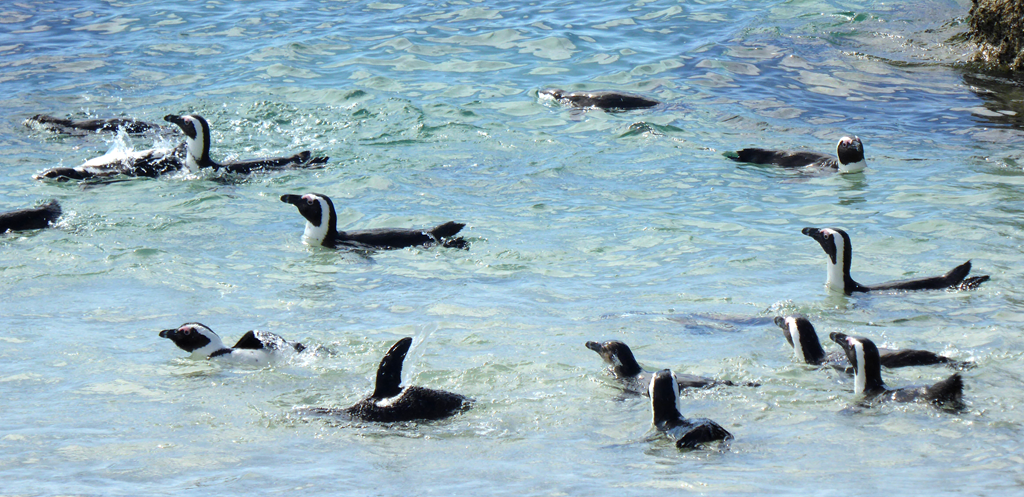
    Then they swim.

    image

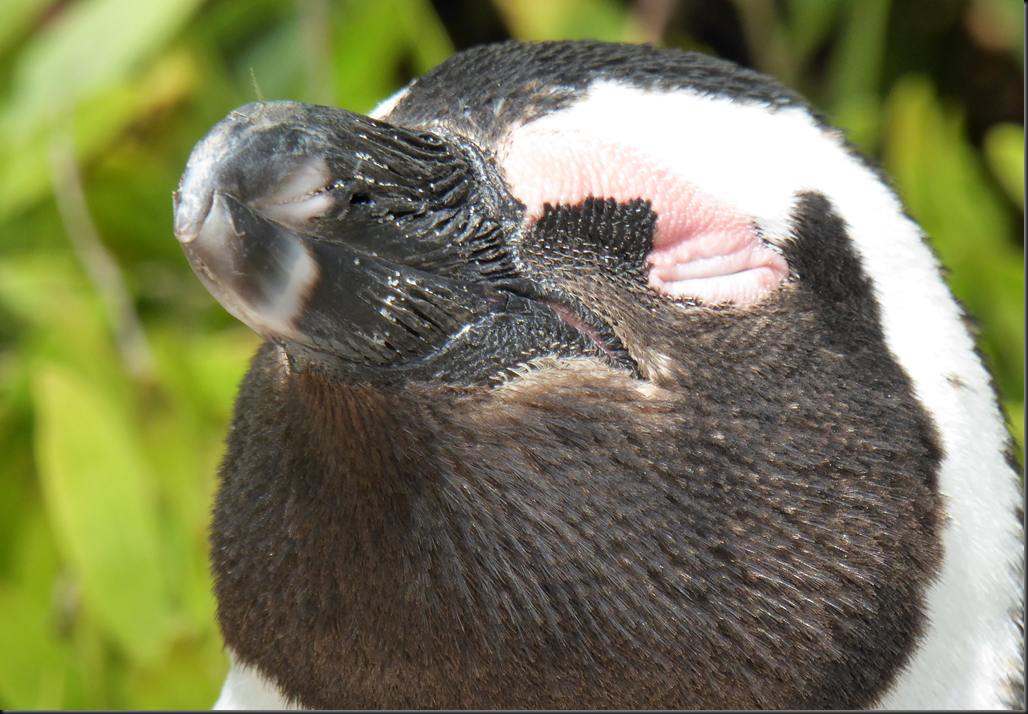
    When they are not swimming the spend a lot of time standing around looking displeased.
    image

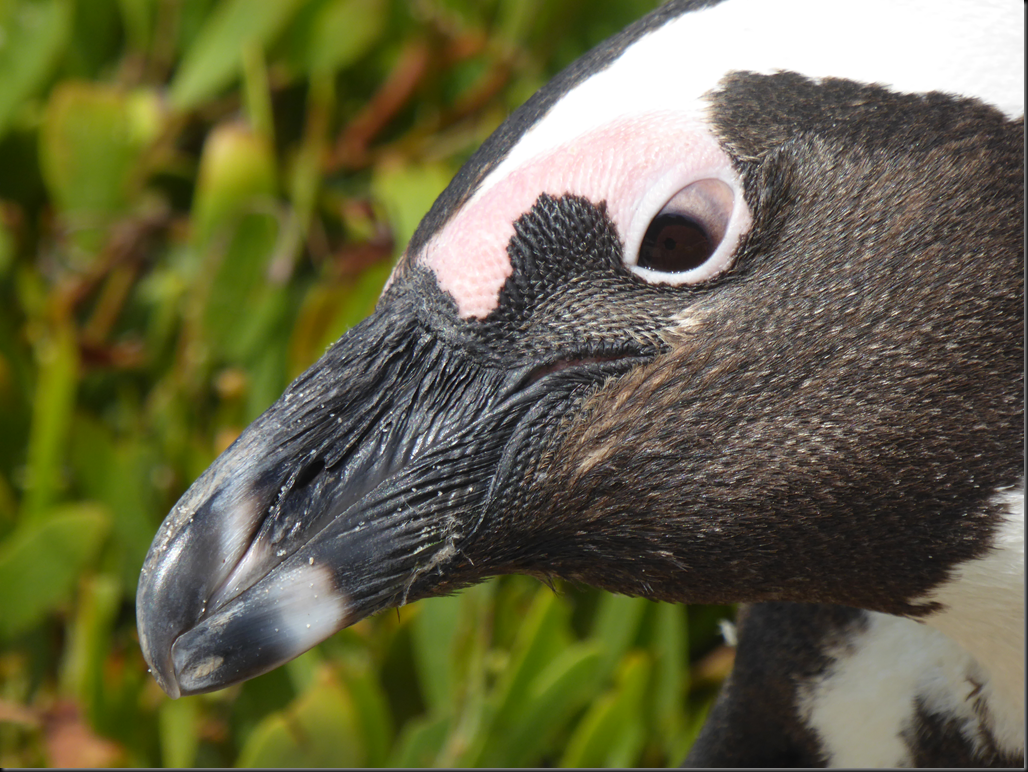
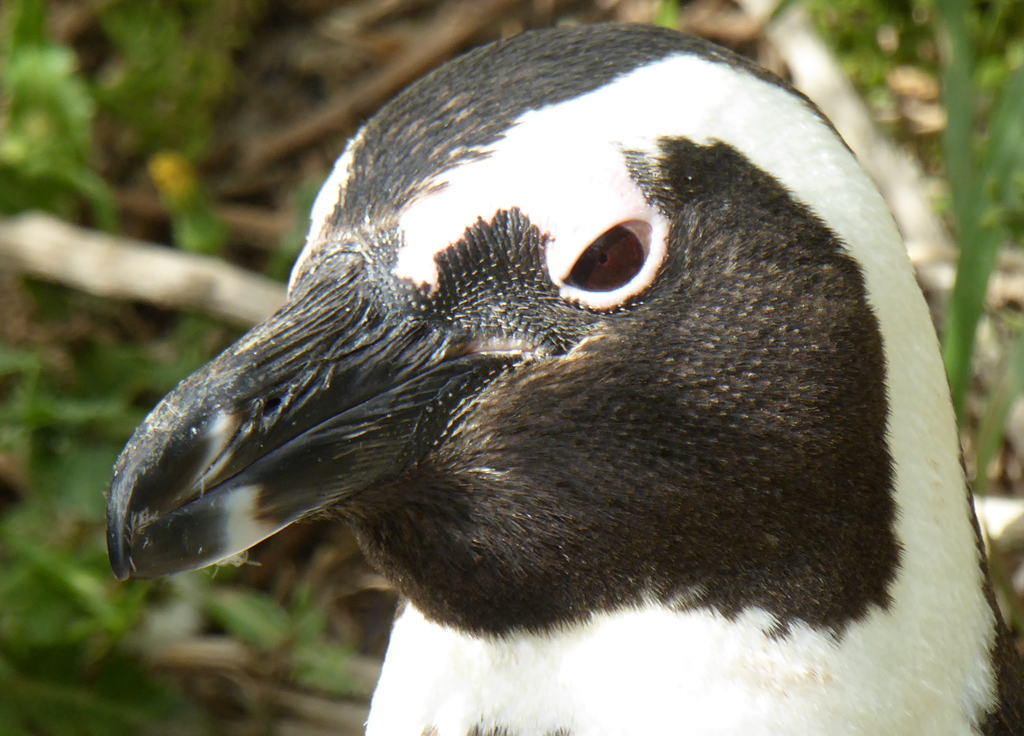
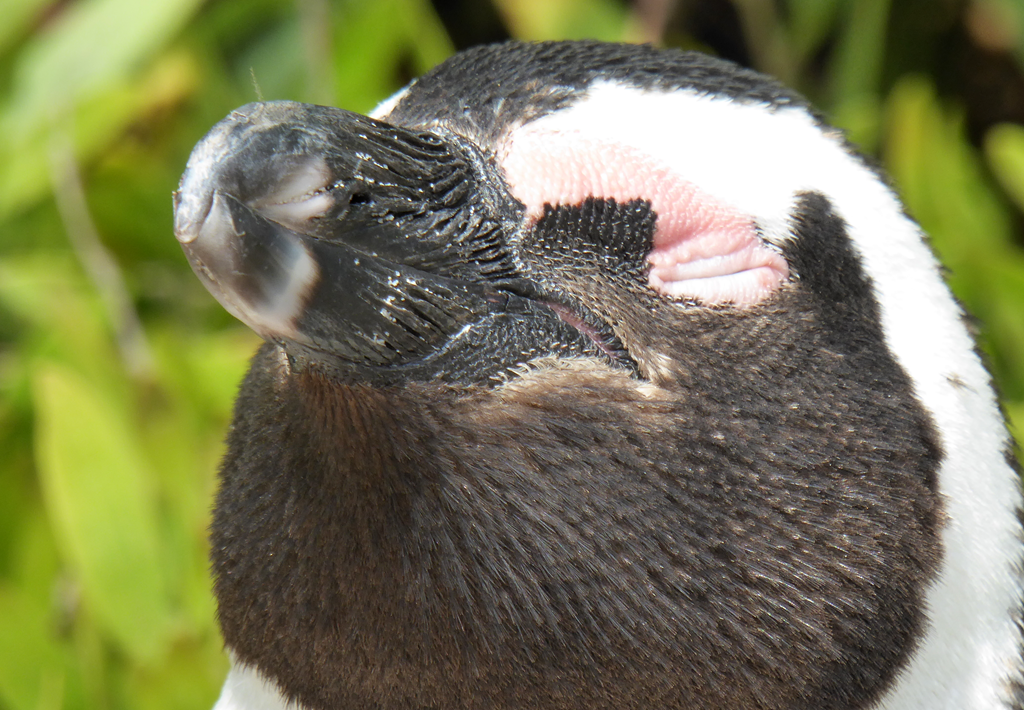
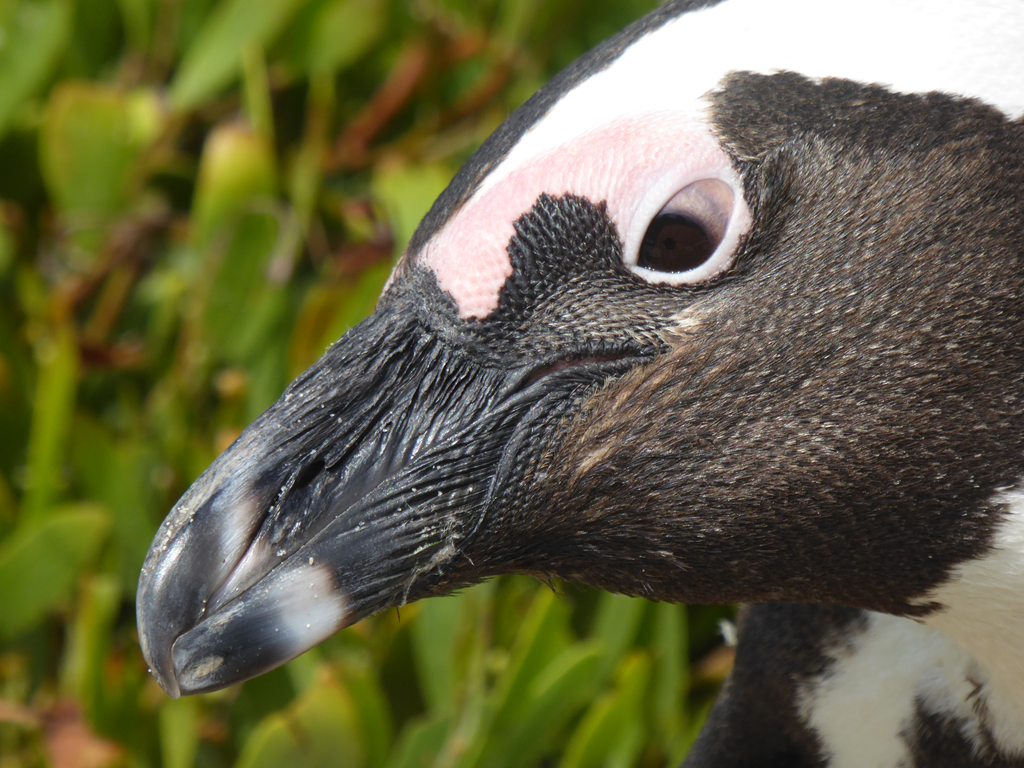
    Or staring at things.

    image