• Category Archives kenya
  • Lake Nakuru

    This was the first lake we visited in Africa. It is an alkaline lake.

    image_thumb[18]

    You should know what these are by now. We’ve seen several different species all around the world thus far. image_thumb[19]

    This is a heron. (The last ones were cormorants if you couldn’t remember).

    image_thumb[20]


  • Morning at Lake Nakuru

    As we left camp we did a morning game drive.
    image

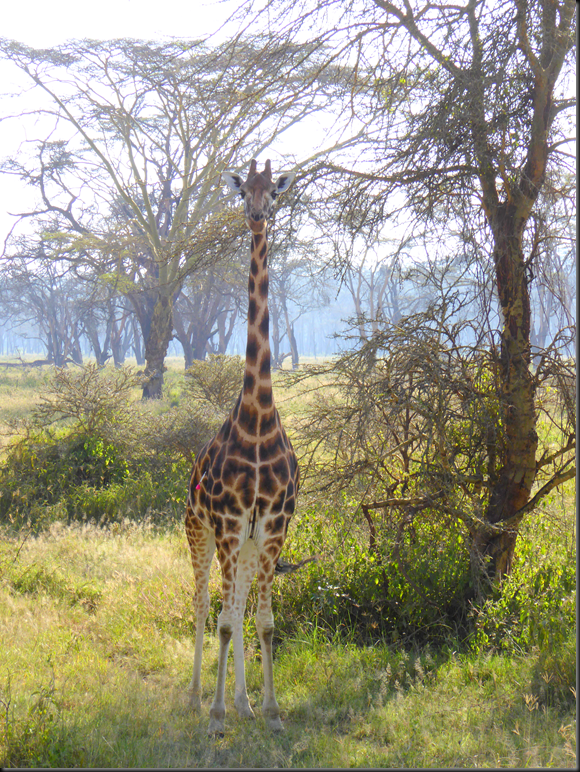
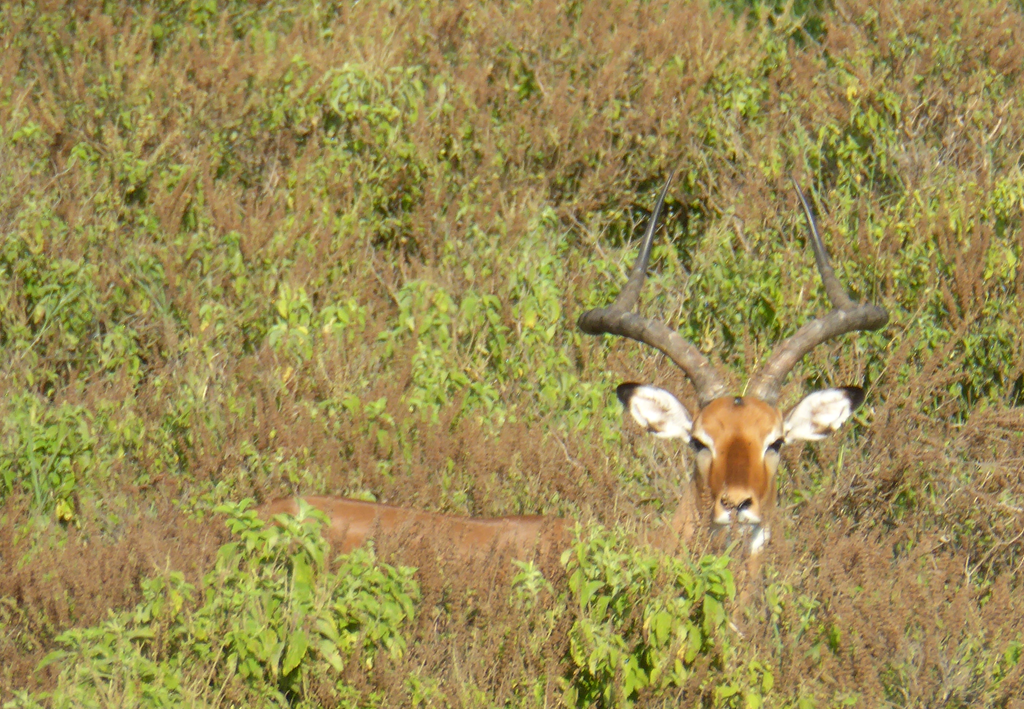
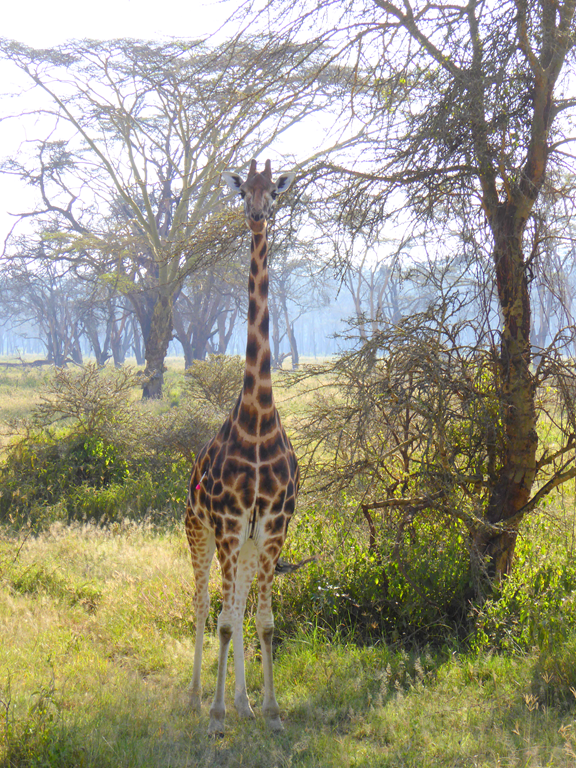
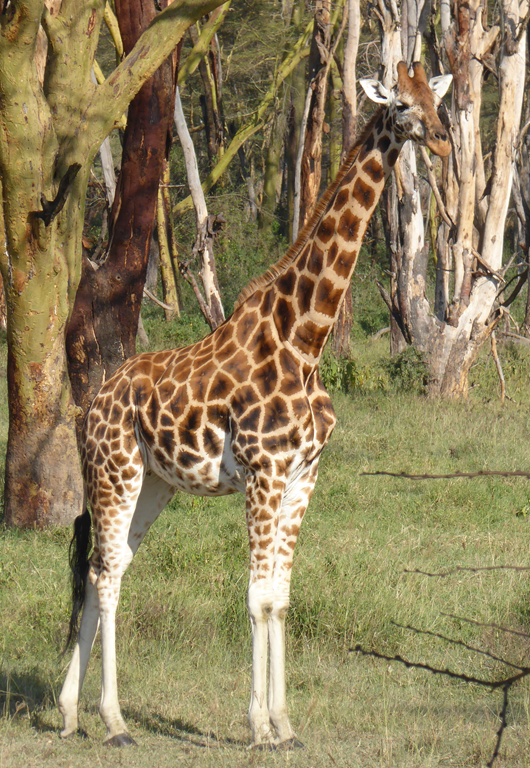
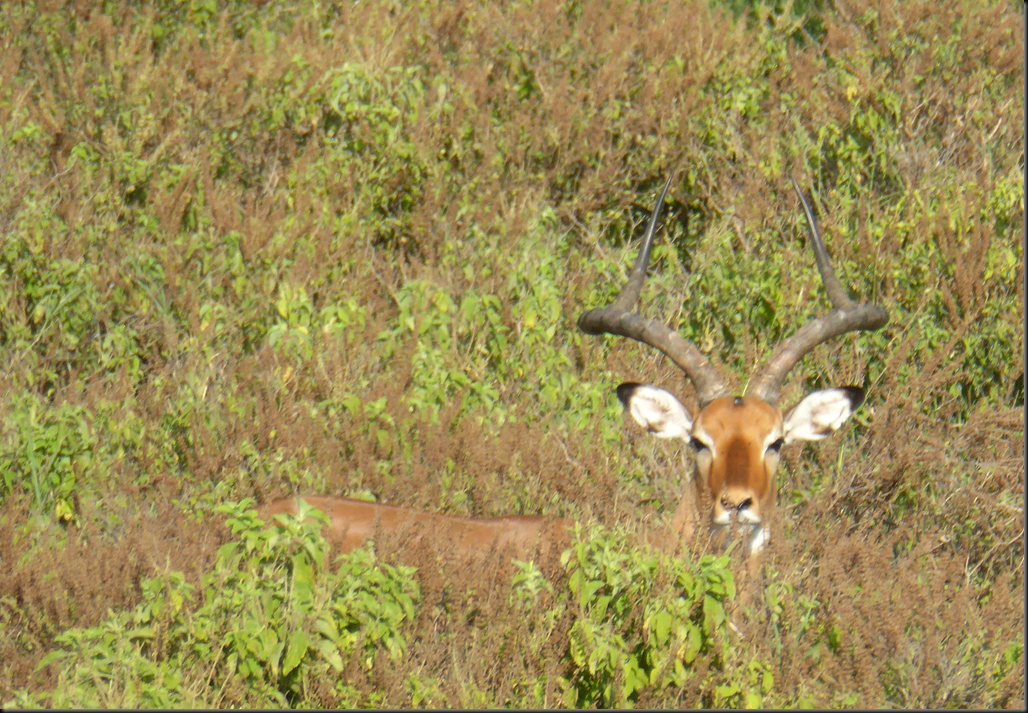
    The usual suspects were out.

    image

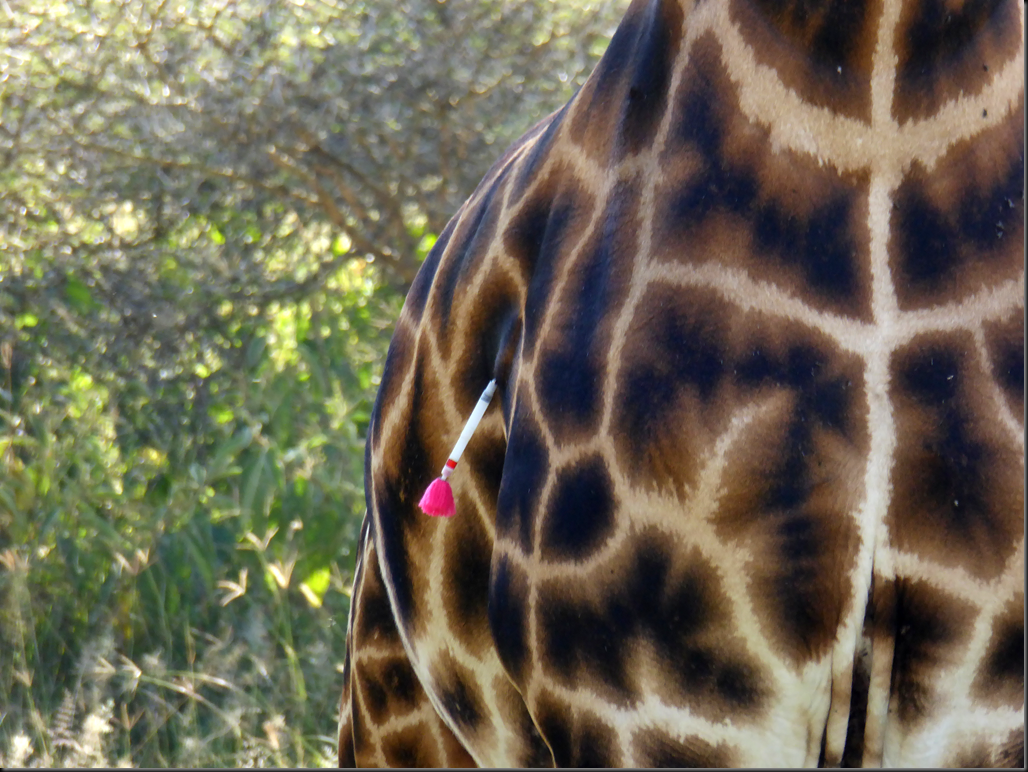
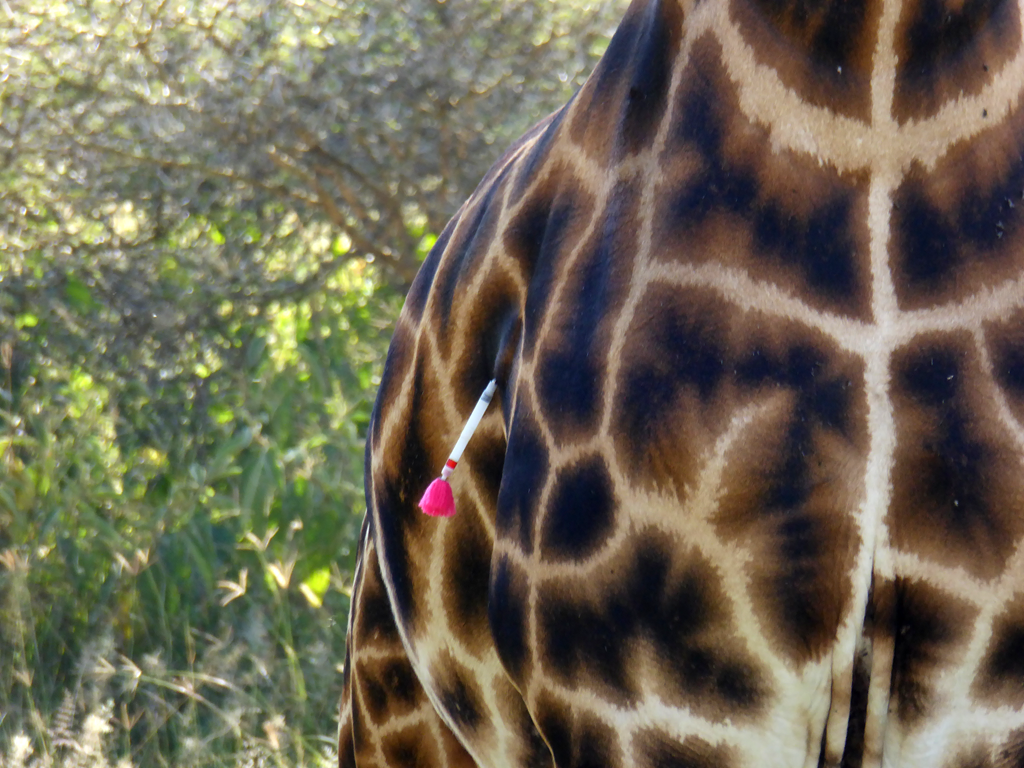
    This is a medication dart.

    image

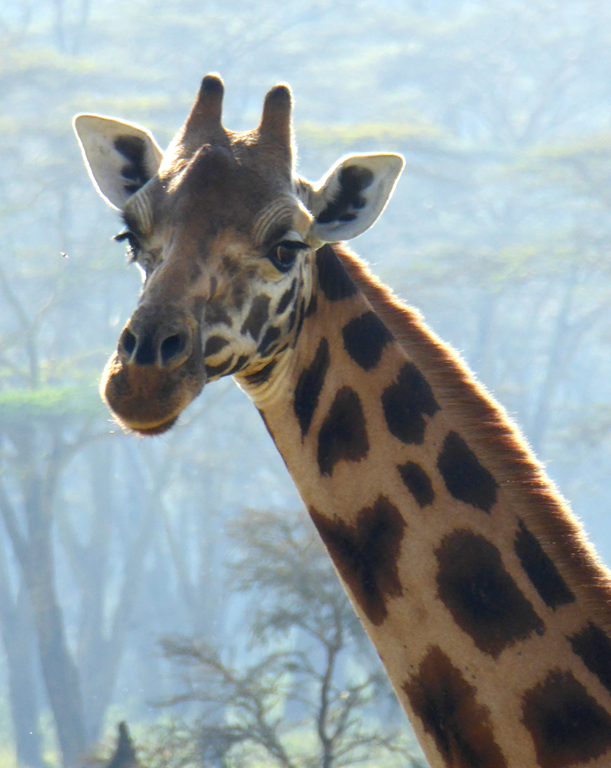
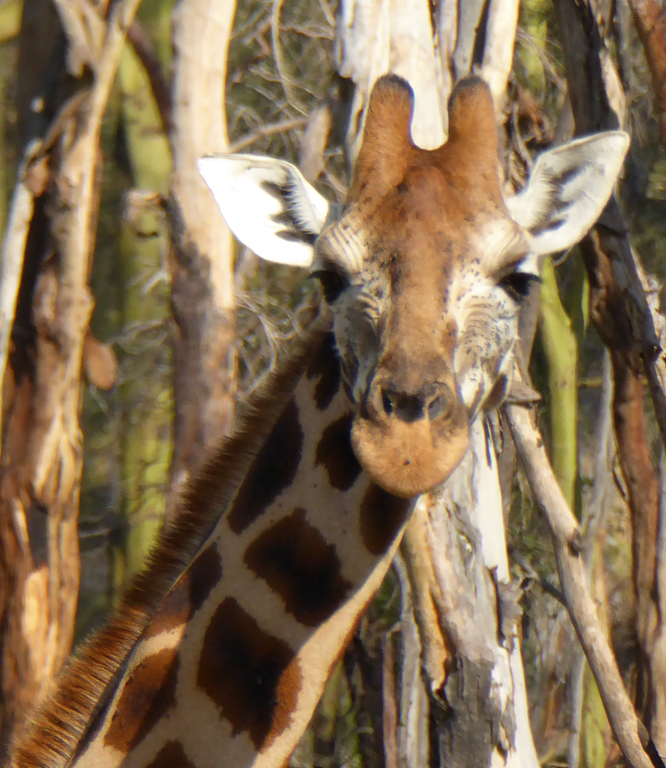
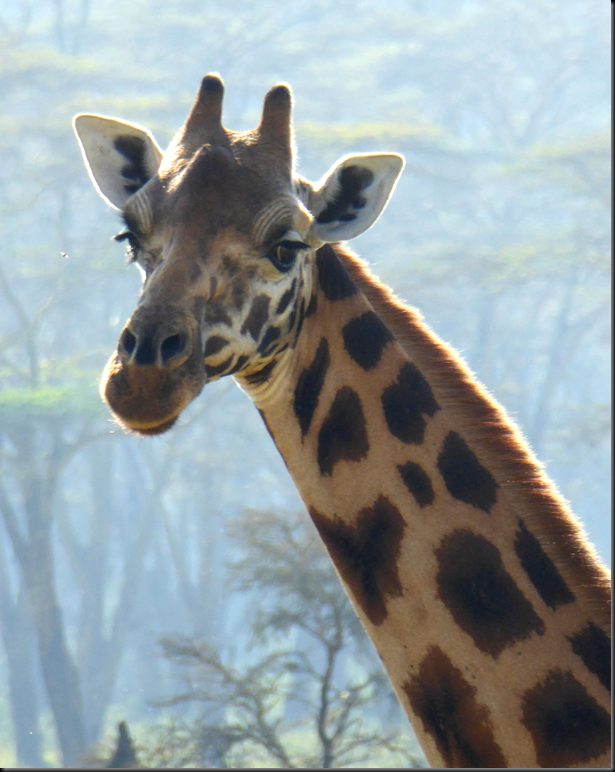
    The giraffes gave us a look as we drove past.
    image

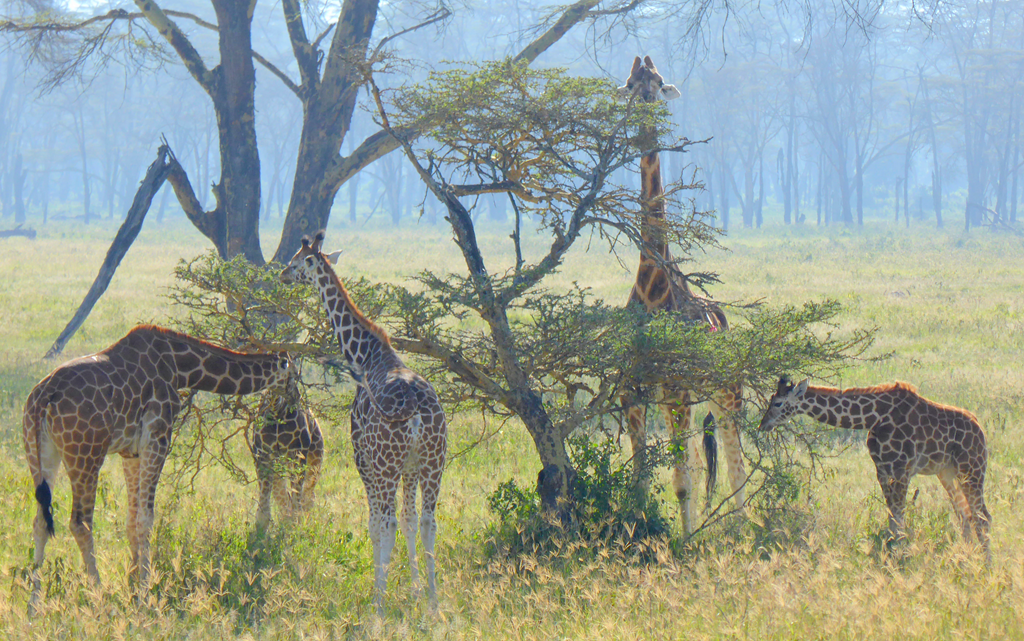
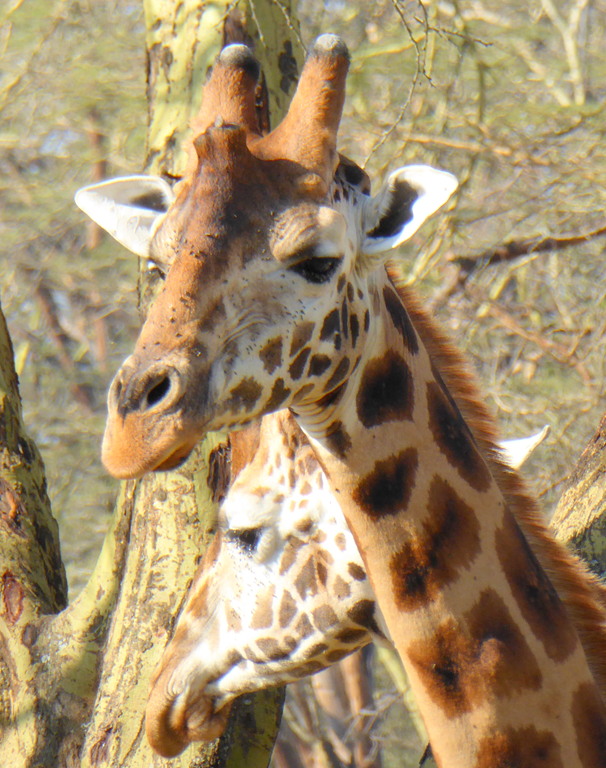
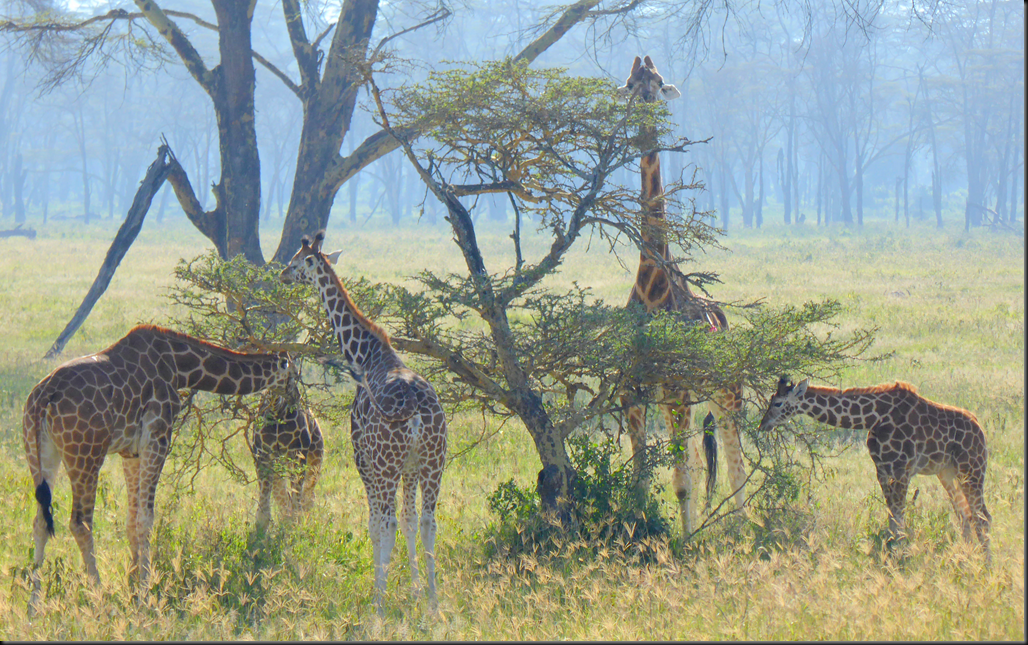
    The whole family could work on this tree from lower branches to the upper.
    image

    Giraffes can’t eat the same tree for long as many release compounds that make it taste very bitter so then they wander to the next tree.
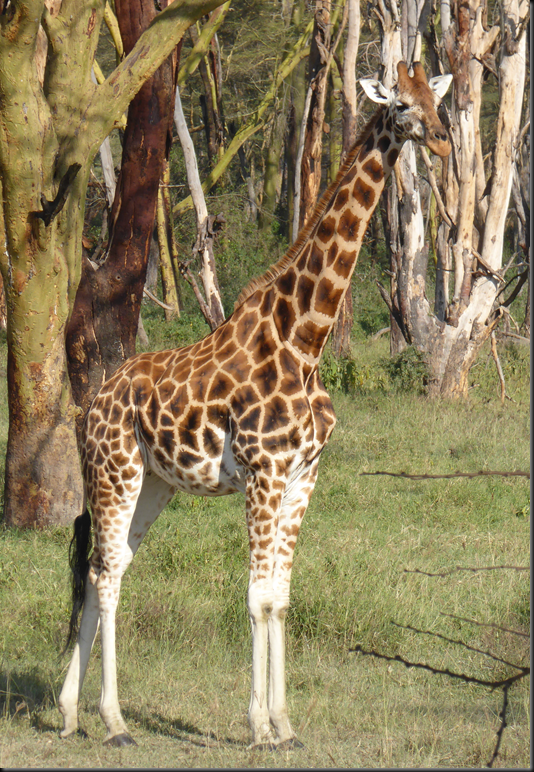
    image

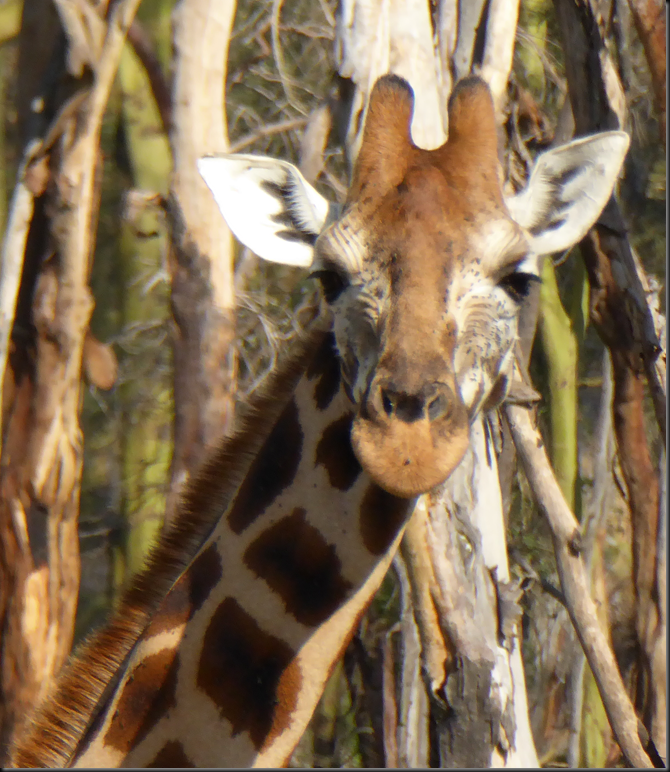
    They can be used to determine the direction of the wind because they always walk into the wind.
    image

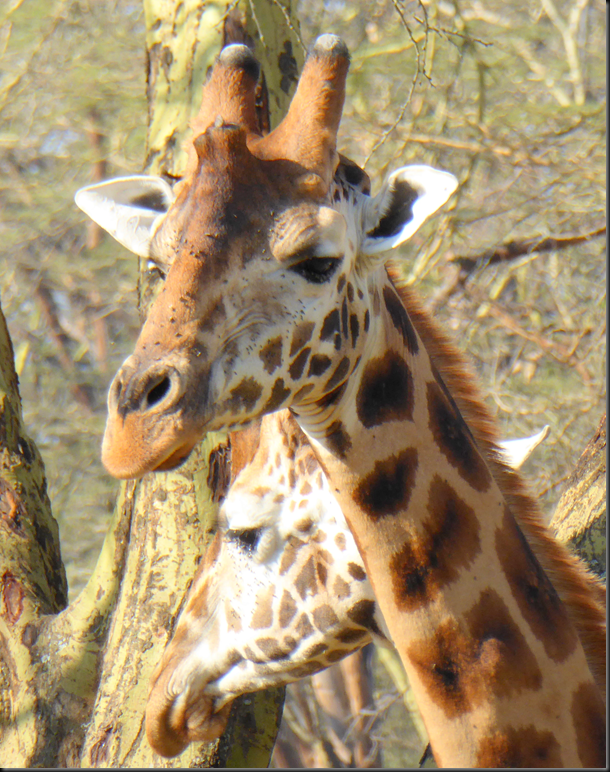
    That’s because the plant that is being eaten can signal downwind plants that they are being eaten and go bitter.
    image

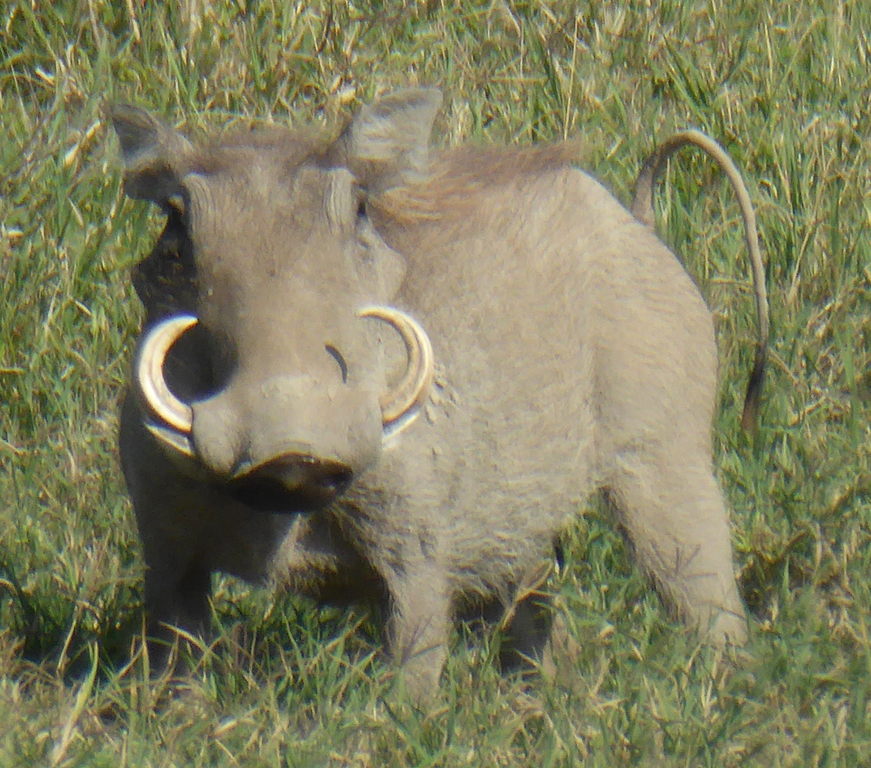
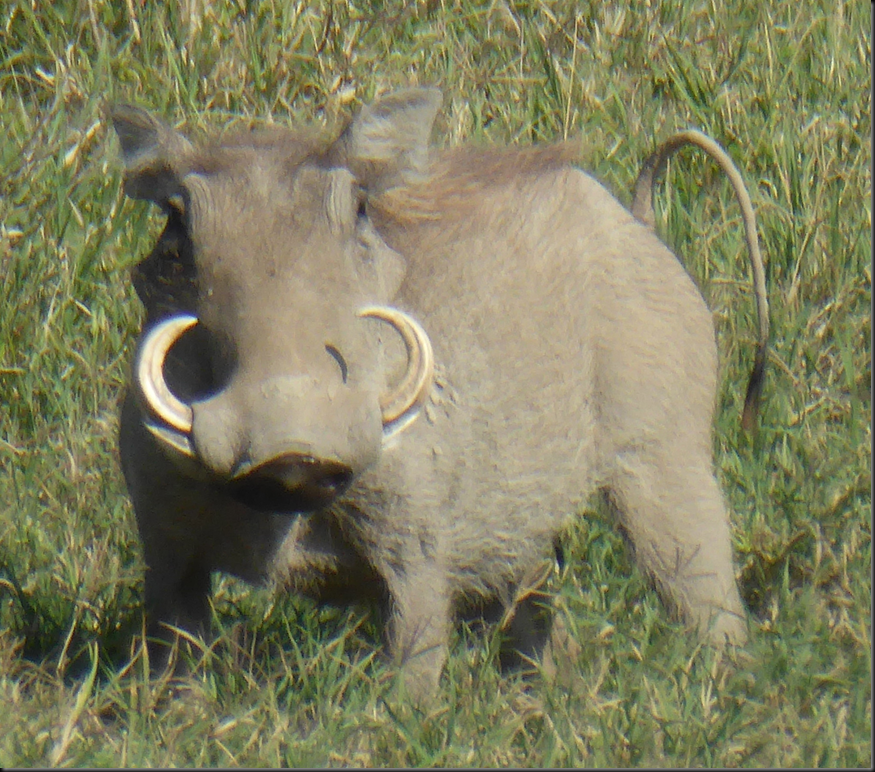
    A couple warthogs were spotted walking around.
    image

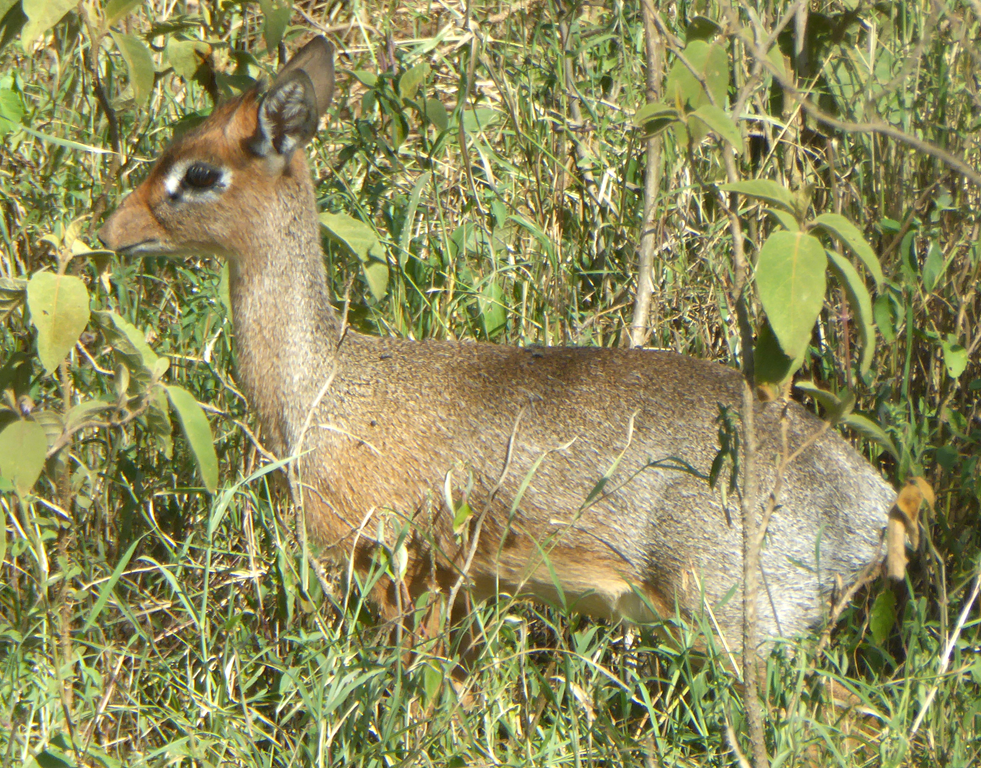
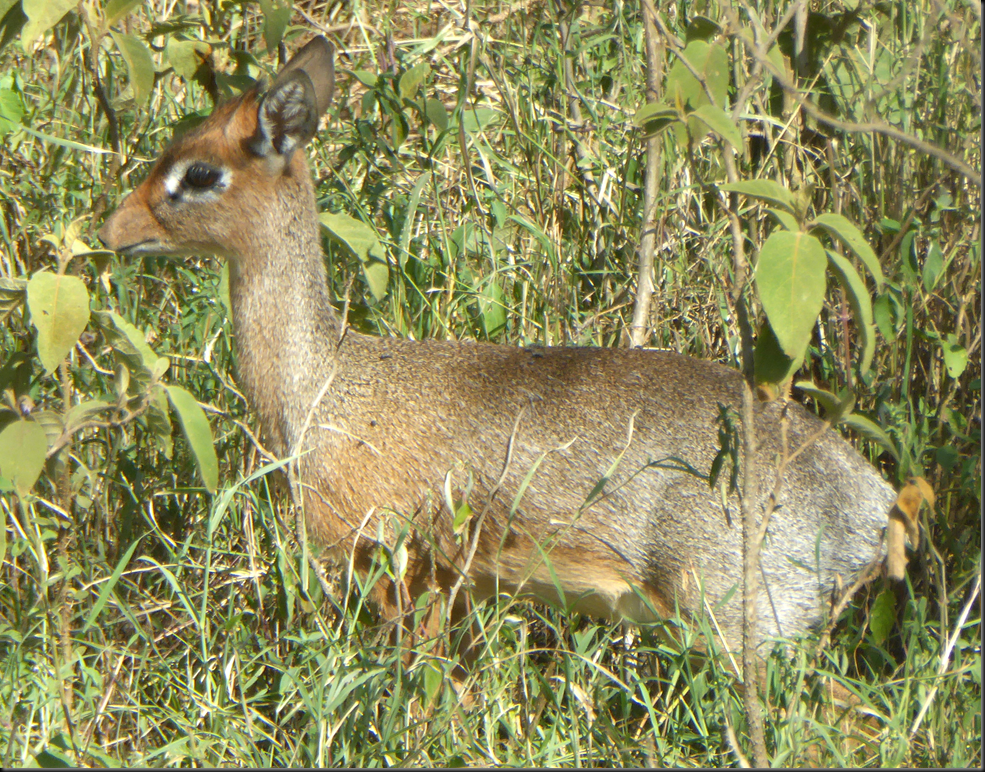
    We also saw our first dik dik. This is the smallest of the gazelles.
    image

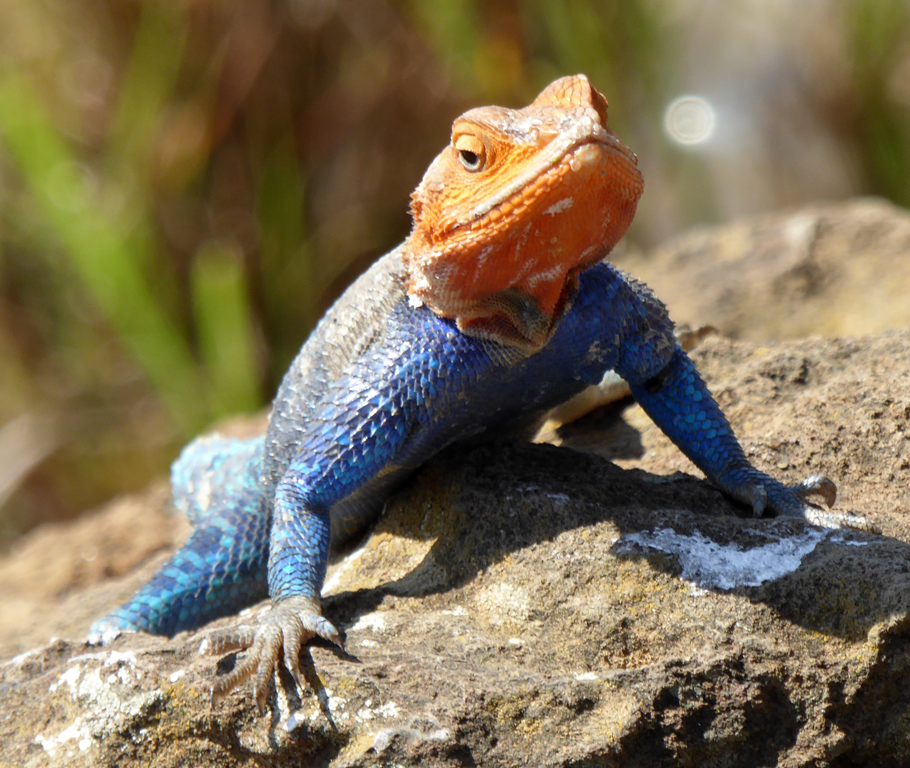
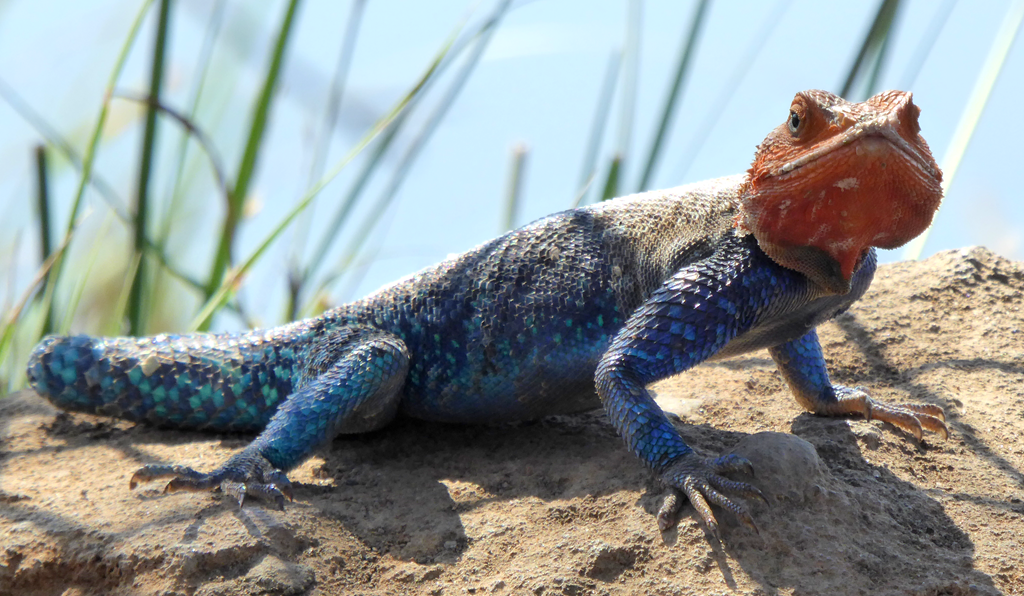
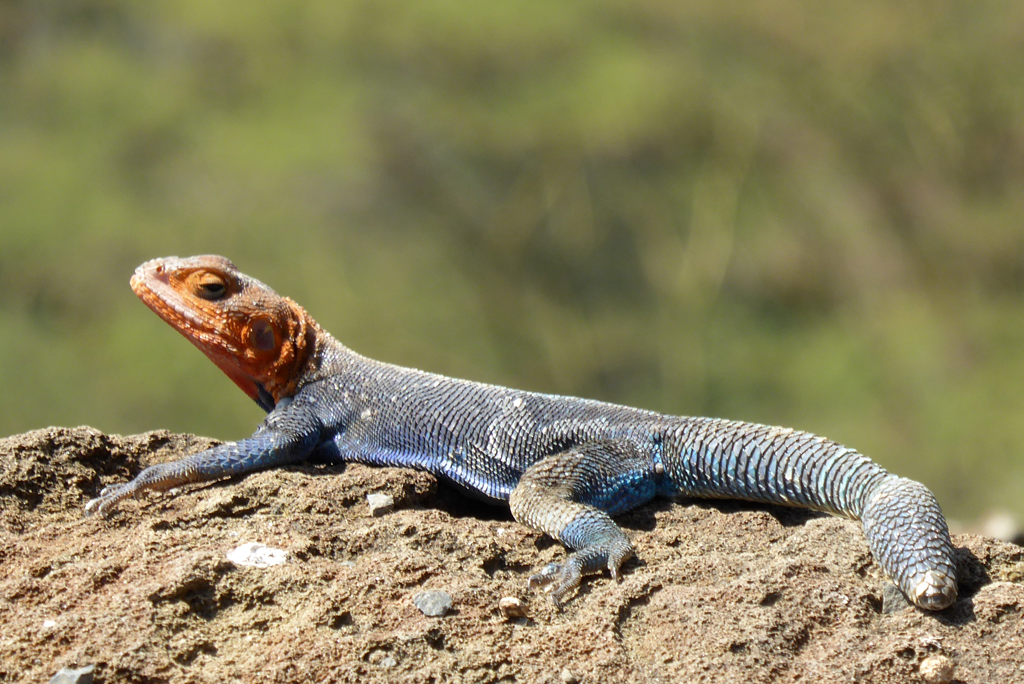
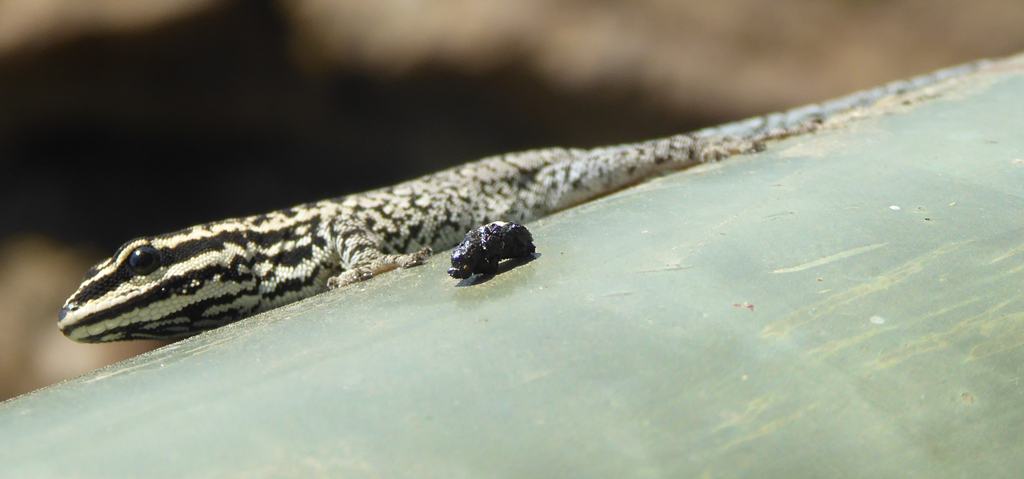
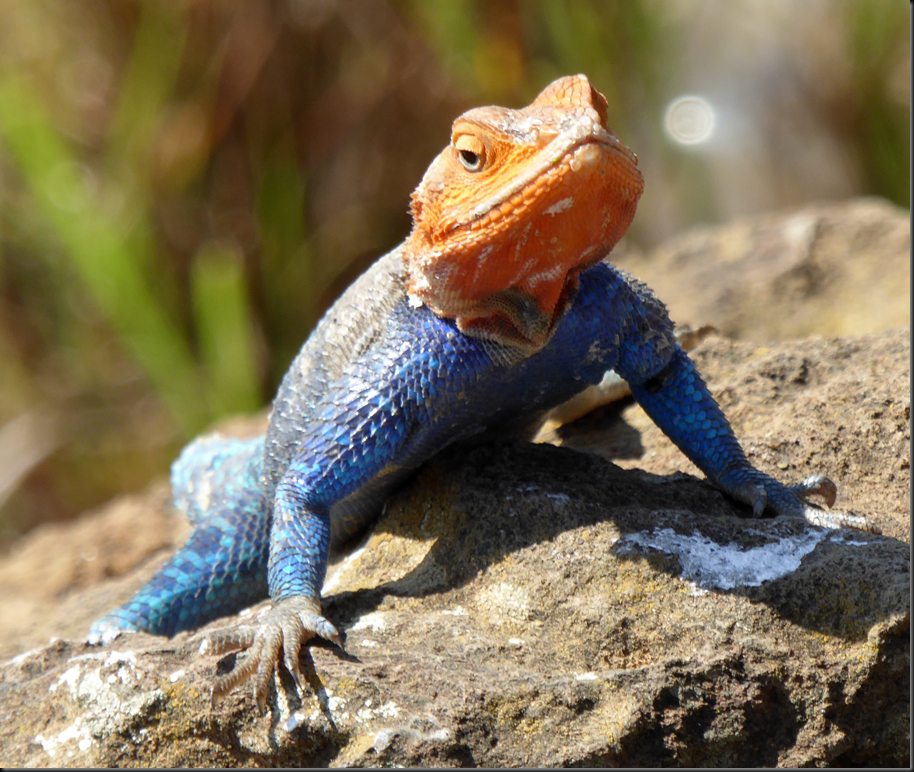
    We stopped at a viewpoint and we found some really cool looking lizards sunning themselves.
    image

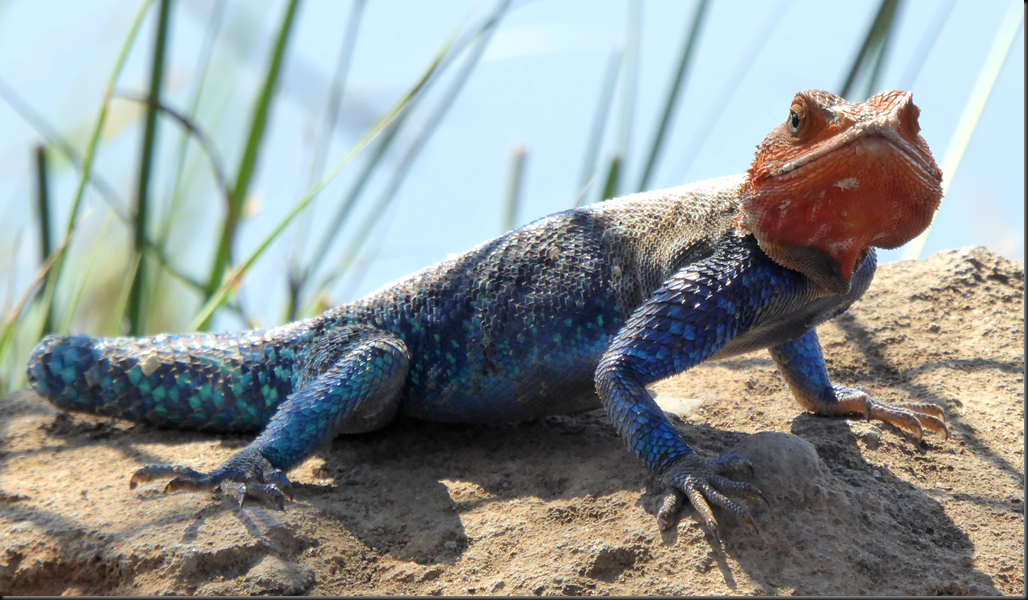
    The drastic colour difference was quite interesting to see.
    image

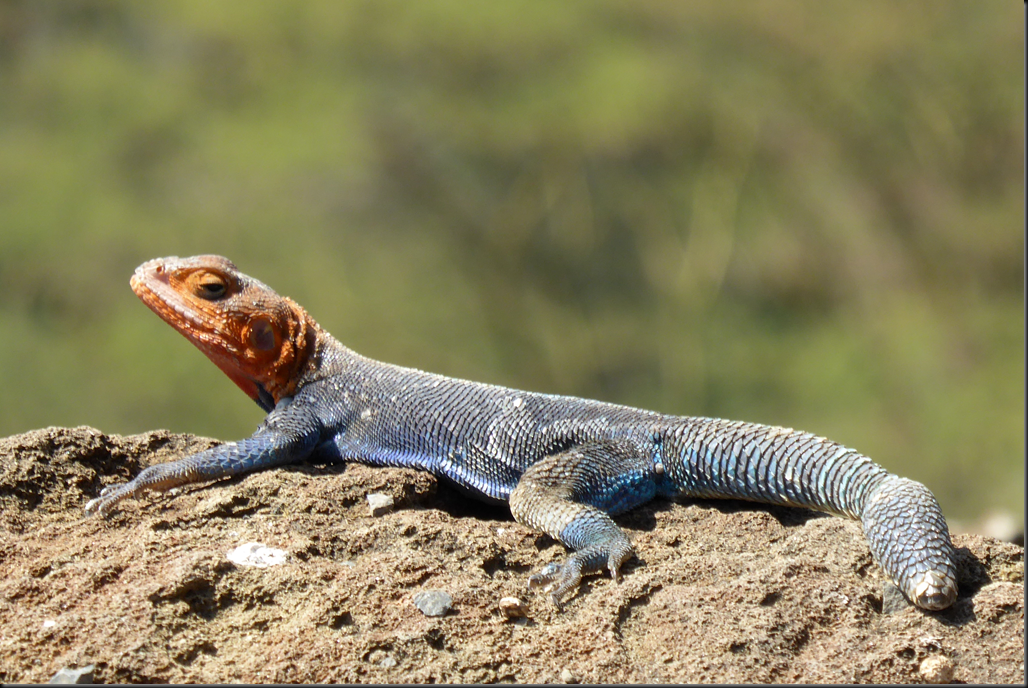
    It did not help them blend in at all, which this one knows quite well as you can see the regrown tail.
    image

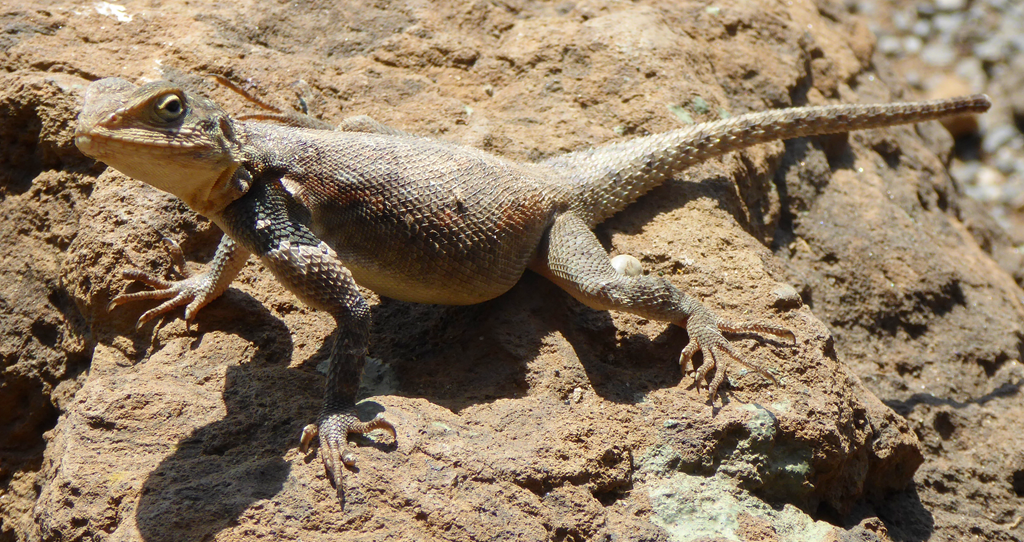
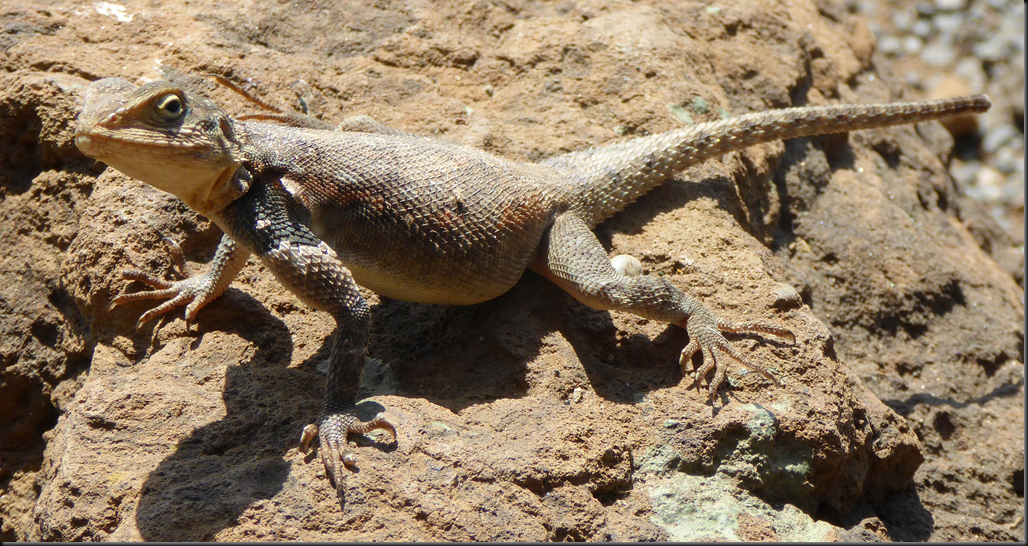
    Here is the female they are showing off for. She blends in with the rocks.
    image

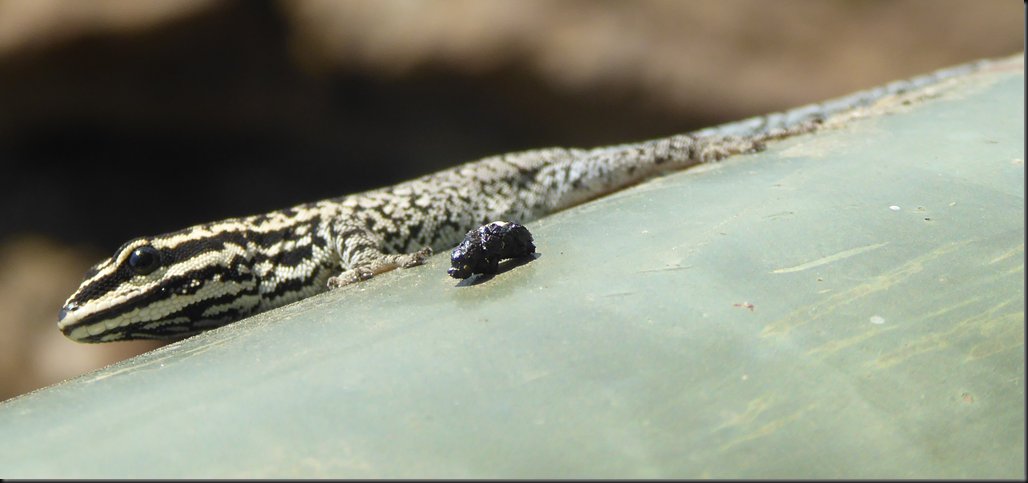
    There were other lizards as well, but they were a bit harder to spot.
    image

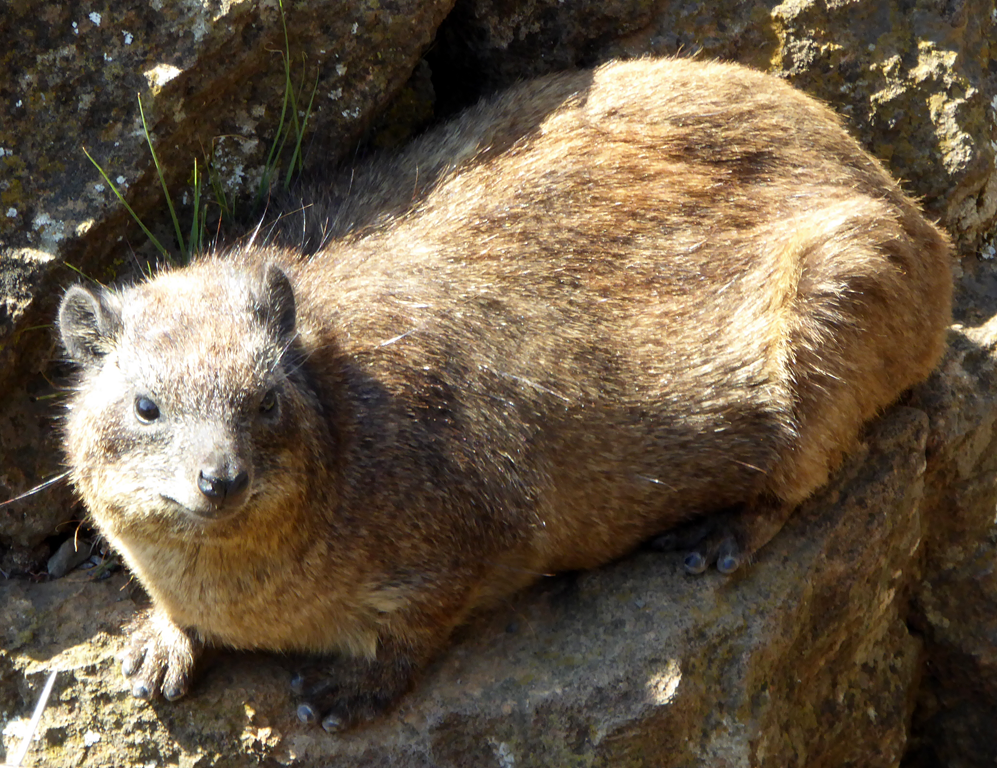
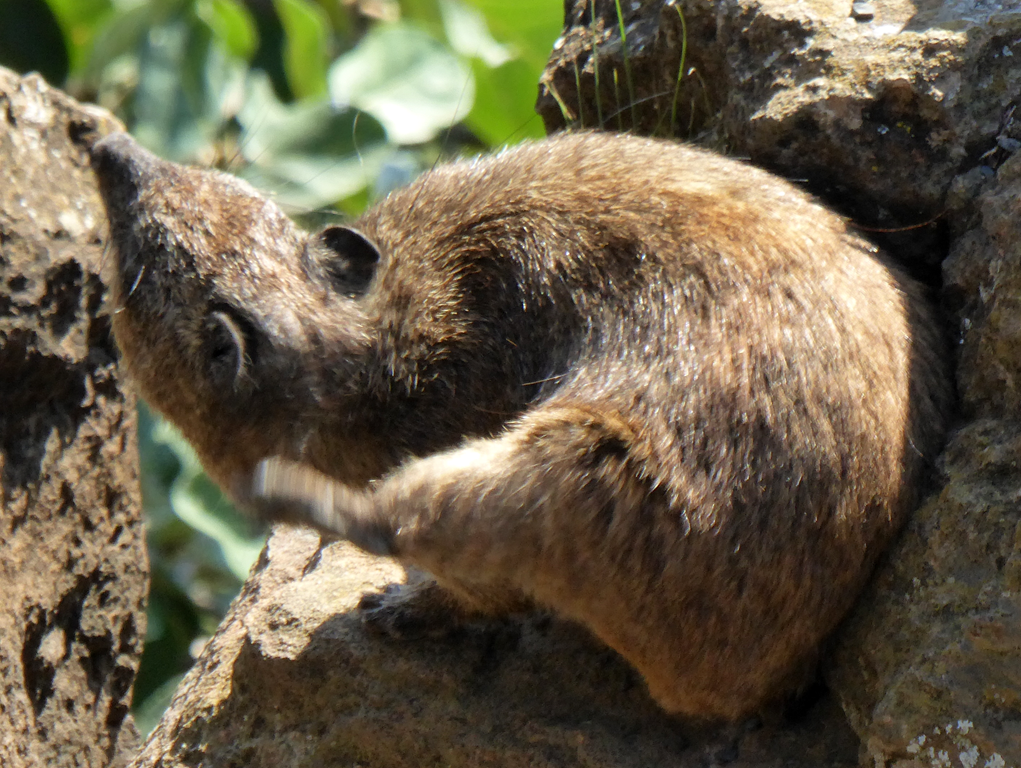
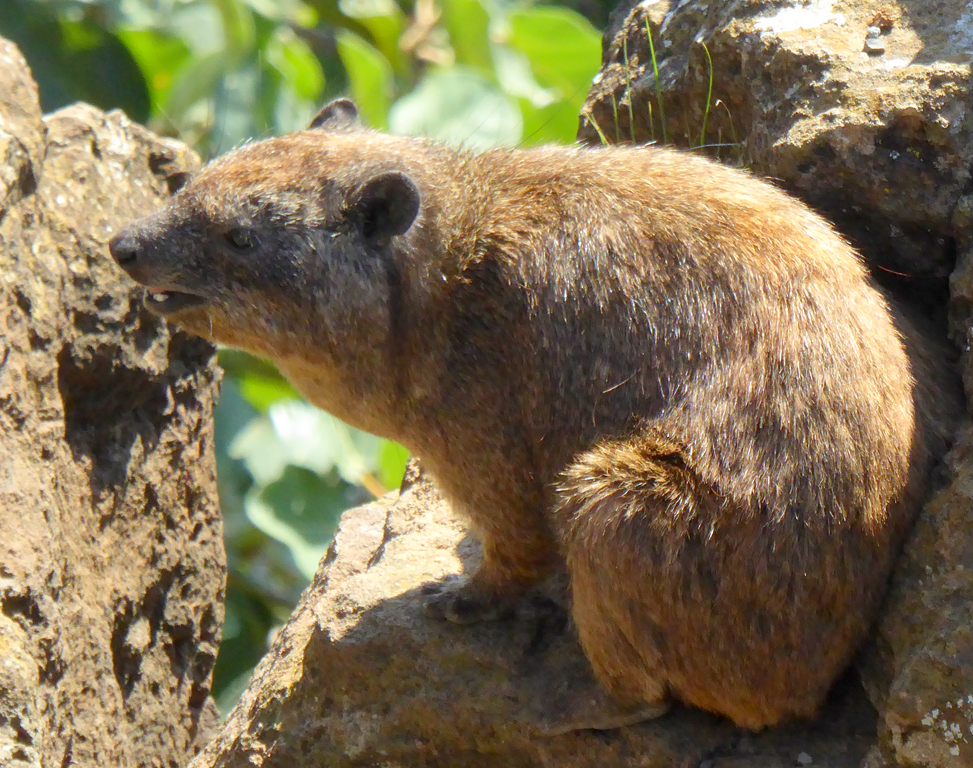
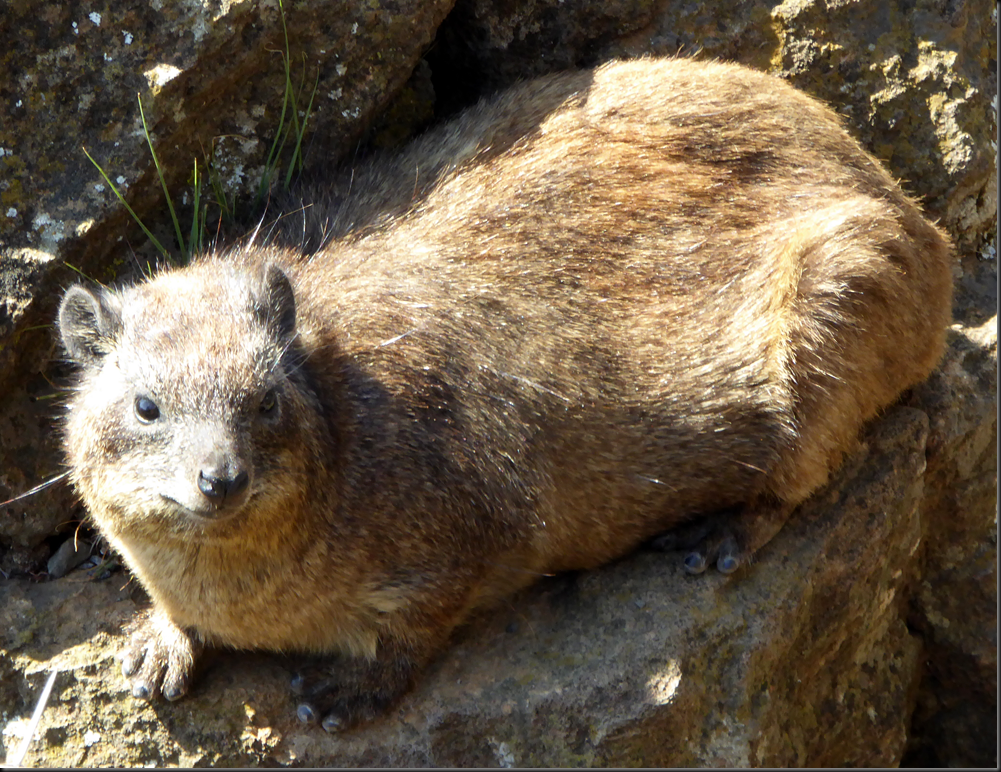
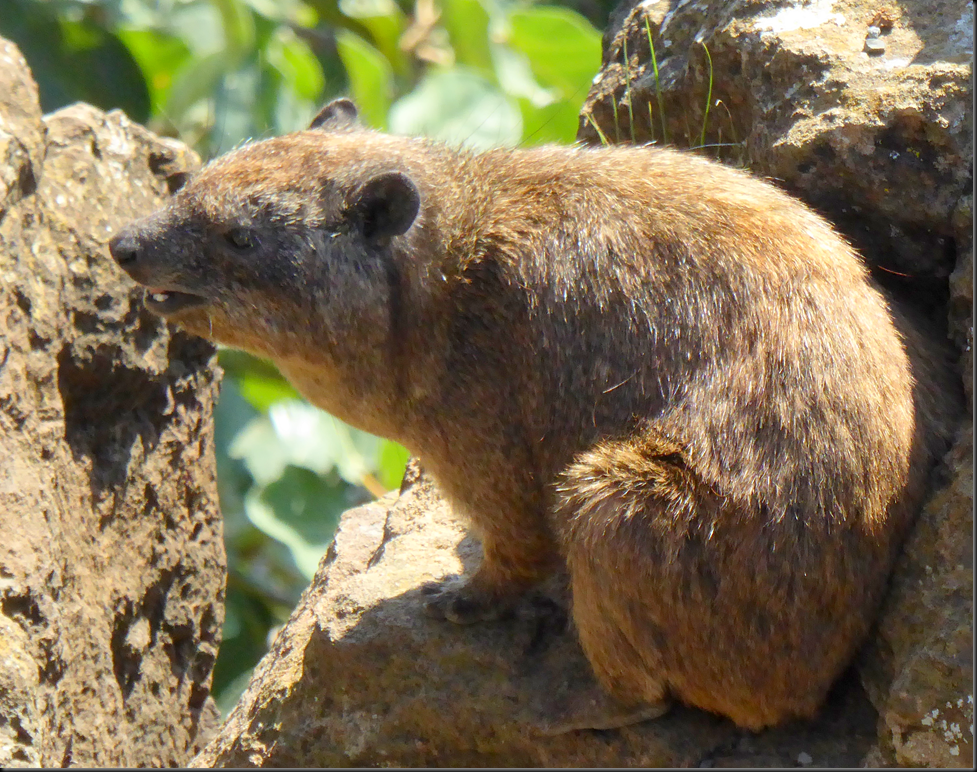
    There were a few hyraxes around hanging out in the sun.
    image

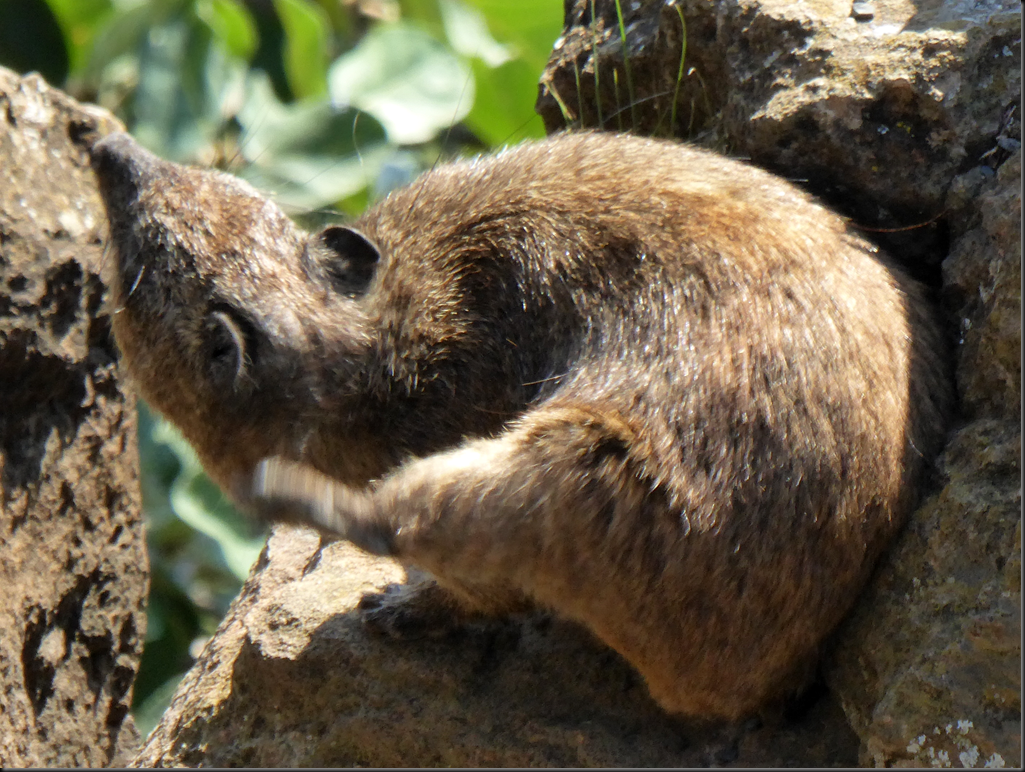
    Even they get a bit chilled at night.
    image

    At night they will huddle together to keep warm.
    image


  • Lake Nakuru Waterfall

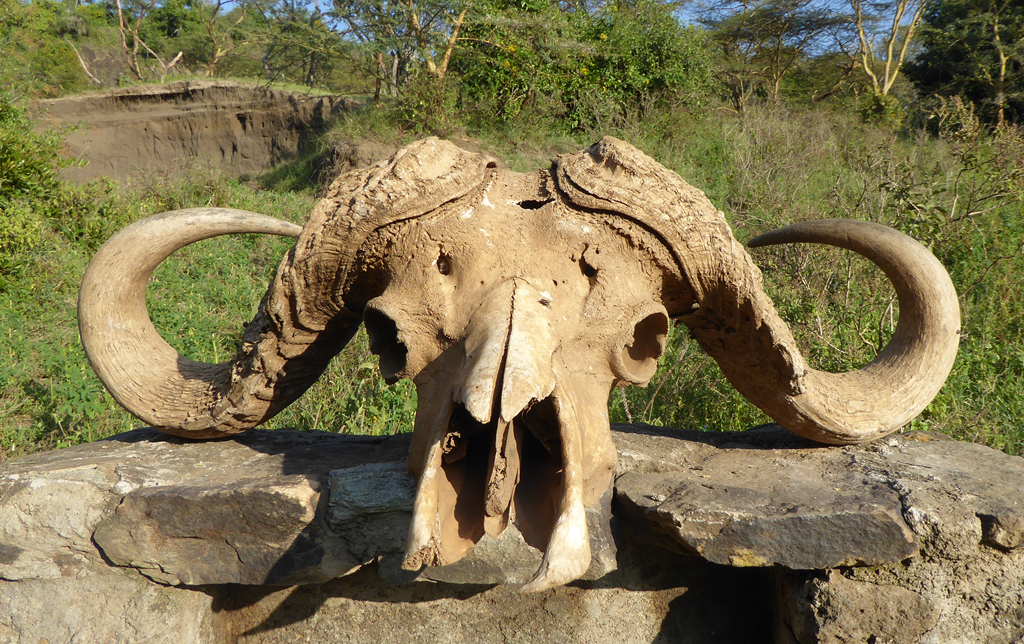
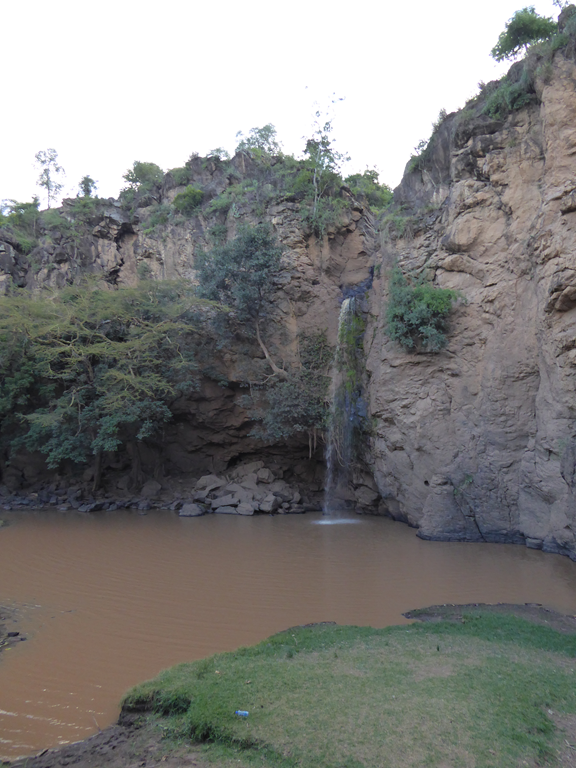
    After setting up the tents we walked out to a waterfall. There was a buffalo skull on the way.

    image

    The waterfall was pretty small.

    image

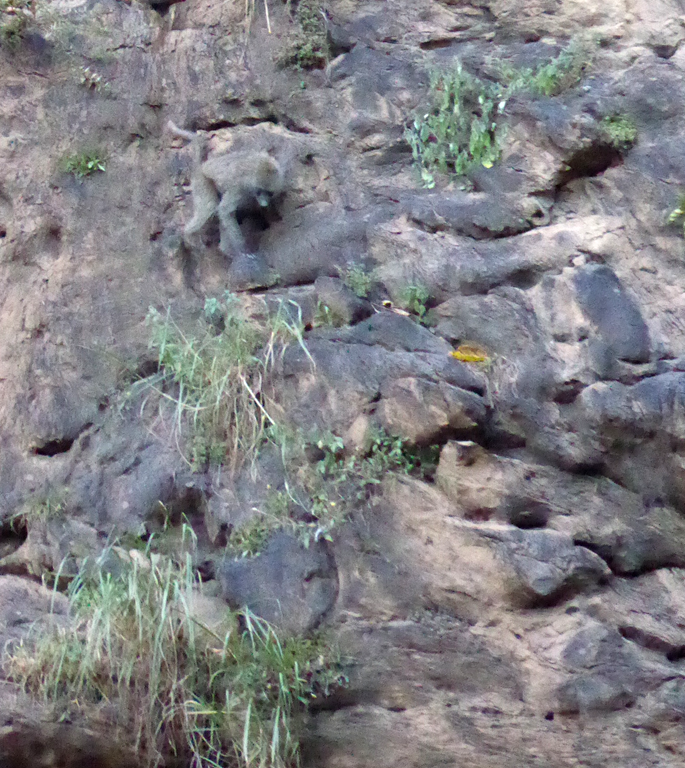
    But there were baboons everywhere.

    image

    They blend in with the rocks and scramble up and down.

    image

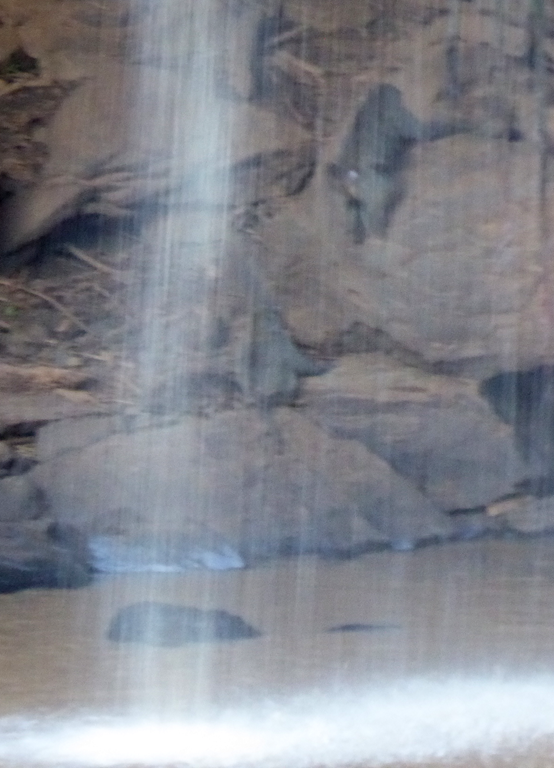
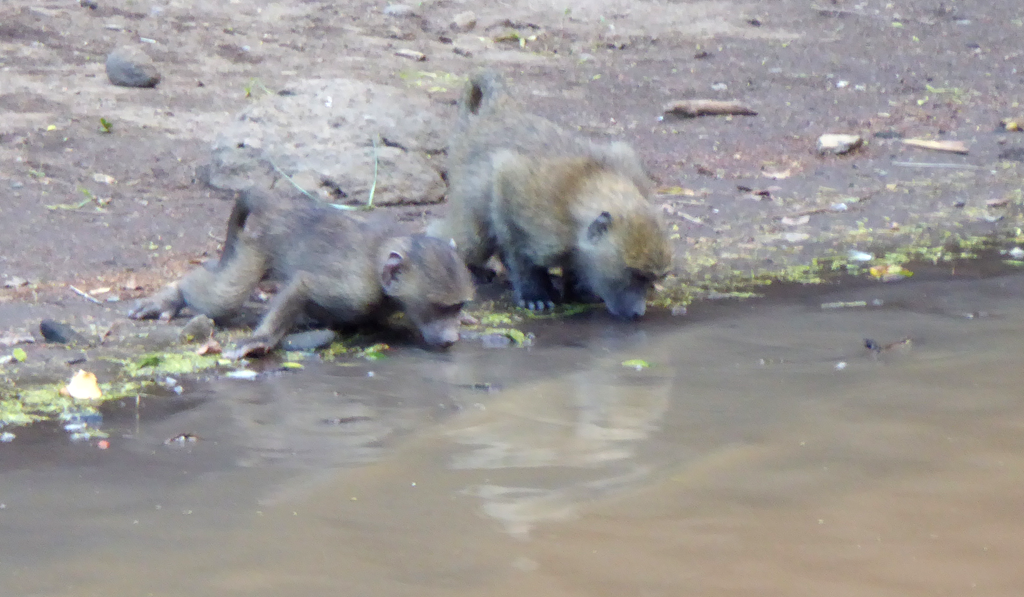
    They drink out of the pool at the bottom of the waterfall.

    image


  • Kenyan Snake Exhibit

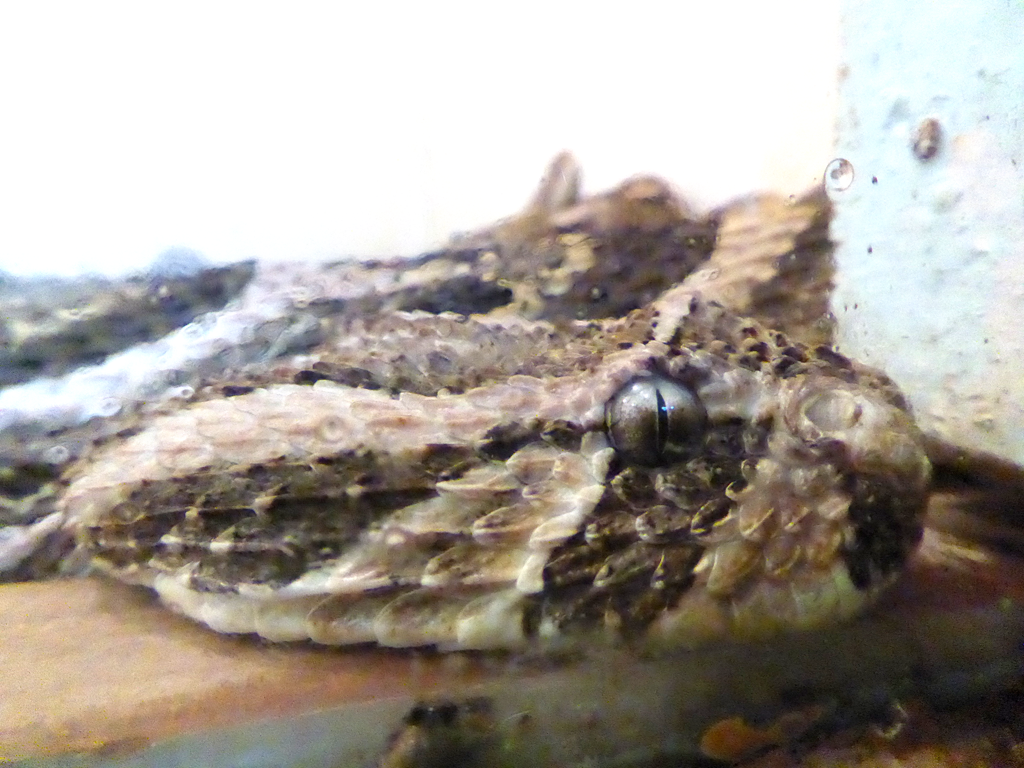
    This is a Puff Adder, Africa’s most dangerous snake. We will stay away from him.

    image

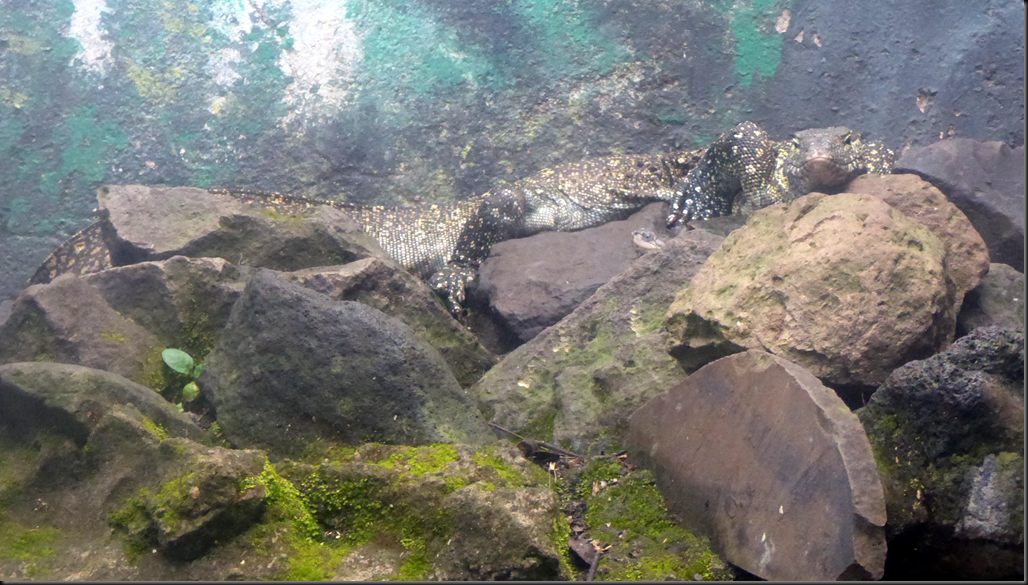
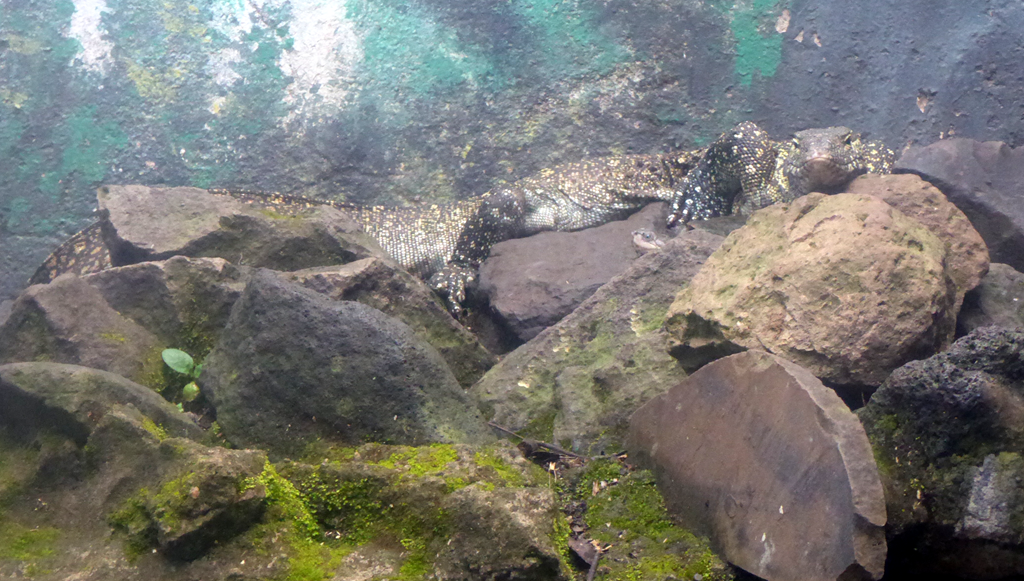
    This is a Nile monitor lizard. He is harmless unless you are a small bird or a slug. But he is longer than we are, so we’ll stay away from him too.

    image

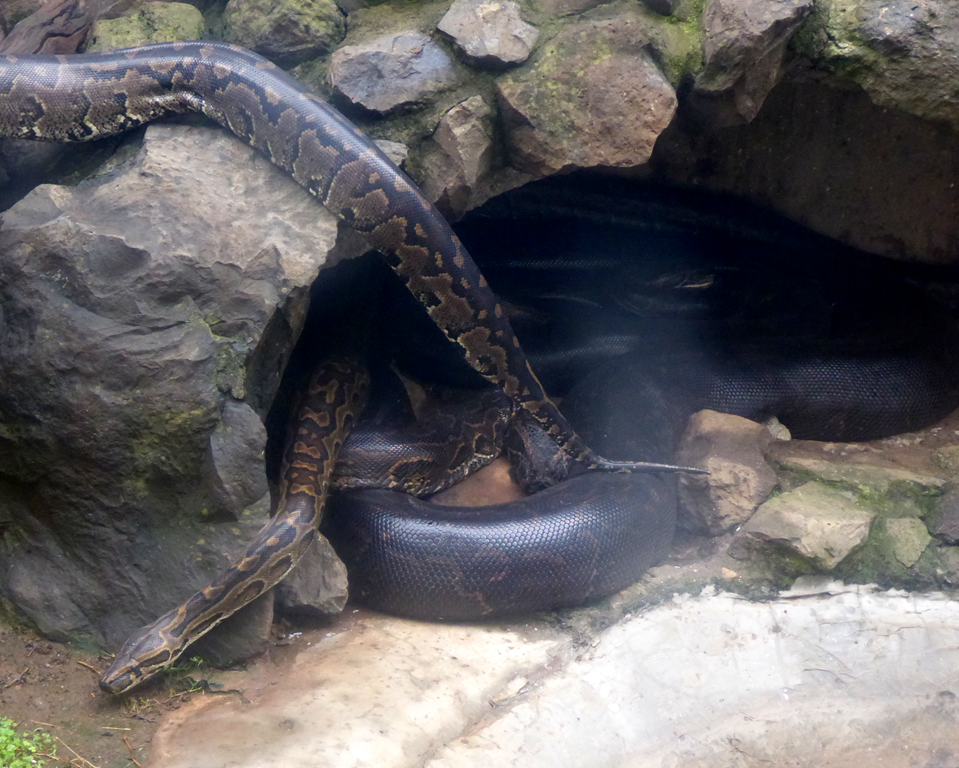
    These are African Rock Pythons. They are not venomous, they are constrictors. The stripy ones are young, the blacker ones are old. They can grow to over 5X as long as us and kill mammals bigger than us. But we know people that have them as pets at home. We’ll still stay away from the wild ones.

    image

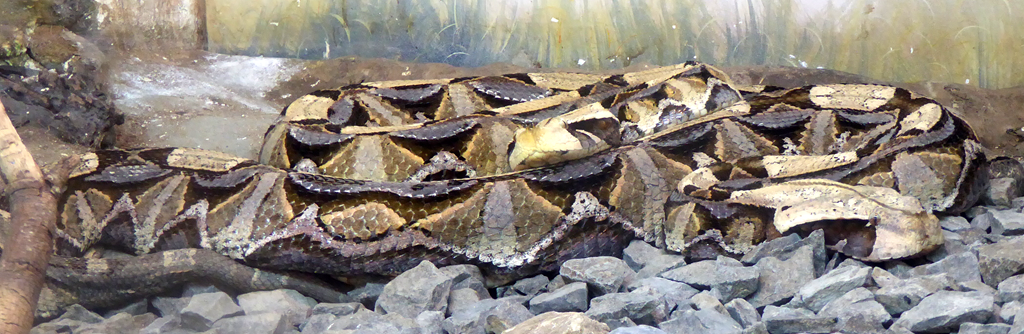
    This is a gaboon viper. They are friendly and don’t bite much. But if they do you are in trouble, their venom is super deadly.

    image

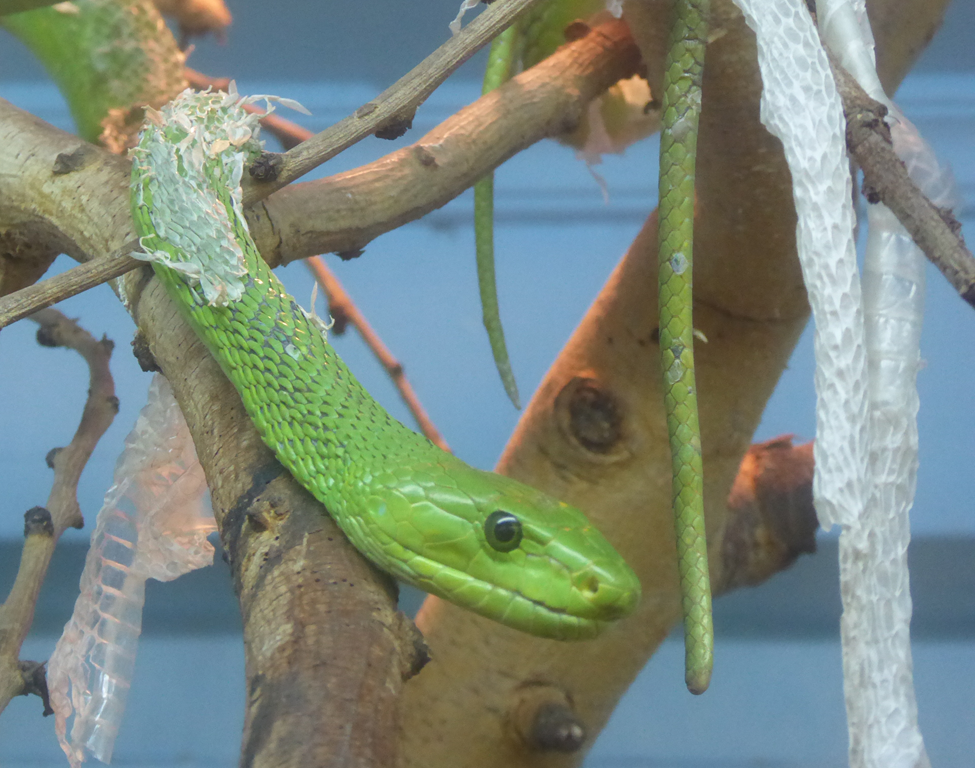
    This is a green mamba. He also has really nasty venom.

    image

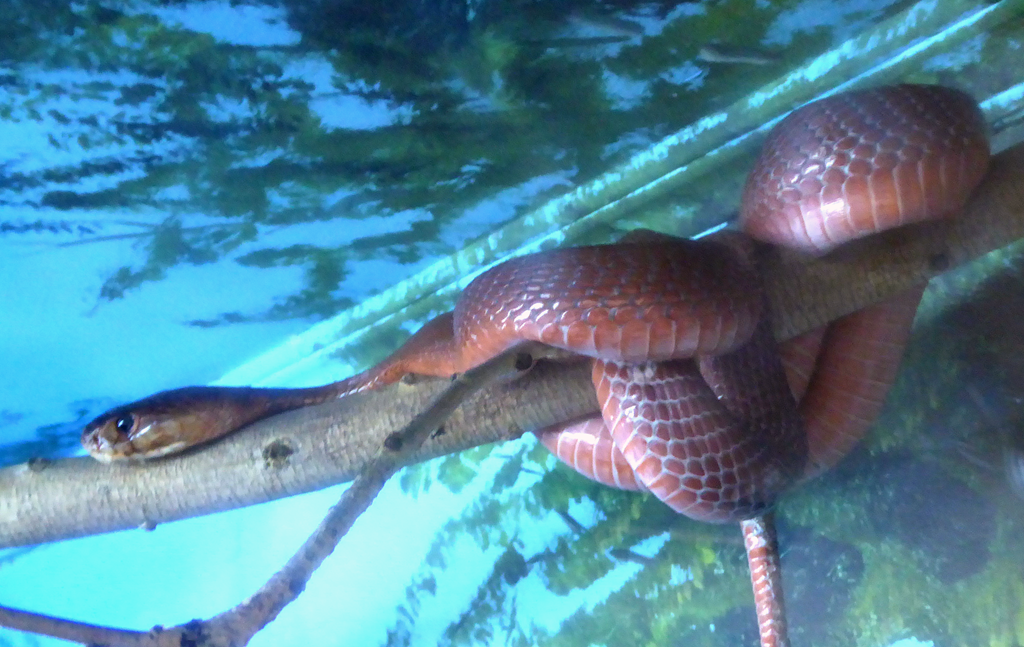
    This is a red spitting cobra. He has super toxic venom that he likes to spit in your eyes. We hopefully won’t see any of these that aren’t behind glass.

    image

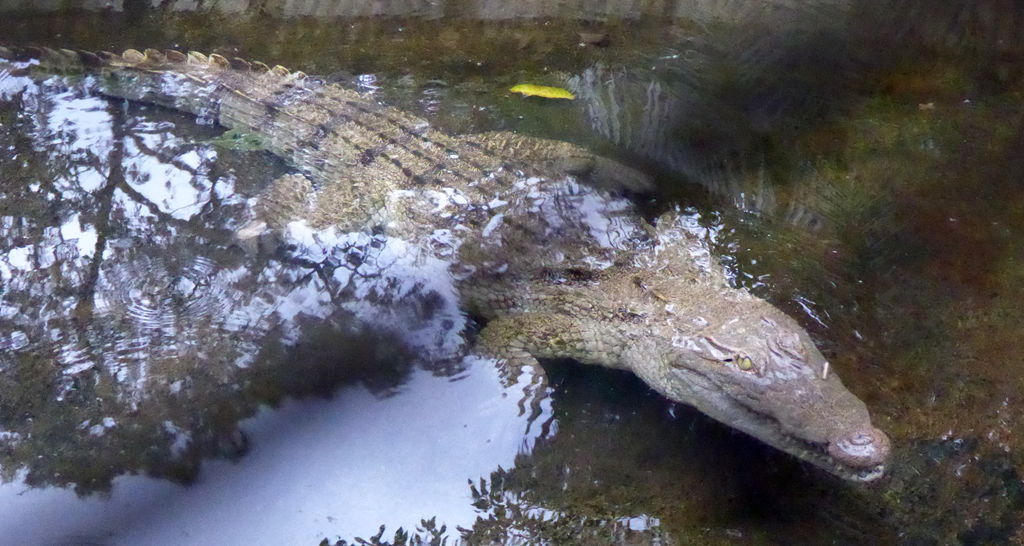
    This is a nile crocodile. We might just stay in the truck for two months.

    image


  • Kenyan National Museum

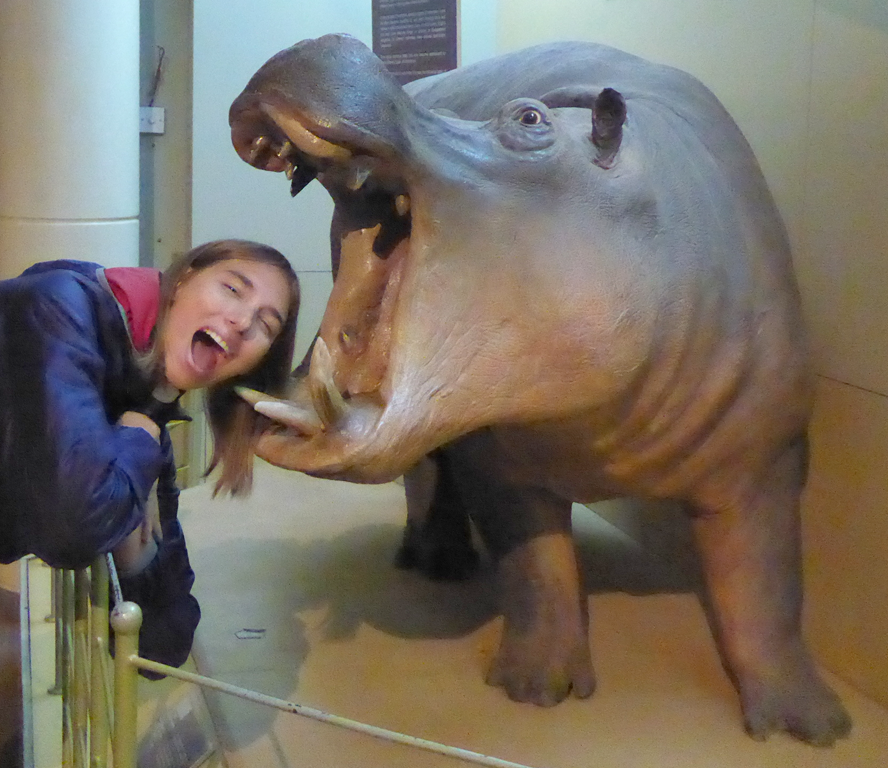
    Here we found more animals to be afraid of.

    image

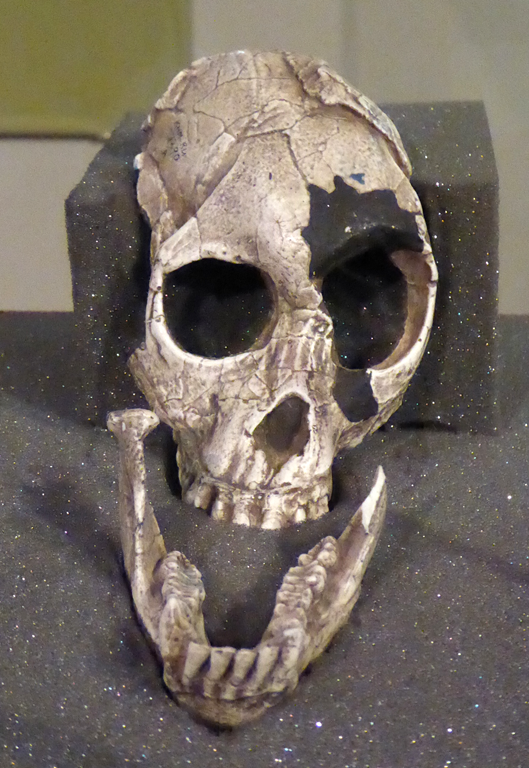
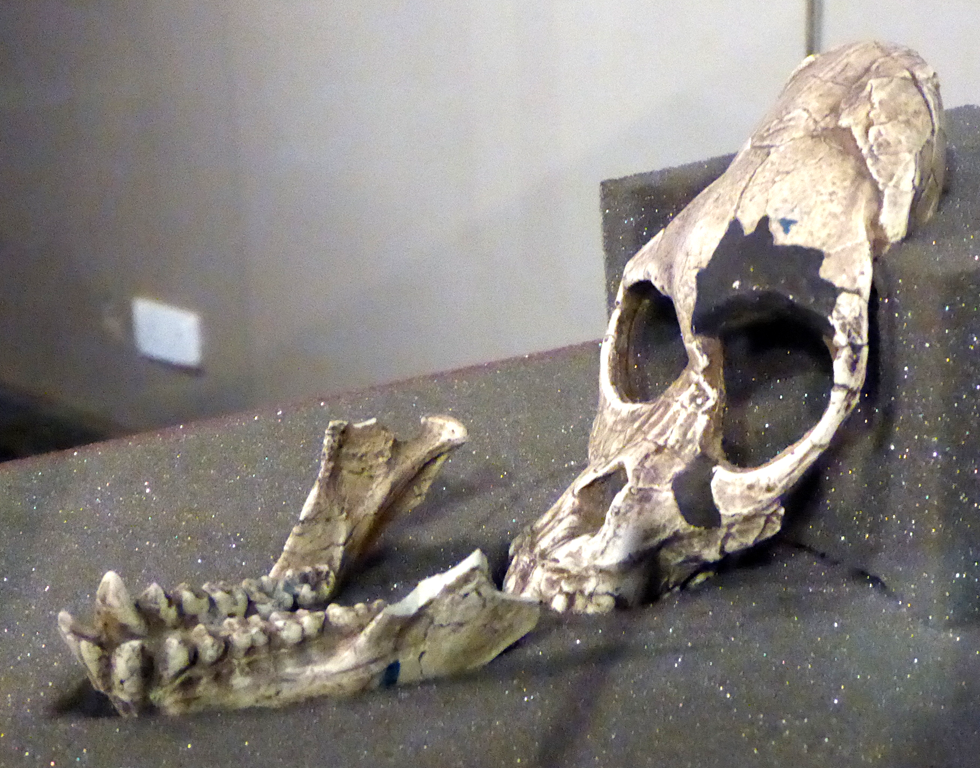
    We also found another huge collection of early hominids. This is the only complete skull of proconsul ever found. It is 18 million years old.

    image

    He is one of the first apes. He weighed about 9kg and lived in the trees, but had no tail.

    image

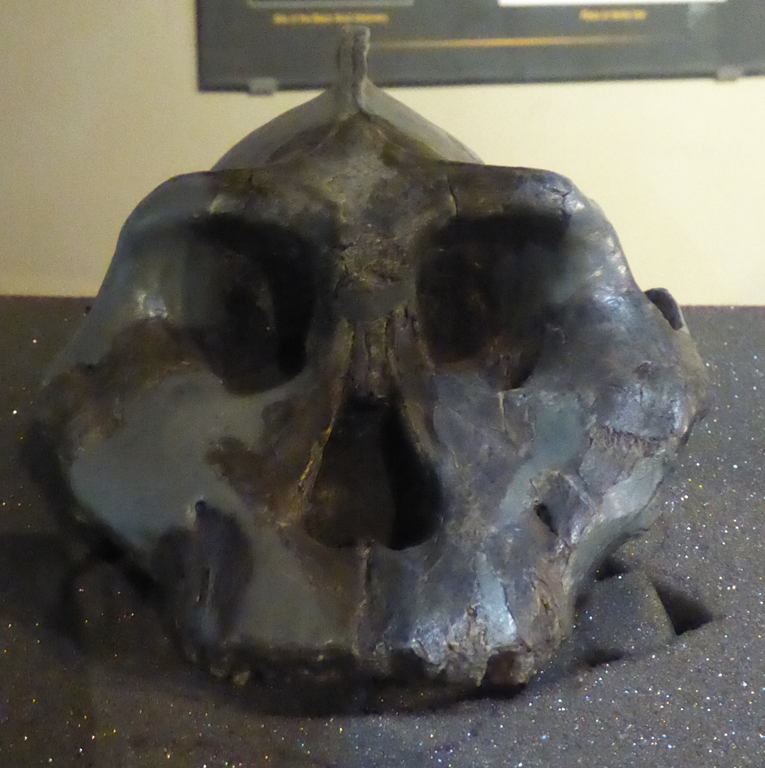
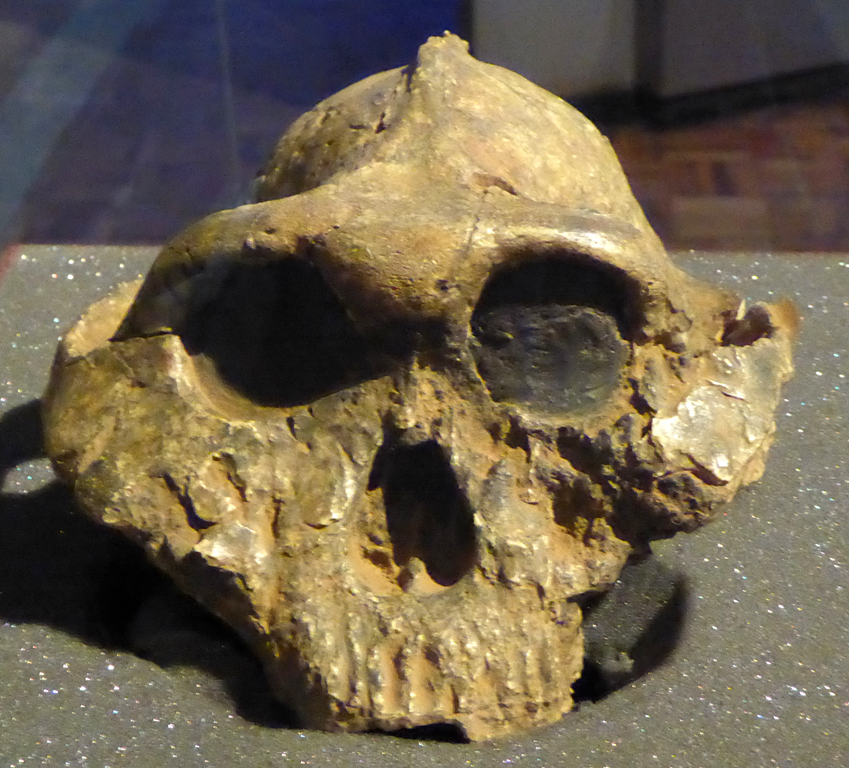
    This is a 2.5 million year old skull of a Paranthropus aethiopicus. It is black because it is stained with manganese. Paranthropus was made for chewing, with huge reinforced jaw bones. The mohawk part sticking out of his skull was an attachment for the huge chewing muscles.

    image

    This is a 1.75 million year old skull of Paranthropus boisei. His nickname is the nutcracker man.

    image

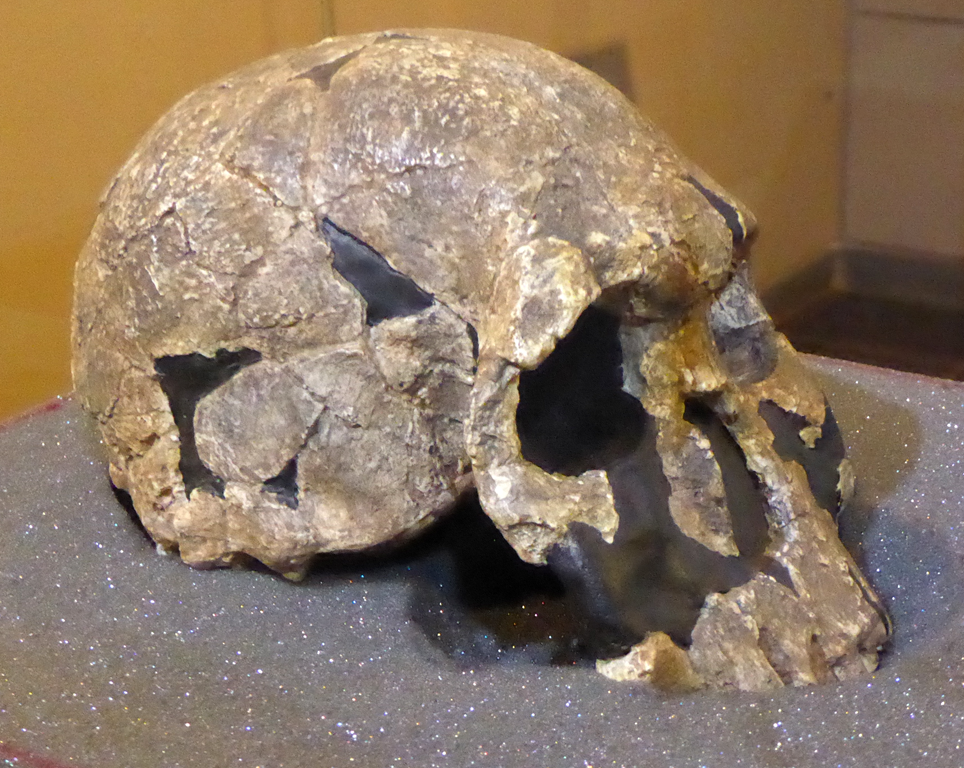
    This is a 1.75 million year old Homo ergaster skull. She was found in the same layer of rock as the skull above, so she must have lived in nearly the same time and the same place.

    image

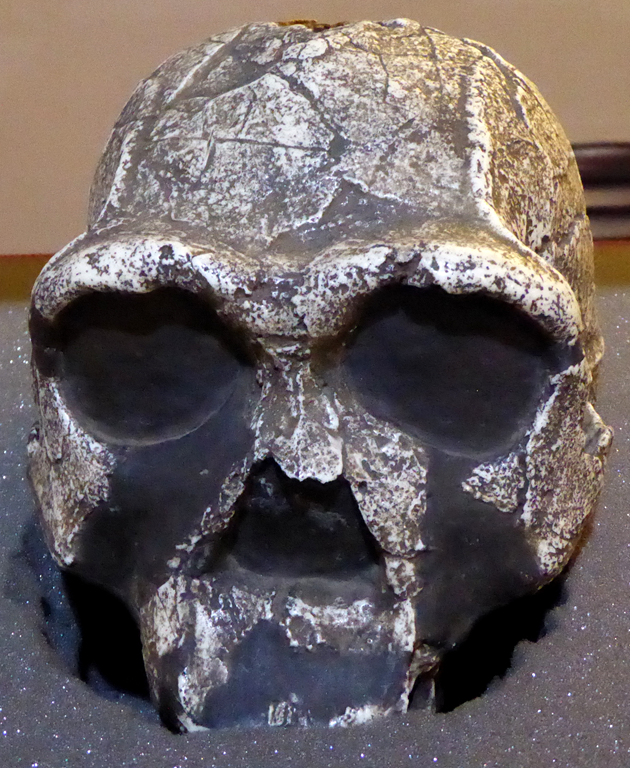
    This is a 1.9 million year old Homo rudolfensis skull. He’s the earliest known fossil with a big brain like us, and probably the first to use stone tools.

    image

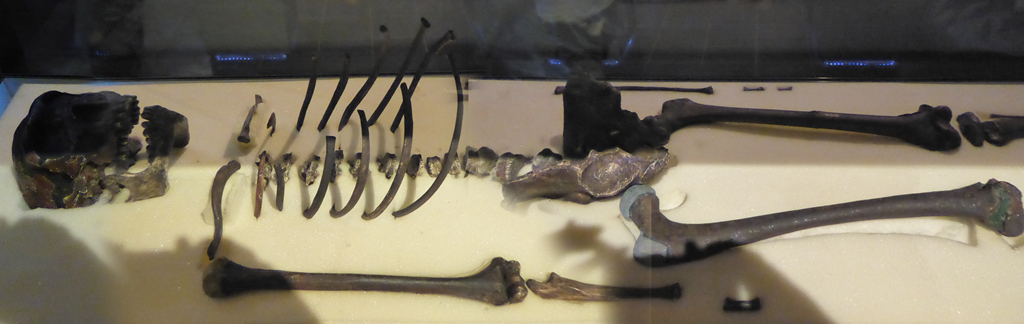
    This is the Nariokotome boy, a 1.6 million year old Homo erectus fossil and the most complete early hominin ever found, with only his hands and feet missing. He was between 9 and 12 years old when he died, but he was already 5’4” tall.

    image