Chile is expensive.
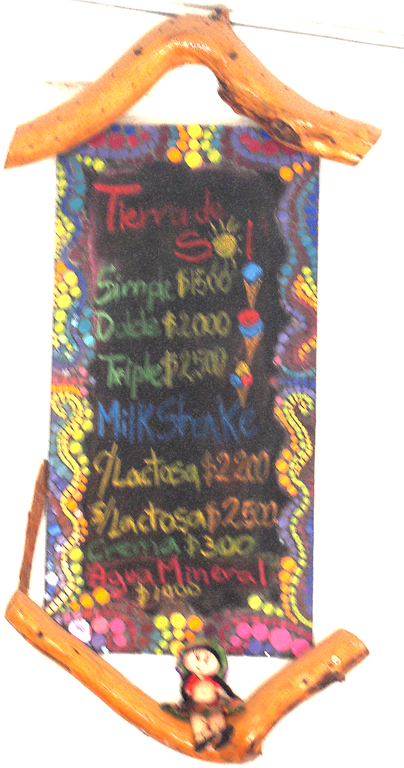
But delicious.
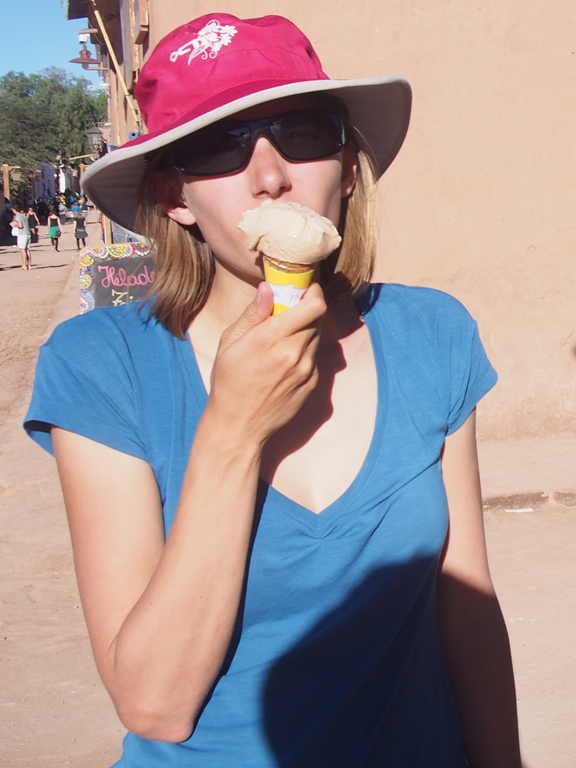
Chile is expensive.
But delicious.
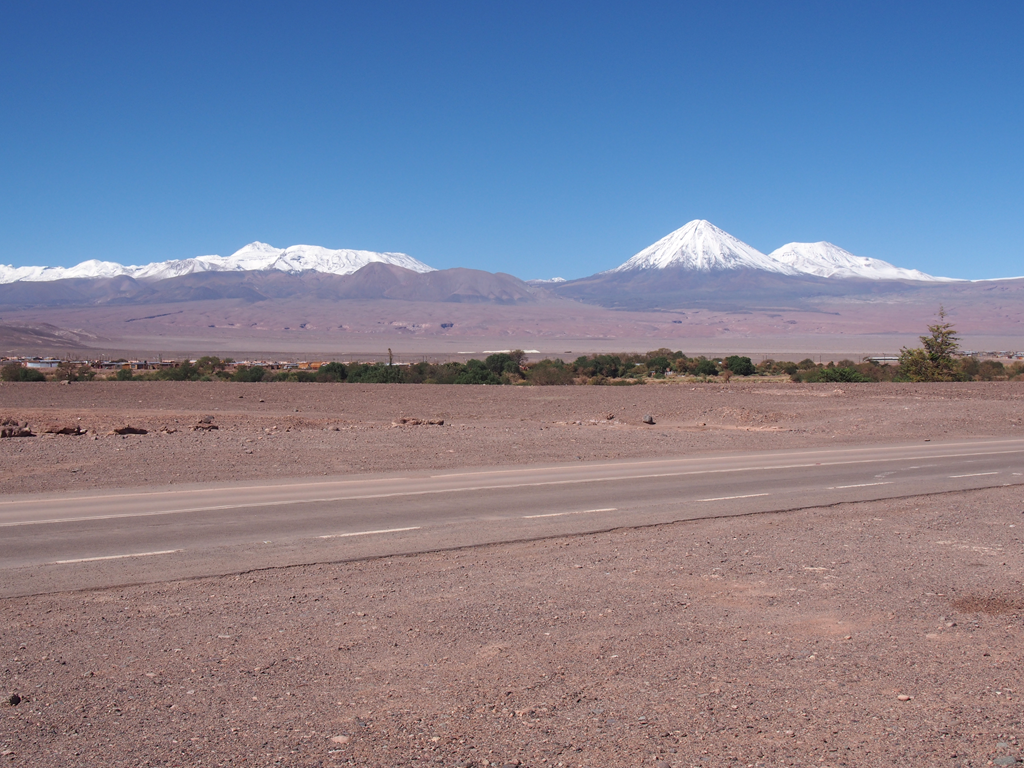
After driving through the snow we made it to San Pedro de Atacama. It was in the middle of the desert.
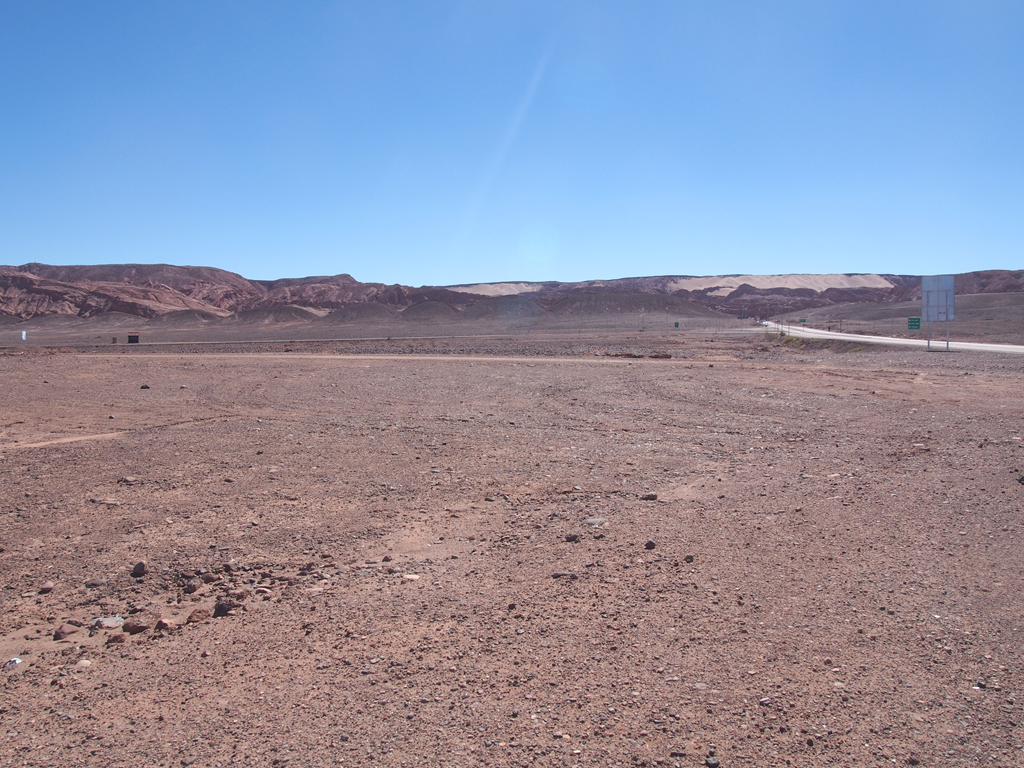
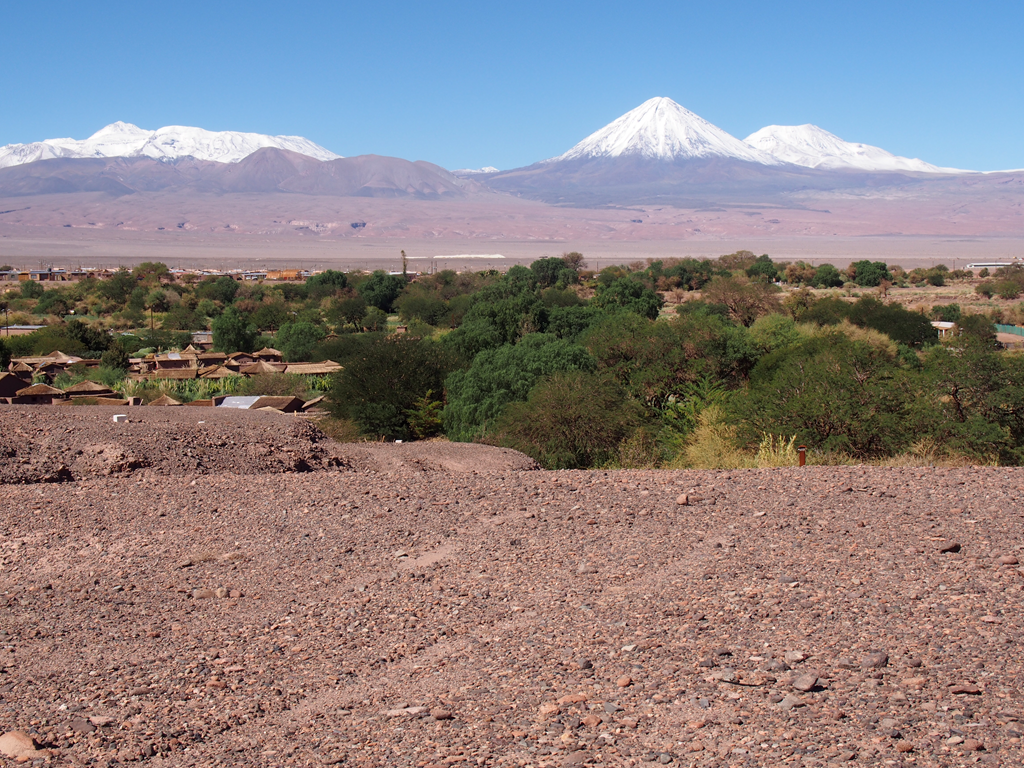
It was an oasis that exists due to the river flowing through the area.

To the right of the big volcano is where we crossed from Bolivia.
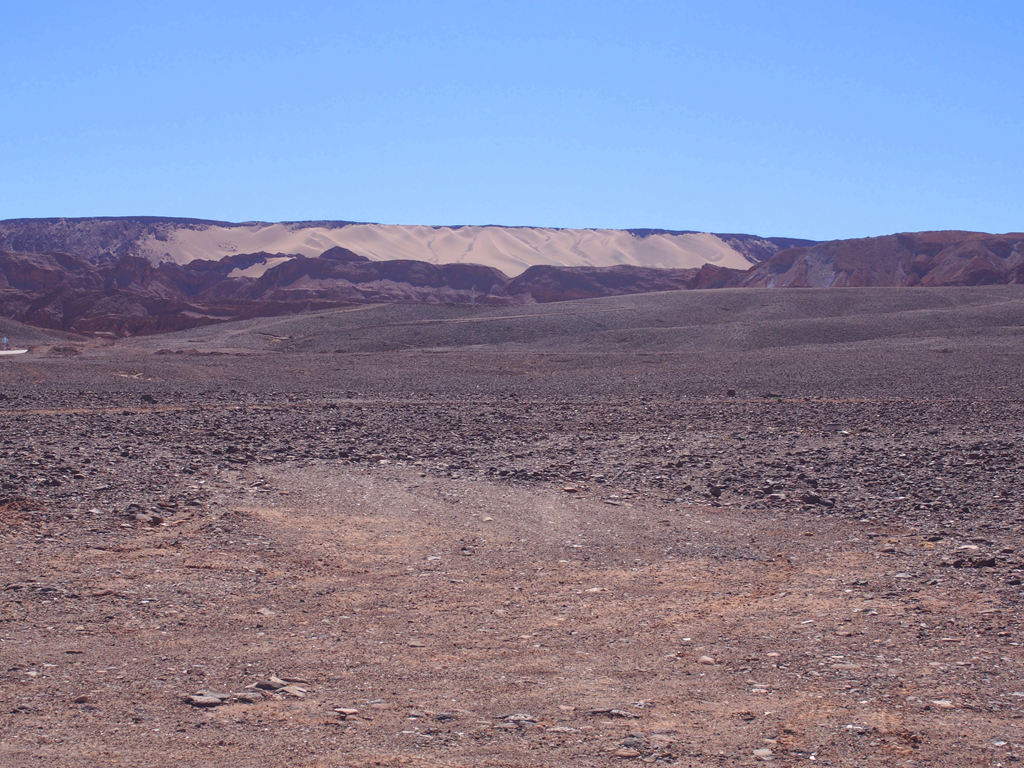
When you walk past town it is just sand as far as you can see. There are lots of shops set up for sandboarding. However here instead of a dune buggy taking you back up the hill you walk up and down.
We were tired of the desert and decided to walk back to town.
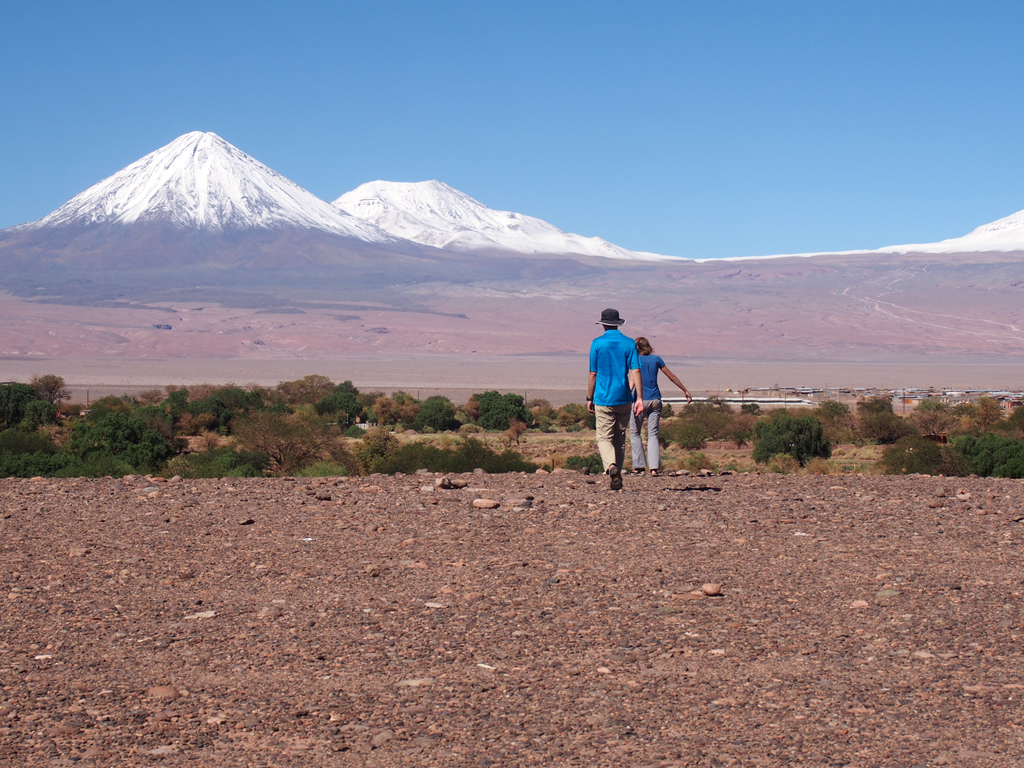
It was nice to be in the heat again after the last few days.
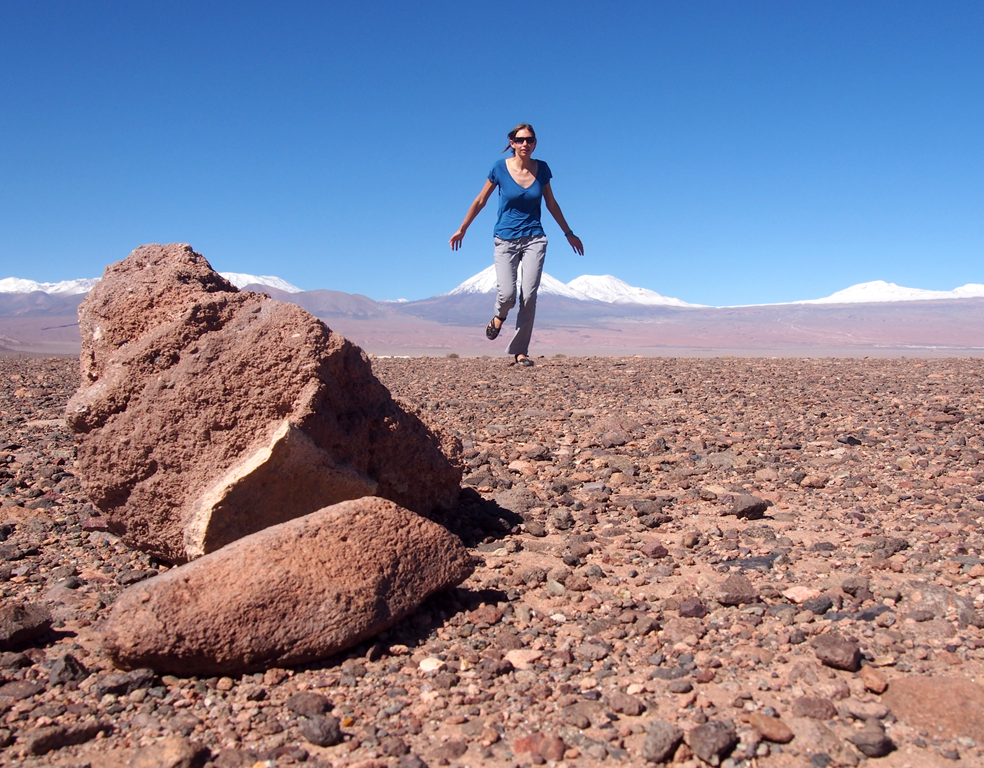
Kerri even did a bit of running and spinning in the desert. After getting up at 4am we may have been going slightly mad.
We tried to get out to the desert by walking out of town but the place to cross was flooded, so we turned along the river to walk to the bridge. However in continuation with our weird weather experiences, we got to one of the driest places on earth that for the last week had received constant rain. This was causing major flooding downstream and had stranded some of the former Intrepid travellers in town for days.
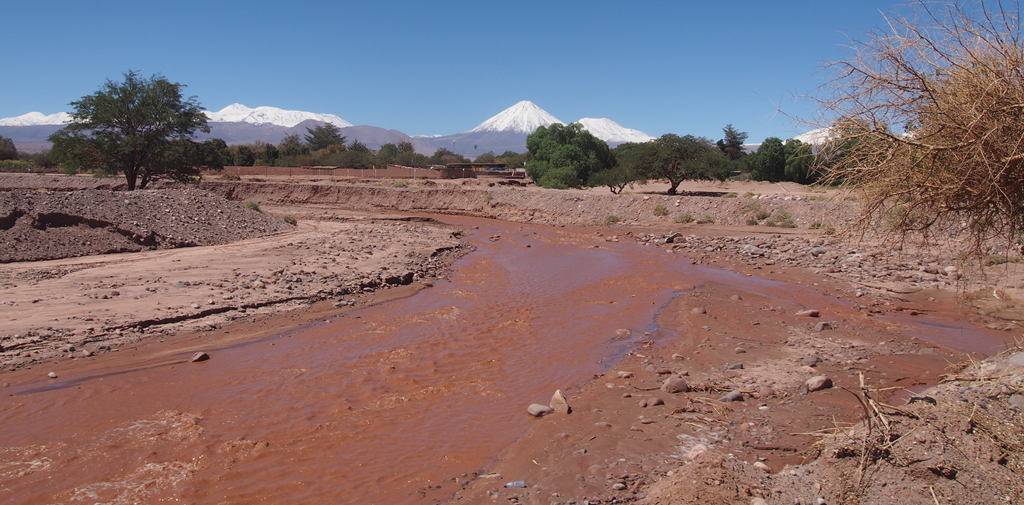
We looked for some shallower places to ford but all the rocks were covered.
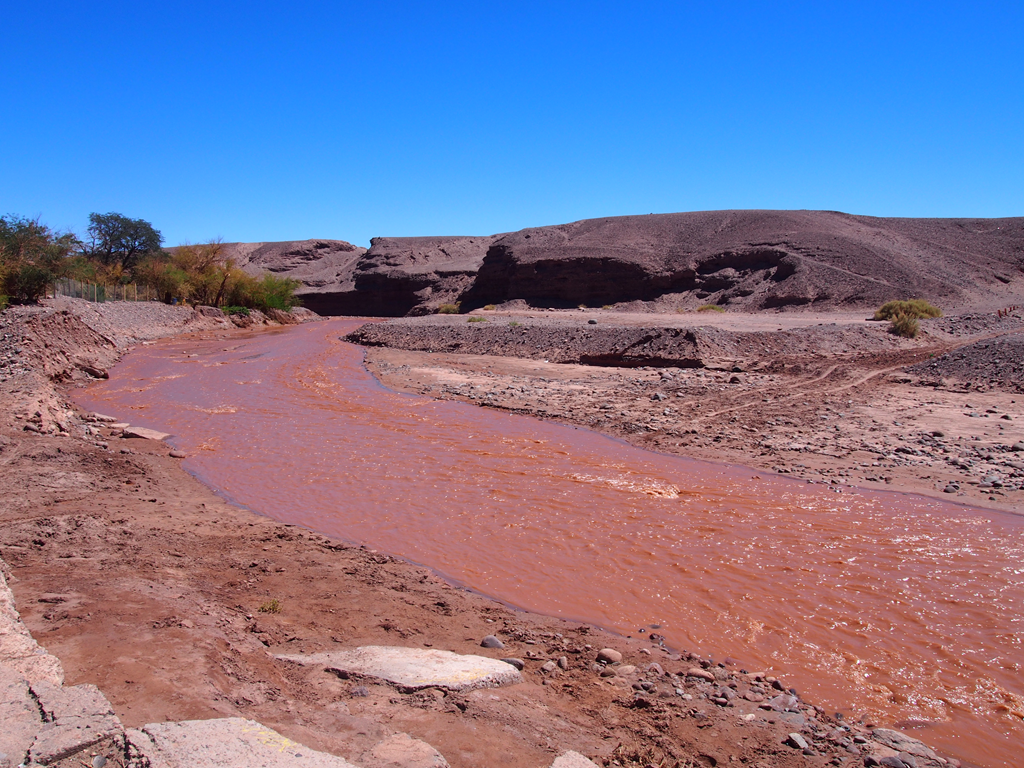
We failed to get to the bridge due to fences blocking our path. Along the path we did find a pool of clay that was drying out. Someone had thrown a rock in a while ago and the clay was drying out in cool shapes.
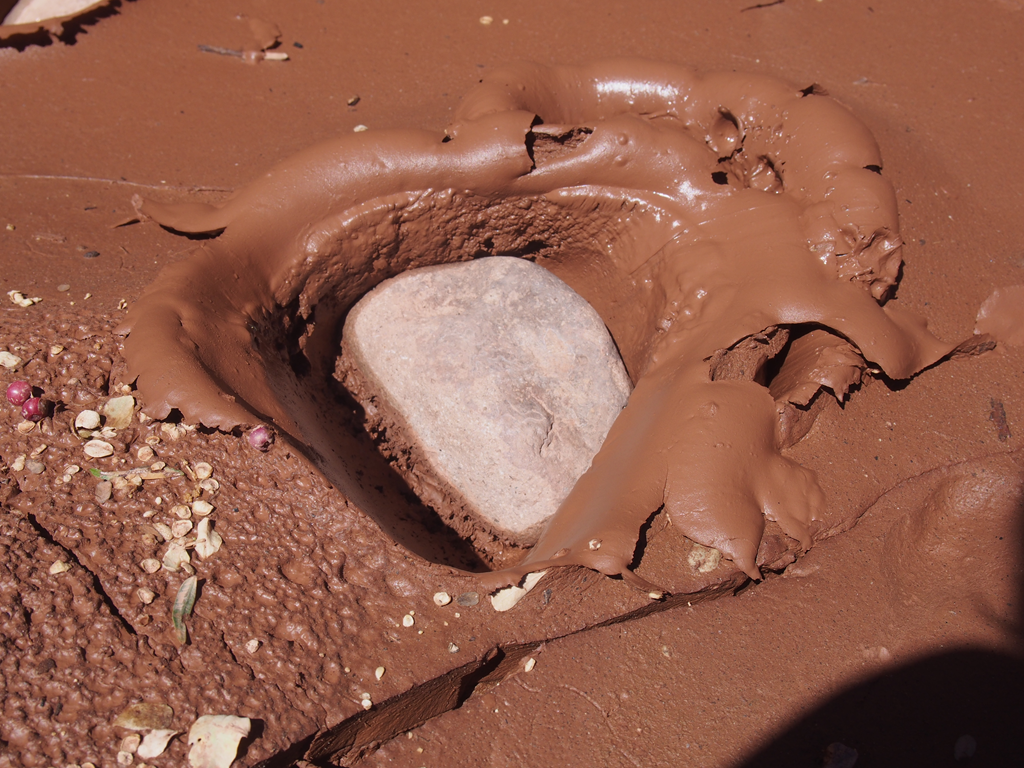
The scientist in Matt required further testing.
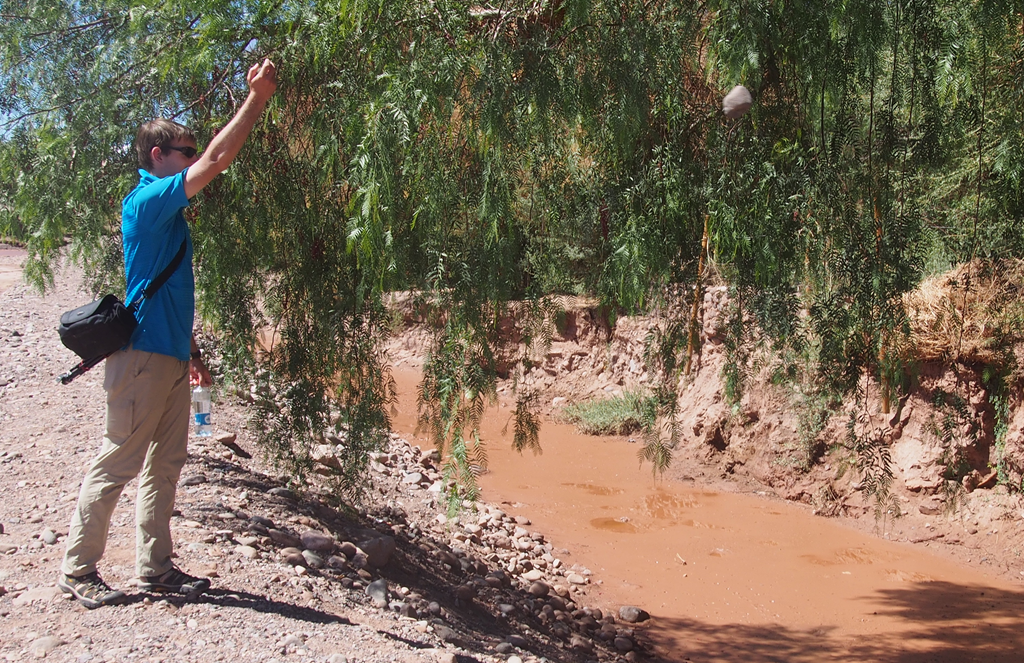
Around the same area the clay bed was dry leaving the tops of the rocks exposed and larger debris flying off.
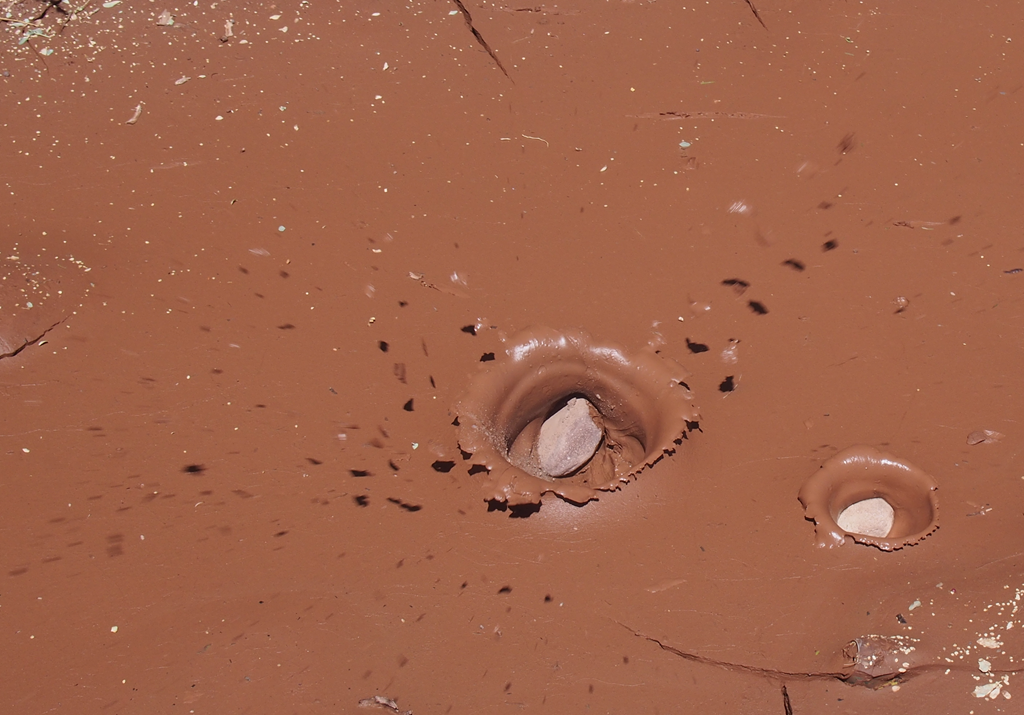
And with larger rocks they could fall quite deep and still not be consumed by the clay.
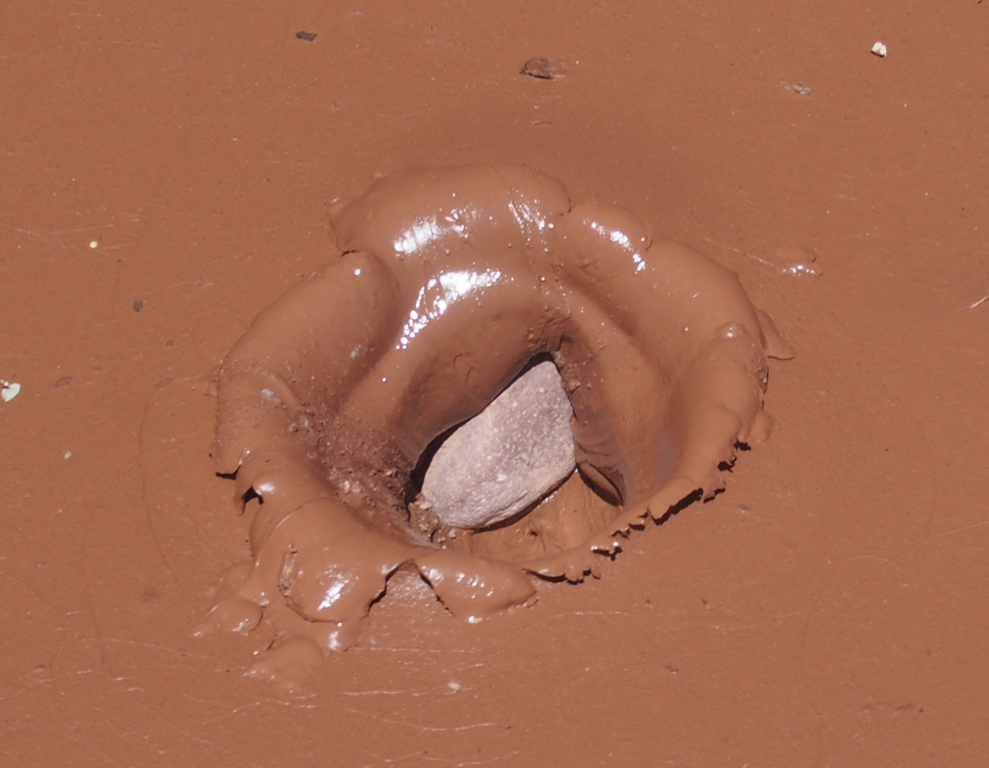
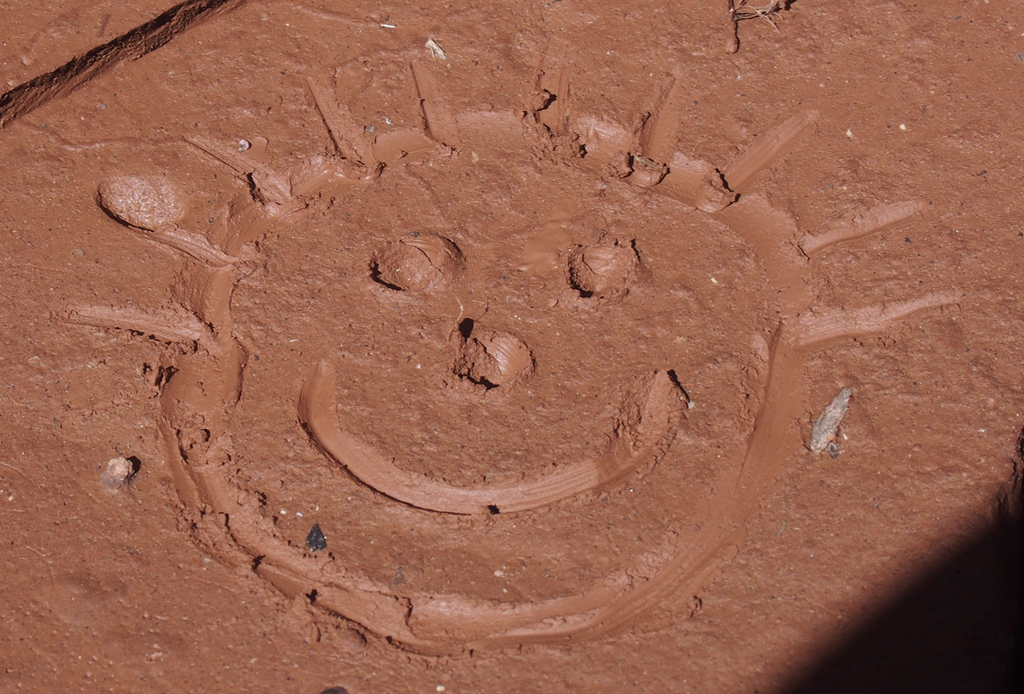
At the one end of the bed the clay was cracking, but still soft enough to step in to make footprints.
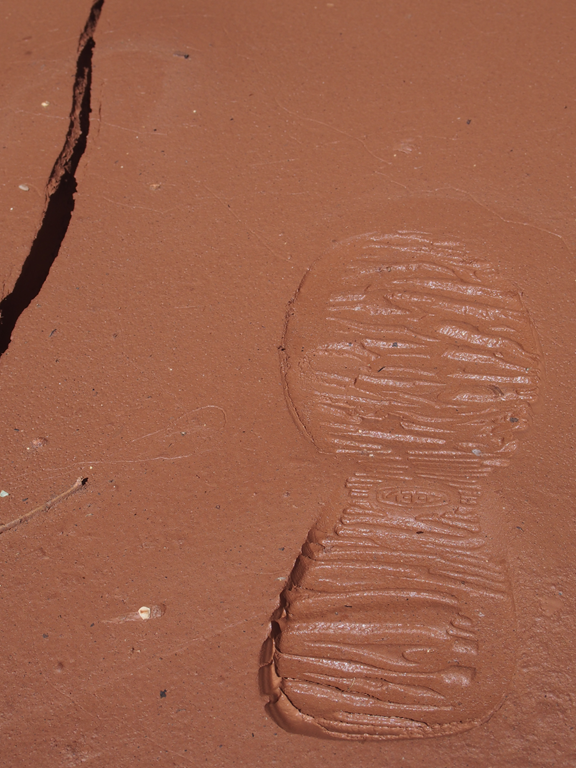
And a happy face.
As we moved away from the dry part there was another area that looked like it was thick. Turns out it was much wetter so the clay would form a crown.
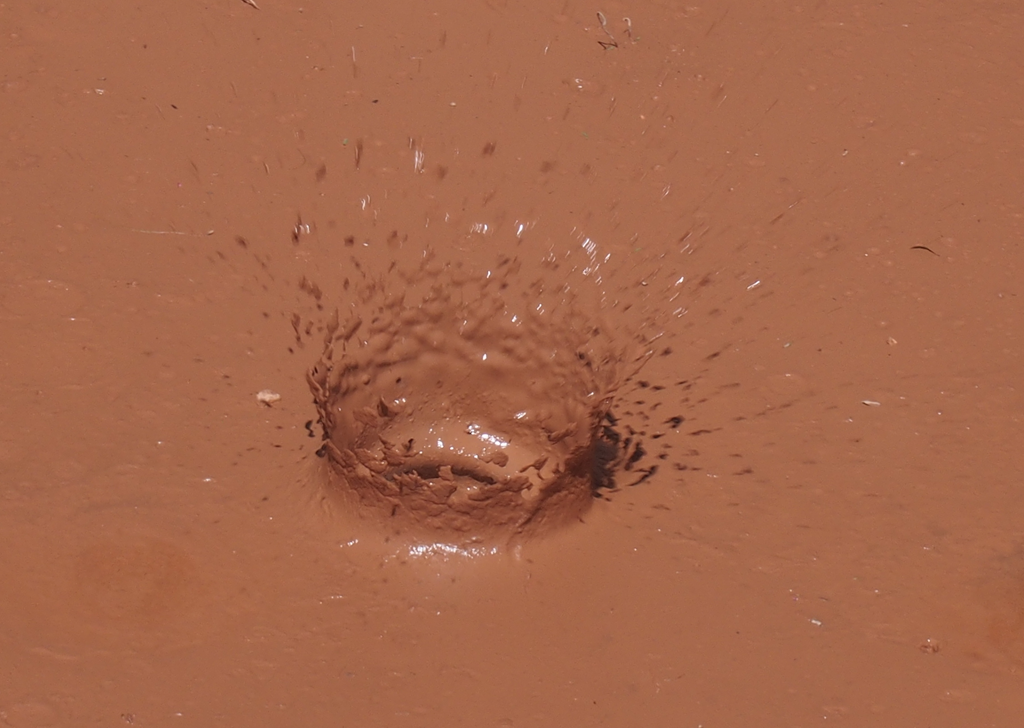
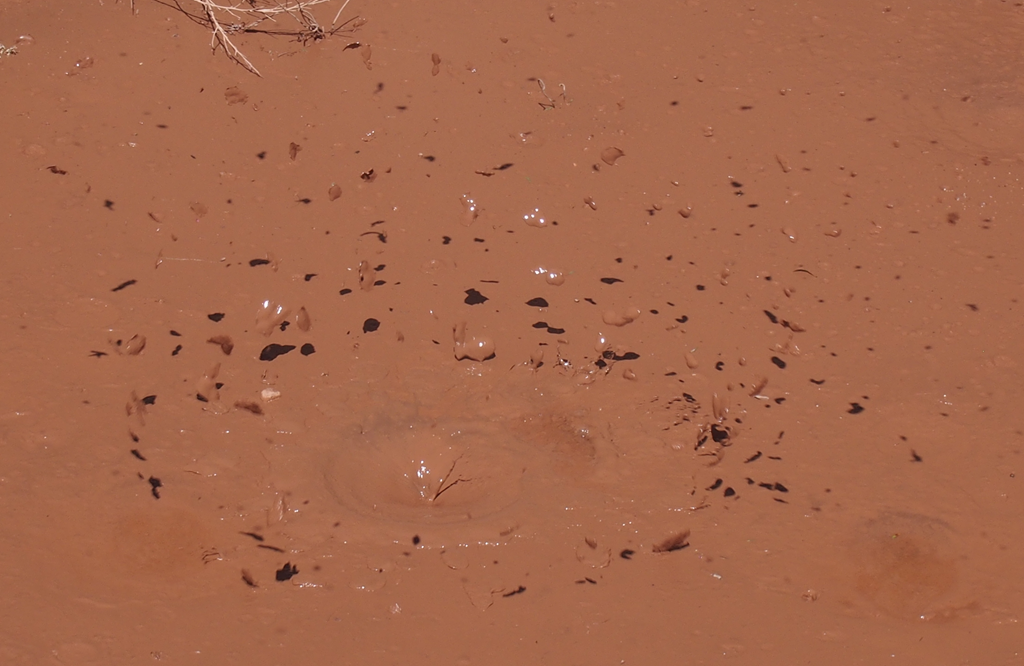
That would then shatter into thousands of pieces.
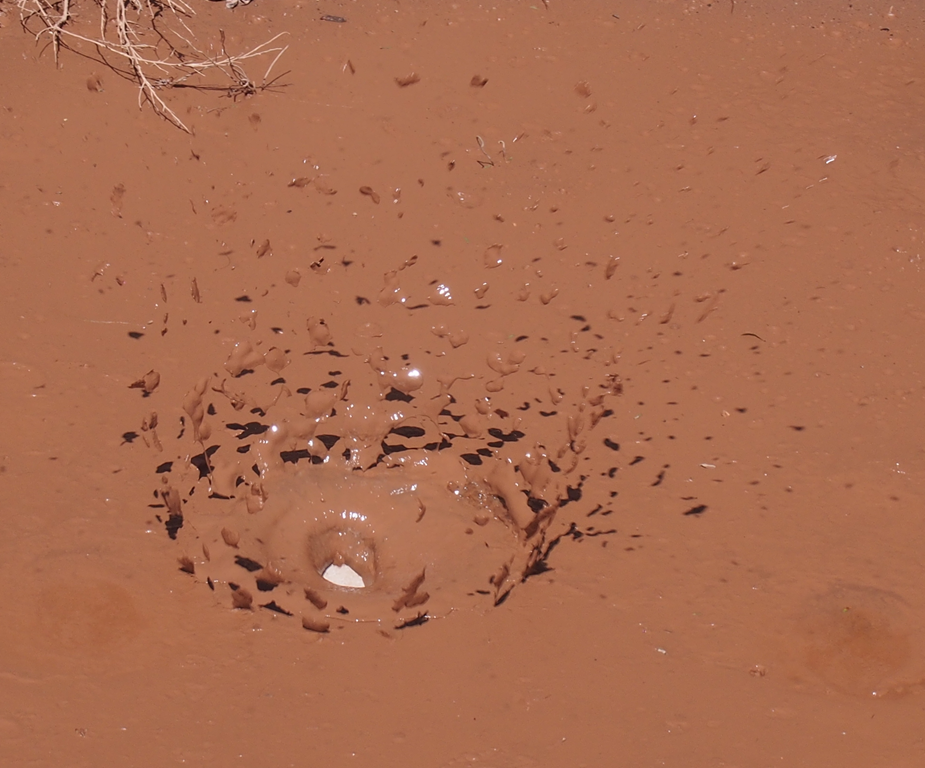
And the clay bed would consume the rock. Much to our surprise no clay was sprayed onto clothing during this series of experiments.
San Pedro is a major base for astronomers because it is dry with high elevation. So we did an astronomy tour.
They had ten telescopes set up for us to use. One was pointed at the Moon so we could take a picture with our camera.

The others weren’t set up for cameras, so we’ll be taking pictures from the internet. We tried to get as close as possible to what it looked like.
One was on Saturn.

The next one was Jupiter. We could see it’s red spot and faintly a couple of moons.

Next was the Magellanic cloud
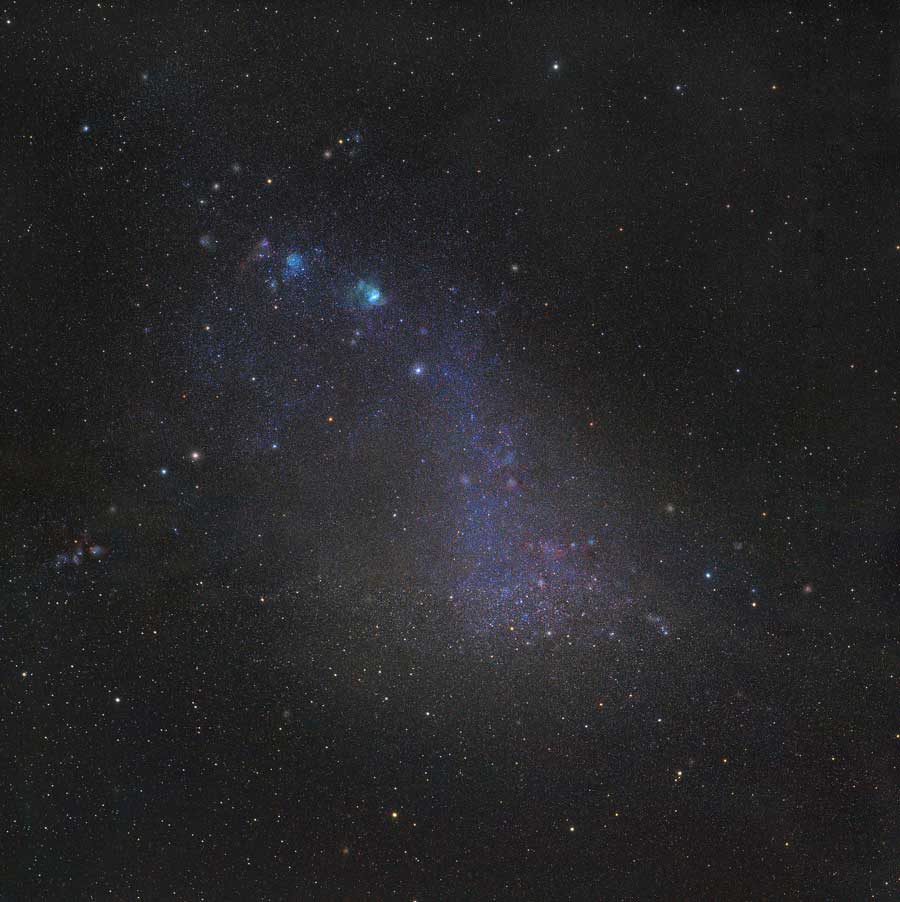
Next was a nebula in the milky way that Matt thought looked like yeast. We don’t have the name of the nebula so we can’t find it, so you’re getting a picture of yeast.
One was on Sirius to show that when you look through a telescope at a star it pretty much looks exactly the same, because it’s so far away it stays a point of light.

One was pointed at a random part of the Milky Way so that you could see the individual stars you can’t see with your eyes. He put a laser pointer through the eye piece so you could see where it was pointing.
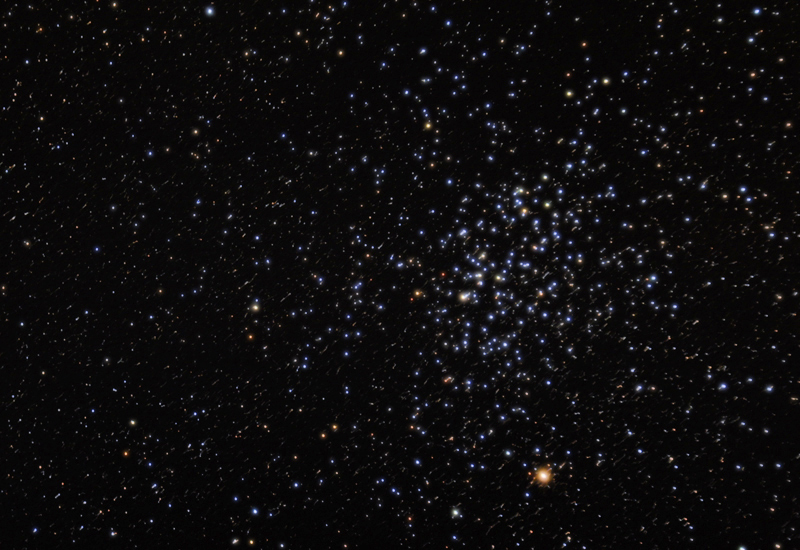
This is the Jewelbox cluster, with stars that look orange, blue and yellow. The colours were clearer in the telescope than in this picture. The stars also weren’t all starbursted.

This is cluster NGC 3532, which was just pretty.
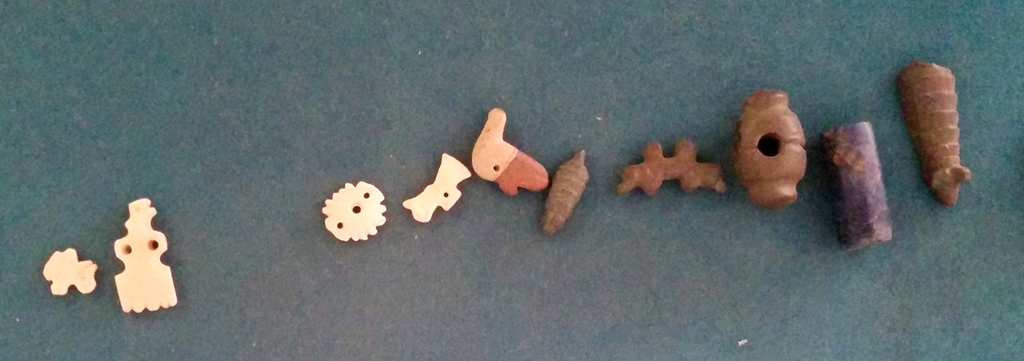
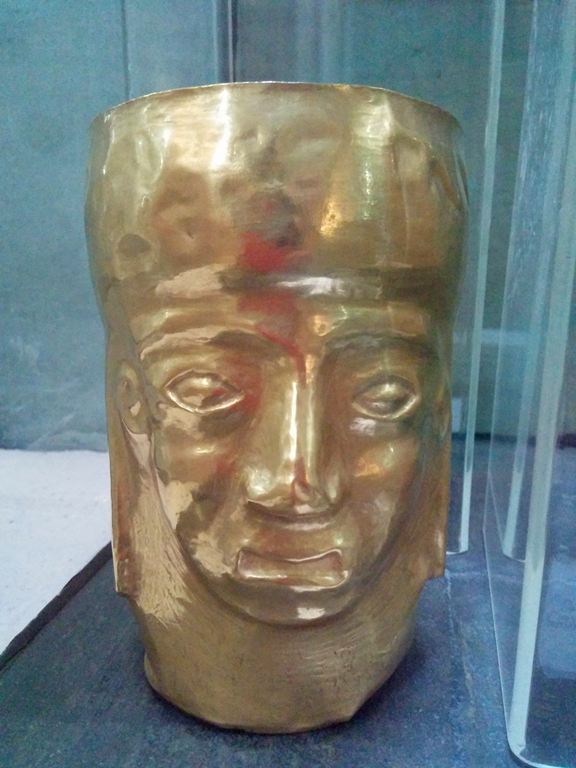
Because San Pedro is in the desert many artefacts in the area are well preserved.
Their petroglyphs show that they were very flexible people.
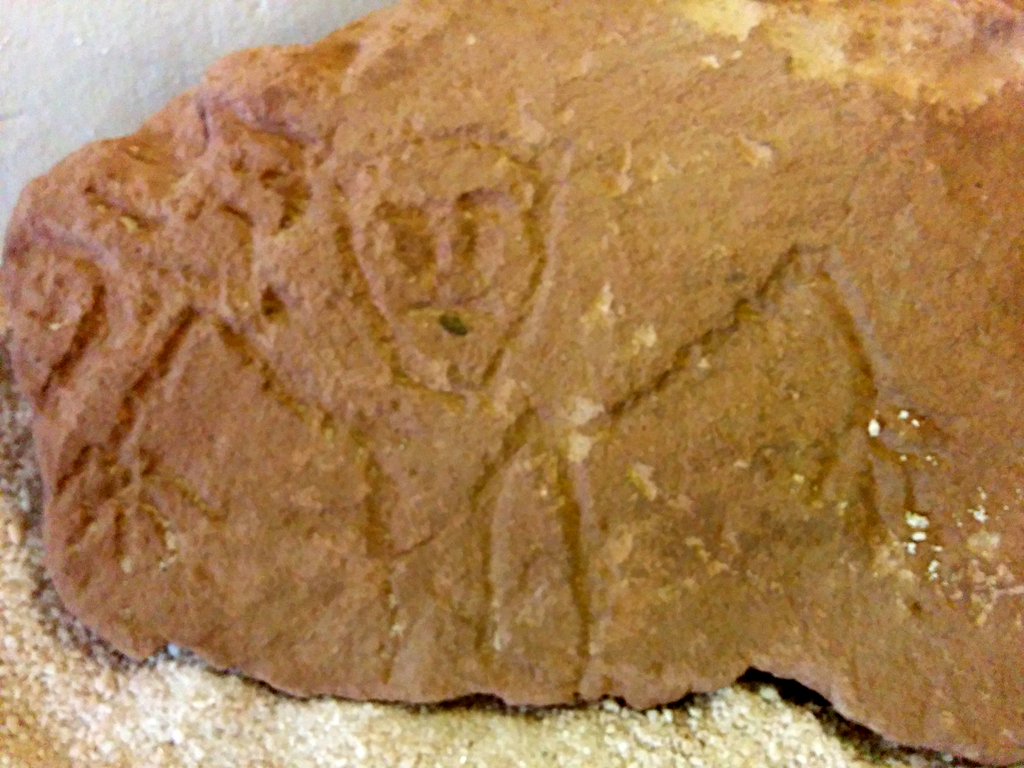
With square mouths.
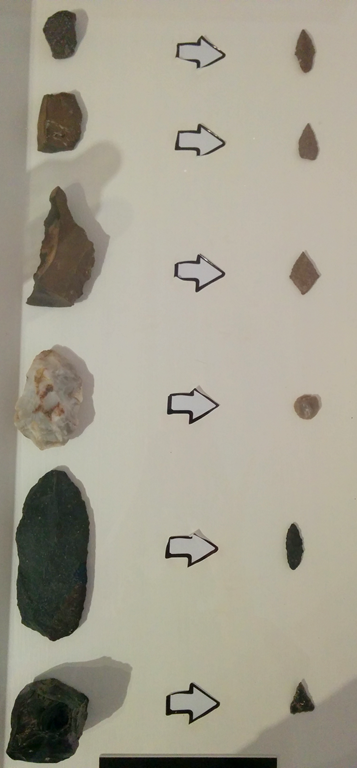
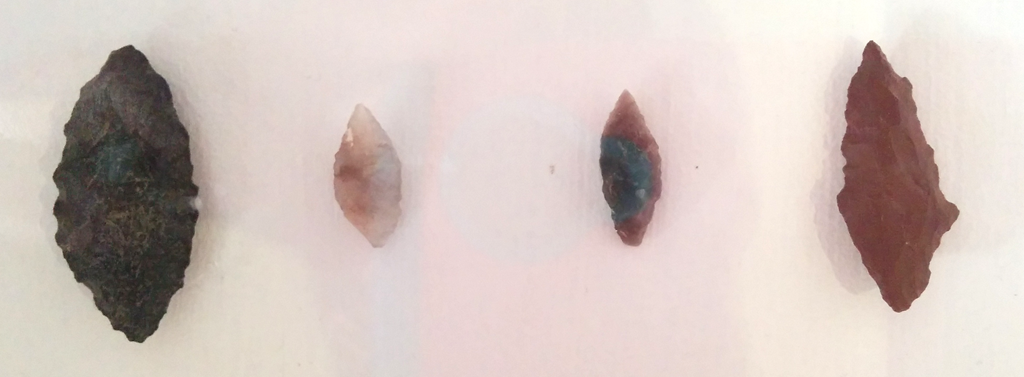
They made these little points out of stone.
Which they flung with this stick like a lacrosse ball to hunt animals.
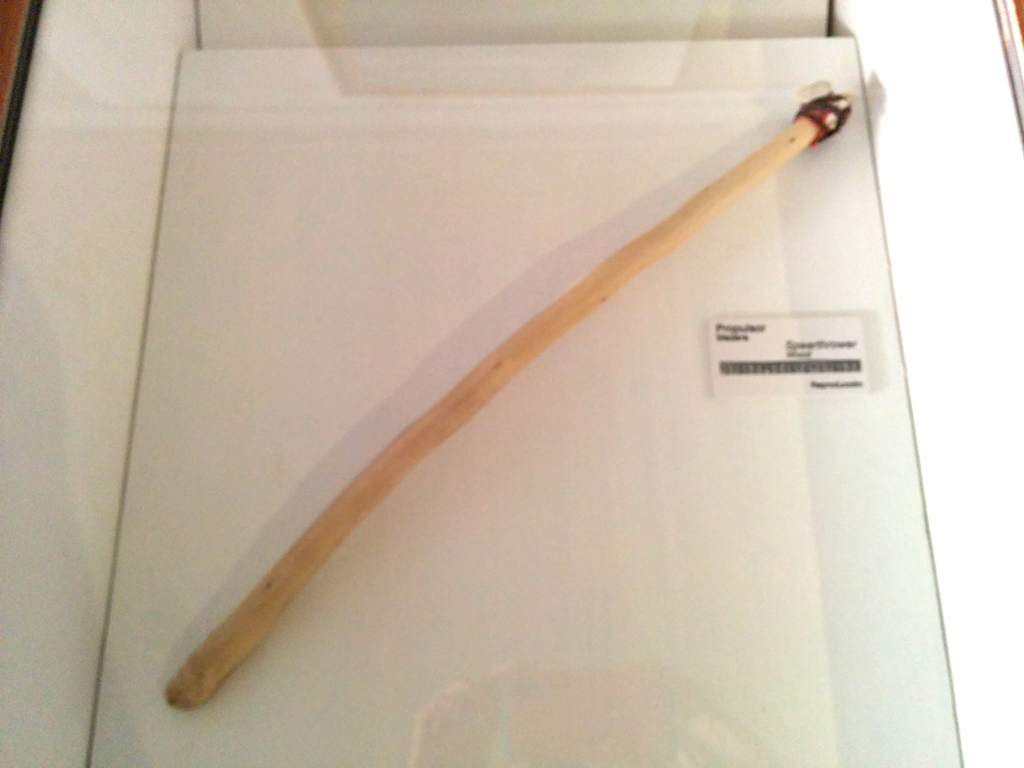
This display showed the types and sizes of stones that were needed to carve the little projectiles and spear points.