SKU: 15147106367
heartleaf philodendron specific maintenance requirements

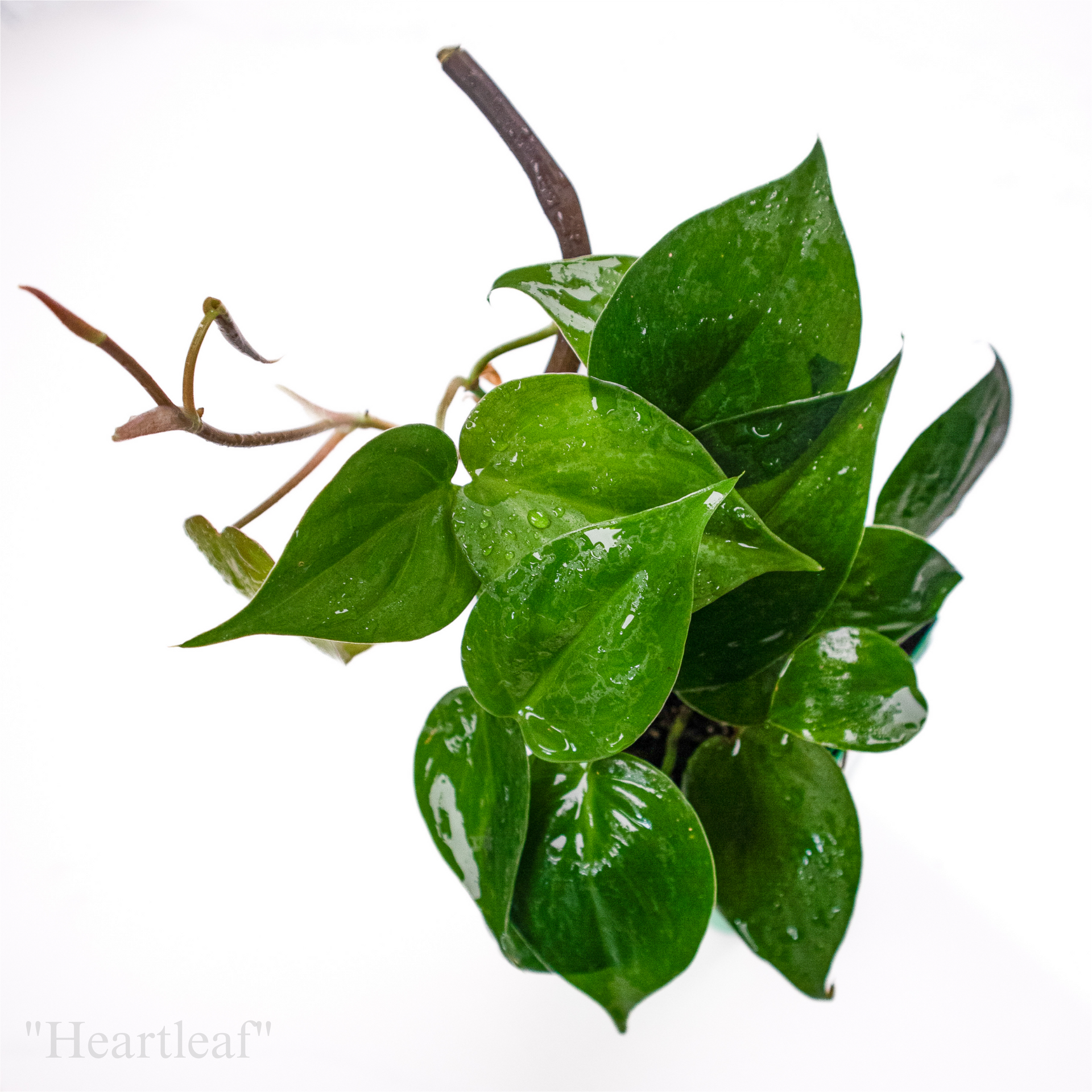
heartleaf philodendron specific maintenance requirements Philodendron hederaceum “Heartleaf”

Sale price$22.69 Regular price$25.21
Save 10%

Pay in installments of $6.30 with ShopPay, AfterPay and Klarna

Shipping Estimate
USA
  • USA
  • CAN

Ships within 48 hours · Estimated delivery Jul 22 - Jul 27

Promo Codes Available:

For Your Every Summer RSVP, with Code: SUMMER15

Description

heartleaf philodendron specific maintenance requirements Philodendron hederaceum “Heartleaf”The Heartleaf Philodendron (Philodendron hederaceum) is a popular, low maintenance vining plant known for its glossy, heart shaped, solid green leaves. It is perfect for adding a lush, tropical feel to any space and makes a fantastic addition to bioactive setups for terrariums, vivariums, or paludariums due to its easy care nature and ability to thrive in various conditions. Care Instructions LIGHT. Prefers bright, indirect light but can tolerate

The Heartleaf Philodendron (Philodendron hederaceum) is a popular, low-maintenance vining plant known for its glossy, heart-shaped, solid green leaves. It is perfect for adding a lush, tropical feel to any space and makes a fantastic addition to bioactive setups for terrariums, vivariums, or paludariums due to its easy-care nature and ability to thrive in various conditions.

Care Instructions

LIGHT. Prefers bright, indirect light but can tolerate lower light levels. However, its growth may slow, and the leaves might lose some of their vibrancy in low light. In a bioactive setup, place it near a light source but avoid direct sunlight, which could scorch the leaves.

SOIL. A well-draining, loose soil mix is ideal. A blend of coconut coir, perlite, and orchid bark will help maintain aeration and proper drainage, which is essential for healthy root growth. In a bioactive environment, this mix will also allow decomposers like isopods and springtails to thrive by breaking down organic matter and enriching the substrate.

WATERING. Keep the soil consistently moist but not soggy. Let the top 1-2 inches dry out between waterings. In bioactive setups, the decomposers (springtails and isopods) will help balance moisture levels by consuming excess organic matter, which helps prevent over-watering. Avoid leaving the soil overly wet for extended periods.

HUMIDITY. Being a tropical plant, the Heartleaf Philodendron thrives in high humidity, making it ideal for bioactive setups. Aim to keep humidity levels above 60% to encourage healthy, lush growth.

TEMPS. Prefers warm temperatures between 65°F and 80°F (18°C to 27°C). Avoid placing it in drafty areas or areas with cold temperatures to prevent stress.

FERTILIZATION. During the growing season (spring and summer), feed with a balanced liquid fertilizer every 4-6 weeks. You can also use our dissolvable Mealworm Frass, produced by our mealworm colonies and enriched with a variety of vegetation, as a nutrient-pumped fertilizer. In the winter, reduce feeding as growth slows down.

Cohabitation with Bioactive Organisms

ISOPODS. Isopods are ideal for a Heartleaf Philodendron setup. These decomposers will break down dead plant matter, fallen leaves, and uneaten food, helping to maintain soil health and nutrient levels. The plant also benefits from the organic material provided by the isopods.

SPRINGTAILS. Springtails are great companions for Heartleaf Philodendron in bioactive setups. They help maintain soil health by consuming mold, fungi, and decaying organic matter. Their constant activity helps keep the environment clean while benefiting the plant by breaking down organic matter into nutrients.

Soil and Maintenance Tips

SUBSTRATE. A loose, well-draining mix is crucial. Use a combination of coconut coir, orchid bark, and perlite to allow for root aeration while ensuring that decomposers have the proper environment to thrive. You can also add a layer of activated charcoal at the bottom for better filtration and odor control.

HUMIDITY CONTROL. If needed, increase humidity by incorporating a shallow water dish or misting lightly once a day. The springtails and isopods will help keep the soil moist, and your plant will benefit from the additional humidity.

TRIMMING. Heartleaf Philodendron grows quickly and can be easily trimmed to maintain a neat appearance or encourage fuller growth. Periodically trim the vines to keep them in shape. You can propagate cuttings in water or soil, which is a great way to expand your collection.

PEST CONTROL. This plant is generally pest-resistant, but in a bioactive environment, springtails and isopods will help control minor pests such as mealybugs or aphids by feeding on their eggs or larvae.


With its vibrant, glossy, heart-shaped leaves, the Heartleaf Philodendron is a beautiful and resilient addition to any bioactive setup. It thrives alongside decomposers like isopods and springtails, which contribute to a healthy, nutrient-pumped environment. By mimicking its tropical habitat with proper humidity, light, and well-draining soil, you’ll create a thriving ecosystem where both your plants and bioactive creatures can flourish.

Shipping Notes
  • Free Standard Shipping on $100+ Orders to the USA.
  • Except Preorder products are shipped in 48 hours.
  • Delivery to the USA:
  1. Standard Shipping : 3-10 business days
  • If time is of the essence, please consider selecting expedited delivery for faster service.
Exchange/Return Notes
  • We offer a 30-day return/exchange service after receiving.
  • Final sale items are not eligible for returns or exchanges.
  • To process your return/exchange, please contact us at [email protected]
  • Please click here for more details>>> Return & Exchange Policy
SKU: 15147106367

Discover Niche Categories That Outsell heartleaf philodendron specific maintenance requirements

Top-Converting Item to Boost Your Average Order

4.7 ★★★★★
Based on 19 reviews
Sort
Highest Rating
Newest First
Oldest First
Product Reviews
M
Verified Purchase
Marianne Mountain Dawn Scofield
Draper, US
★★★★★ 5
Wonderful History Lessons
I ordered this book to use for a college paper I was writing and found it fascinating. I enjoyed the content and learned much from it. The history is written in a manner that for those people that either don't read much or don't like to read (yes, there are a few people out there), it will draw you in and make you question the history lessons we suffered through in high school.
WAS THIS REVIEW HELPFUL?YesReportShare
Reviewed in the United States on January 11, 2013
A
Verified Purchase
Amazon Customer
Phoenix, US
★★★★★ 5
Excellent and Eye Opening
Where but in America could white men kill 2,ooo,ooo people to prove they are more civilized ?
WAS THIS REVIEW HELPFUL?YesReportShare
Reviewed in the United States on March 16, 2017
K
Verified Purchase
Ken Kardash
Lexington, US
★★★★★ 4
Rediscovering America
This is an eye-opening, scholarly rebuttal to common perceptions about native American society before and after the European invasion. Ronald Wright makes no secret of his bias in favor of the people who were here first; in fact, he enhances the impact of what for many will be new information by presenting this extraordinary history from the point of view of the conquered. He also makes clear how large a part of the conquest was due to immune system rather than military deficiencies: if smallpox and other diseases had not done killed most of the native population, the facts recounted here suggest that history, particularly in South America, may have evolved quite differently. In undertaking the massive task of recounting the invasion of all of the Americas, some selectivity is inevitable. Wright has chosen to focus on the story of five distinct native groups: Aztec, Maya, Inca, Cherokee and Iroquois. He then arbitrarily subdivides the story into three consecutive time periods: Conquest, Resistance and Rebirth. After the physical and political annihilation recounted in the first two sections, the title of the third may seem overly optimistic, particularly for the Guatemalan Maya. However, the concluding tone is more conciliatory and hopeful than mournful, particularly in the Afterword that updates matters to 2005, 13 years after the original publication date. The astounding amount of research involved in producing this admittedly selective overview is well-indexed and annotated. My only quibble is that Wright, obviously an expert in the field of native culture, sometimes borders on the compulsive in matters of linguistic authenticity. I did not buy this book to learn ancient native languages, let alone their pronunciation, and at times I found the inclusion of such trivia distracted from rather than enhanced the otherwise convincing scholarship. This obsession with accuracy is commendable, but after getting it out of his system in the Author's note, his amazing narrative would have been no less compelling if he stuck to the language of his contemporary audience. Also, for an author who has settled in British Columbia, it is strangely disappointing that the rich history of the Pacific Northwest coastal natives was not among those he chose to examine. I had read Charles Mann's "1491" prior to this book and found it primed my interest in the subject; both are excellent introductions to the reality of pre-Columbian American societies, but Stolen Continents provides more of a historical context for what has become of them.
WAS THIS REVIEW HELPFUL?YesReportShare
Reviewed in the United States on October 13, 2008
I
Verified Purchase
Irving Dozier
San Leandro, US
★★★★★ 5
... true things that really went on to know very great
Format: Hardcover
lots of true things that really went on to know very great book
WAS THIS REVIEW HELPFUL?YesReportShare
Reviewed in the United States on October 13, 2016
A
A. Jimenez
Whiting, US
★★★★★ 3
Well intentioned but ignorant
It's clear that this author is well intentioned. He betrays his own ignorance in trying to justify why his book only addreses certain native nations, however. The author indicates that the book did not address the native peoples of the Caribbean because they are extinct. To state that the Taino and Carib are extinct is at best extremely ignorant and at worst racist. The Taino and Carib are very much alive. To begin with, there is a reservation of Carib Indians on the island of Dominica. These native people have retained their language and culture. Further, there is a Taino Revival movement happening throughout the major Antilles especially in the Dominican Republic, Puerto Rico and Cuba. It has been scientifically proven via DNA analysis that these people are of partial and in some cases total native descent. The Taino language is being heard and taught again in the Caribbean and Taino culture has always been an integral part of the the customs and culture of the major Antilles. It is very unfortunate to know that even this author is ultimately just another white guy bent on ignoring " incovenient truths ".
WAS THIS REVIEW HELPFUL?YesReportShare
Reviewed in the United States on September 25, 2012

recommand products