Pay in installments of $6.83 with
 ,
,
 and
and

Shipping Estimate
USA
- USA
- CAN
- USA
- CAN
Ships within 48 hours · Estimated delivery Jul 23 - Jul 28
 Promo Codes Available:
For Your Every Summer RSVP, with Code: SUMMER15
Description
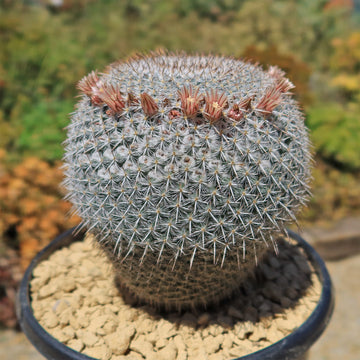
types of mammillaria cactus Owl Eye Cactus 'Mammillaria Parkinsonii'If you are looking for a plant that is easy to grow or you are the type of person who forgets to water their plants, then the owl's eye cactus, known as Mammillaria parkinsonii, is perfect for you. This is one of the Mammillaria species that is famous for its dichotomous branching, which is uncommon in cacti. It gets its name from the unique appearance of its spines, which resemble the eyes of an owl. This unique Mammillaria has several other common
If you are looking for a plant that is easy to grow or you are the type of person who forgets to water their plants, then the owl's eye cactus, known as Mammillaria parkinsonii, is perfect for you. This is one of the Mammillaria species that is famous for its dichotomous branching, which is uncommon in cacti. It gets its name from the unique appearance of its spines, which resemble the eyes of an owl.
This unique Mammillaria has several other common names such as owl eye pincushion, owl eyes, owl's eye, cactus parkinsonii, or Nemammillaria parkinsonii. Its unique feature is its alternating heads, starting with a single head and progressing to two heads, and so on. Because of its restricted growth and habitat loss, this mammillaria cactus is rare and endangered in its native area.
Native to Mexico, the Mammillaria parkinsonii typically has multiple mounds that are blue green in hue, with clusters of tubercles that form distinct ridges along its sphericle or cylindrical stem. The spines are usually white or yellowish and are arranged in a radial pattern around the tubercles. What makes this cactus truly eye-catching are the central spines, which are longer and thicker, resembling the "eyes" of an owl.
Mammillaria parkinsonii is a small to medium-sized cactus, with individual plants reaching heights of up to 6 inches and widths of about 4 inches. It is a slow-growing species that can take several years to reach its full size. The yellow, pink, and brown funnel-shaped flowers of this cactus are found at the tips of your cactus owl during summer.
Watering Needs
When it comes to watering the Owl Eye Cactus - Mammillaria parkinsonii, it's important to be mindful of its specific needs. This cactus owl prefers a drier environment, so it's best to water it sparingly. Allow the soil to completely dry out between waterings to prevent overwatering and potential root rot.
During the active growing season, which is typically spring and summer, you can water the Mammillaria cactus once every two to three weeks. However, always check the moisture level of the soil before watering to ensure it's truly dry. In the winter months, when your cactus goes into dormancy, reduce watering frequency even further to once a month or less.
Remember, it's better to underwater than overwater this cactus. If in doubt, it's safer to wait a little longer before watering again. Providing proper drainage is also crucial, as excess water should be able to flow out of the pot to prevent waterlogged soil.
Light Requirement
When it comes to light requirements, the Owl Eye Cactus loves bright, indirect sunlight. It thrives in a spot where it can receive plenty of bright light throughout the day, but it's important to avoid placing it in direct sunlight, especially during the hottest parts of the day.
A south-facing or east-facing window is usually a great choice for this Mammillaria cactus, as it provides the right amount of light without exposing it to intense rays that could potentially burn the owl eye plant. If you don't have access to a suitable window, you can also use artificial grow lights to provide the necessary light for your cactus.
Keep in mind that the amount of light needed may vary depending on your specific location and climate. Observing the owl's eye cactus for any signs of sunburn or etiolation (stretching towards light) can help you determine if it's receiving the right amount of light. Adjust the placement accordingly to ensure it's getting the optimal light conditions.
In terms of propagation, Mammillaria parkinsonii can be propagated from offsets or by seed. It is a relatively easy cactus to care for, making it a popular choice among cactus enthusiasts. Additionally, this owl eye cactus is a friendly plant for both humans and pets.
Optimal Soil & Fertilizer Needs
When it comes to the optimal soil and fertilizer needs for the Owl Eye Cactus, it's important to provide well-drained soil that mimics its natural habitat. A mixture of cactus potting mix and perlite or coarse sand works well to ensure good drainage and prevent waterlogged soil. Instead, make or buy a well-draining potting mix, or ideally use our specialized cactus potting mix that contains 5 natural substrates and mycorrhizae to promote the development of a strong root system that helps your cactus to thrive.
For fertilizing, it's best to go easy on the owl-eye cactus. This mammillaria parkinsonii cactus doesn't require frequent fertilization and can actually thrive in nutrient-poor conditions. During the active growing season in spring, you can use a balanced cactus fertilizer once a year. Remember, it's always better to under-fertilize than over-fertilize this cactus. If you notice any signs of fertilizer burn, such as yellowing or wilting, reduce the frequency or strength of the fertilizer.
Hardiness Zone & More
The Mammillaria parkinsonii is native to arid and dry conditions and is generally hardy in USDA hardiness zones 9–11; which means it can tolerate temperatures as low as 20°F to 40°F. However, it's important to avoid extreme temperature fluctuations, as this can stress the mammillaria plant.
As for humidity, the Owl Eye Cactus is adapted to low-humidity environments and can tolerate dry air. It doesn't require high levels of humidity and can thrive in average indoor humidity levels. Remember to always monitor the temperature and humidity conditions in your specific location to ensure the optimal growth and health of your Owl Eye Cactus.
We think you will love this cactus plant – order your very own Mammillaria parkinsonii - owl eye cactus today and start enjoying its beauty in no time!
Shipping Notes
- Free Standard Shipping on $100+ Orders to the USA.
- Except Preorder products are shipped in 48 hours.
- Delivery to the USA:
- Standard Shipping : 3-10 business days
- If time is of the essence, please consider selecting expedited delivery for faster service.
Exchange/Return Notes
- We offer a 30-day return/exchange service after receiving.
- Final sale items are not eligible for returns or exchanges.
- To process your return/exchange, please contact us at [email protected]
- Please click here for more details>>> Return & Exchange Policy