Pay in installments of $7.44 with
 ,
,
 and
and

Shipping Estimate
USA
- USA
- CAN
- USA
- CAN
Ships within 48 hours · Estimated delivery Jul 19 - Jul 24
 Promo Codes Available:
For Your Every Summer RSVP, with Code: SUMMER15
Description
do goji berry plants need a trellis Goji Berry – UJAMAA SEEDSLycium Chinense Seeds per pack ~ 70 BOTANICAL SAMPLE The Goji berry plant, also called Wolfberry is scientifically known as Lycium barbarum or Lycium chinense, is a deciduous shrub that is native to the regions of China, Mongolia, and Tibet. It is a member of the Solanaceae family, which includes other plants like tomatoes, potatoes, and bell peppers. Goji berry plants are well known for their edible fruits, which are commonly referred to as Goji
Lycium Chinense
Seeds per pack ~ 70
BOTANICAL SAMPLE
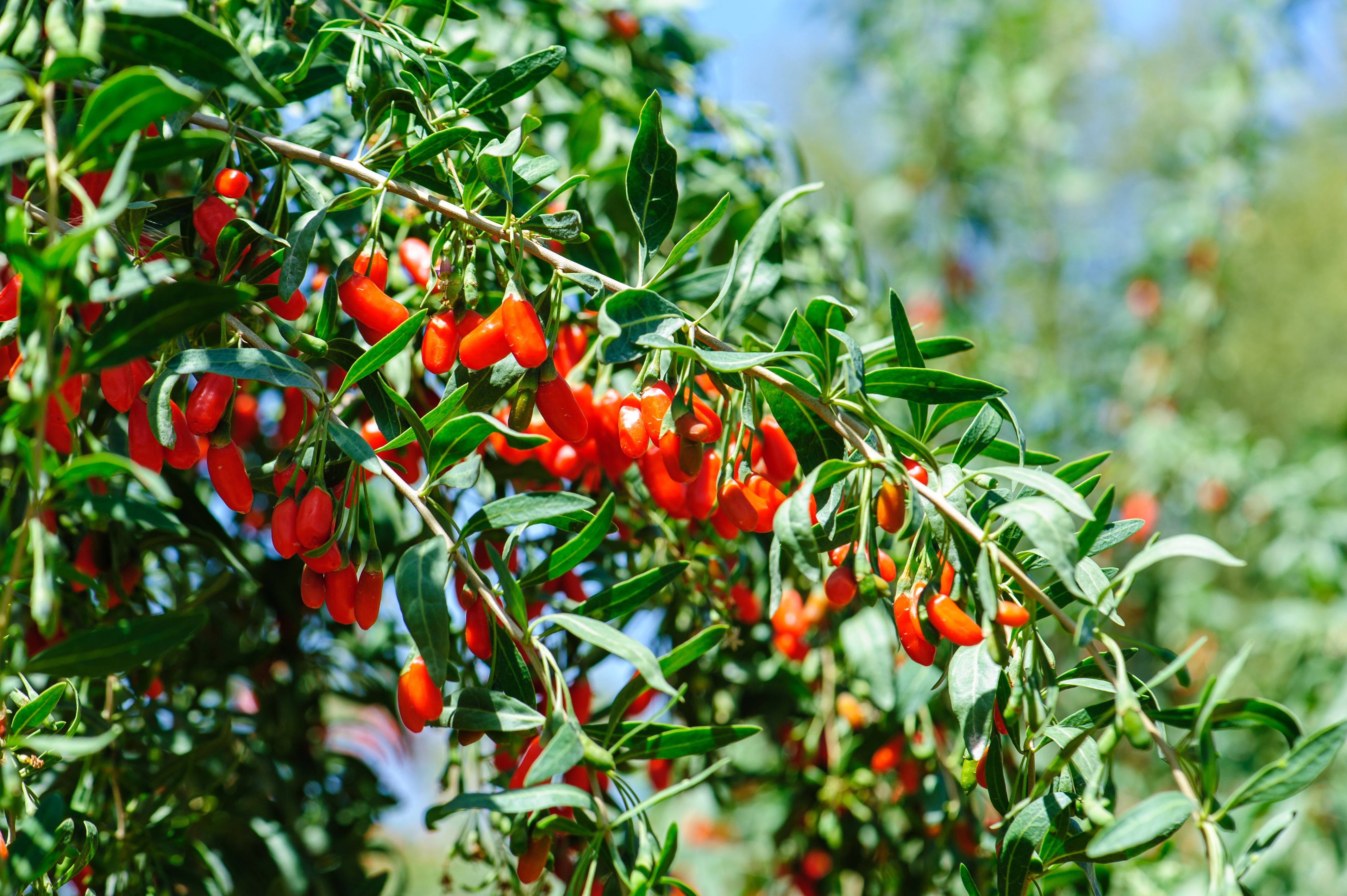
The Goji berry plant, also called Wolfberry is scientifically known as Lycium barbarum or Lycium chinense, is a deciduous shrub that is native to the regions of China, Mongolia, and Tibet. It is a member of the Solanaceae family, which includes other plants like tomatoes, potatoes, and bell peppers. Goji berry plants are well-known for their edible fruits, which are commonly referred to as Goji berries or wolfberries.
Goji berry plants typically grow to a height of 3 to 10 feet (1 to 3 meters). They have slender, woody stems with long, arching branches. The leaves are oblong and about 1-2 inches long, with a dark green color. In late spring or early summer, Goji berry plants produce small, trumpet-shaped flowers that are usually purple or lavender in color. These flowers are about half an inch to one inch long and form in clusters along the branches.
The Goji berries fruit themselves are the most well-known part of the plant. These small, red or orange berries are oblong in shape and about 1/2 to 1 inch in length. They have a slightly sweet and tangy flavor and are often dried for consumption. Goji berries are rich in antioxidants, vitamins, and minerals, and they are used in traditional Chinese medicine and various culinary dishes. Goji berries are renowned for their potential health benefits. They are often considered a superfood due to their high levels of antioxidants, vitamins (especially vitamin C), and essential minerals. Some people believe that Goji berries can support eye health, boost the immune system, and provide various other health advantages, although scientific evidence for these claims is mixed.
Growing conditions: Goji berry plants are hardy and adaptable. They can thrive in a variety of climates, from temperate to subtropical regions. They prefer well-drained soil and full sun but can tolerate partial shade. These plants are also drought-tolerant once established. Goji berry plants can be grown from seeds or propagated through cuttings. They are relatively low-maintenance and can be pruned to maintain their shape. Regular pruning can also help improve berry production. Goji berry plants are generally resistant to most common pests and diseases. However, they may occasionally be susceptible to aphids, spider mites, or powdery mildew.
Overall, the Goji berry plant is a versatile and attractive shrub that not only provides nutritious fruits but also adds ornamental value to gardens and landscapes. It has gained popularity for its potential health benefits and is cultivated in various parts of the world.
GROWING TIPS
Growing Lycium chinense, also known as Chinese goji berry or wolfberry, can be a rewarding experience. Here's a general guide on how to grow them:
Choose the Right Location: Goji berries prefer full sunlight. Choose a spot in your garden that receives at least 6-8 hours of direct sunlight per day. Soil Preparation: Goji berries thrive in well-drained soil with a pH between 6.0 and 8.0. They can tolerate various soil types, but sandy loam with good drainage is ideal. Prepare the soil by mixing in organic matter such as compost to improve fertility and drainage.
Plant goji berry bushes in early spring or late fall. Dig a hole slightly larger than the root ball of the plant and place the plant in the hole, ensuring that it is planted at the same depth as it was in the nursery container. Space plants about 4-6 feet apart to allow for adequate air circulation and future growth.
Keep the soil consistently moist but not waterlogged, especially during the plant's first year of growth. Once established, goji berries are somewhat drought tolerant but will still benefit from regular watering, especially during dry spells. Fertilize your goji berry plants with a balanced fertilizer in the spring before new growth begins. Follow the instructions on the fertilizer package for application rates.
Prune goji berry plants in late winter or early spring before new growth appears. Remove any dead, damaged, or crossing branches, and trim the plant to maintain its desired shape. Pruning will also help promote airflow and reduce the risk of disease. Goji berry bushes can benefit from some support, especially as they grow taller and produce more fruit. Install a trellis or stake to support the branches and keep them off the ground. Goji berries typically begin producing fruit in their second or third year. Harvest the berries when they are fully ripe, which is usually in late summer to early fall. Simply pluck the berries from the plant by hand.
Pests and Diseases: Goji berries are relatively pest and disease resistant, but they can occasionally be affected by aphids, spider mites, or powdery mildew. Monitor your plants regularly and treat any pest or disease problems promptly.
By following these steps, you can successfully grow Lycium chinense and enjoy a bountiful harvest of nutritious goji berries
Shipping Notes
- Free Standard Shipping on $100+ Orders to the USA.
- Except Preorder products are shipped in 48 hours.
- Delivery to the USA:
- Standard Shipping : 3-10 business days
- If time is of the essence, please consider selecting expedited delivery for faster service.
Exchange/Return Notes
- We offer a 30-day return/exchange service after receiving.
- Final sale items are not eligible for returns or exchanges.
- To process your return/exchange, please contact us at [email protected]
- Please click here for more details>>> Return & Exchange Policy