Shipping Estimate
USA
- USA
- CAN
- USA
- CAN
Ships within 48 hours · Estimated delivery Jul 13 - Jul 18
 Promo Codes Available:
For Your Every Summer RSVP, with Code: SUMMER15
Description
silver falls plant seeds Shop 'Dichondra Silver Falls Plant' -Care & Growing GuideThe Dichondra Silver Falls, known as Dichondra argentea Silver Falls, is a unique, ornamental perennial foliage plant for its trailing, silver stems and delicate appearance, making it a popular choice for ornamental gardening. This vine plant is admired for its ability to cascade gracefully over containers, hanging baskets, or rock walls, adding a soft, silvery sheen to any landscape. Known for its durability and drought tolerance, Silver Falls has
The Dichondra ‘Silver Falls’, known as Dichondra argentea ‘Silver Falls’, is a unique, ornamental perennial foliage plant for its trailing, silver stems and delicate appearance, making it a popular choice for ornamental gardening.
This vine plant is admired for its ability to cascade gracefully over containers, hanging baskets, or rock walls, adding a soft, silvery sheen to any landscape. Known for its durability and drought tolerance, Silver Falls has earned its place in xeriscaping and water-conscious gardens, where it can thrive in sunny, dry conditions.
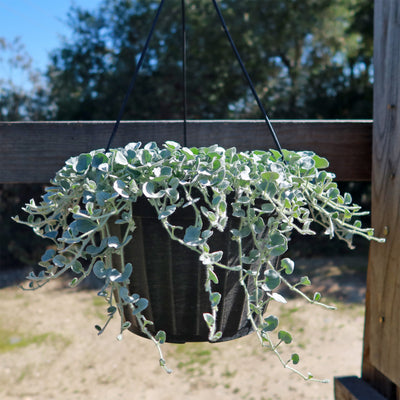
Native to Mexico and the Southwestern United States, referred to as “Silver Falls” due to its cascading growth habit. This Dichondra variety resembles a “silver waterfall” as it trails elegantly down from elevated containers or hanging planters.
The leaves are round to kidney-shaped and have a metallic silver or grayish-green hue, which reflects sunlight and adds a touch of brightness to garden arrangements.
The plant's other common name, “Silver Ponyfoot,” is inspired by the resemblance of its rounded leaves to tiny horseshoes or “pony feet.” This distinctive look makes it stand out in Dichondra ground covers and hanging plants.
The standout feature of Dichondra ‘Silver Falls’ is its fan-shaped shimmering silvery leaves, which have a velvety texture and can grow up to 5 feet long and 4 inches tall. This compact plant has small, rounded leaves that resemble miniature water lily pads and forms a dense mat.
Great for hanging baskets, Dichondra ‘Silver Falls’ creates a beautiful cascading effect that adds visual interest to any setting, while its low-growing, spreading habit also makes it an effective ground cover. This versatile plant’s drought tolerance and minimal maintenance needs make it a practical choice for various garden types, from xeriscapes to container gardens. Its trailing, silvery foliage adds elegance to both baskets and mixed planters, enhancing the overall texture and color of garden arrangements.
The Dichondra ‘Silver Falls’ produce brightly colored flowers, typically pale green to white. These flowers appear sporadically and are not the primary attraction of the plant. They blend easily into the plant’s silver leaves and are often overlooked, especially since the green foliage remains the star feature. However, in warmer climates, these small blooms can add a subtle texture to this vigorous plant, quietly enhancing its charm.
Dichondra ‘Silver Falls’ is excellent for erosion control, especially on slopes, where its low-growing, spreading habit can stabilize soil and prevent water runoff. Its ability to tolerate drought means this seasonal ground cover can reduce water usage in gardens, making it an eco-friendly choice for xeriscaping. Additionally, its dense foliage can serve as a habitat for beneficial insects, which helps maintain garden health by controlling pests naturally.
When and How to Water Your Silver Falls Plant
The Dichondra Silver Falls plant is known for its drought tolerance, which makes it a great choice for those looking for low-maintenance greenery. This plant can withstand dry conditions well, requiring less frequent watering compared to many other plants. However, it's crucial to strike a balance in watering to ensure the plant remains healthy and vibrant.
From spring to early fall, during the growing season, Silver Falls Dichondra benefits from regular watering to support its active growth. Water the plant deeply but infrequently, allowing the soil to dry out slightly between waterings to prevent waterlogged conditions. In the warmer months, aim to water the plant about once a week, ensuring the soil is moist but not soggy. Adjust the frequency based on the specific conditions in your area, such as temperature and humidity levels.
In late fall and winter, as the plant enters its dormant season, its water requirements decrease. During this period, reduce the frequency of watering significantly to mimic the plant's natural growth cycle. Water the Dichondra Silver Falls sparingly, only when the soil appears dry to the touch. In colder climates, where the plant may experience frost or cold snaps, it's essential to water even less to prevent water-related damage during dormancy. By adjusting your watering schedule according to the plant's seasonal needs, you can help maintain the health and beauty of your Dichondra Silver Falls throughout the year.
Light Requirements – Where to Place Your Dichondra Silver Falls
When growing Dichondra Silver Falls indoors they prefer bright, indirect light for at least 4-6 hours a day to encourage dense growth and preserve the silver foliage. They thrive in locations where they can receive ample sunlight without being exposed to direct harsh rays.
Placing them near a window that gets filtered sunlight or using sheer curtains can help provide the ideal lighting conditions for these plants indoors. It's essential to monitor the plant for any signs of light stress, such as yellowing or browning leaves, and adjust their placement accordingly to ensure they receive adequate light.
When grown outdoors, your Silver Falls plants do best in full sun to partial shade for at least 6-8 per day. They benefit from receiving morning sun and afternoon shade, especially in regions with hot summers, and form soft pewter leaves on silver stems.
It will grow in partial sun as well, but provide as much light as possible to promote dense growth and preserve the silver color. This balance of light exposure helps prevent the plant from getting scorched or stressed by intense sunlight.
Optimal Soil & Fertilizer Needs
The Silver Falls plants thrive in well-drained soils that are rich in organic matter. A high-quality potting mix designed for container plants, or a blend of peat moss, perlite, and vermiculite works well for these plants. The soil should be loose and airy to allow for proper root development and drainage. Avoid compact or heavy soil that can lead to waterlogging, which may harm the plant's roots. Ideally, you want to use our specialized potting mix, opens in a new tab that contains 5 natural substrates and organic mycorrhizae to promote the development of a strong root system that helps your plant to thrive.
When it comes to fertilizing Dichondra Silver Falls, a balanced liquid NPK fertilizer diluted to half strength is suitable for these plants. During the growing season in spring, you can fertilize the plant once a year to support its growth and overall health. Be cautious not to over-fertilize, as this can lead to nutrient imbalances or burn the plant's roots. Always follow the instructions on the fertilizer package and adjust the feeding schedule based on the plant's response and growth rate.
Hardiness Zones & More
When growing indoors, your Dichondra Silver Falls plants prefer a consistent temperature range between 65-75°F. It's essential to avoid extreme temperature fluctuations and drafts, as these can stress the plant. Maintaining a stable indoor environment with moderate temperatures will help promote healthy growth and prevent temperature-related issues.
For outdoor cultivation, these Silver Falls plants are typically suited for USDA zones 10-12. These zones indicate the average annual minimum winter temperature range where the plant can thrive.
In regions within these zones, the plant can withstand mild winters and continue to grow outdoors year-round. It's important to consider the specific climate conditions of your area and ensure they align with the plant's hardiness zone requirements for successful outdoor cultivation.
In terms of humidity, Dichondra Silver Falls plants prefer moderate to high humidity levels. Indoor environments with humidity levels around 50-60% are generally suitable for these plants. To increase humidity levels, you can place a humidity tray filled with water near the plant or use a room humidifier. Outdoors, the plant can benefit from natural humidity in the air, especially in regions with humid climates. Adequate moisture in the air helps prevent the plant from drying out and promotes healthy growth of its delicate foliage.
Wildlife – Dichondra ‘Silver Falls’ Attract the Following Friendly Pollinators
The Dichondra Silver Falls plants are known to attract various pollinators and insects, adding to the biodiversity of your garden. Some common pollinators that are drawn to these plants include bees, butterflies, and hummingbirds. Bees play a crucial role in pollinating flowers, while butterflies and hummingbirds contribute to the pollination process as they feed on nectar. By attracting these pollinators, Silver Falls plants can support the ecosystem in your garden and promote the health of surrounding plant life.
The Silver Falls plant is considered non-toxic to pets and humans. The Silver Falls plant is safe to touch and handle, making it a great choice for indoor or outdoor decoration. Its non-toxic nature extends to accidental ingestion as well, providing peace of mind for pet owners and parents alike.
How to Propagate Silver Falls Plant
To propagate Dichondra Silver Falls plants, you can use stem cuttings or seeds. Take a healthy stem cutting from an existing plant, ensuring it has several leaves. Remove the lower leaves to expose the nodes where roots will develop. Place the cutting in a container with moist, well-draining soil or a water-filled container. Keep the soil or water consistently moist and place the cutting in a warm, bright location but away from direct sunlight. In a few weeks, roots should begin to grow. Once the roots are well-established, you can transplant the cutting into a larger pot or your garden. Propagation through stem cuttings is a relatively simple and effective method to increase your Dichondra Silver Falls plant collection and grow new plants for your indoor or outdoor spaces.
Key Takeaways
- The Dichondra ‘Silver Falls’ has a cascading, trailing growth habit, and grows up to 5 feet long, which makes it ideal for hanging baskets, containers, and ground cover. Its cascading growth habit adds a beautiful, flowing element to any garden setting.
- Dichondra ‘Silver Falls’ is excellent for erosion control, especially on slopes, where its low-growing, spreading habit can stabilize soil and prevent water runoff.
- This variety is known for its distinctive silvery-gray, kidney-shaped leaves that give a shimmering appearance, adding unique texture and color contrast to gardens.
- Native to arid regions, Silver Falls is exceptionally drought-tolerant, making it a low-maintenance choice for xeriscaping and water-wise landscapes.
- The plant thrives in full sun to partial shade, with full sunlight intensifying its silver color and enhancing its resilience in outdoor settings.
- Dichondra ‘Silver Falls’ is a low-maintenance plant that thrives in diverse garden environments, requiring minimal pruning and fertilization.
The Bottom Line
Overall, Dichondra 'Silver Falls' are hardy and attractive bedding plants, with cascading silver foliage that adds elegance to any garden or container. They create a cool contrast with their compact, low-growing vines and unique silvery leaves, making them ideal for adding to hanging baskets, window boxes, and raised beds. This plant’s hardiness is matched by its adaptability, as it thrives in dry, sunny locations, making it a reliable choice for water-wise gardeners. While ‘Silver Falls’ requires minimal care, it does best with occasional watering during dry spells, ample sunlight to maintain its sheen, and well-draining soil that mimics its natural, rocky habitat. Ideal for both novice and experienced gardeners, Dichondra argentea ‘Silver Falls’ offers lasting beauty and ease, bringing a touch of charm and functionality to diverse garden designs. Order your very own Dichondra ‘Silver Falls’ for sale today!
Shipping Notes
- Free Standard Shipping on $100+ Orders to the USA.
- Except Preorder products are shipped in 48 hours.
- Delivery to the USA:
- Standard Shipping : 3-10 business days
- If time is of the essence, please consider selecting expedited delivery for faster service.
Exchange/Return Notes
- We offer a 30-day return/exchange service after receiving.
- Final sale items are not eligible for returns or exchanges.
- To process your return/exchange, please contact us at [email protected]
- Please click here for more details>>> Return & Exchange Policy