Pay in installments of $6.67 with
 ,
,
 and
and

Shipping Estimate
USA
- USA
- CAN
- USA
- CAN
Ships within 48 hours · Estimated delivery Jul 16 - Jul 21
 Promo Codes Available:
For Your Every Summer RSVP, with Code: SUMMER15
Description
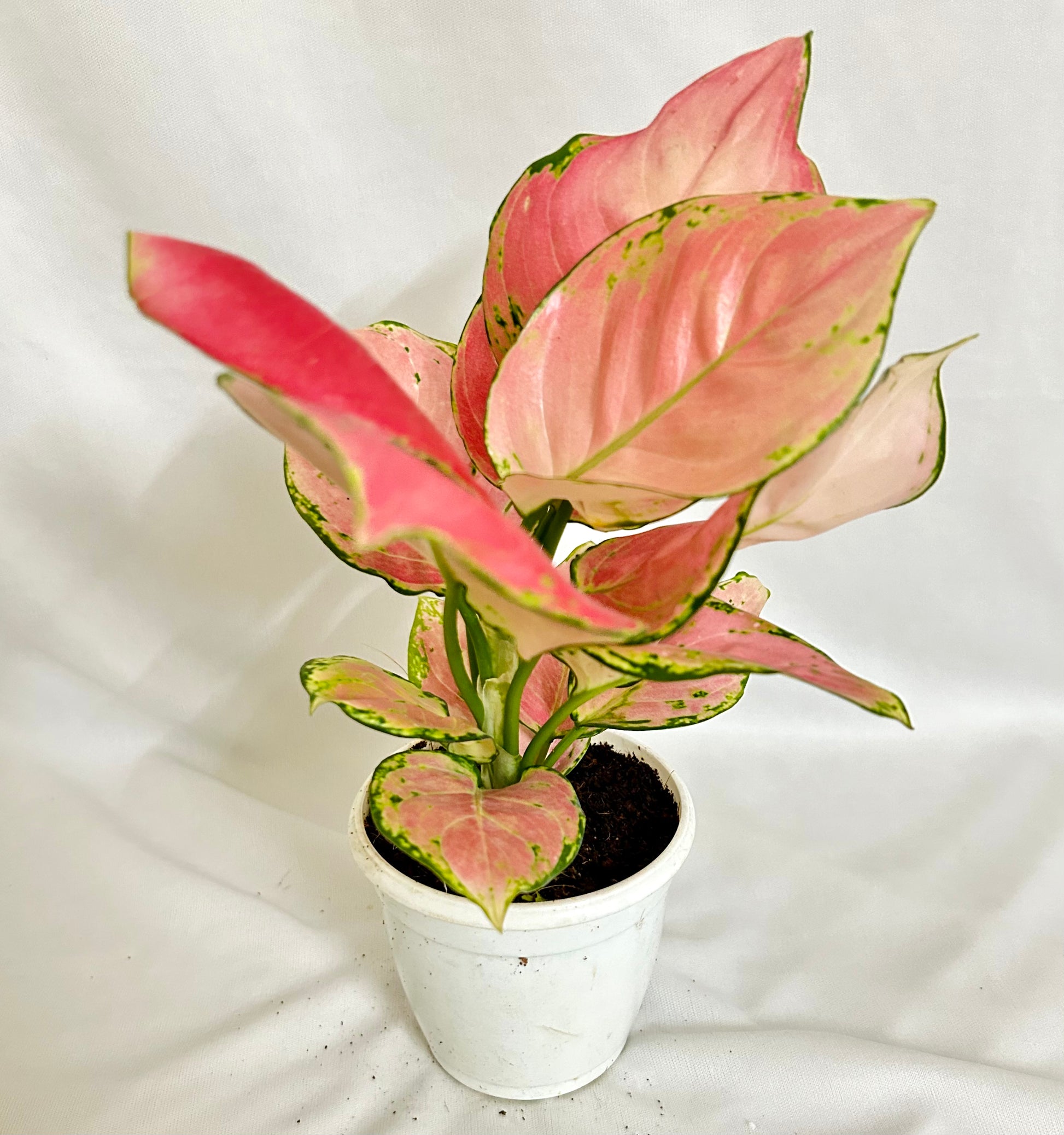
aglaonema pink plant benefits Aglaonema Anjamanee Pink – Dream GreenPRODUCT SPECIFICATIONS Plant Aglaonema Anjuman Pot Height 4 Pot Diameter 4 Plant Height 6" 10" Growing Medium Soilless Cocopeat NPK medium Product Weight 250 grams KNOW YOUR PLANT The Aglaonema '10 Karat' is a popular cultivar of the Aglaonema plant, which is also commonly known as the Chinese Evergreen. Aglaonema '10 Karat' is characterized by its striking, variegated foliage. The leaves typically have a deep green base color with bright, golden
PRODUCT SPECIFICATIONS
|
Plant |
Aglaonema Anjuman |
|
Pot Height |
4” |
|
Pot Diameter |
4” |
|
Plant Height |
6"-10" |
|
Growing Medium |
Soilless Cocopeat NPK medium |
|
Product Weight |
250 grams |
KNOW YOUR PLANT
The Aglaonema '10 Karat' is a popular cultivar of the Aglaonema plant, which is also commonly known as the Chinese Evergreen. Aglaonema '10 Karat' is characterized by its striking, variegated foliage. The leaves typically have a deep green base color with bright, golden-yellow speckles or blotches, giving it a distinctive and eye-catching appearance.
Aglaonema plants are prized as houseplants because they are relatively low-maintenance and can thrive in low light conditions. They are known for their air-purifying qualities and are an excellent choice for indoor spaces.
When caring for Aglaonema '10 Karat' or any Aglaonema variety, it's important to provide them with indirect or filtered light, keep the soil consistently moist but not waterlogged, and maintain a warm and humid environment. Regularly dusting or wiping the leaves will also help keep them looking their best.
Keep in mind that specific care instructions may vary slightly based on your local climate and the conditions in your home, so it is a good idea to monitor the plant's needs closely to ensure its health and vitality.
BENIFITS
- Air purifiers: These plants are known to be excellent air purifiers as proven beyond doubt by NASA researches. They remove various toxins from the air and improve air quality by emitting oxygen.
- SAM-free: We use a special weightless SAM (Soil and manure free) mix. It has a superior drainage prevents plants dying due to overwatering. Also, pest attacks are rare in our potting mix.
PLANT CARE
- Light: Aglaonema prefers moderate to low indirect light. Avoid exposing it to direct sunlight, as it can scorch the leaves. Place it in a well-lit room away from direct sunlight or use sheer curtains to filter the light.
- Temperature: These plants prefer temperatures between 65°F to 80°F (18°C to 27°C). Avoid exposing them to drafts or sudden temperature changes.
- Watering: Allow the top inch (2.5 cm) of the soil to dry before watering. Overwatering can lead to root rot, so it's essential to let the soil partially dry between waterings. Water sparingly in winter, as the plant's growth slows down during that time.
- Humidity: Aglaonema prefers higher humidity levels, but it can tolerate normal indoor humidity. You can increase humidity by misting the leaves occasionally or using a humidifier.
- Soil: Use a well-draining potting mix that retains some moisture but doesn't become waterlogged. A mix of peat moss, perlite, and vermiculite usually works well.
- Fertilization: Feed your Aglaonema with a balanced liquid fertilizer during the growing season (spring and summer) about once a month. In winter, you can reduce or stop fertilizing.
- Pruning: Remove any yellow or damaged leaves regularly to keep the plant looking neat. You can also trim leggy stems to encourage bushier growth.
- Pests and Diseases: Aglaonema is generally resistant to pests, but it's always good to inspect your plant regularly for any signs of common houseplant pests like spider mites or mealybugs. If you notice any issues, treat them promptly with appropriate measures.
Remember that different plants may have slightly different care requirements, so it is a good idea to observe your plant and adjust its care accordingly. Overall, with proper care, Aglaonema can be a beautiful and long-lasting addition to your indoor space.
BENIFITS
- SAM-free: We use a special weightless SAM (Soil and manure free) mix. It has a superior drainage prevents plants dying due to overwatering. Also, pest attacks are rare in our potting mix.
- Air Purification: Aglaonema is known for its air-purifying properties. It helps remove indoor air pollutants like formaldehyde, benzene, and other toxins, thereby improving the air quality in your home or office.
- Low Maintenance: This plant is relatively easy to care for, making it an excellent choice for both beginner and experienced plant enthusiasts. It can tolerate a range of light conditions and does not require frequent watering.
- Attractive Foliage: Aglaonema has attractive, variegated leaves with different patterns of colors, including shades of green, silver, pink, and red. The striking foliage adds a touch of beauty and vibrancy to any room.
- Adaptable to Indoor Spaces: Aglaonema can thrive in indoor environments, including low light areas, where many other plants struggle to grow. It's a great option for spaces with limited natural light.
- Health Benefits: Studies have shown that having indoor plants, like Aglaonema, can reduce stress, boost mood, and enhance overall well-being. They create a calming and positive atmosphere in living and working spaces.
- Non-Toxic: Aglaonema is non-toxic to pets, making it a safer choice for households with cats, dogs, or other animals that may be curious about plants.
- Long-Lasting: With proper care, Aglaonema can be long-lasting and remain attractive for many years, making it a worthwhile investment for indoor decor.
Overall, Aglaonema is not only a beautiful decorative plant but also offers practical benefits by purifying the air and contributing to a healthier and more pleasant living environment.
USEFUL TIPS
- Light: Place your Aglaonema in bright, indirect light. It can tolerate lower light conditions, but to maintain the red coloration in its leaves, it's essential to provide sufficient light without exposing it to direct sunlight, which can cause leaf burning.
- Watering: Allow the top inch (2.5 cm) of the soil to dry before watering. Aglaonema prefers slightly moist soil but not soggy conditions. Overwatering can lead to root rot and affect the plant's health and color.
- Humidity: Aglaonema appreciates higher humidity levels, so if the air in your home is dry, consider using a humidifier or placing a tray of water near the plant to increase humidity. Misting the leaves occasionally can also be beneficial.
- Temperature: Maintain a consistent room temperature between 18°C to 27°C. Avoid exposing the plant to drafts or extreme temperature fluctuations.
- Fertilization: Feed your Aglaonema with a balanced liquid fertilizer every 4-6 weeks during the growing season (spring and summer). Fertilizing helps provide essential nutrients for vibrant leaf colors.
- Pruning: Regularly remove any yellow or damaged leaves to keep the plant looking tidy and to redirect its energy towards healthy growth and maintaining its red foliage.
- Re-Potting: Aglaonema grows relatively slowly, so it won't require frequent re-potting. However, if you notice the plant becoming
COMMON PROBLEMS AND SOLUTIONS:
- Overwatering or Underwatering: Overwatering can lead to root rot and yellowing leaves, while underwatering can cause wilting and leaf browning. Ensure you water your Aglaonema when the top inch of soil is dry, and use well-draining soil to prevent waterlogged conditions.
- Yellowing Leaves: Yellowing leaves can be a sign of overwatering, underwatering, or aging. If only the older leaves are turning yellow, it's likely a natural part of the plant's growth process. Otherwise, check the soil moisture and adjust your watering accordingly.
- Brown Leaf Edges: Brown leaf edges, also known as leaf burn, can result from exposure to direct sunlight or low humidity levels. Move the plant to a spot with indirect light and increase humidity by misting or using a humidifier.
- Pests: Aglaonema can occasionally attract pests like spider mites, mealybugs, and scale insects. Inspect your plant regularly and use appropriate insecticidal soap or neem oil to eliminate the pests.
- Root Rot: Root rot can occur due to overwatering and poorly draining soil. If you notice mushy, discolored roots, it's a sign of root rot. Trim away affected roots and repot the plant in fresh, well-draining soil.
- Drooping Leaves: Drooping leaves can result from both overwatering and underwatering. Check the soil moisture and adjust your watering routine accordingly.
- Brown Spots on Leaves: Brown spots on leaves can be caused by inconsistent watering, low humidity, or fungal issues. Maintain a regular watering schedule and ensure adequate humidity to prevent these problems.
- Pale or Faded Leaves: Lack of light can cause the leaves to lose their vibrant colors. Ensure your Aglaonema receives enough indirect light to maintain its variegation.
Regularly inspect your Aglaonema for any signs of these common problems, and take appropriate actions promptly to ensure the plant remains healthy and visually appealing. Proper care, including correct watering, adequate lighting, and suitable humidity levels, will help prevent most issues and keep your Aglaonema thriving.
HAPPY PLANT PARENTING!!
Disclaimer: Actual plant may have slight variations from what is shown in the image since each individual plant has its own appearance.
Shipping Notes
- Free Standard Shipping on $100+ Orders to the USA.
- Except Preorder products are shipped in 48 hours.
- Delivery to the USA:
- Standard Shipping : 3-10 business days
- If time is of the essence, please consider selecting expedited delivery for faster service.
Exchange/Return Notes
- We offer a 30-day return/exchange service after receiving.
- Final sale items are not eligible for returns or exchanges.
- To process your return/exchange, please contact us at [email protected]
- Please click here for more details>>> Return & Exchange Policy