Shipping Estimate
USA
- USA
- CAN
- USA
- CAN
Ships within 48 hours · Estimated delivery Jul 12 - Jul 17
 Promo Codes Available:
For Your Every Summer RSVP, with Code: SUMMER15
Description
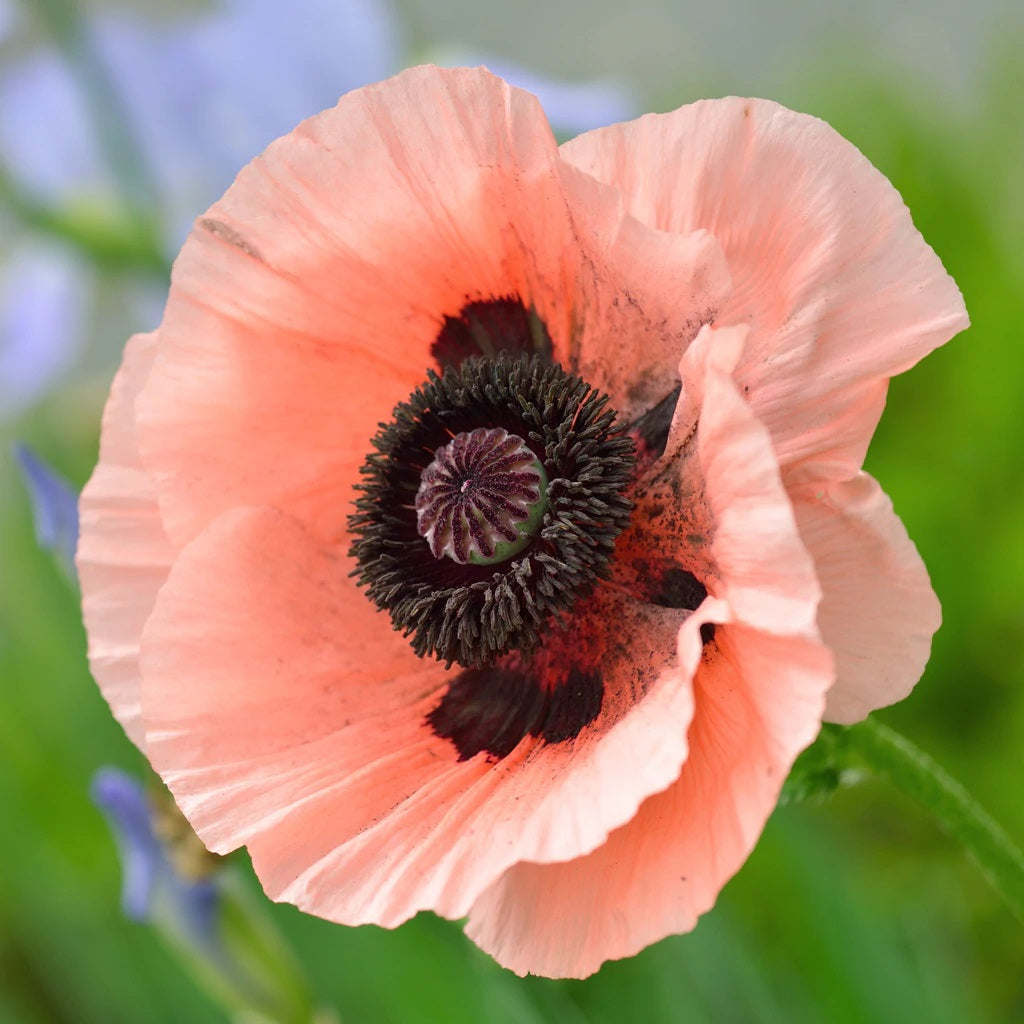
where are the poppy seeds in the flower 50Up for sale is one pack of 50 "Deluxe Mix" Oriental Poppy Flower Seeds. Perfect for summer blooms these poppy seeds create striking blooms in colors or pink, coral, purple, red, and white on 24" stems. Oriental poppies tend to be shorter than the other poppies we carry and have a shorter window to bloom during the summer. Upside is they are perennial and will come back after they die off in late summer heat. We offer flat rate combined shipping on all
Up for sale is one pack of 50 "Deluxe Mix" Oriental Poppy Flower Seeds. Perfect for summer blooms these poppy seeds create striking blooms in colors or pink, coral, purple, red, and white on 24" stems. Oriental poppies tend to be shorter than the other poppies we carry and have a shorter window to bloom during the summer. Upside is they are perennial and will come back after they die off in late summer heat.
We offer flat rate combined shipping on all orders, no limit on the amount or type of seed packets.
CULTURE
Soil temperature: 55 - 60 degrees fahrenheit
Germination lighting: Light required
Germination days: 20 days
Plant spread: 24"
Plant height: 24''
Plant type: Perennial
Maturation days: 55 days
How to Sow Poppy Seeds:
Poppy seeds are fairly easy to grow but can be a bit fussy. The details below are from our experiences, and failures, in trying to grow poppies several different ways.
Best Way (Fall/Winter): In late fall loosen enriched garden soil down to a 6" depth. For zones 3-7 it's best to direct seed into your garden after your first freeze in the fall. For zones 8-9, or mild zones like California, you will get better results if you cold treat your seeds (see below) sow them during the winter. From our experience it's best to choose a spot that gets sun during the winter and sowing them in a spot that stays shady (and here in zone 7 usually wet) during winter month's will reduce your chances for successful germination.
These poppy seeds are very small so we use the shaker method where you mix your seeds with peat or sand to spread the seeds evenly in your sowing area. We then we top with a fine dusting of peat or sand as they need light to germinate. The poppies will germinate over winter and pop up in very early spring.
You can transplant winter sown poppies in the spring. We wait until they are about 3" in diameter and then transplant their root ball if we are expecting mild weather for a few days. Usually they will suffer a bit but will pull through. Be sure and thin or transplant to around 12".
Ok Way (Spring): If you are buying your seeds in late winter or early spring, first try a germination test with 4-5 of your seeds. Place them in a moist paper towel, and then place in a sealed baggie, and put in a window where the temp is at least 65 degrees. If they are ready they will germinate in 4-5 days by sending a fine root hair from the seed. If they germinate you can direct sow them after your last frost using the shaker method. If you are in zones 8-9 where you get a hot summer you need to sow your poppy seeds by March 15th.
If they don't germinate they will have to be cold treated. Place your packet of seeds into a mix of 1/4 cup fine peat (or a mix of peat and coarse sand) and 1 tablespoon of water. You want your mix moist but not soggy. Place the mix in a sealed baggie, inside a sealed container, inside your refrigerator (not your freezer) for 60 days. Check after 30 days to see if you need to add more water as you don't want the mix to dry out. What this does is trick the poppy seed into thinking it has gone through a full cold winter. After 60 days you can take your seeds out and let them dry overnight and then use the shaker method. You can plant the poppies in the late winter or spring, after the 60 day cold treatment, as long as your ground is workable and it's past your last frost date. As always we give them a light dusting with peat so as to disguise them from birds.
When poppies germinate in spring they send up a stalk that looks like a very fine blade of grass. This stalk grows to about 1"-2" before it grows it's first leaf set. Once your poppies are around 2" tall it's time to thin them out. Don't try to transplant as they won't make it. The risk on spring planted poppies is if they germinate and you get a crazy heat wave there is a chance they won't make it. The race in the spring is to try and get the poppy to establish it's root system before the summer heat arrives. A bit easier in zones 3-6 but a more difficult thing for zones 7-9.
Bad Way (Summer): Unless you live in southern California or Hawaii do not try to sow poppy seeds in the Summer. They will germinate but the heat will kill them before they can develop.
Worst Way: We do not recommend starting in pots as poppies disliked being transplanted, but if you want to try use a compostable 4" peat pot and do not remove the plant from the pot when transplanting in the spring. They will probably not mature correctly and have a small chance of flowering
During the summer dead head any spent flowers but at the end of the growing season you can let the flower head form into seed pods where you can collect seeds in late fall, but note that if you have multiple varieties of poppies in your garden they will cross pollinate and you will end up with some different colors.
Shipping Notes
- Free Standard Shipping on $100+ Orders to the USA.
- Except Preorder products are shipped in 48 hours.
- Delivery to the USA:
- Standard Shipping : 3-10 business days
- If time is of the essence, please consider selecting expedited delivery for faster service.
Exchange/Return Notes
- We offer a 30-day return/exchange service after receiving.
- Final sale items are not eligible for returns or exchanges.
- To process your return/exchange, please contact us at [email protected]
- Please click here for more details>>> Return & Exchange Policy