 ,
,
 and
and

 Promo Codes Available:
Grow Your Own Strawberry Seeds (Fragaria vesca & everbearing varieties) – Sweet, Fragrant Homegrown Berries for Hanging Baskets, Container Patios & Urban Balcony Gardens Nationwide
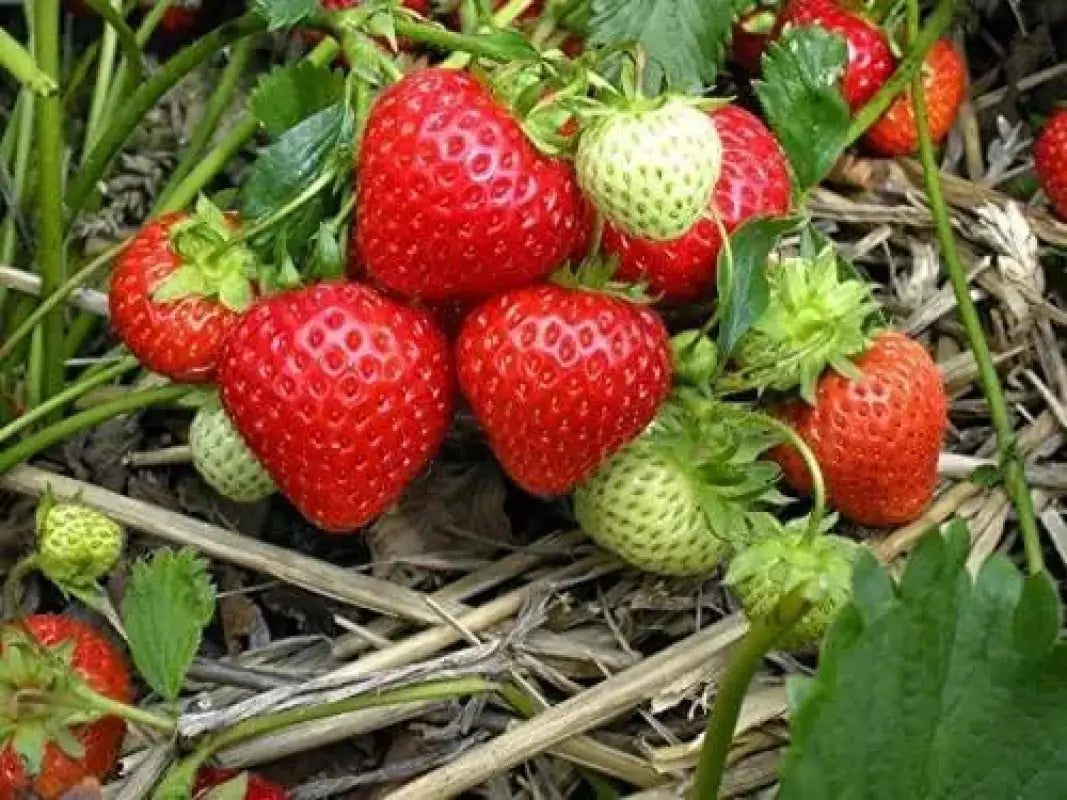
Strawberry seeds (especially alpine and everbearing types like Fragaria vesca) let you grow true-to-type, intensely flavorful berries that taste far better than store-bought. These compact, runnerless or low-runner plants produce sweet, aromatic fruit from late spring through fall — perfect for fresh eating, smoothies, jams, and desserts. They thrive in small spaces: hanging baskets, window boxes, 5–10 gallon pots, or vertical planters. No big yard or raised beds required!
Ideal for urban home cooks, balcony gardeners, families with kids, and anyone wanting pesticide-free, ultra-fresh strawberries straight from their own space. In Chicago and cooler zones they grow beautifully as productive perennials in containers; in warmer southern states they perform as everbearing annuals with afternoon shade.
Step-by-Step Growing Guide (Seed to First Berries in 60–90 Days)
-
Seed Prep & Sowing
Tiny seeds — cold stratify for best results (place seeds in moist paper towel in fridge for 2–4 weeks). Surface sow (do not bury) on moist, sterile seed-starting mix; they need light to germinate. Keep at 65–75°F. Germinates in 14–30 days. - Nationwide timing tip: Start indoors 8–10 weeks before last frost. Chicago/Midwest/Northeast: late February–March. South/Southwest: February or direct sow once soil warms. West Coast: almost any mild month.
-
Planting & Container Setup
Full sun (6–8+ hours) or light afternoon shade in hot climates. Use well-draining, rich potting mix in 5–10 gallon pots, hanging baskets, or strawberry jars. Space 6–8 inches apart. Excellent drainage prevents crown rot. -
Germination & Early Care
Keep soil evenly moist (mist gently) until sprouts appear. Thin or transplant once true leaves form. Light balanced fertilizer every 3–4 weeks after first true leaves. Protect young seedlings from slugs and birds. -
Growth & Maintenance
Plants form neat mounds (6–12 inches tall) with few or no runners on alpine types. Mulch with straw to keep fruit clean and retain moisture. Consistent watering (never soggy) and occasional feeding keep production high. In Chicago summers they love balconies; in southern heat provide shade cloth during peak afternoon sun. -
Harvesting
Pick fully red, fragrant berries when they easily detach. Harvest every 1–2 days for continuous production. Everbearing varieties keep fruiting until first hard frost. Save a few berries for next year’s seed saving!
Pro Tip for Every State: Grow in hanging baskets or containers for easy mobility — move to shade in heat waves or bring indoors before frost in Chicago. Vertical or stacked planters maximize tiny balconies.
Easy Strawberry Recipes for Home Cooks
- Fresh Strawberry Balsamic Salad: Sliced berries with greens, goat cheese, and balsamic glaze.
- Homemade Strawberry Jam or Freezer Jam: No pectin needed with these sweet varieties.
- Strawberry Shortcake or Smoothies: Classic shortcake or blend with yogurt and banana for a quick breakfast.
- Patios” rank fast.
Important Note: Strawberry seeds can take patience (slow germination), but the reward is superior flavor and true-to-type plants. Grow in containers everywhere to manage space and soil quality.
🍓🌱
Key Benefits
- Sweet red berries from seed-grown plants
- Compact plants – suitable for containers and hanging baskets
- Cold stratification recommended for best germination
- First fruit: 4–6 months from germination
- Perennial – plants produce for 3+ years
How to Grow
- Cold stratify: freeze seeds 2–4 weeks before sowing
- Sow on surface of moist seed-starting mix; seeds need light
- Keep at 60–70°F; germination in 2–6 weeks (variable)
- Transplant seedlings when 2–3 inches tall; space 8–12 inches
- Plant in full sun with rich, well-draining soil
- Pinch first flowers to strengthen plant; allow later blooms to fruit
Specifications
Quantity: Type: Organic strawberry (variety may vary). First fruit: 4–6 months from germination. Spacing: 8–12 inches. Sun: Full sun (6+ hours). Lifespan: Perennial (3+ years). Cold stratification: Recommended.
Care & Storage
Store seeds in refrigerator or freezer for best viability. Strawberry seeds can be challenging—expect variable germination rates. Mulch plants in winter in cold climates.
Strawberry Seeds (Fragaria vesca & everbearing varieties) – Detailed 50-State Sowing Calendar (2026)
Strawberry seeds (especially alpine and everbearing types) are cool-season perennials that need cold stratification (2–4 weeks in the fridge) for reliable germination. They are more cold-tolerant than tropical herbs but hate extreme summer heat. Once established they fruit for years in containers.
Key rules that apply to every state:
- Cold stratify first: Mix seeds with moist paper towel or vermiculite, seal in a bag, and refrigerate 2–4 weeks before sowing.
- Surface sow (do not bury) — seeds need light. Germination is slow (14–30 days) at 65–75°F.
- Start indoors 8–10 weeks before your last spring frost date.
- Transplant outdoors after last frost when soil temperature is 50°F+ (strawberries tolerate light frost better than most tender crops).
- In USDA zones 8–11 grow as fall-planted perennials or with afternoon shade.
- Perfect for containers and hanging baskets nationwide.
Detailed 50-State Sowing Calendar (Grouped by Region for Easy Reading)
Dates are averages based on 50% probability last spring frost and typical 2026 conditions. Adjust ±7–10 days for your exact microclimate or elevation.
|
Region / States |
Indoor Start (after stratification) |
Transplant / Direct Sow |
Notes / Example Cities |
|
Northeast (ME, NH, VT, MA, RI, CT, NY, PA, NJ) |
Late Jan – mid Feb |
April 25 – May 20 |
New York City: Stratify Jan → Indoor early Feb → Transplant mid May |
|
Midwest & Great Lakes (IL, IN, OH, MI, WI, MN, IA, MO, ND, SD, NE, KS) |
Late Jan – late Feb |
April 20 – May 15 |
Chicago, IL: Stratify mid Jan → Indoor late Jan–mid Feb → Transplant late April–early May |
|
Mid-Atlantic & Upper South (DE, MD, DC, VA, WV, KY, NC, TN) |
Mid Jan – early Feb |
April 10 – May 5 |
Washington DC: Stratify late Jan → Indoor early Feb → Transplant late April |
|
Southeast & Gulf (SC, GA, AL, MS, AR, LA, OK) |
Dec – mid Jan |
March 20 – April 20 |
Atlanta: Stratify Dec → Indoor early Jan → Transplant mid April (or fall plant) |
|
Texas |
North: Jan Central/South: Dec–Jan |
North: mid April Central/South: March–early April |
Dallas: Indoor early Jan → Transplant mid April Houston: Fall planting recommended for best results |
|
Florida |
North: Nov–Dec Central/South: Oct–Dec |
North: Feb–March Central/South: Dec–Feb |
Miami: Plant in fall (Oct–Dec) for spring crop; treat as short-lived perennial |
|
Southwest (AZ, NM, UT, NV) |
Late Dec – early Feb |
March 15 – April 25 |
Phoenix: Fall planting (Oct–Dec) or early spring with shade Flagstaff: Indoor Feb → Transplant May |
|
Mountain & Northern West (CO, ID, MT, WY) |
Late Jan – mid Feb |
Late April – late May |
Denver: Stratify Jan → Indoor mid Feb → Transplant mid May |
|
Pacific Northwest (WA, OR) |
Late Jan – mid Feb |
April 25 – May 20 |
Seattle: Indoor early Feb → Transplant mid May |
|
California |
Northern/Coastal: Jan–Feb Southern/Inland: Dec–Jan |
March–May |
Los Angeles: Fall planting ideal San Francisco: Indoor Jan → Transplant March–April |
|
Alaska |
Mid Feb – March |
Late May – early June |
Anchorage: Short season — best in containers with protection |
|
Hawaii |
Not needed (mild year-round) |
Year-round (best Oct–March) |
Honolulu: Plant in cooler months for strongest growth |
Pro Tips for Every State
- Chicago / Midwest / Northeast gardeners: Stratify in January and start indoors under grow lights for strong transplants ready around Mother’s Day. Containers let you move plants indoors during surprise late freezes.
- Southern & Southwestern gardeners: Fall planting (September–December) often gives better spring crops than spring planting. Provide afternoon shade and consistent moisture in summer.
- Container / balcony growers: Use 5–10 gallon pots or hanging baskets — perfect for urban spaces and easy to protect from extreme heat or cold.
- Fall planning: In zones 7–11 you can start a second crop in late summer/fall for next year’s harvest.
🍓🌱
Key Terms
- Fragaria × ananassa — Botanical name for garden strawberry
- Cold stratification — Exposing seeds to cold to break dormancy and improve germination
- Perennial — Plants that live and produce for multiple years
The first strawberry from a plant you grew from seed tastes sweeter than any store-bought berry—because you earned it.