Shipping Estimate
USA
- USA
- CAN
- USA
- CAN
Ships within 48 hours · Estimated delivery Jul 11 - Jul 16
 Promo Codes Available:
For Your Every Summer RSVP, with Code: SUMMER15
Description
prickly pear cactus seeds Prickly Pear Cactus Seeds (Opuntia ficus-indica) – Edible Pads and Fru – Terra Mater GardensMinimum: 15+ seeds The Prickly Pear, commonly known as Opuntia ficus indica, is a species of cactus native to Mexico and the southern United States. It is well known for its flat, paddle shaped pads and edible fruit, called "tunas." This cactus has become popular in gardens and landscapes due to its ornamental value, drought tolerance, and culinary uses. Characteristics Size: Typically grows to about 3 to 10 feet tall, depending on the variety and
Minimum: 15+ seeds
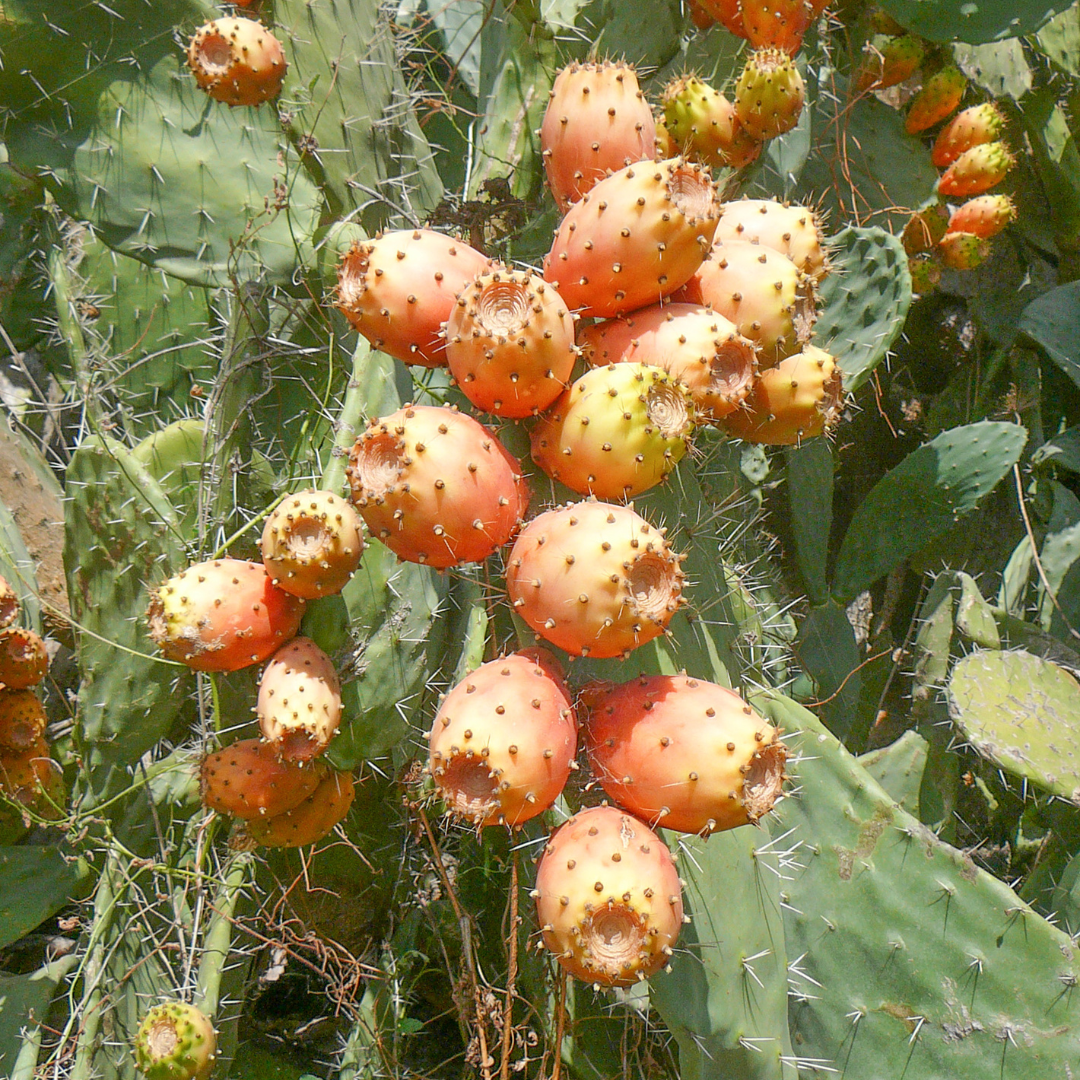
The Prickly Pear, commonly known as Opuntia ficus-indica, is a species of cactus native to Mexico and the southern United States. It is well-known for its flat, paddle-shaped pads and edible fruit, called "tunas." This cactus has become popular in gardens and landscapes due to its ornamental value, drought tolerance, and culinary uses.
Characteristics
- Size: Typically grows to about 3 to 10 feet tall, depending on the variety and growing conditions.
- Pads: Features flat, oval pads that can grow up to 12 inches long and 6 inches wide. The pads have a green color that can take on a yellowish or purplish hue in colder temperatures.
- Color: The pads are covered in small, hair-like spines called glochids, which can be irritating if touched. The plant also produces bright yellow flowers during the blooming season.
- Flowers: The flowers bloom in late spring to early summer and are often yellow or orange, attracting pollinators such as bees and butterflies.
- Fruit: Produces edible fruits known as "tunas," which can be red, yellow, or green when ripe. The fruit is sweet and juicy, with a flavor similar to watermelon.
Growing Conditions
- Light: Prefers full sun and thrives in bright, direct sunlight. It can tolerate partial shade but will grow best with at least 6 hours of direct sunlight per day.
- Soil: Requires well-draining soil, ideally a cactus or succulent mix. Sandy or rocky soils that allow for good drainage are ideal.
- Water: Water sparingly, allowing the soil to dry out completely between waterings. During the growing season (spring and summer), water more frequently, but reduce watering during the dormant winter months.
- Temperature: Hardy in USDA zones 9 to 11. It prefers warm temperatures and can tolerate brief periods of cold but should be protected from frost.
Care
- Fertilization: Fertilize during the growing season with a balanced cactus fertilizer to encourage growth and fruit production. Avoid fertilizing in the winter when the plant is dormant.
- Pests/Diseases: Generally resistant to pests, but may occasionally be affected by scale insects or mealybugs. Good air circulation and proper watering practices can help prevent fungal diseases.
Benefits
- Aesthetic Appeal: The unique appearance of the pads and vibrant flowers make it an attractive addition to gardens and landscapes, particularly in xeriscaping.
- Edible Fruit: The fruit is not only delicious but also nutritious, rich in vitamins and antioxidants, making it a healthy food source.
- Wildlife Attraction: The flowers attract various pollinators, enhancing biodiversity in the garden.
Uses
- Ornamental: Commonly grown for its ornamental value, particularly in desert and Mediterranean-style gardens.
- Culinary: The pads can be cooked and eaten (known as "nopales"), while the fruit can be eaten raw, used in drinks, or made into jams and jellies.
Additional Notes
- Propagation: Can be propagated from pads or seeds. Allow cuttings to dry for a few days before planting to prevent rot.
- Container Growth: Suitable for growing in pots, which allows for mobility and ease of care.
Conclusion
The Prickly Pear (Opuntia ficus-indica) is a versatile and attractive cactus known for its distinctive pads and edible fruit. With proper care and growing conditions, it can thrive in various environments, providing both aesthetic value and culinary benefits. Its ability to attract pollinators and tolerate drought makes it a valuable addition to any garden or landscape.
Shipping Notes
- Free Standard Shipping on $100+ Orders to the USA.
- Except Preorder products are shipped in 48 hours.
- Delivery to the USA:
- Standard Shipping : 3-10 business days
- If time is of the essence, please consider selecting expedited delivery for faster service.
Exchange/Return Notes
- We offer a 30-day return/exchange service after receiving.
- Final sale items are not eligible for returns or exchanges.
- To process your return/exchange, please contact us at [email protected]
- Please click here for more details>>> Return & Exchange Policy