Shipping Estimate
USA
- USA
- CAN
- USA
- CAN
Ships within 48 hours · Estimated delivery Jul 12 - Jul 17
 Promo Codes Available:
For Your Every Summer RSVP, with Code: SUMMER15
Description
sunflower plant seeds Zaria Sunflower (Ukranian Oilseed Sunflower) – UJAMAA SEEDSHelianthus annuus Germination: 82% April 2025 approximately~ 25 seeds per packet (Packed for 2025) The Ukraine sunflower, often symbolizing the country itself, is not just a national emblem but also a significant agricultural product. Ukraine is one of the world's largest producers and exporters of sunflower oil. Sunflowers are grown extensively across the country, flourishing in its fertile soil and temperate climate. The sunflower has deep roots in
Helianthus annuus
Germination: 82% April 2025
approximately~ 25 seeds per packet (Packed for 2025)
The Ukraine sunflower, often symbolizing the country itself, is not just a national emblem but also a significant agricultural product. Ukraine is one of the world's largest producers and exporters of sunflower oil. Sunflowers are grown extensively across the country, flourishing in its fertile soil and temperate climate.
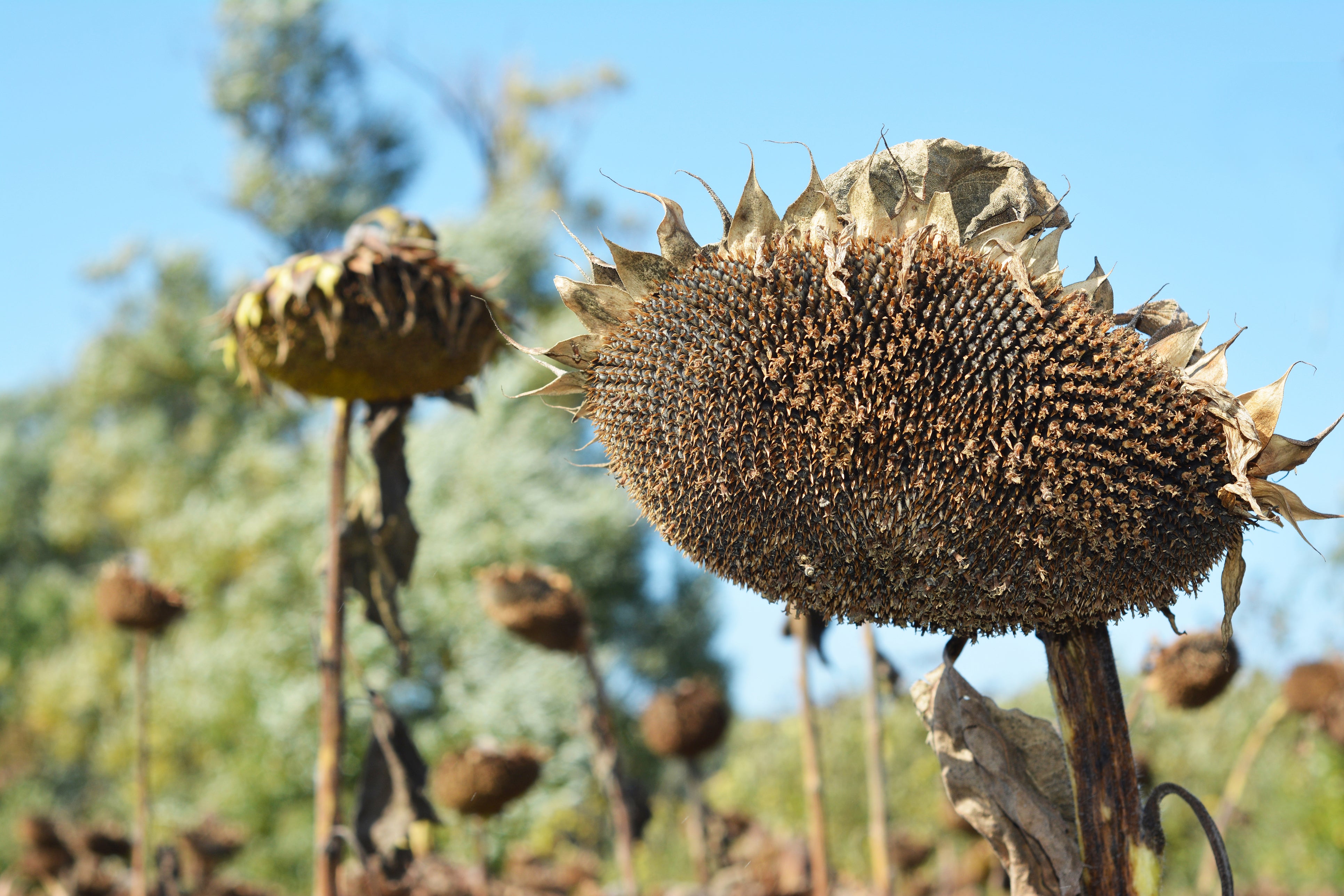
The sunflower has deep roots in Ukrainian culture and history, symbolizing warmth, energy, and life, much like the sun they are named after. They are known for their tall, sturdy stems, broad leaves, and large, round flower heads composed of bright yellow petals surrounding a dark brown or black center filled with seeds.
According to the National Sunflower Association, the story of sunflower (Helianthus annuus ) is indeed amazing. The wild sunflower is native to North America but commercialization of the plant took place in Russia. It was only recently that the sunflower plant returned to North America to become a cultivated crop. But it was the American Indian who first domesticated the plant into a single headed plant with a variety of seed colors including black, white, red, and black/white striped.
Sunflower was a common crop among Native Americans throughout North America. Evidence suggests that the plant was cultivated in present-day Arizona and New Mexico about 3000 BC. Some archaeologists suggest that sunflower may have been domesticated before corn.
Sunflower was used in many ways throughout the various American Indian tribes. Seed was ground or pounded into flour for cakes, mush or bread. Some tribes mixed the meal with other vegetables such as beans, squash, and corn. The seed was also cracked and eaten for a snack. There are references of squeezing the oil from the seed and using the oil in making bread.
Non-food uses include purple dye for textiles, body painting and other decorations. Parts of the plant were used medicinally ranging from snakebite to other body ointments. The oil of the seed was used on the skin and hair. The dried stalk was used as a building material. The plant and the seeds were widely used in ceremonies.
In addition to their economic importance, sunflowers hold symbolic significance in Ukraine, representing peace, resilience, and the strength of the Ukrainian people. During times of conflict or national struggle, the sunflower has emerged as a symbol of unity and hope for the country.
Planting and caring for Ukrainian sunflower seeds involves a process that can be broken down into several key steps. Sunflowers should be planted in the spring after the last frost has passed. They need a full sun location, meaning at least 6 to 8 hours of direct sunlight per day. Pick a spot with well-draining soil and ample sunlight. Sunflowers are not picky about soil but perform best in slightly acidic to alkaline soil (pH 6.0 to 7.5). Loosen the soil to a depth of about 2 feet to accommodate the long taproots. Mix in a layer of compost to improve nutrient content, especially if the soil is poor. Proper care ensures healthy growth and maximizes the yield of sunflowers, whether they are grown for beauty, seeds, or oil production.
Plant seeds about 1 inch deep. The Zaria sunflower has a large head and seeds should be spaced one foot apart. Space the rows about 2 to 3 feet apart to allow room for growth. Water thoroughly after planting. Sunflowers need a lot of water to grow, especially during their growth spurt and leading up to flowering. Ensure they get about 2 inches of water per week, either from rainfall or supplemental watering.
When the sunflower grows tall it may need staking or support in windy locations to prevent the stems from bending or breaking. Sunflowers are heavy feeders. Apply a balanced, slow-release fertilizer at planting time and possibly a second dose just before the plants begin to flower. While sunflowers are generally disease resistant, monitor for pests like aphids, and diseases such as rust or mildew. Use appropriate pest control methods or fungicides if necessary.
Sunflowers are ready to harvest when their back turns from green to yellow or brown, and the head begins to droop. Cut the stem with several inches of it attached to the head to hang and dry if desired.
Shipping Notes
- Free Standard Shipping on $100+ Orders to the USA.
- Except Preorder products are shipped in 48 hours.
- Delivery to the USA:
- Standard Shipping : 3-10 business days
- If time is of the essence, please consider selecting expedited delivery for faster service.
Exchange/Return Notes
- We offer a 30-day return/exchange service after receiving.
- Final sale items are not eligible for returns or exchanges.
- To process your return/exchange, please contact us at [email protected]
- Please click here for more details>>> Return & Exchange Policy