Pay in installments of $5.56 with
 ,
,
 and
and

Shipping Estimate
USA
- USA
- CAN
- USA
- CAN
Ships within 48 hours · Estimated delivery Jul 16 - Jul 21
 Promo Codes Available:
For Your Every Summer RSVP, with Code: SUMMER15
Description
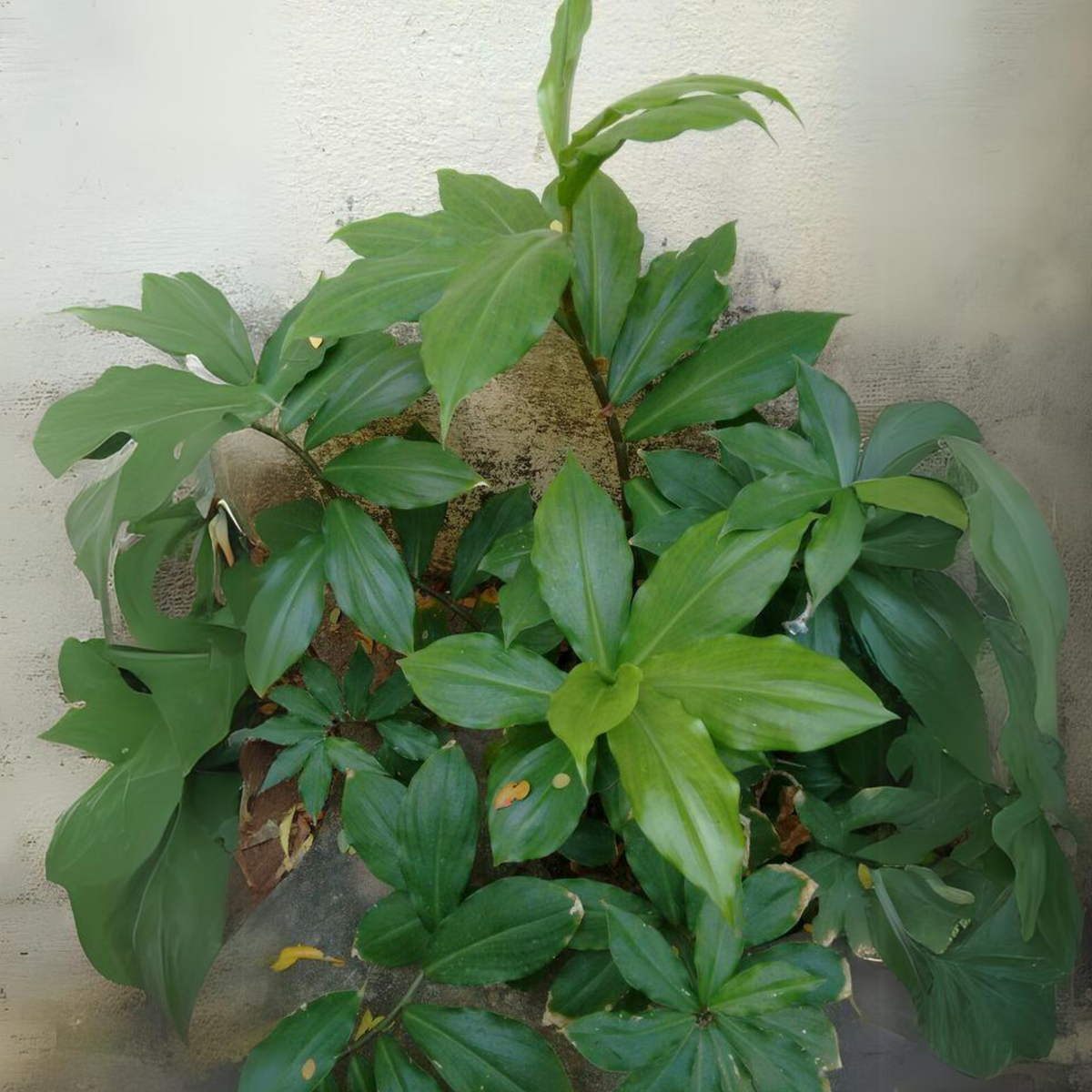
insulin plant indoor or outdoor Insulin Live Plant – GreenParadiseLiveExploring the Wonders of the Green Paradise Insulin Plant: Nature's Diabetes Solution About Insulin Plant In the realm of natural remedies, the Insulin Plant (Costus igneus) stands as a remarkable marvel. With a name that resonates with its significance, this plant has captured the attention of herbal enthusiasts and researchers alike due to its potential role in managing diabetes. In this article, we delve into the fascinating world of the Insulin
Exploring the Wonders of the Green
Paradise Insulin Plant: Nature's Diabetes
Solution
About Insulin Plant
In the realm of natural remedies, the Insulin Plant (Costus igneus) stands as a remarkable marvel. With a name that resonates with its significance, this plant has captured the attention of herbal enthusiasts and researchers alike due to its potential role in managing diabetes. In this article, we delve into the fascinating world of the Insulin Plant, uncovering its history, characteristics, and the scientific basis behind its reputation.
A Historical Perspective
- The Insulin Plant, native to Southeast Asia, has been an integral part of traditional medicine for centuries.
- It has been employed in Ayurveda and traditional Thai medicine to address various ailments, primarily focusing on its potential to lower blood sugar levels.
- While the plant's history is rich with anecdotal evidence, modern science is now taking a closer look to unveil the mysteries it holds.
Distinctive Characteristics
- Visually, the Insulin Plant is an attention-grabber.
- Its lush green leaves are adorned with striking patterns of white that resemble insulin syringes, thus giving the plant its name.
- The leaves are lance-shaped and about 6-12 inches long.
- It can reach a height of up to 6 feet, making it an attractive addition to gardens.
The Chemistry Behind the Magic
- What sets the Insulin Plant apart is its unique chemical composition.
- Researchers have identified a range of bioactive compounds within the plant, including flavonoids, polyphenols, and terpenoids.
- These compounds are thought to contribute to the plant's potential antidiabetic properties.
Diabetes Management Potential
- The Insulin Plant's potential role in diabetes management has garnered significant attention.
- Studies conducted on animal models have suggested that extracts from the plant could lead to decreased blood sugar levels.
- However, it's important to note that while these findings are promising, more rigorous clinical trials on humans are needed to establish its effectiveness conclusively.
How to Incorporate Insulin Plant
- For individuals intrigued by the potential benefits of the Insulin Plant, incorporating it into their routine can be a fascinating journey.
- The leaves can be consumed in various forms, such as in salads, teas, or even as a supplement.
- However, it's crucial to consult with a healthcare professional before making any significant changes to one's diet or medication regimen, especially for those with preexisting medical conditions.
Cultivation and Availability
- Cultivating the Insulin Plant can be a rewarding endeavor for green thumbs.
- It thrives in warm and humid climates, making it suitable for regions with tropical conditions.
- While the plant's popularity has been steadily growing, it might not be as widely available as other herbs.
- Seeds and young plants can sometimes be procured from specialized nurseries or online sources.
Cultivating the Insulin Plant: A Guide to Successful
Growth
In the realm of medicinal plants, the Insulin Plant (Costus igneus) stands out for its potential to assist in diabetes management. Originating in Southeast Asia, this herb has gained popularity due to its purported ability to help regulate blood sugar levels. Growing your own Insulin Plant can not only offer a sustainable source of this natural remedy but also provide a rewarding gardening experience. This article serves as a comprehensive guide to cultivating and nurturing the Insulin Plant.
Choosing the Right Environment
- Before delving into the intricacies of planting and caring for the Insulin Plant, it's crucial to select an appropriate environment for its growth.
- This tropical plant thrives in warm and humid conditions, making it ideally suited for regions with consistent temperatures ranging from 65 to 85 degrees Fahrenheit (18 to 29 degrees Celsius).
- While it can tolerate some sunlight, it prefers semi-shaded areas with well-draining soil.
Propagating the Insulin Plant
There are two primary methods for propagating the Insulin Plant: through seeds and stem cuttings.
Seeds:
Obtain seeds from a reliable source or collect them from mature Insulin Plants. Sow the seeds in a pot filled with well-draining soil and lightly cover them. Maintain consistent moisture and warmth, and germination should occur within a couple of weeks.
Stem Cuttings:
Snip a healthy stem from a mature Insulin Plant, approximately 6 inches in length. Remove the lower leaves and place the slice in a vessel with water. After a few weeks, roots should develop. Transfer the cutting to a pot with soil once the roots are well-established.
Planting and Care
Once you've successfully propagated the Insulin Plant, follow these steps to ensure its healthy growth:
Soil:
Use a mix of well-draining soil, compost, and sand. This combination provides the necessary nutrients while preventing waterlogging, which the plant dislikes.
Pot Selection:
Opt for a pot that's at least 10 inches deep with adequate drainage holes. This prevents water accumulation that could harm the plant's roots.
Watering:
Keep the soil constantly wettish but not doused . Water the factory when the top inch of soil feels dry to the touch.
Fertilization:
Apply a balanced liquid fertilizer every two to three weeks during the growing season (spring and summer). This boosts growth and enhances flowering.
Pruning:
Regularly neat dead or yellowing leaves to encourage new growth. Pinch off the tips of stems to encourage bushier growth.
Controlling pests and diseases requires routinely checking the plant for pest or disease indicators. Neem oil or insecticidal soap can help keep common pests like aphids and mealybugs at bay.
Harvesting and Usage
The Insulin Plant's leaves are the most potent part. To harness their potential benefits:
Wait until the plant is mature (usually around 6 to 8 months after planting) before harvesting leaves.
Select mature, healthy leaves and avoid plucking all the leaves from a single plant to ensure its continued growth.
Wash the leaves thoroughly and chew them on an empty stomach. Some people believe that swallowing the juice produced from chewing the leaves can help regulate blood sugar levels.
Shipping Notes
- Free Standard Shipping on $100+ Orders to the USA.
- Except Preorder products are shipped in 48 hours.
- Delivery to the USA:
- Standard Shipping : 3-10 business days
- If time is of the essence, please consider selecting expedited delivery for faster service.
Exchange/Return Notes
- We offer a 30-day return/exchange service after receiving.
- Final sale items are not eligible for returns or exchanges.
- To process your return/exchange, please contact us at [email protected]
- Please click here for more details>>> Return & Exchange Policy