Shipping Estimate
USA
- USA
- CAN
- USA
- CAN
Ships within 48 hours · Estimated delivery Jul 10 - Jul 15
 Promo Codes Available:
For Your Every Summer RSVP, with Code: SUMMER15
Description
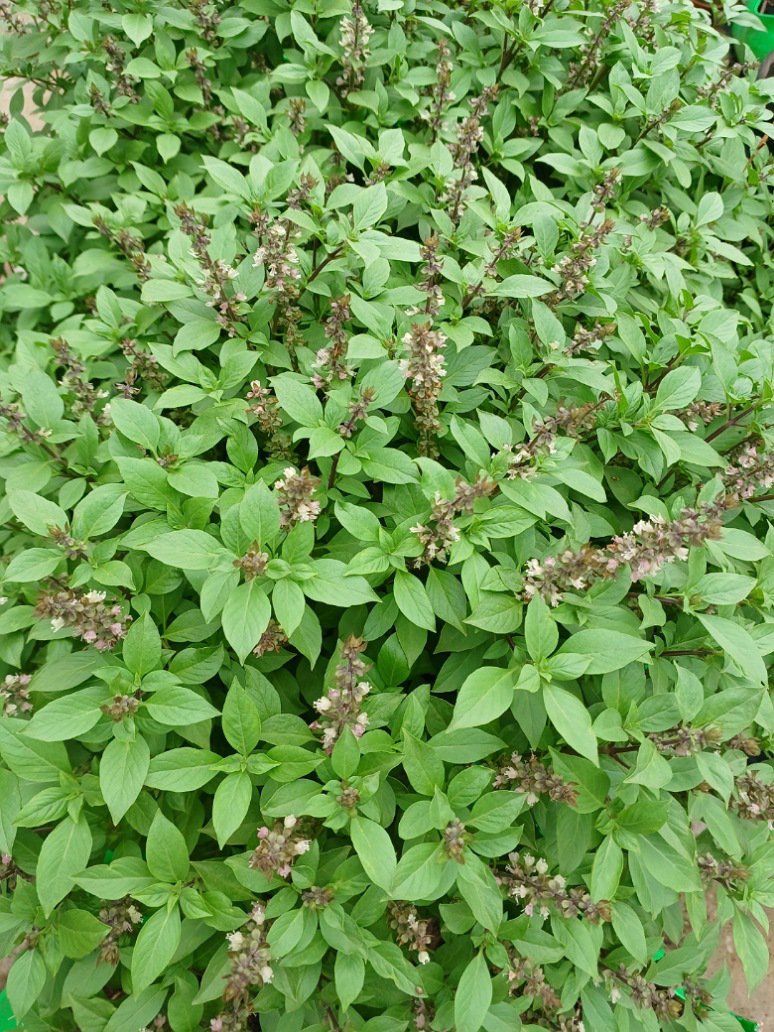
seeding basil plants Thai Basil Plant Seed Open Pollination – seed and plantWhat Will You Have In The Product? Seed quantity 50 Thai basil has a unique fragrances. Its smell sread a positive aroma in surrounding. Best Month to Sow Thai Basil Seeds in India Thai basil seeds thrive when sown during spring and summer, typically from February to June in India. Warm temperatures and ample sunlight during these months create ideal conditions for organic seed germination and healthy plant growth. Different Names of Thai Basil in
What Will You Have In The Product?
Seed quantity- 50
Thai basil has a unique fragrances. Its smell sread a positive aroma in surrounding.
Best Month to Sow Thai Basil Seeds in India
- Thai basil seeds thrive when sown during spring and summer, typically from February to June in India.
- Warm temperatures and ample sunlight during these months create ideal conditions for organic seed germination and healthy plant growth.
Different Names of Thai Basil in India
- Thai basil is often referred to as "Thai Tulsi" or "Asian Sweet Basil" in India.
- It is recognized for its distinct licorice-like aroma and is widely used in Asian cuisine and organic gardens.
Health Benefits of Thai Basil:
Thai basil is a powerhouse of organic nutrients and medicinal properties, offering numerous benefits:
- Rich in Antioxidants: Adding thai basil in diet, it protects against free radicals, promoting healthier skin and a stronger immune system.
- Anti-Inflammatory Properties: Thai basil leaves helps in reducing inflammation and soothe joint pain.
- Digestive Support: Improves gut health by aiding digestion and reducing bloating.
- Boosts Immunity: Thai basil plant contains essential oils and vitamins to strengthen the body's natural defenses.
- Stress Relief:Help reduce stress and promote relaxation because of adaptogenic compounds content.
Culinary Uses of Thai Basil
Thai basil is an essential herb in Asian organic cuisine, known for its vibrant flavor and aroma. Some popular culinary applications include:
- Soups and Curries: Enhances the taste of Thai green curry, Tom Yum soup, and laksa.
- Stir-Fries: Adds an authentic Thai touch to vegetable and chicken stir-fries.
- Noodles and Rice Dishes: Leaves of Thai Basil plant is perfect for garnishing Pad Thai, fried rice, and pho.
- Herbal Drinks: Leaves of Thai basil plant is used in organic teas and mocktails for a refreshing flavor.
- Salads: Adds a unique twist to fresh vegetable and noodle salads.
Medicinal Uses of Thai Basil
Thai basil has been used in traditional organic medicine for its therapeutic properties:
- Respiratory Health: Eases symptoms of cold, cough, and asthma.
- Oral Hygiene: Acts as a natural remedy for bad breath and gum infections.
- Anti-Bacterial Effects: Helps fight infections and promotes faster wound healing.
- Mental Wellness: Reduces anxiety and enhances focus through its calming aroma.
Step-by-Step Organic Guide to Sowing Thai Basil Seeds:
- Ideal Soil Type for Thai Basil or Soil Preparation For Sowing Herb Thai Basil Seeds: Use organic, well-drained soil enriched with compost or vermicompost. Ensure a pH of 6.0–7.5 for optimal growth.
- Seed Sowing: Scatter thai basil seeds on the soil surface and lightly press them with palm. Do not cover this herb seed deeply, as they need light for germination.
- Watering Requirements for Thai Basil: With sprayer water bottle moist the soil properly. Once the seed becomes seedlings and then turn into thai basil plant provide moderate water consistently 2 to 3 times in a week. Allow the top soil dry before provide water to the Thai basil plant.
- How Many Hours of Sunlight Does Thai Basil Need?Thai basil requires 6–8 hours of full sunlight daily. Adequate sunlight promotes vibrant foliage and enhances the herb's flavor.
- Germination: Thai basil seeds germinate within 7–14 days under warm conditions.
- Thinning: Once seedlings reach 2–3 inches, thin them out to provide adequate space for healthy growth.
Transplanting Thai Basil Seedlings
- When seedlings attains a height of 3–4 inches, it will be the proper time to transplant them into a sunny, organic garden bed. If you have limited space you can transplant in container with proper spacing of 12–18 inches. Use organic mulch to retain moisture and suppress weeds.
How to Harvest Thai Basil leaves?
- At what height harvesting of thai basil should be stated? Thai basil can be harvested once the plant is 6–8 inches tall, usually after 60–75 days after thai basil seeeds sowing attains a height of 6-8 inches. Then thai basil leaves can be harvested for using.
- Time of harvesting basil plant: Pick thai basil leaves when their oil content is highest and it is in the morning time.
- Snip Regularly To The Basil Leaves: Trimming the top leaves encourages bushier growth and prevents flowering.
- Use Fresh or Dry: Fresh leaves are best for cooking, while dried leaves are ideal for long-term storage.
How to Care for Thai Basil Plants?
- Which fertizer us best for growing herb thai basil : Use organic liquid fertilizers like seaweed extract or compost tea every 3–4 weeks. Using organic fertilizer can
- How to make Thai basil plant mote bushy? Regularly prune the tops to maintain a bushy, healthy plant.
- How to Control Pest On Thai Basil? Thai basil is naturally pest-resistant but may attract aphids or whiteflies. Use organic neem oil spray for pest control.
- How To Harvest Thai Basil Leaves For Longer Time? Pinch off flower buds to extend the harvest period and enhance leaf flavor.
Shipping Notes
- Free Standard Shipping on $100+ Orders to the USA.
- Except Preorder products are shipped in 48 hours.
- Delivery to the USA:
- Standard Shipping : 3-10 business days
- If time is of the essence, please consider selecting expedited delivery for faster service.
Exchange/Return Notes
- We offer a 30-day return/exchange service after receiving.
- Final sale items are not eligible for returns or exchanges.
- To process your return/exchange, please contact us at [email protected]
- Please click here for more details>>> Return & Exchange Policy