Pay in installments of $5.14 with
 ,
,
 and
and

Shipping Estimate
USA
- USA
- CAN
- USA
- CAN
Ships within 48 hours · Estimated delivery Jul 23 - Jul 28
 Promo Codes Available:
For Your Every Summer RSVP, with Code: SUMMER15
Description
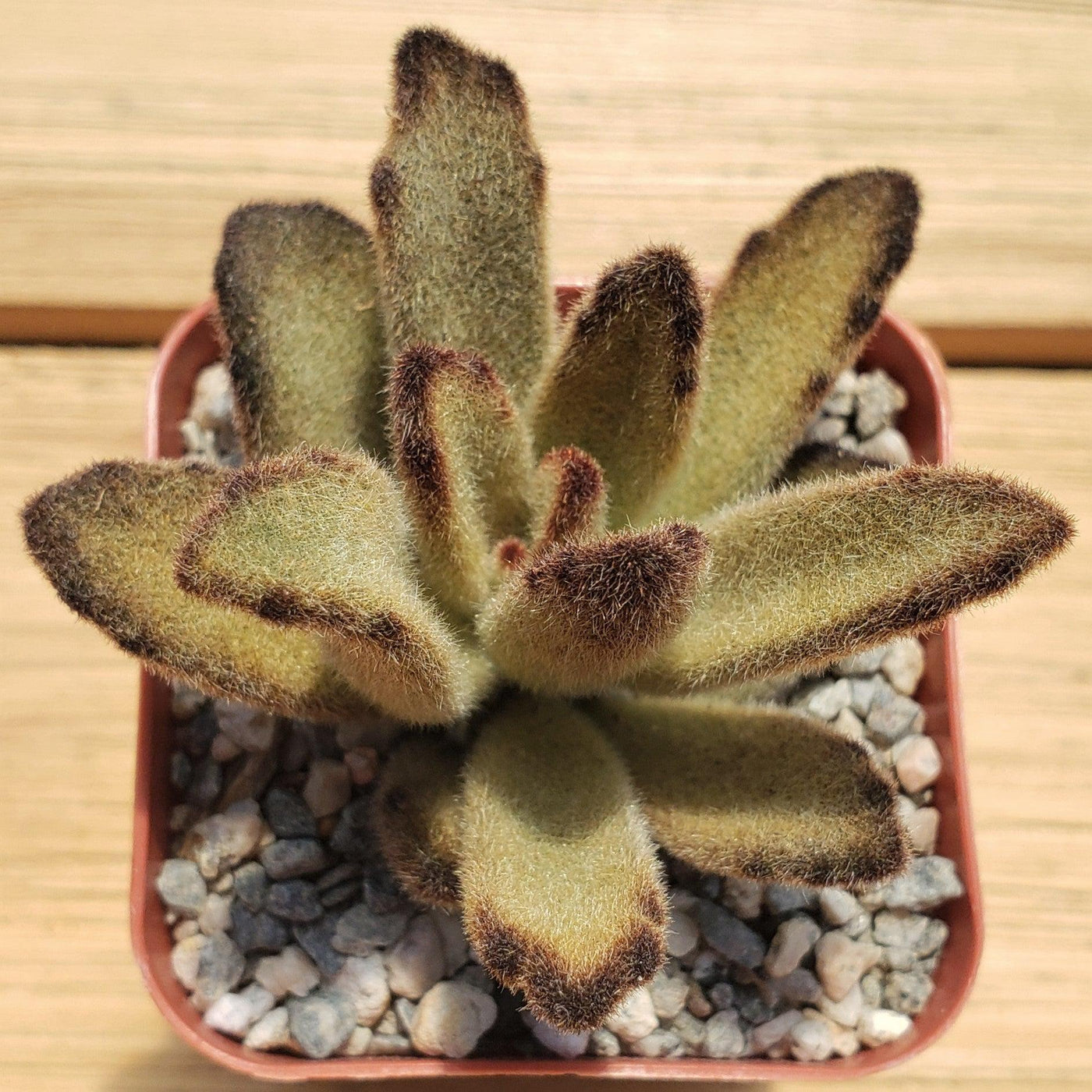
chocolate succulent plant Chocolate Soldier Plant – Kalanchoe tomentosa ‘Chocolate Soldier’ 2" PotIntroducing the chocolate soldier plant, known as Kalanchoe tomentosa Chocolate Soldier, which is an extremely popular variety of the Kalanchoe, opens in a new tab genus. Native to Madagascar, it has several other common names such as Panda plant, Pussy ears, plush plant, cocoon plant, and velvet leaf Kalanchoe. This plant has earned its common name, chocolate soldier, due to the velvety texture and brownish color of its leaves, which resemble the
Introducing the chocolate soldier plant, known as Kalanchoe tomentosa ‘Chocolate Soldier, which is an extremely popular variety of the Kalanchoe, opens in a new tab genus. Native to Madagascar, it has several other common names such as Panda plant, Pussy ears, plush plant, cocoon plant, and velvet leaf Kalanchoe.
This plant has earned its common name, chocolate soldier, due to the velvety texture and brownish color of its leaves, which resemble the color of chocolate.
One of the distinctive features of the Chocolate soldier plant is its fuzzy, elongated leaves that are covered in tiny hairs, giving them a soft and velvety appearance. The leaves are thick and spoon-shaped, with serrated edges, and are arranged in a rosette pattern. As the plant matures, it develops a woody stem, adding to its unique charm.
When grown outdoors, it can also serve as a ground cover or add texture to rock gardens. The chocolate soldier plant can grow up to 2.5 feet tall and 2 feet wide.
It is a relatively compact plant, making it suitable for both indoor and outdoor spaces. People often confuse the chocolate soldier with the Panda plant.
But what distinguishes 'Chocolate Soldier' from the others is the eye-catching deep maroon or chocolate-brown hue along the leaf tips and edges.
In comparison to the panda plant, this succulent variety's leaves are narrower. The plant has an enticing appearance due to the lovely contrast created by the black borders and its fuzzy grey-green base.
The flowers of the chocolate soldier plant bloom in the summer with small, tubular flowers. These flowers are typically red in color and appear on tall, upright stalks called inflorescences. However, it's worth noting that the plant's main ornamental value lies in its leaves rather than its flowers.
When it comes to propagation, the Chocolate soldier plant can be easily propagated through stem or leaf cuttings. Simply take a healthy stem or leaf cutting and allow it to dry for a few days. Then, place the cutting in well-draining soil and provide it with bright, indirect light. With proper chocolate soldier plant care and patience, the cutting will develop roots and grow into a new plant.
Watering Needs
Like many other succulents, opens in a new tab, the Chocolate Soldier Plant has adapted to survive in arid conditions, which means it has low to moderate watering needs. When it comes to watering your Chocolate soldier plant, it's important to strike a balance. Overwatering can lead to root rot and other issues, while underwatering can cause the leaves to shrivel and drop.
In the spring and summer, during the growing season, you can water your plant every 1-2 weeks, depending on the temperature and humidity levels. In the winter months, when the plant is in a period of dormancy, you can reduce watering frequency to once every 2-4 weeks.
As a general rule of thumb, it's best to allow the soil to dry out between waterings. To check soil moisture, insert a finger about an inch into the soil, and if it feels dry, it needs watering. When you do water, make sure to thoroughly saturate the soil and allow any excess water to drain away. Because it can cause root rot, don't let the plant stand in standing water.
Remember, it's always better to underwater than overwater your Chocolate Soldiers Kalanchoe tomentosa. They are quite resilient and can tolerate drought conditions better than excessive moisture. Observing the plant's leaves and soil moisture levels will help you determine the right watering schedule for your Kalanchoe Chocolate Soldier Plants.
Light Requirements
When growing indoors, the Chocolate Soldier Plant prefers bright, indirect light. It thrives in a spot where it can receive a good amount of bright, filtered sunlight throughout the day. Placing it near a window that faces east, or west is often ideal, as it allows the plant to benefit from the morning or afternoon sun without the intensity of direct sunlight. If you notice that the plant is stretching or leaning toward the light source, it may be an indication that it needs more light.
If you decide this great ground cover outdoors, it generally enjoys bright, indirect light outdoors as well. However, it's important to protect it from intense, direct sunlight, especially during the hottest parts of the day. Too much direct sunlight can cause the leaves to burn or become scorched. Providing some shade or placing the plant in an area with dappled sunlight can help protect it from excessive heat and sun exposure.
Remember, finding the right balance of light is key to the health of your plant. Observe how the plant responds to its current lighting conditions and make adjustments as needed. With the right amount of light, your chocolate soldier succulent can thrive and display its beautiful, fuzzy leaves.
Optimal Soil & Fertilizer Needs
When it comes to soil, the Chocolate Soldier Plant prefers well-draining soil that allows excess water to flow out easily. Planet Desert specializes in succulents and has specialized succulent potting soil, opens in a new tab that includes an organic substrate with mycorrhizae to help with the growth of a healthy root system to help your succulents thrive. As an okay alternative, you can create your own potting mix by combining equal portions of perlite, coarse sand, and good natural potting soil.
As for fertilizing, the Kalanchoe tomentosa Chocolate soldier succulent doesn't require frequent feeding. During the growing season in the spring, you can fertilize the plant once a year with a balanced (5-10-5), water-soluble NPK fertilizer diluted to half strength. This will provide the necessary nutrients without overwhelming the plant. During the dormant period in winter, you can reduce or stop fertilizing altogether, as the plant's growth slows down.
Remember, it's always important to follow the instructions and avoid overfertilizing, as this can lead to salt buildup in the soil and cause damage to the plant. Additionally, it's a good practice to water the plant thoroughly before applying fertilizer to prevent any potential burning of the roots.
Hardiness Zones & More
When growing indoors, your chocolate soldier thrives in average room temperatures between 65°F and 75°F. It's important to keep it away from drafts and sudden temperature fluctuations, as it prefers a stable environment. As for humidity, this succulent plant can adapt to normal household humidity levels, but it appreciates a bit of extra humidity. You can increase humidity by placing a tray of water near the plant or using a humidifier if needed.
For outdoor cultivation, the chocolate soldier plant is generally suitable for outdoor cultivation in USDA hardiness zones 9 to 11. In these zones, the plant can tolerate mild frost but may require protection during colder winter months. If you live in a colder climate, it's best to grow the Kalanchoe chocolate soldier plant as a houseplant or in containers that can be brought indoors during the winter.
Remember, providing the right temperature and humidity conditions, whether indoors or outdoors, is essential for the health and well-being of your chocolate soldier plant. With proper care, it will reward you with its unique and fuzzy foliage!
Final Thoughts
Overall, the Chocolate soldier plant is a unique and charming popular ground cover succulent with fuzzy, dark brownish leaves that resemble the color of chocolate. It can grow from 8 inches to 2 feet in height, making it perfect for both indoor and outdoor spaces. This plant is relatively low-maintenance and can thrive in bright, indirect light. It prefers well-drained soil and should be watered sparingly, allowing the soil to dry out between waterings. With its distinctive features and easy-care requirements, the Chocolate Soldier Plant is a delightful addition to any plant collection.
Give it a try and enjoy the beauty and intrigue this unique Kalanchoe tomentosa Chocolate soldier plant brings to your home or garden!
Shipping Notes
- Free Standard Shipping on $100+ Orders to the USA.
- Except Preorder products are shipped in 48 hours.
- Delivery to the USA:
- Standard Shipping : 3-10 business days
- If time is of the essence, please consider selecting expedited delivery for faster service.
Exchange/Return Notes
- We offer a 30-day return/exchange service after receiving.
- Final sale items are not eligible for returns or exchanges.
- To process your return/exchange, please contact us at [email protected]
- Please click here for more details>>> Return & Exchange Policy