Pay in installments of $5.38 with
 ,
,
 and
and

Shipping Estimate
USA
- USA
- CAN
- USA
- CAN
Ships within 48 hours · Estimated delivery Jul 24 - Jul 29
 Promo Codes Available:
For Your Every Summer RSVP, with Code: SUMMER15
Description
desert spoon succulent Shop 'Desert Spoon Plant - Dasylirion wheeleri' Care and InfoThe Desert Spoon Plant, also known as Dasylirion wheeleri, is a hardy and distinctive succulent with a dense rosette of spiny leaves radiating from a central base and is a popular choice for xeriscaping and water wise gardens. Native to the United States, it is also appreciated for its drought tolerance and unique textural beauty in landscapes that require minimal water. The name "Desert Spoon" comes from the spoon shaped impressions left at the base
The Desert Spoon Plant, also known as Dasylirion wheeleri, is a hardy and distinctive succulent with a dense rosette of spiny leaves radiating from a central base and is a popular choice for xeriscaping and water-wise gardens. Native to the United States, it is also appreciated for its drought tolerance and unique textural beauty in landscapes that require minimal water.
The name "Desert Spoon" comes from the spoon-shaped impressions left at the base of the plant’s leaves where they connect to the stem. The Dasylirion wheeleri has several other common names such as Sotol plant, blue sotol, common desert spoon yucca, spoon flower, or Wheeler's Sotol.
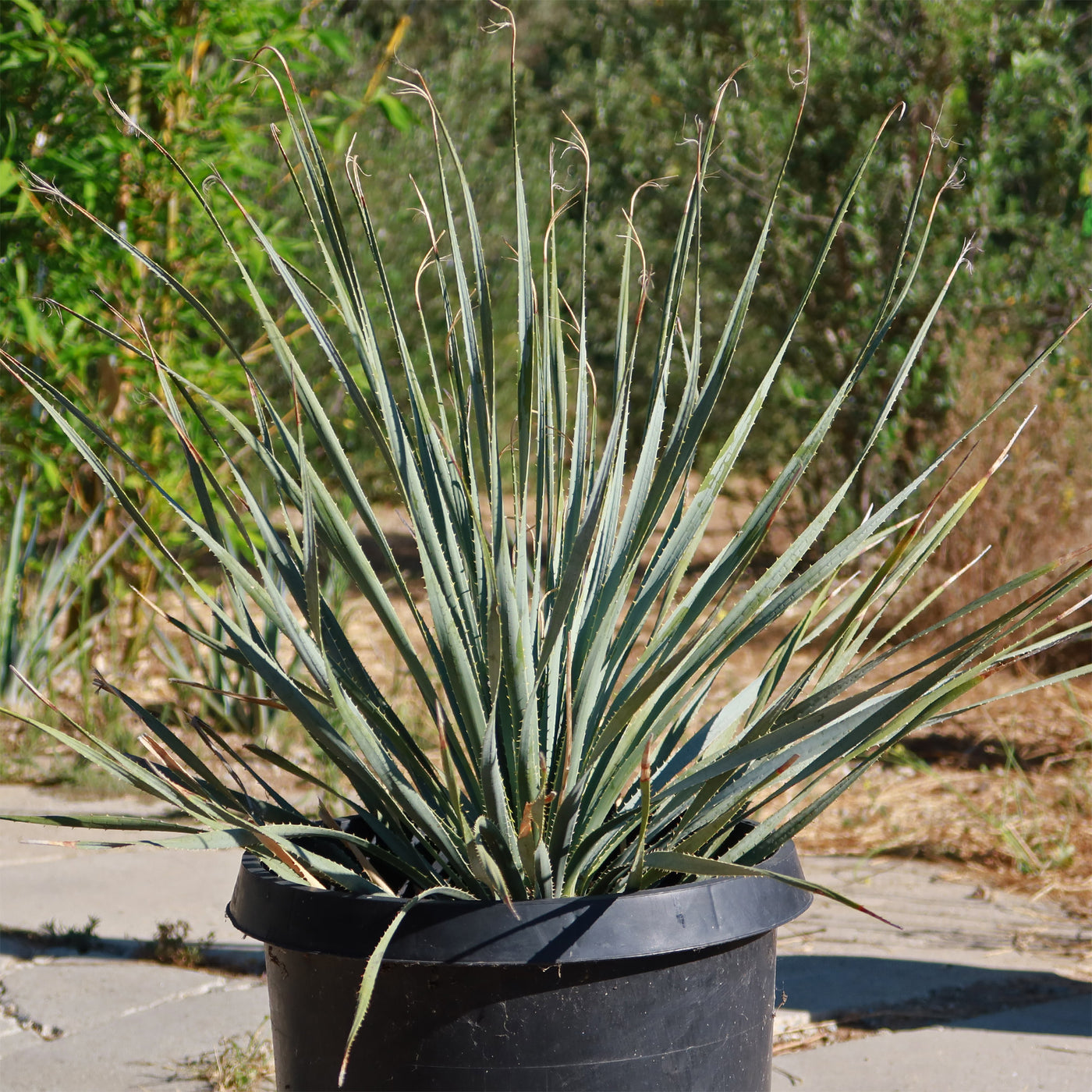
At maturity, the desert Spoon typically reaches around 5 feet in height with a similar width. It is recognized by its striking rosette of slender, gray-green leaves
Each leaf is long, narrow, and rigid, with sharp spines along the edges, which makes it an eye-catching but prickly addition to landscapes.
The leaves arch gracefully outward from the center, forming a distinctive spherical shape.
When it comes to flowering, the Dasylirion wheeleri blooms in the late spring to early summer with a tall, slender flower spike, densely covered with small, creamy white or yellowish flowers.
These flowers grow along the length of the stalk and are known for attracting a variety of pollinators. While the flowers themselves are not particularly showy up close, the towering bloom stalk adds a bold architectural element to any landscape. The plant flowers infrequently, but when it does, it provides a dramatic visual effect.
This rugged, resilient plant is ideal for gardeners looking to incorporate low-maintenance, drought-tolerant plants into their landscape designs. Its striking architectural form and minimal water requirements make it perfect for desert or xeric gardens.
When and How to Water Your Desert Spoon Plant
The desert spoon plant has adapted to survive in arid conditions by storing water in its thick, spoon-shaped leaves. However, during extreme heat or prolonged dry spells, it is recommended to give them a deep watering once every few weeks to help maintain their health and vigor. Allow the soil to dry out completely between waterings to prevent root rot.
When watering the desert spoon plant, it's crucial to water at the base of the plant rather than overhead to prevent moisture-related issues. Aim to water deeply, reaching the plant's roots, as shallow watering can lead to weak root systems.
In spring and summer, during the growing period, you can water more frequently, but still, ensure the soil dries out between watering sessions. In winter, reduce watering significantly as the plant goes into a dormant phase. Monitoring the soil moisture levels by feeling the soil's dryness will help you determine when it's time to water again. Remember, it's better to underwater than overwater this plant to avoid causing stress to the desert spoon.
Light Requirements – Where to Place Your Desert Spoon
When growing this plant indoors, place it in a location that receives bright, indirect sunlight. A south-facing window is ideal as it offers the right amount of light without exposing the plant to direct, intense sunlight, which can scorch its leaves. If natural light is insufficient, you can supplement with grow lights to ensure the plant receives the necessary light levels for photosynthesis.
For outdoor cultivation, the desert spoon plant thrives in full sun conditions. Plant it in a spot where it can receive at least 6-8 hours of direct sunlight daily. Adequate sunlight exposure not only helps the plant photosynthesize effectively but also enhances its overall appearance, including the color and texture of its foliage.
Optimal Soil & Fertilizer Needs
The desert spoon plant prefers sandy, well-drained soil, as excess moisture can promote root and stem rot. Planet Desert has specialized succulent potting soil, opens in a new tab that includes an organic substrate with mycorrhizae to help with the growth of a healthy root system to help your Dasylirion plant thrive. Avoid heavy, compacted soils that retain moisture, as they can be detrimental to the succulent plant's health. Additionally, ensure the pot or planting area has drainage holes to allow excess water to escape easily.
When it comes to fertilizing the desert spoon plant, a low-maintenance approach is best. Fertilize sparingly, if at all, as this plant is adapted to nutrient-poor soils. During the growing season in spring, you can apply a diluted, balanced (5-10-5) liquid fertilizer once a year. Always follow the manufacturer's instructions regarding application rates to avoid nutrient build-up in the soil, which can harm the plant.
Hardiness Zones & More
When growing this plant indoors, it prefers temperatures between 65-85°F during the day and slightly cooler temperatures at night. Avoid placing the plant near drafty areas or heating vents, as extreme temperature fluctuations can stress the plant. Additionally, maintain moderate humidity levels around 40-50% to prevent the leaves from drying out.
For outdoor cultivation, the Dasylirion wheeleri is well-suited to USDA hardiness zones 8-11, where it can withstand temperatures as low as 10-20°F. In these zones, the plant can thrive in hot, arid climates with minimal frost. It is essential to protect the plant from extreme cold temperatures and frost, especially in colder regions where winter temperatures drop below their tolerance levels. Additionally, the desert spoon plant prefers low to moderate humidity levels, making it well-suited for dry climates with good air circulation.
Dasylirion wheeleri Propagation
To propagate the Dasylirion wheeleri, or desert spoon plant, you can either separate and plant the offsets that grow around the base of the mature plant or collect and sow seeds in a well-draining soil mix. When propagating through offsets, carefully remove them from the parent plant, let them callus, and then plant them in the soil.
For seed propagation, collect seeds from mature plants, sow them in a suitable soil mix, keep them moist, and provide warmth and light for germination. By following these propagation methods, you can easily expand your collection of desert spoon plants.
Wildlife - Desert Spoon Plant attracts the following Friendly-Pollinators
The Desert Spoon is a valuable plant for pollinators, particularly bees and moths, which are drawn to its tall flower spikes. The flowers produce nectar that attracts these pollinators, making it a beneficial addition to gardens aiming to support local wildlife. The tall bloom stalk serves as a visual beacon for flying insects in search of nectar in otherwise dry and barren environments.
Toxicity: The Dasylirion wheeleri is generally non-toxic to humans and pets, making it a safe option for most households and gardens. However, caution should be exercised around its spiny leaves, which can cause cuts or scrapes if touched or brushed against. The plant is not edible, and its sharp spines make it unsuitable for areas where children or pets might play.
Key Takeaways
- Dasylirion wheeleri, the desert spoon plant, is a striking succulent with long, slender, blue-green leaves that form a rosette.
- This plant is low-maintenance and drought-tolerant, making it ideal for xeriscaping and arid environments.
- It prefers well-drained soil and full sun exposure to thrive and develop its characteristic shape.
- Regularly check for pests like spider mites and mealybugs, as well as watch out for issues like root rot and sunburn.
- Fertilize sparingly with a balanced succulent fertilizer to ensure the plant receives essential nutrients.
- When buying a desert spoon plant, look for healthy specimens with vibrant foliage and no signs of pests or diseases.
- Order your very own Dasylirion wheeleri for sale today!
Shipping Notes
- Free Standard Shipping on $100+ Orders to the USA.
- Except Preorder products are shipped in 48 hours.
- Delivery to the USA:
- Standard Shipping : 3-10 business days
- If time is of the essence, please consider selecting expedited delivery for faster service.
Exchange/Return Notes
- We offer a 30-day return/exchange service after receiving.
- Final sale items are not eligible for returns or exchanges.
- To process your return/exchange, please contact us at [email protected]
- Please click here for more details>>> Return & Exchange Policy