Shipping Estimate
USA
- USA
- CAN
- USA
- CAN
Ships within 48 hours · Estimated delivery Jul 12 - Jul 17
 Promo Codes Available:
For Your Every Summer RSVP, with Code: SUMMER15
Description
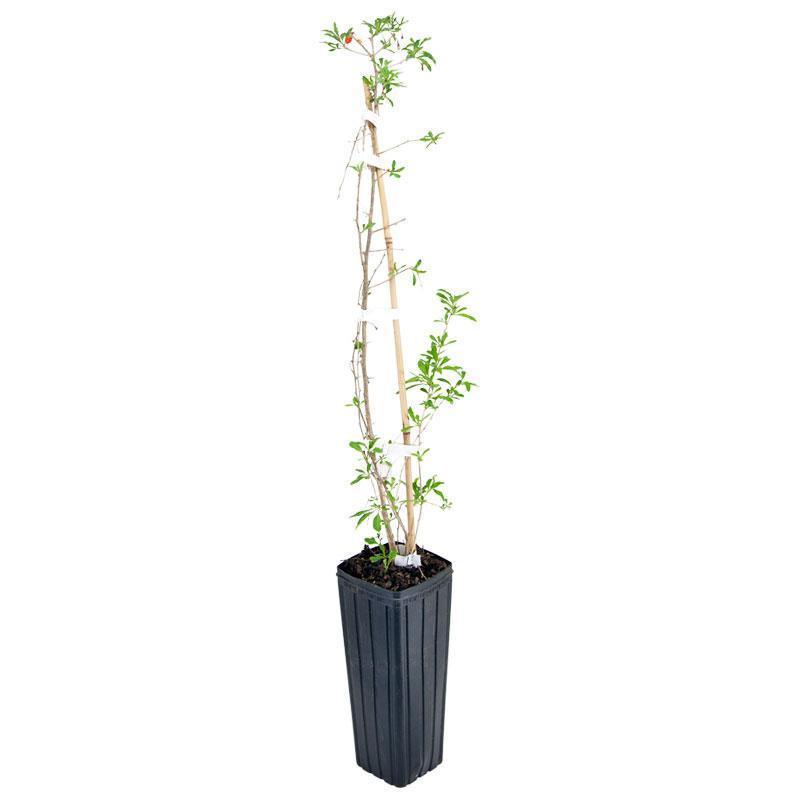
growing goji berry plants in pots Potted Goji BerryA potted Phoenix Tears Goji Berry plant is one of the quickest ways to enjoy your own superfruit harvest. This well established shrub is ready to thrive in your garden or a large container, producing nutrient dense, bright red berries packed with antioxidants. The Phoenix Tears Goji berries are perfect for fresh eating, blending into smoothies, or drying for snacks and teas. Thriving in sunny, well draining locations, Phoenix Tears Goji plants are
A potted Phoenix Tears Goji Berry plant is one of the quickest ways to enjoy your own superfruit harvest. This well-established shrub is ready to thrive in your garden or a large container, producing nutrient-dense, bright red berries packed with antioxidants. The Phoenix Tears Goji berries are perfect for fresh eating, blending into smoothies, or drying for snacks and teas. Thriving in sunny, well-draining locations, Phoenix Tears Goji plants are drought-tolerant and require minimal care once established. With lush green foliage and small purple flowers, these plants offer both ornamental beauty and productivity. Ideal for gardeners seeking immediate results, a potted Phoenix Tears Goji plant brings health, beauty, and versatility to any growing space.
Potted Shrub
- Latin Name: Lycium barbarum
- Zones: 3-10
- Harvest: Mid-Summer through first frost.
- Bush Habit: Unpruned it grows to between 10 and 13 feet tall with a spread of 4 feet. It has upright sprouts with long lateral branches with a weeping habit. Note the plant does have thorns.
- Fruit: Red to red-orange berries
- Facts of note: Goji berries are easy to grow, container adaptable and drought tolerant. They do require alkaline soil with a pH between 6.8 and 8.1. Do not apply any nitrogen, they really don't need any fertilizer.
The Goji Berry: A Nutrient-Packed Superfood
The Goji Berry, scientifically known as Lycium barbarum, has gained popularity in recent years for its numerous health benefits and unique taste. Native to China, this small, bright red berry is often referred to as the "wolfberry" and has been used for centuries in traditional Chinese medicine for its medicinal properties. When you eat Goji berries, you benefit from their high levels of antioxidants and essential nutrients. In this article, we will explore the Goji Berry's origins, nutritional value, potential health benefits, and how to grow and care for this remarkable plant, including the powerful goji berry effects on overall well-being.
Origins and Cultivation
Goji Berries have a rich history dating back over 2,000 years in traditional Chinese medicine. They are primarily cultivated in the Ningxia region of China, where they have been an integral part of local diets for generations. These berries thrive in temperate climates with plenty of sunlight, well-drained soil, and moderate rainfall. While they originated in China, Goji Berry cultivation has spread to other parts of the world, including North America, Europe, and Asia.
Nutritional Value
Goji Berries are often touted as a superfood due to their exceptional nutritional content. These small berries are packed with essential vitamins, minerals, and antioxidants. Here are some key nutrients found in Goji Berries:
-
Vitamins: Goji Berries are rich in vitamins A, C, and E, which contribute to their antioxidant properties and support a healthy immune system.
-
Minerals: They contain essential minerals like iron, zinc, and selenium, which are important for maintaining overall health and well-being.
-
Amino Acids: Goji Berries provide a source of amino acids, including all eight essential amino acids, making them a valuable addition to a vegetarian or vegan diet.
-
Antioxidants: These berries are known for their high levels of antioxidants, particularly zeaxanthin and beta-carotene, which may help protect the eyes and reduce the risk of age-related eye diseases.
-
Fiber: Goji Berries are a good source of dietary fiber, which can aid in digestion and promote a feeling of fullness, helping with weight management.
Growing and Caring for Goji Berry Plants
If you're interested in cultivating your own Goji Berry plants, here are some essential tips:
-
Planting: Choose a sunny spot with well-drained soil. Space the plants about 3-5 feet apart.
-
Watering: Goji Berry plants prefer consistent moisture, so water them regularly, especially during dry periods.
-
Pruning: Prune your Goji Berry plants to maintain their shape and encourage better fruit production.
-
Harvesting: Berries ripen from late summer to early fall. Harvest them when they are fully red and slightly sweet.
-
Pests and Diseases: Keep an eye out for common pests like aphids and diseases like powdery mildew. Use organic pest control methods as needed.
Goji Berry Growth and Harvesting
-
When Should I Plant Goji Berries: When to plant Goji berries depends on your climate, but early spring or late winter is ideal for starting Goji plants. These hardy shrubs thrive in full sun and well-drained soil, producing vibrant berries by mid-summer. To grow Goji berries successfully, focus on meeting their cultural and nutritional needs, ensuring consistent soil moisture, and adding organic matter to the soil. Once the plant matures, you can enjoy a variety of health benefits, from the antioxidants in fresh or dried Goji berries to the potential natural antioxidant medicine found in Goji berry juice and supplements. As the fruit begins to ripen, it becomes a delicious, healthy snack packed with essential fatty acids, amino acids, and vitamins that promote healthy skin and immune function.
-
How to Harvest Goji Berries: To harvest Goji berries, wait until mid-summer to early fall, when the fruit turns a vibrant red and becomes slightly sweet. Gently pick the ripe berries from the Goji berry plant, taking care not to damage the branches. If you prefer dried Goji berries, allow them to fully ripen before drying them for a nutritious snack or to make Goji berry juice. The health benefits of Goji berries, including antioxidants and amino acids, can promote healthy skin and support immune function. Regular harvesting ensures a continuous supply of fresh berries, and with proper care, mature Goji plants can produce fruit year after year.
Growing Goji Berries in Containers
-
Is Growing Goji in Containers Possible: Yes, you can grow Goji plants in containers! This is an ideal option for small spaces or gardeners who want to limit the plant height. Containers allow for better control over soil moisture and promote vigorous new growth. Goji berry plants thrive in full sun and well-drained soil, making them suitable for container gardening.
-
Best Container Sizes for Goji Berry Plants: For optimal growth, choose a container that is at least 18-24 inches wide and deep. This size ensures enough room for the roots to expand and for Goji plants to produce fruit. The container should have good drainage to avoid root rot and ensure healthy soil types that support the Goji berry plant's cultural and nutritional needs.
-
Caring for Potted Goji Berry Plants: To care for potted Goji berry plants, make sure they receive consistent watering to maintain soil moisture but avoid over-watering. Prune regularly to limit plant height and encourage lateral branches that produce berries. Fertilization is not necessary, but adding Goji berries to your balanced diet, either fresh or in dried form, will provide you with numerous health benefits, including promoting healthy skin and supporting immune function.
Goji Berry Varieties
-
Different Types of Goji Berry Plants: There are several varieties of Goji plants, including the traditional Chinese wolfberry (Lycium barbarum) and the more compact, ornamental types ideal for smaller gardens. While all Goji berry plants offer impressive health benefits, such as supporting skin health and immune function, some varieties are more suited for containers, producing smaller, sweeter berries. No matter the variety, Goji berries are rich in antioxidants and vitamins, making them an excellent addition to a balanced diet, whether fresh or dried.
-
Why Potted Goji Plants Are Ideal for Small Spaces: Potted Goji berry plants are a perfect choice for gardeners with limited space. These plants thrive in containers, allowing you to grow Goji berries on patios, balconies, or small garden plots. With careful pruning to limit plant height, potted Goji plants are easy to manage and can still produce vibrant fruit, including dried goji berries for a healthy snack or juice. Additionally, container growing helps control soil moisture, reduces the risk of fungal disease, and allows you to meet the cultural and nutritional needs of the Goji berry plant, all while promoting vigorous new growth and maximizing fruit production..
The Goji Berry is a remarkable superfood with a rich history and a wide array of potential health benefits. Whether you choose to enjoy them fresh, dried, or in supplement form, incorporating Goji Berries into your diet can be a delicious and nutritious way to support your overall well-being. If you decide to grow your own Goji Berry plants, following proper care and cultivation practices can lead to a bountiful harvest of these vibrant and nutritious berries.
Why Buy Phoenix Tears Goji Berry (Potted) From Us?
At Peaceful Valley, we offer premium Phoenix Tears Goji Berry plants that thrive with minimal care, providing fresh, nutrient-packed berries full of antioxidants, vitamins, and amino acids. Whether you want to grow Phoenix Tears Goji berries for a healthy snack, enjoy Goji berry juice, or add dried berries to your trail mix, our plants are carefully cultivated to meet their cultural and nutritional needs. These Phoenix Tears Goji plants are easy to grow, produce fruit year-round, and promote healthy skin, immune function, and overall well-being, making them a valuable addition to any garden or balanced diet.
Shipping Notes
- Free Standard Shipping on $100+ Orders to the USA.
- Except Preorder products are shipped in 48 hours.
- Delivery to the USA:
- Standard Shipping : 3-10 business days
- If time is of the essence, please consider selecting expedited delivery for faster service.
Exchange/Return Notes
- We offer a 30-day return/exchange service after receiving.
- Final sale items are not eligible for returns or exchanges.
- To process your return/exchange, please contact us at [email protected]
- Please click here for more details>>> Return & Exchange Policy