Pay in installments of $6.97 with
 ,
,
 and
and

Shipping Estimate
USA
- USA
- CAN
- USA
- CAN
Ships within 48 hours · Estimated delivery Jul 22 - Jul 27
 Promo Codes Available:
For Your Every Summer RSVP, with Code: SUMMER15
Description
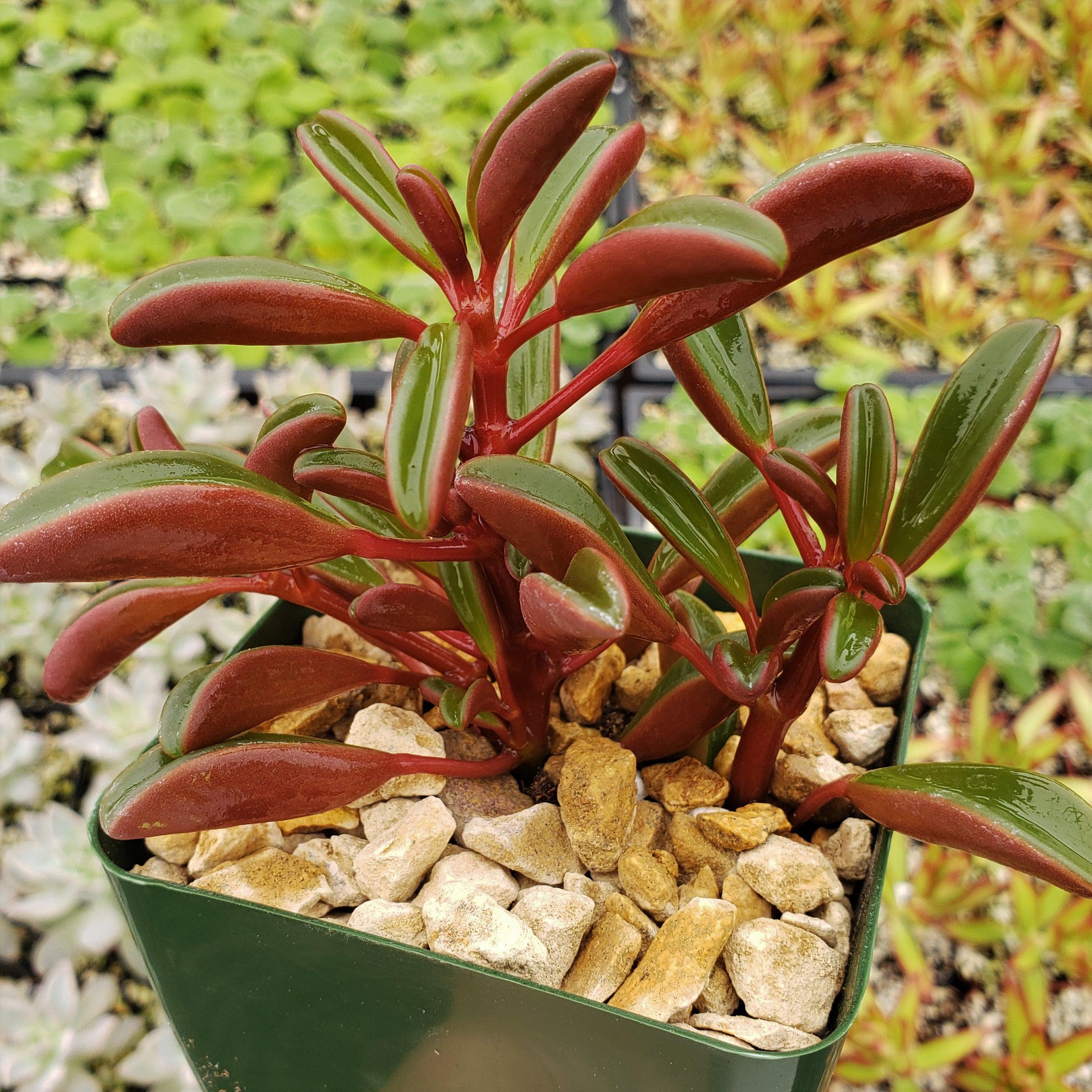
peperomia a succulent Peperomia Ruby Glow ‘Peperomia graveolens’Introducing the Peperomia graveolens, also known as the Ruby Glow or Peperomia Ruby Glow, which is a popular succulent plant that belongs to the Peperomia genus. This shrub like succulent is ideal for "filler" in your arrangements. Native to Ecuador, the Peperomia ruby glow gets its common name from its deep ruby red leaves, which give the plant a glowing effect. Peperomia, derived from the Greek word 'peperi' meaning 'peppers', is named after the
Introducing the Peperomia graveolens, also known as the Ruby Glow or Peperomia Ruby Glow, which is a popular succulent plant that belongs to the Peperomia genus. This shrub-like succulent is ideal for "filler" in your arrangements.
Native to Ecuador, the Peperomia ruby glow gets its common name from its deep ruby red leaves, which give the plant a glowing effect. Peperomia, derived from the Greek word 'peperi' meaning 'peppers', is named after the black pepper plant.
One of the reasons for its popularity is its compact size and low-maintenance nature. The Peperomia graveolens is a petite plant, that grows in clumps and its ruby red vine stem can grow up to 10 inches tall and 18 inches wide.
It forms a rosette-like structure with its oblong, cupped leaves, creating a visually appealing display.
Its leaves are "windowed" and v-shaped, and they emerge from a red stem. With a scarlet underside, the leaves are transparent on top. As the Ruby Peperomia matures, it takes on more trailing growth.
The Peperomia graveolens flowers bloom during the spring with small, insignificant flowers on long stalks. These yellowish white flowers in color and are not the main highlight of the plant. When grown as a houseplant, it blooms rarely.
When it comes to Peperomia ruby glow propagation, it can be easily propagated through stem cuttings. To establish healthy stem cuttings, remove lower leaves and place them in a well-draining potting mix, keeping the soil slightly moist until roots are established.
Watering Needs
To water your Peperomia graveolens, wait until the top inch of soil feels dry to the touch. Then, water the plant thoroughly, allowing the excess water to drain out of the pot. It's essential to ensure that the pot has drainage holes to prevent water from pooling at the bottom.
In the spring, during the growing season, you can water your Peperomia ruby glow more frequently. However, in the dormant period, you'll want to reduce watering and allow the soil to dry out more between waterings.
Remember, it's always better to underwater than overwater your Peperomia graveolens. Overwatering can lead to root rot and other issues, while underwatering can cause the leaves to wilt and the plant to suffer. The key is to provide enough water to keep the soil lightly moist, but not soggy.
This plant is quite resilient and can tolerate short periods of drought. Observing the soil moisture and adjusting your watering accordingly will help you meet the specific needs of your Peperomia graveolens.
Light Requirements
When growing indoors, the Ruby glow Peperomia graveolens prefers bright, indirect light. It thrives in a spot where it can receive bright, filtered sunlight throughout the day. Placing it near a north or east-facing window is ideal, as it will receive the right amount of light without being exposed to direct sunlight, which can scorch its leaves.
If you don't have a suitable window with enough natural light, you can also use artificial lighting, such as fluorescent or grow lights, to provide the necessary light for your Peperomia graveolens. Just make sure to place the light source about 12 to 18 inches away from the plant to avoid burning the leaves.
When planted outdoors, the Peperomia graveolens can tolerate some direct sunlight, especially during the morning or late afternoon when the sun is less intense. However, it's still best to provide it with bright, indirect light to prevent leaf burn and keep the plant happy. To avoid shocking the plant, gradually acclimate it outside to increase sunlight. Start by placing it in a shaded area and gradually exposing it to more sunlight over several weeks.
Remember, finding the right balance of light is crucial for the health of your Peperomia graveolens. Whether it's indoors or outdoors, providing it with bright, indirect light will help it thrive and maintain its beautiful foliage.
Optimal Soil & Fertilizer Needs
The Peperomia ruby glow favors very airy, sandy soil that drains well. Planting them in ordinary soil will result in compacted roots, stunted growth, and most likely root rot.
Instead, make or buy a well-draining potting medium, or ideally use our specialized succulent potting mix, opens in a new tab that contains 5 natural substrates and mycorrhizae to promote the development of a strong root system that helps your Peperomia succulent to thrive. It's also important to choose a pot with excellent drainage to ensure excess water can easily escape. This will further help prevent waterlogged soil and keep your Peperomia graveolens happy.
The Peperomia graveolens is not a heavy feeder, so you don't need to fertilize it frequently. During the growing season in the spring, you can fertilize your plant once a year with a balanced (5-10-5), water-soluble NPK fertilizer diluted to half the recommended strength. This will provide the necessary nutrients without overwhelming the plant.
During the dormant period in fall and winter, you can reduce or even stop fertilizing altogether since the plant's growth slows down during this time. Remember to always follow the instructions on the fertilizer packaging and avoid over-fertilizing, as this can lead to fertilizer burn and damage to the plant's roots.
Hardiness Zones & More
When growing indoors, Peperomia graveolens prefers a warm and consistent environment. Ideally, the temperature should be kept between 65°F and 75°F during the day. It's important to avoid drastic temperature fluctuations and drafty areas, as this can stress the plant and affect its overall health.
For outdoor cultivation, the Ruby glow Peperomia prefers USDA hardiness zones 9-12. Native to tropical regions it is generally not frost-tolerant. It is commonly grown as an indoor plant in various climates. While it can tolerate slightly cooler temperatures, it's best to keep it in an environment that stays above 50°F to ensure its well-being.
As for humidity, Peperomia graveolens appreciates moderate to high humidity levels. You can increase humidity around the plant by misting it regularly with water or placing a tray filled with water near the plant. This will help create a more humid microclimate, mimicking its natural habitat.
Final Thoughts
Overall, the Peperomia graveolens, (Peperomia Ruby Glow) is a popular succulent plant native to Mexico. Its unique ruby-red leaves give it a glowing appearance, making it a visually striking addition to any indoor space. This compact plant grows to about 10 inches in height and forms a rosette-like structure with heart-shaped or spoon-shaped leaves. It prefers bright, indirect light and moderate watering, allowing the top inch of soil to dry out between waterings with good drainage. With its low-maintenance nature and vibrant foliage, the Peperomia graveolens is a fantastic choice for succulent lovers.
We think you will love this plant – order your very own Peperomia graveolens today and start enjoying its beauty in no time!
Shipping Notes
- Free Standard Shipping on $100+ Orders to the USA.
- Except Preorder products are shipped in 48 hours.
- Delivery to the USA:
- Standard Shipping : 3-10 business days
- If time is of the essence, please consider selecting expedited delivery for faster service.
Exchange/Return Notes
- We offer a 30-day return/exchange service after receiving.
- Final sale items are not eligible for returns or exchanges.
- To process your return/exchange, please contact us at [email protected]
- Please click here for more details>>> Return & Exchange Policy