Shipping Estimate
USA
- USA
- CAN
- USA
- CAN
Ships within 48 hours · Estimated delivery Jul 12 - Jul 17
 Promo Codes Available:
For Your Every Summer RSVP, with Code: SUMMER15
Description
best fertilizer for drumstick plant Moringa (Drumstrick Tree) Seeds - For 2026 Planting Moringa OleiferaMoringa or "Drumstick Tree" is a fast growing, deciduous tree, native to India, where it is commonly harvested for its edible whole leaves, green seed pods, fragrant flowers, oil pressed from seeds, and horseradish like roots. The young seed pods and leaves are widely cultivated in South and Southeast Asia for its use as vegetables and in traditional herbal medicine. This tree boasts feathery foliage and fragrant, white petaled flowers, and can reach
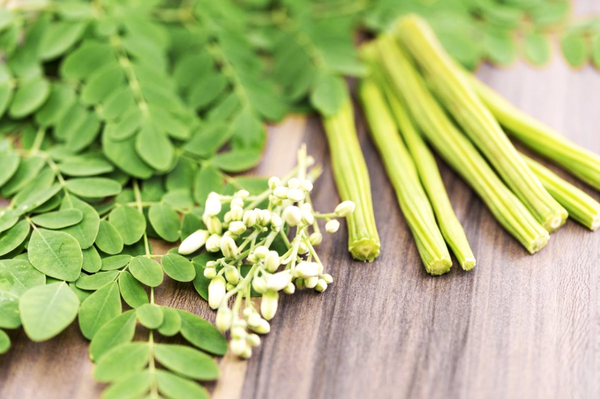
Moringa or "Drumstick Tree" is a fast-growing, deciduous tree, native to India, where it is commonly harvested for its edible whole leaves, green seed pods, fragrant flowers, oil pressed from seeds, and horseradish-like roots. The young seed pods and leaves are widely cultivated in South and Southeast Asia for its use as vegetables and in traditional herbal medicine. This tree boasts feathery foliage and fragrant, white-petaled flowers, and can reach heights of up to 40 feet! With flowering beginning within the first six months of planting, it's a great option for quickly adding beauty to your landscape. Enjoy the versatile benefits of the Moringa Drumstrick Tree in your very own yard!Also Known As: Muringa, Horseradish Tree, Drumstick Tree, African Moringa, Radish Tree, Arango, Badumbo, Ben, Bentree, Ben Oil Tree, Caragua, Malunggay, Murunga, Murinna, Moringo, La Mu Shu, Maranga Calalu, Teberindo.
| Plant Name: | Tree, Moringa |
| Latin Name: | Moringa oleifera |
| Days to Germinate: | 7-21 |
| Days to Bloom: | 9 - 11 Months |
| Plant Height: | 30 - 40 feet |
| Spread: | 8 - 15 Feet |
| Growth Habit: | Upright |
| USDA Zones: | 9-12 |
| Lifespan: | Perennial |
| Brand: | TomorrowSeeds |
| Sunlight: | Full Sun, Partial Shade |
| Pollination: | Heirloom, Open-Pollinated |
| GMO: | No |
| Fungicide-Treated Seeds*: | No |
| Seeds Packed For**: | 2026 |
**Seeds are freshly packed for the growing season of the year listed. Seeds are still viable beyond pack date. Store in a cool and dry location such as the refrigerator or basement to best preserve germination rates.
Planting Instructions:
Soil Preparation:
Choose a clear, sunny location that is not in the shade of other trees and receives at least 6 hours of sunlight each day. Trees establish roots better in sandy, well-drained soils rather than heavy, poorly drained soil. Remove weeds, large rocks, and litter from the planting area. Leave small weeds and dead grass, they will enrich the soil when turned under. Spade or till the soil 6-8 inches deep. Loosening the soil will help the plant establish strong roots. If the soil is heavy or clay-like, mix in some sand or compost to improve drainage. Optionally, either form rows of soil beds or hills 4-6 inches high and at least 15 feet apart. This formation of ridges will help with drainage, ensure good airflow, and make harvesting or maintenance easier.
Planting:
Starting Indoors: Moringa Tree seeds do not require cold-stratification to germinate but may benefit from soaking. To germinate seeds, soak seeds 24 hours in hot tap water prior to sowing. Plant indoors in small pots with moist potting soil 1 month before the last expected frost in spring, and place the pots in a warm, sunny location that is at least 65F. Keep the soil moist, allowing the top inch of soil to dry in between waterings.Once the seedlings have developed a few sets of leaves and are at least 6 inches in height, harden off seedlings then transplant outdoors in the spring, in a sunny location when temperatures are consistently above 60F. To transplant seedlings, prepare a transplant hole outdoors in a sunny, permanent location. Remove the plants carefully from the pots or flats and set them in the transplant holes, burying some of the stem in the ground. Pack the soil loosely around the plant and leave a slightly sunken area around each plant to hold water. Water the plants after transplanting.
Directly Sowing: If directly sowing outdoors plant in spring in a sunny location when temperatures are consistently above 65F. Soak seeds 24 hours in hot tap water prior to sowing. To plant, make holes 1 inch deep and spaced 30 feet apart down the rows of raised beds. Plant 1 seed per hole, then cover thinly with soil. Seedbeds can be covered with plastic film to promote germination. Water after planting.
| Planting Depth: | 1 inch |
| Within-Row Spacing: | 8 -15 feet |
| Between-Row Spacing: | 15 feet |
Care During the Season:
Moringa Tree grows into a strong, productive tree, offering a nutritious supply of leaves and pods for culinary or medicinal use with proper care. Watering should be regular but not excessive - moringa is drought-tolerant once established, but young trees benefit from consistent moisture during the first growing season. During summer, as the tree grows rapidly, optionally fertilize with a balanced, organic fertilizer to boost its growth, especially if grown in poor soil. Prune the tree lightly, removing any dead or damaged branches to maintain a strong structure and encourage the growth of healthy leaves. In autumn, the tree will continue to grow, and pods may begin to develop. At this stage, reduce watering slightly, as moringa prefers drier conditions once it’s matured. In winter, while moringa can tolerate light frosts it may need protection in colder climates. Covering the tree or moving it indoors (if in a container) can help it survive through low temperatures.
Harvesting:
Moringa can be harvested at different stages depending on the part of the tree desired. Leaves can be picked once the tree is well-established, typically around 6-8 months after planting, though it can be harvested at any time once the tree has grown sufficiently. For leaf harvest, simply cut off the leaflets from the branches, leaving enough foliage for the tree to continue growing. Flowers can also be harvested when they bloom, usually in the summer or early fall, and are best used fresh or for making teas. To harvest pods, collect when they’re still tender and green, usually in the late summer to fall, before they turn brown and dry. Once the pods mature and start to dry, they can be harvested for seeds, which are useful for planting or oil extraction. Moringa seeds can be harvested when the pods are fully mature and dried on the tree, about late fall. Simply twist the pods open to extract the seeds. Regular harvesting of the leaves encourages the tree to produce new growth, but leave enough of the tree intact to ensure it can continue growing and producing throughout the season.
Shipping Notes
- Free Standard Shipping on $100+ Orders to the USA.
- Except Preorder products are shipped in 48 hours.
- Delivery to the USA:
- Standard Shipping : 3-10 business days
- If time is of the essence, please consider selecting expedited delivery for faster service.
Exchange/Return Notes
- We offer a 30-day return/exchange service after receiving.
- Final sale items are not eligible for returns or exchanges.
- To process your return/exchange, please contact us at [email protected]
- Please click here for more details>>> Return & Exchange Policy