Pay in installments of $6.44 with
 ,
,
 and
and

Shipping Estimate
USA
- USA
- CAN
- USA
- CAN
Ships within 48 hours · Estimated delivery Jul 16 - Jul 21
 Promo Codes Available:
For Your Every Summer RSVP, with Code: SUMMER15
Description
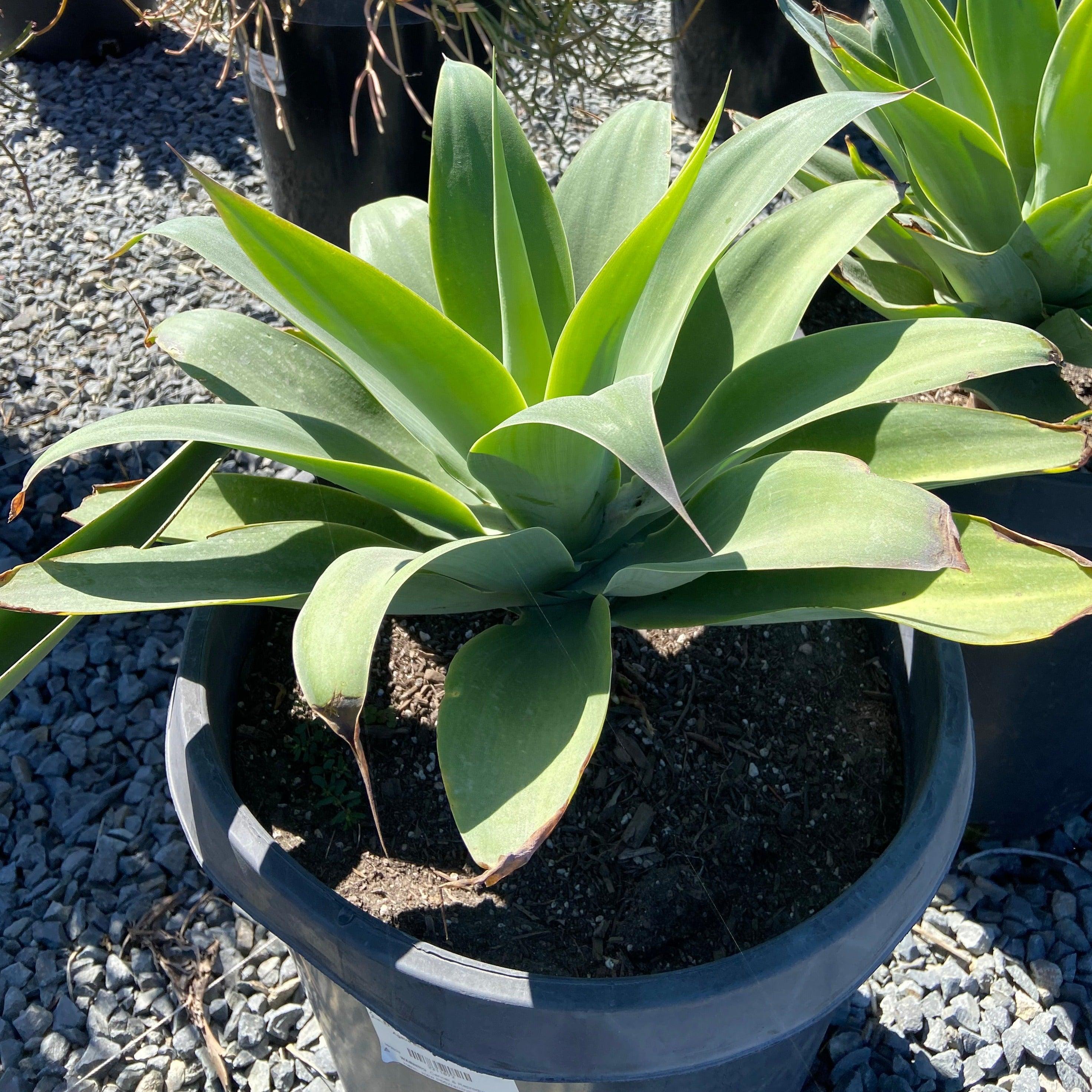
foxtail succulent Foxtail AgaveTransform Your Garden with California's Most Elegant Succulent Agave Attenuata gives you a bold, sculptural garden focal point without the sharp terminal spines found on many other agave species. Also known as foxtail agave, fox tail agave, swan's neck agave, lion's tail agave, or soft leaved agave, this plant combines soft spineless leaves, graceful green leaves, and low water performance in one elegant succulent. Designed for California landscapes,
Transform Your Garden with California's Most Elegant Succulent
Agave Attenuata gives you a bold, sculptural garden focal point without the sharp terminal spines found on many other agave species. Also known as foxtail agave, fox tail agave, swan's neck agave, lion's tail agave, or soft leaved agave, this plant combines soft spineless leaves, graceful green leaves, and low-water performance in one elegant succulent.
Designed for California landscapes, Agave Attenuata adds instant sophistication to patios, entries, pool areas, succulent gardens, and modern planting beds. It is drought tolerant once established, grows beautifully in well drained soil, and offers the rare mix of architectural beauty and family-friendly safety.
Why You'll Love It
-
Completely Spineless – Safe around children, pets, walkways, and seating areas because the rosette has soft, spineless leaves instead of sharp teeth or terminal spines.
-
Drought Tolerant – Saves water and maintenance time once established, especially in southern California and other Mediterranean-climate gardens with dry soils and long summer conditions.
-
Architectural Beauty – Creates striking visual impact with pale green, yellow green, light gray, or blue gray foliage arranged in a smooth, symmetrical rosette.
-
Year-Round Interest – Maintains attractive foliage through all seasons, while mature plants may eventually produce a dramatic foxtail agave bloom.
-
Easy to Grow – Foxtail agave thrives in full sun to partial shade, performs well in drained soil, and needs only simple care during the growing season.
This agave is especially useful when you want the clean shape of succulents without the hazards of other agave species. Mature plants develop a sculptural trunk as older leaves shed from the base, giving the plant more height, movement, and presence over time.
What Makes It Different
Most agaves are admired for structure but avoided near paths because of rigid leaves, sharp teeth, and dangerous leaf tips.
Agave Attenuata (Foxtail Agave) offers:
-
Soft, Touchable Leaves – Unlike many other agave species, Agave attenuata has no sharp terminal spines. The specific epithet attenuata refers to the tapered, slender point of the leaf, which narrows softly rather than ending in a hard spike.
-
Unique Curved Bloom Stalk – Agave attenuata typically blooms once in its lifetime, which can take between 10 to 25 years to reach maturity and flower. When Agave attenuata blooms, it produces a tall flower stalk that can reach up to 20 feet in height, covered in small yellow flowers. The flowering stalk of Agave attenuata emerges in midwinter, matures by spring, and is characterized by its unbranched and arching form. When mature, the flower spike of Agave attenuata is highly attractive to pollinators, such as hummingbirds and bees.
-
Trunk-Forming Growth – As mature plants send out new offsets and shed older leaves, the parent plant develops a sculptural trunk and can form small colonies around the mother plant.
The curved stalk gives the plant its fox's tail, swan's neck, and lion's tail names. Few succulents offer this same soft foliage, bold rosette form, and rare flowering drama in one low-maintenance plant.
How To Grow Agave Attenuata Successfully
-
Plant in Well-Draining Location
Choose a spot with well drained soil, morning sun, and afternoon shade in hotter inland areas. Agave attenuata thrives in full sun to partial shade and requires 5 to 8 hours of daily sunlight for optimal growth. Foxtail Agave thrives in bright, indirect light indoors and requires at least 6-8 hours of sunlight daily when grown outdoors, with some afternoon shade in regions with intense heat to prevent sunburn. -
Water Deeply but Infrequently
Foxtail Agave requires a 'soak and dry' watering method, where the plant is thoroughly watered and then allowed to dry out completely before the next watering, typically every 2-3 weeks in spring and summer, and once a month in fall and winter. Check soil moisture before watering; too much water can cause root rot. -
Use the Right Soil
The ideal soil for Foxtail Agave is very airy and sandy, ensuring good drainage; using ordinary soil can lead to compacted roots and root rot. If planting in a container, use fresh soil or a gritty succulent mix rather than heavy garden soil. -
Watch It Thrive
With the right light, soil, and water rhythm, foxtail agave thrives with minimal care. A light balanced fertilizer during the growing season can support new plants, but this agave does not need heavy feeding.
Short setup, low water, and long-term visual impact make this one of the easiest statement plants for California gardens.
Product Details
-
Mature Size: Agave attenuata can grow up to 4 feet in height and 7 feet in width within a few years, making it a popular choice for landscaping.
-
Rosette Size: Each rosette of Agave attenuata can grow up to five feet tall and about four feet wide, shedding older leaves from the base as it matures.
-
Bloom Size: Agave attenuata typically blooms once in its lifetime, which can take 10-25 years to reach maturity and flower, producing a tall flower stalk that can reach up to 20 feet in height.
-
Light Requirements: Full sun, part shade, partial shade, or bright filtered light depending on climate and exposure.
-
Hardiness Zones: Agave attenuata is frost-sensitive and is best suited for USDA Hardiness Zones 9b to 11, with temperatures above 30°F to prevent damage.
-
Native Range: Agave attenuata is native to the high-altitude regions of central and southwestern Mexico, growing in rocky cliffs and stony slopes. Its native habitat includes areas near dry forests and pine forests.
-
Soil Needs: Very well drained soil, sandy soil, rocky soil, or airy succulent soil. Avoid compacted soil and long-term wet ground.
-
Growth Habit: Trunk-forming agave with soft green leaves, new offsets, and a symmetrical rosette.
-
Pest Notes: Agave attenuata is primarily threatened by the agave snout weevil, which can cause significant damage to the plant if not treated preventatively.
-
Included with Purchase: Healthy nursery-grown plant with an established root system.
-
Guarantee: Yardwork’s standard plant health guarantee for successful establishment.
Variegated varieties, blue gray selections, and hybrids such as Agave shawii crosses can offer different foliage color and form. California growers, including San Marcos Growers, have helped make foxtail agave common in water-wise and architectural landscapes, and many gardeners pair it with other sculptural agaves such as Blue Glow Agave or Agave americana century plants for contrast.
Who It's For
Ideal for:
-
California homeowners wanting low-water landscaping that looks refined year-round, often combining foxtail agave with drought-tolerant shrubs like California lilac (Ceanothus).
-
Families with children seeking safe, attractive succulent options without sharp spines.
-
Designers creating modern, architectural garden spaces with agave, other succulents, and clean structural forms.
-
Anyone wanting statement plants that thrive in our Mediterranean climate.
-
Gardeners who want a plant that can be grown outdoors in mild climates or grown indoors in bright, indirect light.
Agave attenuata can be effectively used in mass plantings to create dense ground cover, or as a visually striking landscaping feature due to its unique form. It works beautifully near patios, pool edges, paths, courtyards, slopes, and large containers.
If you want a drought tolerant plant that brings softness, structure, and low-maintenance beauty to your garden, foxtail agave fits your needs and also pairs well with water-wise trees such as California pepper trees, African sumac, or Toyon (Heteromeles arbutifolia) to create layered structure and seasonal interest.
Frequently Asked Questions
Is it really safe around kids?
Yes. Agave Attenuata is completely spineless, with soft leaves and no sharp terminal spines. It is one of the best agave choices for high-traffic areas.
How much water does it need?
Very little once established. Use the soak-and-dry method: water thoroughly, then let the soil dry completely before watering again. In most spring and summer conditions, that means every 2-3 weeks; in fall and winter, about once a month.
Will it survive our winters?
It thrives in most mild California climates, especially USDA Zones 9b-11. It may need protection below 35°F, and frost can cause long-lasting damage to Agave attenuata, so it is recommended to cover the plants with frost cloth when freezing temperatures are expected.
Can the sun damage the leaves?
Yes. Sunburn can affect Agave attenuata, indicated by beige patches on the leaves, especially after sudden weather changes from cool to hot conditions. In intense inland heat, provide afternoon shade or a gradual reduction in direct sunlight after transplanting.
Does it flower every year?
No. This species blooms once per rosette after many years. The foxtail agave bloom is rare, dramatic, and memorable, with yellow flowers along an arching stalk. After flowers fade, seed pods may form, and offsets around the parent plant continue the colony.
Can I propagate it?
Yes. Agave attenuata can be propagated by removing offsets that grow on the trunk or at the base of the rosette at any time of year. Offsets should be gently wiggled off the mother plant, and the larger they are, the more likely they will have aerial roots, which aids in successful propagation. When propagating Agave attenuata from offsets, it is recommended to plant them in a tray of coarse potting mix and keep them out of direct sunlight until they root.
What pests should I watch for?
The agave snout weevil is the main concern and can damage the crown and trunk if not managed early. Deer can also cause considerable damage to foxtail agaves, especially during times when food is scarce. Snails may pose a problem for Agave attenuata, and using products like Sluggo can effectively control these pests without harming pets or wildlife. Leaf spot can appear if foliage stays too wet or airflow is poor.
Ready to Add This Beauty to Your Garden?
Choose Agave Attenuata (Foxtail Agave) and experience effortless elegance, soft foliage, and year-round structure in your landscape. Need help choosing the right sun, shade, or placement? Yardwork consultation services can help you design with foxtail agave, flowering trees suited to California gardens, and other water-wise plants that fit your garden, whether you shop through our online plant nursery or visit a local Yardwork nursery location to explore options like evergreen privacy and fast-growing trees in person.
Shipping Notes
- Free Standard Shipping on $100+ Orders to the USA.
- Except Preorder products are shipped in 48 hours.
- Delivery to the USA:
- Standard Shipping : 3-10 business days
- If time is of the essence, please consider selecting expedited delivery for faster service.
Exchange/Return Notes
- We offer a 30-day return/exchange service after receiving.
- Final sale items are not eligible for returns or exchanges.
- To process your return/exchange, please contact us at [email protected]
- Please click here for more details>>> Return & Exchange Policy