Pay in installments of $7.22 with
 ,
,
 and
and

Shipping Estimate
USA
- USA
- CAN
- USA
- CAN
Ships within 48 hours · Estimated delivery Jul 16 - Jul 21
 Promo Codes Available:
For Your Every Summer RSVP, with Code: SUMMER15
Description
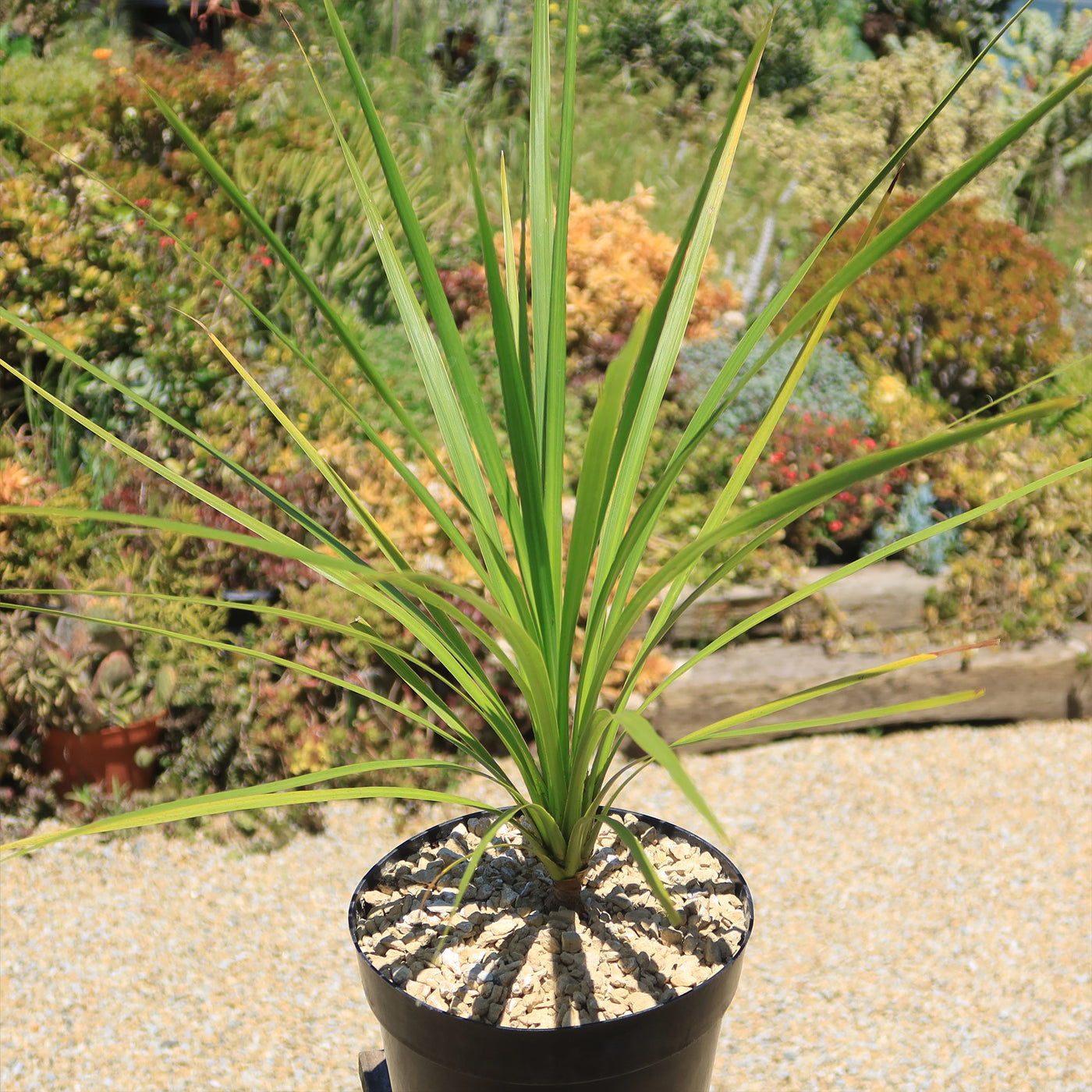
cordyline palm plants Shop 'Cordyline australis – Cabbage Tree' Care and InfoIntroducing the Cordyline australis, known as the Cabbage tree, which is a striking ornamental plant of the Cordyline genus. Native to New Zealand, it is commonly found in both the North and South Islands, as well as on offshore islands. In its natural habitat, it grows in a range of environments, from coastal areas to forests and grasslands. The Cordyline australis has several other common names such as Ti Kouka, Torquay Palm, New Zealand Cabbage
Introducing the Cordyline australis, known as the Cabbage tree, which is a striking ornamental plant of the Cordyline genus. Native to New Zealand, it is commonly found in both the North and South Islands, as well as on offshore islands. In its natural habitat, it grows in a range of environments, from coastal areas to forests and grasslands.
The Cordyline australis has several other common names such as Ti Kouka, Torquay Palm, New Zealand Cabbage tree, Dracaena australis, mountain cabbage tree, forest cabbage tree, and Cabbage Palm tree. These names reflect its association with traditional Maori culture and its resemblance to palm trees. However, it’s not a cabbage or a palm, and it doesn’t come from Torquay.
The Cabbage Tree is known for its enlarged underground stems topped with a cluster of long, sword-like leaves that can reach up to 3 feet in length.
The leaves are typically dark green, but some varieties like Cordyline Red Sensation, opens in a new tabGo to cordyline red sensation?variant=43863418896627, may have dark reddish bronze leaves.
In its mature form, the Cabbage Tree Cordyline australis can develop a broad, rounded canopy of leaves atop its tall, stout trunk itself.
It can reach heights of 20-30 feet, but it grows slowly and takes many years to reach its full size.
The overall size of the tree can vary depending on its growing conditions and the specific variety. It's important to consider the available space when planting a Cordyline australis, as it can spread out and become quite substantial.
The flowers of Cordyline australis bloom in the mid-spring or early summer with large, fragrant clusters of creamy white flowers. These flowers attract bees and other pollinators, adding to the tree's appeal. After flowering, small, berry-like fruits may appear, which are often enjoyed by birds.
The Cabbage Tree can be propagated through various methods, including seed germination and stem cuttings. Growing from seeds requires patience, as it can take a while for the seeds to germinate. Stem cuttings, on the other hand, can be a quicker and more reliable method. Simply take a cutting from the main stem and remove the lower leaves.
In New Zealand, the Cordyline Australis, or Cabbage Tree, is protected under the Resource Management Act. It means that you generally need permission to cut them down. Sudden declines in Cordyline cabbage trees in farmland and open areas are common, but natural forest patches are doing well. There is no cure for sudden decline, so planting more young cabbage trees is crucial to replace dying populations.
Watering Needs
When it comes to watering, it's important to let the top inch or so of the soil dry out between waterings. The Cabbage Tree is a drought-tolerant plant that doesn't need frequent watering and is better to be underwater than overwatered. Stick your finger into the soil and if it feels dry at that depth, then it's time to water. Be sure to water the plant thoroughly, allowing the water to soak into the root zone.
In the spring and summer, during the growing season, which is typically spring and summer, you can water the Cabbage Tree once every 7-10 days. However, during the cooler months or when the plant is dormant, you can reduce the frequency and water it every 2-3 weeks.
Remember, it's always better to underwater than to overwater. Overwatering can lead to root rot and other issues, so it's important to let the soil dry out before watering again.
Light Requirements
When growing the Cordyline plants indoors, they thrive in bright, indirect light. Place it near a window where it can receive plenty of sunlight, but make sure to avoid direct sunlight, as it can scorch the leaves. If you notice the leaves turning pale or yellow, it might be an indication that it needs more light. Consider supplementing with artificial grow lights if you don't have access to sufficient natural light indoors.
For outdoor cultivation, the Cabbage Tree prefers full sun to partial shade. It loves soaking up the sun's rays and will grow best in a spot that receives at least 6 hours of direct sunlight per day. However, it can also tolerate some light shade elsewhere, especially in hotter climates where it might benefit from protection against intense afternoon sun. Just make sure it still gets enough light to thrive.
Remember, finding the right balance of light is important for the health and growth of the Cordyline Cabbage Tree. Too little light can result in leggy growth and reduced vigor, while too much direct sunlight can cause leaf burn. Observing the plant's response and adjusting its location accordingly will help you provide the optimal lighting conditions.
Optimal Soil & Fertilizer
The Cordyline australis favors very airy, sandy well-drained soil. Planting them in ordinary soil will result in compacted roots, stunted growth, and most likely root rot. Instead, make or buy a well-draining potting mix, or ideally use our specialized succulent potting mix, opens in a new tab that contains 5 natural substrates and mycorrhizae to promote the development of a strong root system that helps your succulent to thrive.
The Cabbage tree plant doesn't have high fertilizer requirements, but a little boost can help it thrive. Once a year in the spring, you can fertilize it with a balanced, slow-release fertilizer, such as a 5-10-5 formula. Be careful not to over-fertilize, as this can cause salt buildup and damage the plant.
When applying fertilizer, make sure to water the plant before and after to prevent any potential burning of the roots. Additionally, avoid getting fertilizer on the leaves, as it can cause leaf burn. Remember to follow the instructions on the fertilizer packaging for best results. By providing well-draining soil and occasional fertilization, you'll help ensure that your Cordyline cabbage tree has the nutrients it needs to grow healthy and strong.
Hardiness Zone & More
When grown indoors, it can tolerate temperatures between 60°F to 75°F, which makes it perfect for most indoor environments. As for humidity, it prefers moderate to high humidity levels. If the air in your home is dry, you can increase humidity by using a humidifier or placing the plant on a pebble tray filled with water.
For outdoor cultivation, the Cordyline australis is well-suited in USDA hardiness zones 9 to 11. It can tolerate a wide range of temperatures, from about 20°F to 100°F. However, it is important to note that prolonged exposure to freezing temperatures can damage or kill the plant. If you live in a colder zone, consider growing the Cabbage Tree in containers that can be brought indoors during the winter months. In terms of humidity, it can adapt to various levels, but it generally prefers moderate humidity.
Remember, these guidelines are based on USDA hardiness zones and general temperature and humidity preferences. Observing your specific growing conditions and making adjustments accordingly will help ensure the best care for your Cabbage Tree.
Final Thoughts
Overall, the Cabbage Tree (Cordyline australis) is a stunning evergreen tree native to New Zealand. It's known for its tall, slender trunk and long, sword-shaped leaves. With its unique features and ability to thrive in various climates, it's a popular choice for landscaping. When it comes to care, the Cabbage Tree is relatively low maintenance. It prefers well-draining soil and full sun to partial shade. Regular watering, especially during dry periods, is important to keep it healthy. Pruning any dead or damaged leaves will help maintain their attractive appearance. Additionally, the cordyline cabbage tree is a beautiful addition to the coastal gardens or landscape, adding a touch of elegance and a touch of New Zealand's natural beauty.
Shipping Notes
- Free Standard Shipping on $100+ Orders to the USA.
- Except Preorder products are shipped in 48 hours.
- Delivery to the USA:
- Standard Shipping : 3-10 business days
- If time is of the essence, please consider selecting expedited delivery for faster service.
Exchange/Return Notes
- We offer a 30-day return/exchange service after receiving.
- Final sale items are not eligible for returns or exchanges.
- To process your return/exchange, please contact us at [email protected]
- Please click here for more details>>> Return & Exchange Policy