Pay in installments of $7.34 with
 ,
,
 and
and

Shipping Estimate
USA
- USA
- CAN
- USA
- CAN
Ships within 48 hours · Estimated delivery Jul 18 - Jul 23
 Promo Codes Available:
For Your Every Summer RSVP, with Code: SUMMER15
Description
calathea rattle snake plant Shop 'Calathea lancifolia – Rattlesnake Plant' Care & InfoThe Rattlesnake Plant, known as Goeppertia insignis, is a striking tropical foliage plant known for its wavy edged leaves adorned with vibrant patterns and a dramatic underside of deep purple. It is formerly known as Calathea lancifolia. The Rattlesnake plant gets its name from features long, narrow leaves with alternating dark green blotches that resemble the markings of a rattlesnake. Its unique leaf markings and non demanding care have made it a
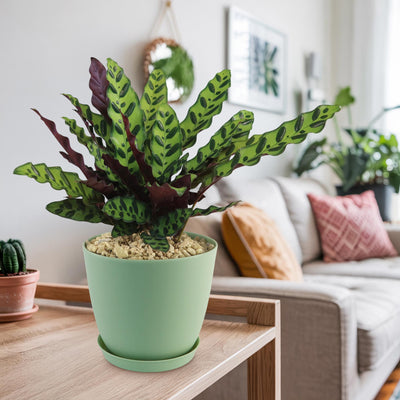
The Rattlesnake Plant, known as Goeppertia insignis, is a striking tropical foliage plant known for its wavy-edged leaves adorned with vibrant patterns and a dramatic underside of deep purple. It is formerly known as Calathea lancifolia.
The Rattlesnake plant gets its name from features long, narrow leaves with alternating dark green blotches that resemble the markings of a rattlesnake. Its unique leaf markings and non-demanding care have made it a favorite among houseplant enthusiasts looking to add bold, decorative greenery to their homes.
Native to the rainforests of Brazil, this plant thrives in warm, humid environments with filtered light.
In its natural habitat, it grows on the forest floor beneath dense canopies, which is why it prefers low to medium indirect light when grown indoors.
The rattlesnake plant is type a prayer plant, and its leaves also move, folding upward in the evening and relaxing in the morning, a phenomenon known as nyctinasty, which adds dynamic charm to its daily appearance.
The mature size of your Rattlesnake plant typically reaches about 30 inches tall and 24 inches wide, making it a medium-sized houseplant that fits comfortably on tabletops, shelves, or as a floor accent in decorative planters.
The Calathea Rattlesnake plant may occasionally produce small, tubular purple or white flowers in late spring, in its native habitat in Hawaii, Florida, and California. As a houseplant, it is grown exclusively for its long, elegant, ornamental foliage, as it rarely blooms indoors.
A unique aspect of this plant is its ability to maintain vibrancy even in lower-light indoor environments, unlike many other tropicals. Additionally, it contributes to better indoor air quality, as many members of the Marantaceae family are known for their air-purifying qualities.
When and How to Water Your Rattlesnake Plant
The Rattlesnake Plant is mildly drought-tolerant but thrives best with consistently moist soil. This means the top inch of the soil should be allowed to dry out slightly before watering again. Avoid letting the plant sit in water, as it is susceptible to root rot. Water your Rattlesnake Plant deeply every 5–7 days during the growing season and reduce to every 10–14 days in dormancy, keeping the soil evenly moist but never soggy.
From March through September, during the active growing season, water thoroughly every 5–7 days, using enough water to saturate the soil until it drains from the bottom. Keep humidity levels high, as dry air can lead to brown leaf tips. Mist regularly or use a humidity tray.
From October through February, in the dormant season, reduce watering to every 10–14 days and only water when the top 1–2 inches of soil are dry. The plant's water uptake slows down, so overwatering should be avoided. Continue maintaining humidity, especially in heated indoor environments.
Light Requirements – Where to Place Your Rattlesnake Plant
When grown indoors, this plant thrives in filtered light or partial shade, such as near a north or east-facing window.
If your space lacks natural light, grow lights can supplement it for about 12 hours a day.
Too much direct light can fade its striking leaf pattern.
When grown outdoors, place the plant in a shaded patio, balcony, or garden area with indirect sunlight or dappled shade for 4–6 hours.
Ensure it is protected from direct afternoon sun, which can burn the foliage. Bright but indirect morning light is ideal for the best growth outdoors.
Optimal Soil & Fertilizer Needs
The Rattlesnake Plant grows best in a well-draining, rich organic potting mix, and should be fertilized once a year. Avoid heavy clay or compacted soils that restrict airflow to the roots. Instead, make or buy a well-draining potting mix, or ideally use our specialized potting mix, opens in a new tab that contains 5 natural substrates and mycorrhizae to promote the development of a strong root system that helps your plant to thrive.
Fertilize your Rattlesnake plant once a year during the growing season using a balanced, water-soluble NPK fertilizer of about 5-10-5. Avoid fertilizing in winter when the plant’s growth slows. Over-fertilization can cause leaves to burn or salt buildup in the soil.
Indoor Growing Calathea lancifolia Requirements
When growing indoors, the Calathea Rattlesnake Plant thrives in a warm temperature between 65–80°F, high humidity above 50%, and in low to medium indirect light. As a tropical houseplant, it prefers consistent indoor conditions and does not tolerate cold drafts or temperature fluctuations.
To maintain humidity levels, consider placing the plant on a pebble tray with water, grouping it with other houseplants, misting regularly, or using a humidifier—especially during winter when indoor air becomes dry. With the right indoor setup, the Rattlesnake Plant rewards you with vibrant foliage and a graceful, upright form.
Hardiness Zones & More
In the United States, this is mostly a houseplant, but if you live in southern Florida or Hawaii, then you can cultivate it outdoors in USDA Zones 10–12.
It thrives in warm, humid climates where temperatures remain consistently above 60°F and never drop below 55°F at night.
It prefers a shaded or semi-shaded location with dappled or filtered sunlight, similar to the understory conditions of a tropical rainforest.
Too much direct sun can bleach or scorch its leaves, while dry air or fluctuating temperatures can damage its overall health.
In all other regions outside USDA zones 10–12, this plant must be grown indoors or moved inside before temperatures begin to drop in the fall. If you’re growing it outdoors seasonally, monitor the forecast closely and transition it inside before any cold snaps.
Wildlife – Rattlesnake Plant Flowers Attract the Following Friendly Pollinators
The Rattlesnake plant flowers are known to attract various species of bees, butterflies, and hummingbirds due to their vibrant colors and sweet nectar. By providing a food source for these pollinators, the rattlesnake plant helps support biodiversity and ecosystem health.
According to the ASPCA, Calathea lancifolia is non-toxic to cats, dogs, and humans, making it a pet-friendly option for homes with furry companions. This makes it a safe choice for indoor decor in family or pet-filled environments.
How to Propagate Your Calathea lancifolia
The easiest way to propagate a Rattlesnake Plant is by division during repotting in spring or early summer. Gently remove the plant from its pot and locate natural clumps or offshoots with roots. Separate them using clean, sharp tools, making sure each section has healthy roots and leaves. Replant in fresh potting mix, water lightly, and maintain high humidity until new growth appears. Avoid propagating from leaf cuttings, as Calatheas do not root well this way.
Key Takeaways
- The Rattlesnake Plant is completely non-toxic to cats and dogs, making it an excellent houseplant choice for pet owners concerned about plant safety.
- This plant is well-suited for terrariums and humid indoor spaces, as it thrives in high-humidity environments like bathrooms or kitchens.
- While it prefers consistently moist soil, the Rattlesnake Plant can tolerate short periods of drought, making it slightly easier to care for than many other tropical houseplants.
- The Rattlesnake Plant is a popular ornamental houseplant due to its striking wavy green leaves patterned with deep spots and purple undersides.
- Like other members of the prayer plant family, the Rattlesnake Plant moves its leaves in response to light, folding up at night and reopening in the morning.
The Bottom Line
Overall, the Rattlesnake Plant (Calathea lancifolia) is a stunning tropical houseplant with lance-shaped leaves and dark green patterns that resemble reptile markings. Its non-toxic nature, moderate drought tolerance, and ability to thrive in indirect light make it a favorite among plant lovers. With the right humidity, watering routine, and warm indoor temperatures, it adds a bold, exotic touch to any room or shaded outdoor patio. Whether you're a beginner or a seasoned plant parent, this vibrant, pet-safe foliage plant is a must-have for decorative greenery with low risk and high reward.
Shipping Notes
- Free Standard Shipping on $100+ Orders to the USA.
- Except Preorder products are shipped in 48 hours.
- Delivery to the USA:
- Standard Shipping : 3-10 business days
- If time is of the essence, please consider selecting expedited delivery for faster service.
Exchange/Return Notes
- We offer a 30-day return/exchange service after receiving.
- Final sale items are not eligible for returns or exchanges.
- To process your return/exchange, please contact us at [email protected]
- Please click here for more details>>> Return & Exchange Policy