SKU: 34142498929
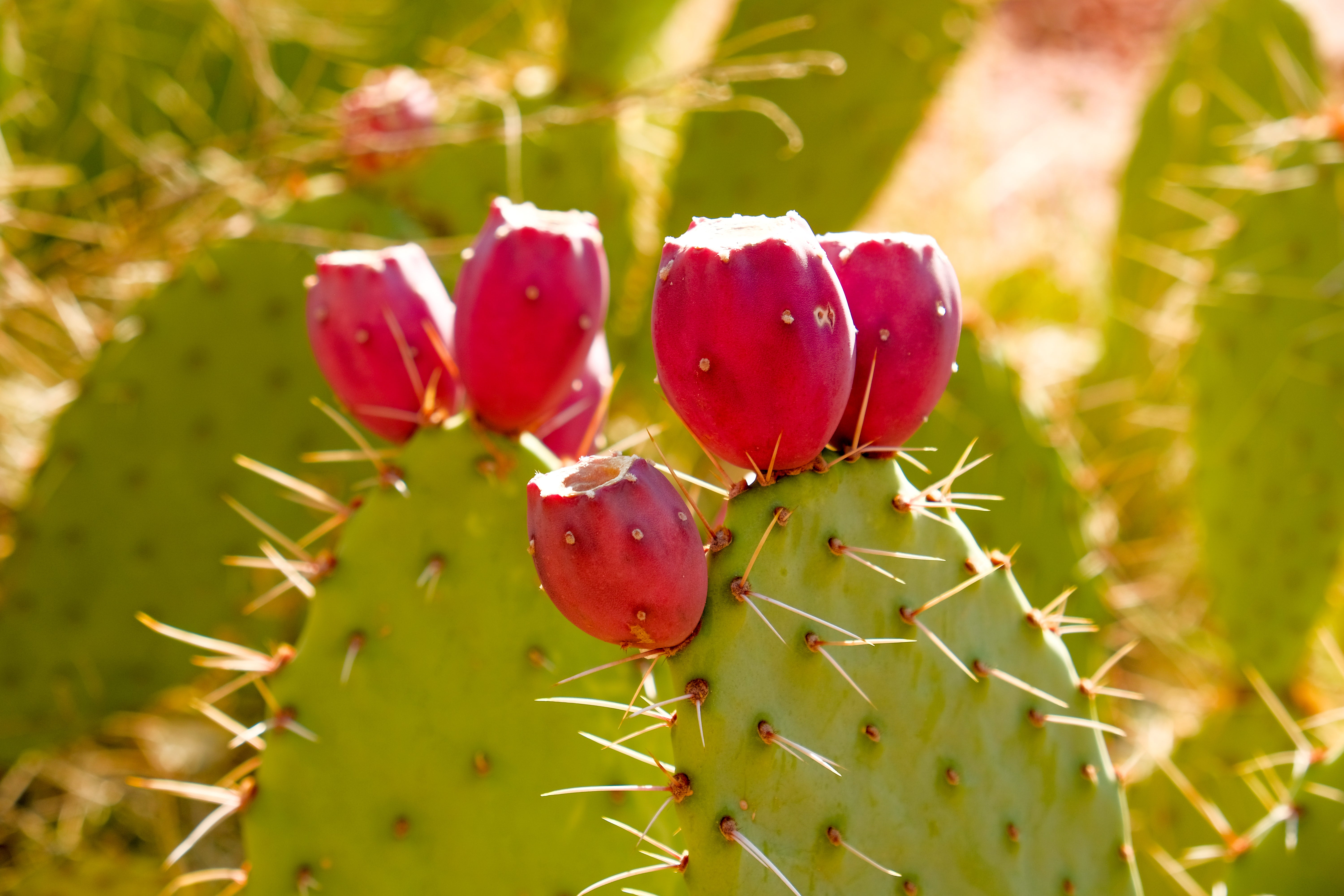
eastern prickly pear cactus

eastern prickly pear cactus Eastern Prickly Pear – UJAMAA SEEDS

Sale price$18.58 Regular price$20.64
Save 10%

Pay in installments of $5.16 with ShopPay, AfterPay and Klarna

Shipping Estimate
USA
  • USA
  • CAN

Ships within 48 hours · Estimated delivery Jul 21 - Jul 26

Promo Codes Available:

For Your Every Summer RSVP, with Code: SUMMER15

Description

eastern prickly pear cactus Eastern Prickly Pear – UJAMAA SEEDSOpuntia humifusa BOTANICAL SAMPLE Approximately 15 seeds per packet Origins and HistoryEastern Prickly Pear (Opuntia humifusa), also known as Devils Tongue or Low Prickly Pear, is a native heirloom cactus species of North America, with a range extending from the eastern United States into parts of Canada and Mexico. It has long held cultural and practical value among Indigenous communities, particularly for its edible fruits and pads, medicinal

Opuntia humifusa

BOTANICAL SAMPLE

Approximately 15 seeds per packet

Origins and History
Eastern Prickly Pear (Opuntia humifusa), also known as Devil’s Tongue or Low Prickly Pear, is a native heirloom cactus species of North America, with a range extending from the eastern United States into parts of Canada and Mexico. It has long held cultural and practical value among Indigenous communities, particularly for its edible fruits and pads, medicinal properties, and drought tolerance. As one of the hardiest prickly pear species, it has adapted over centuries to survive in varied climates, including temperate regions far from the desert Southwest typically associated with cacti.

Appearance and Characteristics
This low-growing, spreading cactus forms mats of flattened, oval-shaped pads that are light green and covered in clusters of small spines called glochids, as well as occasional larger spines. In late spring to early summer, the plant produces striking yellow flowers with red-tinged bases, which attract pollinators such as bees. These are followed by reddish-purple fruits (commonly called "tunas") that ripen by late summer. The plant thrives in sandy, well-drained soils and is a champion of xeriscaping due to its drought resistance.

Culinary Uses
Both the pads (called nopales) and the fruits of Opuntia humifusa are edible. Young pads, harvested when tender, are de-spined and cooked into savory dishes such as stews, tacos, and egg scrambles, often praised for their tart, slightly citrusy flavor and crisp texture. The ripe fruits are sweet and juicy, used in jellies, syrups, beverages, and even desserts. Rich in fiber, antioxidants, and vitamin C, the Eastern Prickly Pear has gained attention for its nutritional and medicinal potential.

Days to Maturity
From pad emergence to fruit ripening, the growing cycle varies depending on local conditions but typically spans 90 to 120 days. Flowers generally appear in late May or June, and fruits are ready to harvest by late August through September.

USDA Zones and Growing Tips
Eastern Prickly Pear is exceptionally cold-hardy, thriving in USDA Zones 4 through 9. It prefers full sun and well-drained sandy or rocky soils and can tolerate drought once established. Avoid overwatering, especially in cooler climates where wet soil can lead to rot. It can be propagated easily from pads: simply let a harvested pad callous over for a few days before planting in soil. This heirloom cactus is ideal for container gardening, rock gardens, or naturalized settings in arid or temperate regions.

Harvesting Guidance
Harvest young pads in spring when they are about 4–6 inches long and still tender, wearing gloves to avoid the spines. Use a knife to slice at the joint where the pad connects. For fruit, wait until late summer when the tunas turn a deep purple-red. Twist or cut them from the plant, then use tongs or gloves to remove the glochids by scrubbing, torching, or peeling before consumption. Always handle with care, and harvest sparingly to allow the plant to continue thriving.

REFRIGERATED SEED

This seed has been stored under refrigeration until shipped. Keep in refrigerator (33-38 degrees F) until planting or starting pre-germination seed treatment.

Shipping Notes
  • Free Standard Shipping on $100+ Orders to the USA.
  • Except Preorder products are shipped in 48 hours.
  • Delivery to the USA:
  1. Standard Shipping : 3-10 business days
  • If time is of the essence, please consider selecting expedited delivery for faster service.
Exchange/Return Notes
  • We offer a 30-day return/exchange service after receiving.
  • Final sale items are not eligible for returns or exchanges.
  • To process your return/exchange, please contact us at [email protected]
  • Please click here for more details>>> Return & Exchange Policy
SKU: 34142498929

Discover Niche Categories That Outsell eastern prickly pear cactus

Top-Converting Item to Boost Your Average Order

4.7 ★★★★★
Based on 20 reviews
Sort
Highest Rating
Newest First
Oldest First
Product Reviews
K
Verified Purchase
Kindle Customer
Waukegan, US
★★★★★ 5
Lathers great in a small amount!
Scent: Bergamot, Size: 16 Fl Oz (Pack of 1), Scent: Bergamot, Size: 16 Fl Oz (Pack of 1)
Lathers great for a small amount! A fair price for the amount and rich content. I just bought, used and love it. Definitely will purchase again. I love the sophisticated yet sensible smell doesn't overpower. In my perception it is a unisex scent as I am a woman and bought for myself.
WAS THIS REVIEW HELPFUL?YesReportShare
Reviewed in the United States on May 28, 2026
M
Verified Purchase
Minh Ngo
Charlottesville, US
★★★★★ 5
My favorite body wash
Scent: Bergamot, Size: 16 Fl Oz (Pack of 1), Scent: Bergamot, Size: 16 Fl Oz (Pack of 1)
My go to body wash, you just get so much for the price and it lasts forever! The smell itself is also very relaxing after a long day. It also lathers quite nicely and does it's job well, would definitely recommend
WAS THIS REVIEW HELPFUL?YesReportShare
Reviewed in the United States on April 13, 2026
J
Verified Purchase
JP De Oliveira Estêvão
Carnegie, US
★★★★★ 5
Smells Like You Have Your Life Together
Scent: Bergamot, Size: 16 Fl Oz (Pack of 1)
Cremo Body Wash with Italian Bergamot, Neroli Blossom, and Fresh Vetiver smells far more expensive than it has any right to. The scent hits that sweet spot between fresh and refined. The bergamot gives it a clean citrus lift, the neroli adds a smooth floral edge, and the vetiver grounds it with a subtle, masculine depth that does not scream but absolutely speaks. The lather is rich and concentrated, so you only need a small amount. It feels more like something you would find in a boutique hotel than on a regular store shelf. The fragrance lingers just enough to be noticed without overpowering your cologne or filling the entire room. If you want to step out of the shower smelling like competence and quiet confidence, this one delivers. It is polished without trying too hard, and it makes everyday showers feel slightly upgraded.
WAS THIS REVIEW HELPFUL?YesReportShare
Reviewed in the United States on February 28, 2026
K
Verified Purchase
Kiley Gallentine
Houston, US
★★★★★ 5
Profound and timely
Format: Paperback
If I could give this book 6 stars I would. The way the world is right now, I needed to do a deep dive into anger. And I needed to see how God wants me to handle my anger. There were some very challenging and humbling parts to this book that I needed to hear. All the application questions at the end of each chapter helped me solidify what I learned and what I needed to evaluate personally. Which leads me to the statement that this book was deeply personal to me and I am grateful for the changes it’s helped me make to reflect God more and myself less.
WAS THIS REVIEW HELPFUL?YesReportShare
Reviewed in the United States on March 26, 2026
J
Verified Purchase
John Beeson
San Leandro, US
★★★★★ 5
Profoundly biblical and wise
Format: Paperback
David Powlison’s Good and Angry is a powerful book. In the book Powlison dives deep into what anger is and then gets very practical about how to biblically deal with your own anger issues (issues, he assures us, we all have). From the outset, Powlison makes it clear that anger, while dangerous, can be handled to produce good. “At its core anger is very simple,” Powlison says, “It expresses ‘I’m against that’” (39). Powlison says that each of us handles anger differently. Some of us freeze over, some of us quietly brood, some of us simmer, some of us explode. Powlison encourages us not to look at the way others mismanage worse than us, but rather, how do we mismanage anger? Each type has their own blind spots. Powlison then dives into anger itself. Anger is about our displeasure toward something, so what are we displeased with? And why? How are we justified? Unjustified in our anger? And what do I want to happen? Anger is physiological. As embodied beings, anger manifests itself in us physiologically. How is it impacting me when I’m angry? Powlison then dives into mercy, what he calls a constructive displeasure, or constructive anger. When the constructive displeasure of mercy is functioning as it ought, it has four characteristics: patience (a wonderful biblical synonym of patience is “forbearance”), forgiveness (which is “mercifully unfair” (80)), charity (a spirit of magnanimity), and constructive conflict (“Mercy is not a free pass. It is an invitation to turn and repent” (94). All of these fundamentally point to the work of God and his righteous response of anger to our rebellion. “The constructive displeasure of mercy means the redemption of the world” (102). Powlison walks through how God’s anger works: through his righteous and holy response to our sin, to him taking his wrath upon his son on the cross. He concludes, “God’s wrath is your hope. God’s wrath is my hope. We don’t often hear that, but it appears everywhere in the Bible. Wrath is our hope because love masters anger” (121). The final portion of the book steps back and helps us move through analyzing our own anger. Powlison uses James 4:1-12 to help us analyze our own anger issues. At the heart of this analysis is James’s own analysis of his hearer, that they are fighting and quarrelling because of their “desires that battle within” them. In other words, if we have an anger problem (which we all do), we have a malformed desire problem. In other words, we have a heart problem. Significant in digging into this question is the ability to analyze my own motives. The issue isn’t what has happened with me, but is my heart and my heart’s motives and desires in the midst of any given situation. Key questions to ask myself when in a moment of anger are: “what do I want?” “what do I fear?” and “what do I most love?” (154-55). Powlison concludes with a strong word of hope. God is in the process of changing us and reshaping our heart. Our problem, Powlison says, is that we tend to talk to the wrong person in the midst of our anger – ourselves. But when we turn and talk to our Good Shepherd, we will experience hope and change. I’m so grateful for Powlison's Good and Angry. It is a profoundly biblical and wise book with both subtle and profound insights. I know I have been impacted by the book personally and will both turn to it in the future for personal use and as a resource for others who struggle with anger.
WAS THIS REVIEW HELPFUL?YesReportShare
Reviewed in the United States on April 21, 2017

recommand products