Shipping Estimate
USA
- USA
- CAN
- USA
- CAN
Ships within 48 hours · Estimated delivery Jul 13 - Jul 18
 Promo Codes Available:
For Your Every Summer RSVP, with Code: SUMMER15
Description
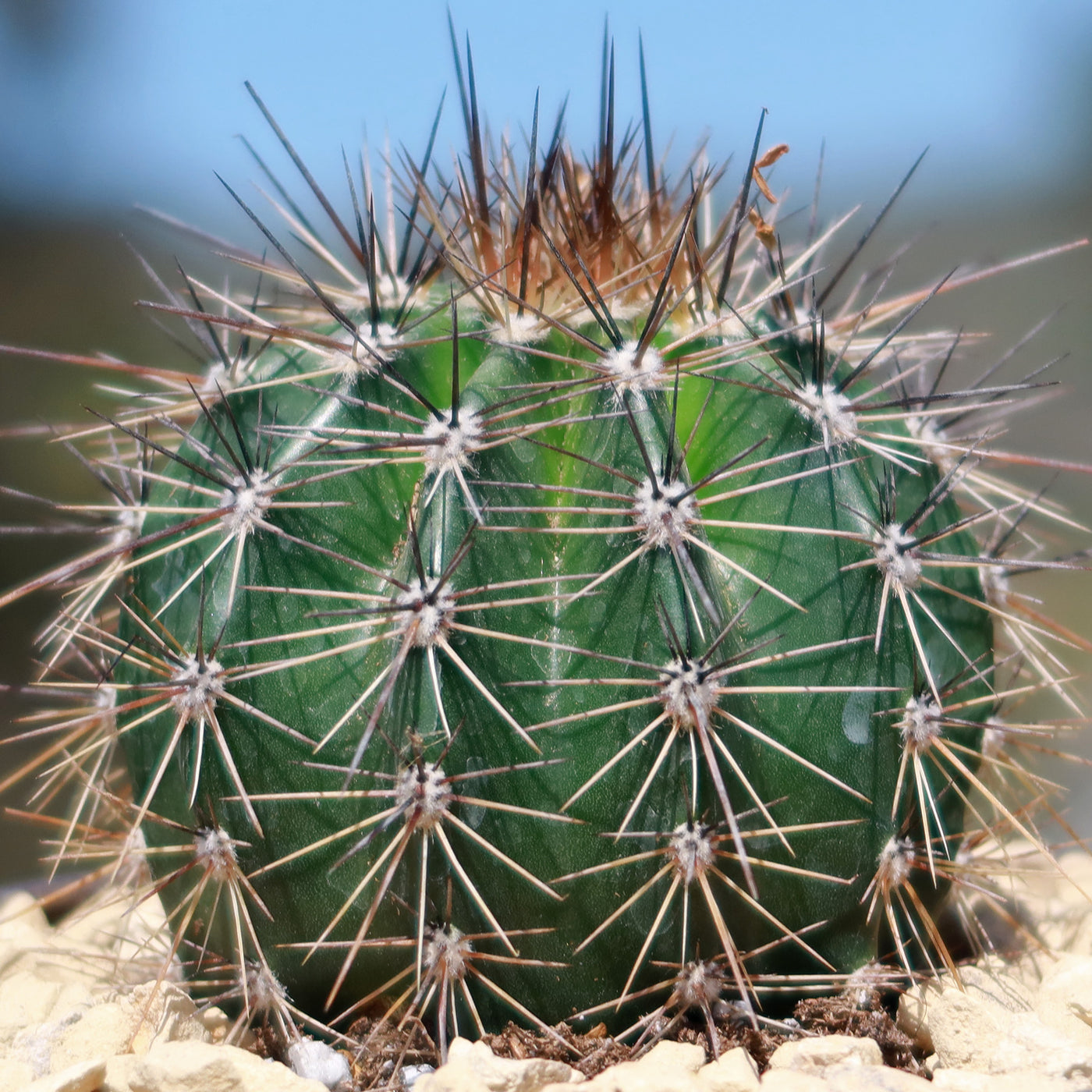
types of saguaro cactus Shop 'Saguaro Cactus - Carnegiea gigantea' Care and Growing GuideThe Saguaro cactus is the largest and most famous cactus in the world. It is also known as Carnegiea gigantea. Saguaros are well suited for survival in arid environments due to their ability to absorb and store large amounts of water during rare rainfalls, enabling them to withstand prolonged droughts. The saguaro can grow up to 60 feet tall and can live for more than 200 years! The Saguaro has a trunk that is usually columnar and ribbed, covered in a
The Saguaro cactus is the largest and most famous cactus in the world. It is also known as Carnegiea gigantea. Saguaros are well-suited for survival in arid environments due to their ability to absorb and store large amounts of water during rare rainfalls, enabling them to withstand prolonged droughts.
The saguaro can grow up to 60 feet tall and can live for more than 200 years! The Saguaro has a trunk that is usually columnar and ribbed, covered in a tough, waxy skin that helps it retain moisture in the arid desert environment.
The preservation and protection of Saguaros are essential due to their slow growth rate and ecological importance. Conservation efforts are ongoing in Arizona and other regions where Saguaros grow, with the largest protected areas like Saguaro National Park, which is dedicated to maintaining healthy populations of these cacti. The Saguaro National Park is probably the most famous place in the world for studying and viewing the majestic saguaro cactus.
This tallest Saguaro cactus has a deep taproot system that allows it to anchor itself to trees and access water from deep underground.
Saguaros grow slowly; they can grow up to 25 arms, and typically, it takes 50-70 years to grow their first arm.
Their spines are long, sharp, and essential for protecting the plant from herbivores and providing minimal shade, reducing water loss in the intense desert sun.
The Saguaro cactus flowers bloom at night and close by midday during the late spring and summer. These white Saguaro cactus blossoms are about 3-4 inches in diameter and have a sweet, nectar-like fragrance. These Saguaro cactus blooms attract pollinators such as bats, birds, and insects, many species that play a crucial role in the cactus's reproduction. Each flower produces bright red fruit, which ripens in early summer, providing a crucial food source for desert wildlife.
Native to the Sonoran Desert in the southwestern United States and northwestern Mexico, it is commonly referred to as the Saguaro or Giant Saguaro, derived from the Tohono O'odham word "sah-wah-roh," which means "giant cactus."
When and How to Water Your Saguaro Cactus
Watering a Saguaro cactus requires a delicate balance. These cacti have adapted to survive in arid conditions, so they are highly efficient at conserving water. In their natural habitat, they rely on infrequent but heavy rainfall to sustain them. As a result, it's important not to overwater them, as this can lead to root rot and other issues.
In the spring and early summer, during the growing season, you can water your Saguaro cactus once every two to three weeks. It's best to water deeply, allowing the water to penetrate the soil around the roots. This helps encourage a deep root system and promotes overall health. However, it's crucial to let the soil dry out completely between waterings to prevent waterlogged conditions.
In the fall and water, during the dormant season, Saguaro cacti require significantly less water. You can reduce the frequency of watering to once a month or even less, allowing the cactus to enter a period of rest.
Remember, it's always important to observe your Saguaro cactus closely and adjust watering based on its specific needs. So, keep a close eye on your magnificent Saguaro cactus and provide it with just the right amount of water to thrive in your care!
Light Requirements - Where to Place Your Saguaro Cactus Plant
When you are growing your Saguaro cactus indoors, it thrives in bright, direct sunlight. So, it's essential to place your Carnegiea gigantea in a spot where it can receive as much sunlight as possible. Ideally, find a south-facing window that receives several hours of direct sunlight each day. If direct sunlight isn't available, you can use artificial grow lights specifically designed for these giant cacti to supplement their light needs.
If you're fortunate enough to have a suitable outdoor space for your Saguaro cactus, it will benefit from being exposed to natural sunlight.
These cacti love full sun and require at least six hours of direct sunlight daily to thrive. So, find a sunny spot in your garden or patio where your Saguaro cactus can soak up the sun's rays.
Just make sure to acclimate the cactus gradually to avoid sunburn by initially providing partial shade and gradually increasing the exposure to direct sunlight over time.
Remember, whether indoors or outdoors, it's important to monitor your Saguaro cactus closely. If you notice signs of sunburn or excessive stretching towards the light source, adjust its placement accordingly. Providing the right amount of light will help your Saguaro cactus grow healthy and strong, adding a touch of desert beauty to your space!
Optimal Soil & Fertilizer Needs
When it comes to soil, Saguaro cacti prefer a well-draining mix that mimics the sandy, rocky soil of their native desert habitat. You can create a suitable soil mix by combining equal parts of cactus potting mix, coarse sand, and perlite or pumice. This blend helps prevent waterlogging and allows excess soil moisture to drain away, keeping the roots healthy and happy.
Planet Desert specializes in cactiGo to cactus and has specialized cactus potting soilGo to soil cactus mix blend 1 gal 4 qt cacti succulent dirt compost growing media that includes an organic substrate with mycorrhizae to help with the growth of a healthy root system to help your Saguaro cactus thrive. As an okay alternative, you can create your own potting mix by combining equal portions of perlite, coarse sand, and good natural potting soil.
These Saguaro are adapted to survive in nutrient-poor desert soils, so they don't require frequent or heavy fertilization. In fact, it's best to err on the side of caution and apply fertilizer sparingly. A balanced (5-10-5), water-soluble NPK fertilizer formulated specifically for cacti can be applied once a year during the first arm of the growing season, which is typically in spring. Follow the instructions and dilute it to half or quarter strength to avoid over-fertilization, which can be harmful to the saguaro cactus.
Remember, it's important to observe the growth rate of your cactus saguaro closely and adjust your care based on its specific needs. If you notice signs of nutrient deficiency or excess, such as yellowing or wilting, adjust your fertilization accordingly. With the right soil mix and minimal fertilization, your Saguaro cactus will thrive and become a stunning centerpiece in your collection!
Hardiness Zones & More
When it comes to indoor cultivation, providing the right temperature is crucial for the well-being of your Saguaro cactus. These desert-dwelling beauties prefer warm temperatures, ideally between 70°F to 90°F during the day. They can tolerate slightly cold weather at night, around 60°F to 70°F. It's important to avoid extreme temperature fluctuations, as they can stress your cactus. So, keep your Saguaro cactus in a warm and stable environment, away from drafts or cold windows.
Native to the Sonoran Desert, which spans parts of Arizona, California, and Mexico, the Saguaro are well-adapted to hot and arid climates.
If you are living in USDA zones 8-11, you can grow your Saguaro cacti outdoors year-round. It is reported to be cold hardy down to 23 F for short periods. However, it's important to note that prolonged exposure to freezing temperatures can be detrimental to their health. If you live in a colder climate, it's best to keep your Saguaro cactus indoors or in a controlled environment during the winter months.
As for humidity, Saguaro cacti are accustomed to low humidity levels. They can tolerate dry air, but they may benefit from occasional misting or placing a tray of water nearby to increase humidity around your Carnegiea gigantea saguaro cactus. Just be cautious not to overdo it, as excessive humidity can lead to fungal issues.
Wildlife - Saguaro Cactus Attracts the Following Friendly Pollinators
The saguaro cactus, native to the Sonoran Desert in Arizona, is an essential part of its ecosystem. The saguaro cactus relies on pollinators like bees, butterflies, hummingbirds, and bats for reproduction. The cactus produces beautiful white flowers that bloom at night and are highly fragrant to attract these pollinators. Bees are particularly important pollinators for the saguaro cactus, as they transfer pollen from flower to flower, enabling the cactus to produce fruit.
According to ASPCA, the Saguaro cactus is non-toxic to humans and pets. However, it is important to note that the spines on the cactus can cause physical harm if touched. It is best to admire these majestic plants from a safe distance to avoid injury.
How to Propagate Your Saguaro Cactus
When it comes to propagating your Saguaro cacti, it can be easily done by saguaro seeds. After the flowers are pollinated, they develop into bright red fruits that are about 2-3 inches tall. These Saguaro cactus fruits are edible and provide nourishment to various desert plants and animals. The seeds inside the fruits can be dispersed through animal droppings, allowing new Saguaro cacti to grow in different areas.
Key Takeaways
- The Saguaro is among the tallest cacti in North America, often growing over 60 feet in height and living for more than 200 years.
- Saguaro cacti produce large, white, night-blooming flowers, usually in late spring. These blooms attract nocturnal pollinators like bats, which are crucial for cross-pollination.
- Saguaro cacti are adept at water storage, with accordion-like ribs that expand to hold large amounts of water during rare desert rains.
- The Saguaro forms important relationships with desert wildlife. Its flowers and fruits provide nectar and food for bats, birds, and small mammals.
- As an iconic symbol of the American Southwest, the Saguaro is legally protected in its native range. Harvesting or damaging Saguaros is prohibited, and conservation efforts are in place to preserve its population, which faces threats from habitat loss and climate change.
The Bottom Line
Overall, the Saguaro cactus (Carnegiea gigantea) is a remarkable and awe-inspiring giant cactus native to the Sonoran Desert. With its towering height, ribbed trunk, and waxy skin, it stands as a symbol of resilience in the harsh desert environment. The Saguaro's beautiful white flowers, pollinated by bats, birds, and insects, add a touch of elegance to its already majestic presence. Through seed dispersal and the nourishing fruits it produces, the Saguaro ensures the continuation of its species. However, it's important to approach this cactus with caution, as its spines can cause harm and its flesh contains a mildly toxic substance. The Saguaro cactus is truly a marvel of nature, capturing the imagination and fascination of all who encounter it.
Be sure to add saguaro cactus for sale to your home or garden and enjoy its low maintenance care while admiring its impressive display year after year.
Shipping Notes
- Free Standard Shipping on $100+ Orders to the USA.
- Except Preorder products are shipped in 48 hours.
- Delivery to the USA:
- Standard Shipping : 3-10 business days
- If time is of the essence, please consider selecting expedited delivery for faster service.
Exchange/Return Notes
- We offer a 30-day return/exchange service after receiving.
- Final sale items are not eligible for returns or exchanges.
- To process your return/exchange, please contact us at [email protected]
- Please click here for more details>>> Return & Exchange Policy