SKU: 25649058726
lemon lime prayer plant toxic

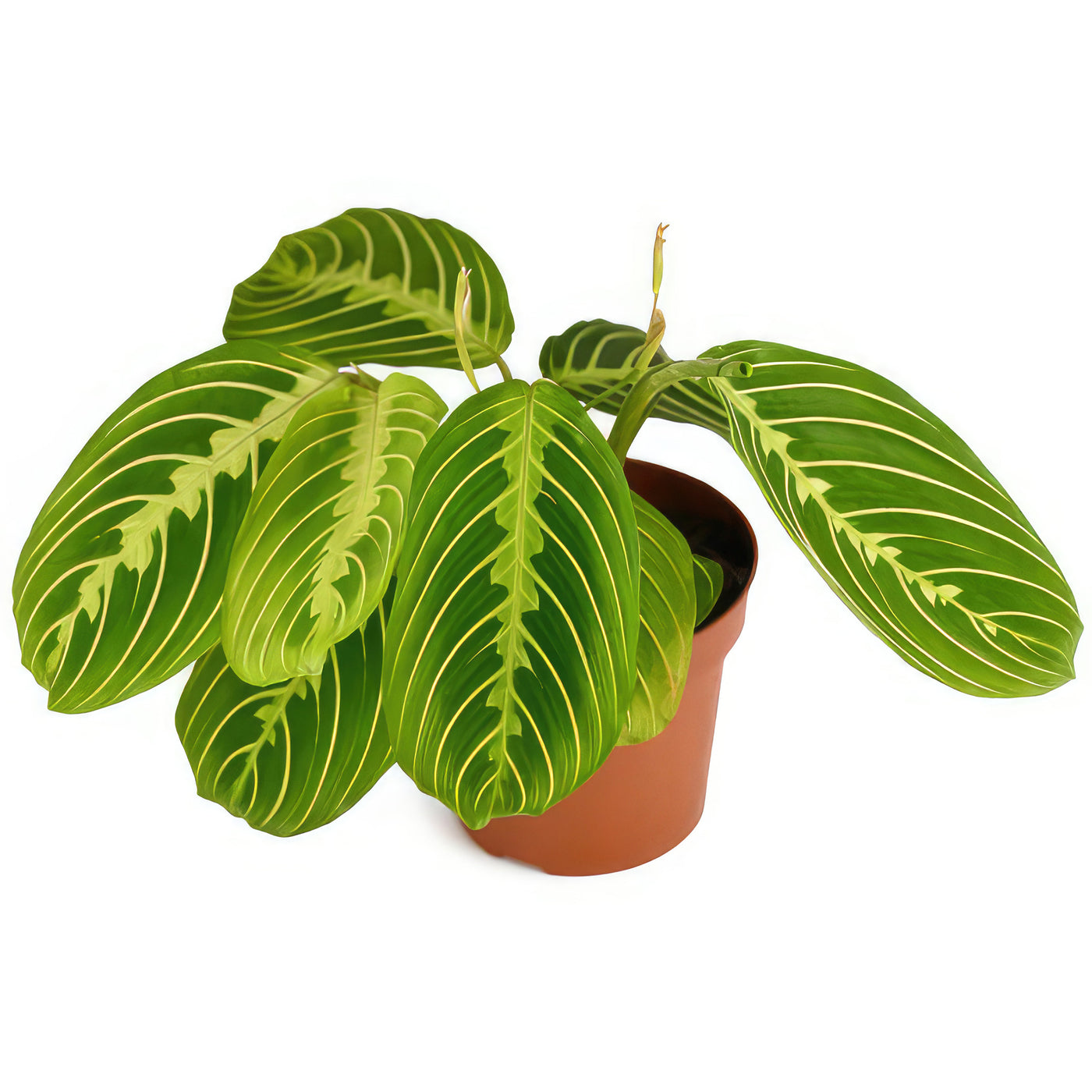
lemon lime prayer plant toxic Lemon Lime Maranta ‘Lemon Lime Prayer Plant’

Sale price$21.55 Regular price$23.94
Save 10%

Pay in installments of $5.99 with ShopPay, AfterPay and Klarna

Shipping Estimate
USA
  • USA
  • CAN

Ships within 48 hours · Estimated delivery Jul 23 - Jul 28

Promo Codes Available:

For Your Every Summer RSVP, with Code: SUMMER15

Description

lemon lime prayer plant toxic Lemon Lime Maranta ‘Lemon Lime Prayer Plant’The Lemon Lime Maranta, known as the Lemon Lime Prayer Plant, is a unique and vibrant variety of the Maranta leuconeura which is the main Prayer plant, beloved for its striking foliage and low growing, tropical appeal. This plant derives its common name from the vivid lemon and lime hues that streak across its leaves in delicate, vein like patterns. As a member of the prayer plant family, the leaves of Maranta leuconeura lemon lime move with the

The Lemon Lime Maranta, known as the Lemon Lime Prayer Plant, is a unique and vibrant variety of the Maranta leuconeura which is the main Prayer plant, beloved for its striking foliage and low-growing, tropical appeal. This plant derives its common name from the vivid lemon and lime hues that streak across its leaves in delicate, vein-like patterns. 

As a member of the prayer plant family, the leaves of Maranta leuconeura lemon lime move with the light, folding up in the evening in a gesture that resembles hands clasped in prayer. With its eye-catching colors and fascinating leaf movement, the Lemon Lime Maranta is a popular houseplant, providing visual interest and a touch of exotic indoor spaces.

Native to the tropical forests of Central and South America, the lemon-lime prayer plant features lively, variegated foliage that displays movement throughout the day.

Its oval-shaped leaves showcase soft, symmetrical patterns of veining, with a mix of pale yellow, lime green, and deeper green tones. It can grow up to 12 inches tall and 12 inches wide. This makes them an ideal size for tabletops, shelves, or smaller plant stands, where they can add a burst of color without overwhelming a space.

The plant’s relatively low-growing nature and full, bushy appearance make it a fantastic option for filling smaller spaces with lush, tropical greenery.

The undersides of the leaves have a reddish-purple tint, adding an extra layer of visual appeal. The plant’s leaves respond to light by adjusting their position: they lower and spread outward in daylight and lift to an upright, closed position at night, a movement known as “nyctinasty.”

The Lemon lime Maranta flowers are typically white or light lavender and grow on slender stalks, emerging in clusters above the leaves during the spring. Though the flowers are subtle compared to the vibrant foliage, they add a charming touch when they appear. However, flowering is more common outdoors or under ideal humidity and light conditions indoors. 

In its native habitat, it grows as a ground cover, spreading low along the forest floor under the shade of taller trees. This preference for humidity and indirect light makes it ideal for indoor environments that can mimic these conditions. As an indoor plant, it’s accustomed to low light and doesn’t require direct sun, making it a versatile choice for many home settings. 

When and How to Water Your Lemon Lime Prayer Plant 

The Lemon Lime Maranta is a drought-resistant plant, preferring consistently moist soil to thrive. Unlike hardy plants that can withstand dry spells, the Lemon Lime Maranta requires careful attention to its watering needs. 

In the spring and early fall, during the growing season, the Lemon Lime Maranta requires more frequent watering to support its vibrant foliage and new growth. At this time, water it about once every 5–7 days or whenever the top inch of soil begins to feel dry to the touch. It's essential to water thoroughly, ensuring that moisture reaches the roots. However, avoid letting the plant sit in water, as it dislikes soggy conditions and can suffer from root issues if left overly wet.

In late fall and winter, as the plant enters its dormant period in the cooler months, its water needs decrease. Watering can be spaced out every 10–14 days, depending on the humidity and indoor temperature. Keep an eye on the soil’s top layer, and only water once it feels dry to the touch. This reduced frequency allows the plant to rest without becoming dehydrated, as the Lemon Lime Maranta conserves its energy during this time. 

Using distilled or filtered water is recommended, as Marantas are sensitive to minerals and chemicals commonly found in tap water. Chemicals like fluoride can cause leaf tip browning or yellowing. Distilled water helps you maintain the vibrant leaf color without risking potential buildup issues, ensuring that your Maranta continues to look healthy and stunning year-round. 

Light Requirements – Where to Place Your Lemon Lime Maranta 

When grown indoors as a houseplant, the Lemon Lime Maranta thrives in low to medium indirect light for at least 4 to 6 hours, making it an excellent houseplant for rooms without direct sunlight exposure. Place them near a window where they can receive filtered sunlight or in a location with artificial light sources, such as fluorescent or grow lights.

Direct sunlight can scorch the delicate leaves of the plant, so it's essential to protect them from harsh rays. Rotating the plant occasionally can ensure even light exposure on all sides, promoting uniform growth and preventing leggy growth due to reaching for light. 

For outdoor growth, select a shaded or partially shaded spot. These plants prefer dappled sunlight or areas with indirect light to prevent leaf burning and maintain their vibrant colors.

Avoid placing them in the full sun, as excessive sunlight can cause leaf damage and stress the plant. When transitioning your plant outdoors, acclimate it gradually to the increased light levels to prevent shock.

Providing a sheltered outdoor location with gentle morning sunlight or filtered light throughout the day can create vibrant foliage.

Optimal Soil & Fertilizer Needs

When selecting soil for your Maranta lemon lime plant, it's best to choose a well-draining potting mix rich in organic matter. A mix designed for tropical plants, or a combination of peat moss, perlite, and compost can provide the right balance of moisture retention and drainage. Avoid heavy soils that can lead to waterlogged conditions, which may harm the plant's roots. Planet Desert has specialized potting soil, opens in a new tab that includes an organic substrate with mycorrhizae to help with the growth of a healthy root system to help your lemon lime prayer plant to thrive. Repotting the plant every couple of years can also refresh the soil and provide necessary nutrients for continued growth. 

The Lemon Lime prayer plant benefits from water-soluble NPK fertilizer with an equal ratio of about 5-10-5, once a year from spring through early fall. Avoid over-fertilizing, as this can cause salt buildup in the soil and lead to nutrient imbalances. During the plant's dormant period in winter, reduce or stop fertilization to allow the plant to rest. Observing the plant's growth and adjusting the fertilizer regimen accordingly can help maintain its health and vibrancy. 

Following the instructions on the fertilizer package regarding dilution and frequency of application is essential to prevent fertilizer burn and support balanced growth.  

Hardiness Zones & More 

When growing the Lemon Lime prayer plant indoors as a houseplant, it thrives in average room temperatures ranging from 65°F to 80°F. Maintaining a consistent temperature within this range is essential for the plant's overall health and growth. Avoid placing the plant near drafts, air conditioning vents, or heating sources that can cause temperature fluctuations and stress the plant. Providing a stable temperature environment can help the plant flourish and prevent issues such as leaf curling or browning. When grown indoors, especially in environments with dry air, increasing humidity around the plant can promote healthy growth and prevent issues like leaf browning or crispy edges. You can boost humidity by placing a humidifier near the plant, grouping plants together to create a microclimate, or using a pebble tray filled with water. 

For outdoor growth, the Lemon Lime prayer plant is typically suited for USDA zones 11 and 12, where temperatures remain consistently warm throughout the year. These zones generally experience mild winters with minimal risk of frost, which is crucial for tropical plants like the Lemon Lime prayer plant.

In tropical or subtropical regions with naturally high humidity, the plant can benefit from the ambient moisture in the air to maintain its lush appearance and vibrant foliage. If you live in a region outside these zones, consider growing the plant in containers that can be brought indoors during colder months to protect it from low temperatures and frost damage.  

Wildlife – Lemon Lime Maranta Attracts the Following Friendly Pollinators 

The flowers of the Lemon Lime Maranta plant are known to attract pollinators and insects through their unique characteristics. These flowers often have bright colors or intricate patterns that act as visual cues to attract pollinators like bees, butterflies, and hummingbirds. 

Butterflies
Bees
Hummingbirds
Lady Bugs
Multi Pollinators
Other Birds

Toxicity: According to the ASPCA, the Lemon Lime prayer plant is considered non-toxic to cats, dogs, horses, and humans. It is a safe choice for households with pets, providing a touch of greenery without posing a significant risk to animal companions. 

How to Propagate Your Lemon Lime Prayer Plant

To propagate your Lemon Lime prayer plant, you can use stem cuttings. Here's how to do it: Select a healthy stem with several leaves and cut it just below a leaf node. Remove the lower leaves to expose the node where roots will develop. Place the cutting in water or a well-draining soil mix, ensuring the node is submerged or in contact with the soil. Keep the cutting in a warm, humid environment with indirect sunlight and regularly mist the plant to maintain moisture levels. Over time, roots will develop, and you'll notice new growth indicating successful propagation. Once the roots are established, you can transplant the cutting into a separate pot for further growth. 

Key Takeaways

  1. The Lemon Lime Maranta thrives in low to medium indirect light, making it an excellent houseplant for rooms without direct sunlight exposure.
  2. It is known for its vibrant lemon and lime green vein patterns on deep green leaves, that add striking color and visual interest to any indoor space.
  3. Like other prayer plants, its leaves move throughout the day, opening in the morning and folding up at night, creating a unique and dynamic display.
  4. It grows to about 12 inches in height, making it an ideal tabletop plant that fits easily in smaller spaces without overwhelming the area.
  5. This plant thrives in higher humidity levels, which makes it an excellent choice for bathrooms or rooms where humidity can be easily maintained.

The Bottom Line 

Overall, the Lemon Lime Maranta is a popular houseplant, celebrated for its intricate leaf patterns and the unique way its leaves shift with the light, bringing dynamic movement and vibrant color to indoor spaces. Its lush foliage displays a tapestry of greens and yellows, and with occasional care, it thrives in moderate to low light. This plant prefers consistently moist, well-draining soil and high humidity, mimicking its native tropical habitat. While relatively low-maintenance, it benefits from regular misting and distilled water to keep its colors vivid and prevent mineral buildup, making the Lemon Lime Maranta an ideal choice for those seeking an exotic, eye-catching addition to their indoor plant collection. Order your very own lemon-lime prayer plant for sale today! 

Shipping Notes
  • Free Standard Shipping on $100+ Orders to the USA.
  • Except Preorder products are shipped in 48 hours.
  • Delivery to the USA:
  1. Standard Shipping : 3-10 business days
  • If time is of the essence, please consider selecting expedited delivery for faster service.
Exchange/Return Notes
  • We offer a 30-day return/exchange service after receiving.
  • Final sale items are not eligible for returns or exchanges.
  • To process your return/exchange, please contact us at [email protected]
  • Please click here for more details>>> Return & Exchange Policy
SKU: 25649058726

Discover Niche Categories That Outsell lemon lime prayer plant toxic

Top-Converting Item to Boost Your Average Order

4.8 ★★★★★
Based on 8 reviews
Sort
Highest Rating
Newest First
Oldest First
Product Reviews
I
Verified Purchase
Isaac J. Knoflicek
Los Angeles, US
★★★★★ 5
Changed My Life
Format: Hardcover
The year the Green Bay Packers drafted BJ Raji I remember being extremely shocked that I weighed almost the same as him (319 was my peak). Winter of 2009 I started riding a stationary bike fairly regularly, Spring of 2010 I started bike commuting regularly and by summer of 2012 I was down 60 pounds. As I became more interested in fitness I was more interested in how the body handled different kinds of macro nutrients. I did a few random Google searches for a book on the topic and in June of 2012 I found a review of the original PHD edition which made it sound like what I wanted. I wasn't looking to change my diet, I had a lot of joint pain and was very susceptible to binge eating/drinking, but I was loosing weight so overall I was happy. I remember reading the first chapter where it explained the "gotchyas" like having to give up wheat and laughing out loud at the though of it. I was a complete carb fiend to the point where I'd been baking my own homemade artisan breads. I found the book to be a quick read, it took me only a week. I definitely went a bit cross eyed at some of the more complex biology, but overall I found it as entertaining as it was informative, and when I'd finished I thought "What the hell", I'll try it for a week or two and see what happens. My first weekend was a little rough because I went out with some friends and because bar we were at only had fried foods, I ended up drinking way too much on an empty stomach. My first attempt at baking salmon the next day was promptly thrown up, but fortunately it didn't give me a bad taste for the fish. In only a few days I started to notice how different being hungry felt. I'd always made it a point to have breakfast and not eat again until Lunch, but I usually had a few spikes of intense hunter which I had to fight past. On this diet the hunger was there but it was more of a casual suggestion. Needless to say I had such an easy time on my two week trial that I kept the diet. That summer I lost as much weight as I had the previous two combined. I feel much more even in terms of mood, my mind feels sharper, I have a nice even energy level all day. I had hoped my joint pain would clear up faster, but it has definitely gotten better as well. I'd been wanting to reread the PHD for a while, but I knew the new edition was coming out soon so I held off. I was aware of some of the changes from following the blog (which is excellent, it's such a trip to have Paul give expert answers to your questions personally), but still wanted to go through the whole thing again. The new version is a definite improvement. Like I'd mentioned some of the biology in the original edition, particularly on the different types of fats, came early and confused and discouraged me a bit. This version they hook you in with simpler explanations and do a better job of building up the biology as you go. Also after the original edition I had to do a lot of fine tuning to the diet based on questions I'd ask Paul on blog, or going back and reading other peoples questions. In this edition they do a much better job of practically spelling out things so its easier to jump in. Finally the reader results that are included in the new edition are a really neat addition. I'd read a lot of them on the blog as well, but they're so amazing and inspiring, sprinkling them into the text the way they did was a really great idea. After finishing this new edition I feel freshly excited about a diet I've been on for half a year. I also feel better about recommending this edition to friends because it reads so much easier. I highly recommend this book to anyone looking to gain health, loose weight, or even just learn about how their bodies work.
WAS THIS REVIEW HELPFUL?YesReportShare
Reviewed in the United States on December 29, 2012
G
Verified Purchase
gp2x
Dallas, US
★★★★★ 5
I can't believe how much better I feel!
Format: Paperback
I had been eating (very) low-carb and high-protein for the better part of a decade - and I had gotten a lot of practice arrogantly dismissing suggestions (from any source) that I should change anything about my diet. It is a testimony to the insightfulness of this book that it persuaded me to change. How was I persuaded? * The Jaminets are highly educated (Ph.D.s both), but not they're not nutritionists and are not bound by any party line. * They amass a huge volume of scientific literature in support of their assertions - about 1/3 of every page is journal citations. * They write clearly, and are clearly motivated by a desire to share the keys they've discovered for better health. * Time after time, while reading, I exclaimed "so *that's* why!" - there's an overarching framework they build, and after reading it I have a much broader and deeper understanding of health and nutrition. The changes I made were: 1. Eat a modest amount (15-20%) of calories as carbs from what they call "safe starches" (rice & potatoes in my case.) 2. Eat a large (~70%) of calories from fat. In particular, I consume dramatically more butter (kerrygold!), and I've added a fair bit of coconut oil too. 3. (As a result, the amount of protein I eat has dropped somewhat.) 4. Supplementing with a mix of the vitamins they recommend. 5. Doing a 24-hour fast once a week. Results: (after 1.5 months or so.) 1. I'm no longer "brain-dead" and unable to think in the evenings after work. 2. I no longer have fruit or chocolate cravings. 3. I'm much happier, and wake up looking forward to the day. 4. I've been much more social. 5. The extra starch has not resulted in weight gain. (I always gained weight when eating carbs before.) 6. It looks like the fasting (which I've never tried before) is helping my alertness and also contributing to healthy weight loss. It took less than a week for me to notice dramatic changes. The diet guidelines are straightforward and fit on a page, but the explanatory material is priceless. The Jaminets post on an ongoing basis at their perfecthealthdiet dot com blog as well. I can't recommend this book highly enough.
WAS THIS REVIEW HELPFUL?YesReportShare
Reviewed in the United States on January 2, 2011
C
Verified Purchase
Chris Kleeschulte
Boise, US
★★★★★ 4
Best diet/health book I have ever read
Format: Kindle
For scientifically-minded laypeople, this is an excellent read. I altered my diet because of this book. Using a bit of intuition, it seems much more logical that nature attempts to achieve balance with respect to macro nutrients and vitamins/minerals. I loved Mr. Jaminet's explanation of the relationship of vitamin A,D, and K. I do have about a thousand questions for the author (Paul Jaminet), such as his lower protein recommendations (this differs greatly from a typical gym rat's recommendation of 1 gram of protein per pound of body mass). The book recommends more protein for the athlete, but not at the levels recommended elsewhere (high protein diets). I think Mr. Jaminet and others that are recommending a smaller ratio of protein to fat/carbs are ahead of the game. I find my diet in desperate need of more insoluble fiber, although this book does not treat fiber as being extremely important and advises against too much fiber. I use PGX daily fiber once per day and it had made a big difference for me. All in all, there are 3 big aspects that I would like Mr. Jaminet to weigh in on in future books or other publications. First, please expand more on repairing the health of your gut and the good bacteria that live there. What is the absolute quickest way to optimize gut flora and, subsequently, keep inflammation at a minimum? I understand Mr. Jaminet's stance on legumes, but it seems very contradictory to common sense. From the surface, not eating any legumes would raise my BS flag. Overall, if the answer is "don't eat legumes because you can get all the benefits from other foods and, therefore, better safe than sorry", then this should be considered a dubious argument (I am not saying that this is the argument in the book). To be fair, the book has much more detailed reasons to steer clear of legumes, but I am still a little on the fence about it. Lastly, PHD refers to the Shangri-la diet and using MCT or Coconut oil to suppress appetite, but I would LOVE a detailed scientific explanation of what the body's "setpoint" really is. From my clinical trials (on myself!), this is a huge factor. My body seems to want to be at a set weight and even body fat percentage and it takes quite a bit of effort to lower or raise that setpoint. This applies to the PHD because assertions are made with respect to the body's need for a certain quantity of protein and carbs. How does the setpoint interact with those processes? PROS: * Clearly, Mr. Jaminet or his editors took a technical writing course. This book is written using the active voice and uses a conversational tone. Extremely easy to read! It is simple, direct, clear, and concise. CONS: * This book cites clinical studies as evidence to buttress certain assertions. This is not a problem if you factor in what the study was trying to measure and external variables that would greatly affect the conclusions. Here is an example of clinical studies that are almost worthless (at least from drawing a single conclusion): Patient group A ate such and such and patient group B ate such and such over a 20 year period. The death rate was 11% higher in patient group A, therefore eating what they ate "may" have been the cause of the higher death rate. Drawing conclusions from such a study is really difficult, I think. I am no scientist, but even I can see that these sorts of studies should be used as a starting point for more investigation and not as the final word on a subject.
WAS THIS REVIEW HELPFUL?YesReportShare
Reviewed in the United States on July 7, 2013
N
Verified Purchase
Navy87Guy
Charlottesville, US
★★★★★ 5
Paleo Perfected - With the Science to Back It Up!
Format: Hardcover
After experimenting with other versions of the paleolithic-based diet, I was happy to finally come upon Paul and Shou-Ching's book, The Perfect Health Diet. It's a scholarly treatment of a complex subject, but presented in a way that's easy to follow and understand. It combines the best parts of old-time wisdom with cutting edge science to lay out a lifestyle and an approach to health that treats the body holistically. The authors systematically lay out the scientific and evolutionary basis for their approach to health. The fact that they both suffered from serious medical conditions - which were cured by taking this new approach - lends a great deal of sincerity to the writing. In a logical, orderly fashion the book walks through the basis for the diet, then tackles each of the major energy sources (proteins, carbohydrates and fats). Once that groundwork is laid, they address the hidden toxins that are present in most of the foods that comprise the Standard American Diet (SAD - a rather appropriate acronym) and help the reader understand HOW the foods contribute to poor health. Throughout the book, the authors use simple but effective "call out" boxes to highlight some key science behind the diet. They also sprinkle in just the right amount of reader testimonials to highlight how their lives were changed by following the Perfect Health Diet. Those examples are placed in just the right spots so the reader can see how the concept being discussed relates to real people in the real world. The inclusion of a Takeaway at the end of each chapter helps tie all the concepts together perfectly. My only complaint is that they use the word "diet" in the title. While they use it in the academic sense (i.e., the foods that you habitually eat to provide sustenance), too many people only think of "diet" as a restriction in your food intake to promote weight loss. I prefer to think of the authors' book as a "lifestyle", rather than simply a prescription for changing your food intake. That view is reinforced by the holistic treatment of the impacts of circadian rhythm disruption on health - a fascinating chapter that probably could have as much impact on your overall health as your choice of food! I think it's very telling that only a short chapter is actually devoted to the discussion of weight loss -- because it is based upon all of the other principles that have already been outlined. The discussion in the weight loss chapter on the scientific origins of obesity is fascinating and sobering at the same time. Overall, the Jaminets have done a fabulous job of scouring the scientific literature and tying together some popular concepts (the whole Paleo movement continues to gain steam in mainstream society) with a solid scientific underpinning that will go a LONG way toward helping people understand not just WHAT to eat (or not eat) but also WHY. I highly recommend this book to anyone who wants to understand how their body functions and how the food you eat impacts your health and longevity. It is well-written, thorough and very convincing!
WAS THIS REVIEW HELPFUL?YesReportShare
Reviewed in the United States on January 8, 2013
J
Verified Purchase
JetsYankees1971
Whiting, US
★★★★★ 5
Really enjoyed this book and found it helpful
Format: Kindle
The first night after starting this diet I found myself eating a juicy half pound hamburger without the bread, a sweet potato with butter, a small salad with fresh lemons squeezed on top and some sparkling water. Life could be a lot worse!!!! This book was written by 2 Harvard educated scientists. It is thoroughly researched and made a ton of sense to me. I've dieted a lot in my life. I always lost weight and always gained it back. That's a pretty frustrating way to live. The weight gain and loss roller coaster is awful. Over the last 20 years I've tried Atkins, Paleo Diet, Zone Diet, Weight Watchers, Nutrisystem, South Beach Diet, Mediterranean Diet, Blood type Diet etc etc etc....They all work and they all have flaws which ultimately caused me to stray from them for one reason or another. As an example Nutrisystem is convenient but I don't want to eat that food forever. Atkins and Paleo cut out major food groups PERMANENTLY! They are way too extreme for me. Zone Diet was too much work. Weight watchers with the points was too time consuming. South Beach Diet was a nice fad but I got tired of that also. Anyway, without dragging on too much longer I want to say that the best part of the Perfect Health Diet is its SIMPLICITY! This way of eating doesn't require much thought, planning, or effort. The authors give you a list of foods to eat without asking you to eliminate carbs, fatty foods, meat or dairy. I was taught what carbs to eat and avoid and in what portions. I learned what fatty foods to eat and how often to eat them. I learned about about protein and was taught the right amounts of protein to eat. Most importantly i never feel hungry on the Perfect Health Diet! This diet WILL reduce your food cravings. You are fed well. You eat a lot of fatty foods and still lose weight. You can have dairy in the form of yogurt. You can have starches. You eat fruits and veggies along with lots of eggs, meat, and some fish. Basically you feel healthy because your body gets everything it NEEDS to make you feel GOOD! This diet is the only one I've tried that eliminates food cravings and hunger. I'd give this book 10 stars if I could
WAS THIS REVIEW HELPFUL?YesReportShare
Reviewed in the United States on June 8, 2015

recommand products