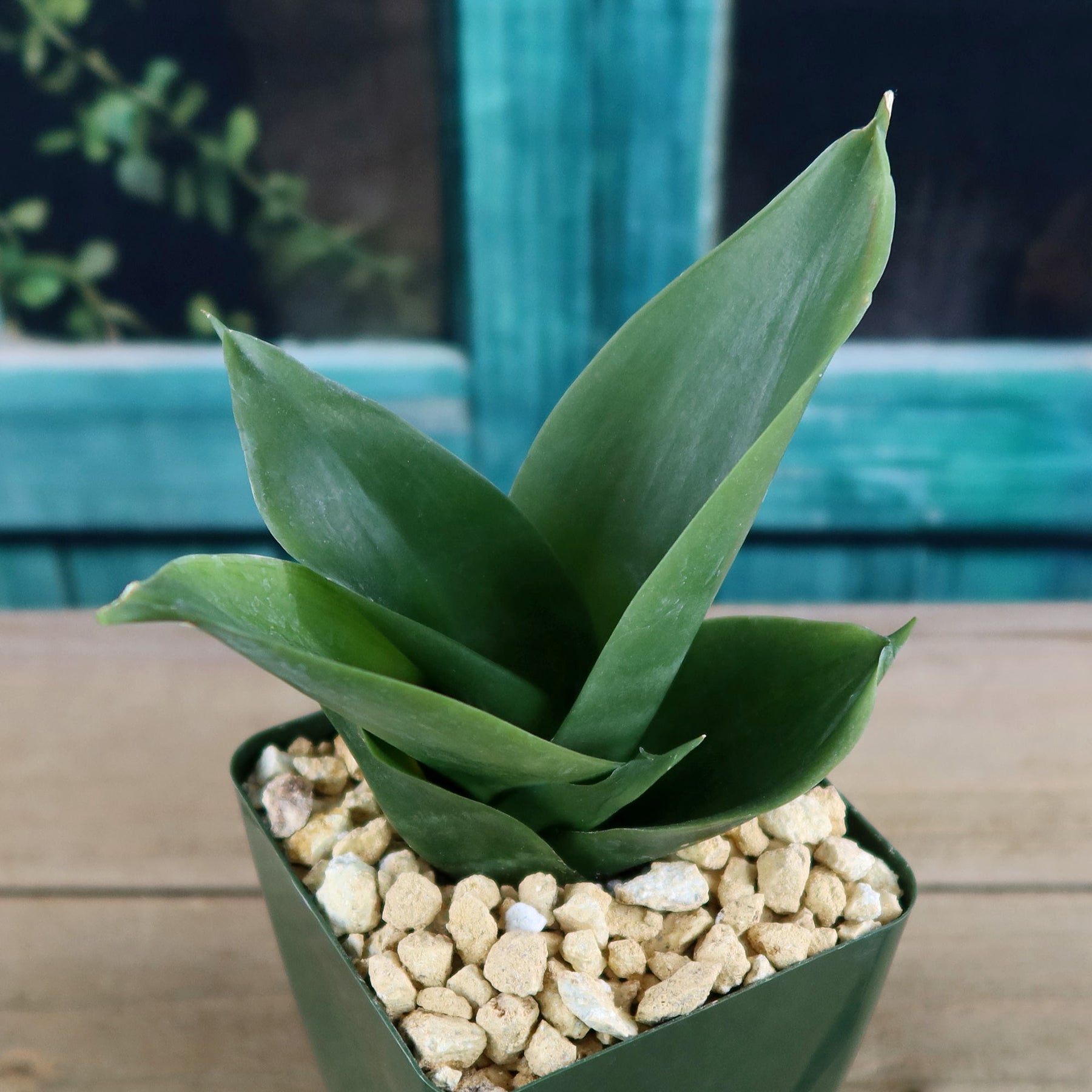
snake plant black jade Shop 'Sansevieria hahnii Black Jade' Care & Growing GuideThe Black Jade Snake Plant, botanically known as Sansevieria hahnii Black Jade (and recently reclassified as Dracaena trifasciata 'Black Jade'), is one of the most resilient and low maintenance dwarf houseplants in the world, prized for its deep, solid forest green leaves that appear almost black. It stores water in its thick, upright leaves, giving it impressive drought tolerance and allowing it to thrive with minimal attention. The cultivar name
The black jade blooms are rare indoors but may appear as slender upright stalks bearing clusters of small creamy-white to pale green fragrant flowers. These delicate blossoms are subtle but attractive and usually appear only on mature, well-established plants.
When and How to Water Your Black Jade Snake Plant
This snake plant prefers its soil to dry out completely between waterings and is far more drought-tolerant than most common houseplants due to its specialized water-storing leaves and rhizomes. While its underground root system easily stores moisture, making it highly forgiving if you miss several waterings in a row, it is extremely sensitive to overwatering, and soggy soil will quickly lead to mushy root or rhizome rot.
The Sansevieria hahnii ‘Black Jade’ should typically be watered every 2–3 weeks during the active growing season (March–September) and dropped back to every 4–5 weeks during the dormant season (October–February), adjusting as needed based on your indoor temperature, potting size, and seasonal soil dryness.
During the Active Growing Season, water your plant only when the potting soil is 100% dry all the way to the bottom of the container. When watering, soak the substrate thoroughly until water drains freely from the baseline holes, then immediately discard any excess water collected in the saucer. Warm temperatures and active growth mean the plant will use moisture efficiently during this period.
During the Dormant Season, significantly reduce your watering frequency, as growth slows down or stops completely. Allow the soil to sit completely dry for a week or two before offering a light watering, as excess winter moisture combined with cooler air is the primary cause of plant failure.
Pro Care Tip: Snake plants are highly susceptible to crown rot. When watering a plant, always pour water directly onto the surrounding soil rather than splashing it into the center of the leaf rosette. Water trapped inside the cup-like center cannot easily evaporate indoors and will quickly cause the core leaves to turn soft, mushy, and decay.
Light Requirements – Where to Place Your Dwarf Snake Plant
When growing indoors, place your snake plant in bright, indirect light for at least 6–8 hours daily to maintain its strong growth, deep uniform color, and compact rosette form.
A west- or east-facing window, or a few feet back from a bright south-facing window with filtered light, works beautifully.
However, it also adapts seamlessly to low-light corners, dark bedrooms, or windowless offices lit by fluorescent bulbs, making it one of the most versatile indoor plants available. Avoid direct afternoon sunlight, as it can scorch the foliage and fade the deep jade tones.
Like many rosetting succulents, this plant may slowly shift its leaves toward the strongest light source over time. Rotate the pot a quarter-turn every 2 weeks to encourage perfectly even, symmetrical growth and prevent the rosette from leaning. If the center leaves begin stretching upward dramatically and losing their compact shape, it is an early sign that the plant needs to be moved to a brighter spot.
When grown outdoors, this tropical succulent performs best in partial shade to bright filtered shade in warm, frost-free climates. Place it on a covered patio, shaded porch, or beneath a garden canopy where it receives no intense, direct afternoon sun. Even brief exposure to harsh, unshielded summer sunlight can permanently burn its fleshy foliage and scar the smooth leaf surfaces.
Optimal Soil & Fertilizer Needs
The Sansevieria hahnii plant favors an incredibly loose, highly aerated, and chunky succulent potting mix. Planting them in ordinary dense garden soil or standard moisture-retentive indoor mixes will trap water around the roots, resulting in stunted growth and root rot. Instead, make or buy a well-draining potting mix, or ideally use our specialized succulent potting mix that contains 5 natural substrates and mycorrhizae to promote the development of a strong root system that helps your succulent plant to thrive.
When it comes to feeding, this low-maintenance succulent requires very little nutrition. Apply a balanced, liquid NPK fertilizer diluted to half-strength once a year in early spring to stimulate fresh seasonal growth. Avoid feeding entirely during the fall and winter dormancy months, as unused nutrients will accumulate in the dry soil and cause severe root burn.
Hardiness Zone & More
In the United States, the Black Jade Snake Plant is primarily grown as an indoor houseplant, but in frost-free tropical and subtropical regions such as southern Florida, southern California, or Hawaii, it can be grown outdoors year-round in USDA Hardiness Zones 10-12.
Outdoors, it performs best in bright shade, rock gardens, or xeriscapes where the delicate foliage is protected from direct afternoon sun exposure.
It thrives in warm environments with excellent airflow, which helps any accidental leaf moisture dry quickly. Frost and freezing temperatures will instantly kill this succulent.
How to Grow Indoors as a Houseplant
- Keep temperatures between 65°F and 85°F for optimal growth.
- Never expose it to temperatures below 50°F, as cold drafts and freezing conditions can damage the leaves.
- Place in bright, indirect light, though it can also tolerate lower-light conditions.
- Place indoor with a humidity between 30–40%.
- Keep away from cold drafts, open winter windows, and direct air-conditioning vents.
Wildlife – Sansevieria hahnii Flowers Attract the Following Friendly Pollinators
This black jade snake plant can occasionally produce a slender flower stalk adorned with small, greenish-white flowers when highly mature, though flowering is exceptionally rare indoors. In outdoor tropical environments, its nighttime-blooming, nectar-rich flowers attract minor pollinators such as small moths, nocturnal bees, hummingbirds, and butterflies, which naturally assist with pollination in their native habitat.
Butterflies
Bees
Hummingbirds
Lady Bugs
Multi Pollinators
Other Birds
According to the ASPCA, the Sansevieria hahnii plant is mildly toxic to cats, dogs, and humans if ingested due to naturally occurring chemical compounds called saponins found throughout the leaf tissue. While ingestion is rarely life-threatening, it can cause mild gastrointestinal upset, oral irritation, drooling, nausea, vomiting, and diarrhea. Keep it safely styled on higher shelves away from curious pets.
How to Propagate Your Snake Plant
This succulent can be easily propagated through leaf cuttings or rhizome division, with division being the preferred method to maintain the exact genetic clone of the parent plant.
-
Rhizome Division (Recommended): Mature rosettes naturally produce small underground runners that sprout into baby plant offsets, commonly called "pups." During spring repotting, gently remove the plant from its container. Use clean hands or sterile pruning shears to snip the thick connecting rhizome between the mother plant and the pup. Plant the pup into its own small container with fresh, dry succulent soil.
-
Leaf Cuttings: Cleanly cut a healthy leaf from the base. Let the cut end callus over for 2 to 3 days in a dry area. Place the callused cutting directly into moist perlite or sandy soil, or suspend the bottom tip in a shallow container of water. Be patient; while leaf cuttings root easily, it can take several months for a new rosette to form from the base.
Potting and Repotting Your Sansevieria Plant
This houseplant prefers being tightly root-bound and thrives when its root system fills its container, so avoid placing it in an oversized pot. Large amounts of empty soil hold onto water too long, which increases the risk of rot. Repot only every 2–3 years during spring, or whenever the roots begin physically cracking plastic grower pots or pushing the plant upward out of the soil.
Always choose a container with excellent drainage holes (terracotta pots are highly recommended as they allow the soil to breathe), and move up only one pot size at a time using a loose, sandy cactus mix. No watering is required for the first week after repotting to allow any microscopic root tears to heal safely.
Key Takeaways
- The Black Jade Snake Plant is a highly popular compact houseplant prized for its dramatic, near-black foliage and sculptural bird’s nest shape, making it a perfect statement plant for desks, shelves, and modern interiors.
- This drought-tolerant succulent stores water in its thick leaves, allowing it to survive extended dry periods and making it one of the most forgiving indoor plants for beginners, travelers, and busy plant owners.
- Its rich dark foliage remains attractive year-round and adapts well to both bright indirect light and lower indoor light, where many other houseplants struggle to maintain healthy growth.
- This low-maintenance indoor plant naturally helps improve indoor spaces by filtering airborne toxins and releasing oxygen, making it a functional as well as decorative addition to homes and offices.
- The Snake Plant slowly produces baby offsets, or “pups,” around its base over time, allowing gardeners to easily propagate and create new plants from one mature specimen.
The Bottom Line
Overall, the Black Jade Snake Plant (Sansevieria hahnii 'Black Jade') stands as one of the most reliable, striking, and visually architectural plants you can introduce to an indoor plant collection. Its deep, near-black forest green hue, smooth leather texture, and compact rosette form bring an immediate air of clean elegance and calm structure to any home or office space. While it appreciates occasional bright indirect light and warm temperatures, its legendary ability to withstand low light and missed waterings makes it an effortless investment. Order your very own premium Black Jade Snake Plant for sale today!
 ,
,
 and
and

 Promo Codes Available: