Shipping Estimate
USA
- USA
- CAN
- USA
- CAN
Ships within 48 hours · Estimated delivery Jul 14 - Jul 19
 Promo Codes Available:
For Your Every Summer RSVP, with Code: SUMMER15
Description
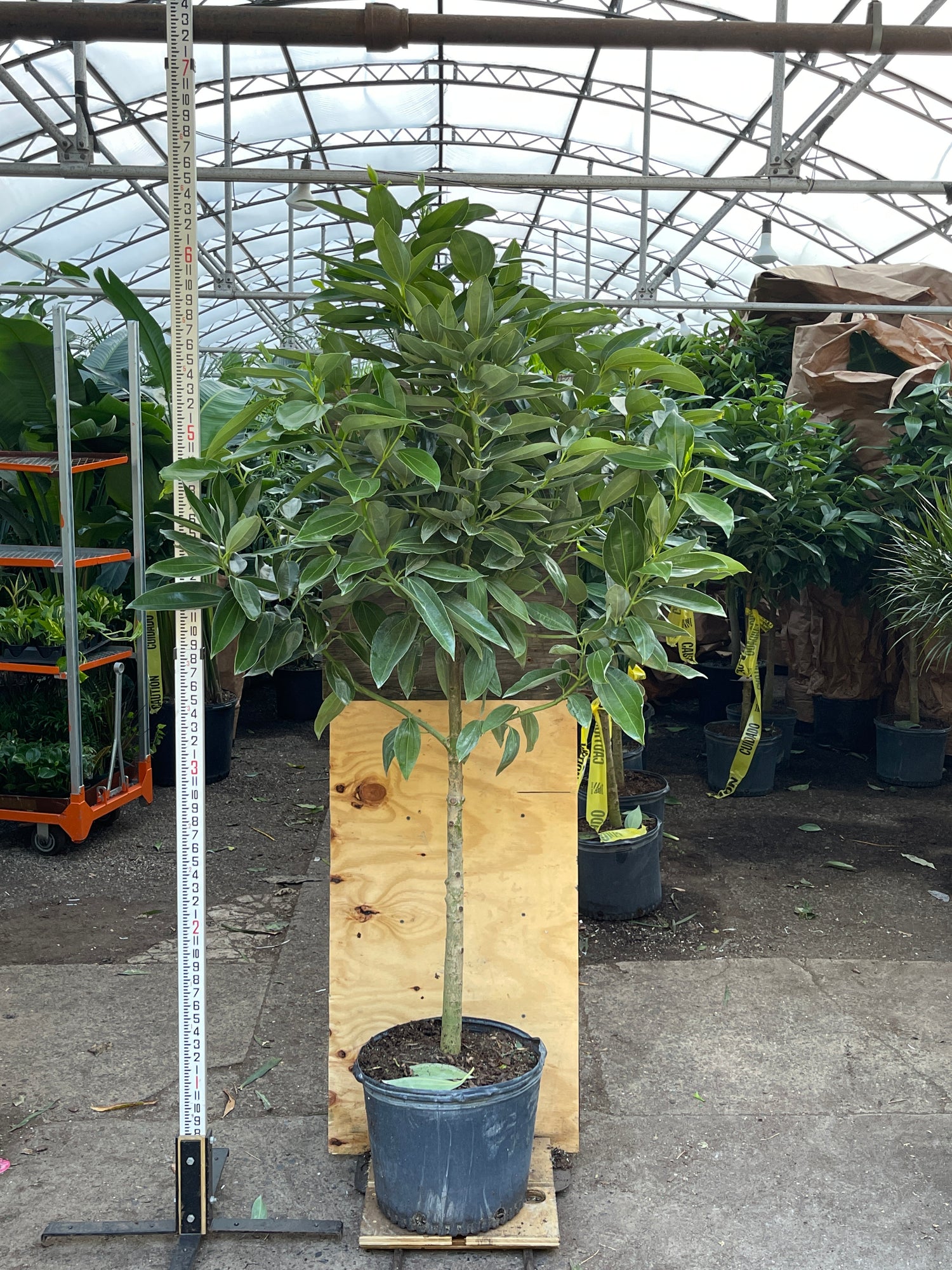
cinnamon plant for sale philippines Full Size Cinnamon PlantDescription The Cinnamon Plant brings the warm, sweet fragrance of your favorite spice right into your living space. This beautiful Cinnamomum verum has traveled from native Sri Lanka to become your newest botanical companion, and you're going to love it. The cinnamon tree fills your home with that gentle, comforting scent that makes every day feel a little more special, quietly perfuming your space with those cozy, familiar notes that bring back
Description
The Cinnamon Plant brings the warm, sweet fragrance of your favorite spice right into your living space. This beautiful Cinnamomum verum has traveled from native Sri Lanka to become your newest botanical companion, and you're going to love it.
The cinnamon tree fills your home with that gentle, comforting scent that makes every day feel a little more special, quietly perfuming your space with those cozy, familiar notes that bring back memories of holiday baking and warm kitchens. Beyond being gorgeous to look at, this cinnamon tree plant connects you to centuries of spice trade history - and maybe one day, you'll even be able to harvest a bit of that precious cinnamon tree bark for your own culinary adventures.
Care
How do you care for a cinnamon plant?
Your cinnamon plant thrives with bright, direct sunlight and well-draining soil that stays consistently moist during growing seasons. It prefers warm temperatures between 68-86°F. Re-pot annually and use gentle, balanced fertilization for optimal health and aromatic development.
Place your cinnamon tree less than a foot from your brightest window (south-facing is perfect) and water every 1-2 weeks when the top inch of soil feels dry. She's wonderfully forgiving, but like many tropical plants, she has strong preferences about her lighting needs. We're always here to help you get the balance just right.
What climate does cinnamon grow in?
The cinnamon plant naturally flourishes in hot, humid tropical climates with temperatures between 68-86°F and high humidity levels, preferring abundant rainfall while tolerating brief temperature drops to near freezing when necessary for winter survival and healthy dormancy periods.
You can mimic this climate by keeping your home 68° and above, watering regularly, and misting often.
Do cinnamon trees like sun or shade?
Cinnamon trees absolutely need full sun, requiring 6-8 hours of direct sunlight daily for optimal growth and the development of those wonderful aromatic oils that make their foliage so beautifully fragrant and appealing to indoor plant lovers everywhere.
If you don’t have 6 hours of direct sunlight indoors, 12-14 hours of indirect sunlight also works. You may need to supplement with full-spectrum LED grow lights. Young plants can manage some partial shade at first, but as your cinnamon tree plant matures, it really craves bright, abundant sunshine to reach its full potential.
Do cinnamon trees need a lot of water?
Cinnamon plants prefer consistently moist but well-draining soil, needing water every 1-2 weeks depending on temperature, humidity, and how much bright sunlight they're receiving daily in your home environment throughout the growing season for healthy development.
More warmth and brightness mean your plant will drink more frequently, while cooler conditions call for backing off the watering to prevent any root issues. It's all about reading your plant's signals and adjusting accordingly - something that becomes second nature once you get to know each other.
What is the lifespan of a cinnamon tree?
Cinnamon trees can live 20-30 years with proper care, reaching maturity for potential bark harvesting after approximately 5-7 years of loving cultivation and optimal growing conditions. That would include adequate sunlight, consistent watering, and appropriate temperatures for healthy development.
This makes your cinnamon plant a wonderful long-term companion that will grow alongside you through the years. With consistent care including adequate sunlight, proper watering, and suitable temperatures, you're investing in a relationship that can span decades of aromatic enjoyment.
What fertilizer should I use on my cinnamon plant?
Cinnamon plants benefit from balanced, slow-release fertilizer applied at half strength during spring and summer growing seasons. Most quality potting soils provide adequate nutrients for healthy development, growth, and aromatic oil production throughout their lifetime.
Skip feeding entirely during fall and winter months when your plant naturally slows down its growth. We find that less is often more with these beauties - they prefer gentle, consistent nutrition rather than heavy feeding that might overwhelm their roots.
Where’s the best place to put my cinnamon plant indoors?
Position your cinnamon plant less than one foot from your brightest, sunniest window, ideally south-facing, since these tropical beauties cannot tolerate low-light conditions and absolutely need maximum brightness for healthy growth and aromatic foliage development indoors.
Your cinnamon tree really does need that prime spot with the best light in your home. Think of it as giving her the room with the best view - she'll reward you with healthy growth and that wonderful fragrance that makes having a cinnamon plant so special.
How tall can a cinnamon plant get?
Cinnamon plants reach 10-15 feet indoors, though they can grow up to 60 feet in their natural wild habitat, growing at a moderate pace that won't overwhelm your space. You can enjoy watching it develop over time.
Pet-friendly?
Your Cinnamon Plant is generally safe around pets in small amounts, but eating too much can cause vomiting and diarrhea. While not highly toxic, it's wisest to keep this aromatic beauty where curious pets can't turn it into a snack.
Are cinnamon plants toxic to cats?
Cinnamon plants pose minimal toxicity risk to cats, though felines lack the liver enzymes needed to properly process cinnamon compounds found in the plant's foliage, so positioning plants away from curious cats is always recommended for safety.
Eating larger amounts could potentially cause vomiting, diarrhea, weakness, and liver stress in cats. The safest approach is positioning your cinnamon plant where curious paws can't reach - maybe on a high shelf or in a room your kitty doesn't frequent.
Are cinnamon plants poisonous to dogs?
Cinnamon plants aren't poisonous to dogs, but eating large quantities of leaves could cause mild mouth irritation and digestive upset, though the overall risk remains quite low for most healthy pets in typical household situations and environments.
While there's minimal danger, it's always good practice to discourage pets from treating your houseplants like their personal salad bar. A little prevention keeps both your furry friends and your beautiful plants happy and healthy.
Factoids
Are cinnamon trees invasive?
Some cinnamon tree varieties can become invasive in tropical regions like Hawaii where birds and water spread seeds quickly, though Cinnamomum verum grown indoors rarely flowers or produces fruit. Indoor cinnamon plants pose no invasive risk.
How much cinnamon do you get from one tree?
A mature cinnamon tree can produce several kilograms of usable bark over its lifetime, though indoor cinnamon plants rarely reach the size needed for meaningful harvest. Instead you get to smell cinnamon all year round without the work!
Can you harvest cinnamon without killing the tree?
You can harvest cinnamon without killing the tree, but it’s tricky. Carefully remove the branches and peel off the inner bark while leaving the main tree intact. This keeps the plant healthy so new branches can grow for future harvests.
What part of a cinnamon tree is used as a spice?
The beloved cinnamon spice comes from the inner bark of the cinnamon tree, which is carefully peeled, dried, and naturally curls into those familiar quills we see in stores. Your new tree will share some DNA with your spice cabinet!
Buy a cinnamon plant
Your home deserves that warm, welcoming fragrance that makes everyone ask "what smells so wonderful in here?" Our Cinnamon Plant is more than another houseplant - it's your daily dose of aromatic comfort that fills every room with the cozy scent of your favorite spice, naturally and beautifully.
Through our personalized video shopping calls, you can meet your Full Size or Huge cinnamon tree plant before it arrives at your door. No surprises - just the perfect aromatic companion chosen specifically for you, delivered with care by our own team who understands how special these plants truly are.
Shipping Notes
- Free Standard Shipping on $100+ Orders to the USA.
- Except Preorder products are shipped in 48 hours.
- Delivery to the USA:
- Standard Shipping : 3-10 business days
- If time is of the essence, please consider selecting expedited delivery for faster service.
Exchange/Return Notes
- We offer a 30-day return/exchange service after receiving.
- Final sale items are not eligible for returns or exchanges.
- To process your return/exchange, please contact us at [email protected]
- Please click here for more details>>> Return & Exchange Policy