Shipping Estimate
USA
- USA
- CAN
- USA
- CAN
Ships within 48 hours · Estimated delivery Jul 11 - Jul 16
 Promo Codes Available:
For Your Every Summer RSVP, with Code: SUMMER15
Description
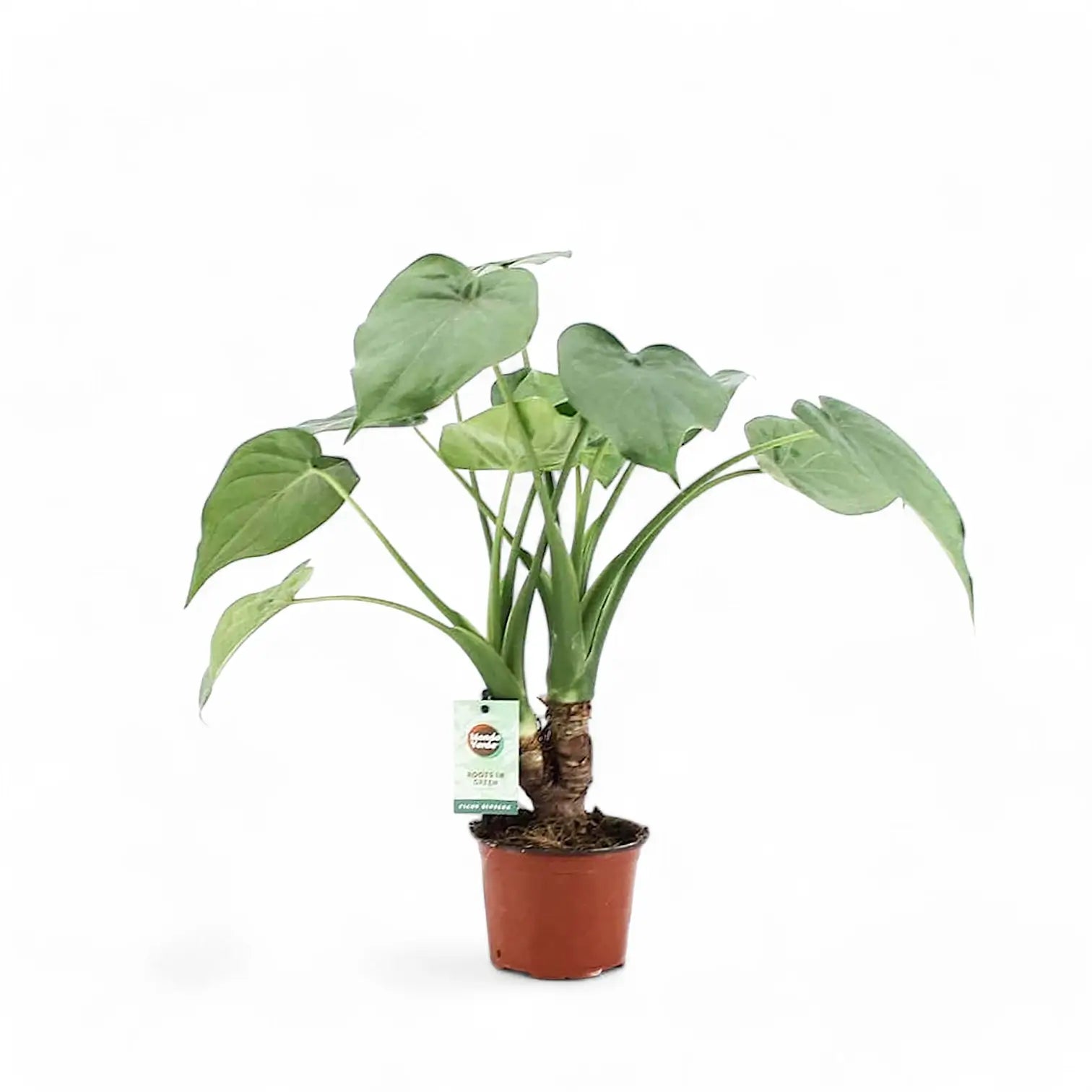
philodendron cucullata Alocasia cucullataAlocasia cucullata Alocasia cucullata is a glossy green Alocasia with upright petioles, softly hooded leaves and a sturdy clumping base. Rounded blades, clean green colour and basal shoots give the plant height and structure in the pot. Botanical descriptions record Alocasia cucullata as a robust evergreen herb up to around 65 cm tall, with petioles around 23. 535 cm long and glossy ovate to cordate blades around 11. 525 cm long and 6. 514. 5 cm wide.
Alocasia cucullata
Alocasia cucullata is a glossy green Alocasia with upright petioles, softly hooded leaves and a sturdy clumping base. Rounded blades, clean green colour and basal shoots give the plant height and structure in the pot.
Botanical descriptions record Alocasia cucullata as a robust evergreen herb up to around 65 cm tall, with petioles around 23.5–35 cm long and glossy ovate to cordate blades around 11.5–25 cm long and 6.5–14.5 cm wide. Indoor plants vary with light, warmth, pot size and age, and usually show an upright clumping habit with polished green leaves.
Leaf shape, stems and clumping growth
The leaves are simple, glossy and broadly ovate to heart-shaped, with a softly cupped profile that forms the hooded leaf outline. Petioles rise from an erect, basally branching stem, and mature plants can build several shoots from the base. Mature Alocasia cucullata can become a fuller clump as the root system develops gradually.
New leaves emerge upright, expand into smooth green blades and then settle into a rounded base. Dust, water marks and stress show quickly on the glossy surface, so leaf condition gives clear feedback about watering, humidity and root health. A firm base, upright petioles and cleanly opening new leaves indicate stable watering, humidity and root conditions.
- Leaf form: glossy, ovate to heart-shaped blades with a softly hooded profile.
- Growth habit: upright, clump-forming and basally branching with age.
- Recorded scale: botanical descriptions note plants up to around 65 cm tall.
- Leaf size: documented blades around 11.5–25 × 6.5–14.5 cm.
- Indoor scale: clean green height, rounded leaves and a sturdy base.
Native range and growing conditions
Alocasia cucullata is native from Sri Lanka and the Himalaya to southern China and Indo-China, and it grows primarily in wet tropical conditions. It is also widely cultivated and can naturalize in warm humid regions outside its native range. Indoors, Alocasia cucullata needs steady warmth at the roots, filtered light, even moisture and a substrate that lets air return after watering.
Its glossy green leaves can look sturdy, but root condition still decides leaf quality. A cold wet pot can weaken petioles, yellow lower leaves and slow the base. A brief dry surface is normal during the drying cycle; a heavy container that stays wet in the lower half needs a longer interval before the next watering. Good drainage, moderate pot size and warmth keep the plant moving.
Water and light for cucullata
- Light: Give bright, softened light or soft morning sun. This keeps petioles upright, clump growth steady and glossy leaves clear of harsh midday scorch.
- Watering: Water deeply after the upper mix has started to dry, then drain fully. Use longer intervals when growth slows or the pot stays heavy.
- Substrate: Use an open aroid mix with bark or husk chips, coarse mineral drainage and a moisture-holding base. The mix should stay lightly moist after watering while remaining open.
- Temperature: Keep it above 18 °C where possible; active growth is usually faster around 20–28 °C.
- Humidity: Around 50–70% humidity helps normal leaf opening. Higher humidity can help during warm active growth or when new leaves are expanding.
- Feeding: Feed lightly while growth is active with a balanced diluted fertiliser. Flush the mix occasionally if mineral residue builds up.
- Pot choice: Use a stable pot with drainage holes and increase pot size gradually as the clump expands.
- Mineral substrates: Alocasia cucullata can adapt to inert mineral or semi-hydro substrates after a careful transition, provided warmth and nutrition remain steady.
Pot size and moisture control
A pot close to the root mass makes Alocasia cucullata easier to manage. When the container is only slightly larger than the roots, water moves through the mix more evenly and the base is less likely to sit above a wet lower layer. Empty cachepots after watering so air returns around the base.
Repot when roots have filled the container or when the mix has lost its open structure. Choose a small size increase and keep the base at the same level in the substrate. A breathable pot can help in cooler homes, while plastic holds moisture longer and needs a slower watering interval. After repotting, give the plant warmth and steady light before expecting larger new leaves.
Clump response to setbacks
- Yellow lower leaf: A single older leaf can fade naturally as the clump grows. Several yellow leaves together call for a root and moisture check.
- Soft petioles: Review pot weight, temperature and root condition. Cold wet roots can make the upright stems lose strength.
- Dry leaf edges: Stabilise watering and humidity, then check for mineral build-up if the leaf margins continue to mark.
- Small new leaves: Low light, tired substrate, root crowding or recent stress can reduce leaf size for one cycle.
- Leaning growth: Rotate the pot gradually and check whether the light is coming from one side.
- Pest damage: Mite or thrips damage can cause dusty, speckled or distorted leaves. Inspect petiole bases and leaf undersides often.
Propagation, pruning and flowering
Remove fully yellowed leaves at the base with clean scissors. Keep firm green leaves in place, because they support the clump and help new shoots develop. Mature leaves can be wiped gently with a damp cloth to keep the glossy surface clear.
Propagation is usually by division, offsets or rooted basal shoots when new leaves are forming. Separate only firm pieces with enough root to restart well. Mature plants can produce a green spathe and spadix, with botanical descriptions noting a spathe around 9 cm long. Indoors, the glossy upright growth and clumping base shape the plant’s look.
Hooded leaves within reach limits
Alocasia cucullata contains irritating oxalate crystals. Keep glossy leaves and cut clump pieces away from pets and young children. Sap from cut stems and damaged leaves may irritate sensitive skin; wear gloves when pruning, repotting or dividing the clump.
Hooded foliage in cucullata
The accepted name is Alocasia cucullata (Lour.) G.Don, published in 1839, with Arum cucullatum Lour. as the basionym. The epithet cucullata comes from Latin cucullatus, meaning hooded, a reference to hood-like plant parts such as the spathe.
Shipping Notes
- Free Standard Shipping on $100+ Orders to the USA.
- Except Preorder products are shipped in 48 hours.
- Delivery to the USA:
- Standard Shipping : 3-10 business days
- If time is of the essence, please consider selecting expedited delivery for faster service.
Exchange/Return Notes
- We offer a 30-day return/exchange service after receiving.
- Final sale items are not eligible for returns or exchanges.
- To process your return/exchange, please contact us at [email protected]
- Please click here for more details>>> Return & Exchange Policy