Pay in installments of $6.68 with
 ,
,
 and
and

Shipping Estimate
USA
- USA
- CAN
- USA
- CAN
Ships within 48 hours · Estimated delivery Jul 23 - Jul 28
 Promo Codes Available:
For Your Every Summer RSVP, with Code: SUMMER15
Description
french blue lavender plant Hidcote Blue LavenderTransform Your Garden with Deep Purple Blooms and Intoxicating Fragrance Hidcote Blue Lavender gives you compact, highly fragrant English lavender with deep purple blue flowers, silvery gray green foliage, and a tidy shape that fits borders, pots, pathways, and small spaces. This classic hidcote blue english lavender is a compact variety of Lavandula angustifolia, valued for dense spikes of dark purple blue flowers that bloom in late spring to mid
Transform Your Garden with Deep Purple Blooms and Intoxicating Fragrance
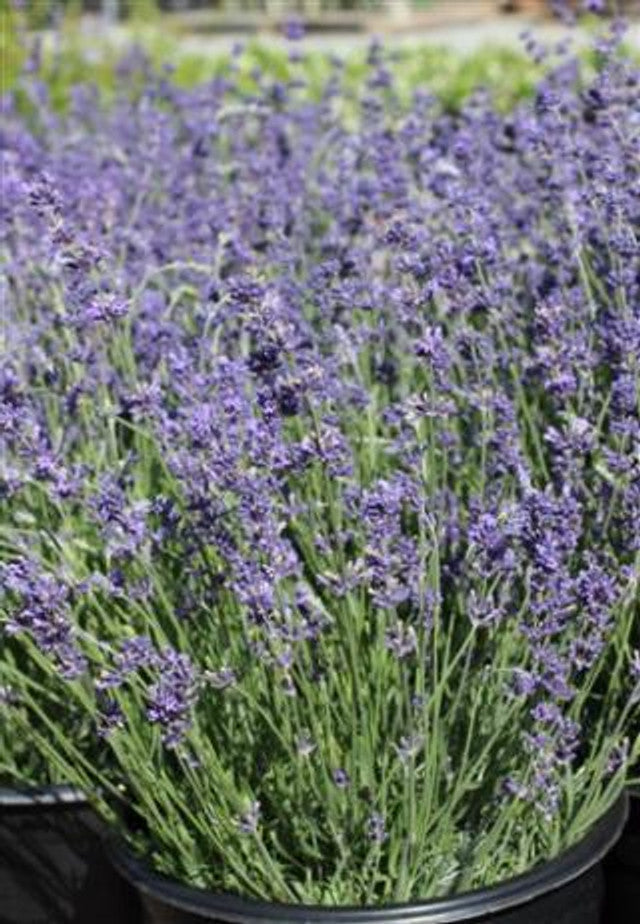
Hidcote Blue Lavender gives you compact, highly fragrant English lavender with deep purple blue flowers, silvery gray green foliage, and a tidy shape that fits borders, pots, pathways, and small spaces.
This classic hidcote blue english lavender is a compact variety of Lavandula angustifolia, valued for dense spikes of dark purple-blue flowers that bloom in late spring to mid-summer, with lighter repeat blooms possible later in the growing season when conditions are right. The result is a long lasting, aromatic garden plant that perfumes the air and brings steady color without demanding heavy care.
Use hidcote lavender to edge a walkway, soften a rock garden, fill a sunny herb garden, or build a Mediterranean-style planting with roses, rosemary, purple bougainvillea, and other drought-tolerant perennials. Its lavender flowers attract pollinators like bees and butterflies, enhancing local ecosystems while adding fragrance, texture, and deep purple color to your garden.
Why You’ll Love Hidcote Blue Lavender
-
Highly aromatic blooms and foliage – Hidcote Blue Lavender is highly aromatic, and its fragrance perfumes patios, borders, and herb garden spaces with a clean, classic lavender scent.
-
Compact growth for small spaces – With a naturally bushy growth habit, compact growth, and a mature size that typically reaches 12 to 18 inches tall with an equal spread, lavender hidcote is an excellent choice for pots, edging, and tight garden beds.
-
Drought-tolerant once established – After the root system develops, this perennial needs less frequent water and thrives with deep but infrequent watering.
-
Pollinator-friendly flowers – Hidcote Blue Lavender attracts pollinators like bees and butterflies, enhancing local ecosystems and bringing beneficial insects into the garden.
-
Evergreen structure in mild climates – The gray green foliage stays attractive through much of the year in many zones, giving the plant structure even after the purple flowers fade.
The flowers of Hidcote Blue Lavender can be used for culinary purposes and in dried crafts, making it a popular choice among gardeners. Hidcote Blue Lavender is also highly aromatic and is often used in culinary applications, where its blooms can flavor salads, desserts, drinks, and stews.
Its usefulness continues after harvest. Hidcote Lavender flowers dry well for sachets, potpourris, and arrangements, and Hidcote Blue Lavender is commonly used in potpourris and as a fragrant addition to soaps, perfumes, and aromatherapy products due to its long-lasting scent. The scent of Hidcote Blue Lavender also serves as a natural pest deterrent, repelling mosquitoes and flies.
What Makes It Different
Most lavender plants offer fragrance, but many standard English lavender varieties do not deliver the same rich color intensity, compact form, and cold-hardy performance as Hidcote Blue.
Hidcote Blue Lavender is different:
-
Deeper violet-blue color – Hidcote Lavender flowers are known for their dark, deep purple blue flowers, often richer than many common English lavender selections.
-
Strong cold hardiness – Hidcote Blue Lavender is particularly noted for its cold hardiness among English lavender varieties and performs across USDA zones 5-9 when planted in well drained soil.
-
Excellent drying quality – The lavender flowers retain color and fragrance well, making them useful for sachets, dried crafts, potpourri, oils, and decorative stems.
-
Award-winning garden performance – Lavandula angustifolia Hidcote is a recognized garden favorite with Royal Horticultural Society Award of Garden Merit recognition.
-
Compact, refined shape – Hidcote English Lavender forms a dense mound rather than sprawling, making it ideal for formal edging, container gardening, and repeated plantings, especially when paired with other English lavender (Lavandula angustifolia) varieties for a cohesive look.
Hidcote Blue Lavender features dense spikes of dark purple-blue flowers that bloom in late spring to mid-summer. The flowers of Hidcote Blue Lavender are not only visually striking but also attract pollinators, enhancing biodiversity in gardens.
For best uniformity, choose healthy plants rather than relying on seeds. Seed-grown “Hidcote” can vary in color, size, germination, and growth habit, while true hidcote lavender is valued for consistent compact form, deep purple color, and dependable garden performance.
How To Use It in Your Garden
-
Plant it in the right sunny location
Choose a full sun location with at least 6-8 hours of direct sunlight daily. Hidcote Blue Lavender thrives in full sun, requiring at least 6-8 hours of direct sunlight daily for optimal growth and blooming. For best results, plant in well drained soil with good airflow and space plants 12 to 18 inches apart to ensure good air circulation and prevent fungal diseases. -
Let the compact mound develop
As the root system establishes, the plant forms aromatic gray green foliage with a compact, bushy growth habit. This lavender variety prefers well-draining soil with a slightly alkaline to neutral pH of 6.5 to 7.5, ideally sandy or loamy to prevent water retention. Hidcote Blue Lavender requires minimal fertilizer, as excessive nutrients can inhibit flower production. -
Enjoy fragrance, flowers, and pollinators
From late spring into early summer and mid-summer, expect deep purple flower spikes that bring bees, butterflies, and other beneficial insects into your garden. Water Hidcote Blue Lavender deeply but infrequently, allowing the top 1-2 inches of soil to dry out between waterings to avoid root rot.
Short care routine: full sun, water only when needed, well drained soil, and a light prune at the right time. If you’re planning a broader landscape refresh, a plant nursery near you in Los Angeles can help you source companion plants and materials. Prune Hidcote Blue Lavender in early spring or after blooming in late summer to remove dead or damaged stems and promote bushiness, avoiding cuts into woody stems.
Plant Details
-
Botanical Name: Lavandula angustifolia ‘Hidcote Blue’; also known as lavandula angustifolia hidcote, hidcote lavender, hidcote english lavender, blue lavender, and sometimes hidcote purple.
-
Plant Type: Perennial English lavender.
-
Mature Size: The plant typically grows to a height of 12 to 18 inches with an equal spread; in ideal garden conditions, it may reach 12-20 inches tall and 20-24 inches wide, making it a good foreground plant in yards that also feature mature trees for immediate impact.
-
Growth Habit: Compact, rounded, and bushy growth habit with aromatic foliage.
-
Flower Color: Deep purple blue flowers to dark violet-purple blooms.
-
Foliage: Narrow, fragrant, gray green foliage that is evergreen or semi-evergreen in mild winter climates.
-
Bloom Time: Dense flower spikes bloom from late spring to mid-summer, with potential lighter blooming into early fall after pruning.
-
Hardiness Zones: USDA zones 5-9.
-
Sun Requirements: Full sun; 6-8 hours of direct sunlight daily.
-
Soil Needs: Well drained soil; sandy or loamy soil is best, with slightly alkaline to neutral pH around 6.5 to 7.5.
-
Water Needs: Deep but infrequent watering; let the top 1-2 inches of soil dry before watering again.
-
Fertilizer: Minimal fertilizer; overly rich soil can reduce flower production and fragrance.
-
Spacing: Space plants 12 to 18 inches apart for airflow and fungal disease prevention.
-
Expected Lifespan: Hidcote Blue Lavender has a lifespan ranging from 5 to 10 years, which can be maximized with proper care.
-
Best Uses: Herb garden, rock garden, sunny borders, low hedges, pots, pollinator gardens, dried lavender flowers, sachets, culinary purposes, soaps, perfumes, and aromatherapy oils, especially when combined with compact flowering companions like Lavender Mexican Heather.
High humidity and waterlogged soils can cause root rot and poor plant health in Hidcote Blue Lavender, so avoid heavy clay, low wet spots, and frequent shallow watering. If you garden in a humid or wet winter region, raised beds, gravel mulch, or containers can help this lavender survive and thrive, and pairing it with drought-tolerant shrubs like Purple Hopseed Bush for privacy can create a cohesive water-wise design.
Hidcote Blue Lavender can be purchased from various online retailers, including Monrovia, Gardenia, and High Country Gardens. Amazon also offers Hidcote Blue Lavender plants, with options for purchasing live plants in various sizes. Hidcote Blue Lavender is available in different pot sizes, such as 4-inch and 5-inch pots, from various online nurseries, and pairs well with ornamental grasses like purple fountain grass for contrasting texture.
Who It’s Perfect For
Ideal for:
-
California homeowners creating Mediterranean region-inspired gardens with lavender, rosemary, roses, and drought-tolerant perennials.
-
Gardeners who want low-maintenance color from healthy plants that thrive in sun, handle dry conditions once established, and need little fertilizer.
-
Pollinator-focused landscapes where lavender flowers can attract bees, butterflies, and beneficial insects.
-
Herb garden growers who want highly fragrant blooms for culinary purposes, teas, desserts, sachets, potpourri, and fragrant crafts, potentially alongside productive citrus like a Valencia orange tree for fresh fruit.
-
Container gardeners with sunny patios, balconies, courtyards, and small spaces where compact lavender plants fit beautifully.
-
Designers and homeowners looking for a uniform edging plant with deep purple flowers, evergreen structure, and strong seasonal fragrance, especially when combined with evergreen privacy backdrops like an English laurel hedge.
If you want blue lavender with rich color, compact growth, and practical uses beyond the garden bed, Hidcote Blue Lavender is an excellent choice. It brings ornamental value, fragrance, pollinator support, and harvestable flowers in one durable perennial plant, especially when used alongside evergreen privacy trees and fast-growing screens to frame the garden.
Frequently Asked Questions
How often should I water Hidcote Blue Lavender?
Water deeply but infrequently. Let the top 1-2 inches of soil dry out between waterings, especially once the root system is established. Too much water, high humidity, and waterlogged soil can lead to root rot and poor plant health.
When is the best time to prune lavender?
Prune Hidcote Blue Lavender in early spring or after blooming in late summer. Remove dead or damaged stems and lightly shape the plant to promote bushiness, but avoid cutting into old woody stems because lavender may not regrow well from bare wood.
Can I grow this variety in containers?
Yes. Hidcote Blue Lavender is compact and well suited to pots, balconies, and sunny patios. Use a container with drainage holes, well drained sandy or loamy soil, and place it where the plant receives full sun for 6-8 hours daily.
How cold-hardy is Hidcote Blue compared to other lavenders?
Hidcote Blue Lavender is particularly noted for its cold hardiness among English lavender varieties. It is typically grown in USDA zones 5-9, provided the soil drains well through winter and the crown is not kept wet.
What’s the difference between Hidcote Blue and regular Hidcote?
Hidcote Blue, Hidcote Lavender, Hidcote English Lavender, and Lavandula angustifolia Hidcote are often used to describe the same classic compact English lavender type. However, plants grown from seeds may vary in height, color, and compactness, so nursery-grown healthy plants are preferred when uniform deep purple blue flowers matter.
Can I use the flowers after cutting?
Yes. The flowers of Hidcote Blue Lavender can be used for culinary purposes and in dried crafts, making it a popular choice among gardeners. The blooms are also used in sachets, potpourris, soaps, perfumes, aromatherapy products, drinks, desserts, salads, and stews.
Will Hidcote Blue Lavender help with pests?
The scent of Hidcote Blue Lavender serves as a natural pest deterrent, repelling mosquitoes and flies. It is also generally avoided by deer and rabbits, while still attracting pollinators like bees and butterflies.
Ready to Add Fragrance to Your Garden?
Stop settling for lavender plants that fade into the background. Choose Hidcote Blue Lavender for deep purple blooms, highly aromatic foliage, pollinator-friendly flowers, and compact structure that works in borders, pots, herb gardens, and rock garden designs.
Yardwork helps you select beautiful plants for your space, your sun water routine, and your local growing conditions. When your plants arrived, our goal is that they are healthy, ready to plant, and backed by knowledgeable guidance.
Need help placing lavender hidcote in a larger garden plan? Yardwork consultation services can help you design with full sun exposure, well drained soil, proper spacing, and companion plants that make your lavender thrive. Secure checkout. Expert plant selection. Delivery available. Customer satisfaction guaranteed.
Shipping Notes
- Free Standard Shipping on $100+ Orders to the USA.
- Except Preorder products are shipped in 48 hours.
- Delivery to the USA:
- Standard Shipping : 3-10 business days
- If time is of the essence, please consider selecting expedited delivery for faster service.
Exchange/Return Notes
- We offer a 30-day return/exchange service after receiving.
- Final sale items are not eligible for returns or exchanges.
- To process your return/exchange, please contact us at [email protected]
- Please click here for more details>>> Return & Exchange Policy