Pay in installments of $5.62 with
 ,
,
 and
and

Shipping Estimate
USA
- USA
- CAN
- USA
- CAN
Ships within 48 hours · Estimated delivery Jul 20 - Jul 25
 Promo Codes Available:
For Your Every Summer RSVP, with Code: SUMMER15
Description
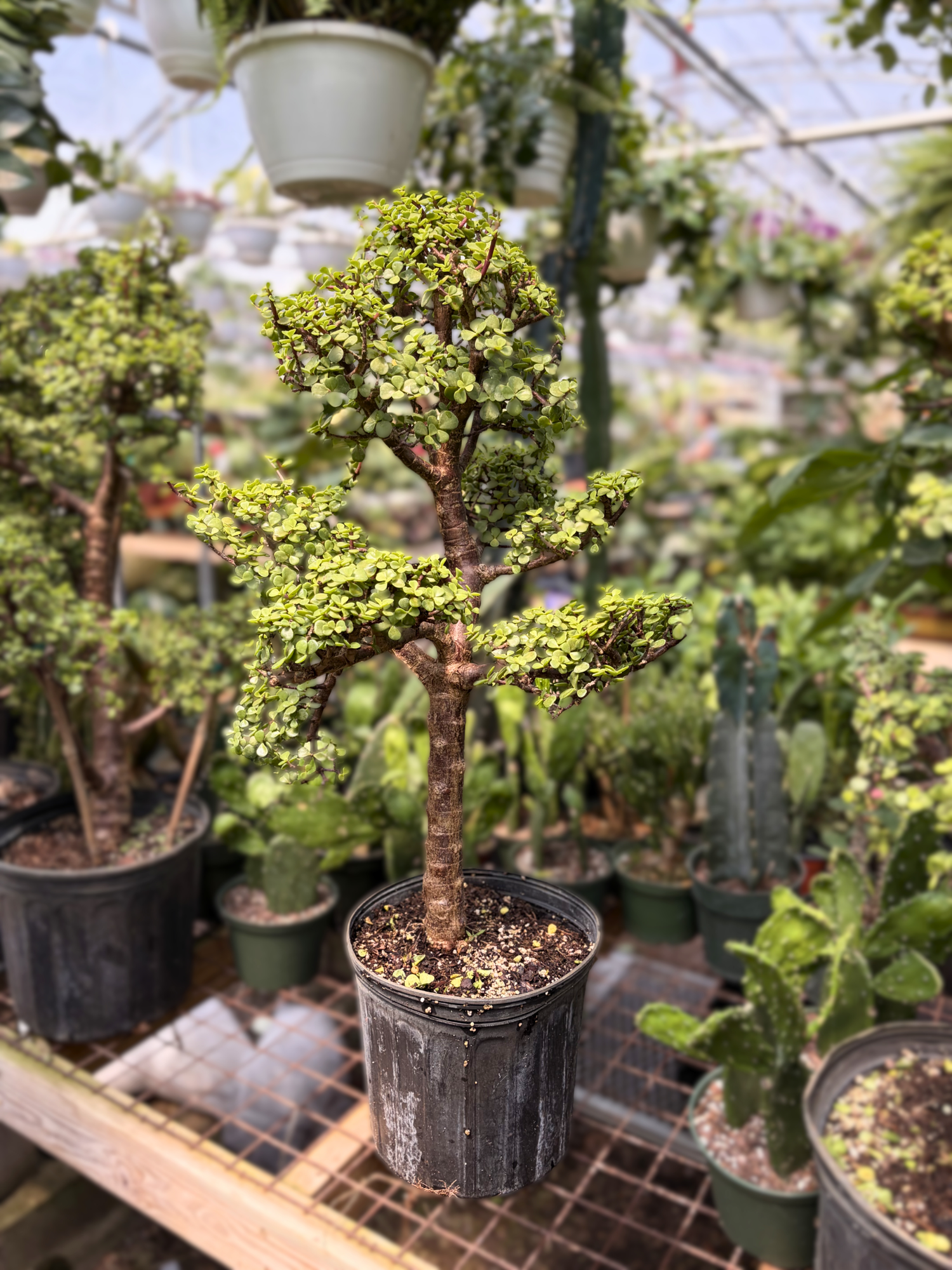
elephant bush indoor plant Large Elephant Bush Bonsai TopiaryDescription The Large Elephant Bush Bonsai Topiary brings sculptural charm into your home with her thick woody trunk, cloud like clusters of tiny rounded leaves, and beautifully trained tree like shape. Her petite green foliage creates a lush, joyful canopy that feels both playful and refined, making her a truly special statement plant. Native to South Africa, the Elephant Bush is a beloved succulent known for its resilience, bright green leaves, and
Description
The Large Elephant Bush Bonsai Topiary brings sculptural charm into your home with her thick woody trunk, cloud-like clusters of tiny rounded leaves, and beautifully trained tree-like shape. Her petite green foliage creates a lush, joyful canopy that feels both playful and refined, making her a truly special statement plant.
Native to South Africa, the Elephant Bush is a beloved succulent known for its resilience, bright green leaves, and naturally branching growth. In this large bonsai topiary form, she becomes especially rare and eye-catching — a slow-grown living sculpture that takes patience, shaping, and time to develop. We love how she adds texture, structure, and peaceful greenery to any sunny space, bringing that perfect mix of desert toughness, gentle elegance, and collector-worthy character.
Care
How do you care for a Large Elephant Bush Bonsai Topiary?
Your Large Elephant Bush Bonsai Topiary thrives with bright light, careful watering when the soil has dried out, well-draining succulent soil, and warm comfortable temperatures to keep her looking beautiful, healthy, and absolutely happy.
This sculptural succulent appreciates a sunny spot and a light-handed care routine. Because she stores water in her thick stems and leaves, she prefers drying out between waterings rather than staying moist. Think of Elephant Bush care as simple and steady — lots of light, gentle watering, and just enough pruning to keep her charming shape.
How often do you water a Large Elephant Bush Bonsai Topiary?
Water your Large Elephant Bush Bonsai Topiary every 2-3 weeks, allowing the soil to dry out fully between waterings. She prefers a thorough drink followed by plenty of time to dry, which helps protect her roots and keeps her growing strong.
During winter months, reduce watering since her growth naturally slows down. Always check the soil first — this sweet succulent would rather be a little dry than sit in soggy soil.
Where do you put a Large Elephant Bush Bonsai Topiary in your house?
Your Large Elephant Bush Bonsai Topiary will be happiest near a bright window where she can receive plenty of bright indirect light and some gentle direct sun. A south or west-facing window is usually a wonderful place for her to stay full, compact, and beautifully shaped.
If she doesn’t receive enough light, her growth may become stretched and less dense over time. Keep her away from cold drafts, dark corners, and overly humid spaces — she loves warmth, sunshine, and a peaceful spot where her sculptural form can shine.
Is a Large Elephant Bush Bonsai Topiary high maintenance?
The Large Elephant Bush Bonsai Topiary is moderately low-maintenance as long as she receives enough light and is not overwatered. She doesn’t need constant attention, but she does appreciate occasional shaping to maintain her beautiful bonsai-inspired silhouette. You’ll get the perfect mix — artistic, resilient, calming, and wonderfully rewarding as she continues to grow into her form.
Does a Large Elephant Bush Bonsai Topiary need full sun?
Your Large Elephant Bush Bonsai Topiary loves very bright light and can enjoy several hours of gentle direct sun indoors. Bright light helps her leaves stay compact, vibrant, and full while supporting strong healthy growth.
What fertilizer does a Large Elephant Bush Bonsai Topiary need?
Feed your Large Elephant Bush Bonsai Topiary with a balanced liquid fertilizer diluted to half strength once monthly during spring and summer growing seasons. Skip fertilizing during fall and winter when growth naturally slows and she takes a peaceful little rest.
Can a Large Elephant Bush Bonsai Topiary tolerate heat?
Your Large Elephant Bush Bonsai Topiary handles warmth beautifully and enjoys bright, sunny conditions. She is most comfortable in warm indoor temperatures and can tolerate heat well when she has proper light, airflow, and a careful watering routine.
Bonsai & Topiary Charm
What makes this Elephant Bush a rare bonsai topiary?
This Large Elephant Bush has been carefully trained into a bonsai-inspired topiary form, giving her that miniature tree feeling with a thick trunk, shaped branching, and rounded pads of foliage. This form is especially rare because Elephant Bush grows slowly over time, meaning a large, well-shaped specimen like this doesn’t happen quickly — it takes patience, thoughtful pruning, and years of steady growth.
The bonsai-ness comes from her sculptural trunk and aged tree-like presence, while the topiary charm comes from the intentional shaping of her leafy canopies. Together, they create a living artwork that feels peaceful, refined, and full of personality. Because she is slow-growing, her shape is easier to maintain once established, and each gentle trim helps preserve that cloud-like form while encouraging fuller, more compact growth.
Pet-friendly?
The Elephant Bush is generally considered pet-friendly and non-toxic to cats and dogs, making her a wonderful choice for homes with furry family members. We still recommend keeping plants away from curious paws and nibbling mouths to prevent upset tummies and protect her beautiful shaped foliage.
Is an Elephant Bush poisonous to cats?
Elephant Bush is generally considered non-toxic to cats, making it a more pet-friendly option for feline homes. If your cat eats a large amount of leaves, mild digestive upset can still happen, so it’s best to keep snacking to a minimum.
Is an Elephant Bush toxic to dogs?
Elephant Bush is generally considered non-toxic to dogs. Even so, curious pups may still experience mild stomach upset if they chew on too much foliage, so placing your bonsai topiary somewhere safe is always a good idea.
Factoids
Is Elephant Bush a succulent?
Yes, Elephant Bush is a succulent, which means she stores water in her stems and leaves. This is what makes her so wonderfully drought-tolerant and forgiving when you occasionally forget a watering.
How long does a Large Elephant Bush Bonsai Topiary last?
With proper Elephant Bush indoor care and loving attention, your plant companion can live for many years. Her woody trunk, resilient nature, and ability to respond well to pruning make her a beautiful long-term addition to your plant family.
Does Elephant Bush grow fast?
Elephant Bush is naturally a slow-growing plant, especially when trained in a bonsai topiary form. That slow pace is part of what makes a large, mature, well-shaped specimen so special — it reflects years of steady growth, careful shaping, and patient care.
Buy a Large Elephant Bush Bonsai Topiary
Bring home your very own Large Elephant Bush Bonsai Topiary and enjoy her sculptural trunk, cloud-like foliage, and rare bonsai-inspired beauty. She’s the perfect addition for plant lovers who appreciate living art, easygoing succulent care, and a slow-grown statement piece with plenty of personality.
With our video shopping calls, you can personally meet your new plant companion before she comes home. We'll carefully select and deliver your Large Elephant Bush Bonsai Topiary, ensuring she arrives safely to begin her journey as part of your plant family. (Only available for Full Size and Huge plants.)
Shipping Notes
- Free Standard Shipping on $100+ Orders to the USA.
- Except Preorder products are shipped in 48 hours.
- Delivery to the USA:
- Standard Shipping : 3-10 business days
- If time is of the essence, please consider selecting expedited delivery for faster service.
Exchange/Return Notes
- We offer a 30-day return/exchange service after receiving.
- Final sale items are not eligible for returns or exchanges.
- To process your return/exchange, please contact us at [email protected]
- Please click here for more details>>> Return & Exchange Policy