• Category Archives Uncategorized
  • Punta Marino

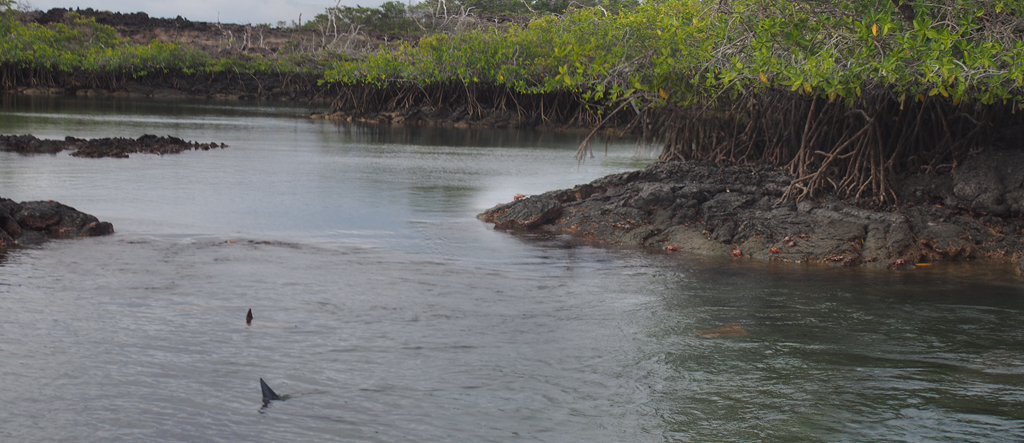
    On our way to land through the mangroves, we saw a school of rays.
    image

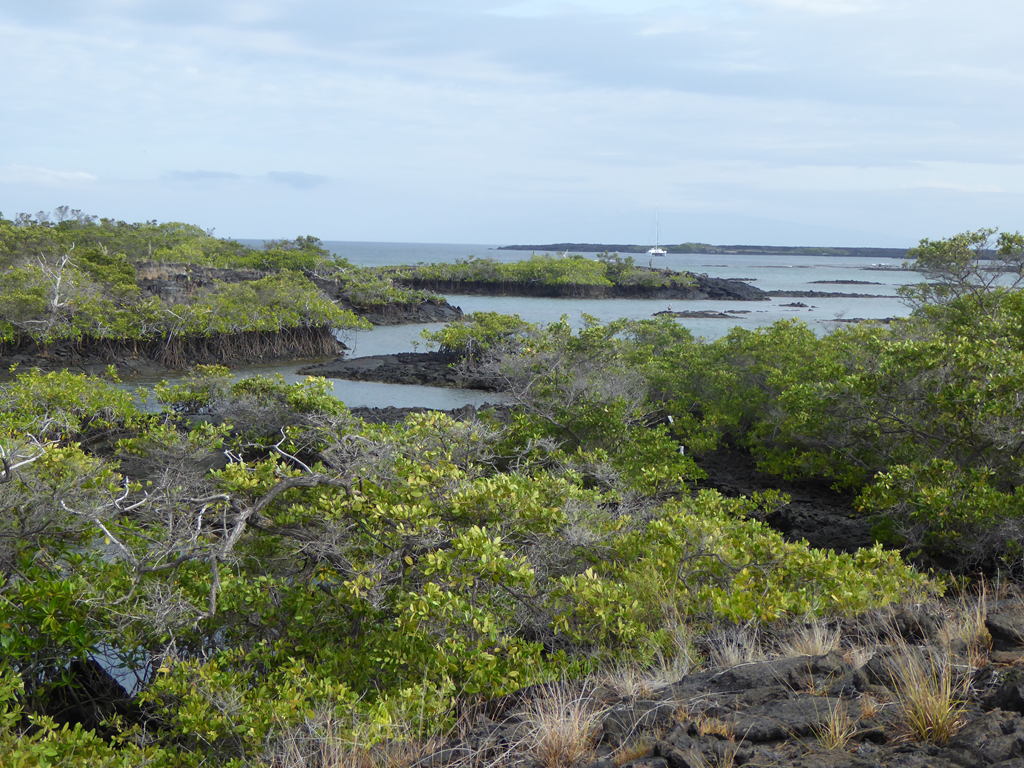
    The mangroves, looking back at our boat.
    image

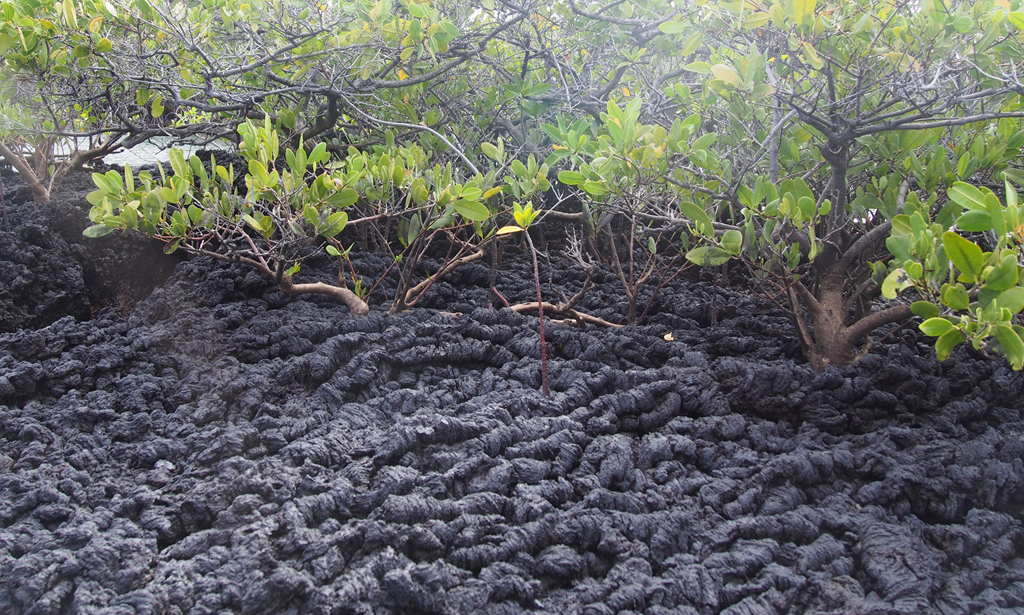
    The mangroves were growing straight out of the lava.
    image

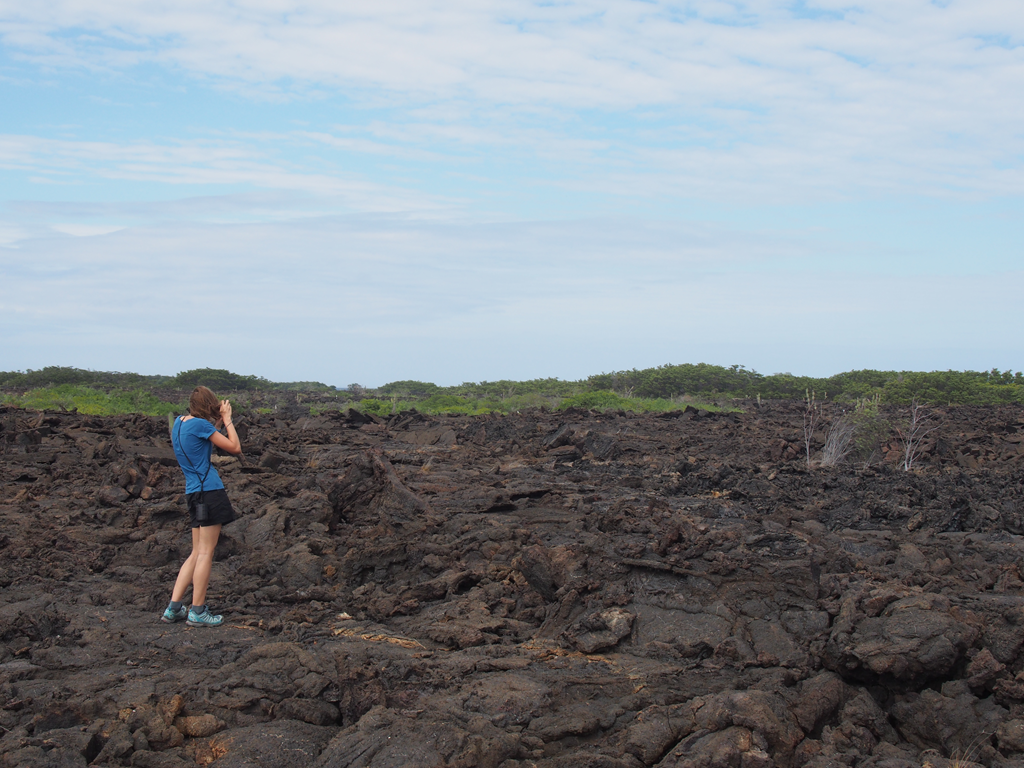
    The newest lava does not have much growing out of it.
    image

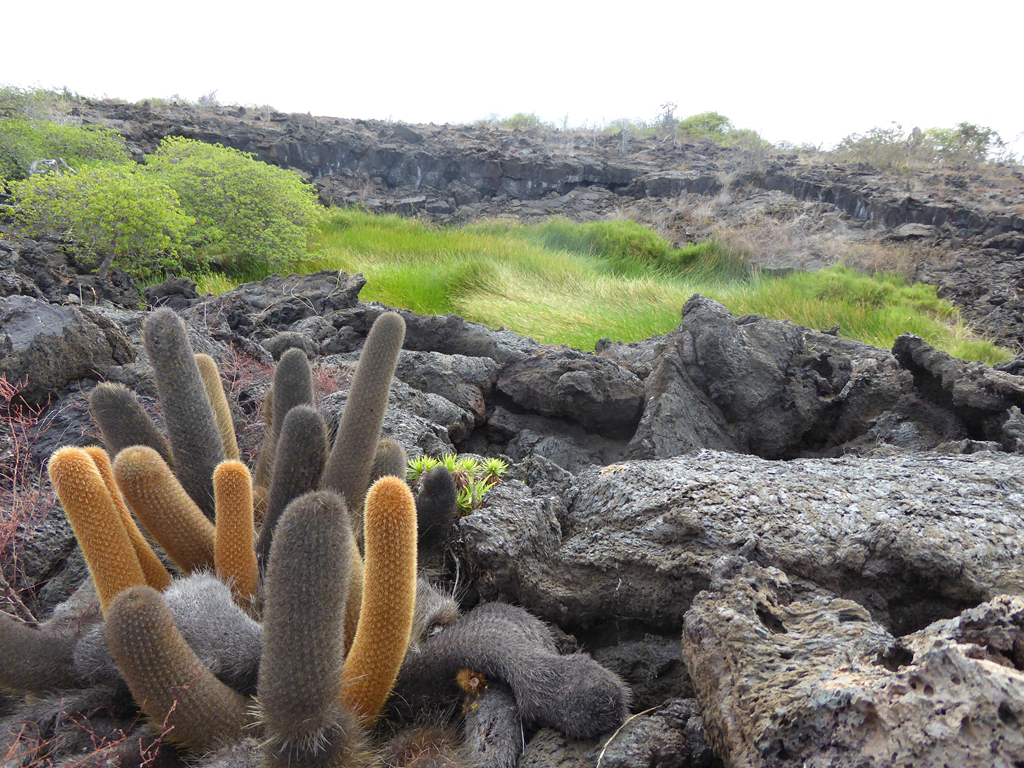
    This is a lava cactus, one of the first pioneer species to live on the lava.
    image

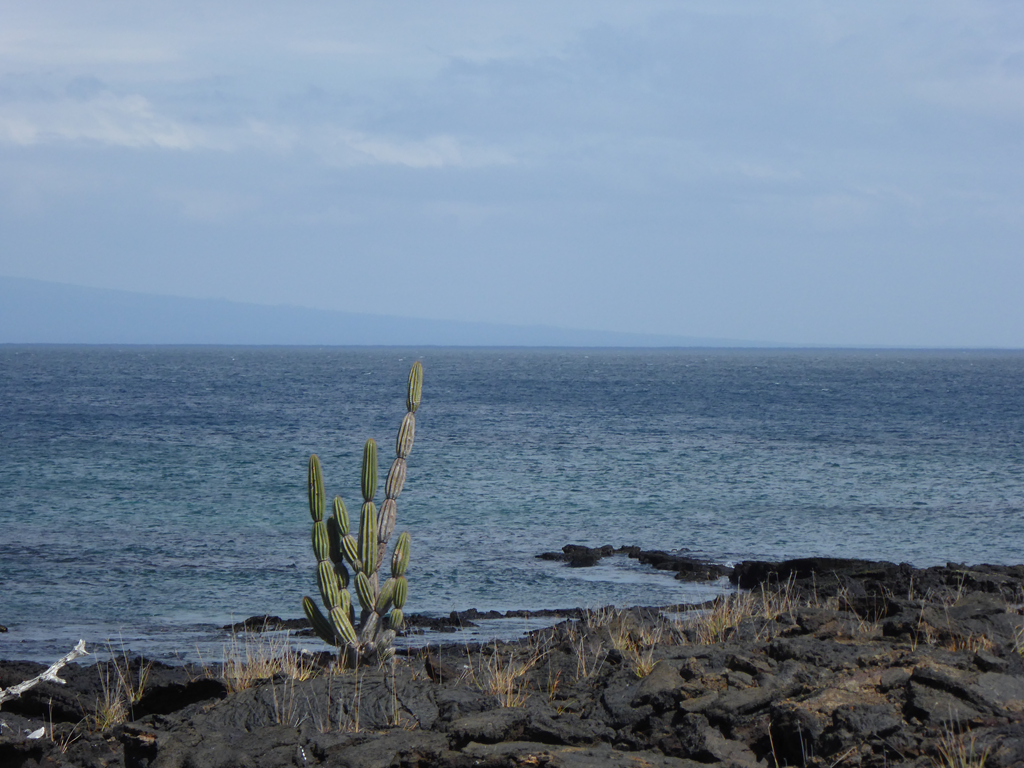
    This is a candelabra cactus. They come a bit later.
    image

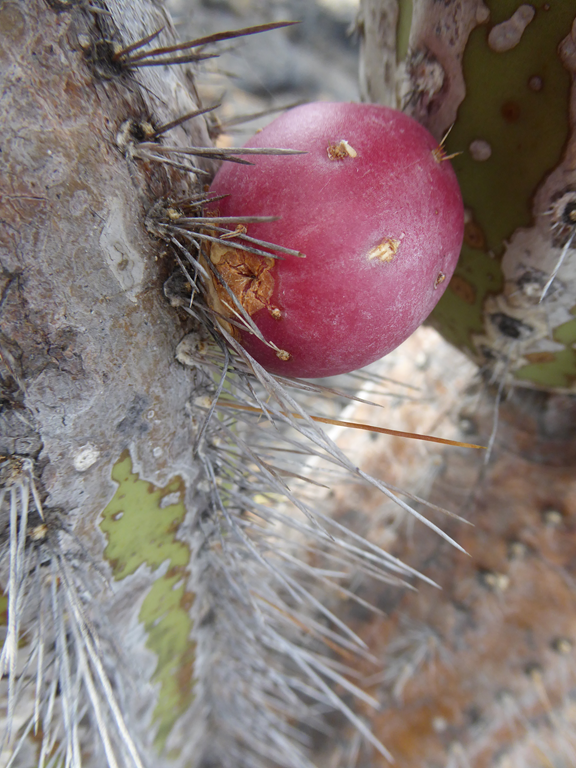
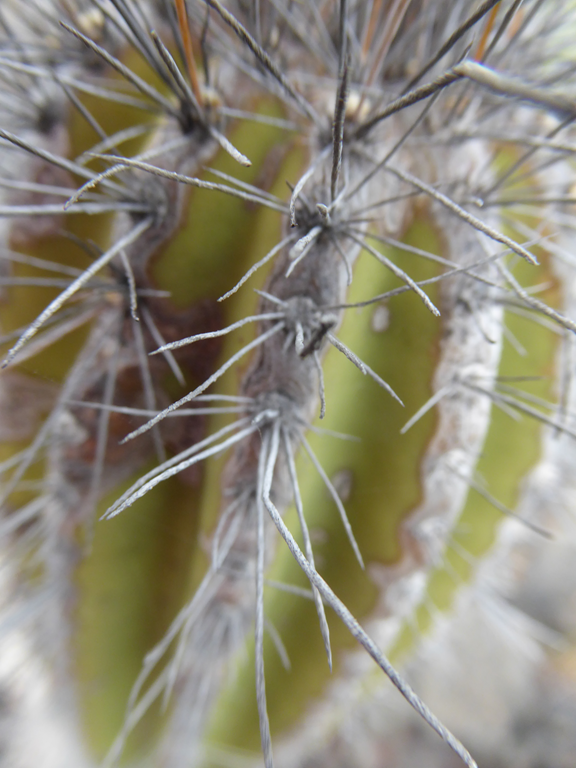
    This is a closeup of the candelabra cactus.
    image

    They make these red fruit.

    image

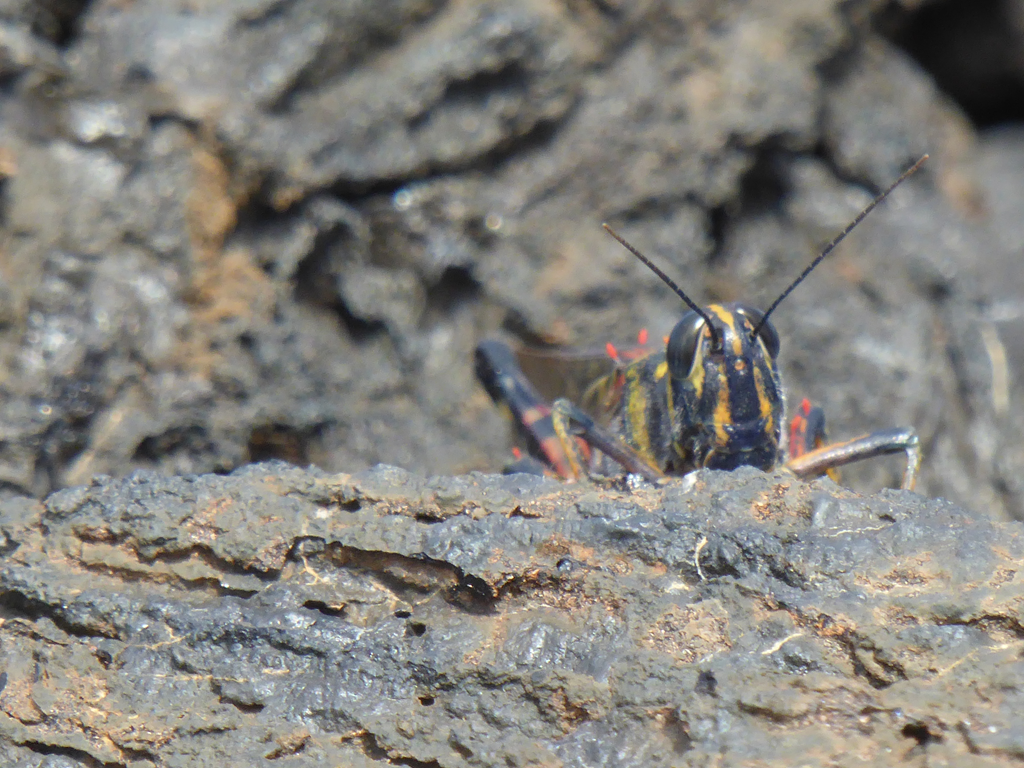
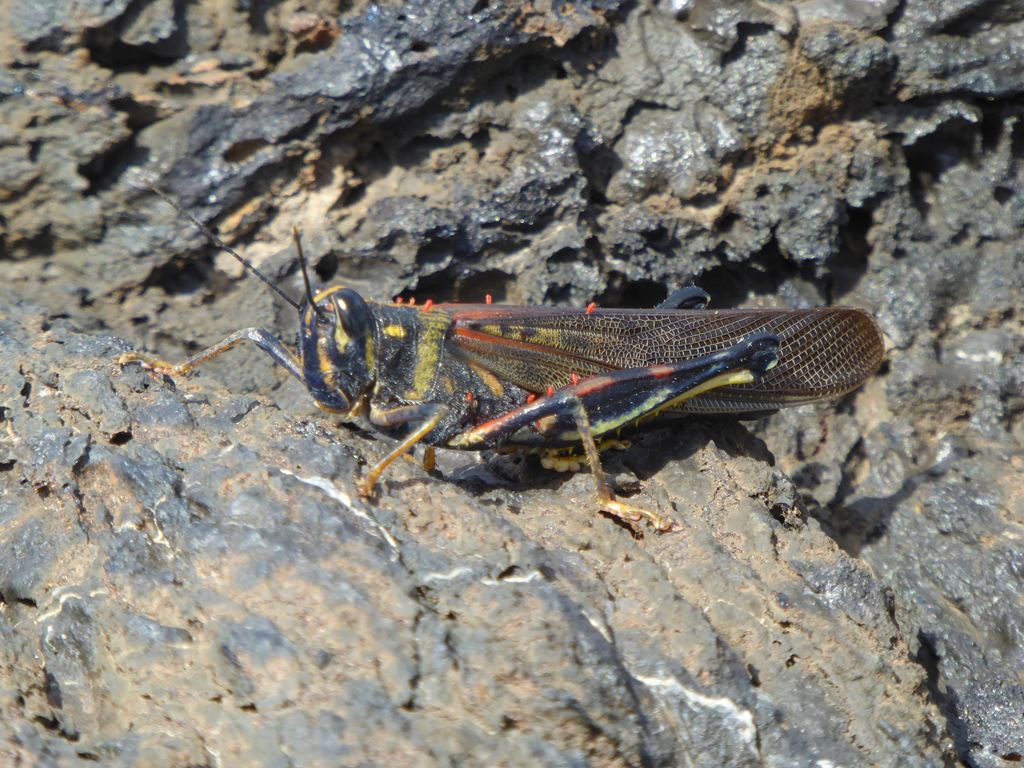
    There were also painted locusts, which the lava lizards eat.
    image

    Apparently we will be plagued by locusts wherever we go.
    image

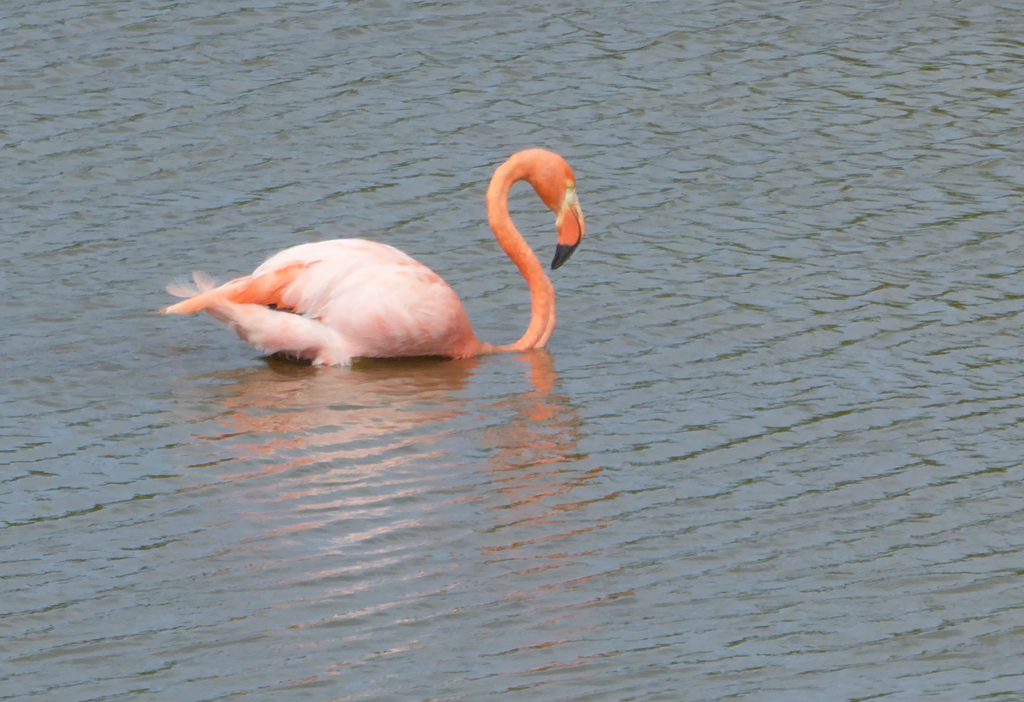
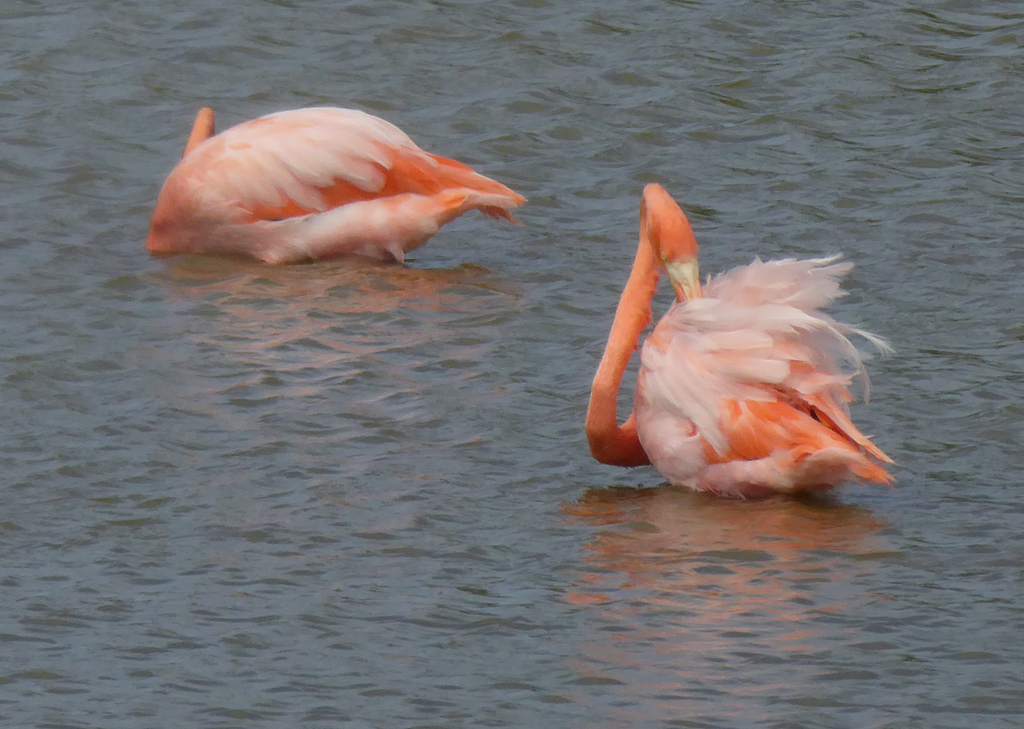
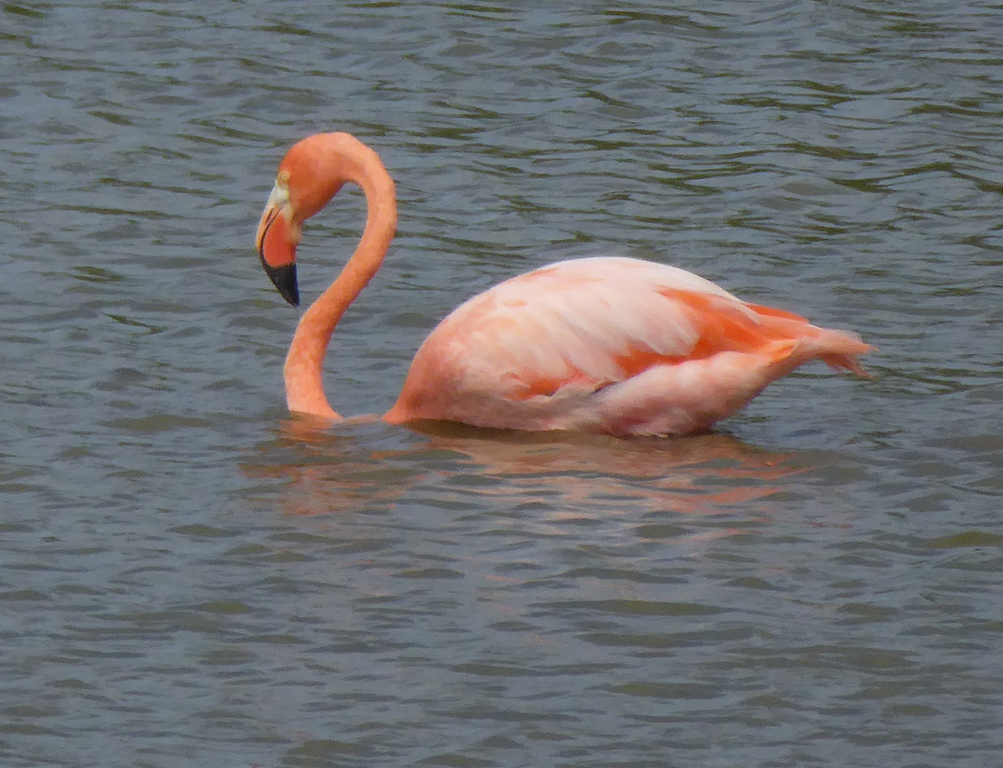
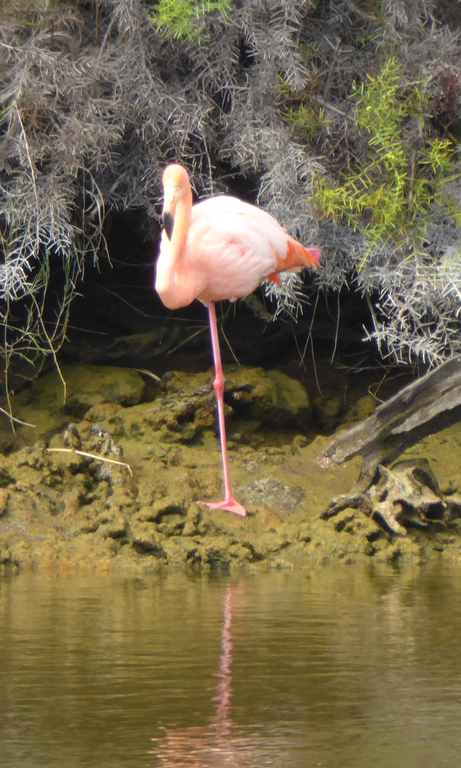
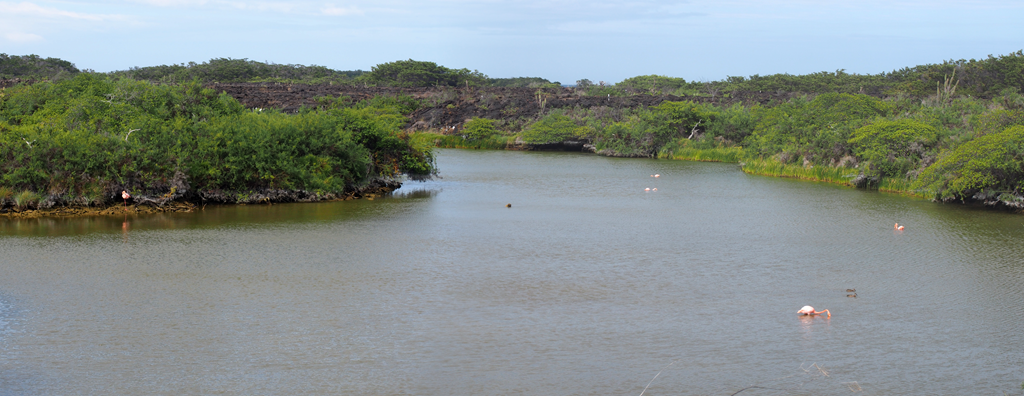
    We visited a lake with lots of flamingos.
    image

    They were very pink.

    image

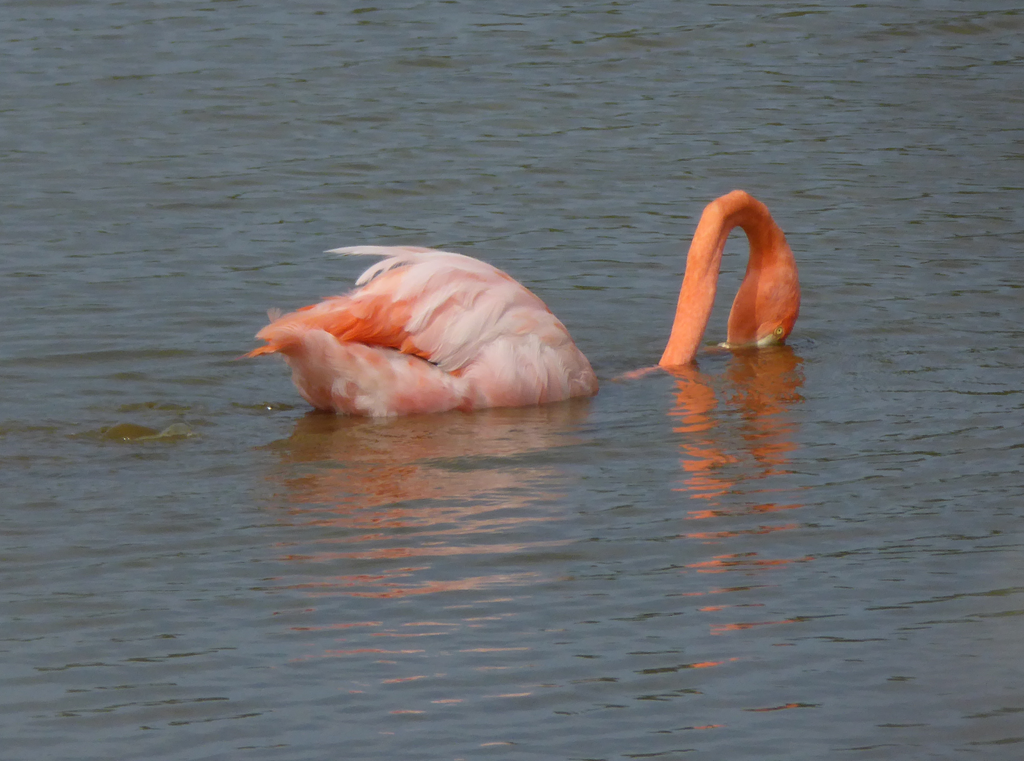
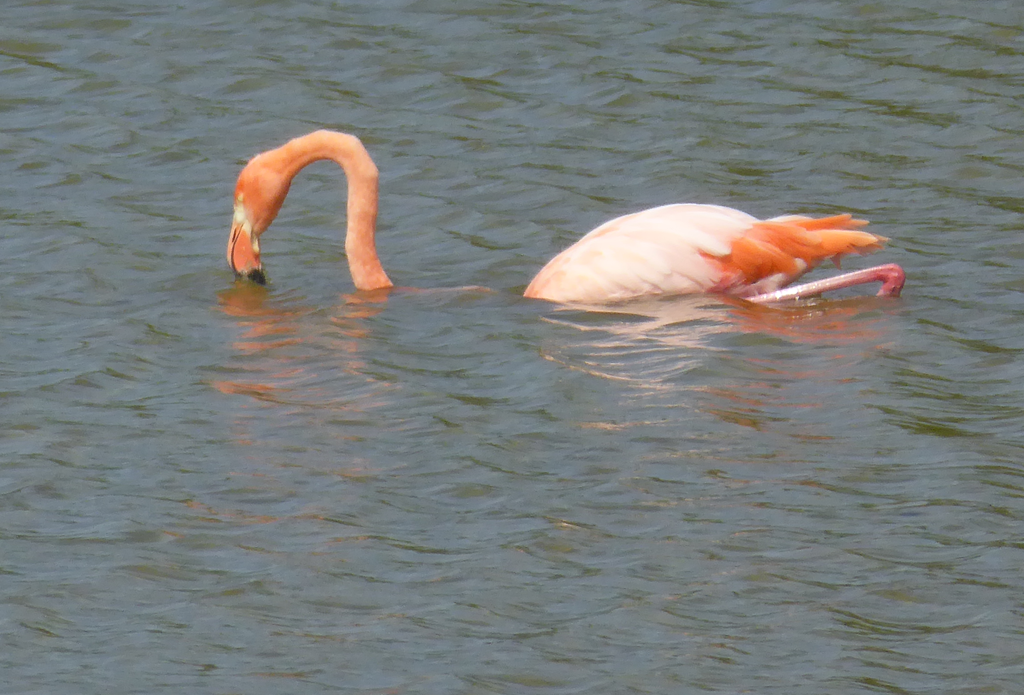
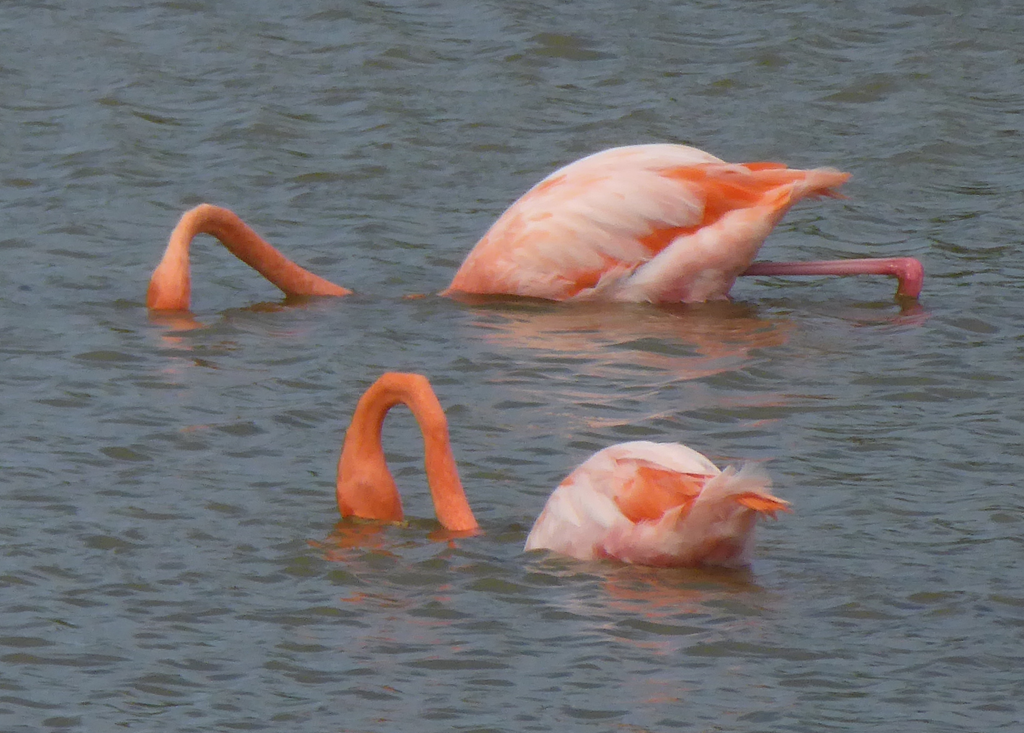
    They were fishing for shrimp.

    image

    And only poked their heads up occasionally to breathe.
    image

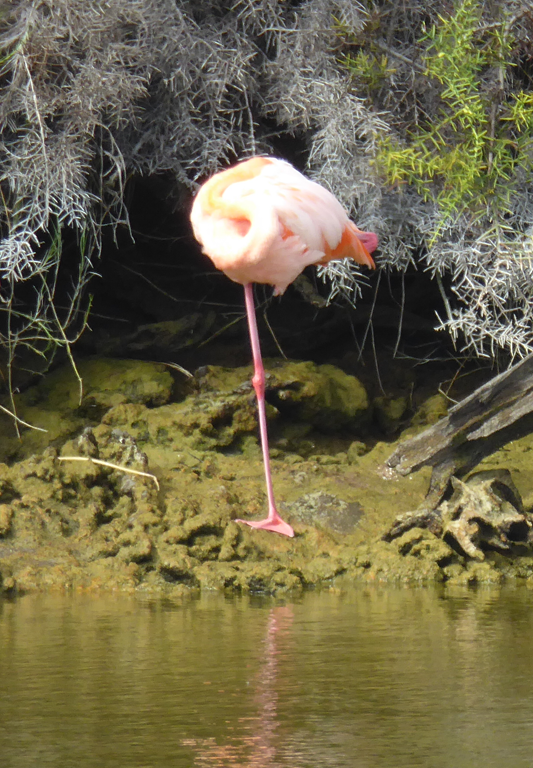
    They look funny sleeping.

    image

    And scratching.

    image

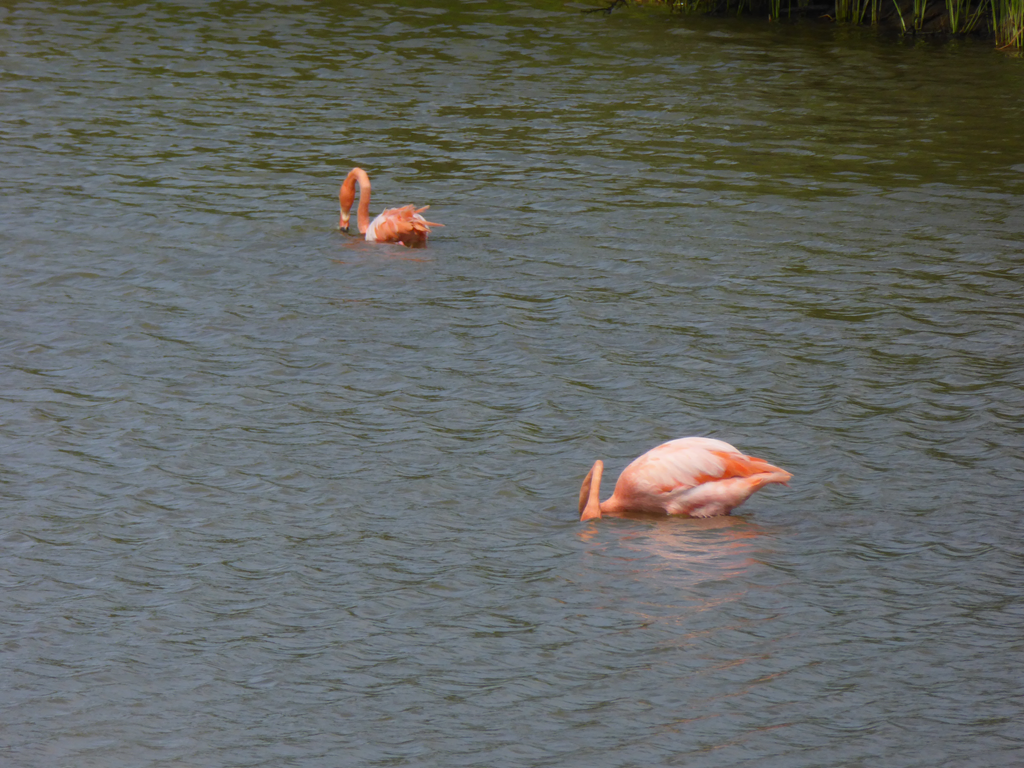
    Kerri is running out of things to say about flamingos.
    image

    But she likes flamingos.

    image

    They are pink and funny looking.

    image

    And she’s not allowed to put in pictures of flamingos if she has nothing to say about them.
    image

    This flamingo is totally different from the ones above.
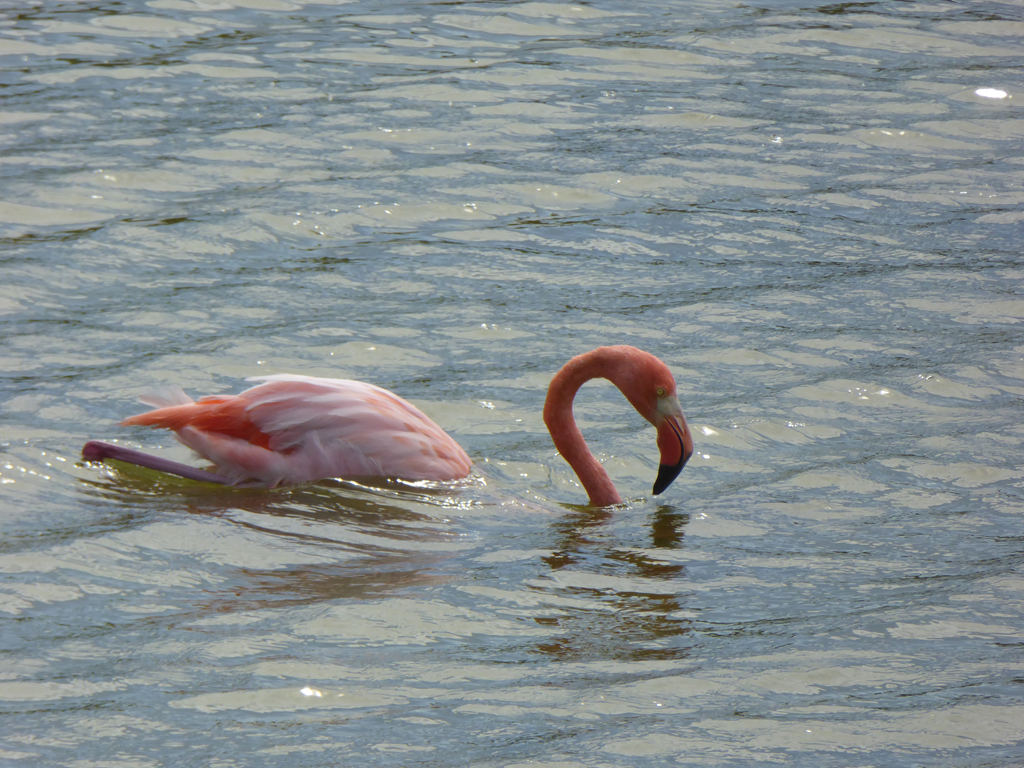
    image

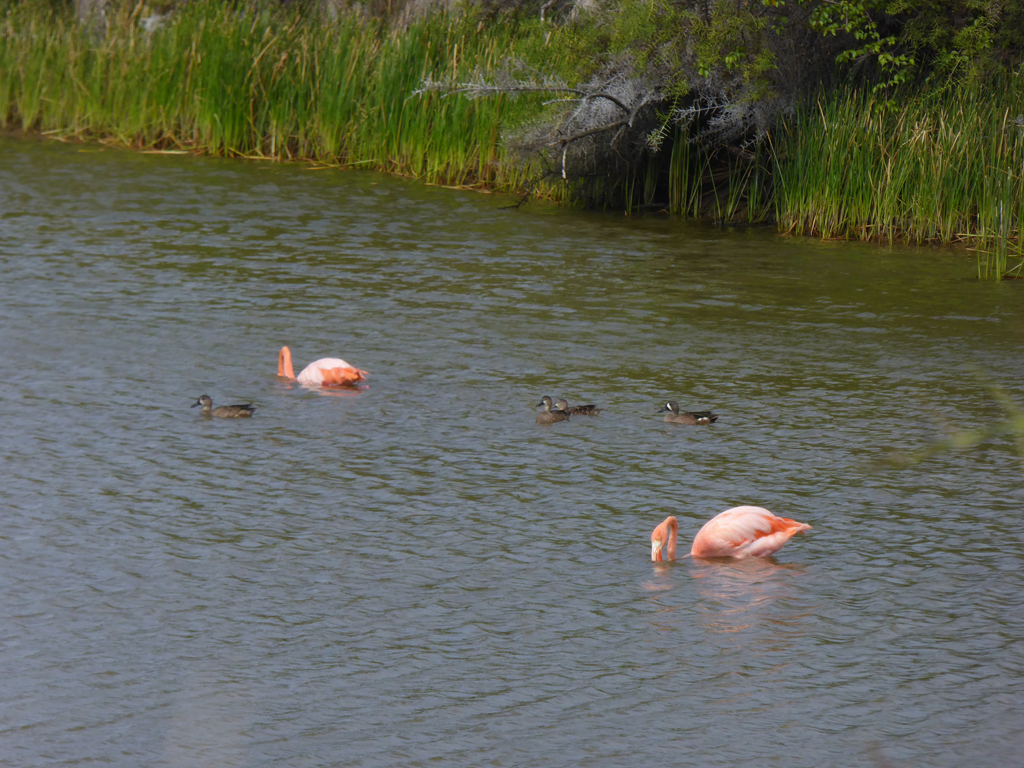
    Look, this picture also has ducks!
    image


  • Santa Cruz Lava Tunnel

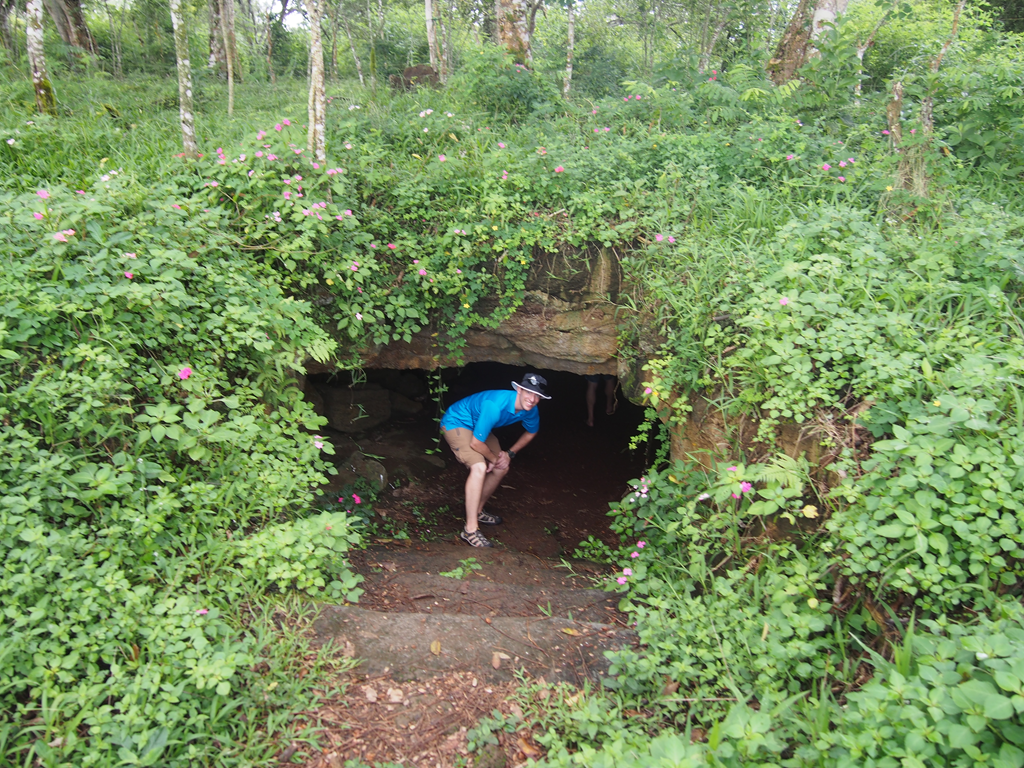
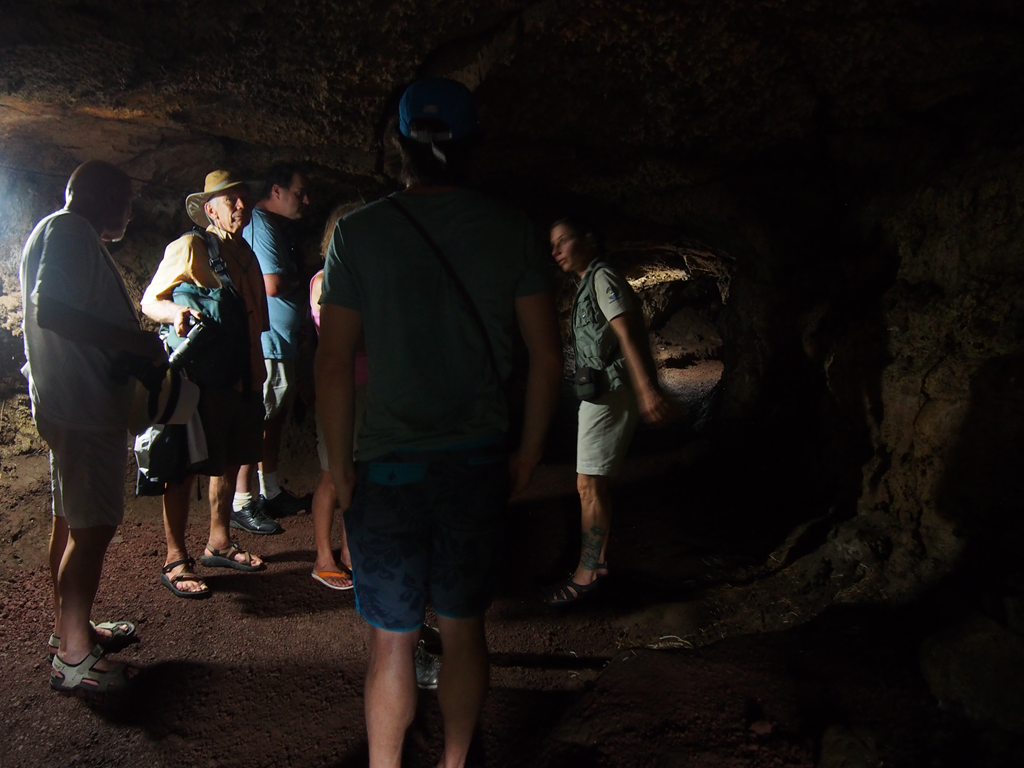
    This is a lava tunnel we went into in Santa Cruz. This one was quite short, while others on the island have been found to go for kilometres. On the way here there were some male tortoises fighting in the road, however as we approached the fight broke off and both hid until we were past.

    image

    There was not much headroom.

    image

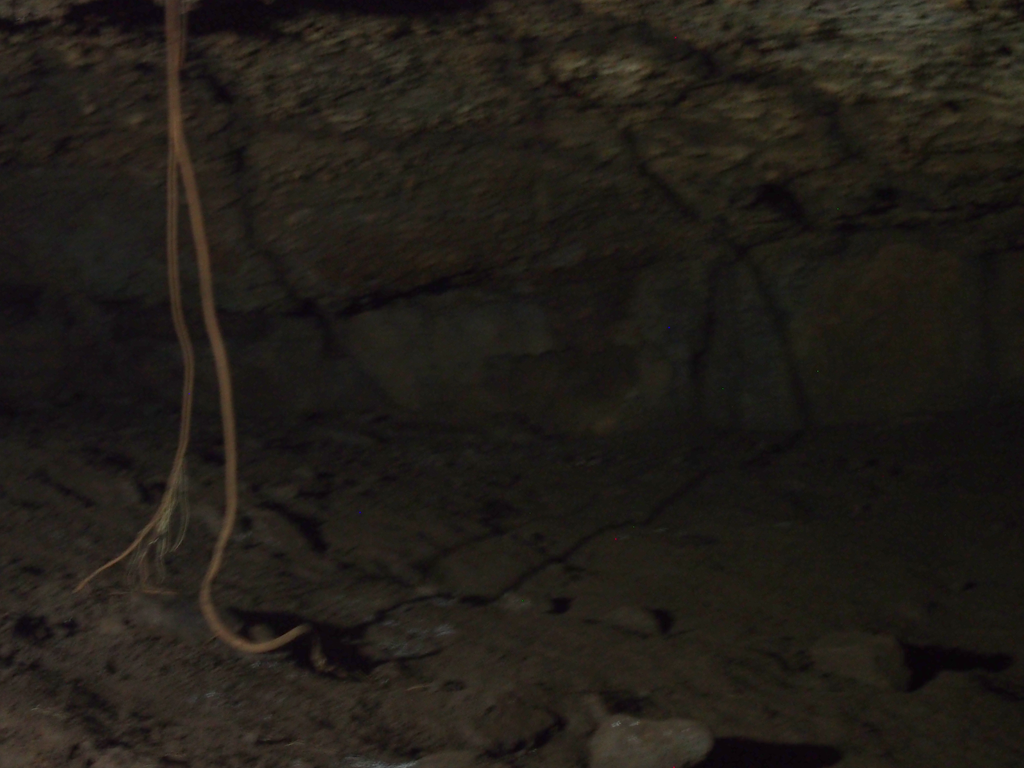
    Some roots from trees above had made it down into the tunnel.

    image

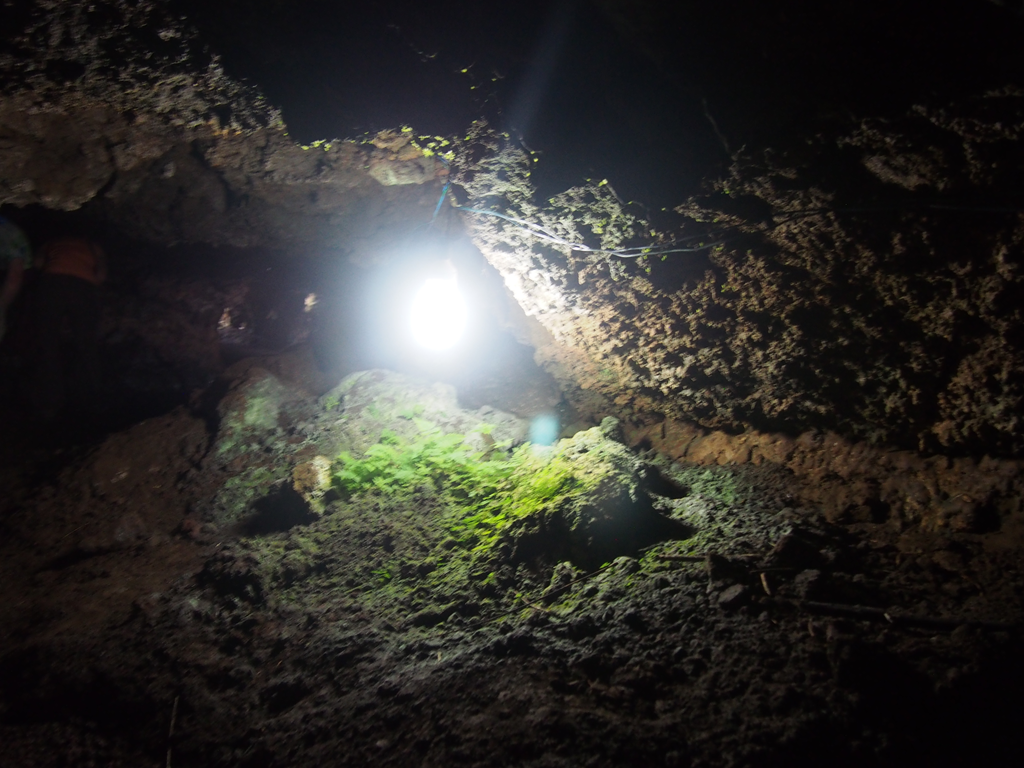
    There were artificial lights inside, which were causing ferns to grow.

    image


  • Santa Cruz Highlands

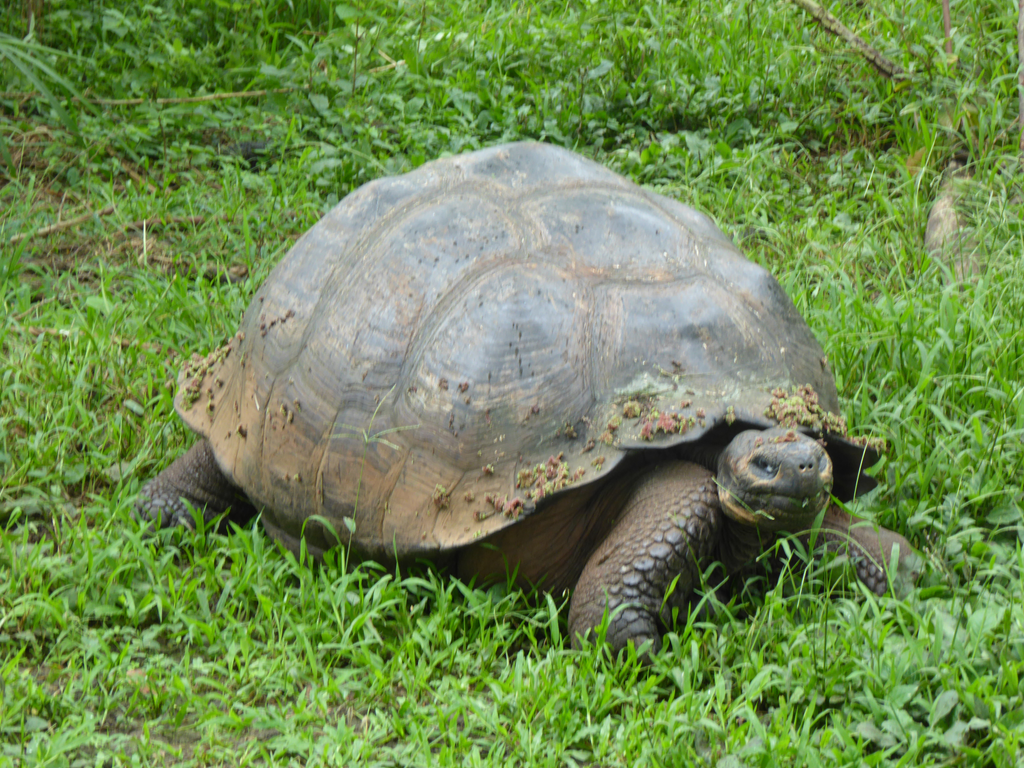
    We visited a farm which has a lot of wild giant tortoises.

    image

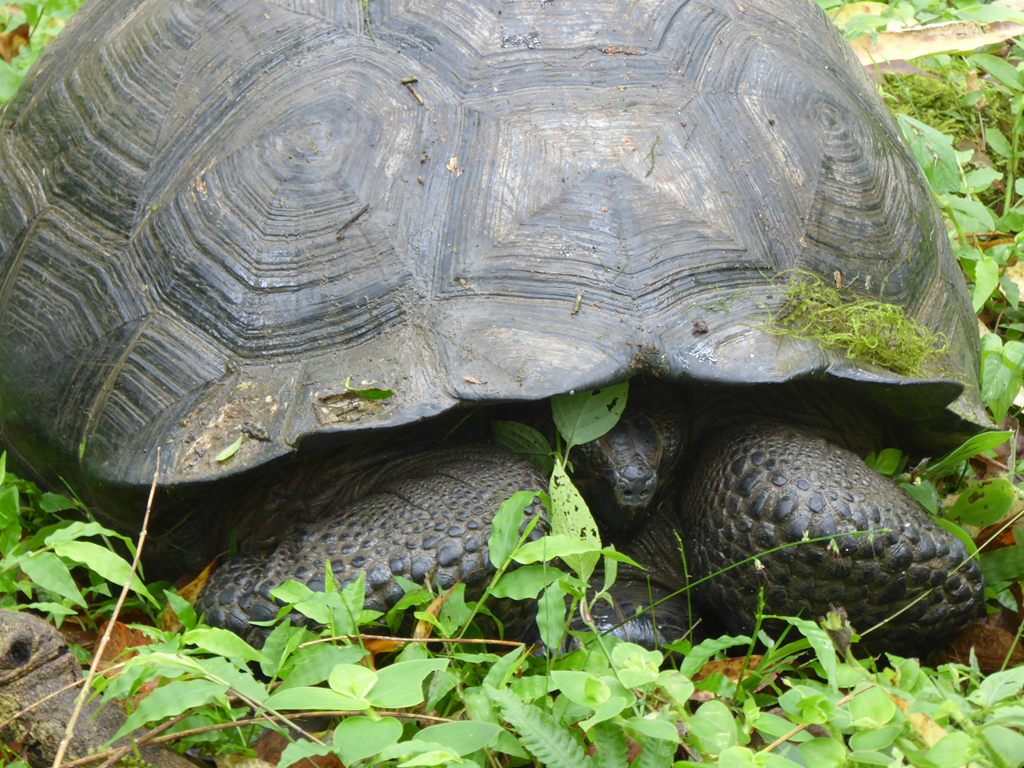
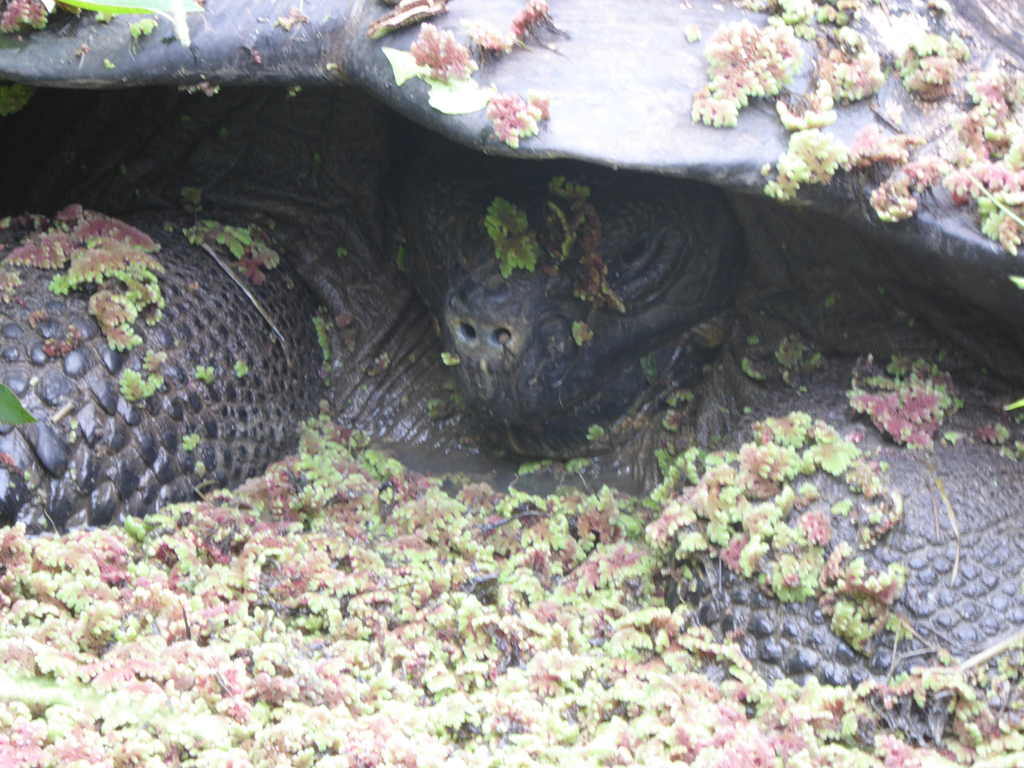
    Some of them were afraid of us and hid inside of their shells.

    image

    It is a good way to hide.

    image

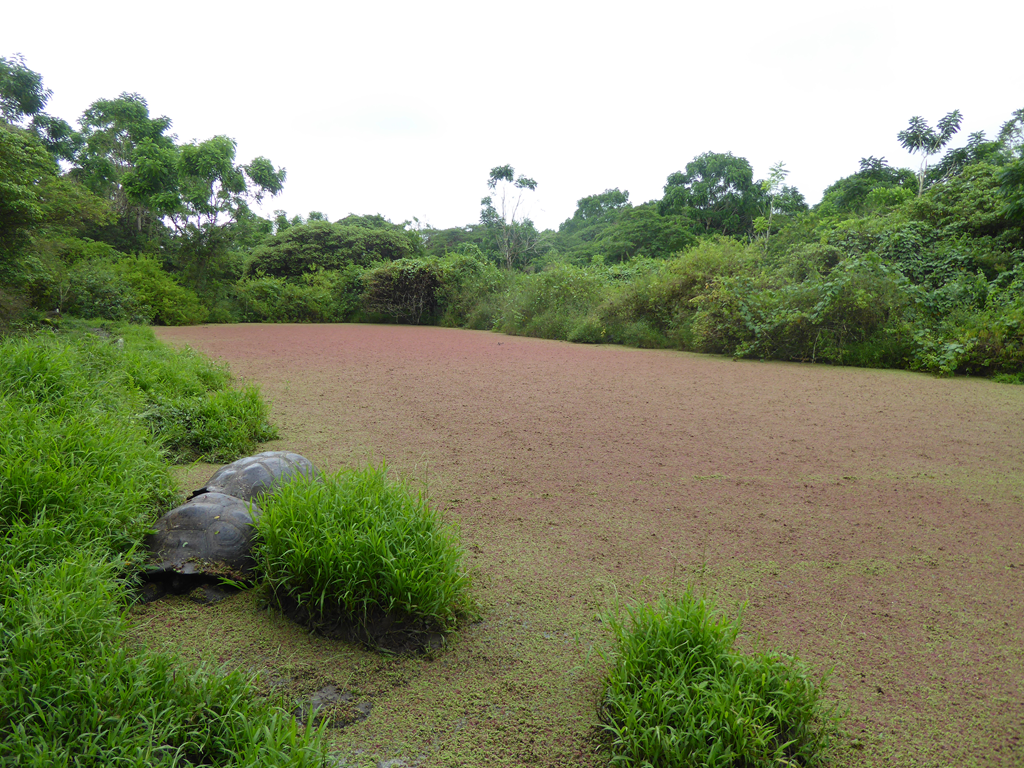
    They go into the pink pond to cool off.

    image

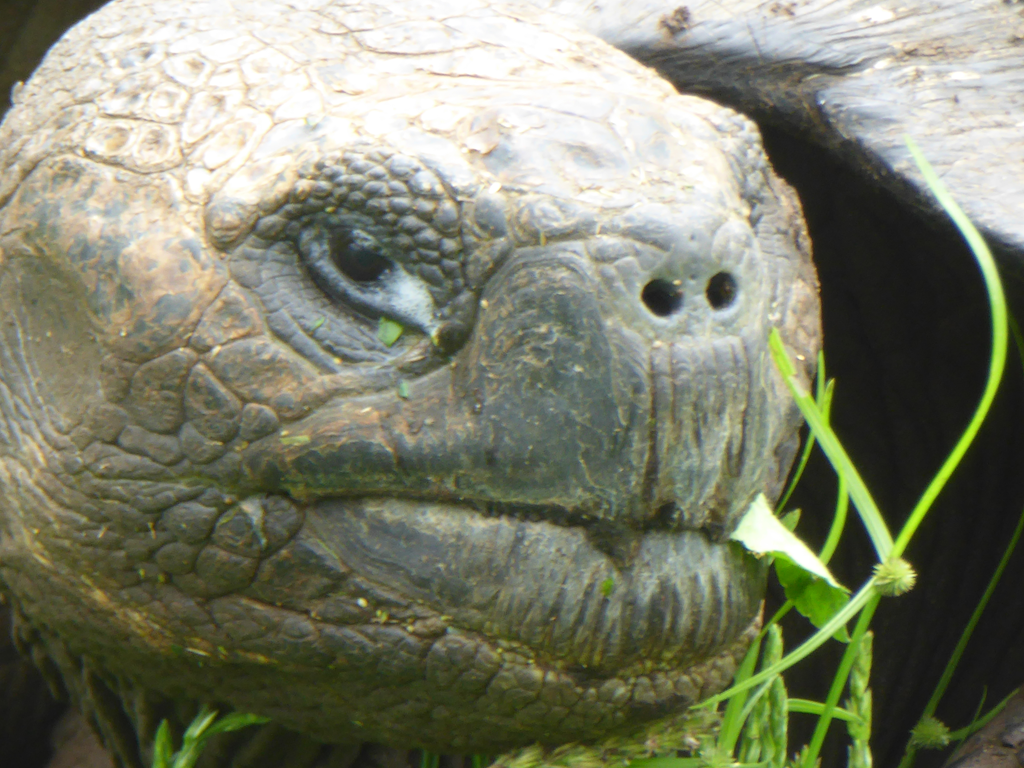
    Their faces seem kind of alien.

    image

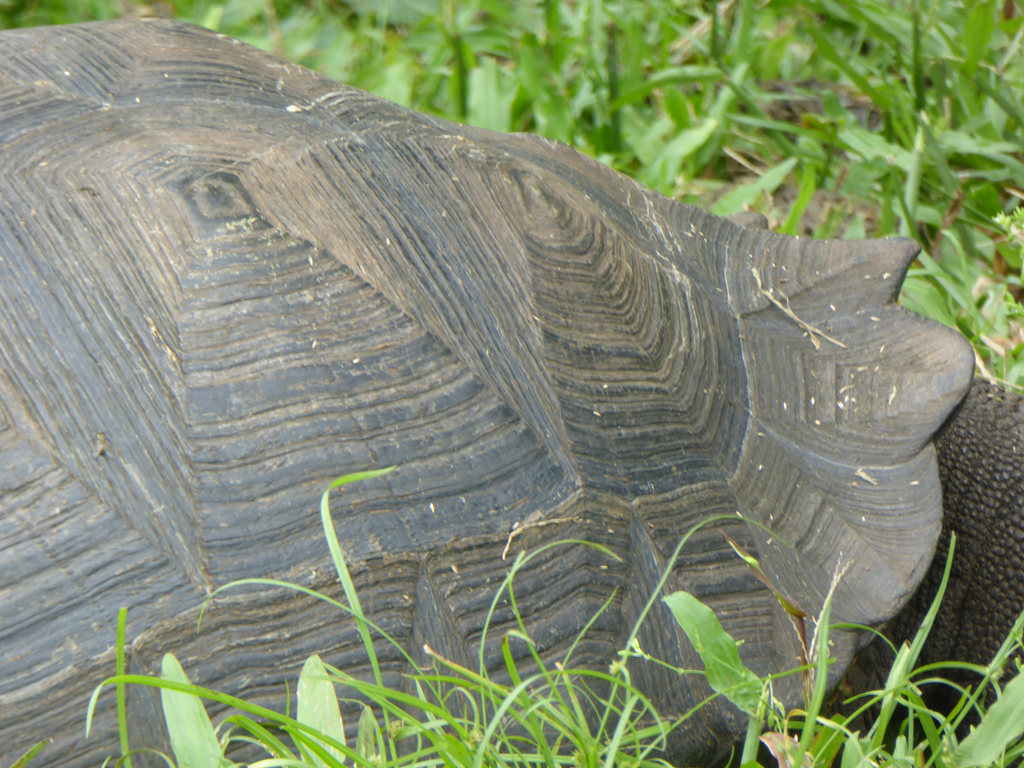
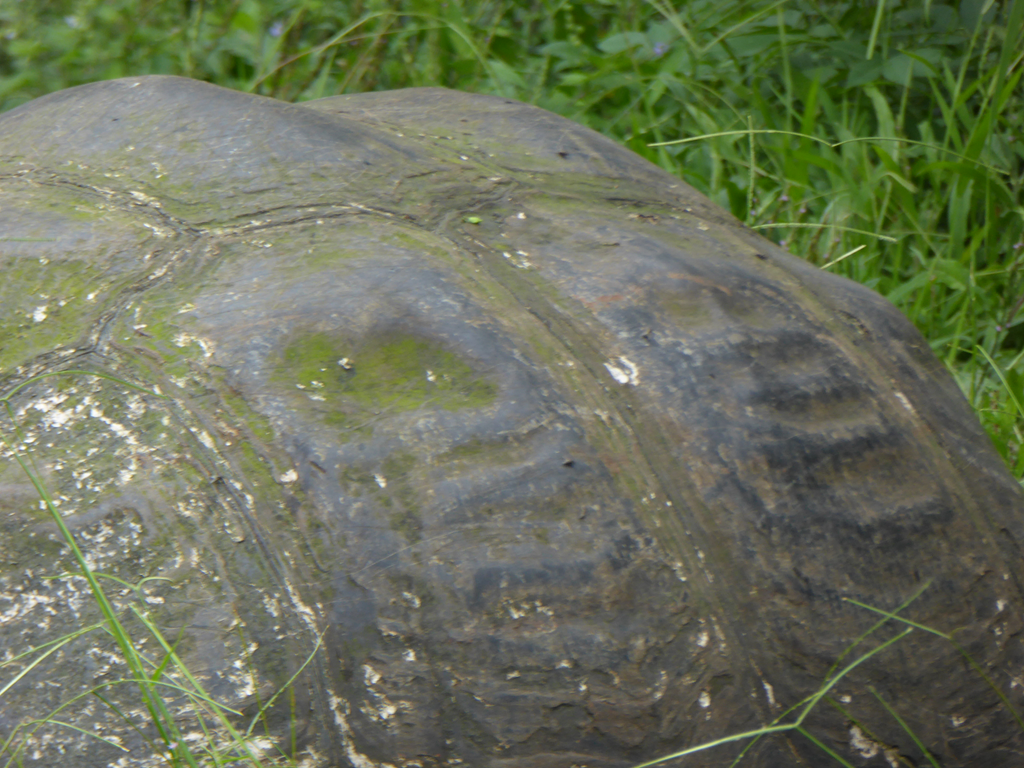
    The shells are bone with an outer layer of keratin. The keratin layer forms in rings, but you can’t count how old the tortoise is by counting rings because they can generate multiple rings in a year.

    image

    Unfortunately in the really old tortoises the keratin layer tends to get polished or even worn right off, exposing the bone. So you can’t use the rings at all to tell how old a a really old tortoise is.

    image

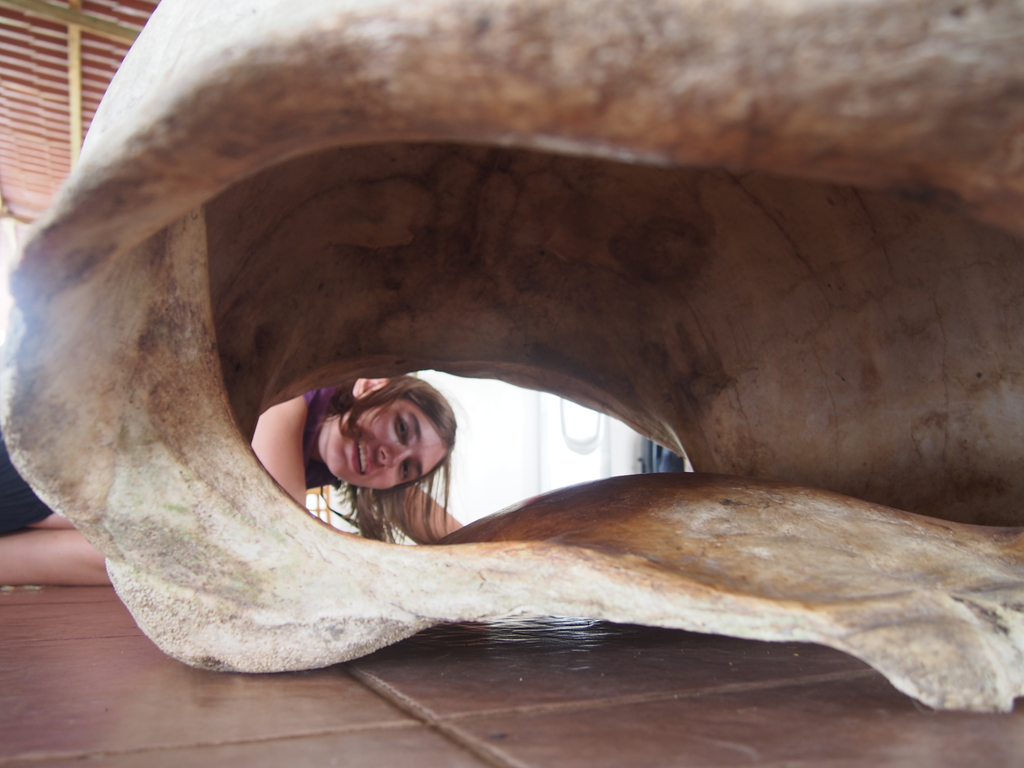
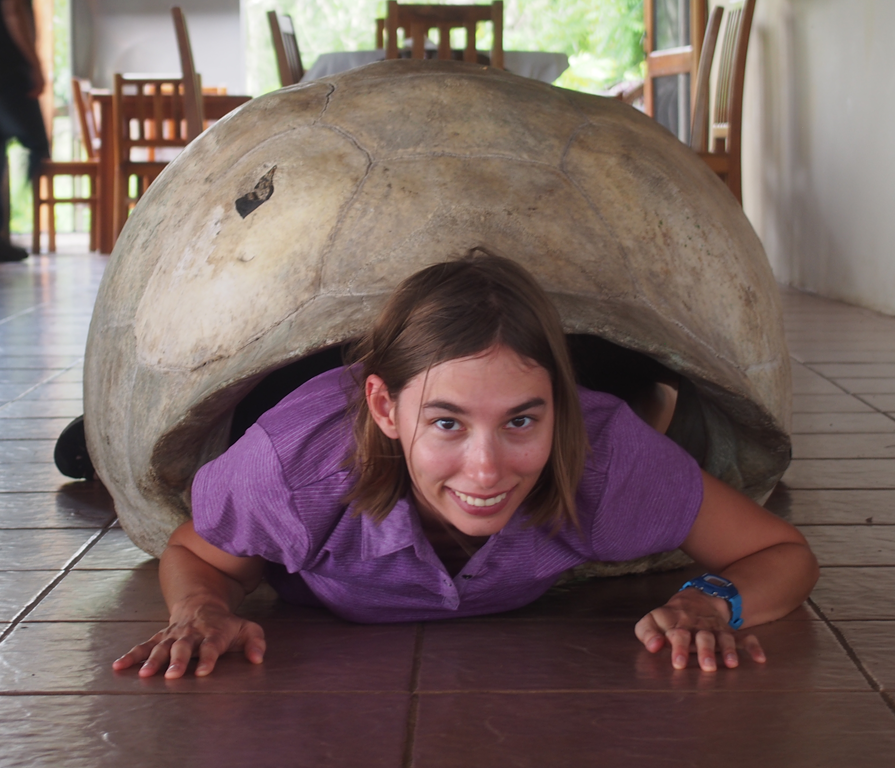
    They had an old tortoise shell in the gift shop. The keratin had worn off, leaving only bone.

    image

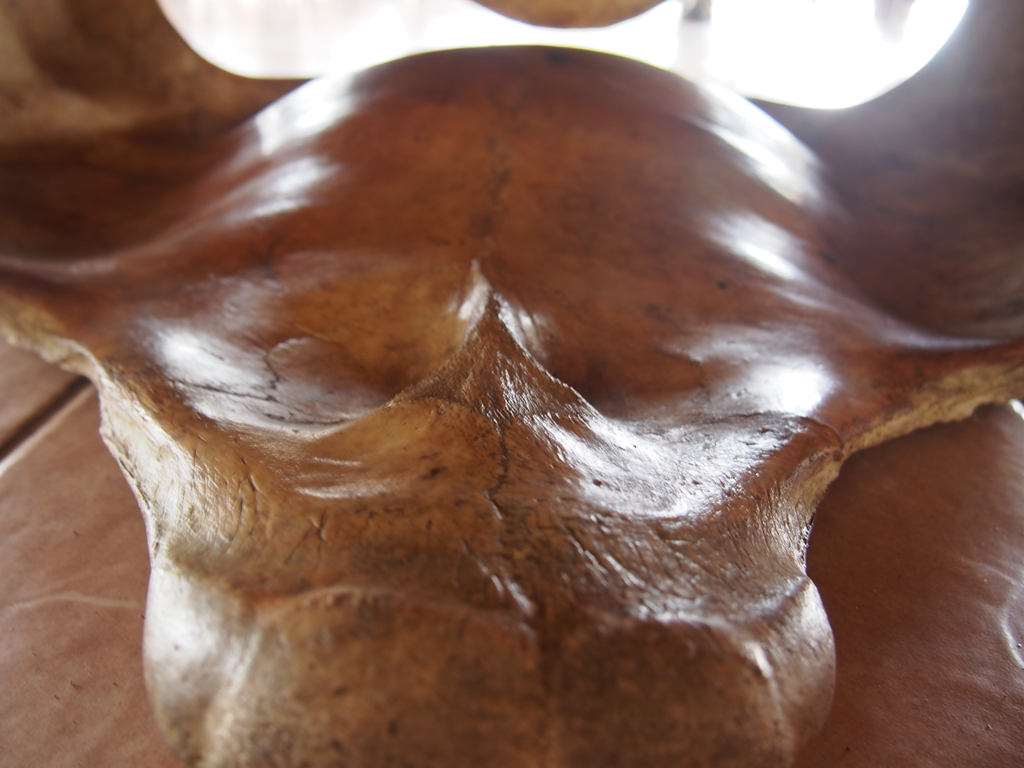
    On the inside you could see the bump in the tummy that shows it was a male.

    image

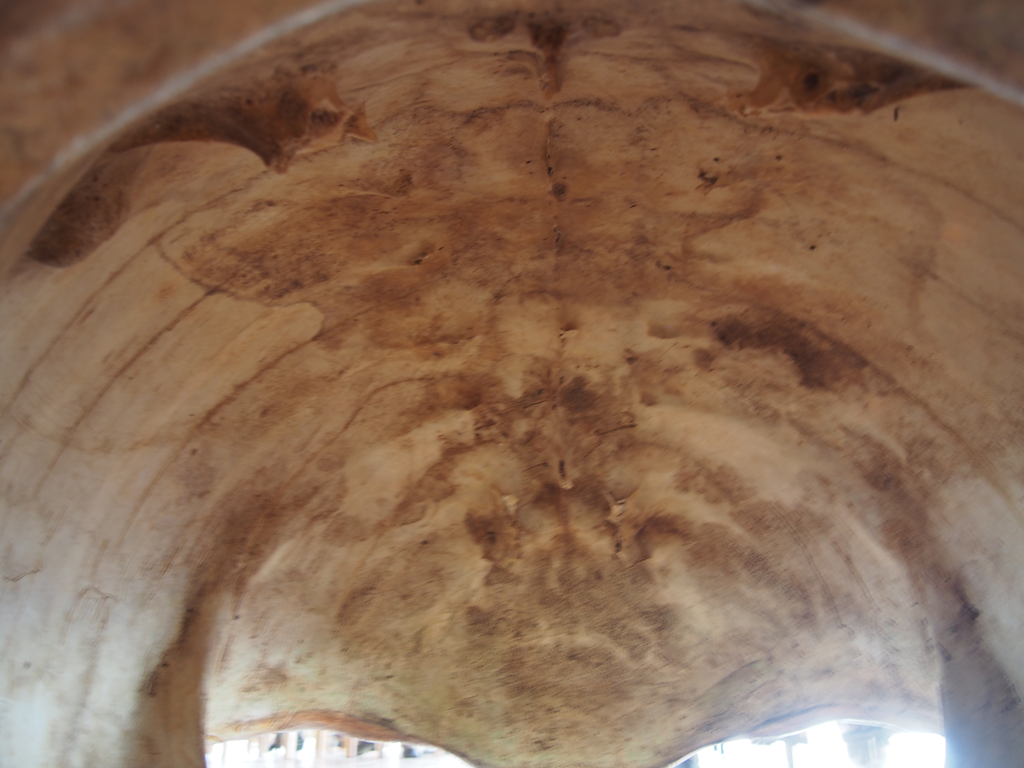
    And the ridges on top where it connected to the spine.

    image

    Kerri barely fit inside.

    image


  • North Seymour

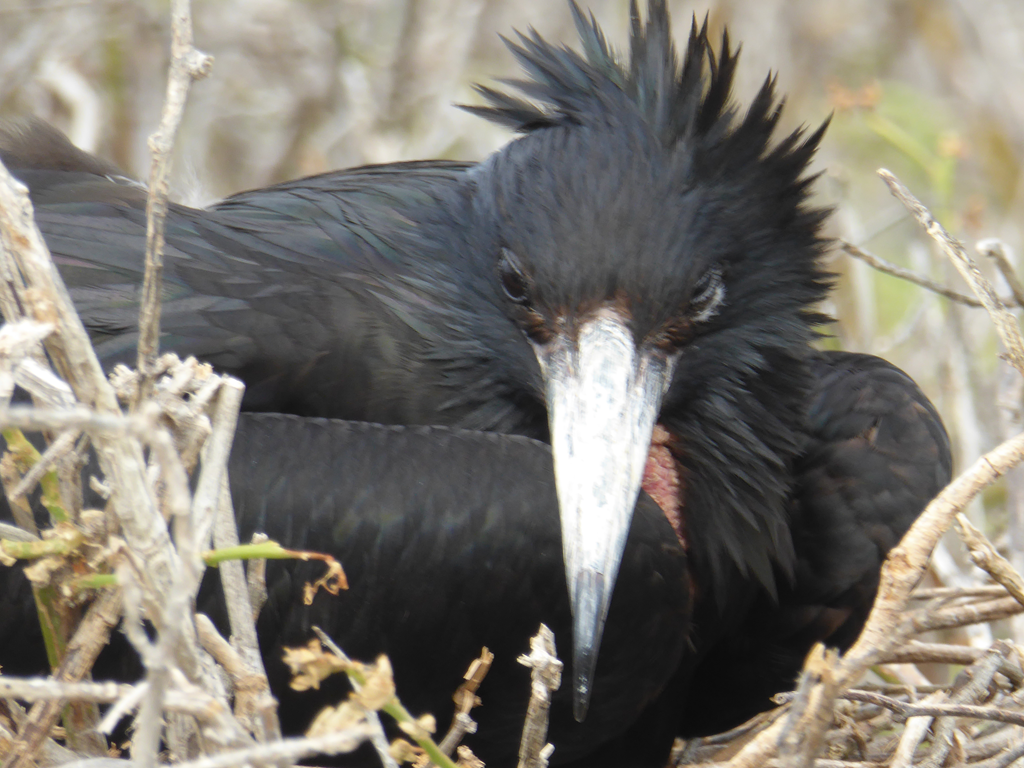
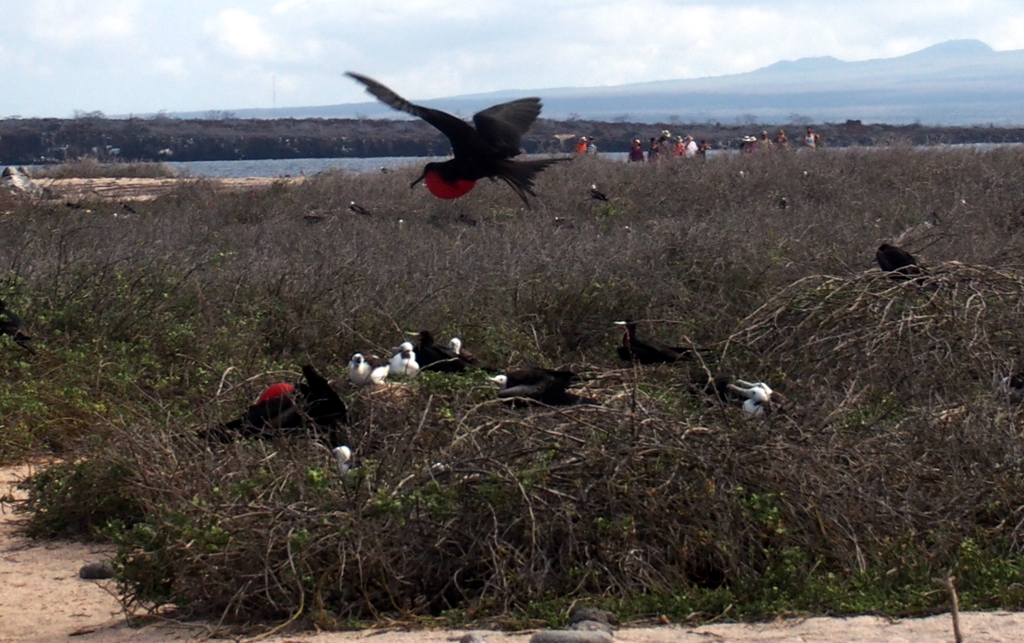
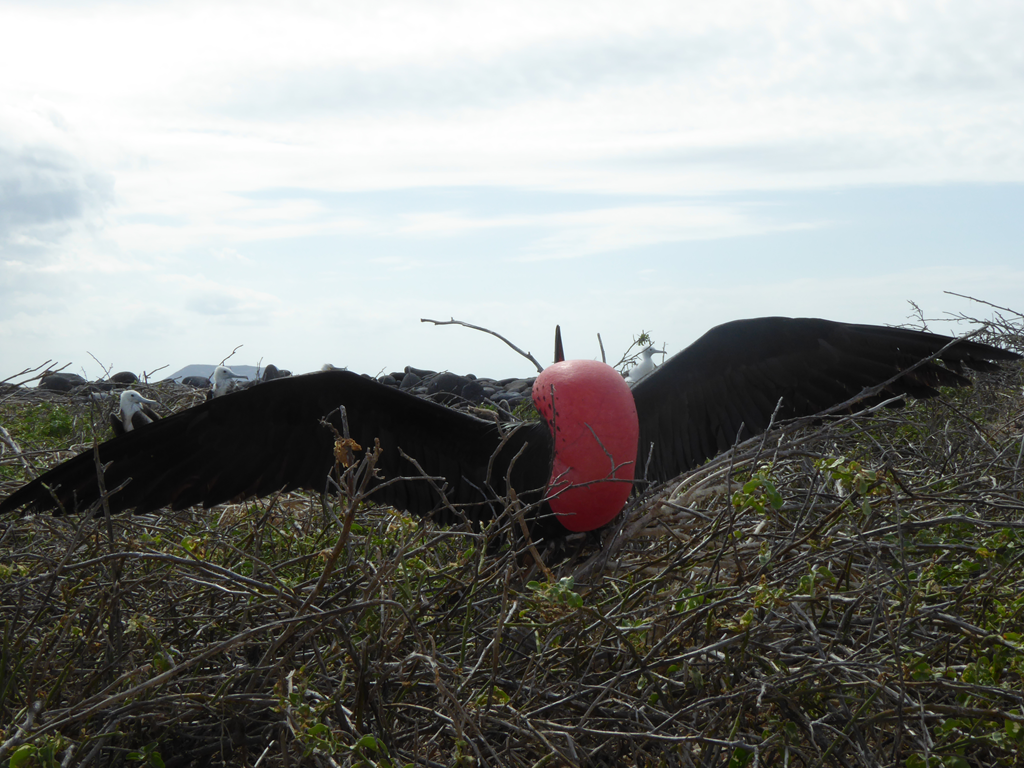
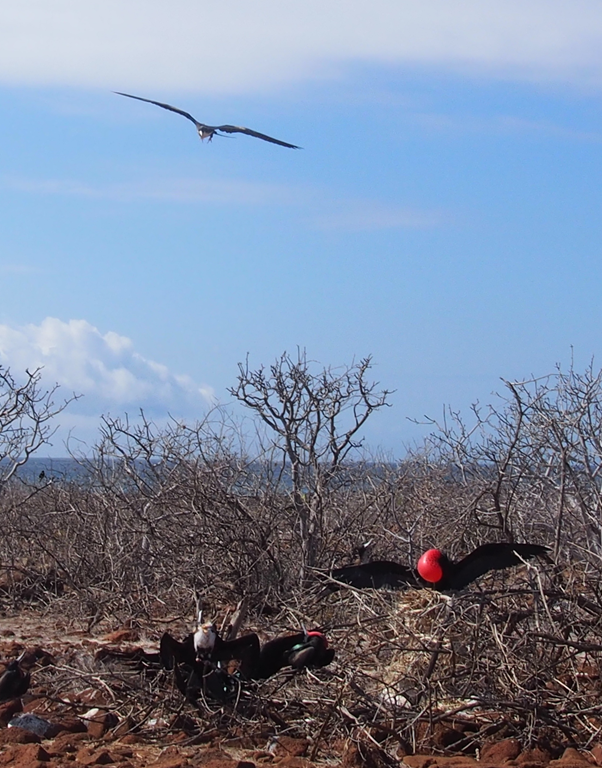
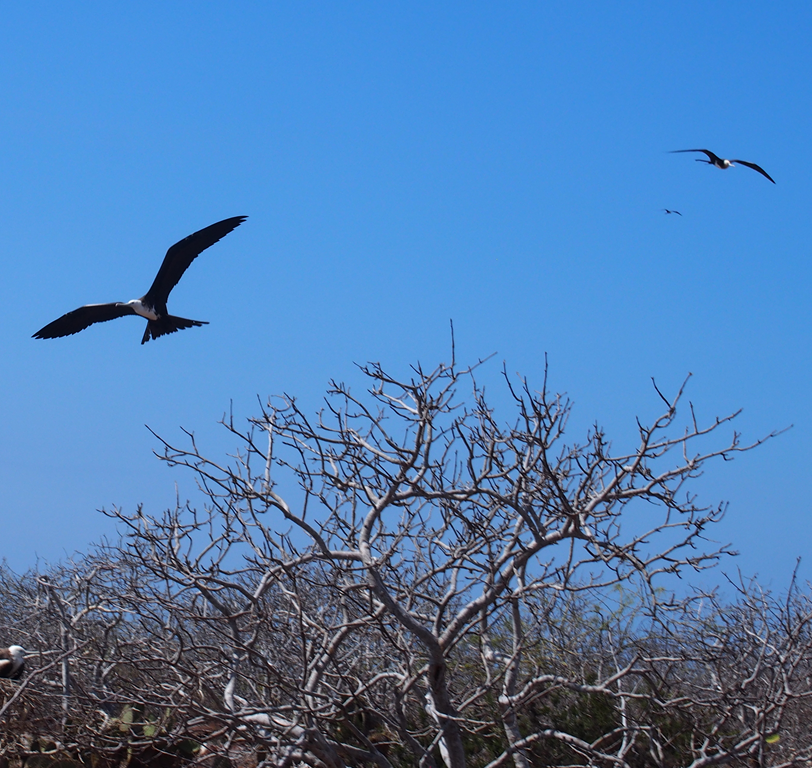
    North Seymour had tons of great frigatebirds.

    image

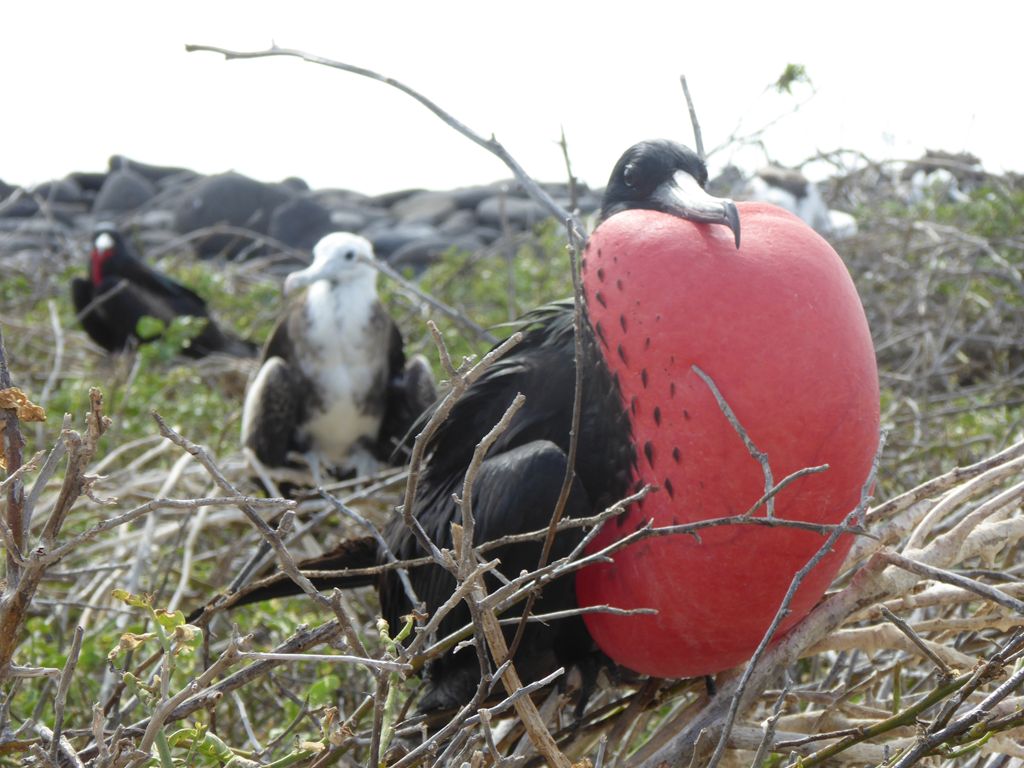
    Even though the mating season is still months away, many of them were courting.

    image

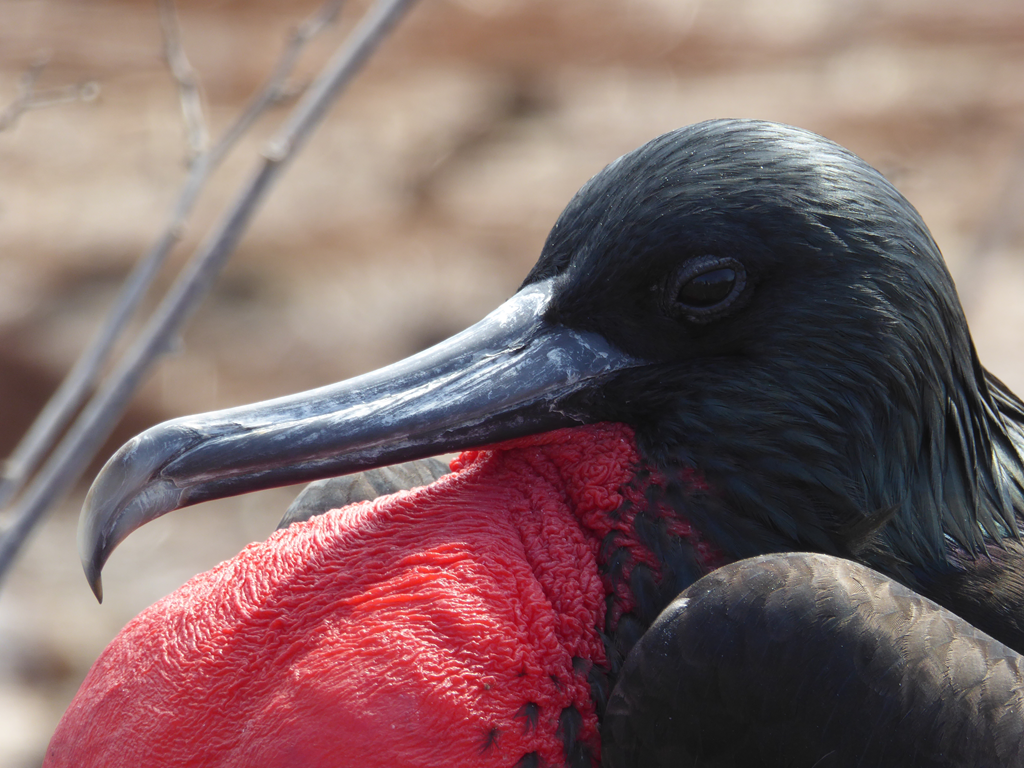
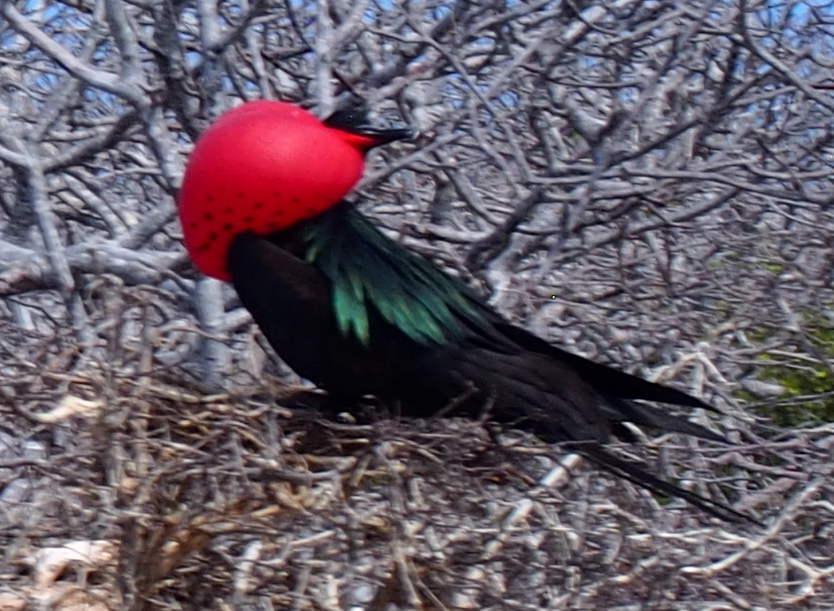
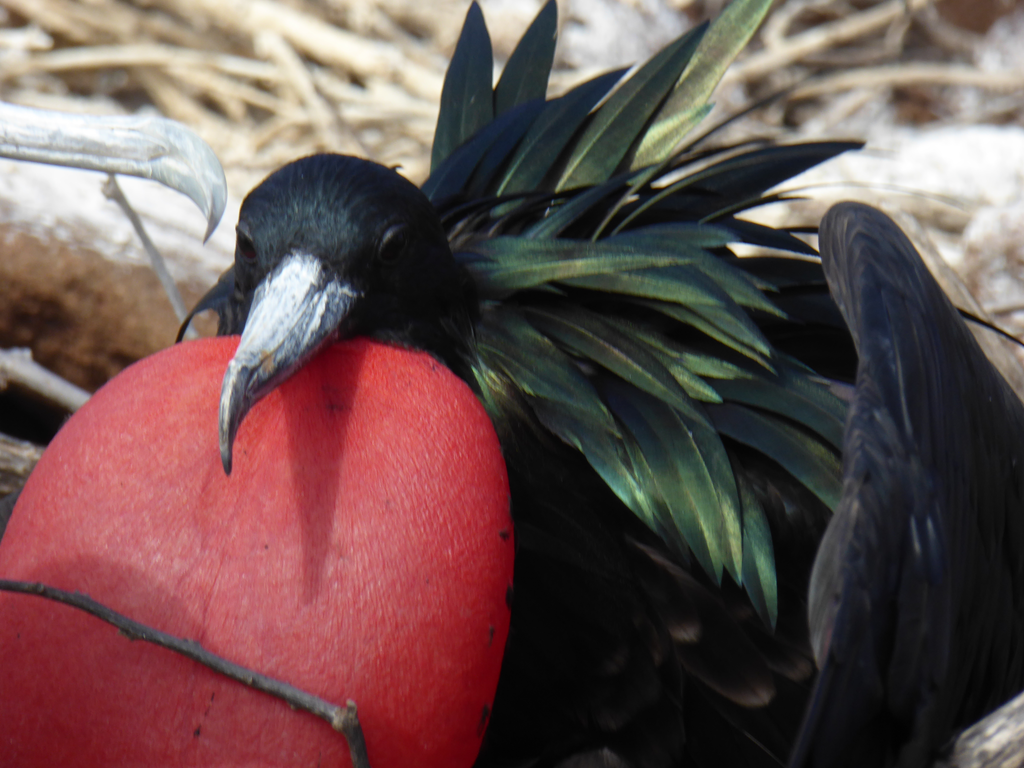
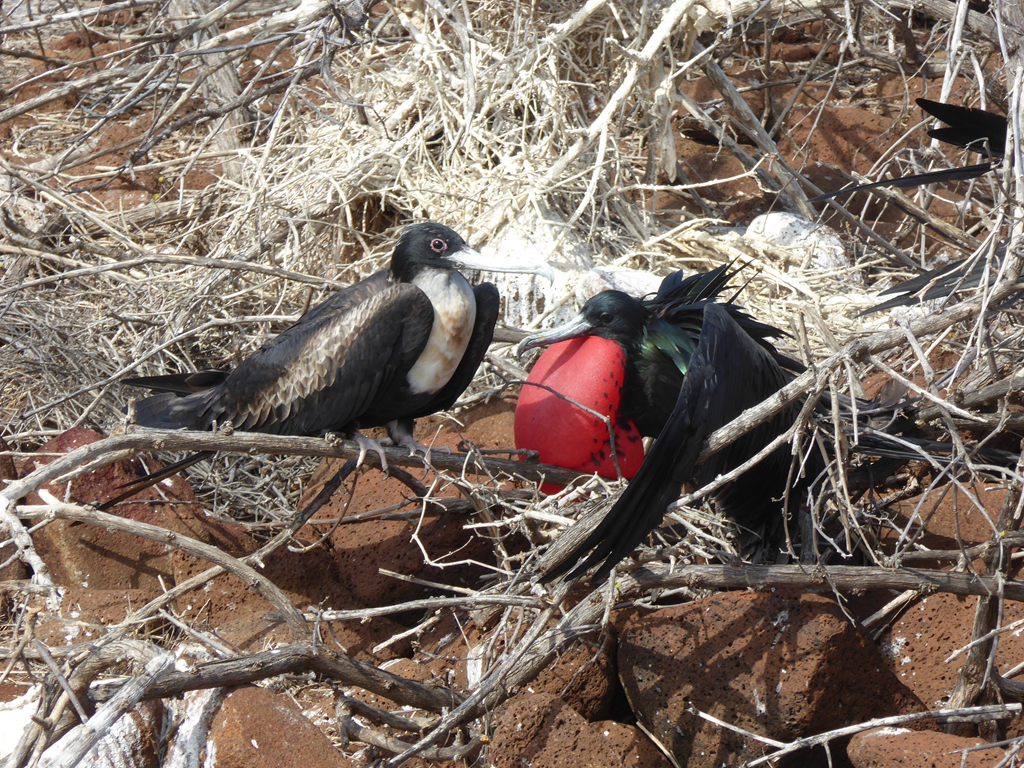
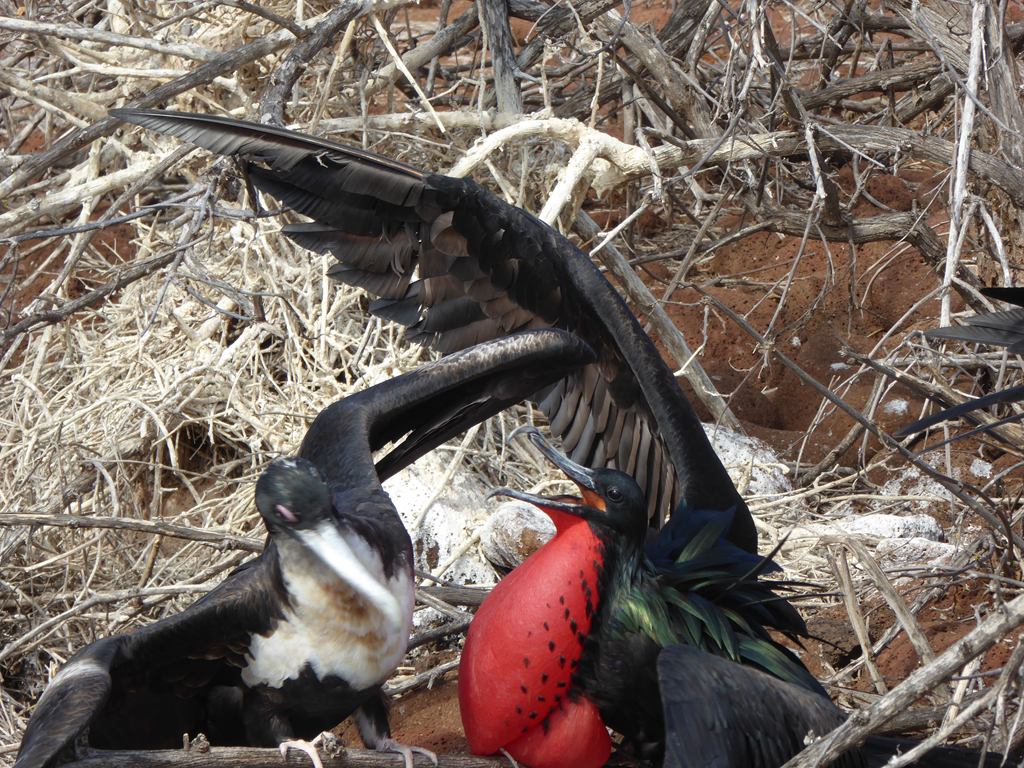
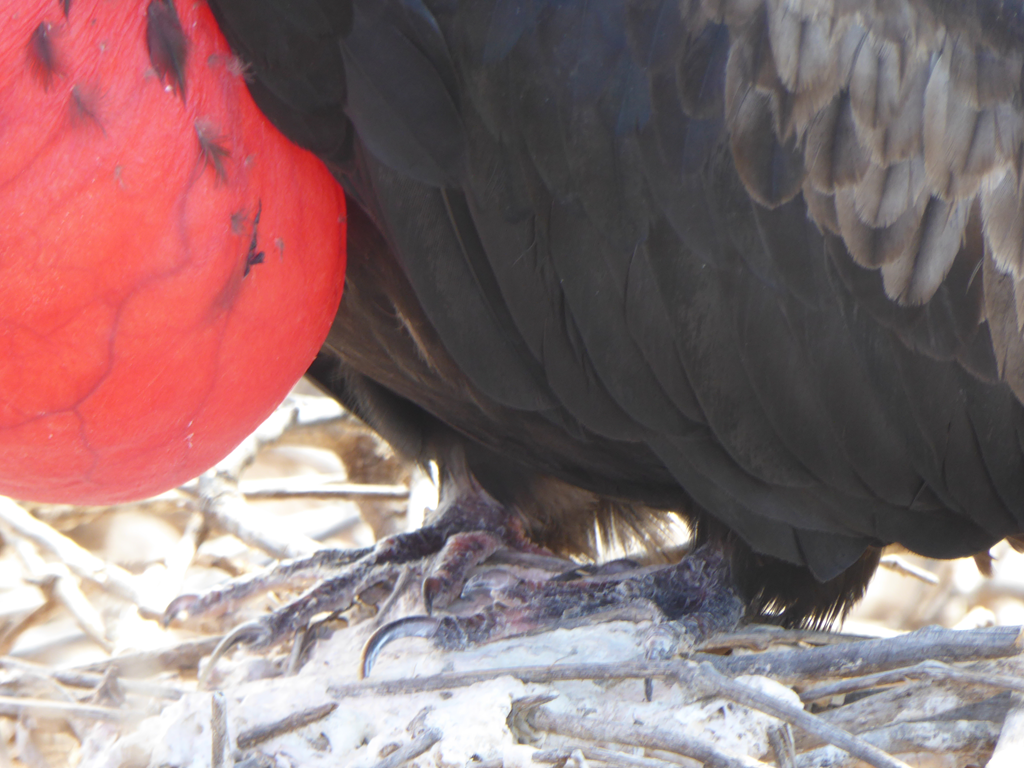
    The males inflate these big red pouches on their necks to attract females.

    image

    The process takes days, during which it’s hard to fly.

    image

    Or scratch.

    image

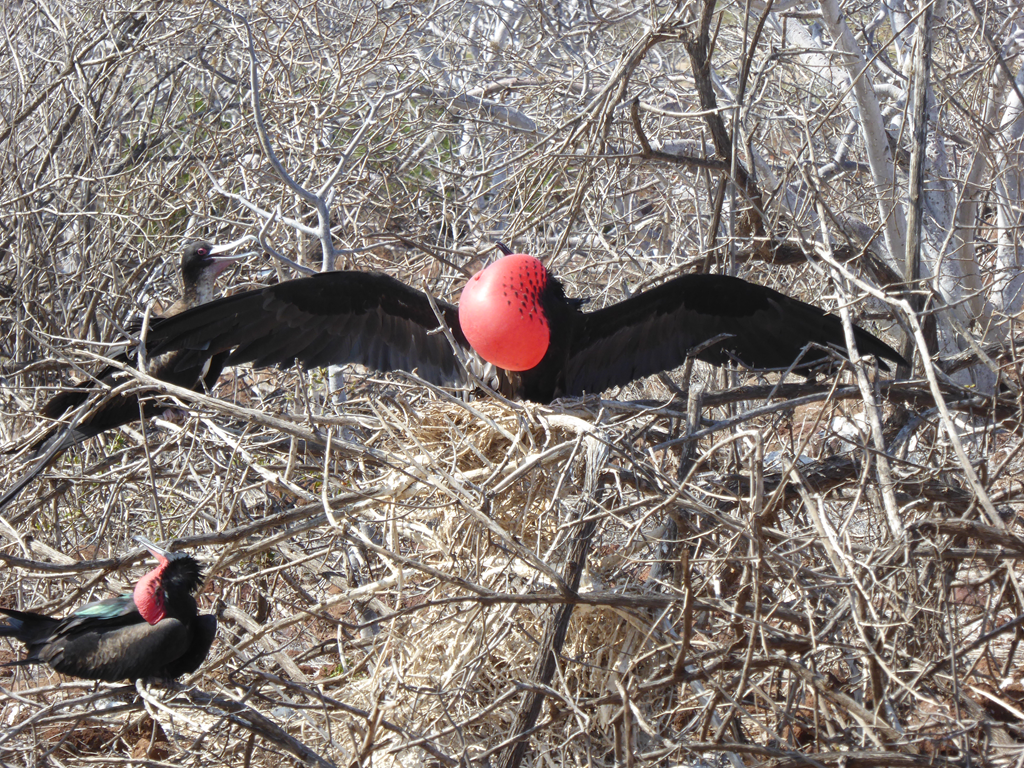
    Once they are inflated, when they see a female they spread their wings,

    image

    poof up their neck frills,

    image 

    Spread their wings,

    image

    and shake while calling.

    image

    If the female likes him, she swoops in and lands.

    image

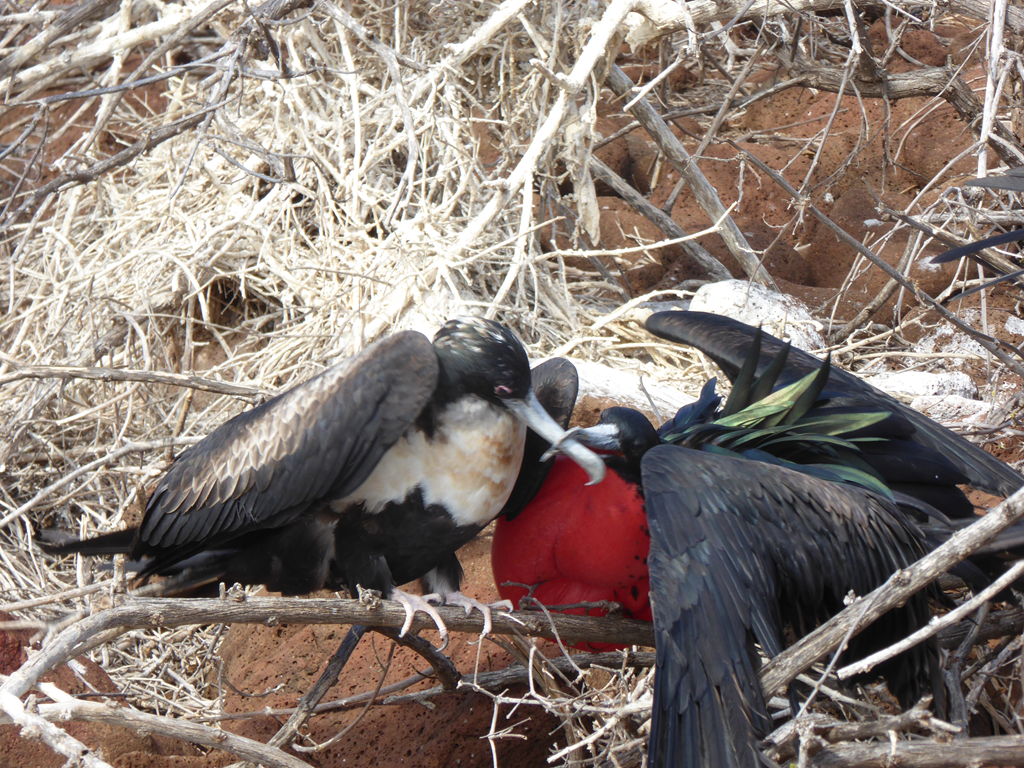
    Unfortunately this relationship didn’t work out. The male bit her beak

    image

    and she flew off.

    image

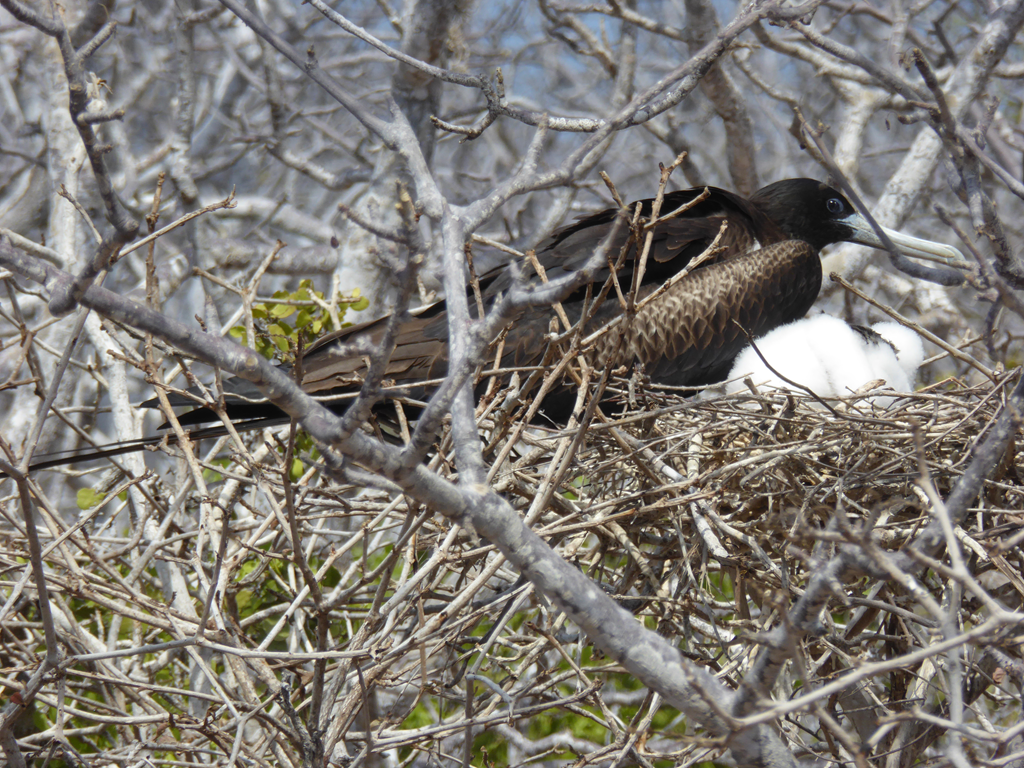
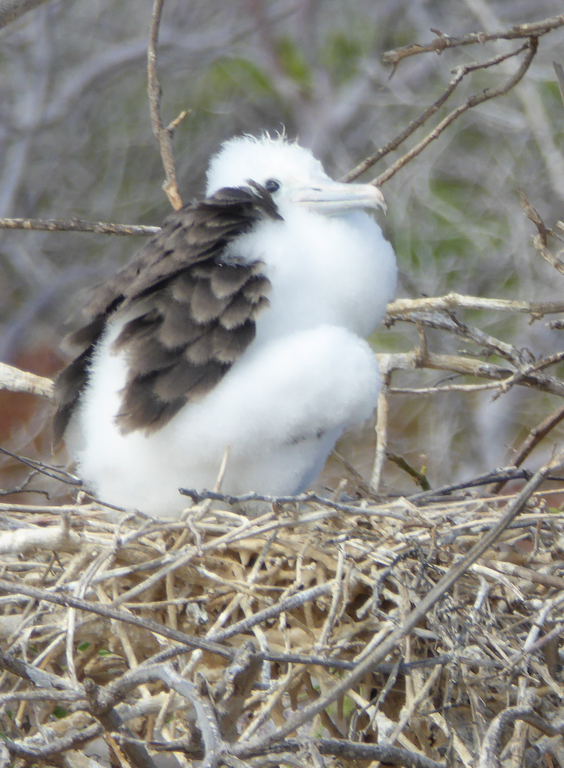
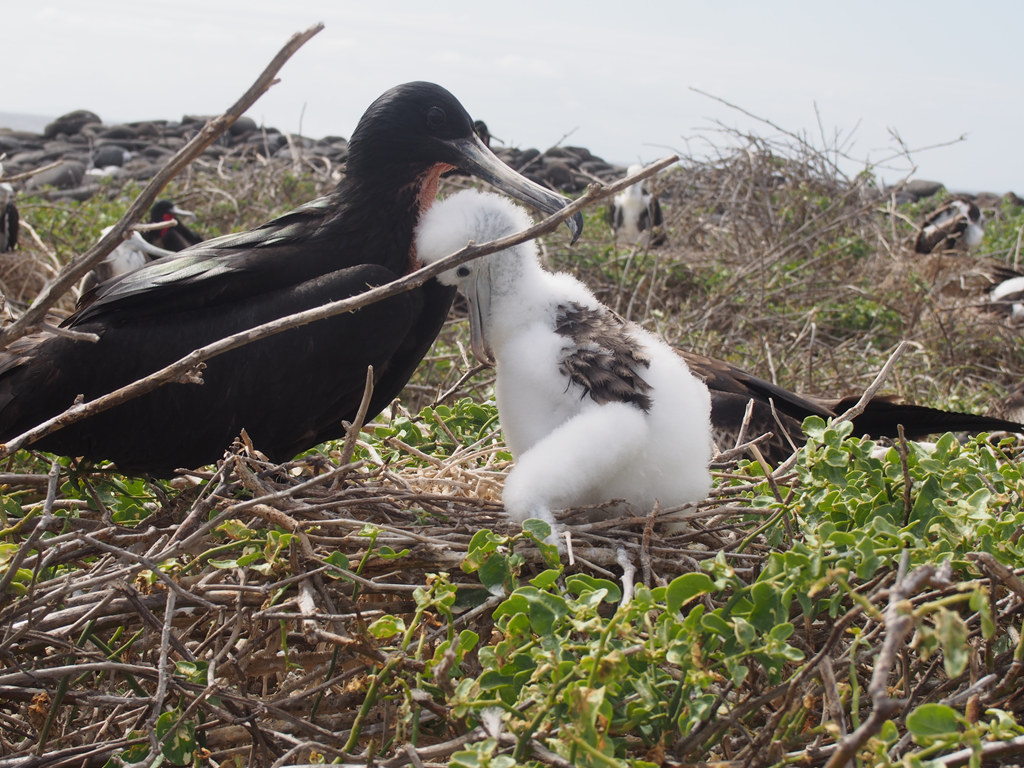
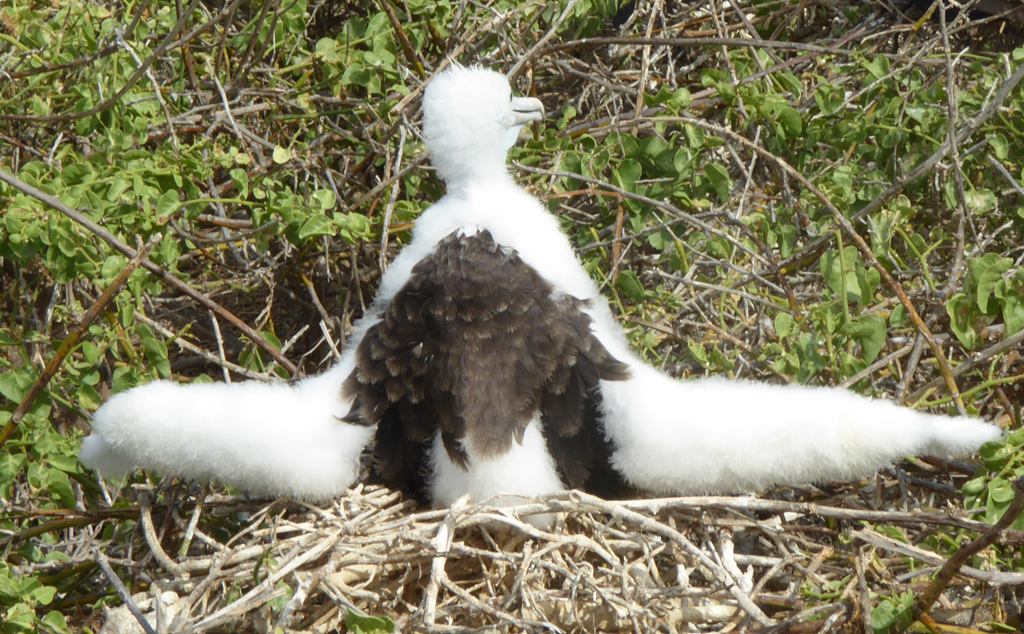
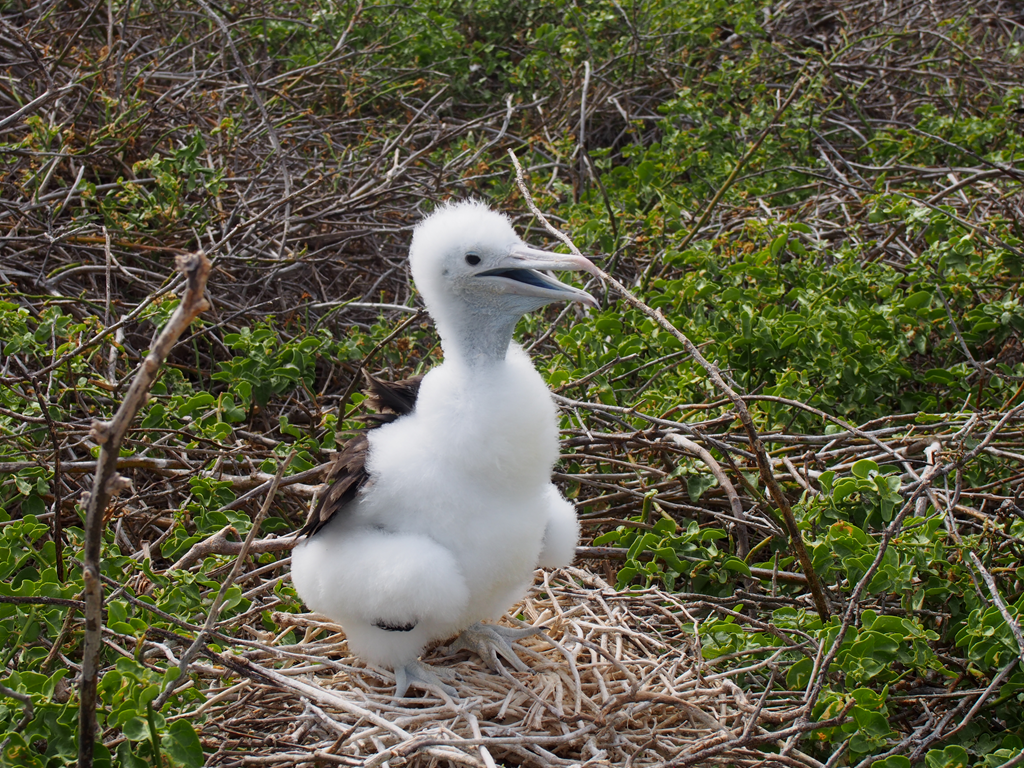
    If it does work out, they produce these super cute fluffball babies.

    image

    Which grow into bigger fluffball babies.

    image

    image

    image

    image

    This little guy was desperately trying to mate even though he was still fluffy.

    image

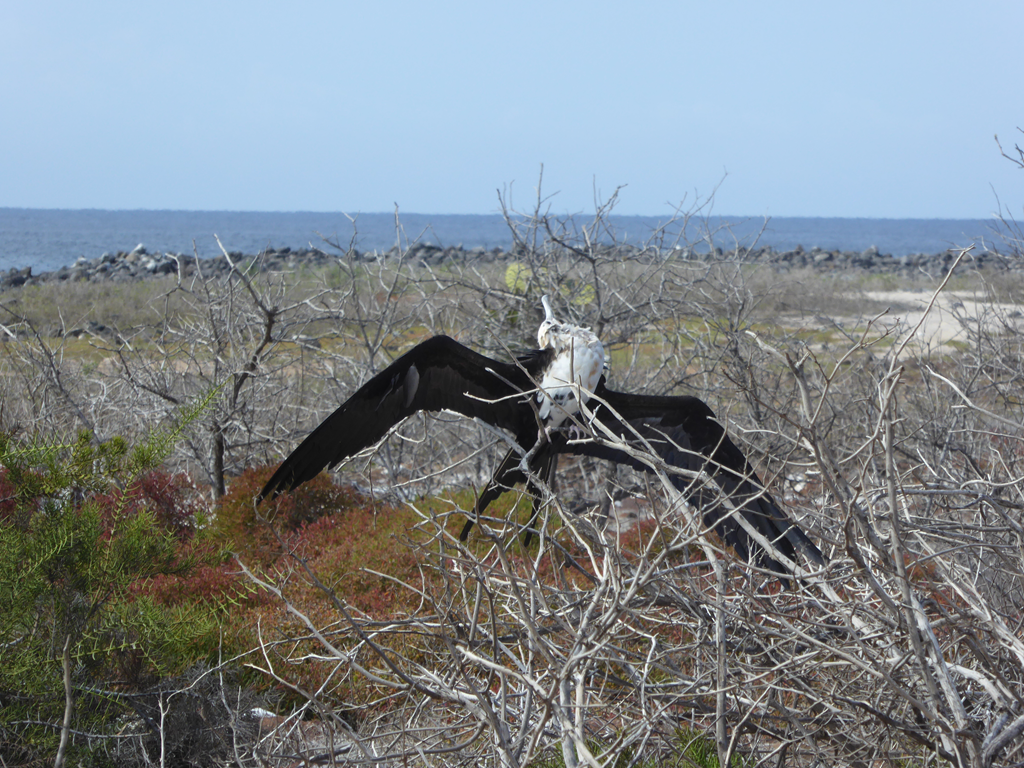
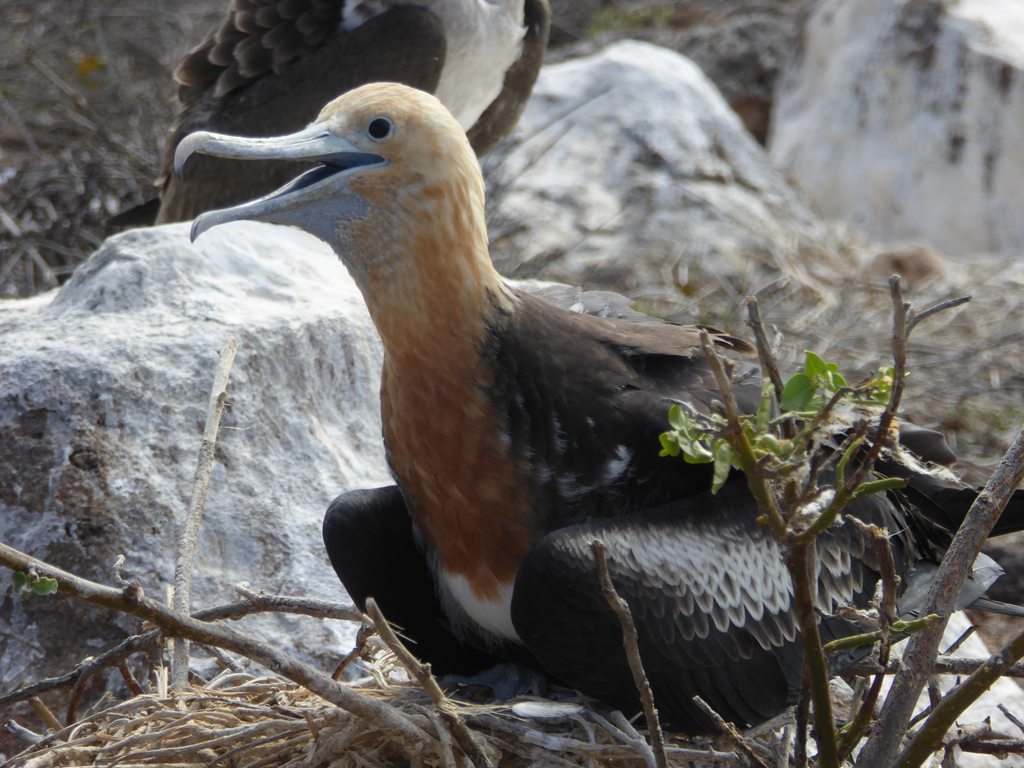
    Then they grow into adolescents.

    image

    The frigatebirds can’t swim, because they don’t make oil for their feathers and don’t have webbed feet. This also makes them really light and they only weigh 1 lb at full size.

    image

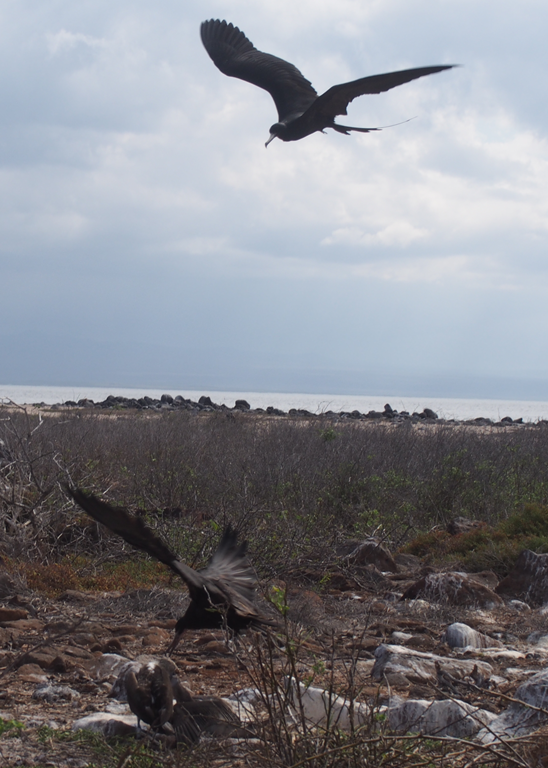
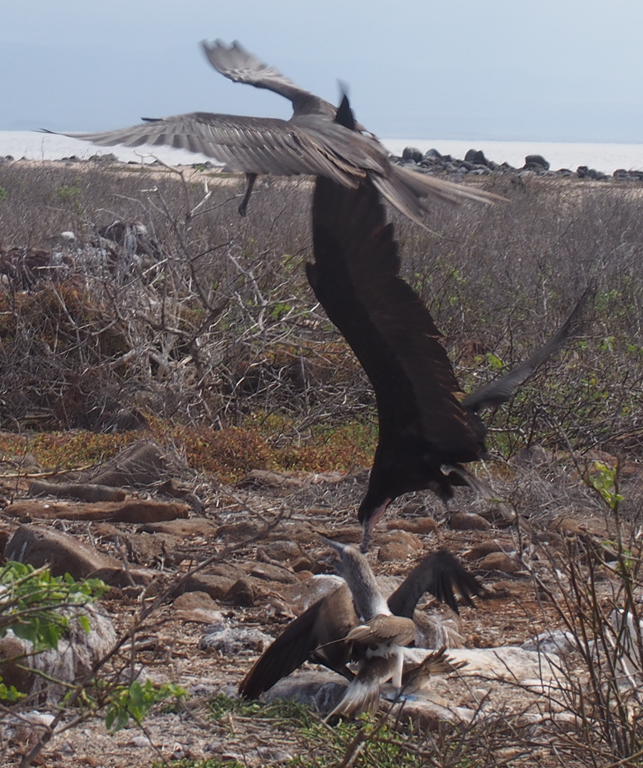
    So they steal from others.

    image

    The baby blue footed boobies cry loudly for their Mom’s to come feed them.

    image

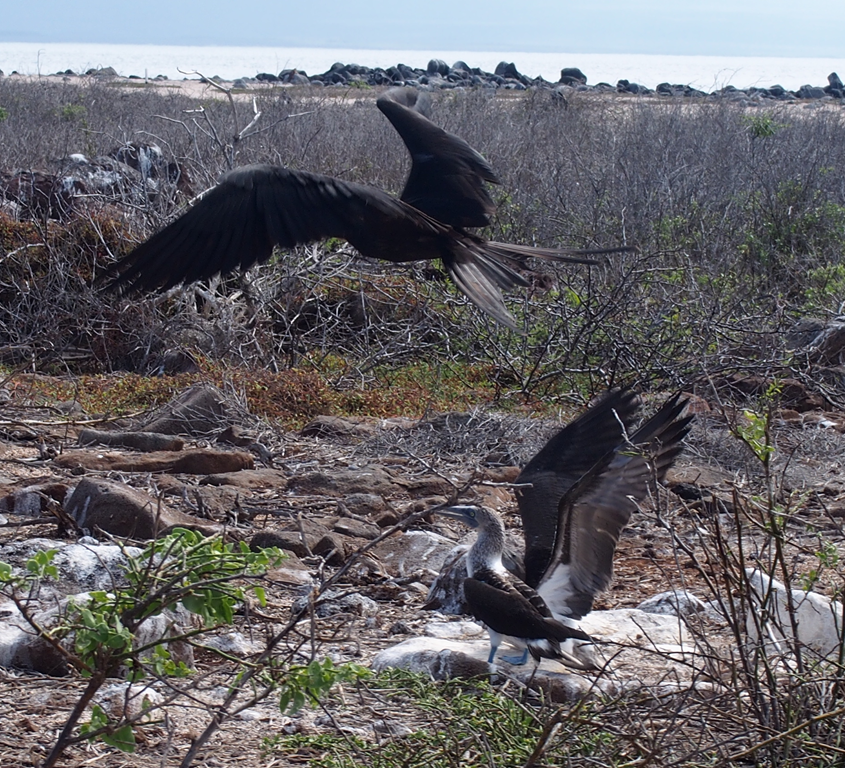
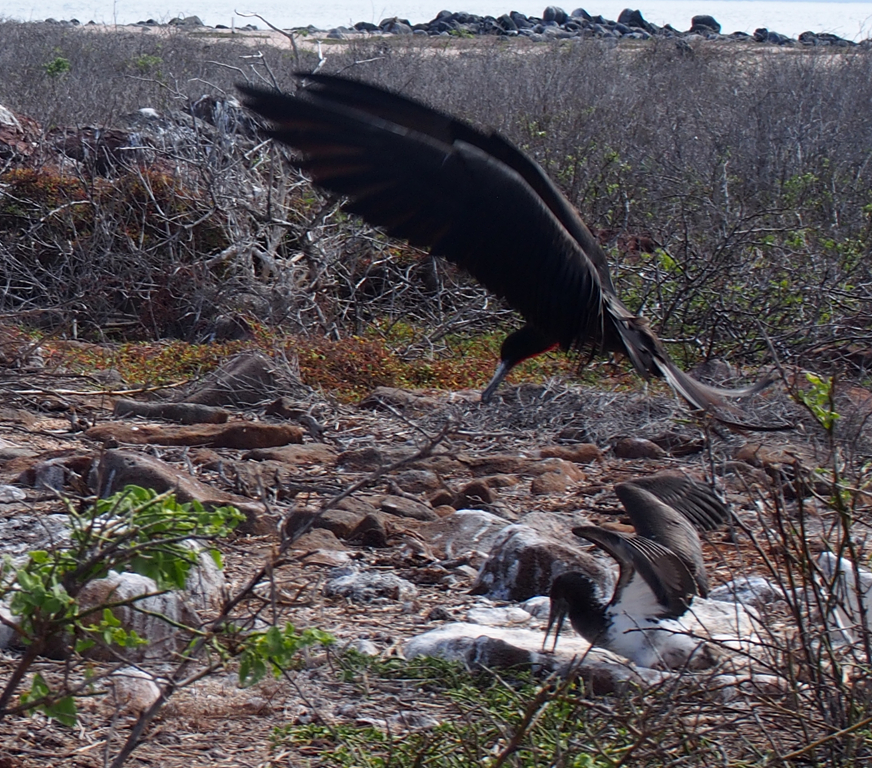
    But when she comes in with food, the frigatebirds try to intercept her.

    image

    They viciously keep trying to steal the food.

    image

    Ganging up and pecking at the poor baby booby.

    image

    This time the baby got his food though.

    image

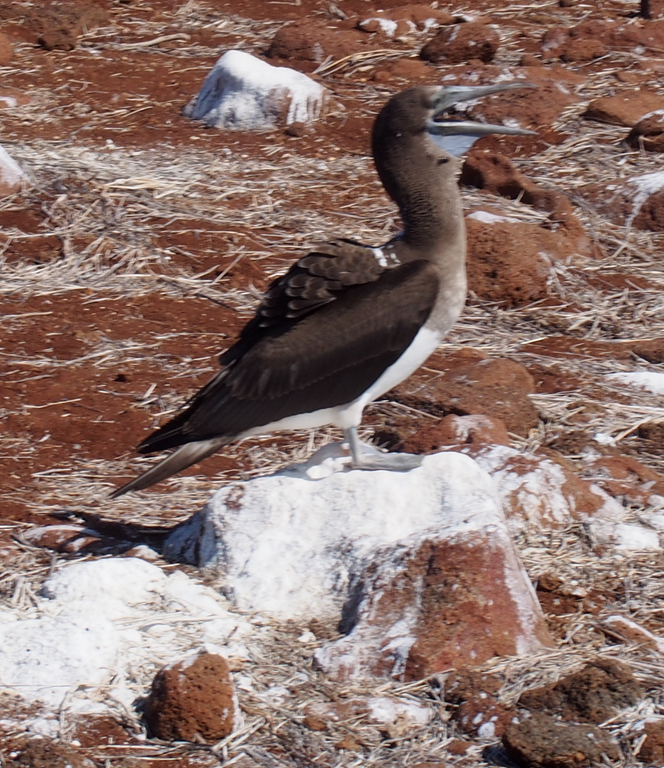
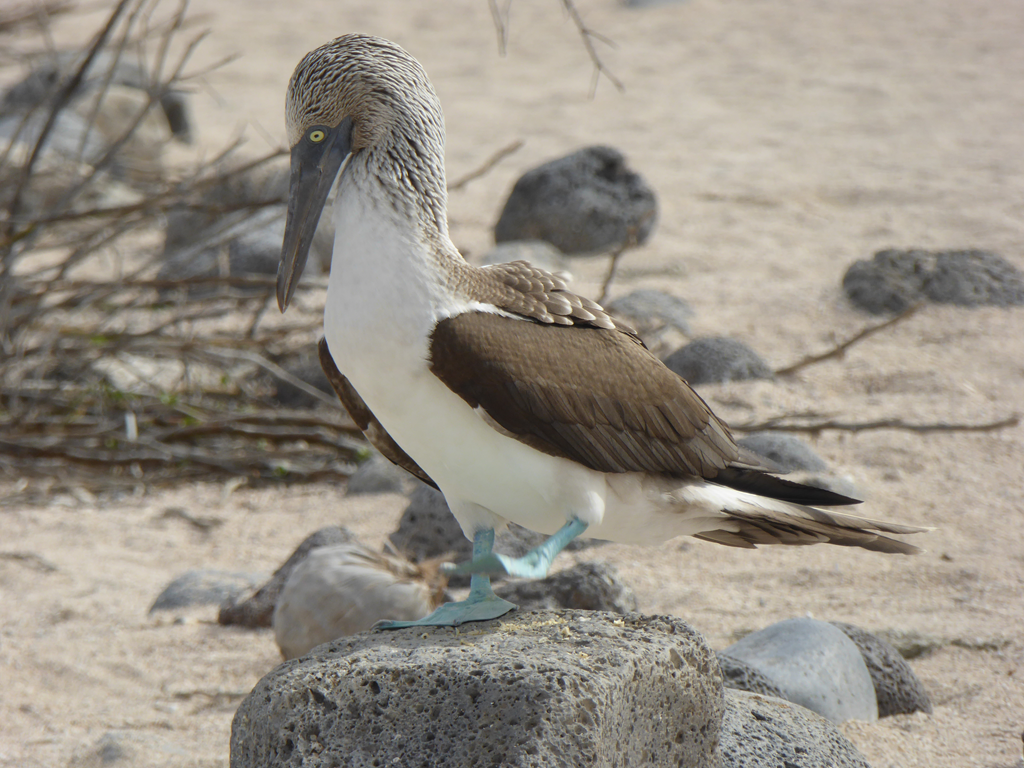
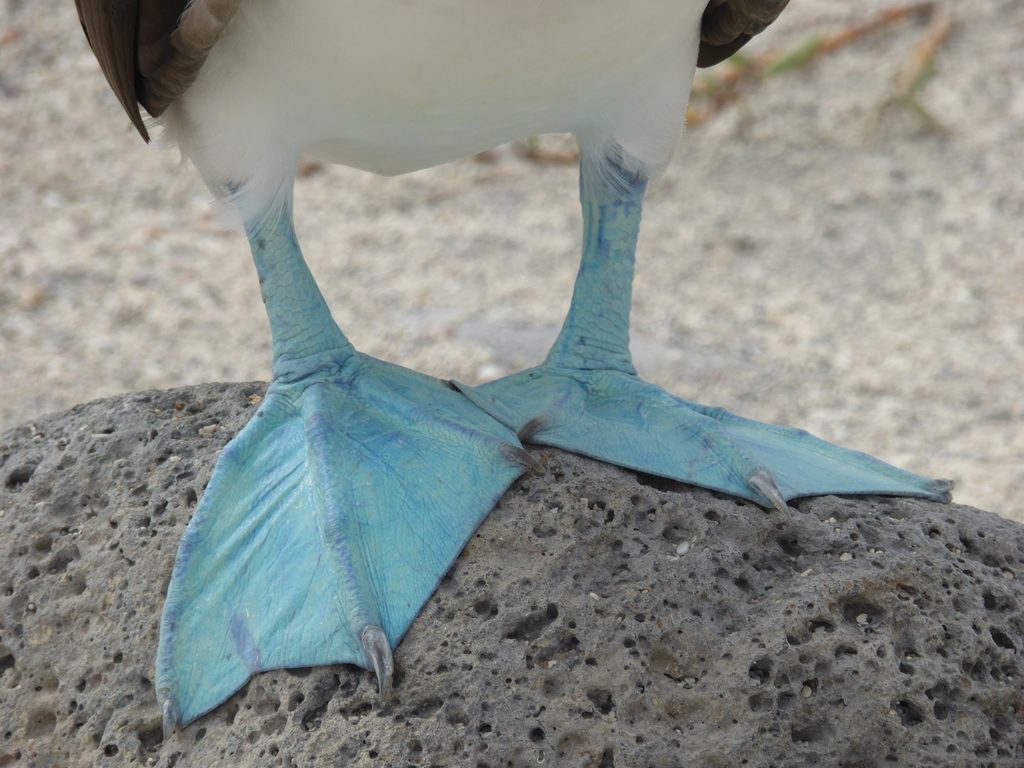
    The young boobie’s feet aren’t very blue.

    image

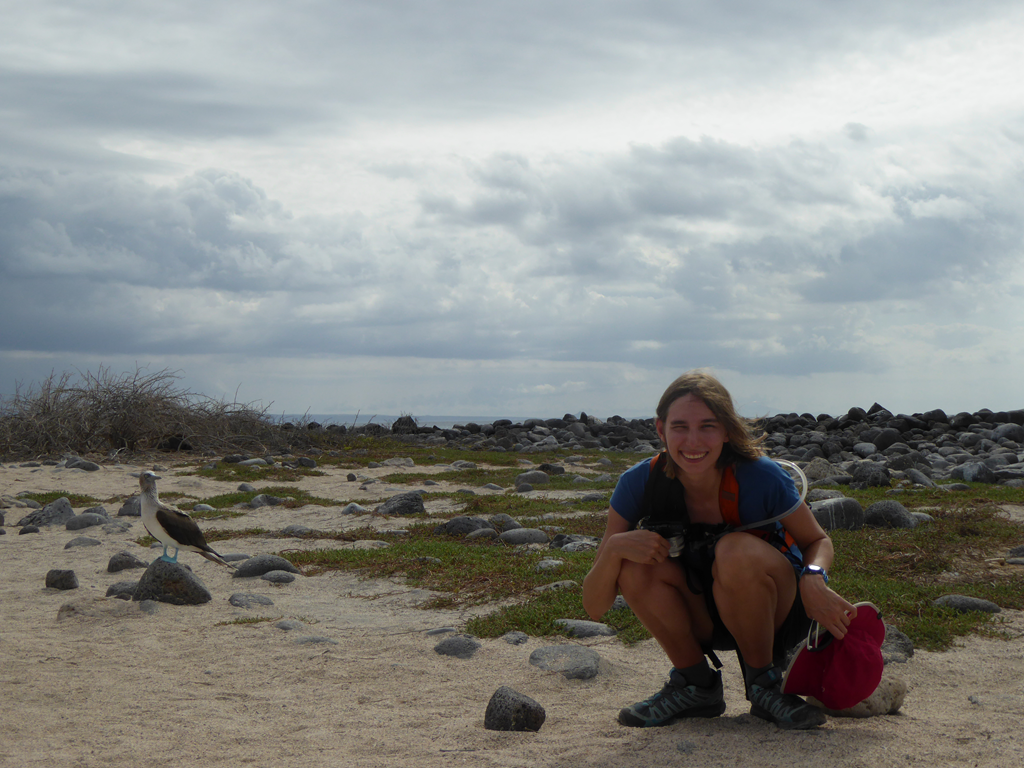
    But the grownups feet are as blue as Kerri’s.

    image

    image

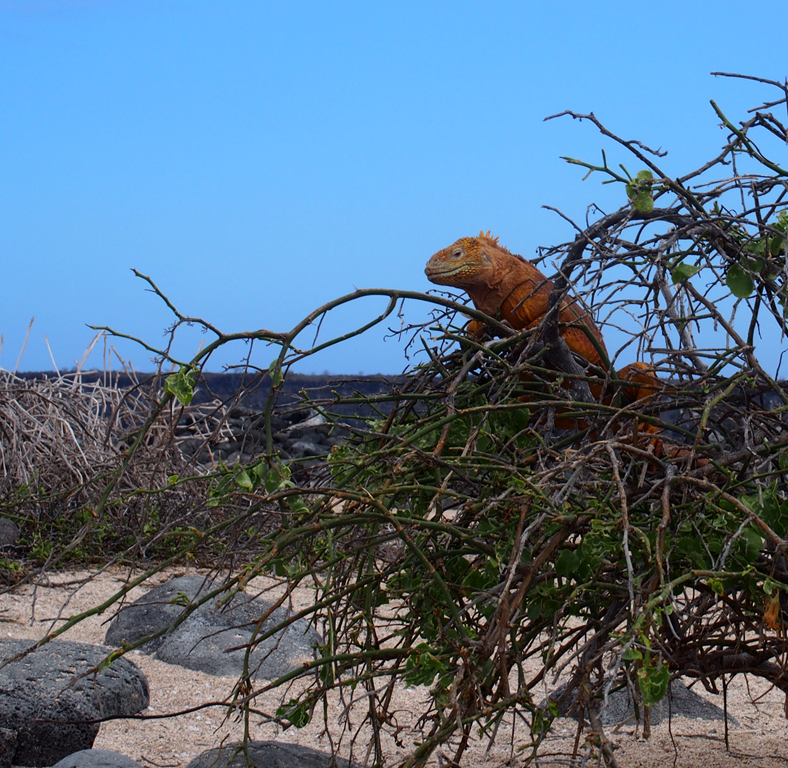
    There were also land iguanas.

    image

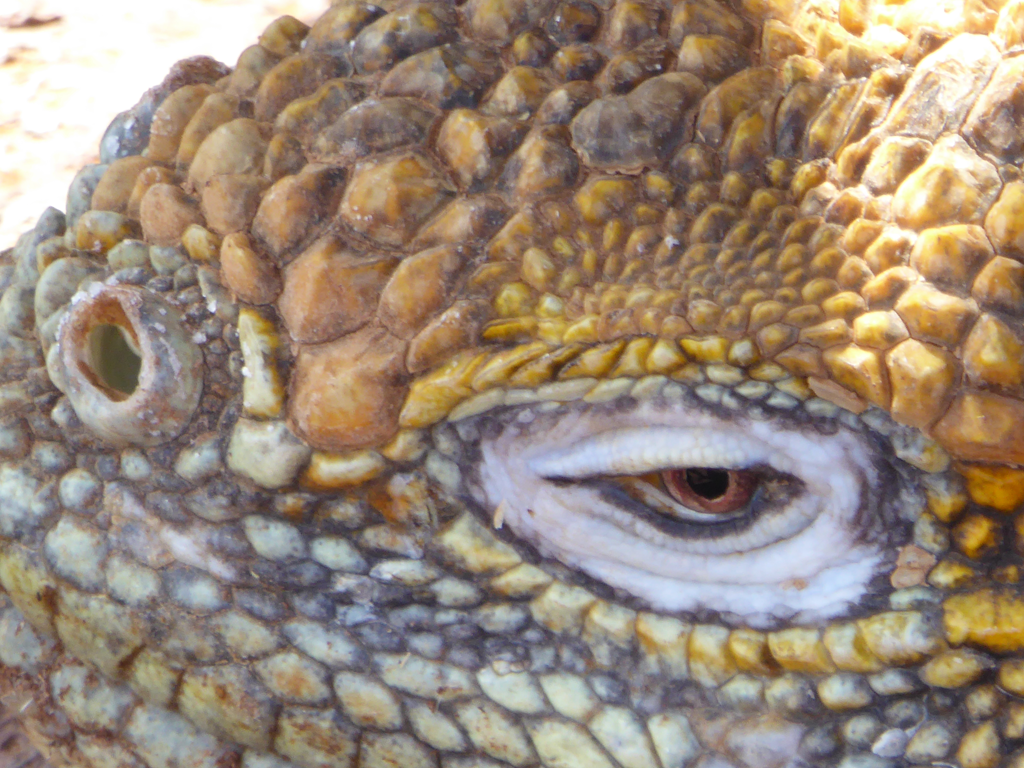
    They were very scaly.

    image

    We also saw many sea lions.


    image

    Some of them were surfing in the very large waves.

    image

    It was hard work for the little guys.

    image