• Category Archives Uncategorized
  • Sullivan Bay

    Today we walked on a new lava flow from 1897.
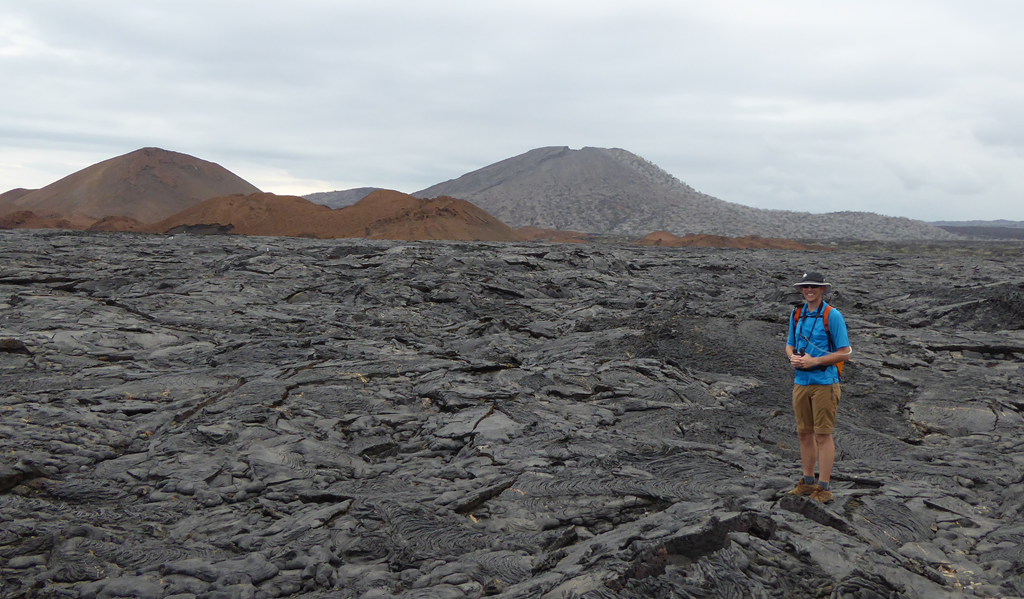
    image

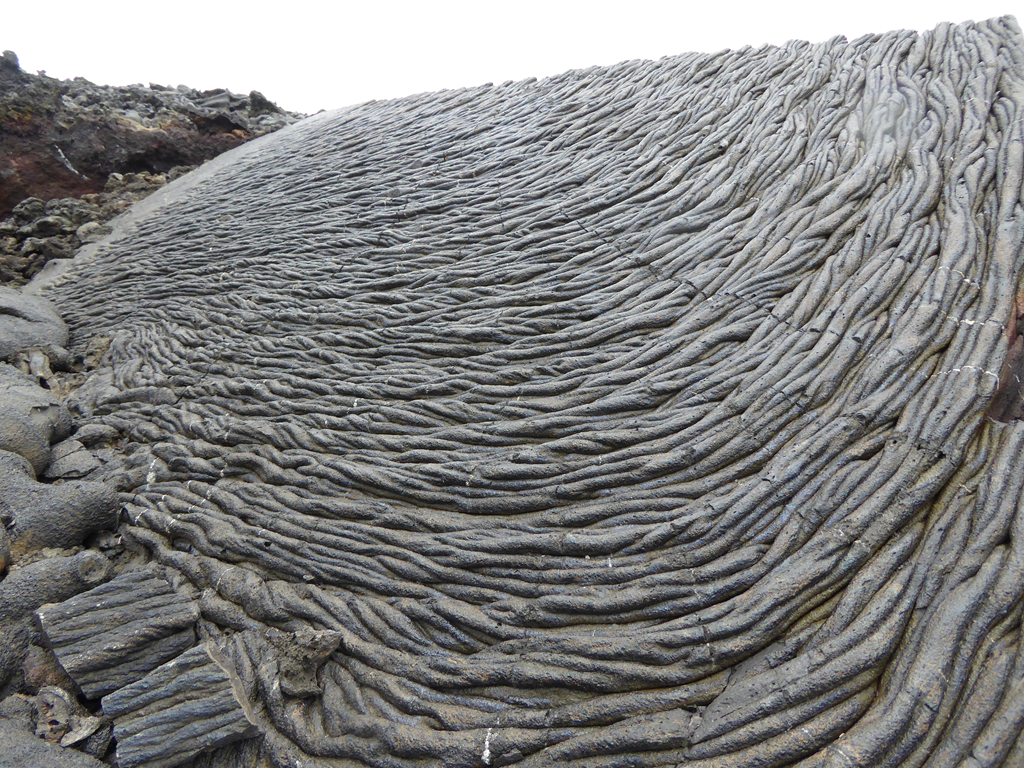
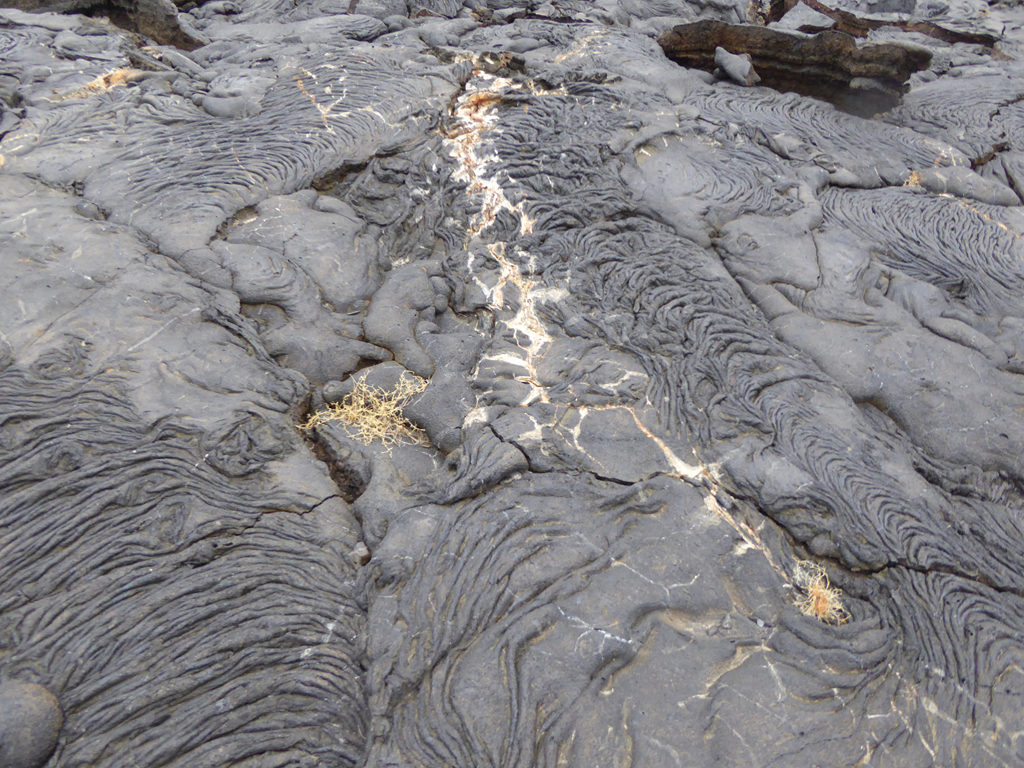
    It was all ropy pahoehoe formed from slow flowing lava.
    image

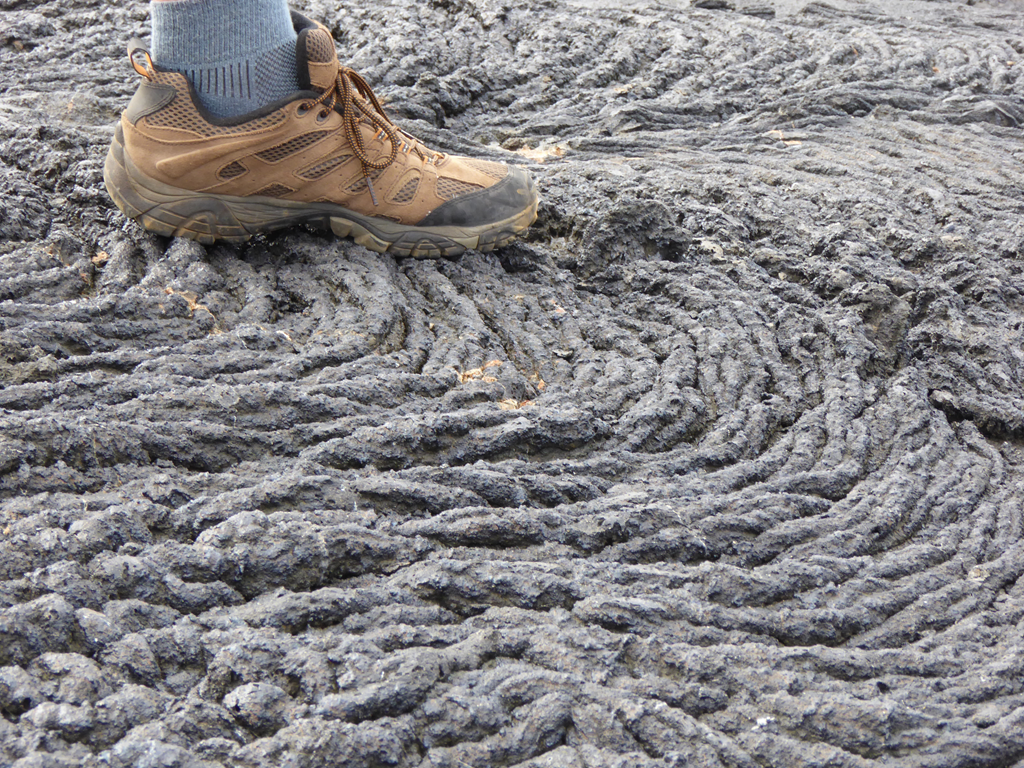
    The layer on top cools and solidifies, but the lava underneath continues to flow and push it so the skin wrinkles.

    The surface is very rough and hard on hiking boots.
    image

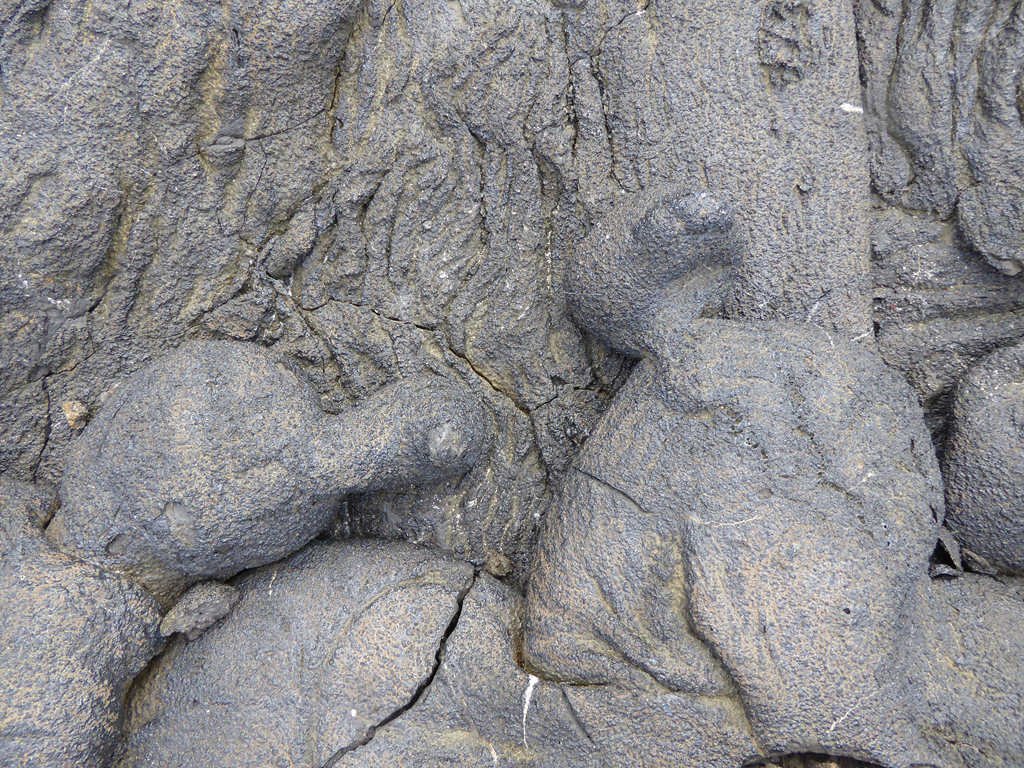
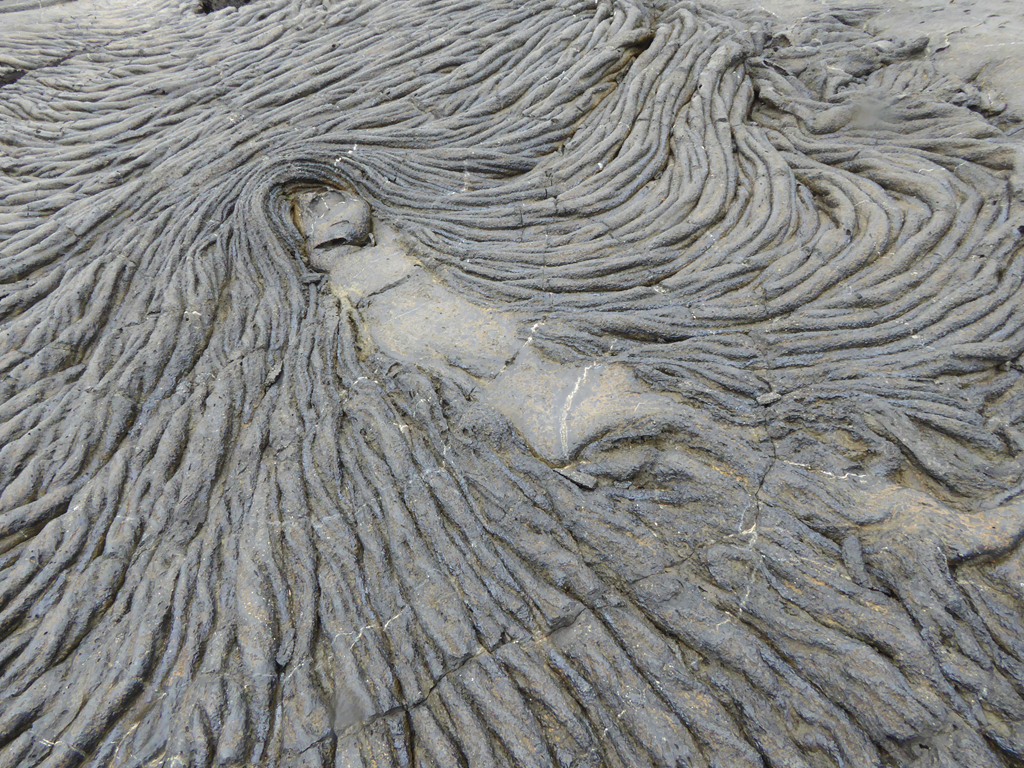
    Some places you can see something got in the way of the flowing lava.
    image

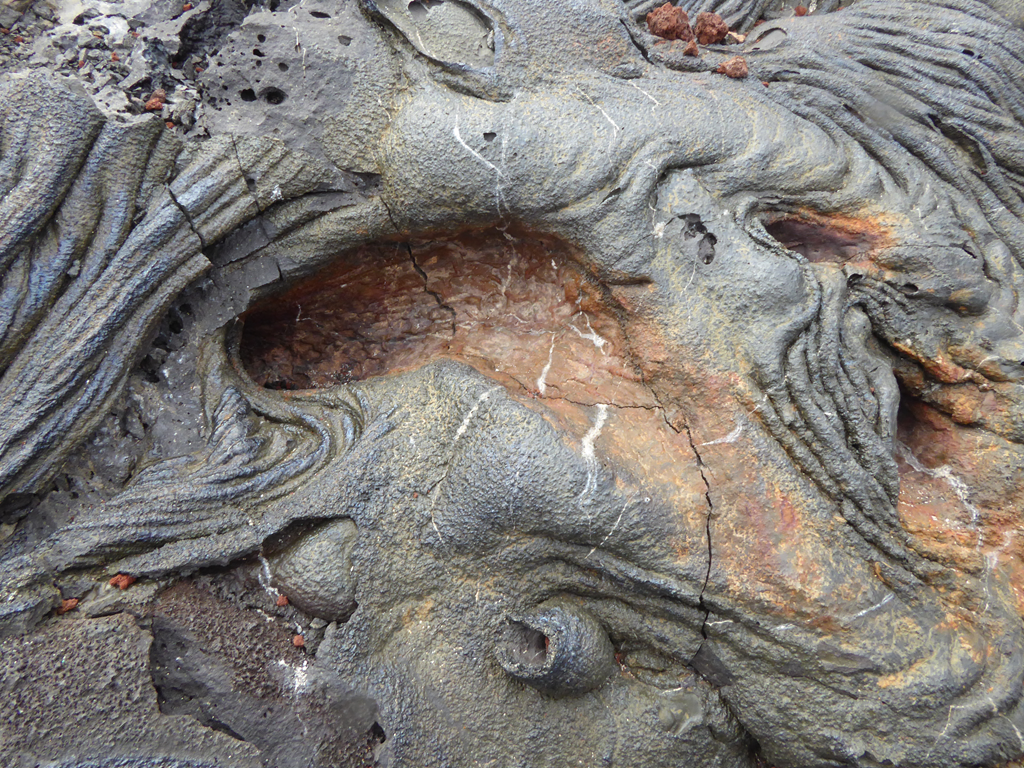
    This one was a tree. You can still see the texture of the bark in the imprint.
    image

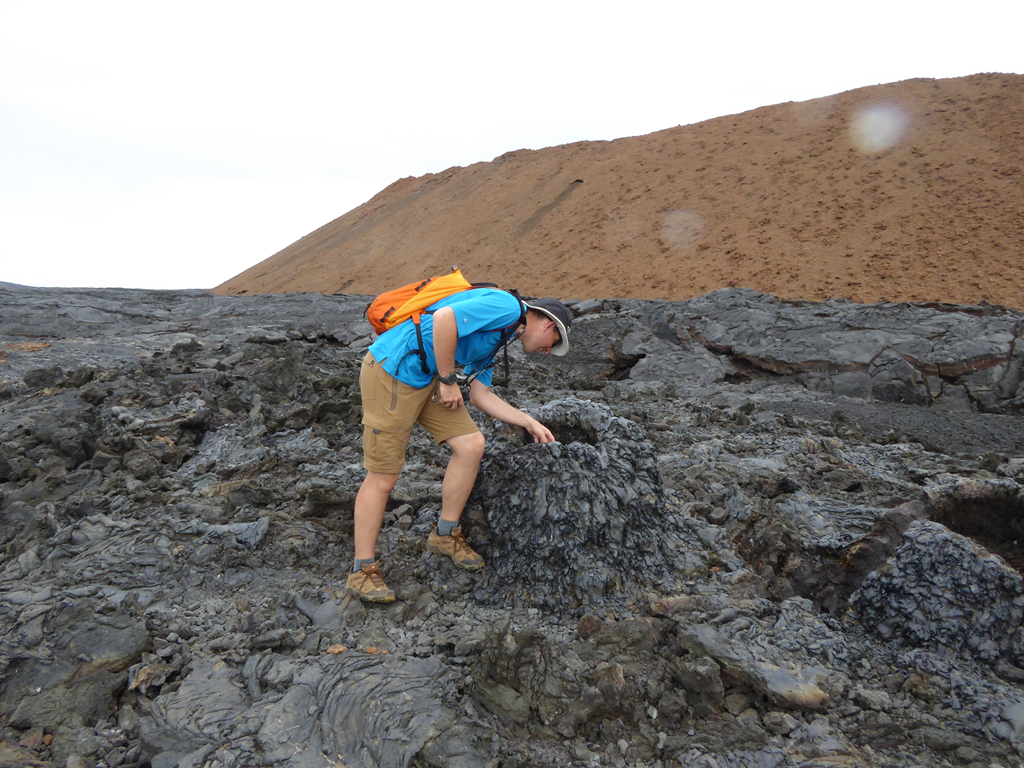
    This is where giant gas bubble blooped up.
    image

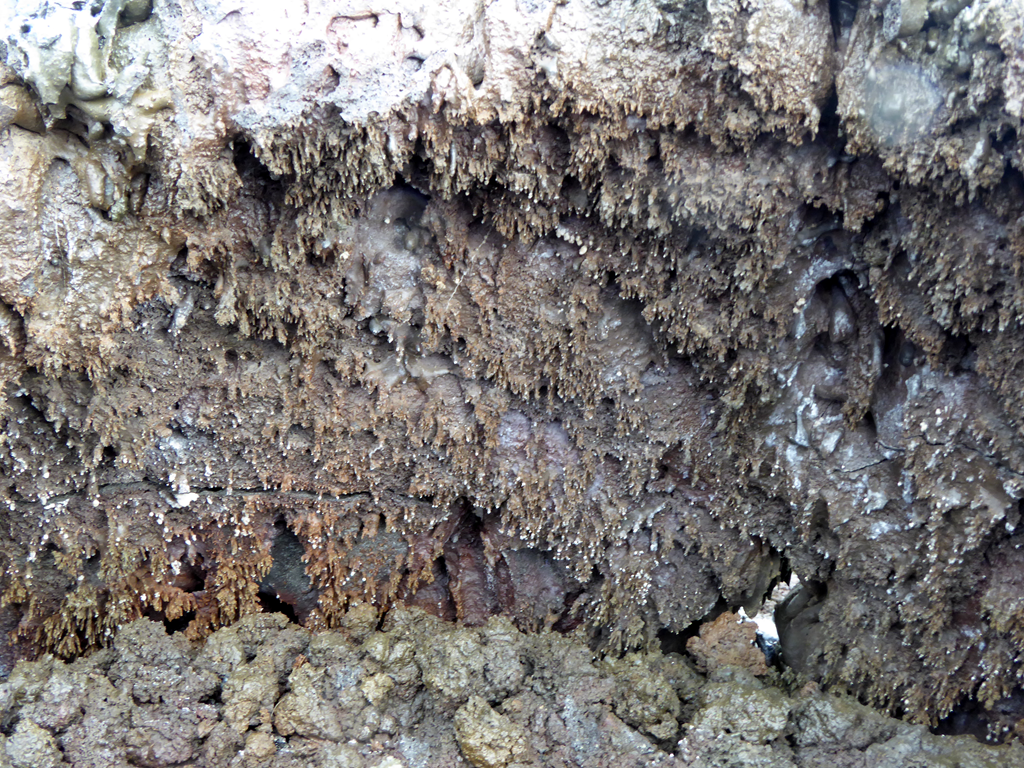
    The inside of the bloops is all spikey.
    image

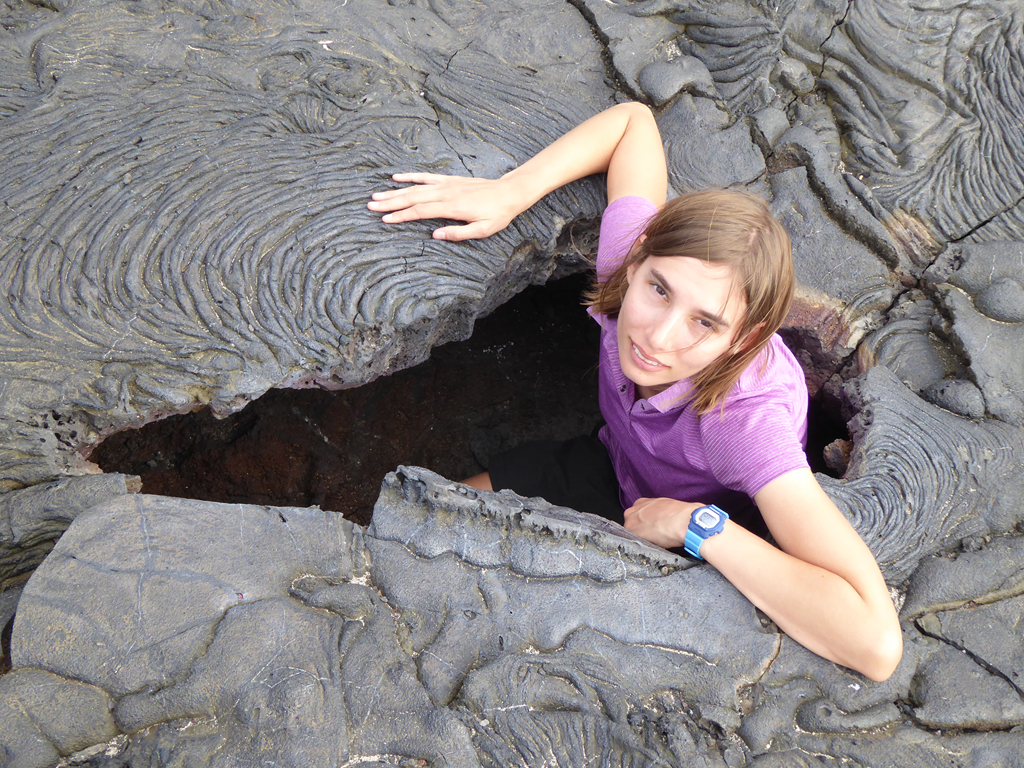
    Sometimes the lava flowed out after leaving a thick skin, leaving giant holes.
    image

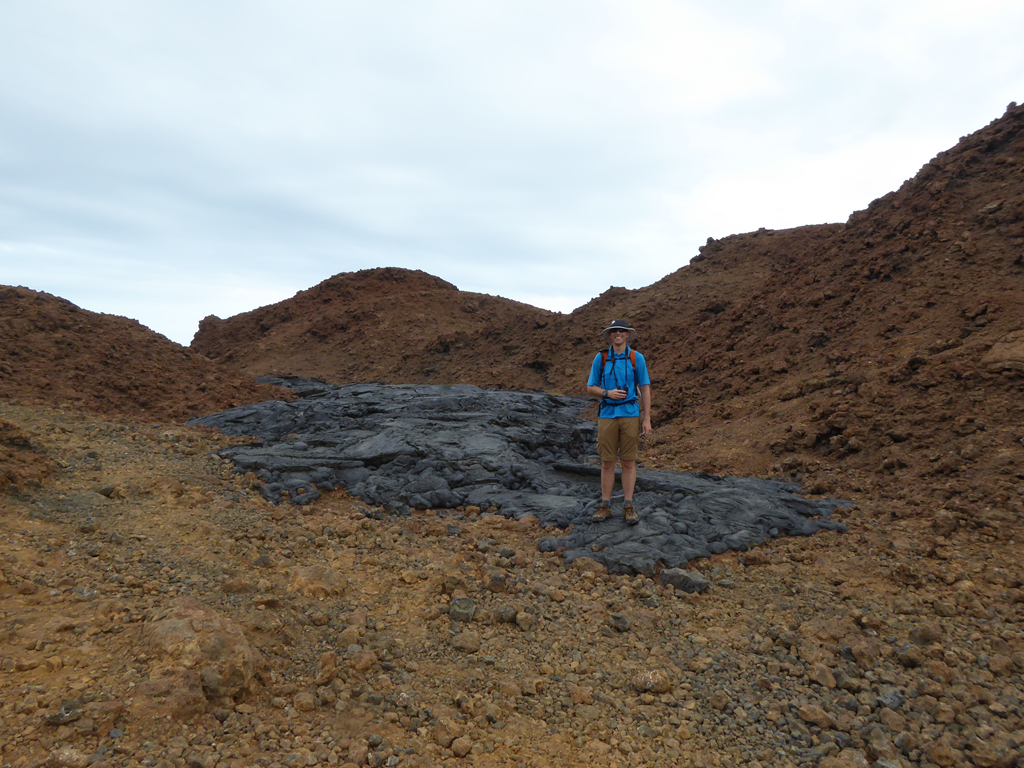
    This is where the new lava flowed over land formed by a much earlier eruption.
    image

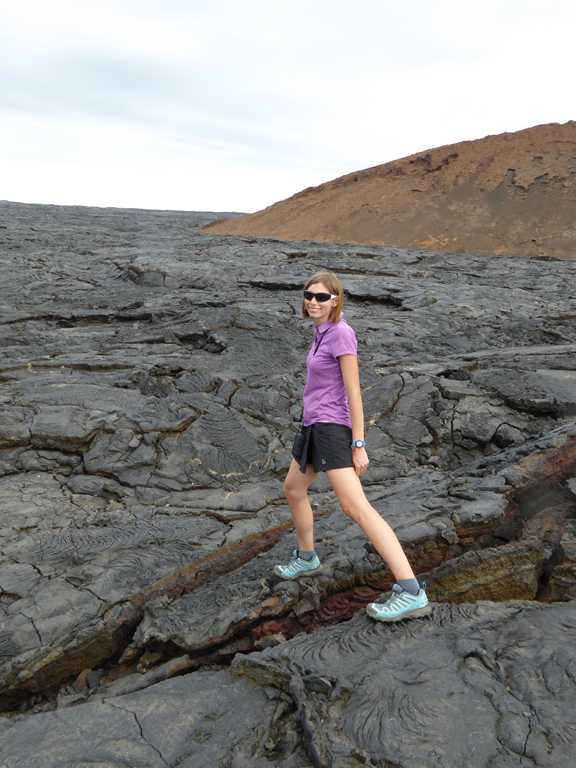
    There were giant cracks in some places.
    image

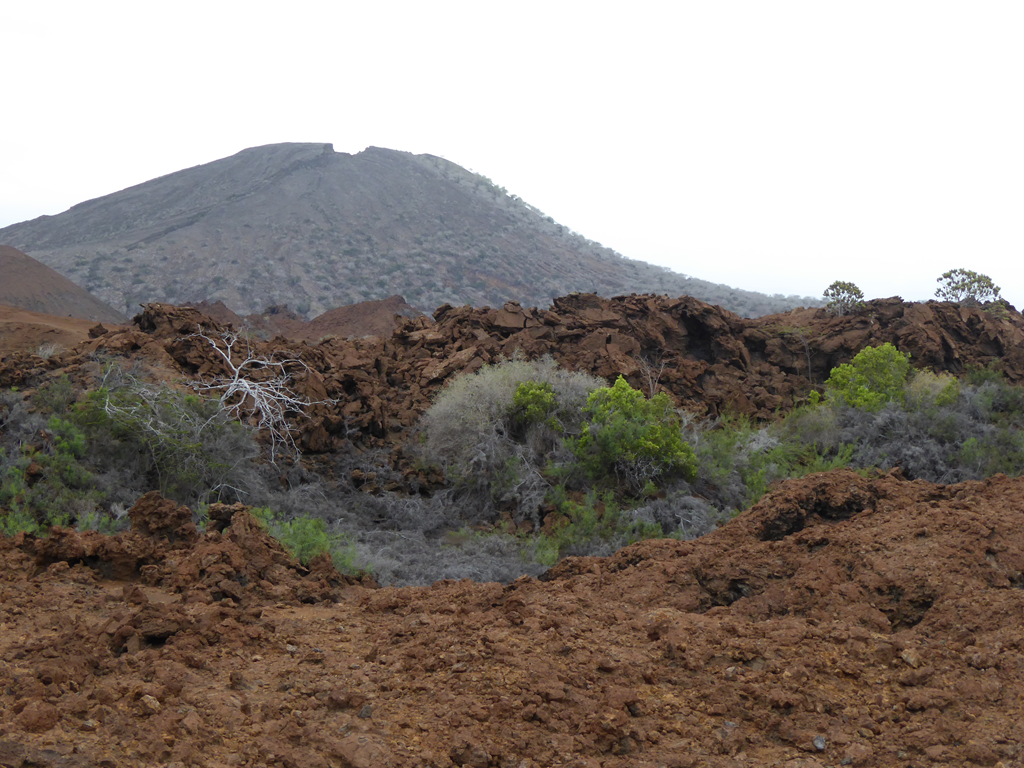
    The older parts of the island have things growing on them.
    image

    But because this lava flow is only a bit over 100 years old it only has a few pioneer plants growing in it.
    image

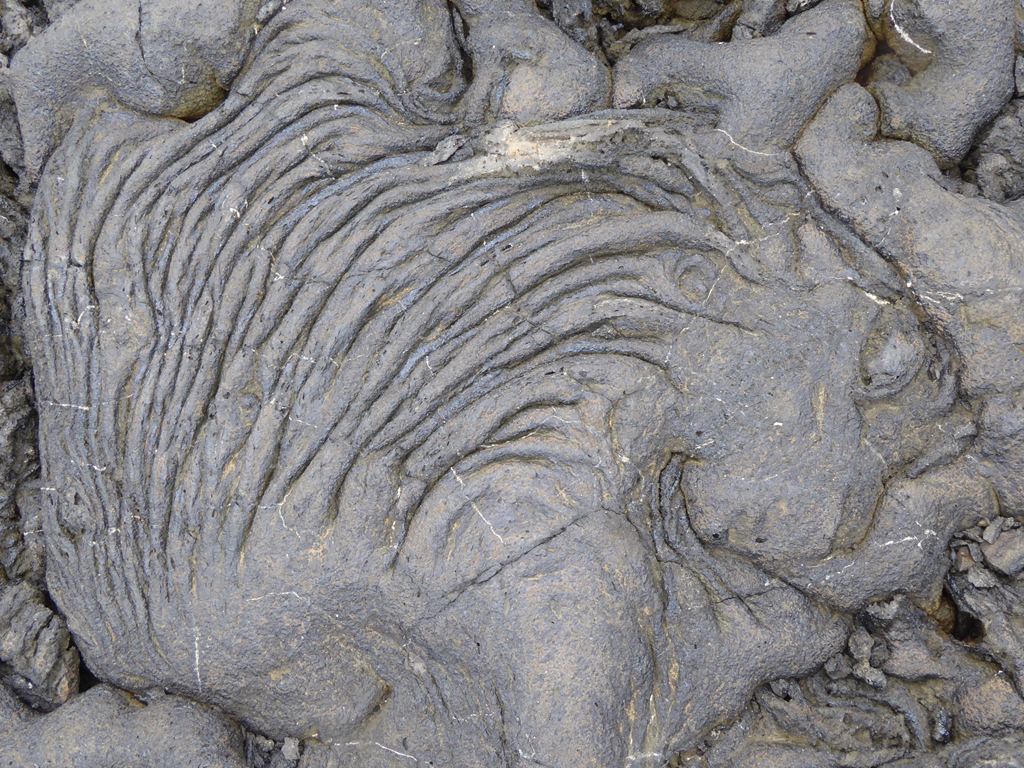
    There wasn’t much living here, but we did find a lion.
    image

    And two dodos.

    image

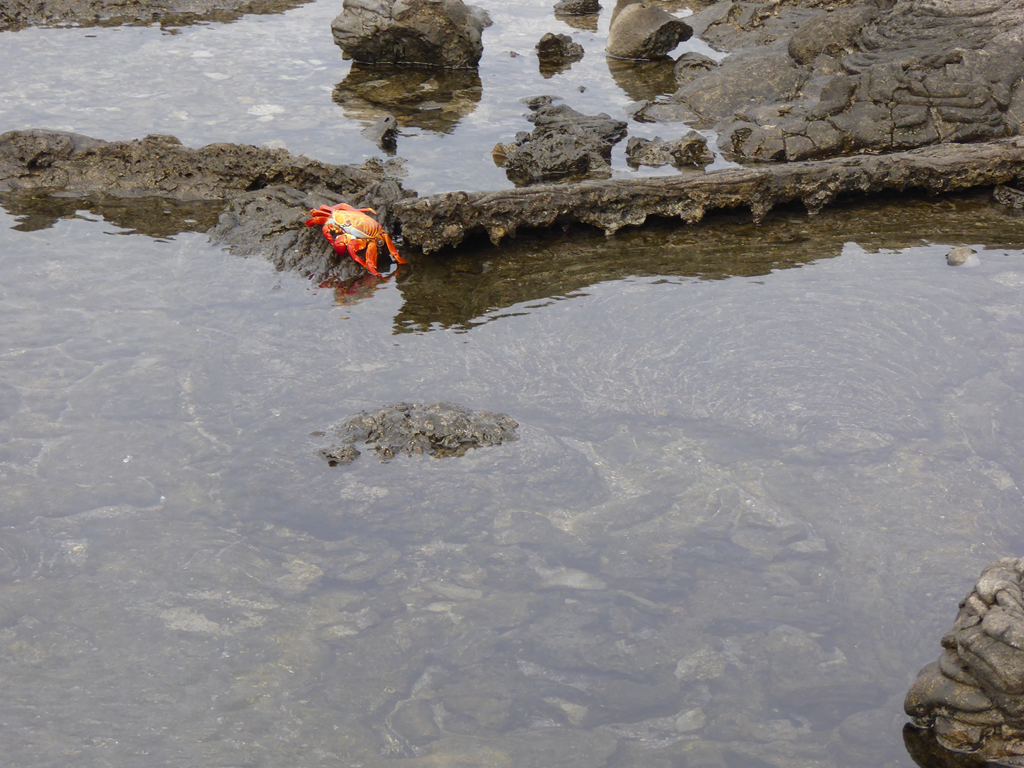
    And a few crabs near the shore.

    image

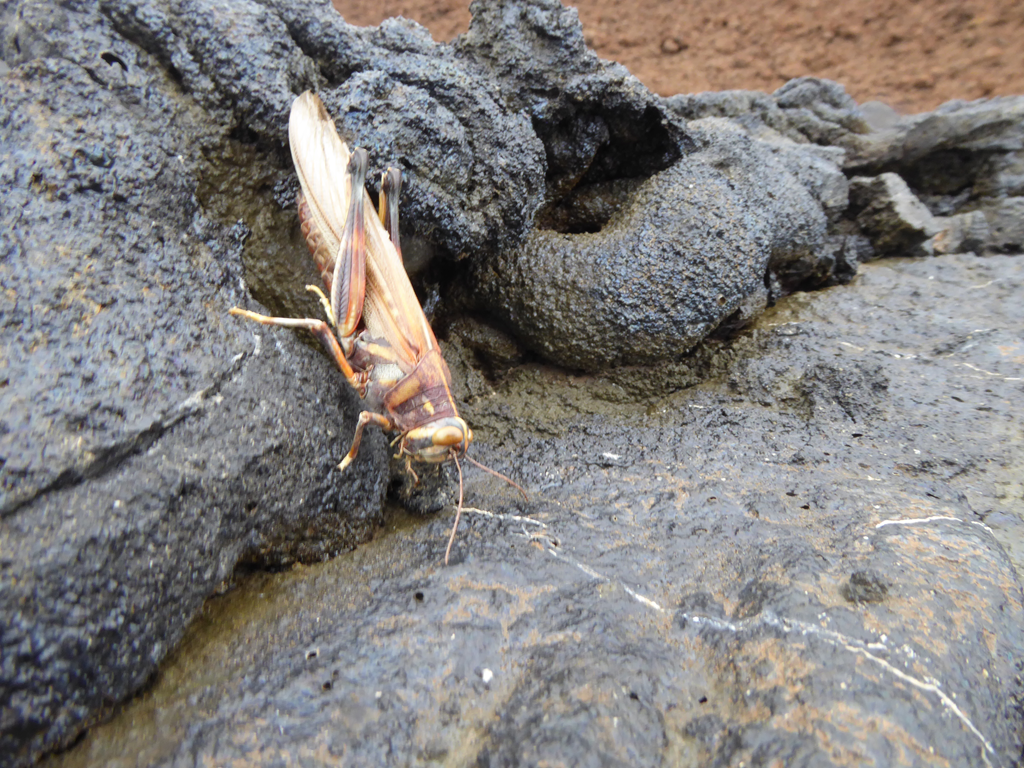
    And, of course, a locust.

    image

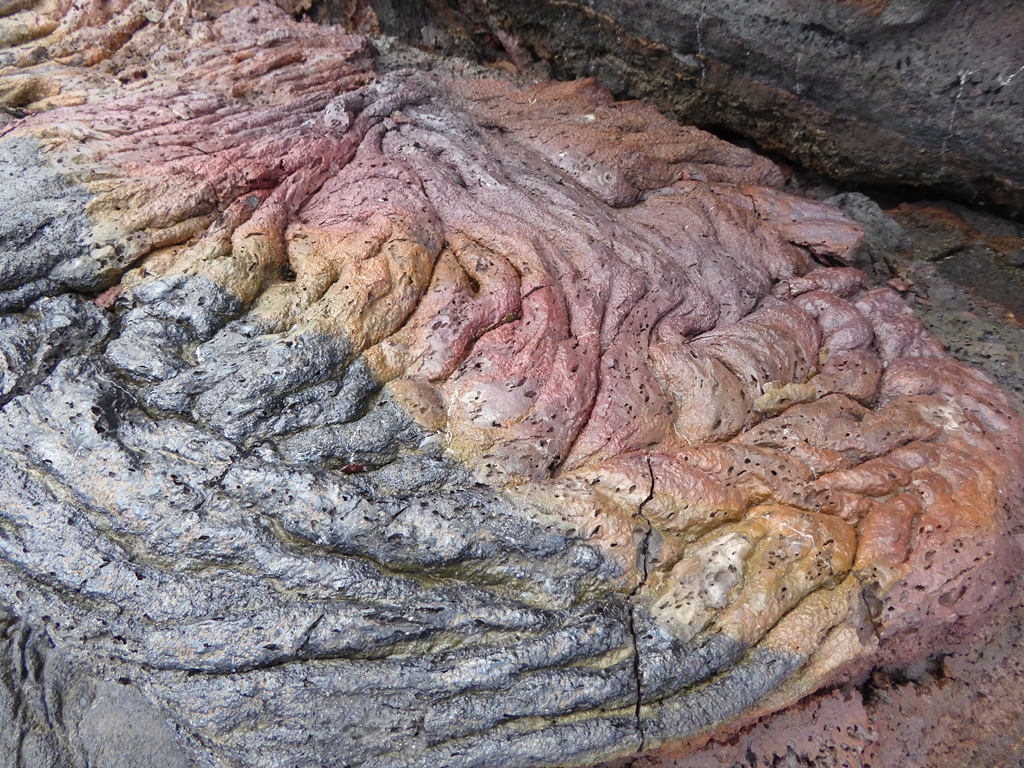
    There was pink lava.

    image

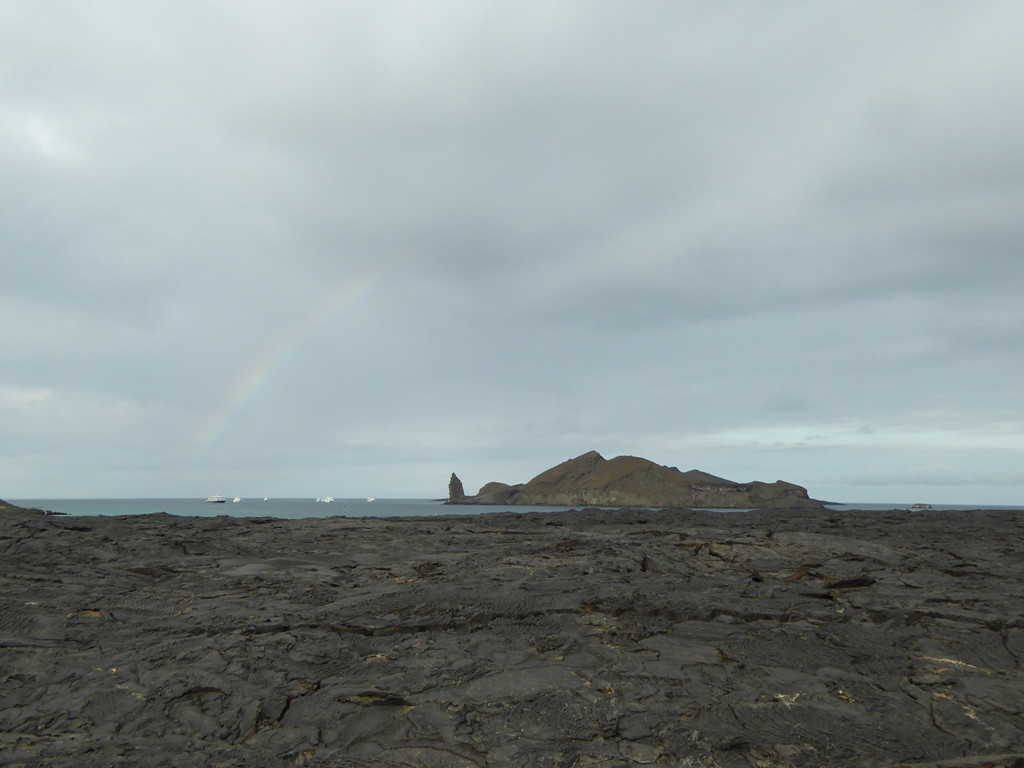
    A rainbow formed while we were hiking.
    image

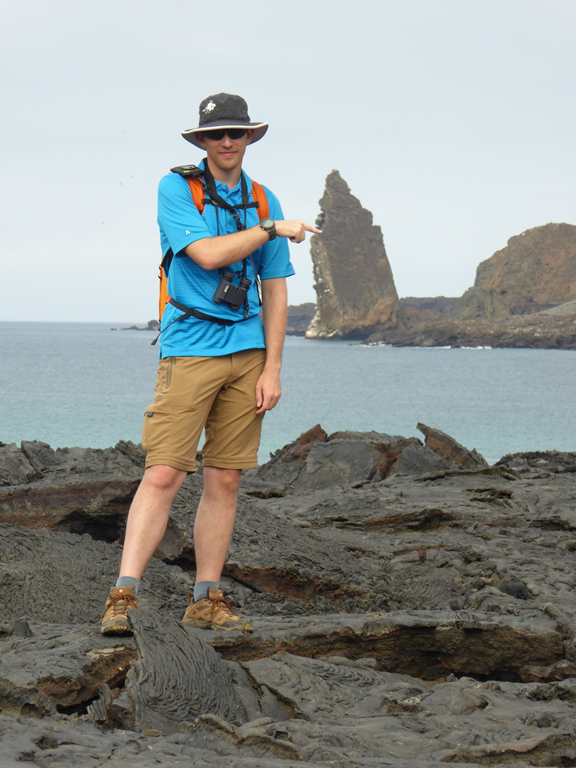
    This is Matt holding up pinnacle rock. He refused to put any effort into it. He’s lucky it didn’t fall on him.
    image


  • Rabida

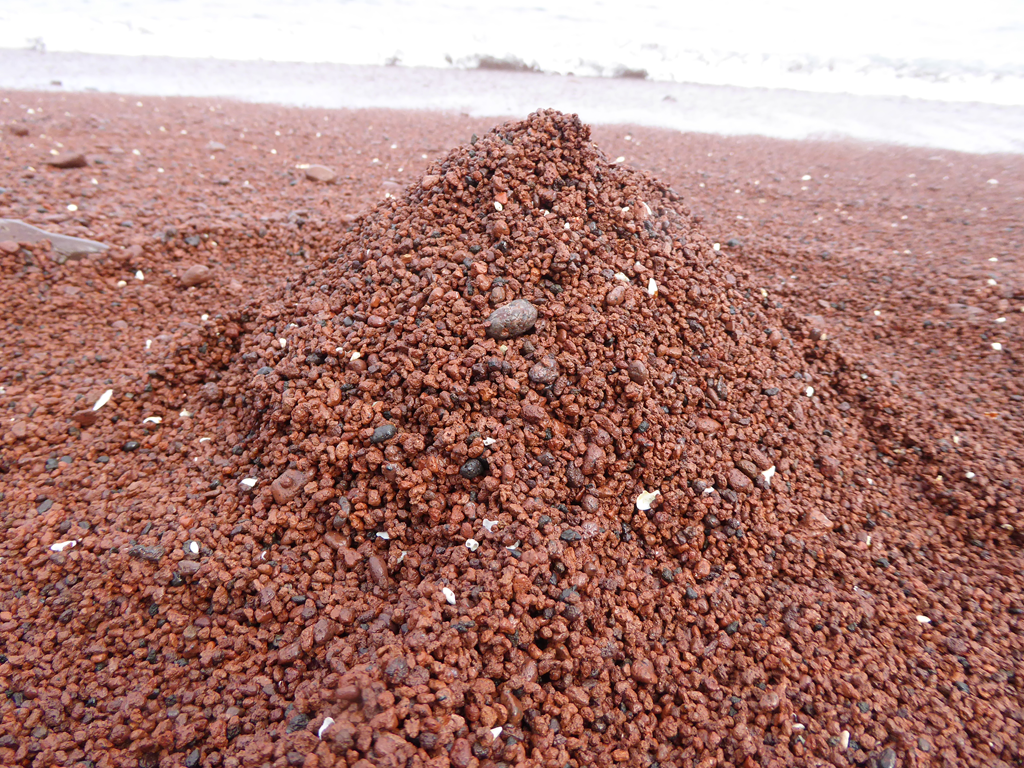
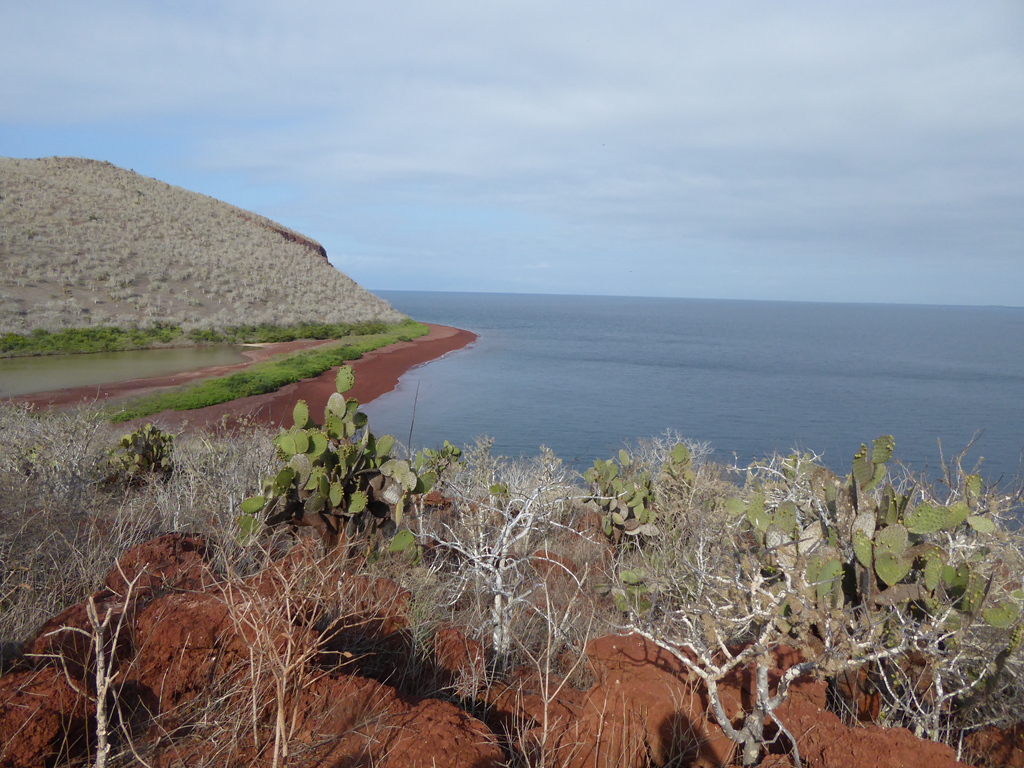
    Rabida has a lot of iron in the soil, so it is bright red.

    image

    Kerri tried to build a red sandcastle, but the sand wasn’t very good.

    image

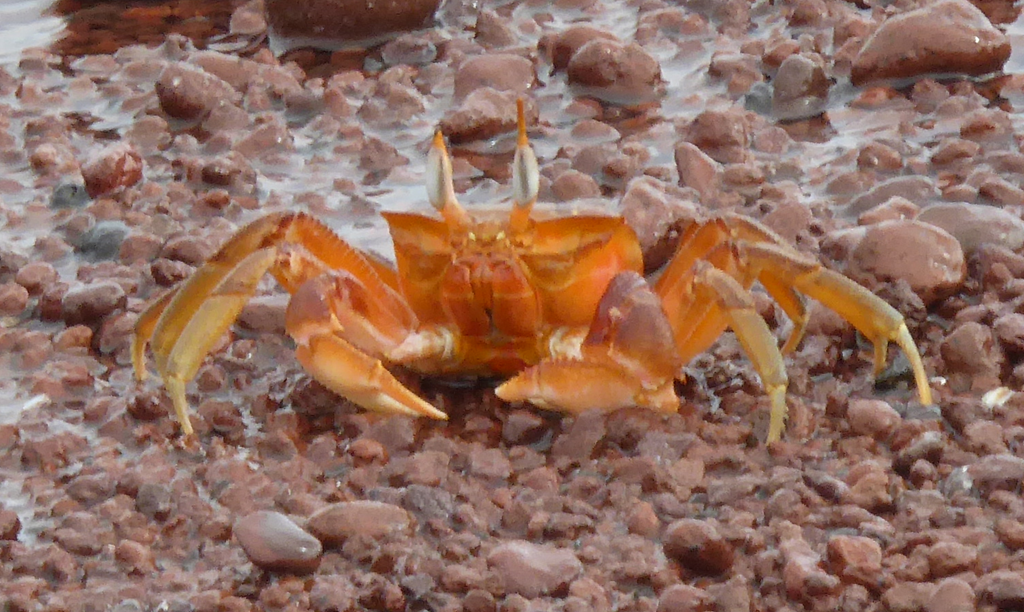
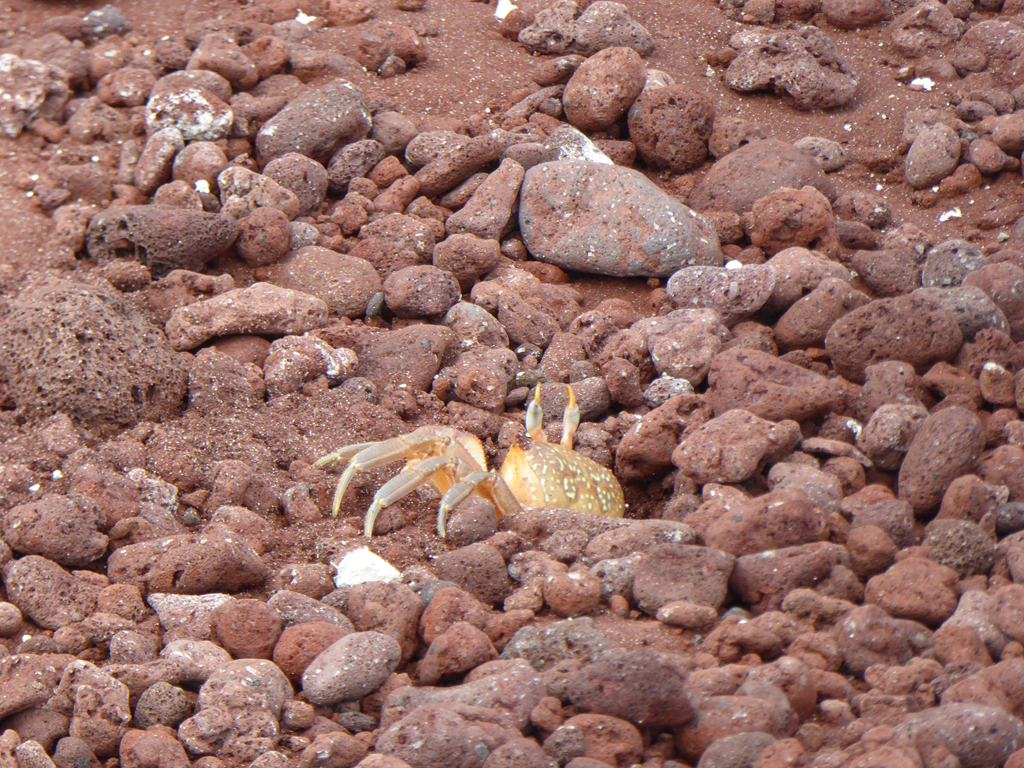
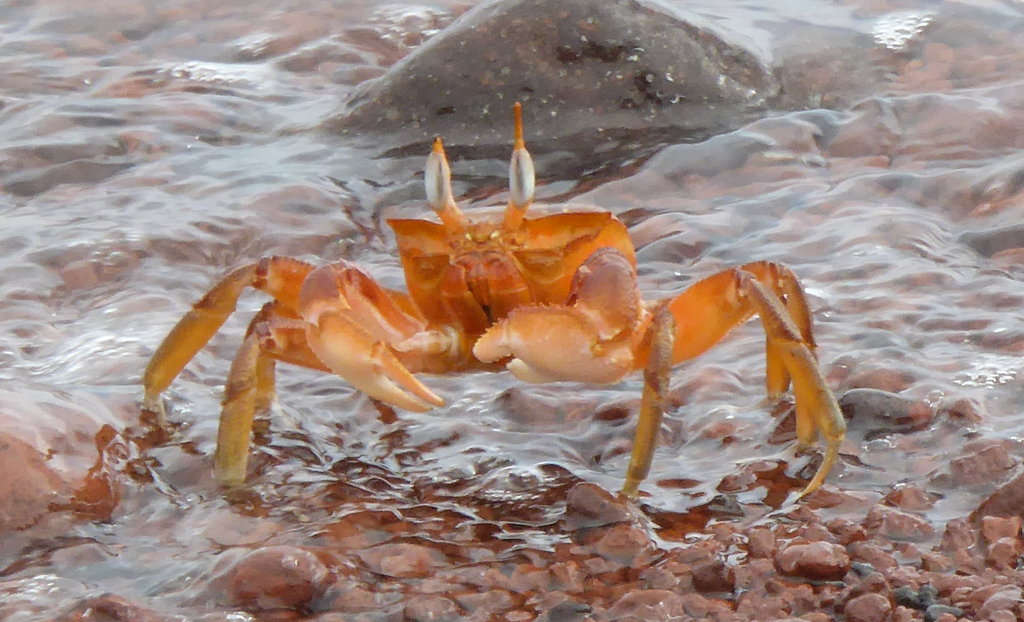
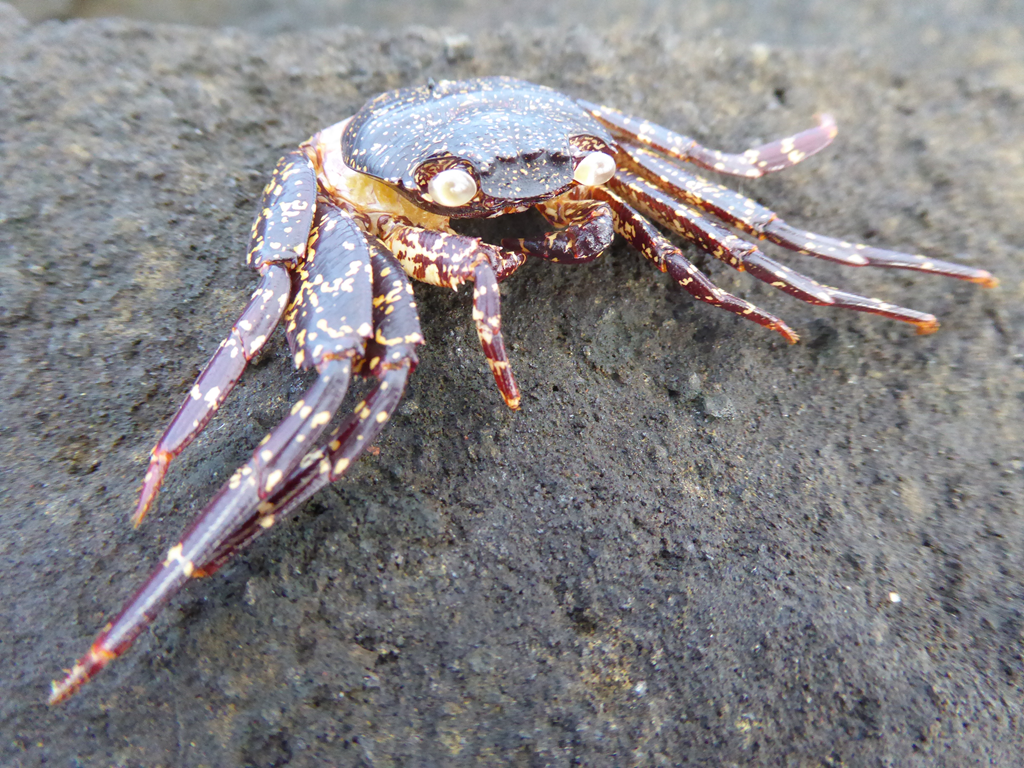
    There were a lot of ghost crabs on the beach.

    image

    They disappear

    image

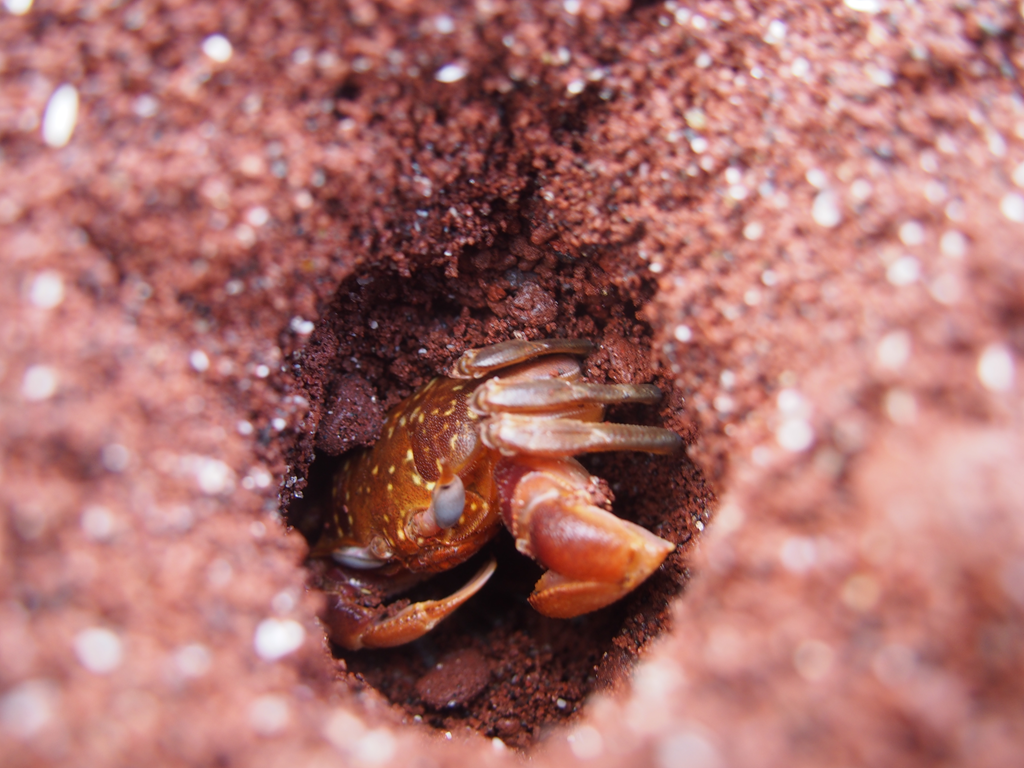
    and hide in their holes when anyone comes close.

    image

    They did not seem to like getting wet.

    image

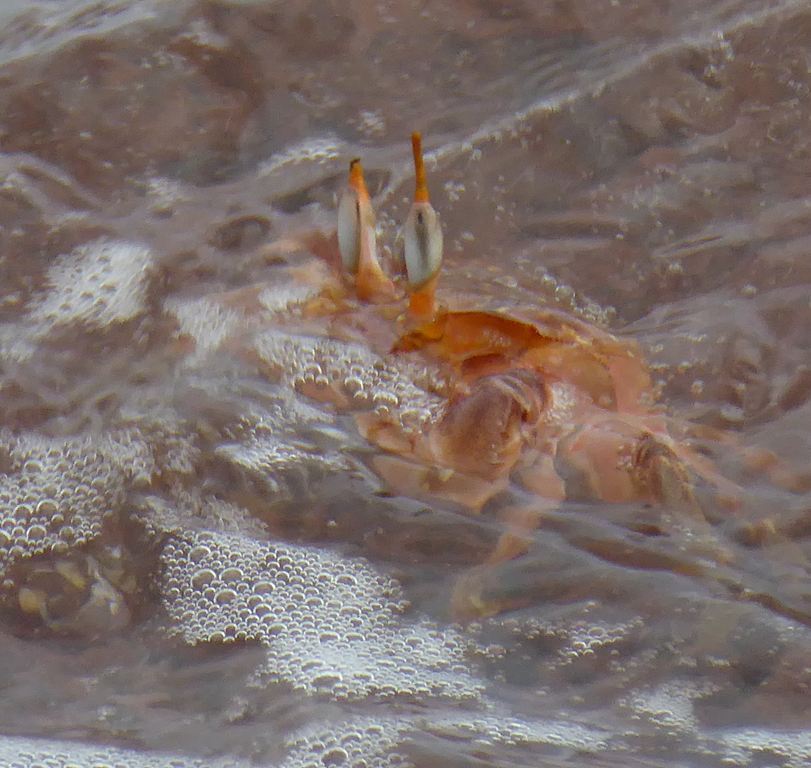
    Especially when the water came right up to his eye stocks.

    image

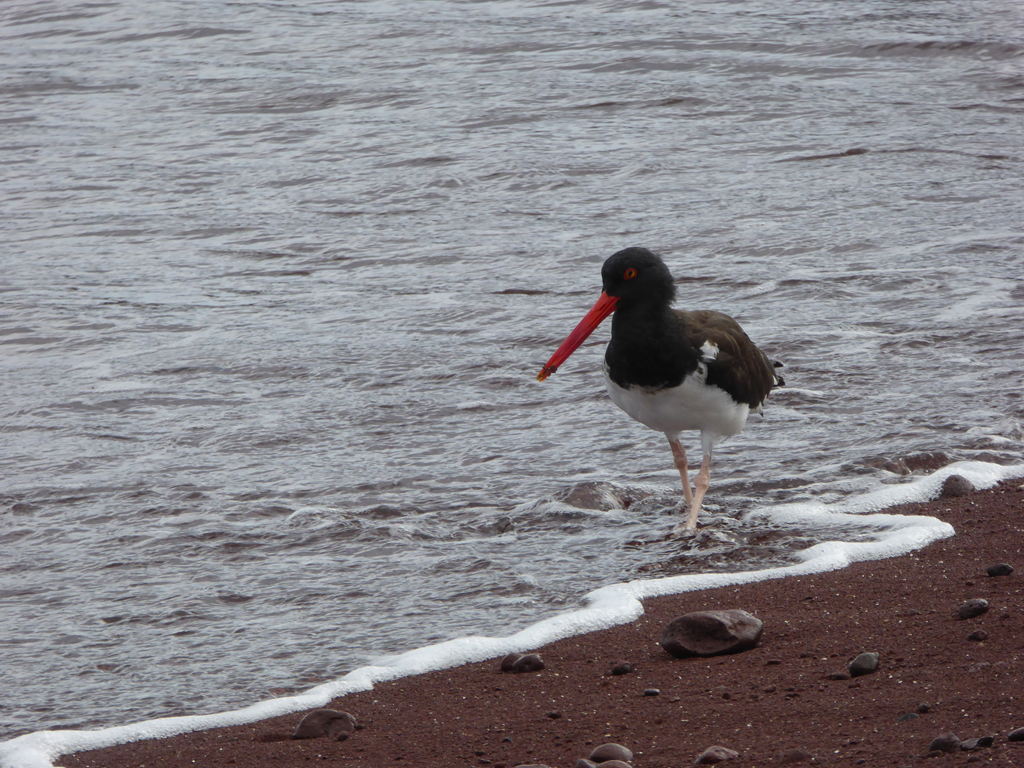
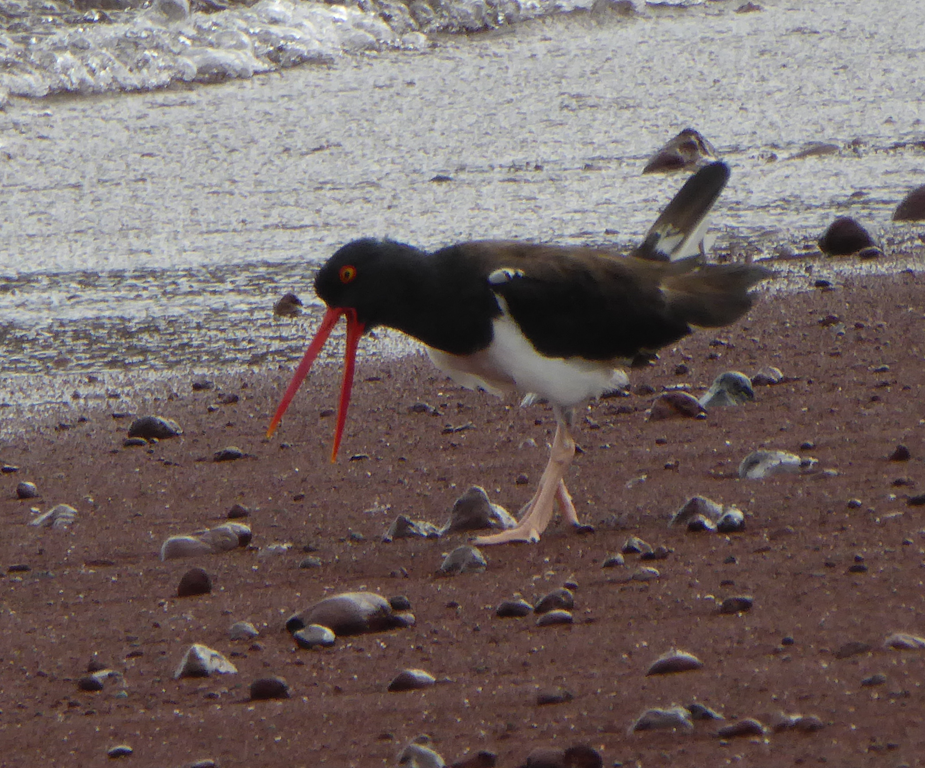
    This is an oystercatcher.

    image

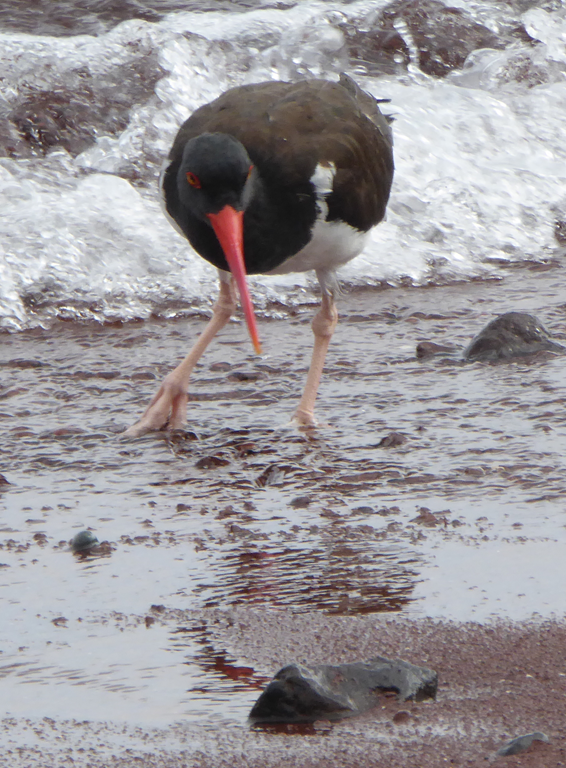
    They are very funny looking.

    image

    Especially when their mouths are open.

    image

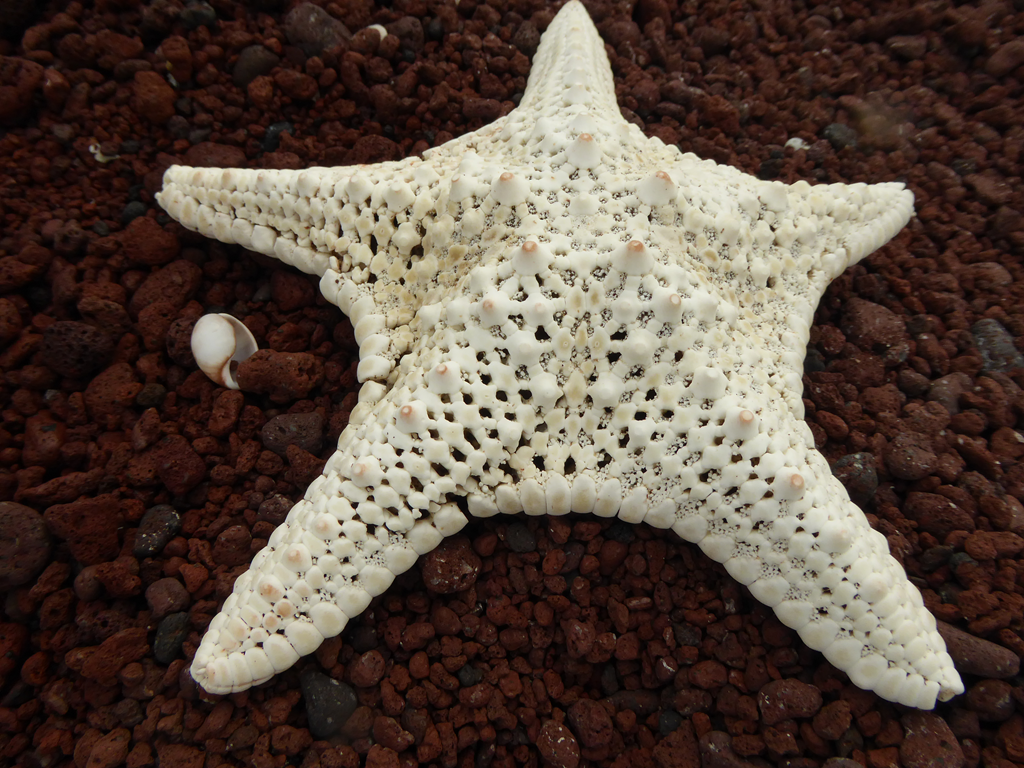
    This is a dead starfish.

    image

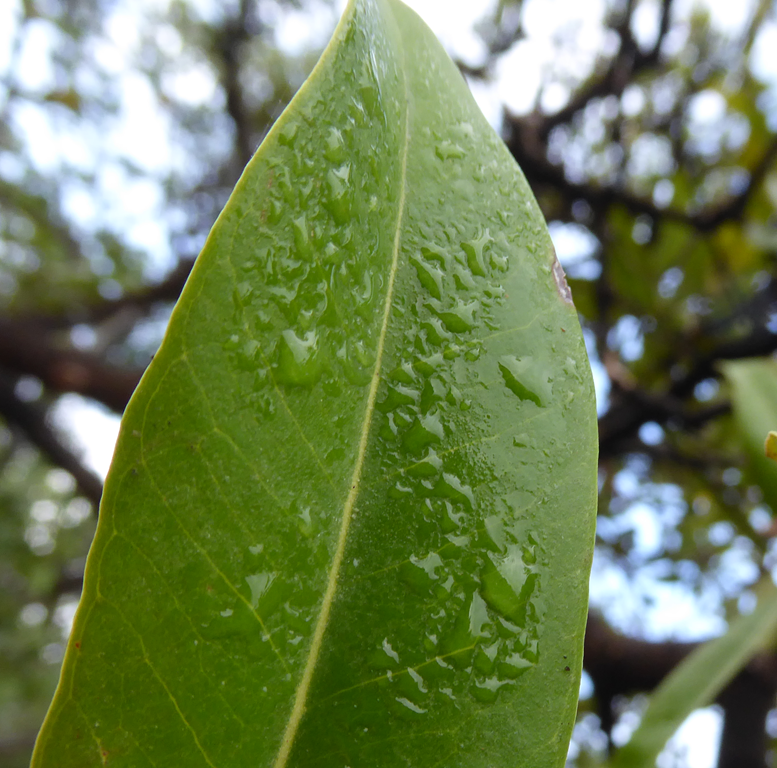
    This is the leaf of a black mangrove. It is sweating out the salt it takes in from the ocean water.

    image

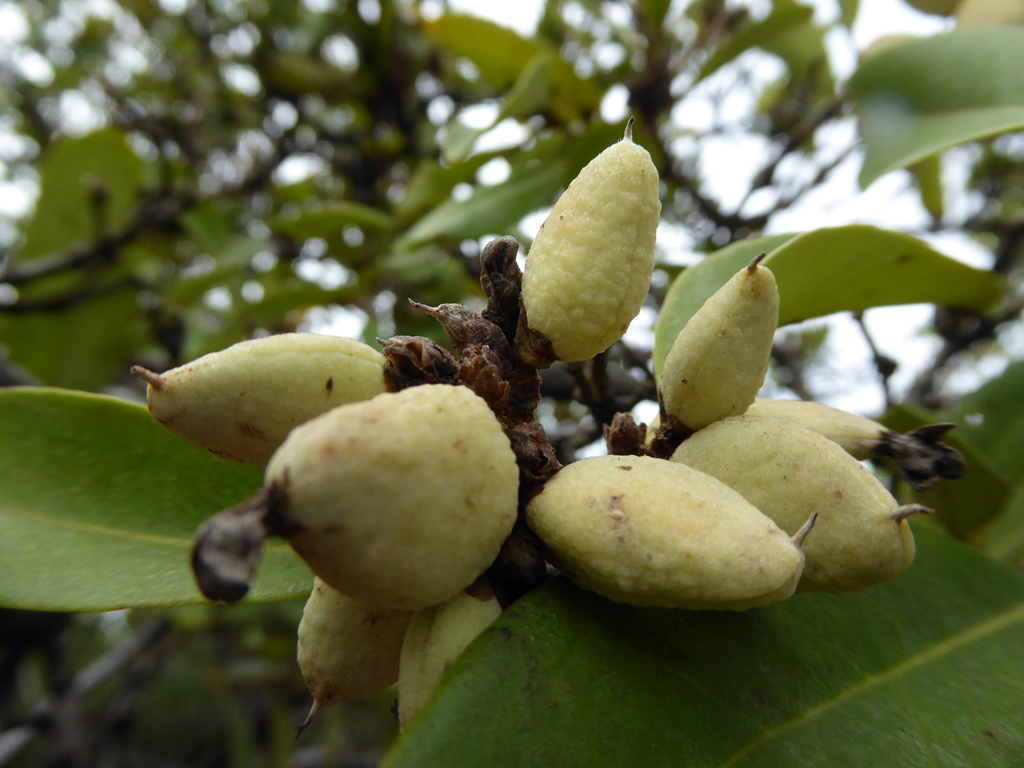
    These are its fruit.

    image

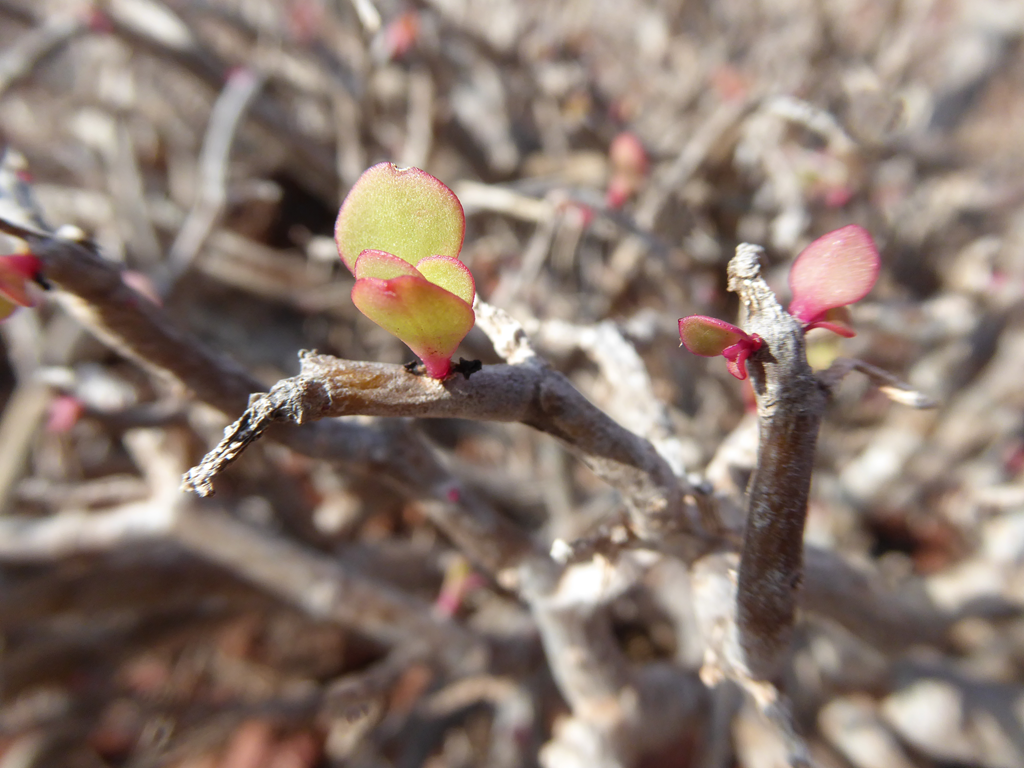
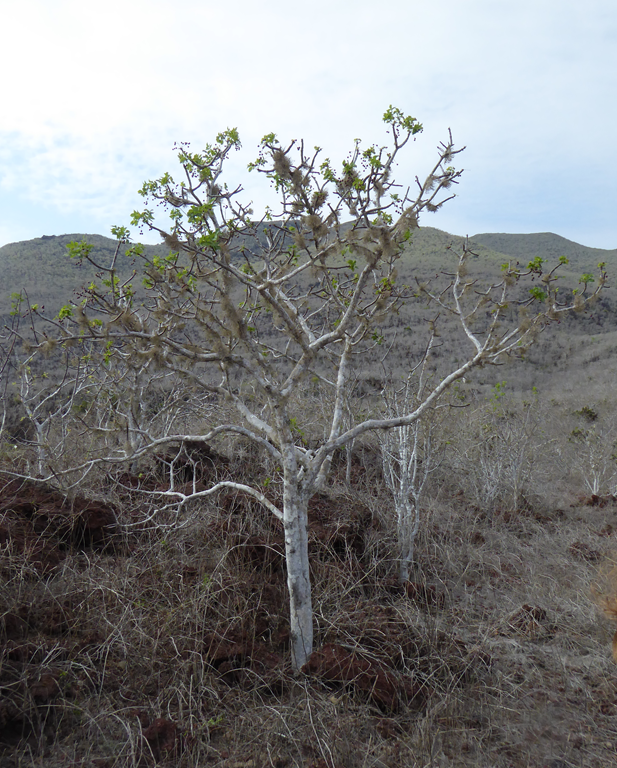
    They had a bit more rain here, so the incense trees were starting to get leaves.

    image

    Soon the whole island will be green. Unfortunately we won’t be around to see it.

    image

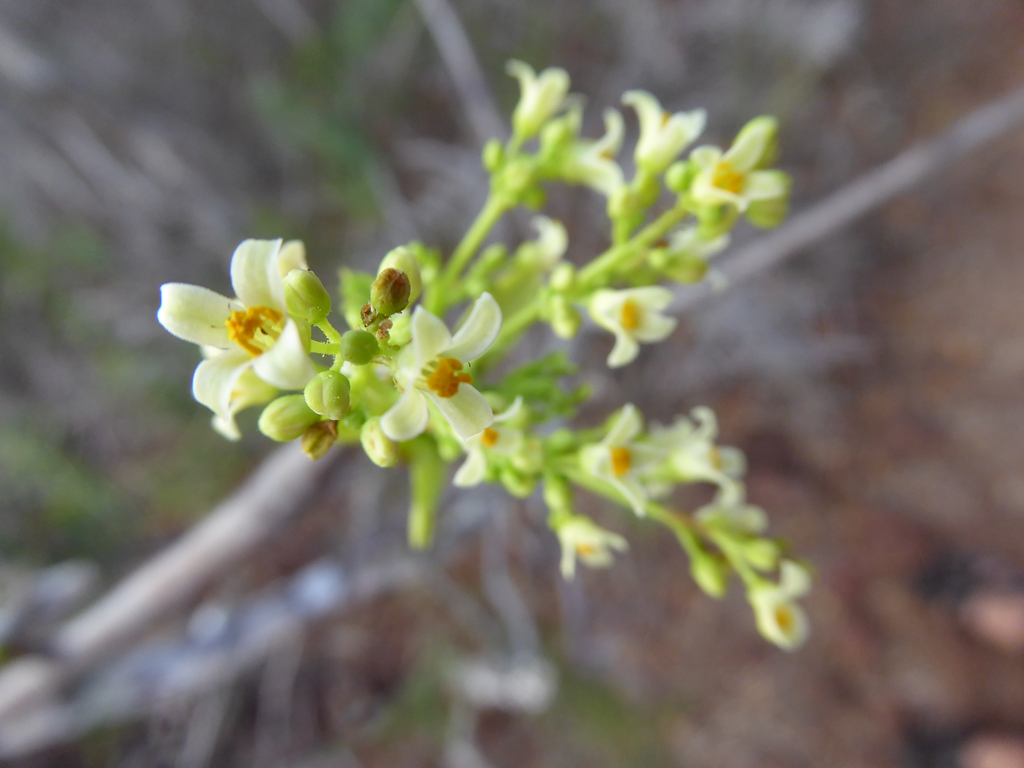
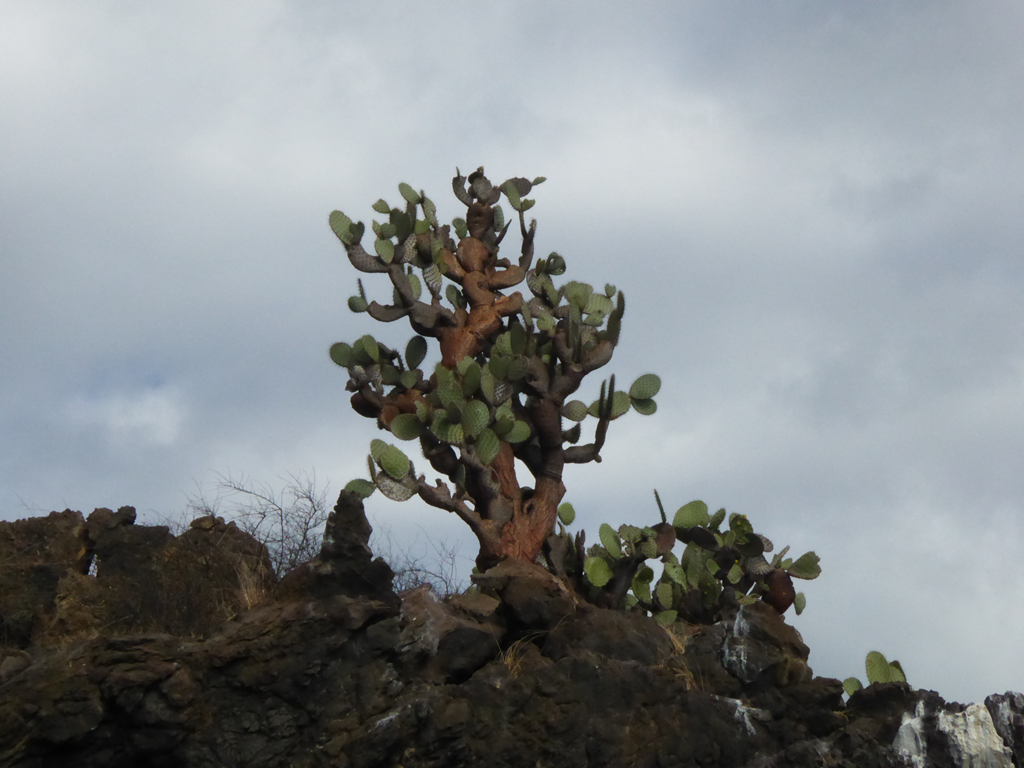
    They also had flowers. They only flower for a couple of days, so we were very lucky to see them.
    image

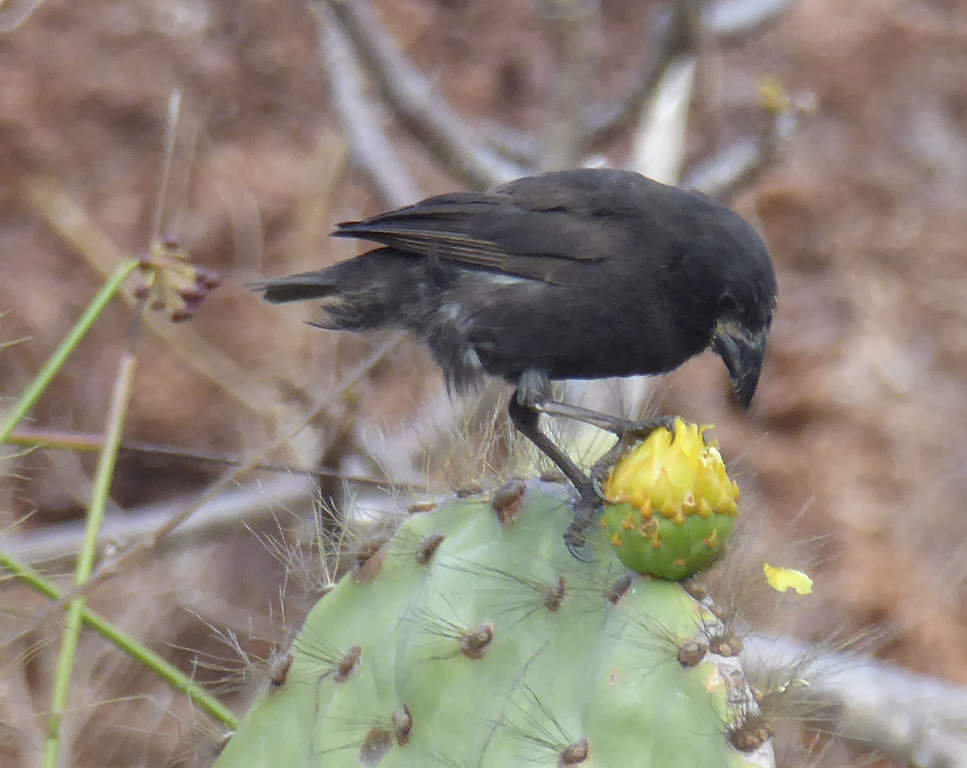
    This was the first cactus finch we saw that was actually on a cactus.
    image

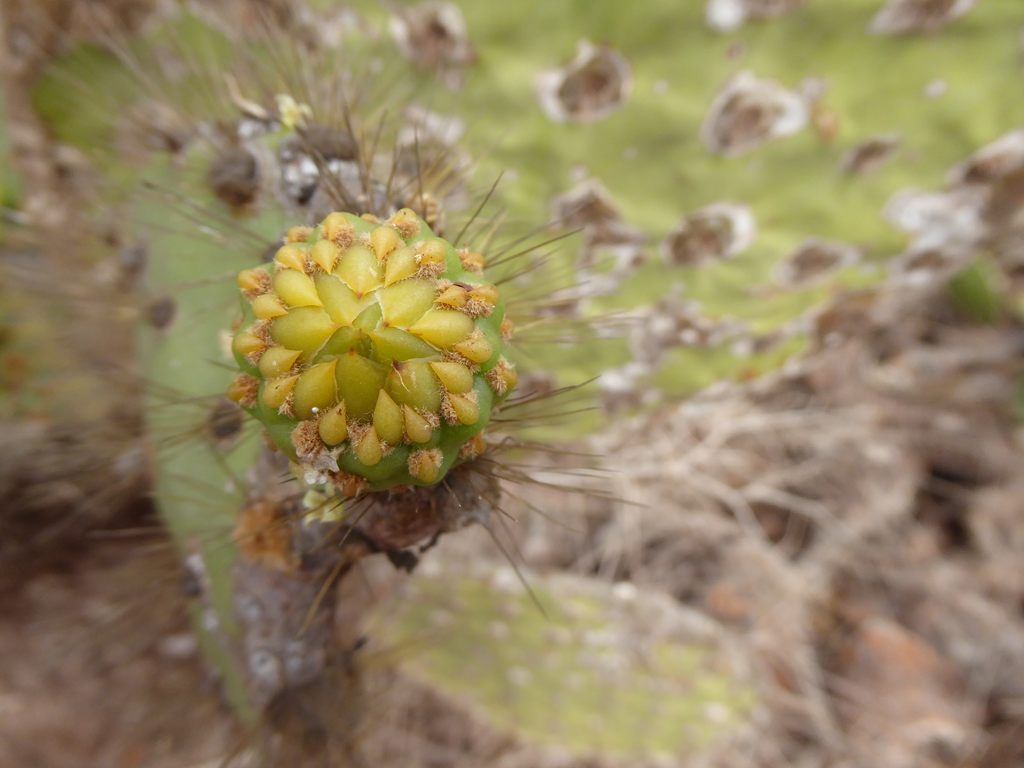
    This is a cactus bud that has not yet opened.

    image

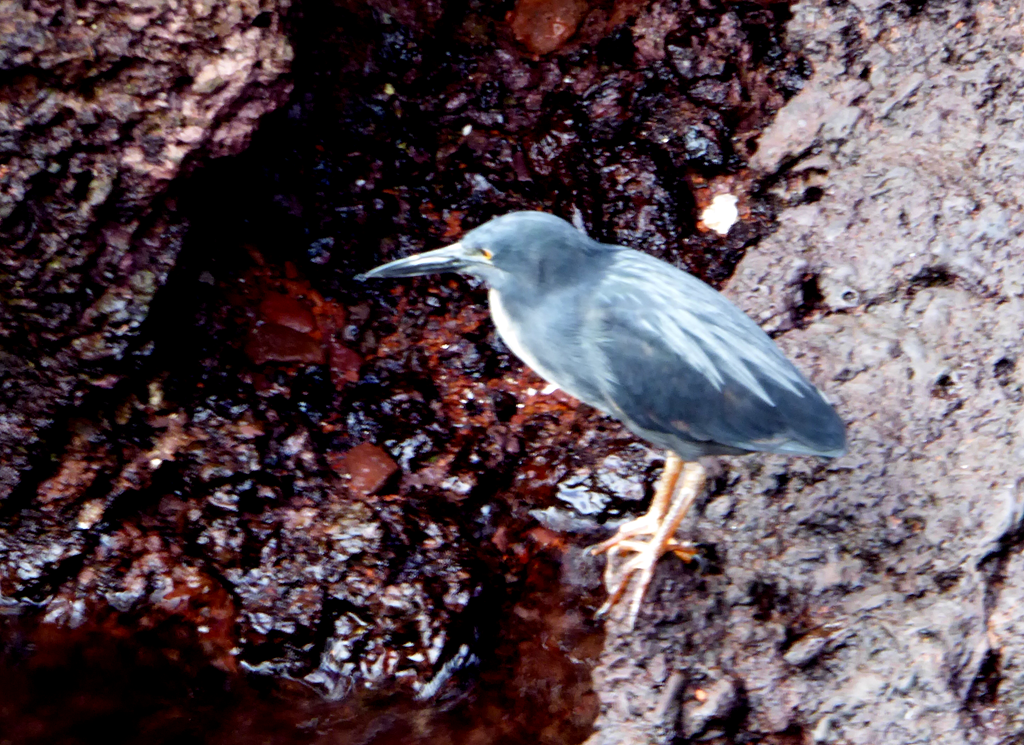
    This is a lava heron.

    image

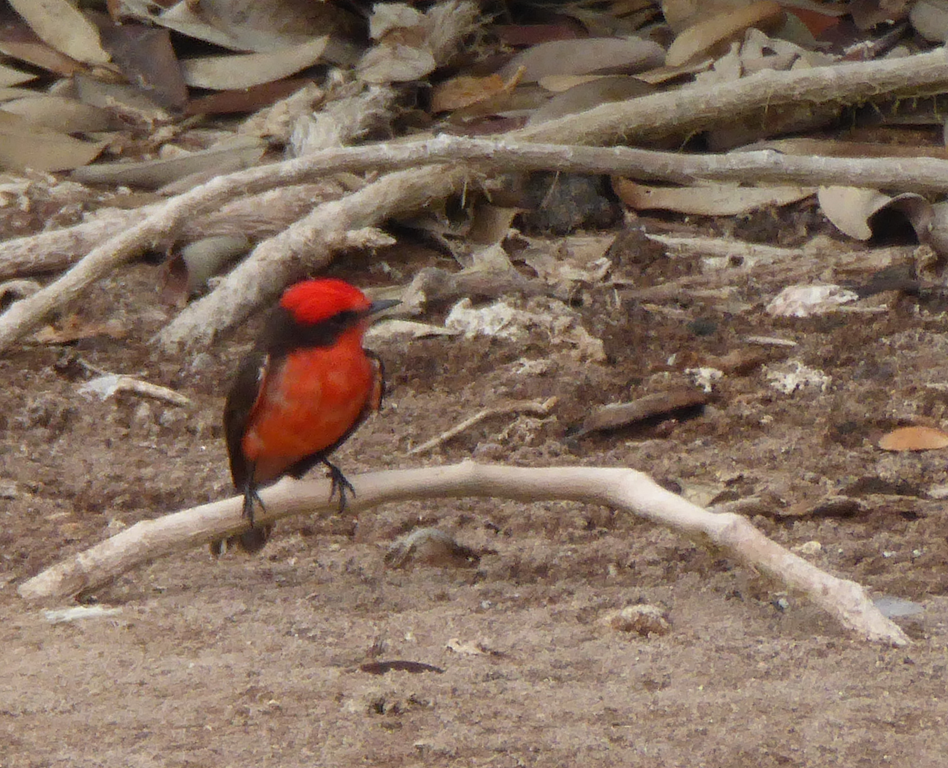
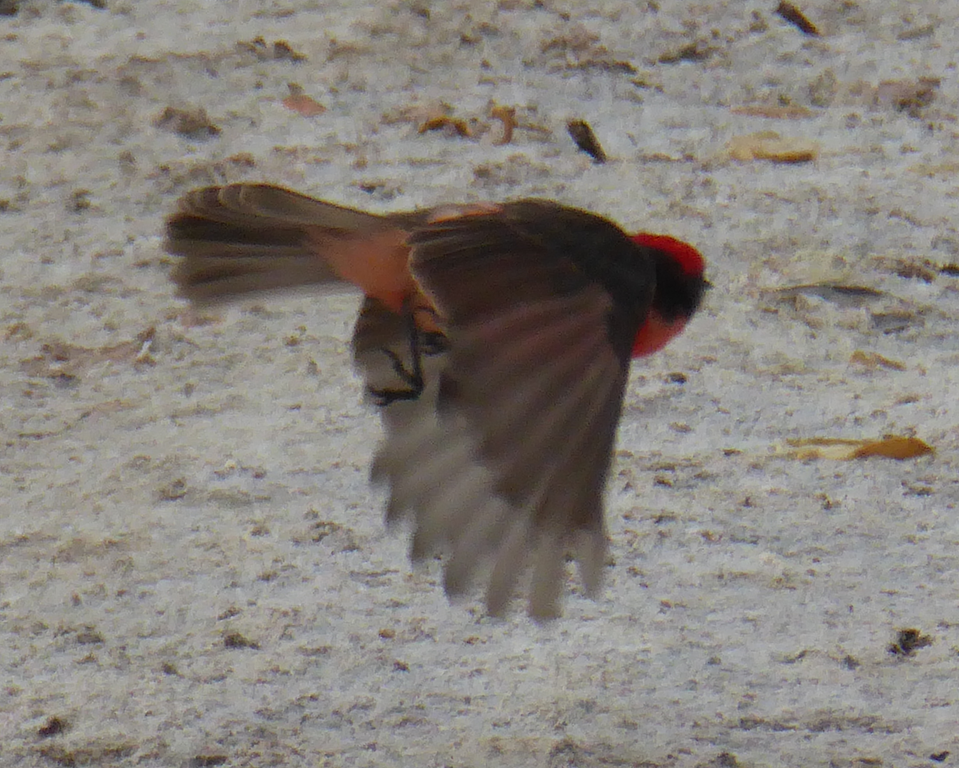
    This is a vermillion flycatcher.

    image

    It would not hold still for very long to get a good picture.

    image

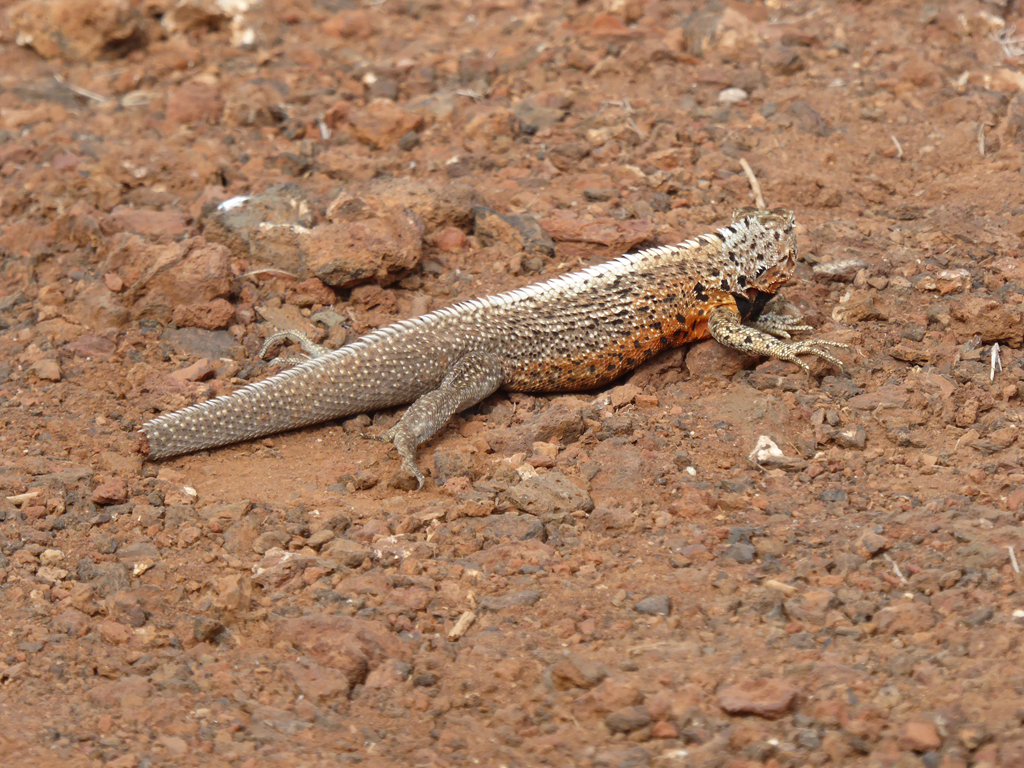
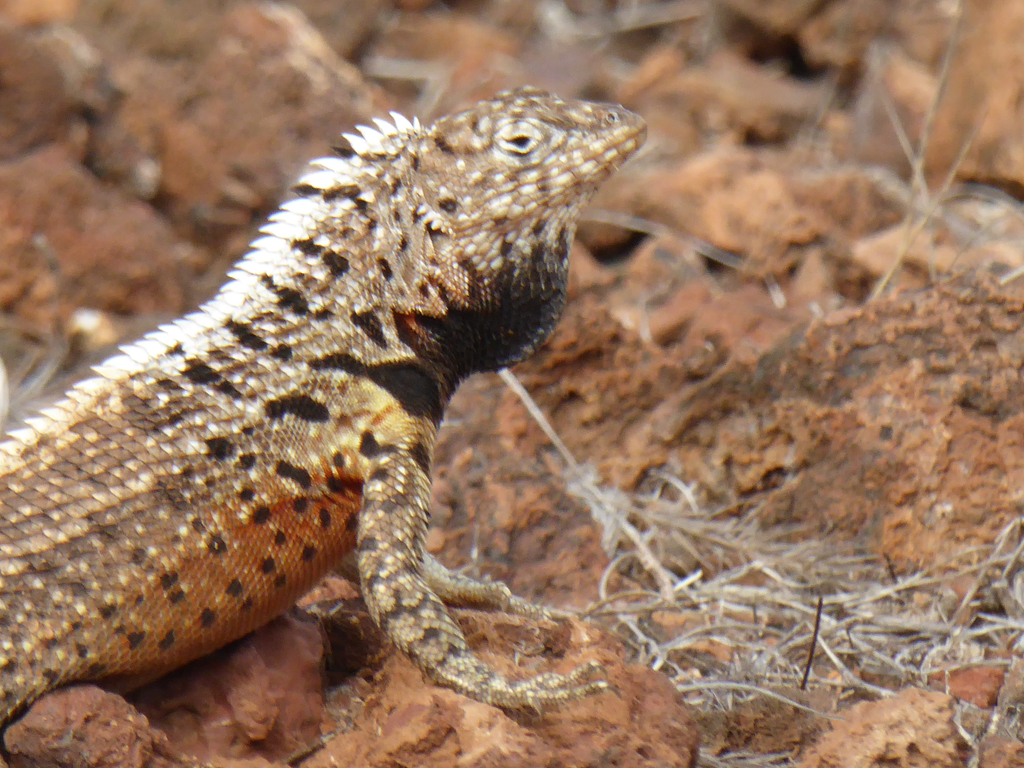
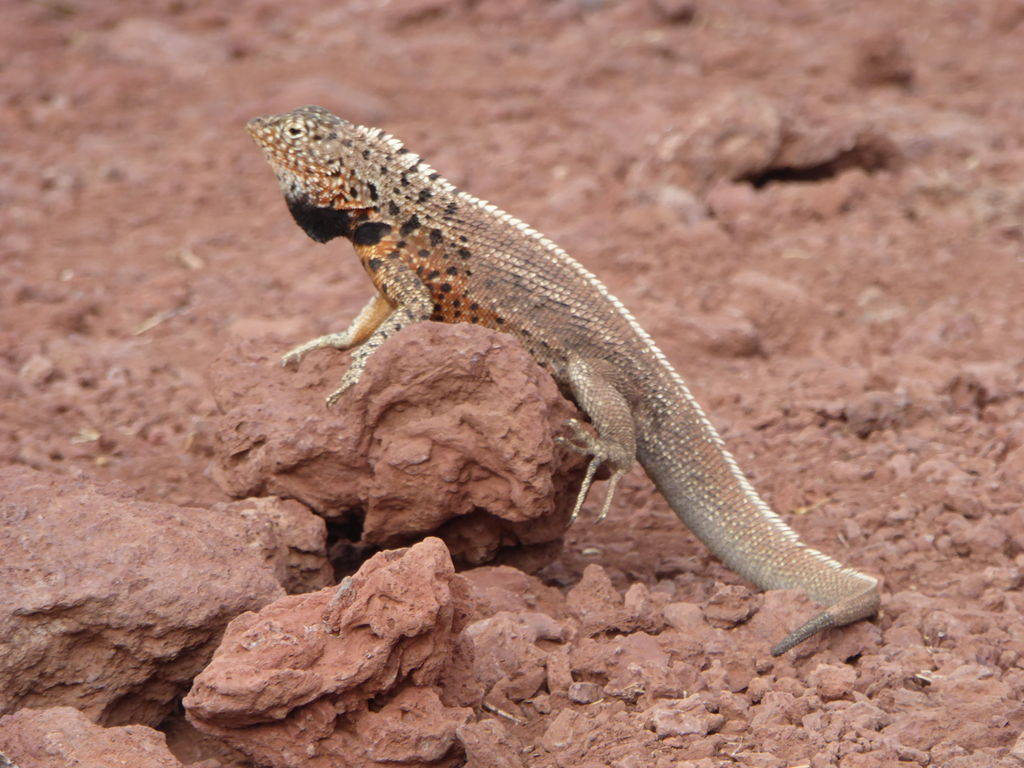
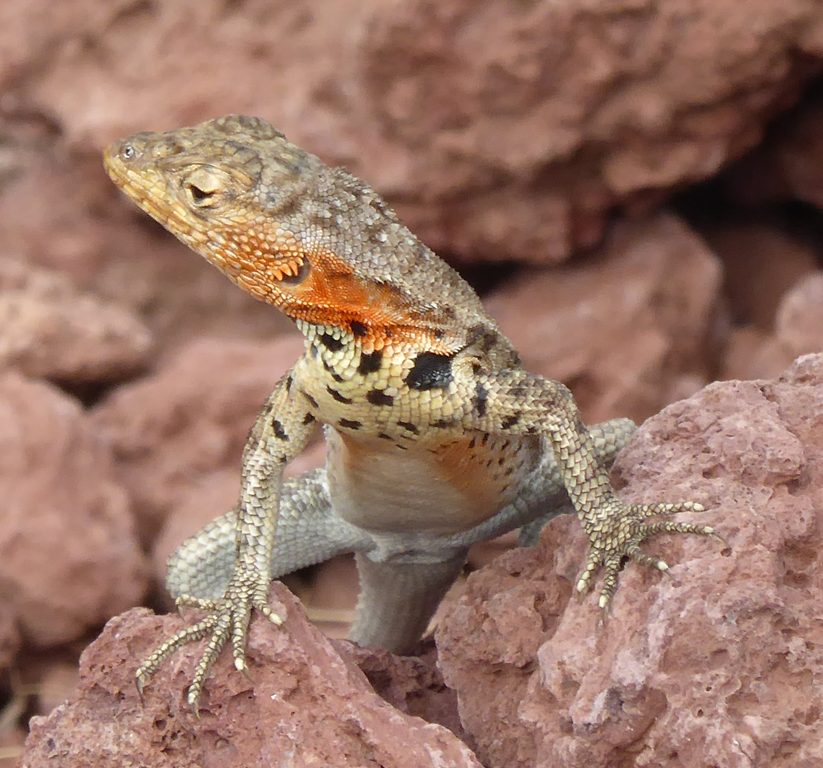
    There were many lava lizards. Here they have a more red colour. This one was missing his tail.

    image

    Many of the males were fighting for dominance. They poof out their neck pouches.

    image

    And do pushups on the ground.

    image

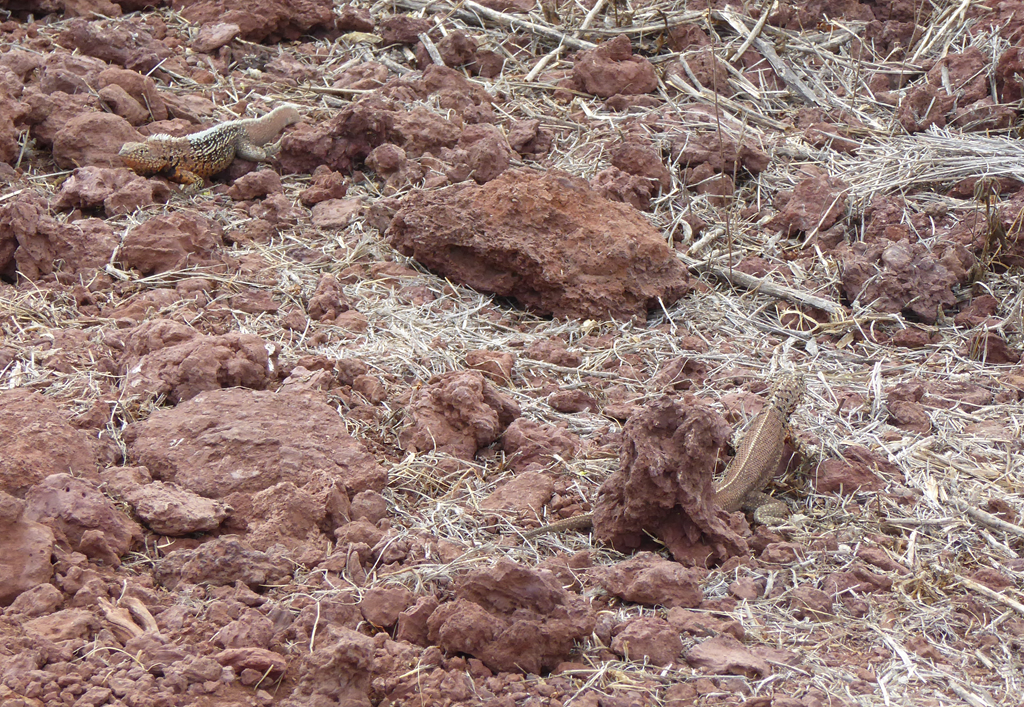
    After they will chase each other and fight, usually head to tail. However after they fight for a while they have to take a break because otherwise they will overheat.

    image

    There were some females watching, but they didn’t seem to interested.

    image


  • Puerto Egas Boat Ride

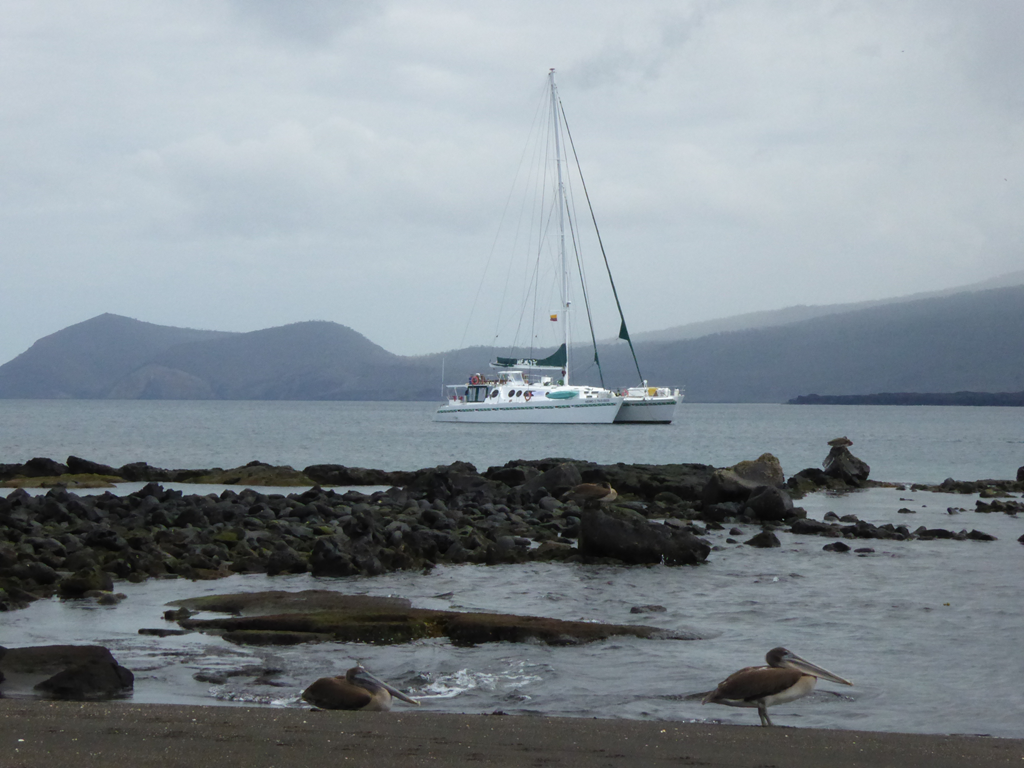
    In the afternoon we went for a boat ride around Puerto Egas.

    image

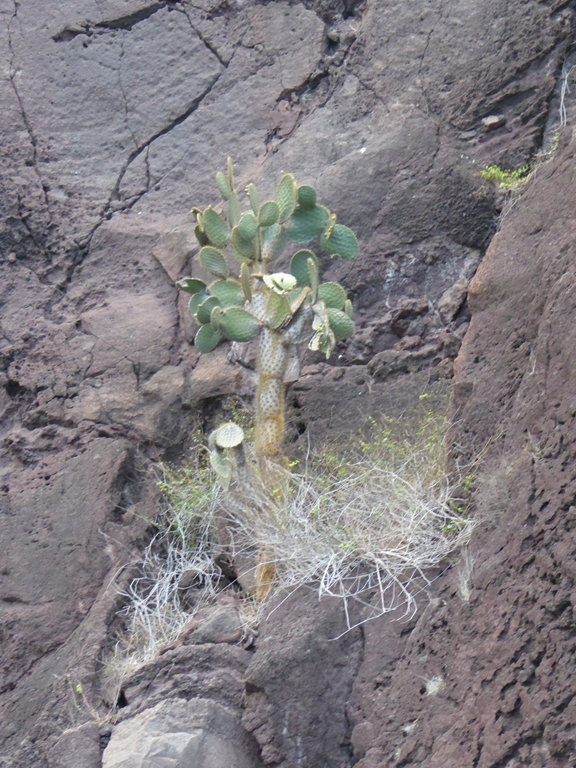
    This cactus looked funny growing straight out of the lava.

    image

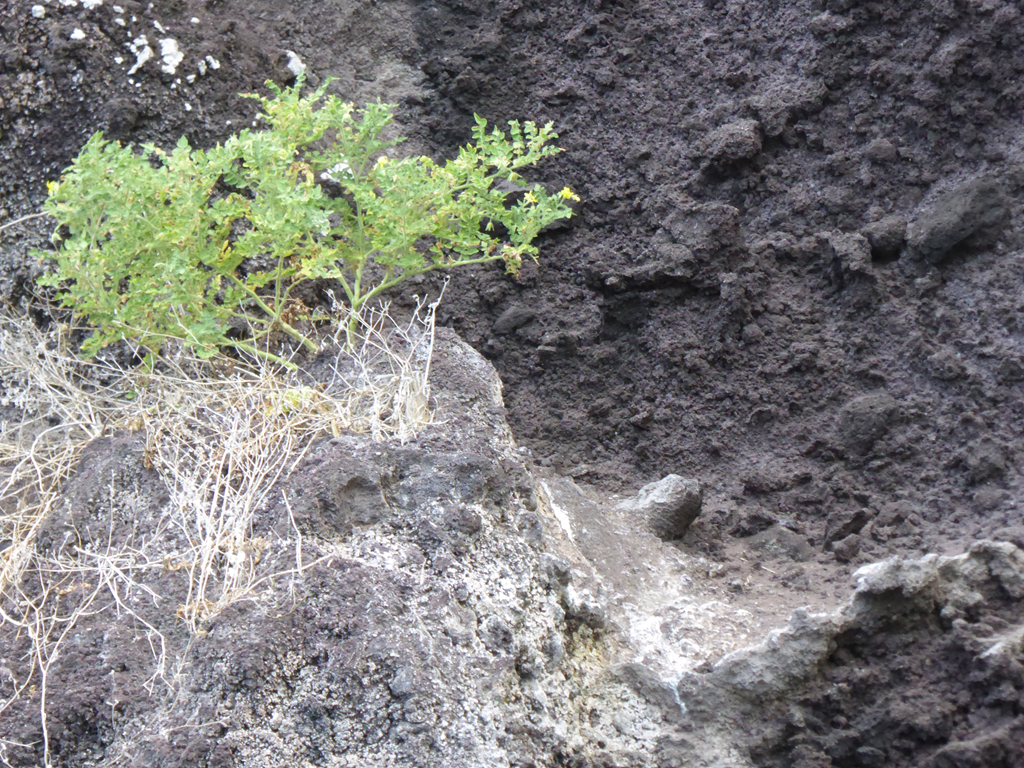
    This galapagos tomato looked even funnier.

    image

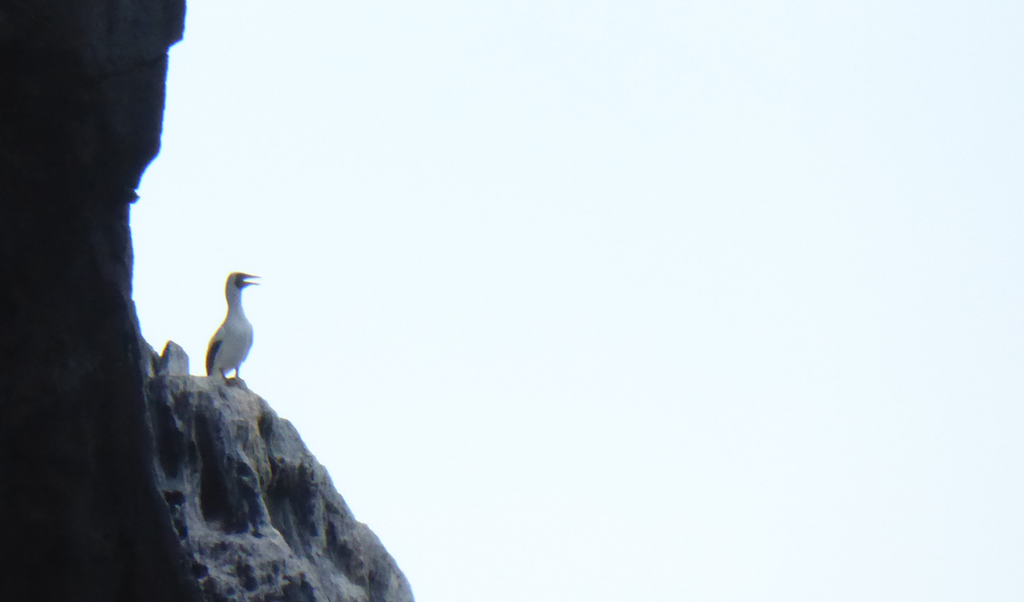
    This is the first Nazca Booby we saw. He was making a lot of noise.

    image

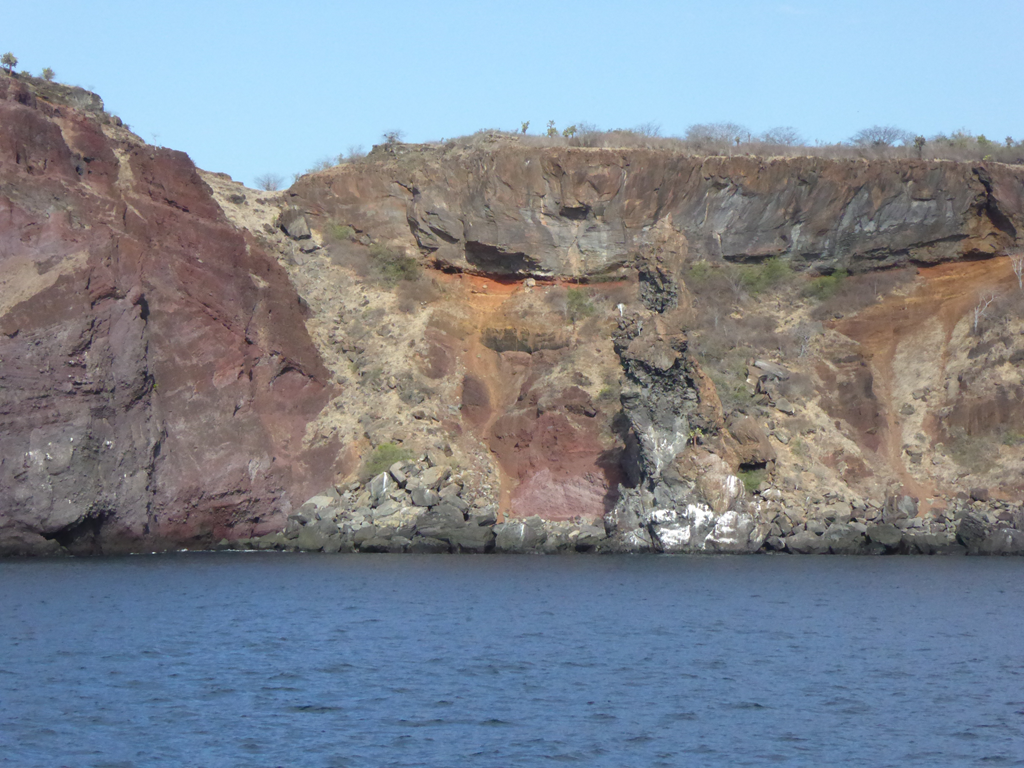
    The rocks were very colourful.

    image

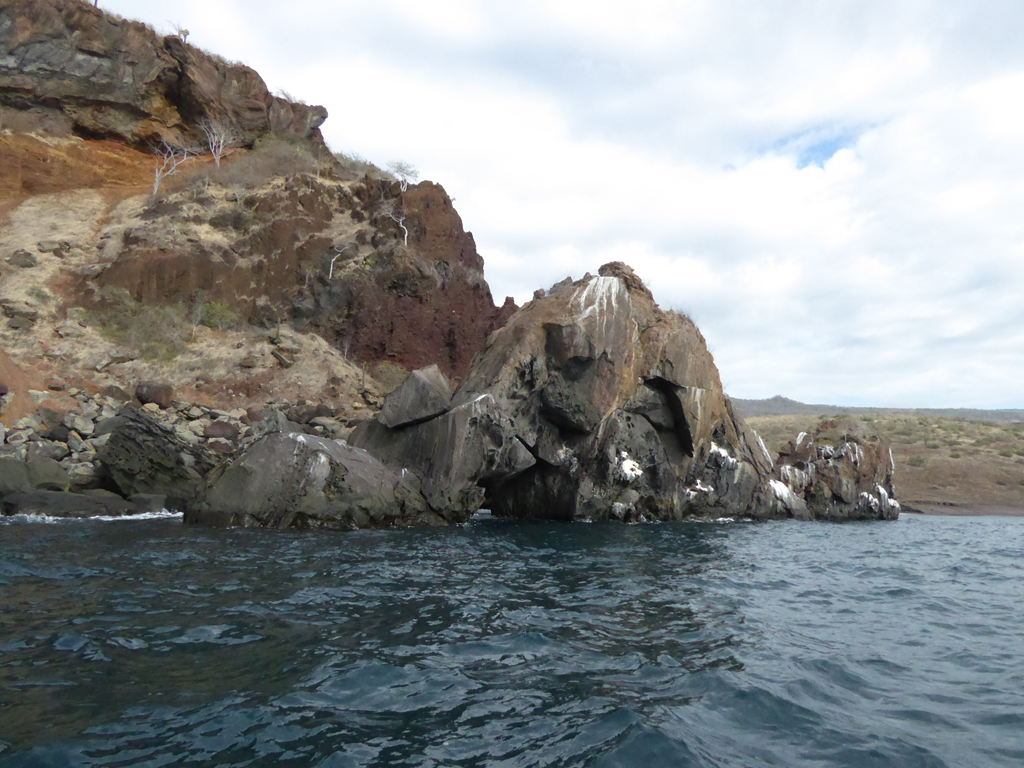
    This rock is supposed to look like an elephant. A bird poop covered elephant.

    image

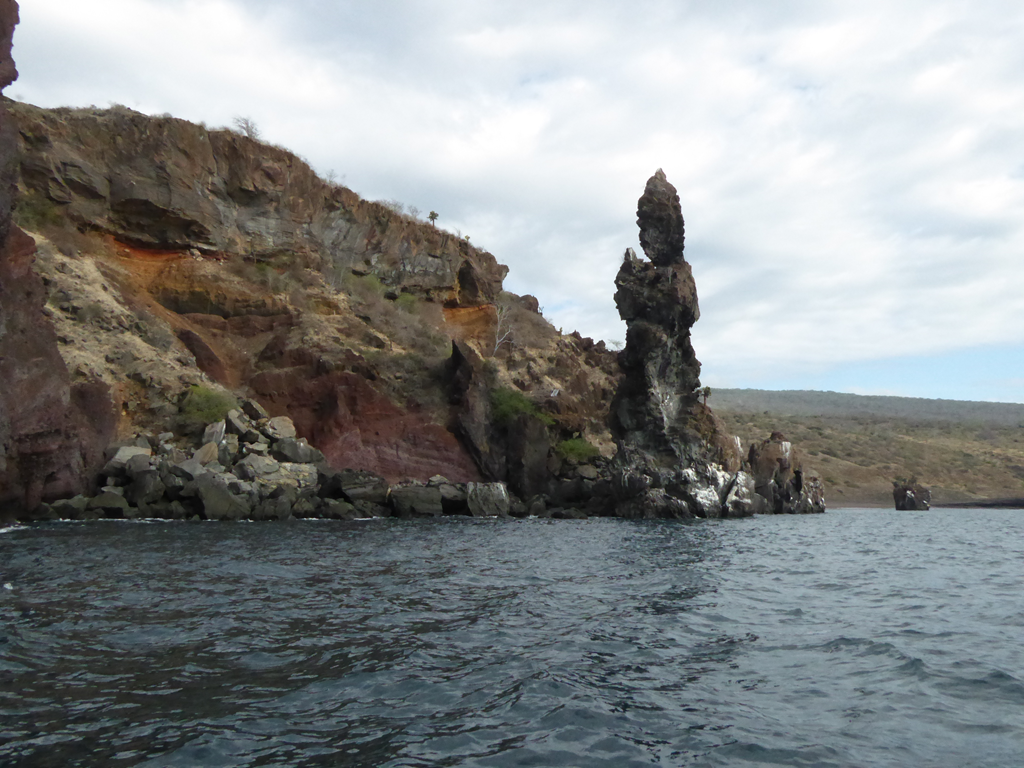
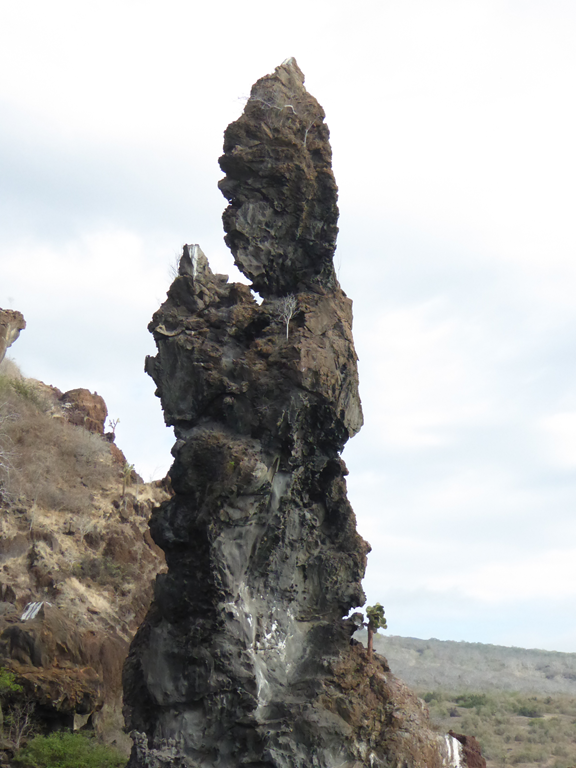
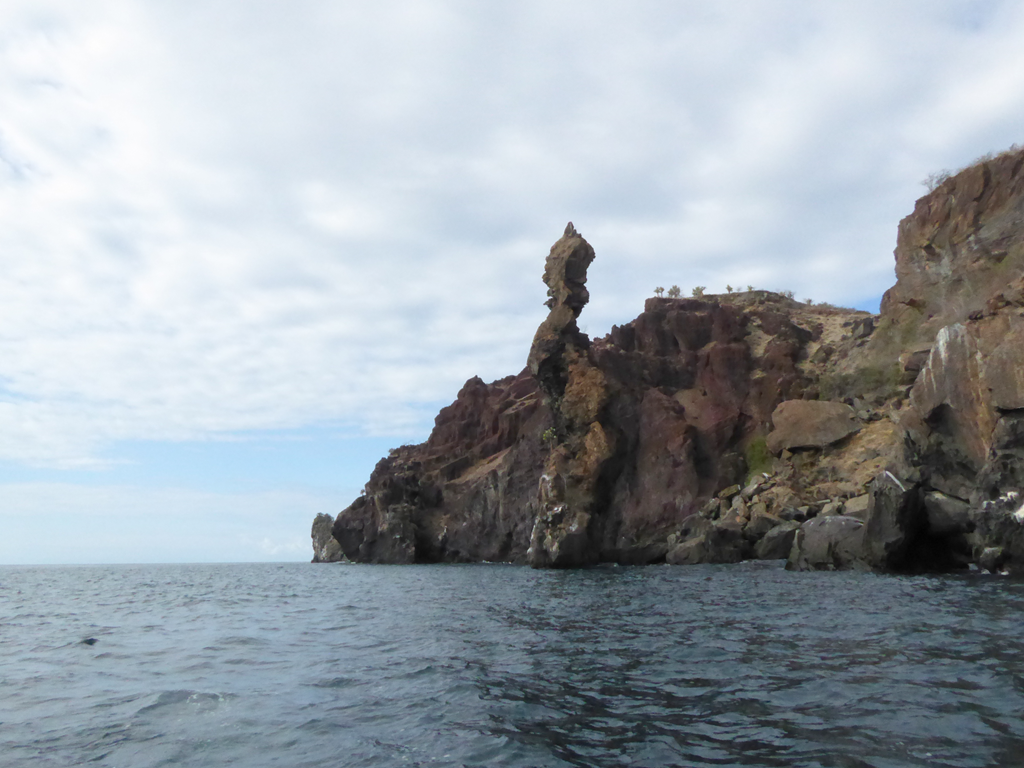
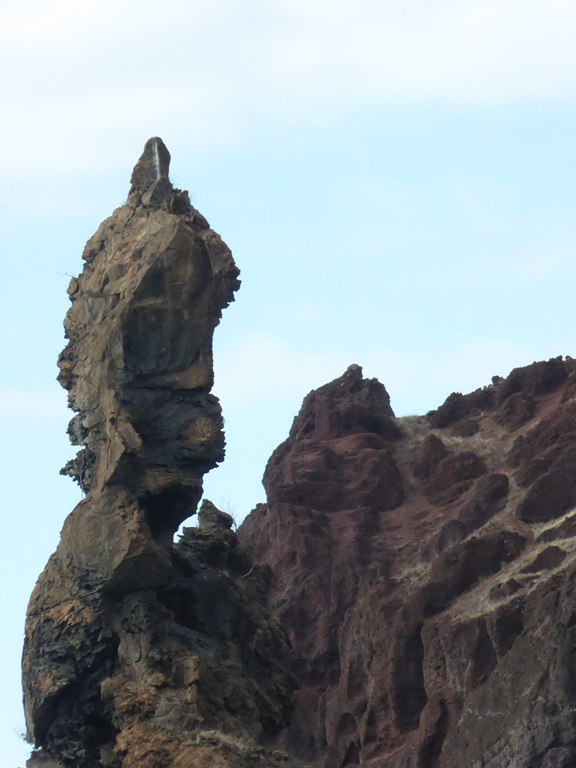
    This rock is supposed to look like a monk drinking beer.

    image

    Here is a closeup.

    image

    Kerri actually thought there was a clearer face on the back.

    image

    Here is a closeup.

    image

    This is a very large cactus.

    image

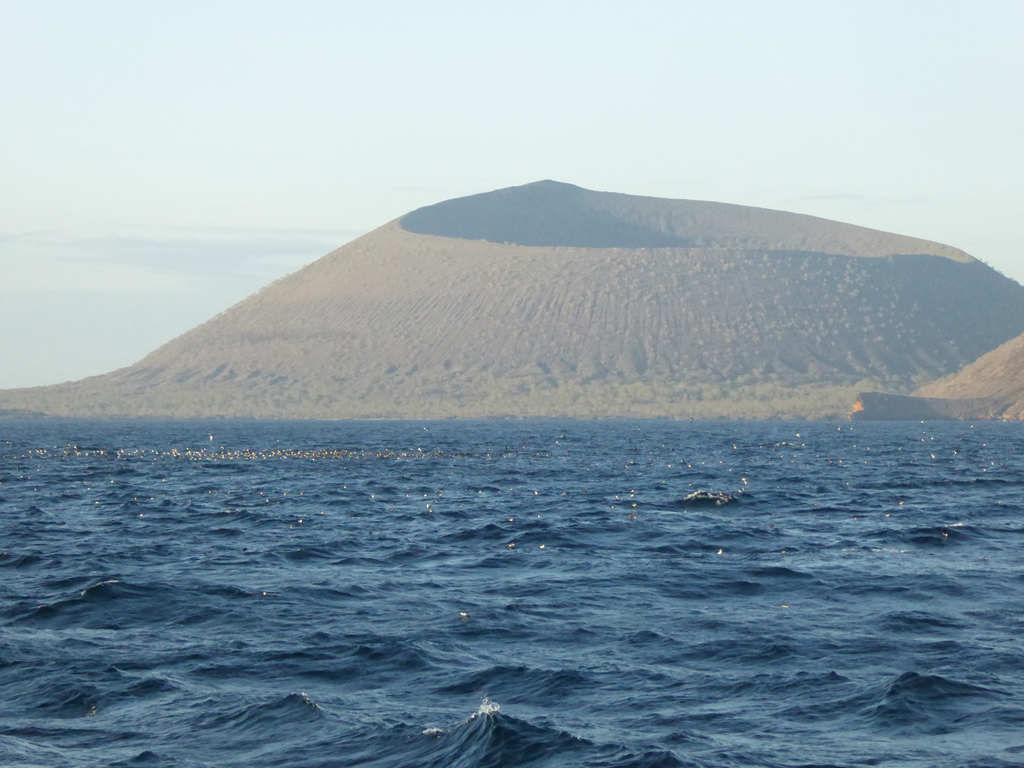
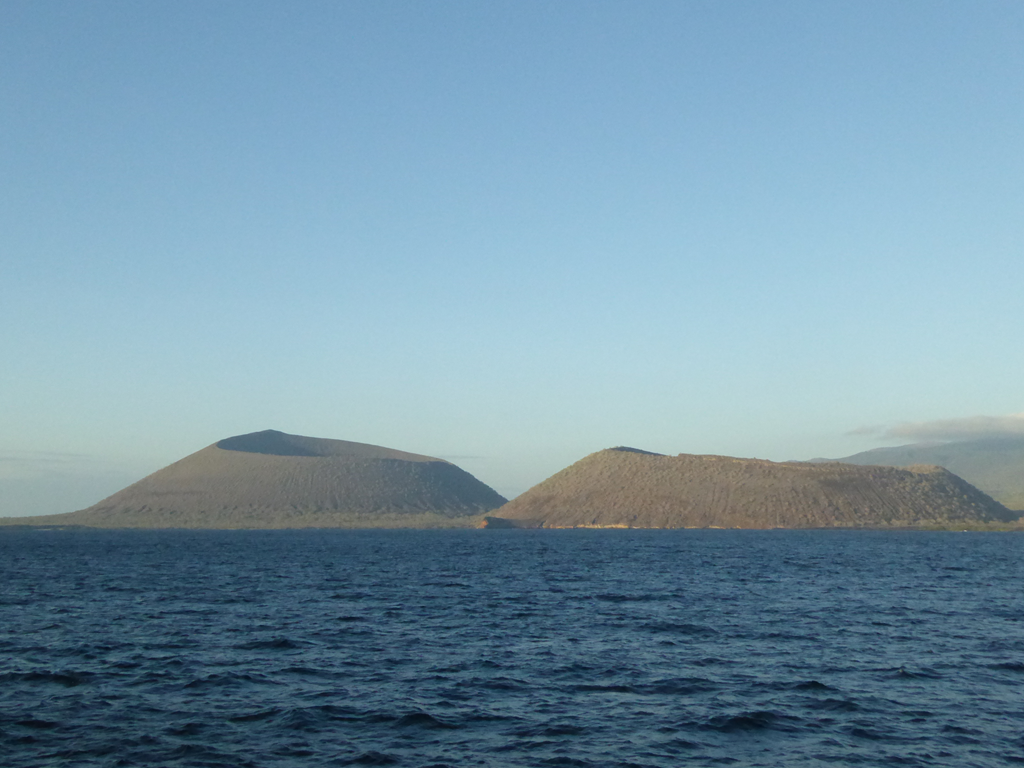
    On the way out we passed some pretty volcanic craters.

    image

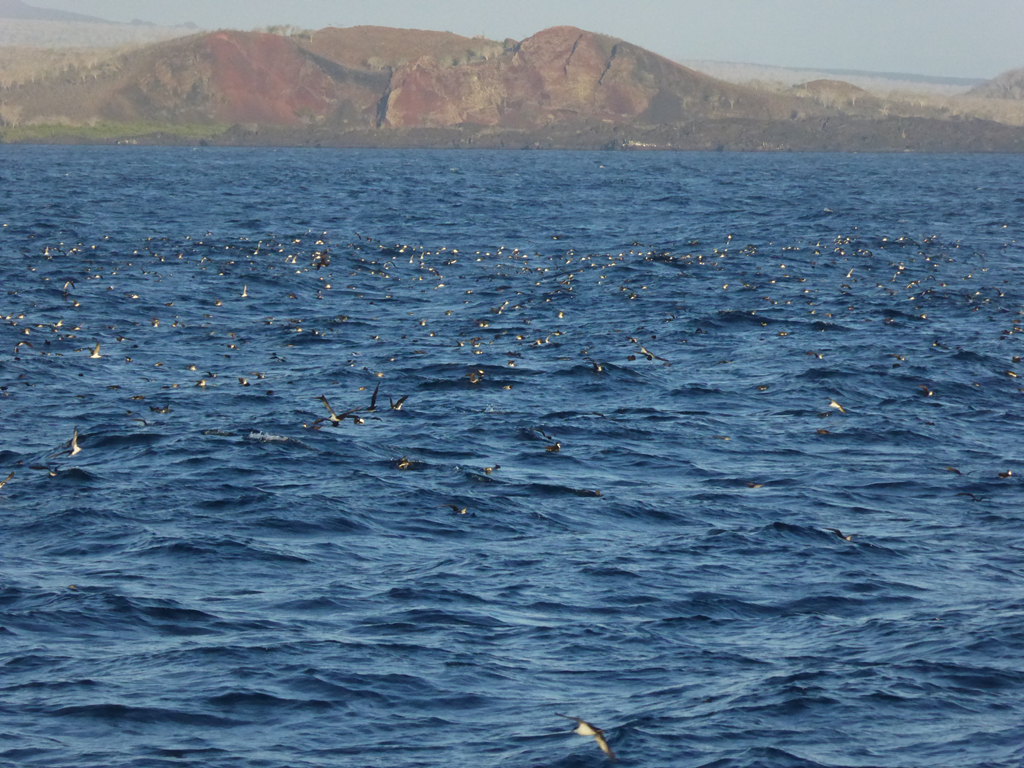
    And a swarm of birds.

    image

    It was pretty cool.

    image

    That night was the only clear night we had for star watching. It was only really good for the half hour between sunset and moonrise.

    A few swallow-tailed gulls followed the boat after the sunset, making an awful racket. They are nocturnal and hunt for squid at night. There was a lot of screeching and weird clicking sounds.


  • Snorkelling in Santiago

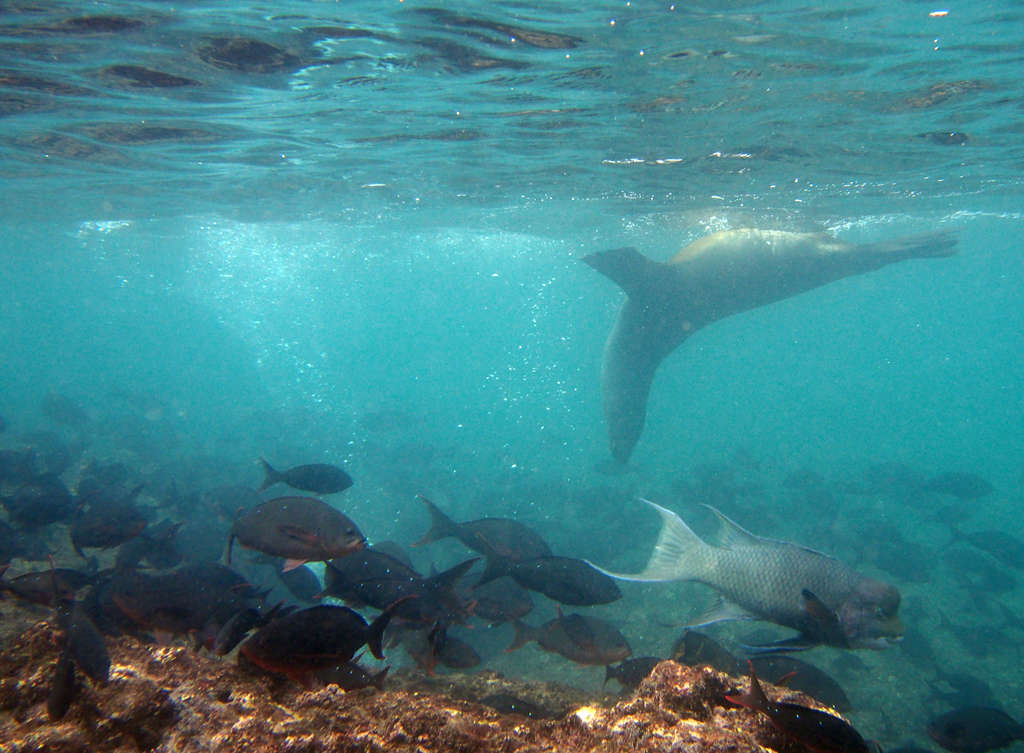
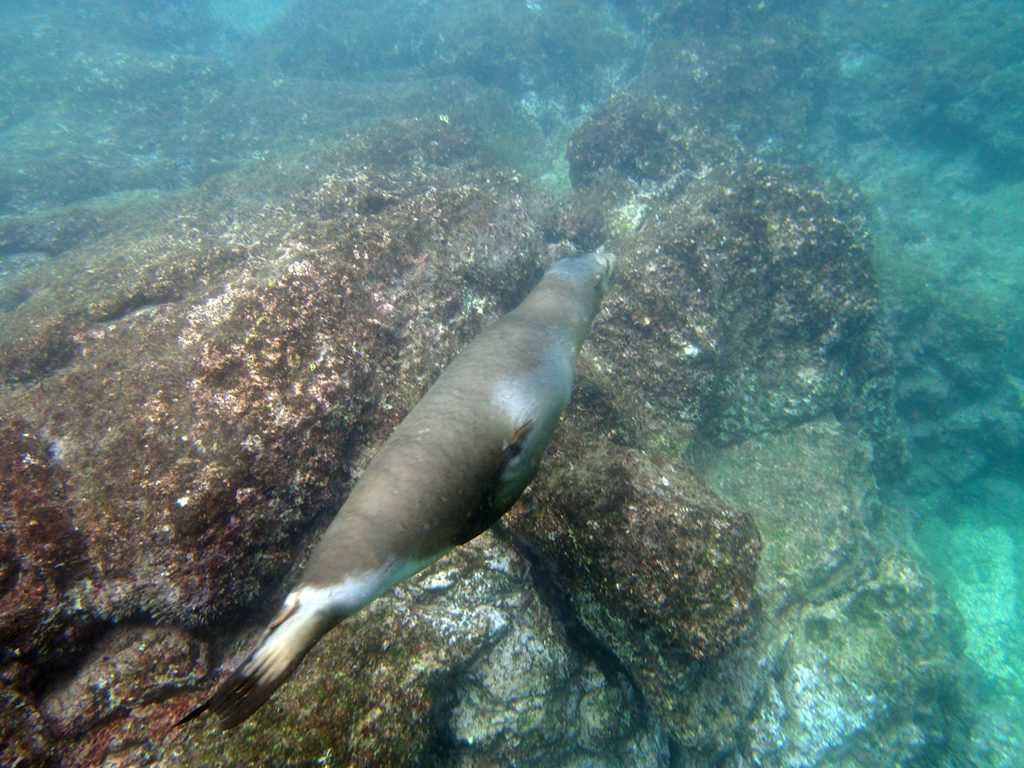
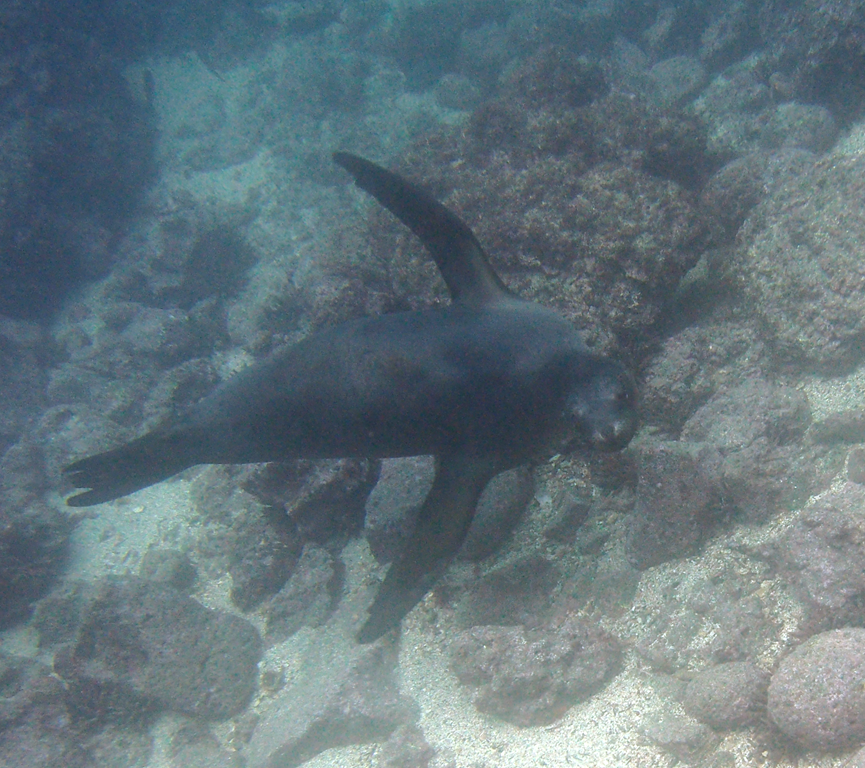
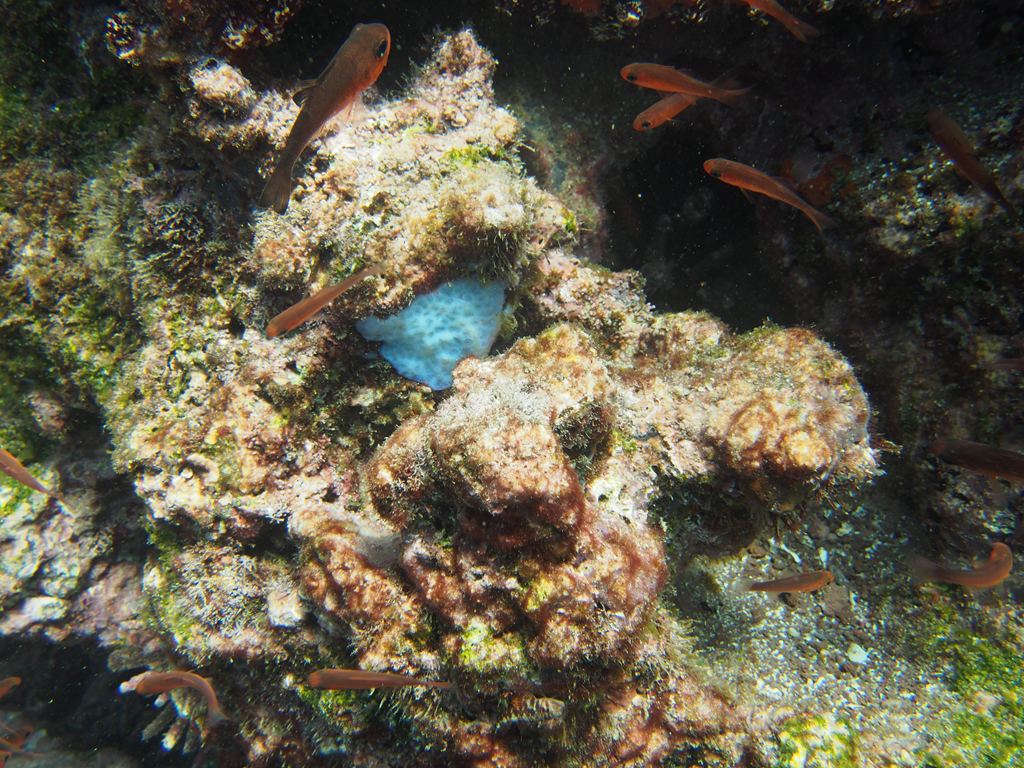
    The snorkelling in Santiago was the best.

    P2050071

    The water was much warmer so we could stay in for longer.

    P2050074

    And see lots of fish.

    P2050075

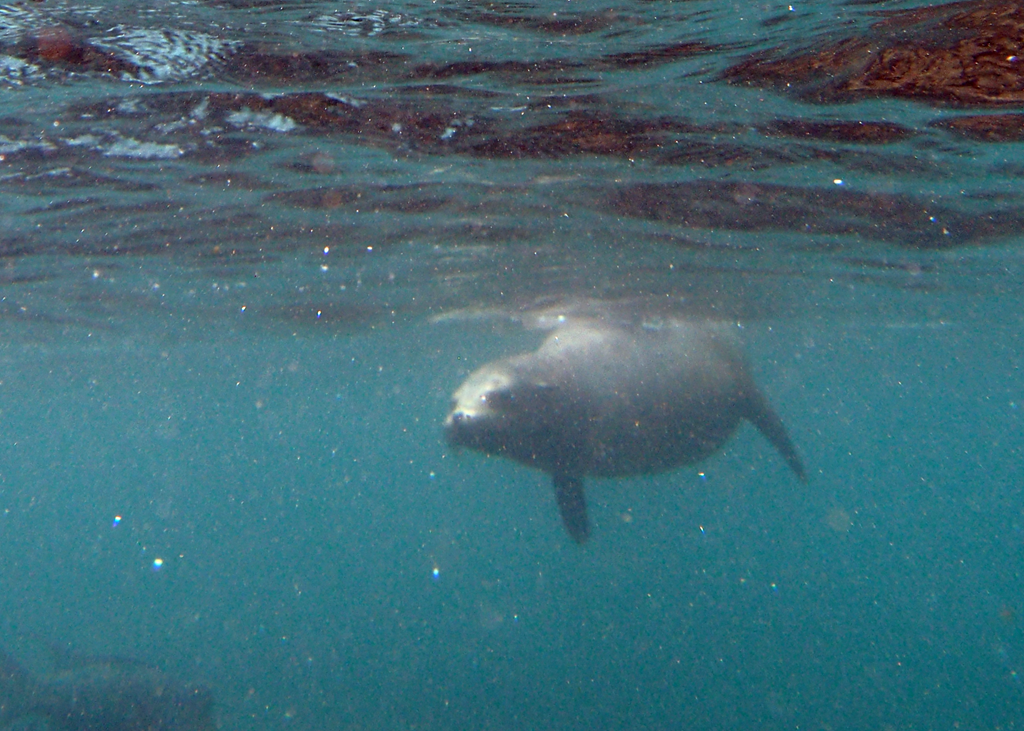
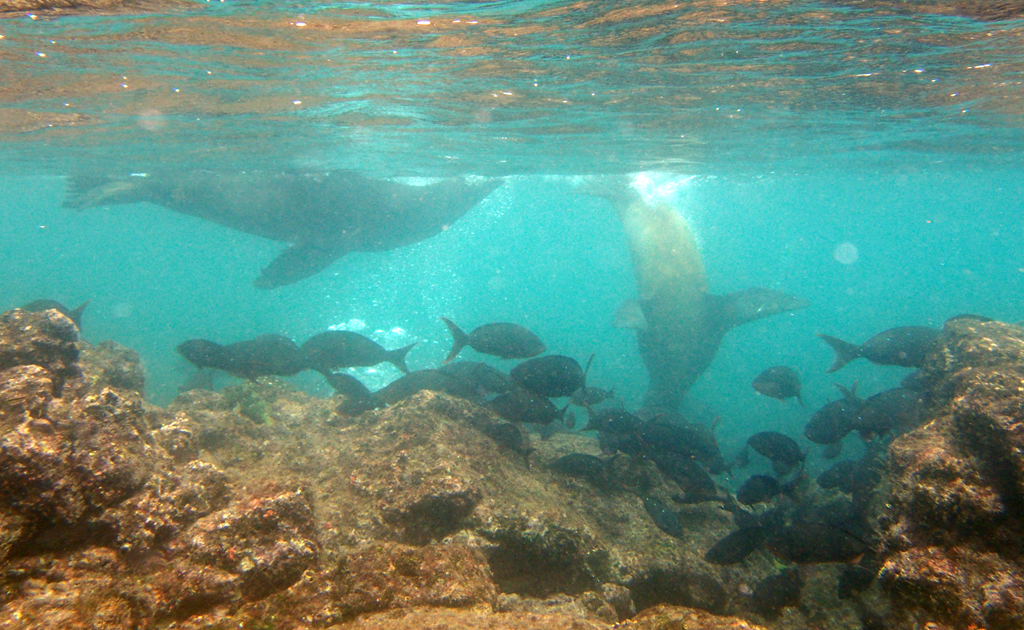
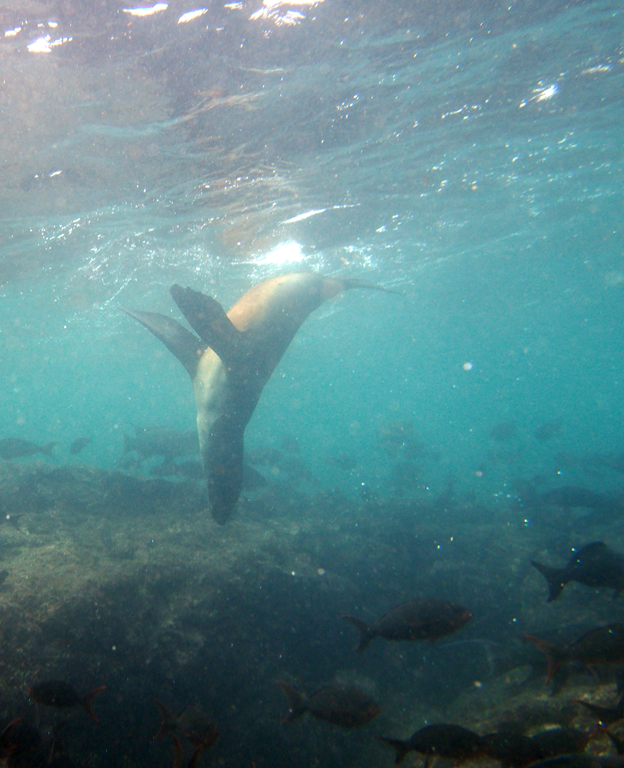
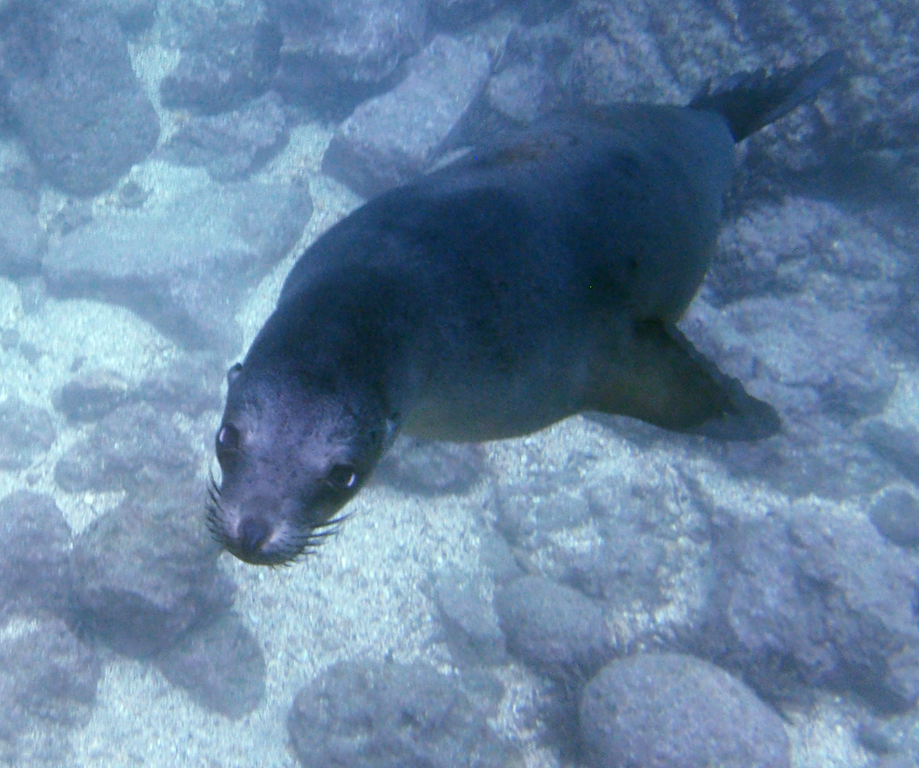
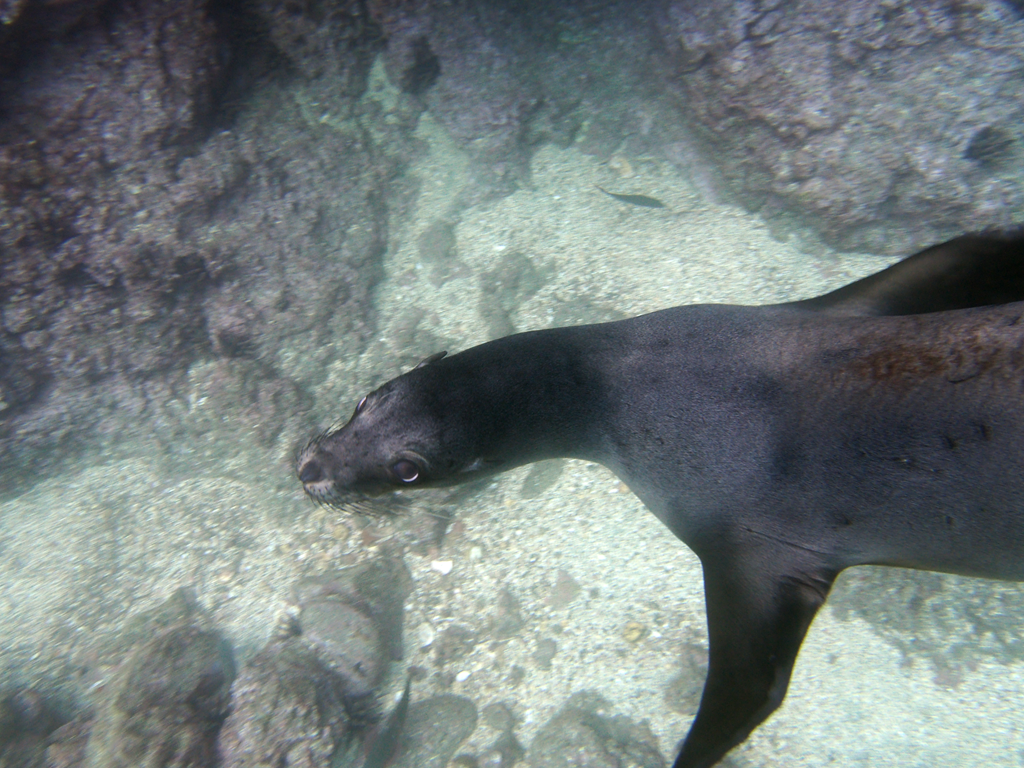
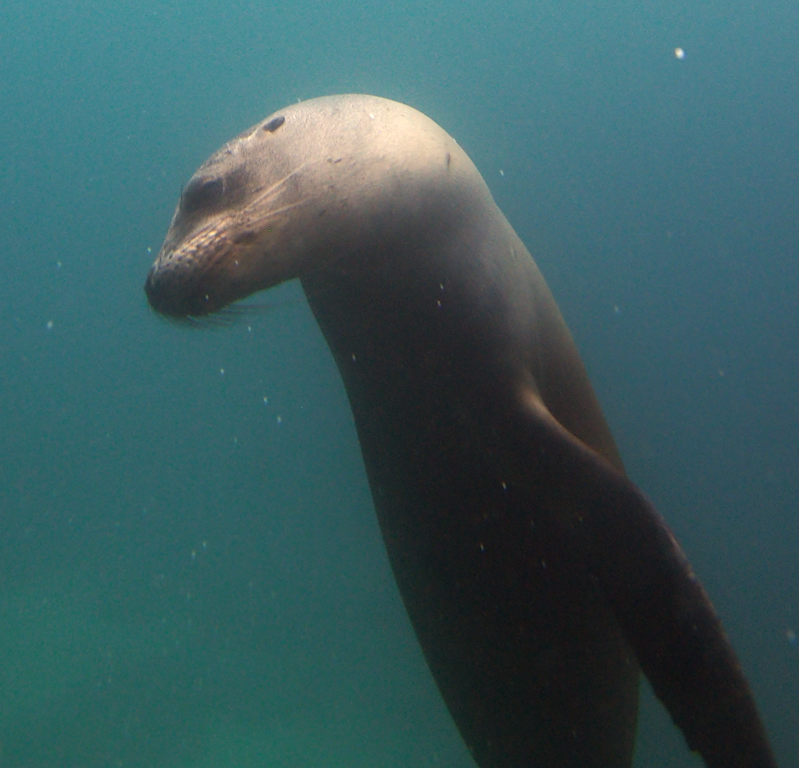
    And fishing sea lions.

    P2050089

    Which are very cute.

    P2050101

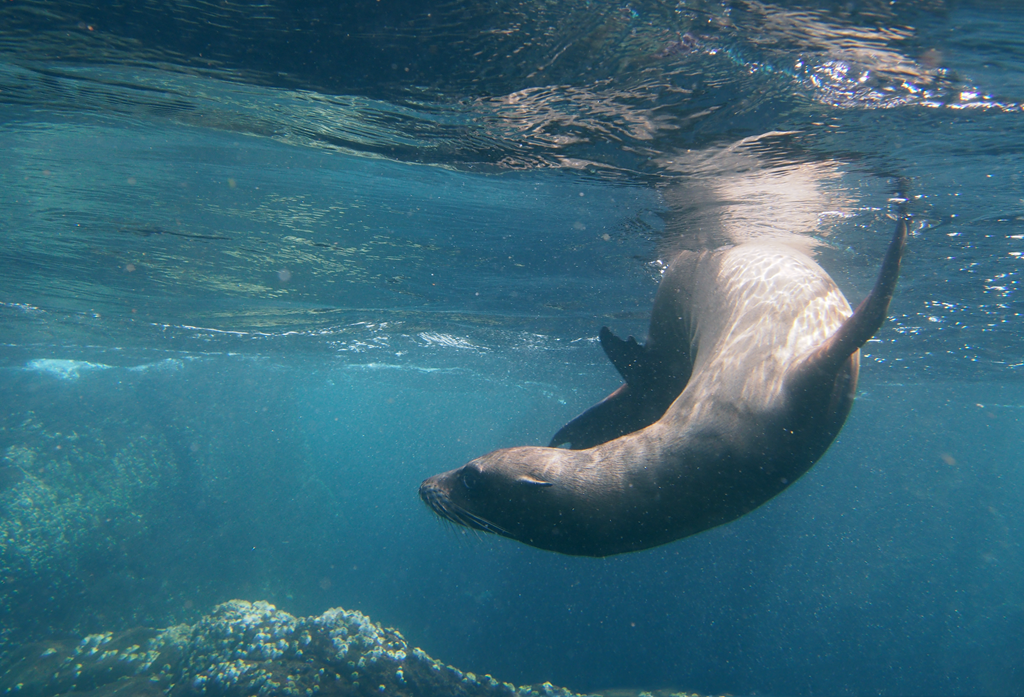
    These guys were diving down into a hole so that all you could see was their bubbles until they came up for air.

    P2050087

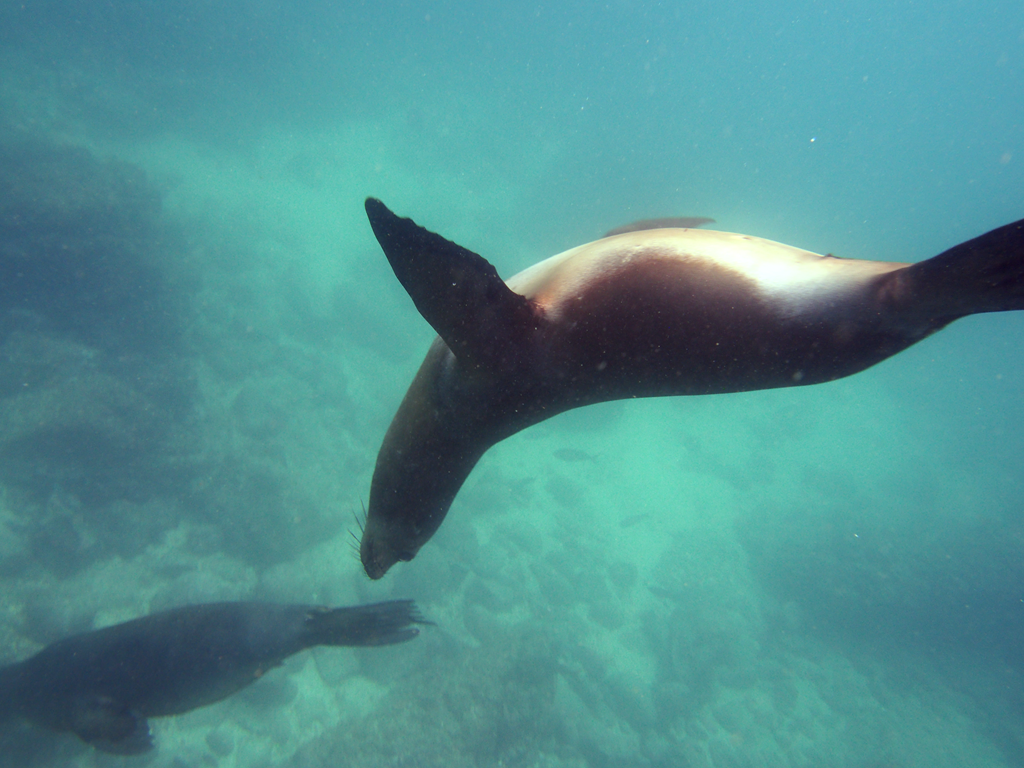
    They don’t usually dive very deep, at least not the ones we saw.

    P2050098

    But they are very fast in the water.

    P2050118

    And playful.

    P2050120

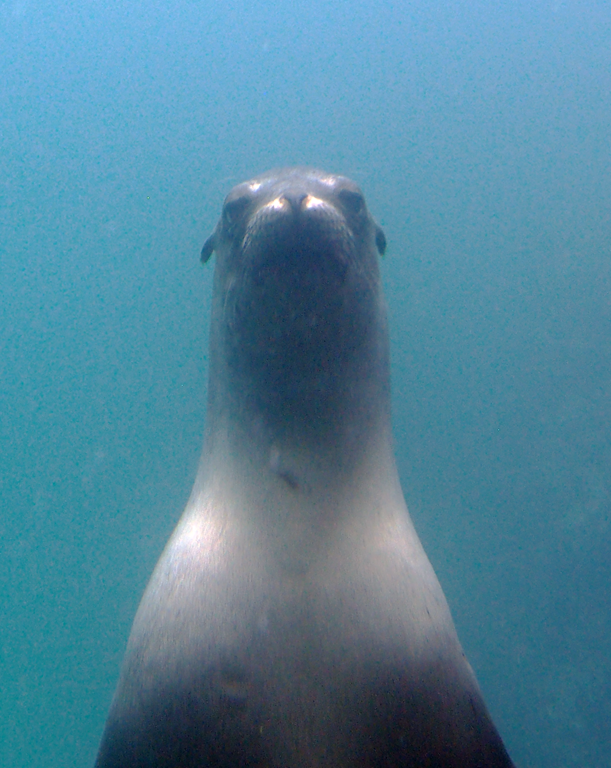
    And curious about us.

    P2050121

    This one was chasing and diving around Matt for quite a while.

    P2050123

    Kerri kept poking him to get his attention, but he didn’t see it.

    P2050130

    Finally Matt pulled his head out of the water and said “what”. The sea lion popped his head out too and sat right behind Matt with this expression.

    P2050128

    Kerri yelled “eee ion…eee ion….eeeeeee ion!” through her snorkel.

    P2050180

    Then Matt saw him, which is good, because he had the camera.

    P2050133

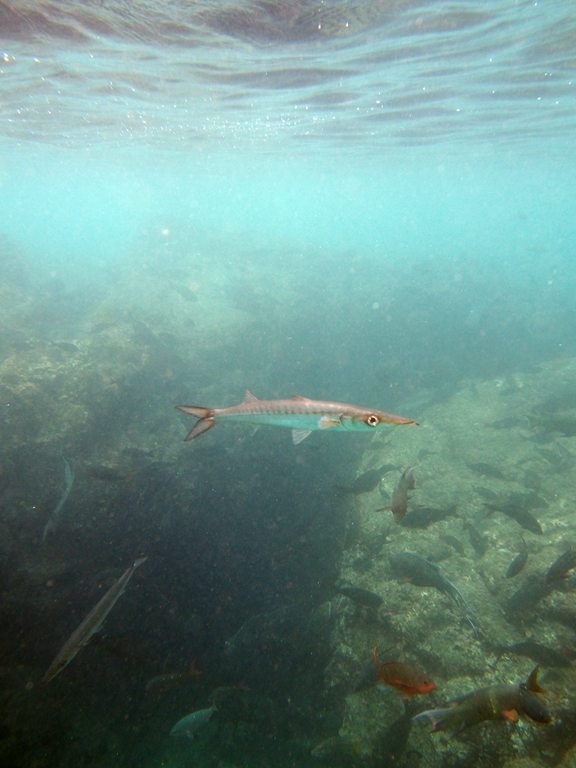
    This is a Galapagos barracuda. They are small and very funny looking.

    P2050093

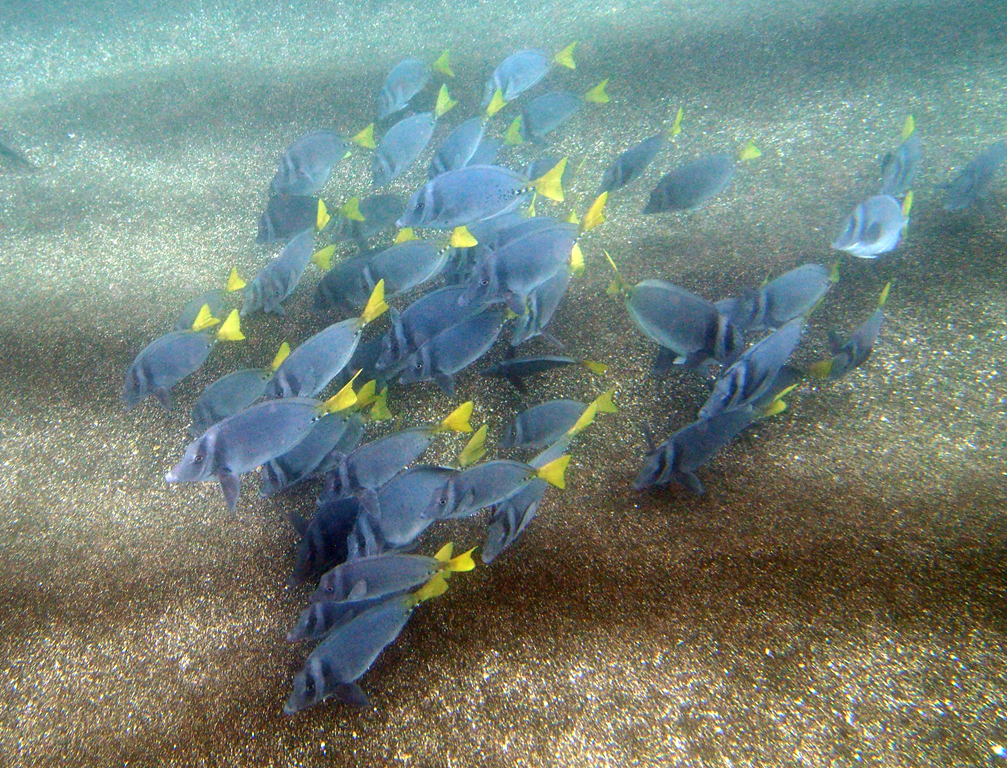
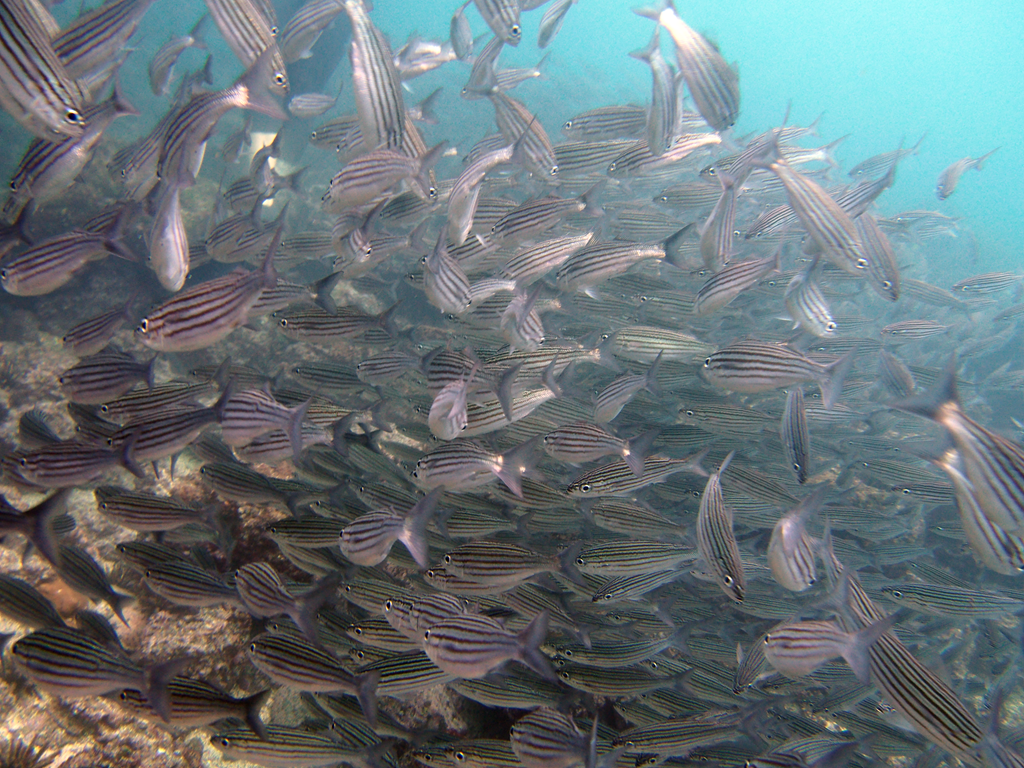
    There were more big schools of fish.

    P2050137

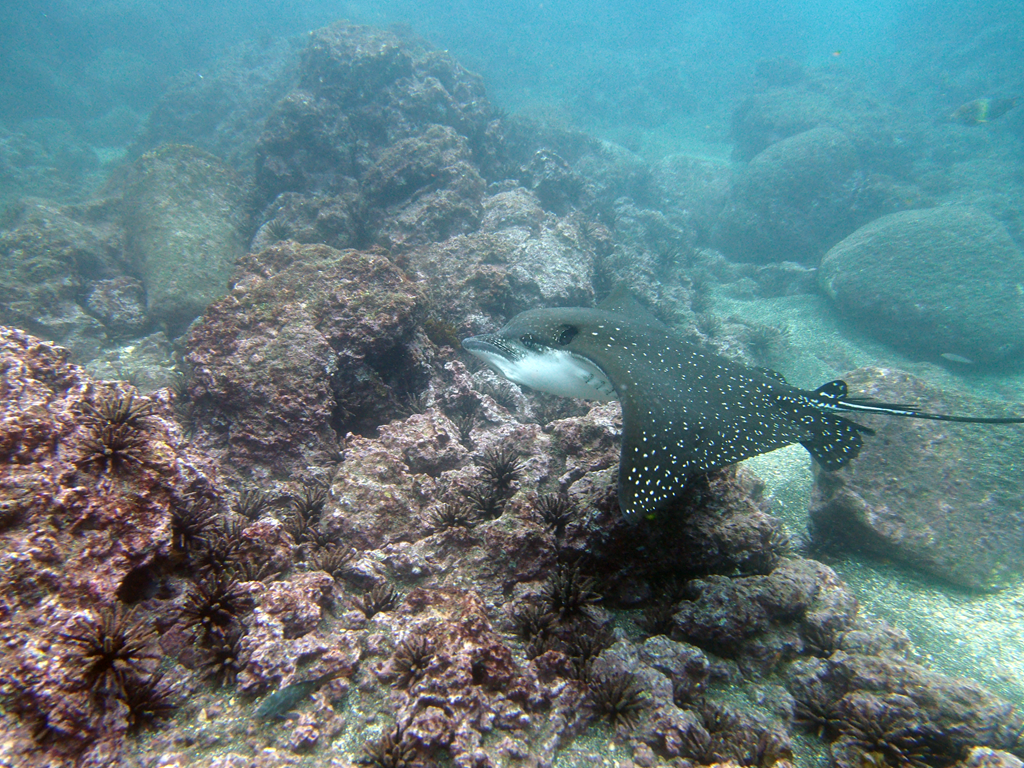
    And a big eagle ray.

    P2050152

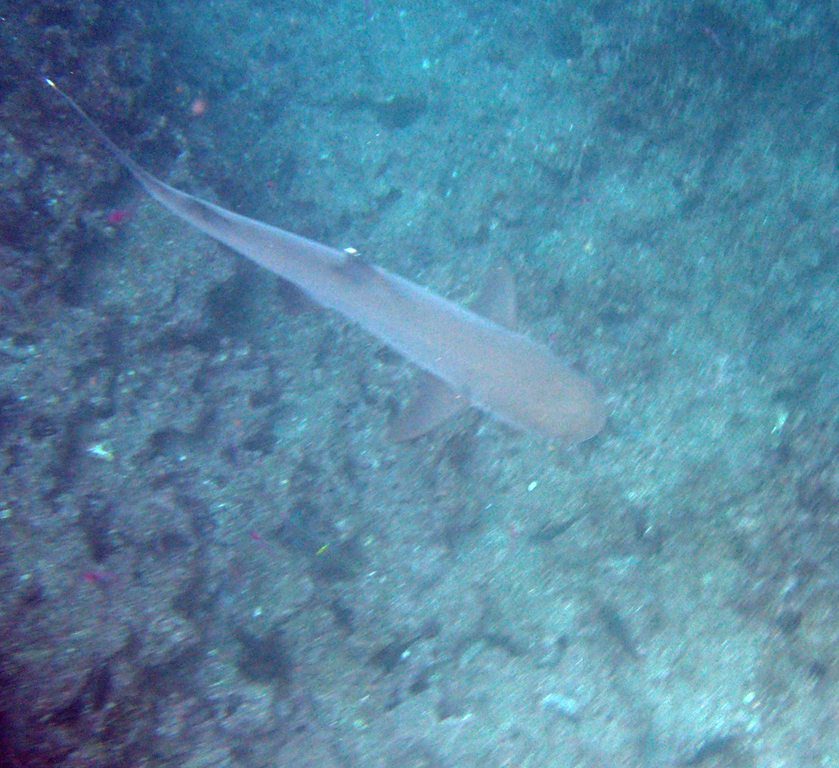
    There were a couple of white tipped sharks too, but the pictures aren’t nearly as good as the ones from SCUBA.

    P2050217

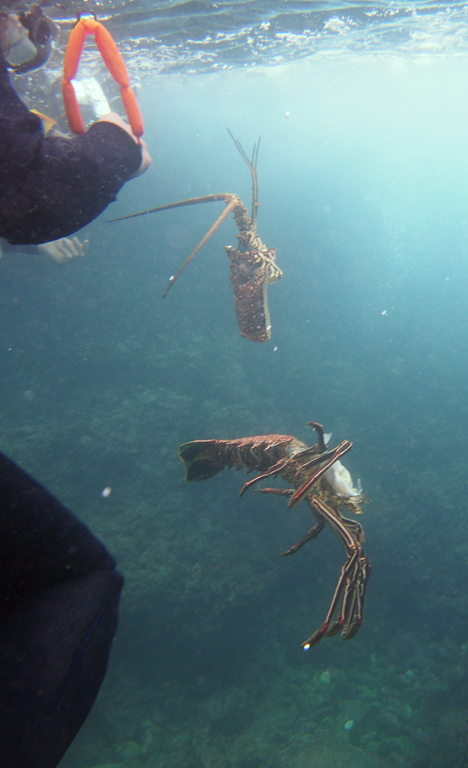
    The host found the remains of a dead lobster. The parts looked funny floating back down to the bottom.
    P2060217

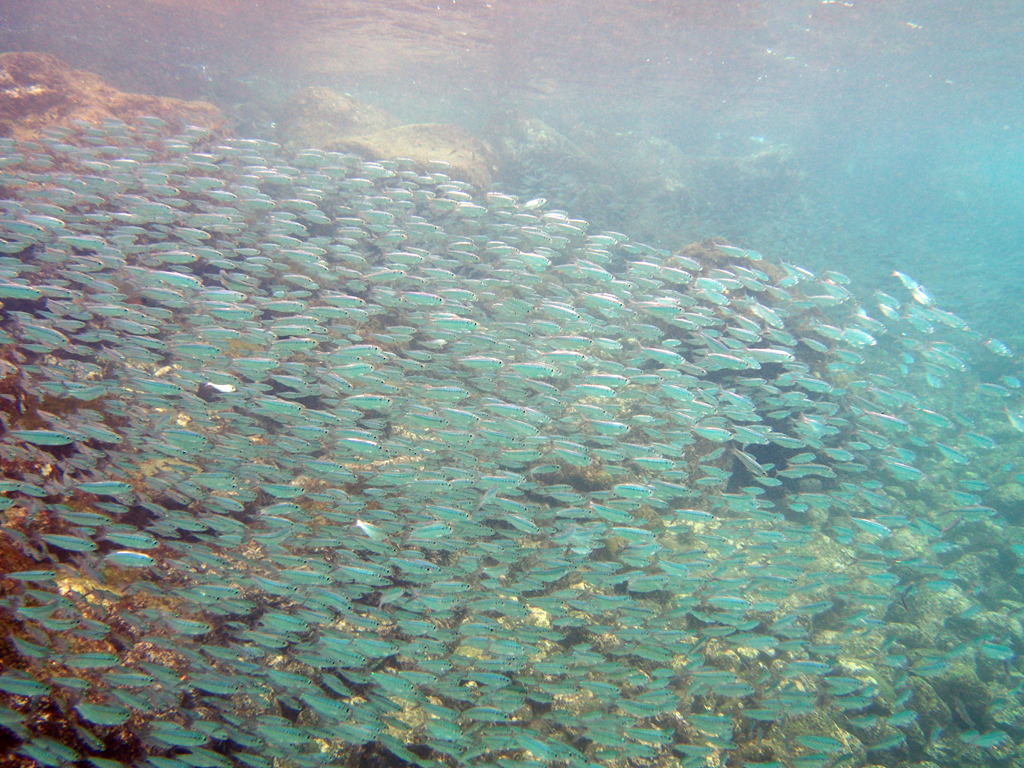
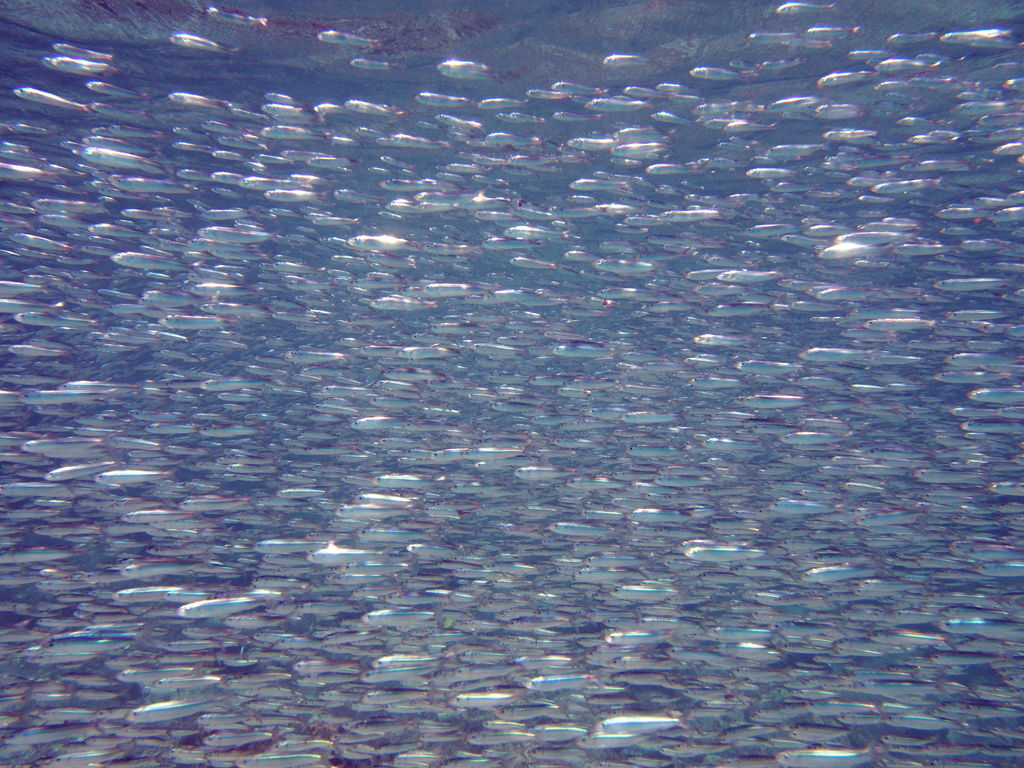
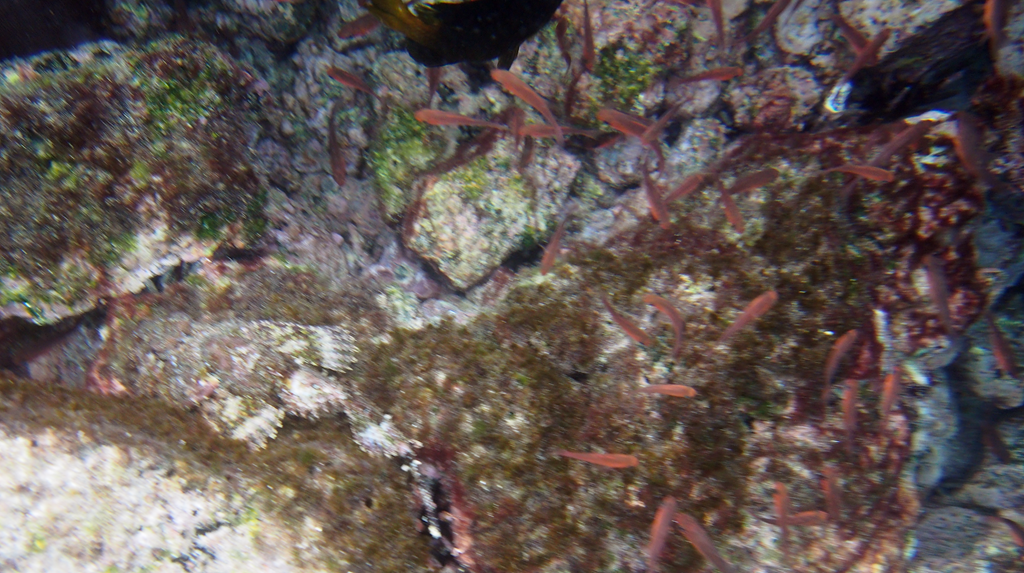
    Another big school of tiny fish.
    P2060014

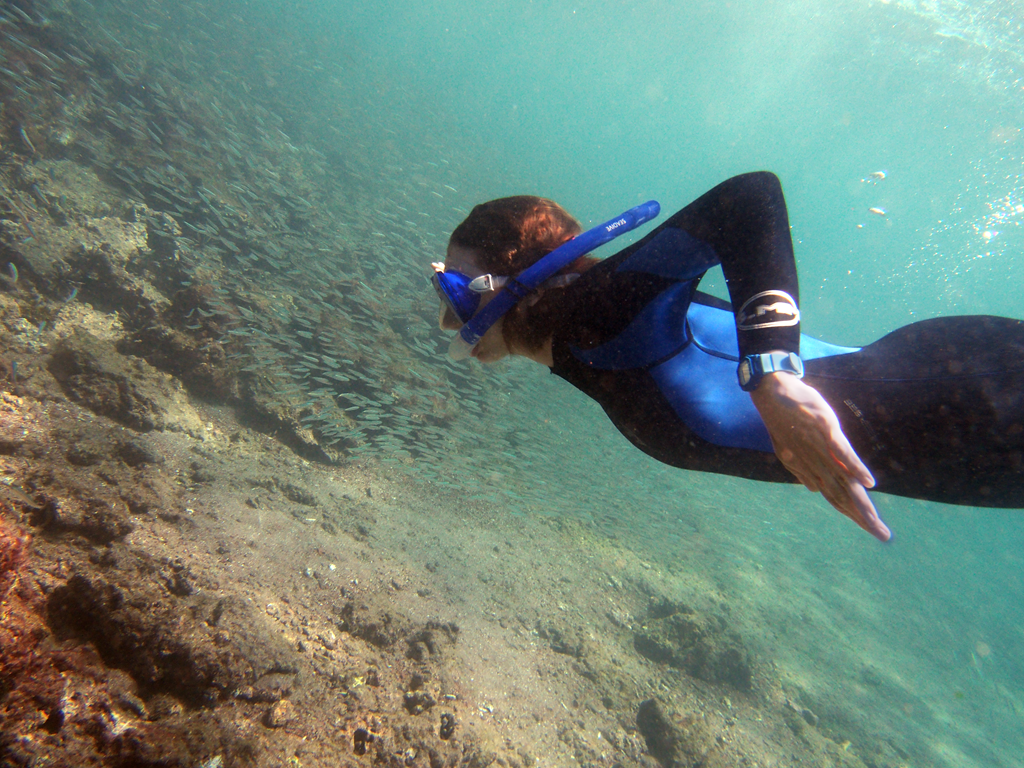
    This is Kerri and  school of tiny fish.

    P2060024

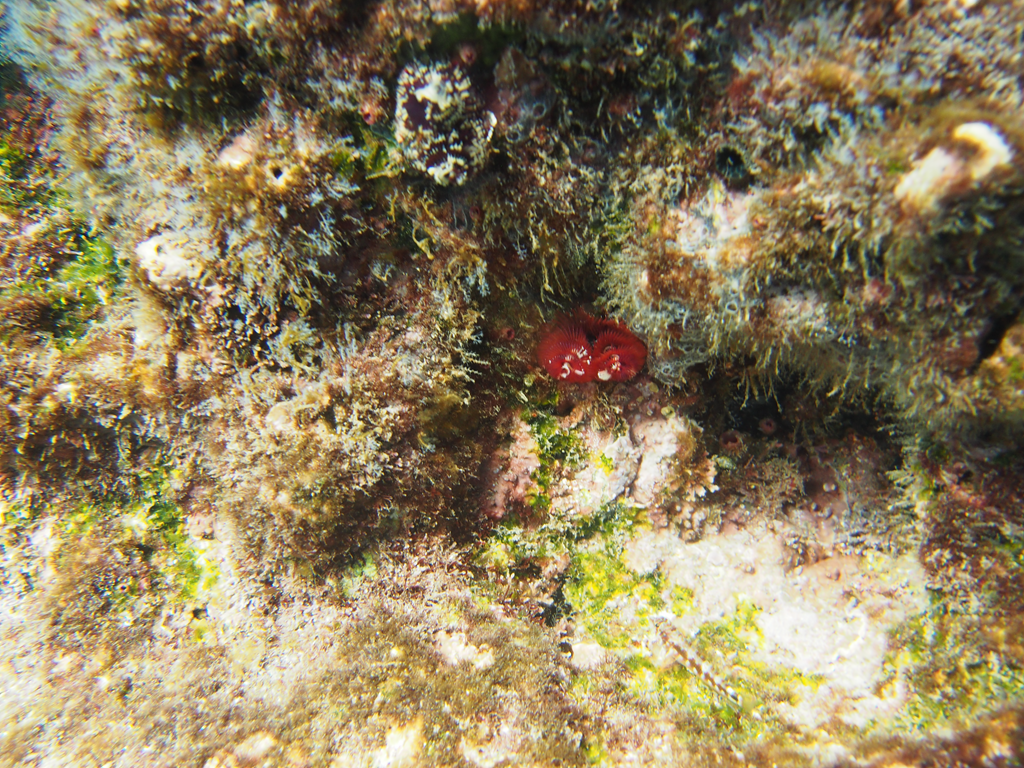
    This is a random red thing Matt decided to take a picture of.

    P2060035

    This is a random blue thing Matt decided to take a picture of.

    P2060040

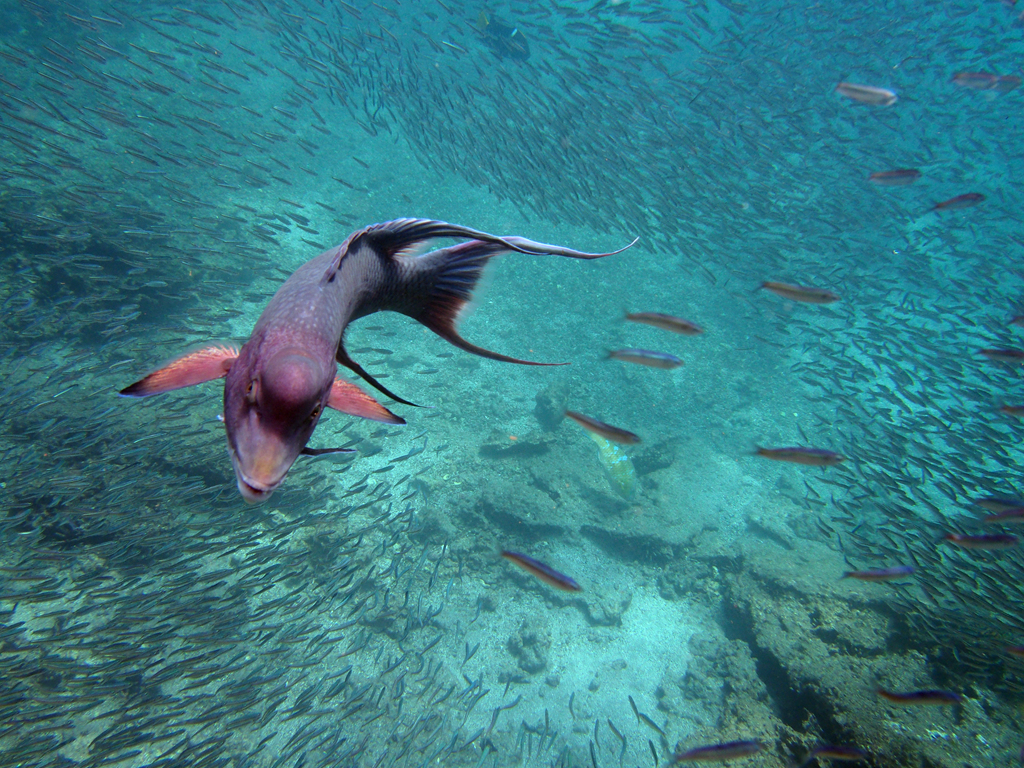
    This is a mexican hogfish.

    P2060046

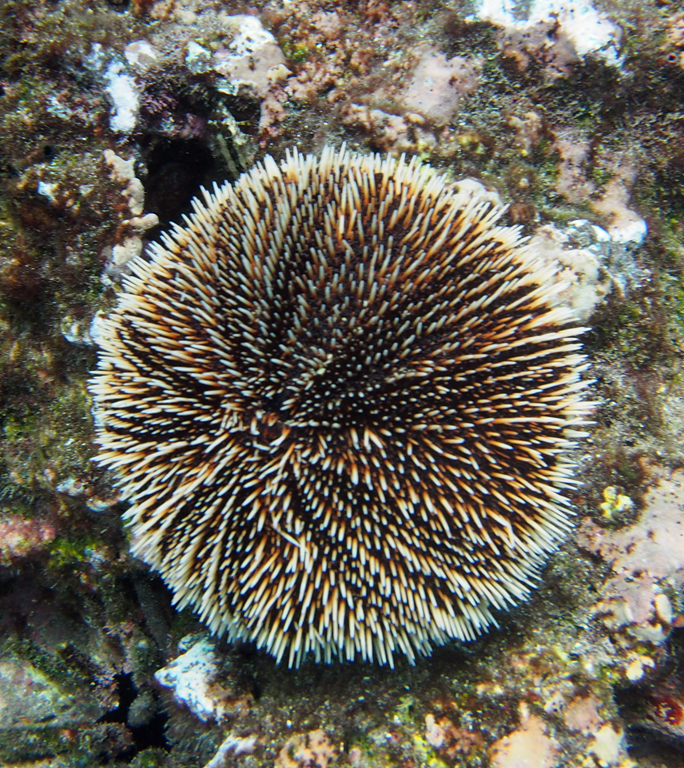
    This is a very spiky urchin.

    P2060048

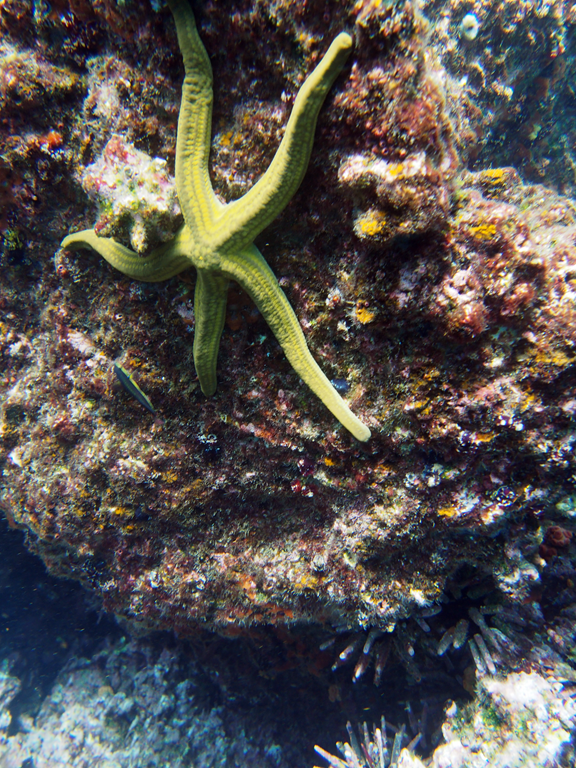
    This is a yellow starfish. There weren’t many of these. Most of the starfish were blue or the red spiky ones or the many armed ones.

    P2060050

    This is a blenny.

    P2060069

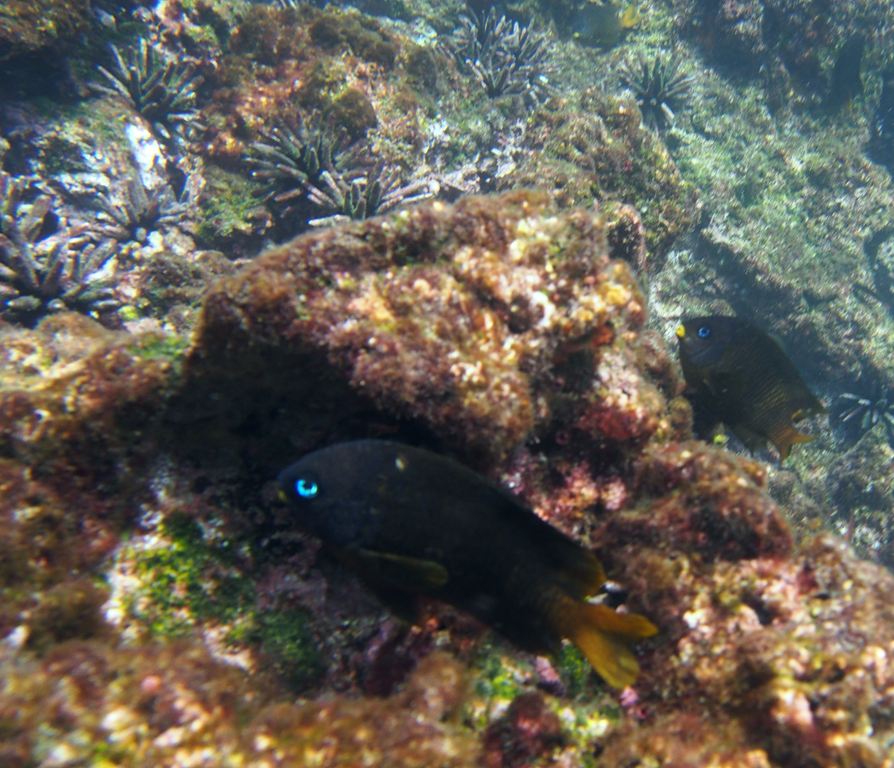
    This is an island major . It was unimpressed by the camera.

    P2060074

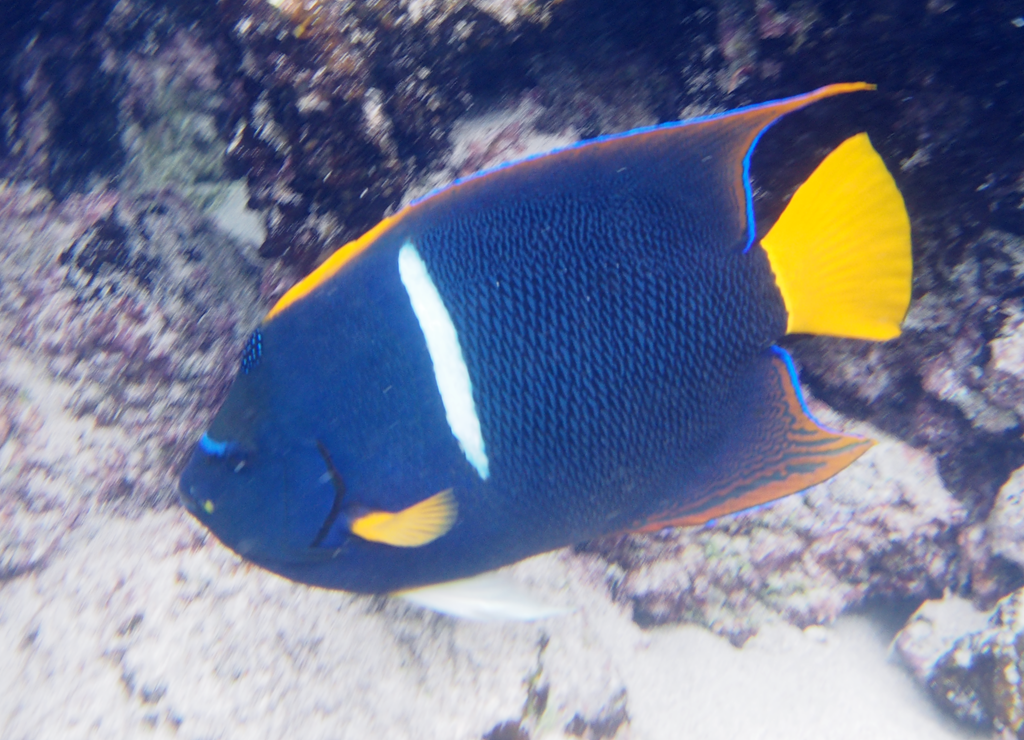
    This is a king angelfish.

    P2060093

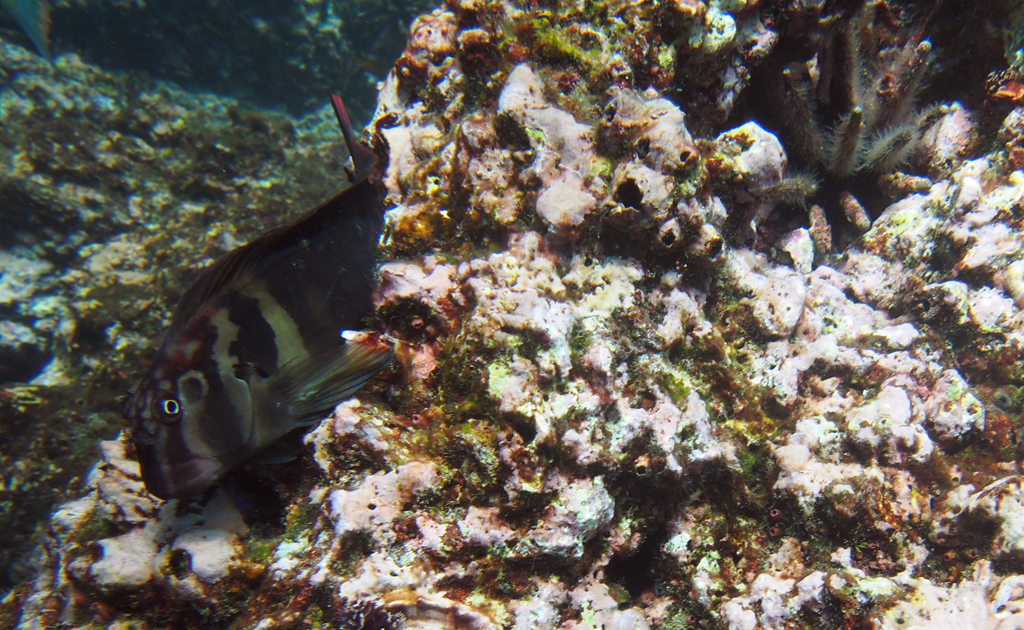
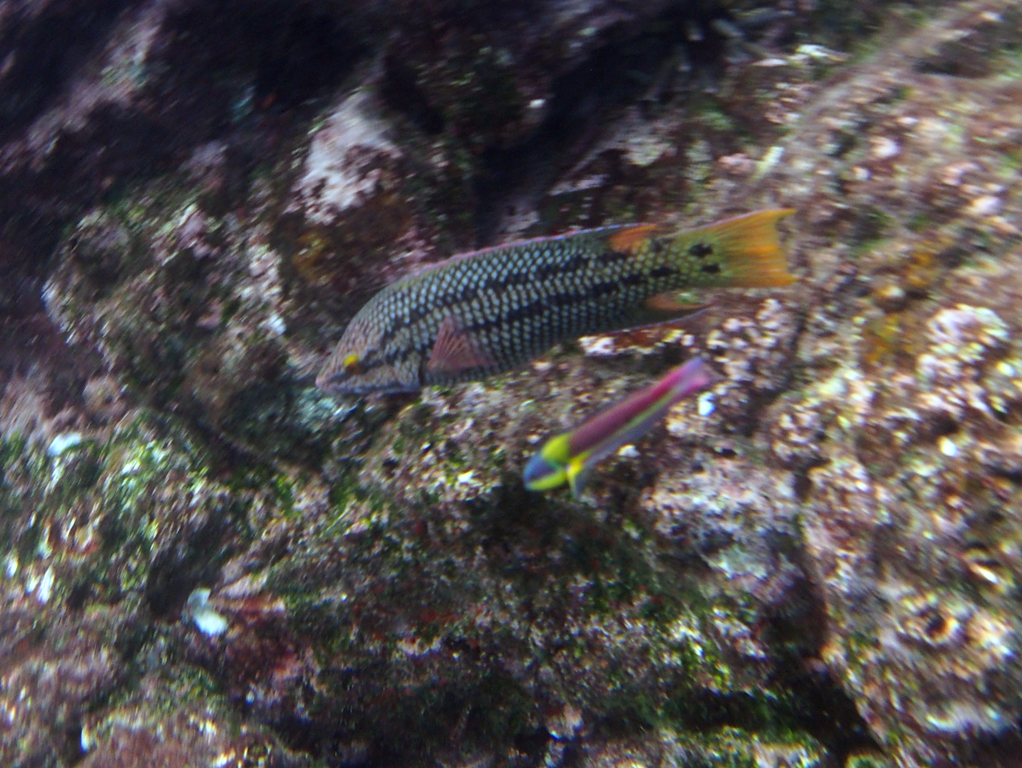
    This is a female or juvenile mexican hogfish (the male is above with the weird bump on his head).

    P2060208

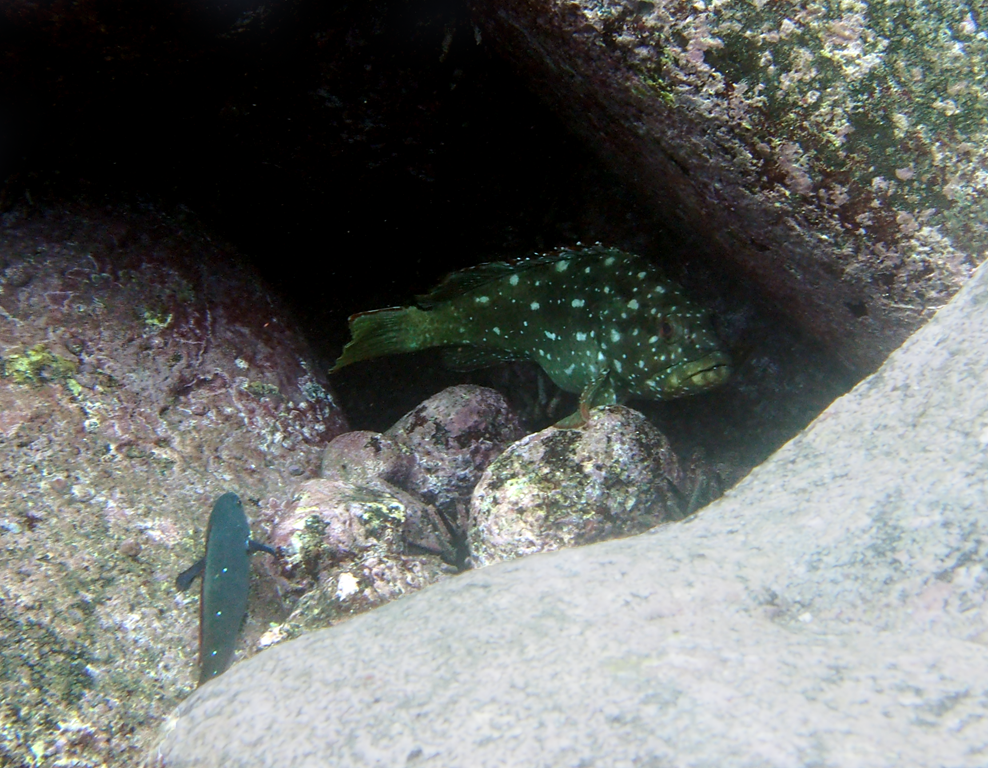
    This is a scorpionfish.

    P2060129

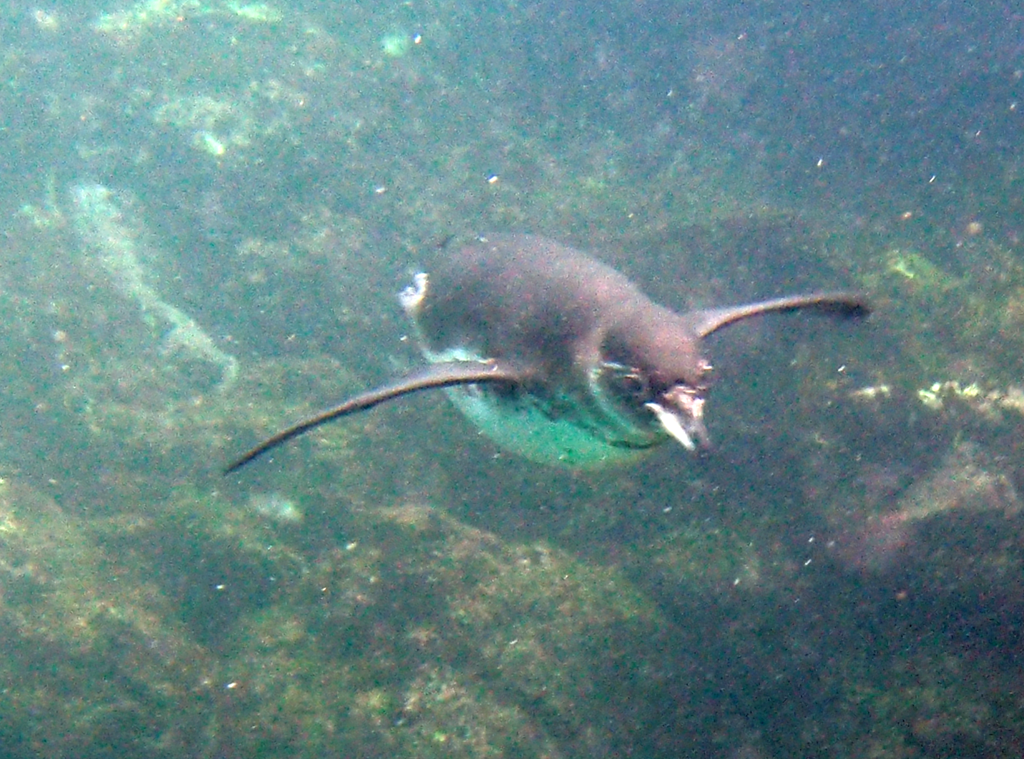
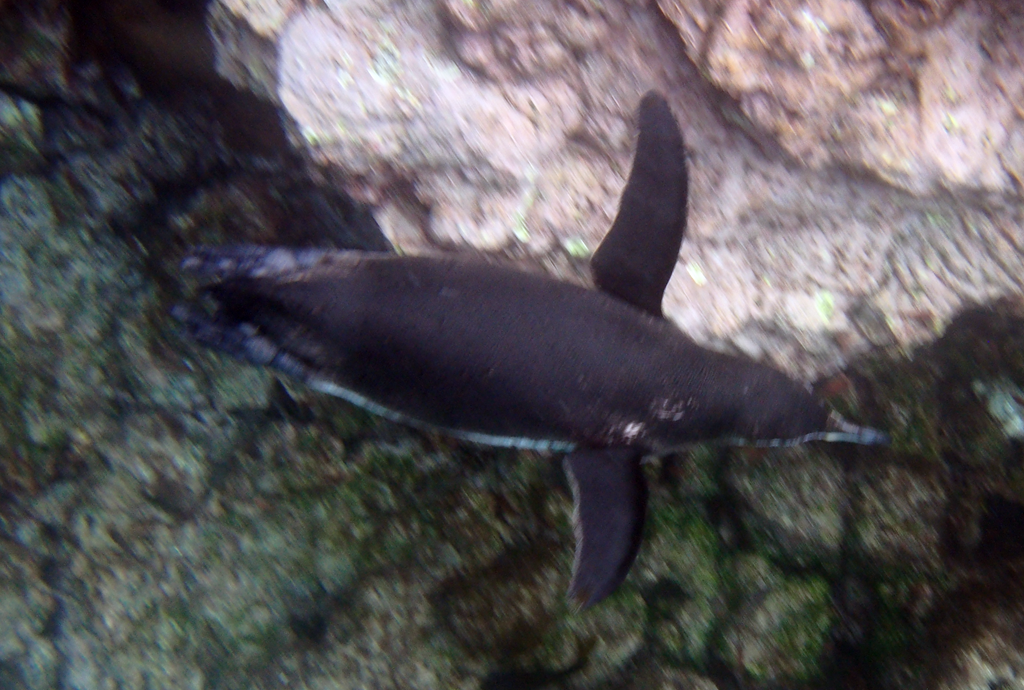
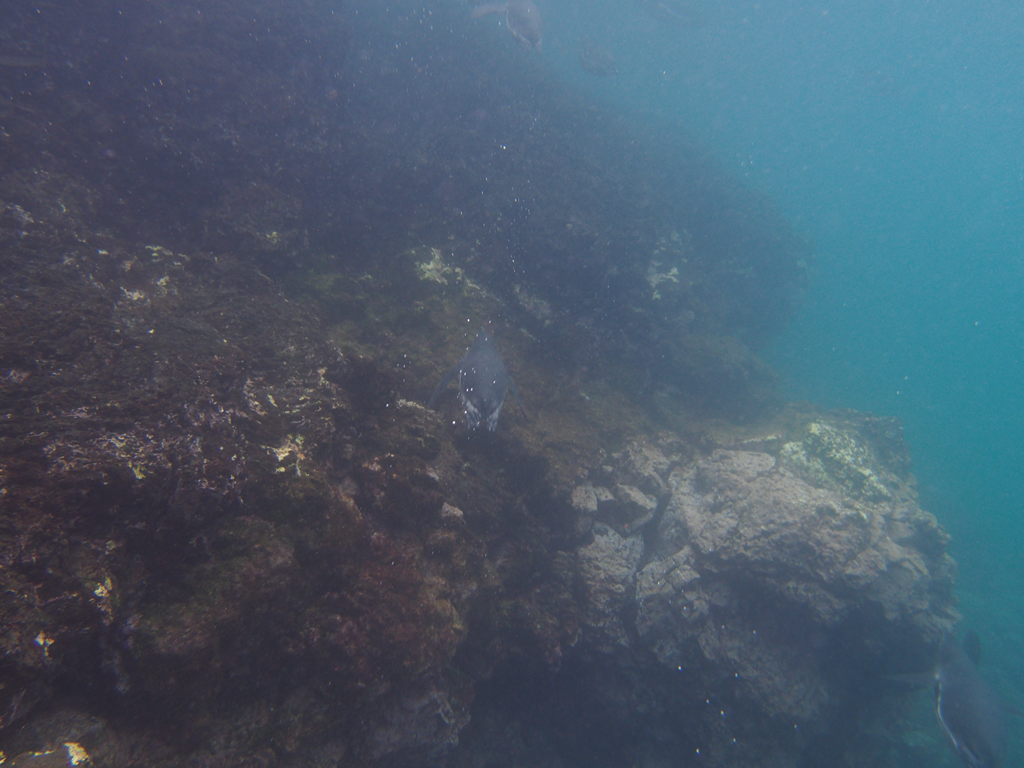
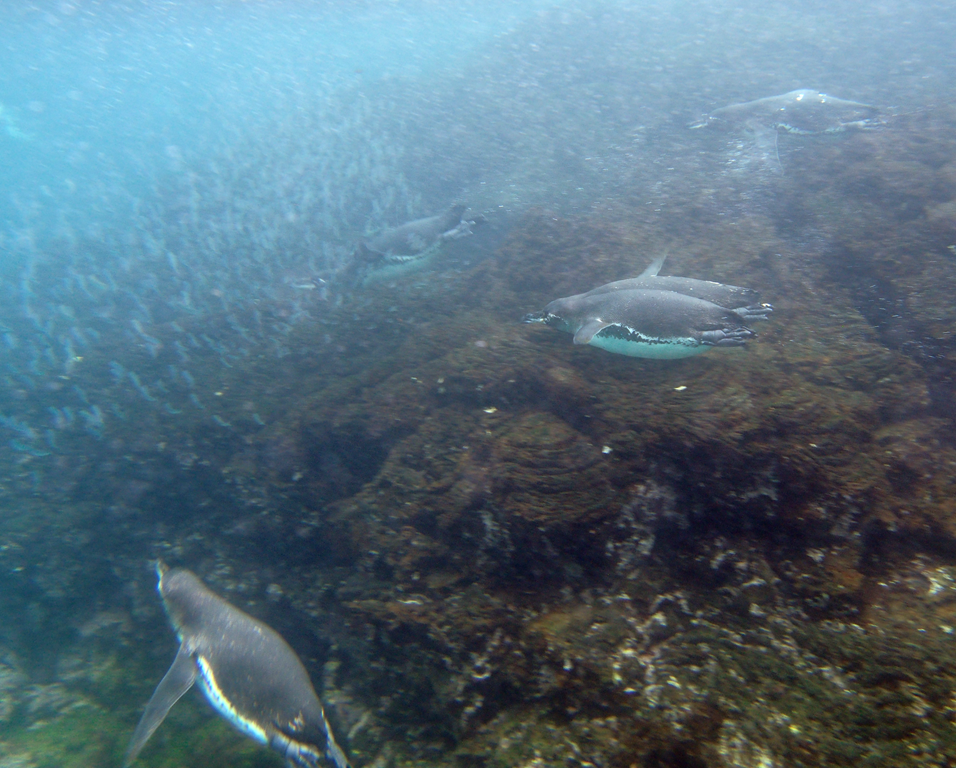
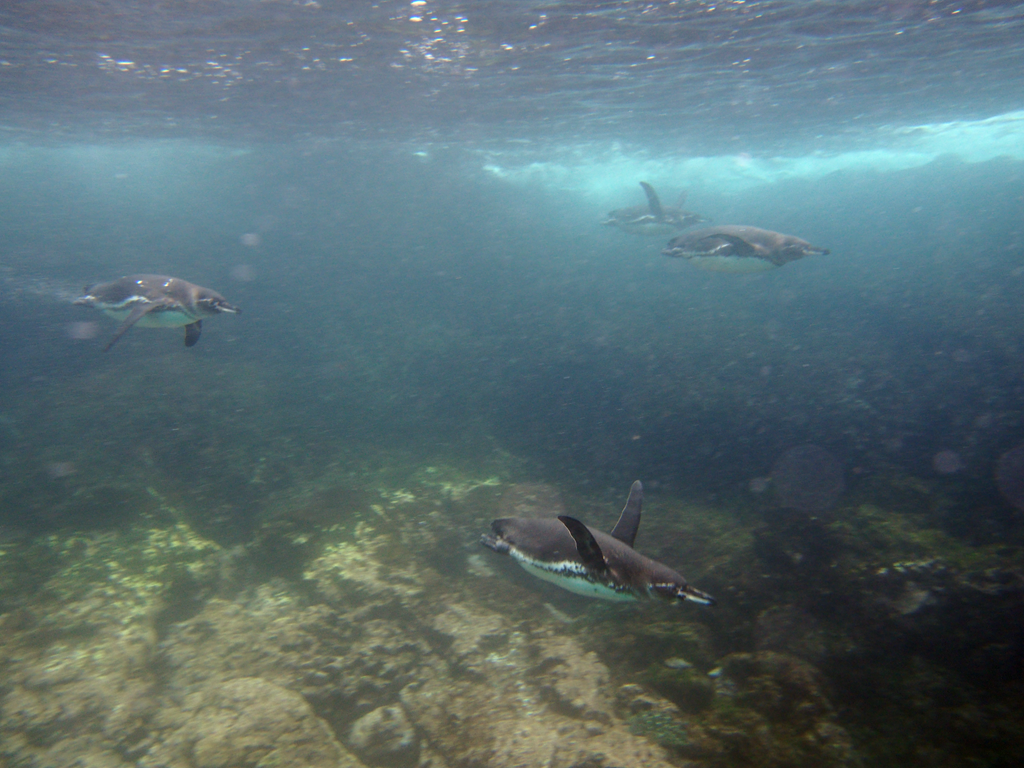
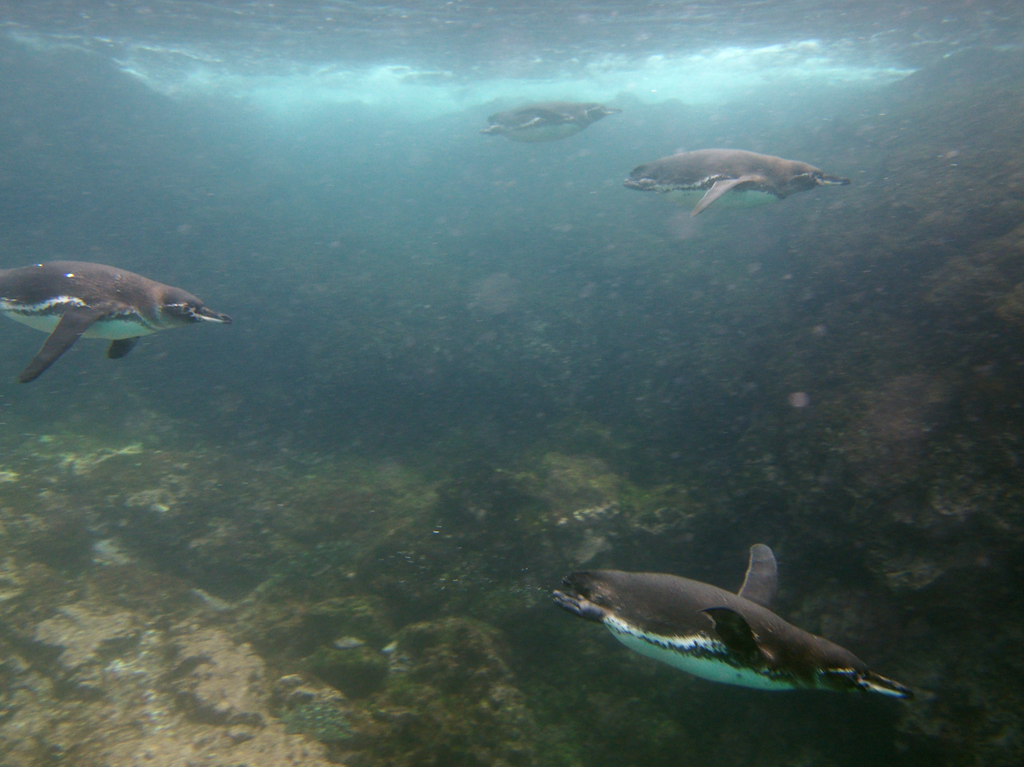
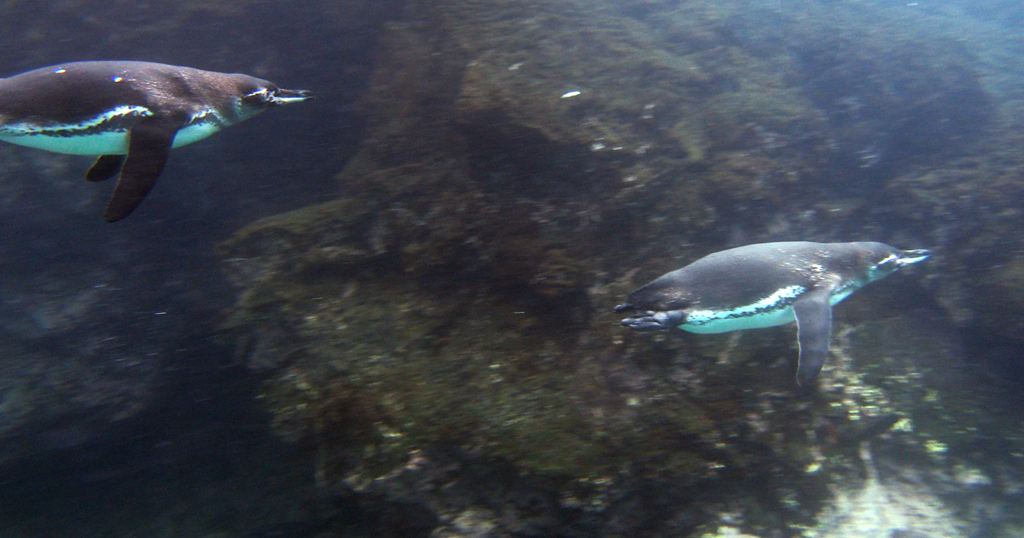
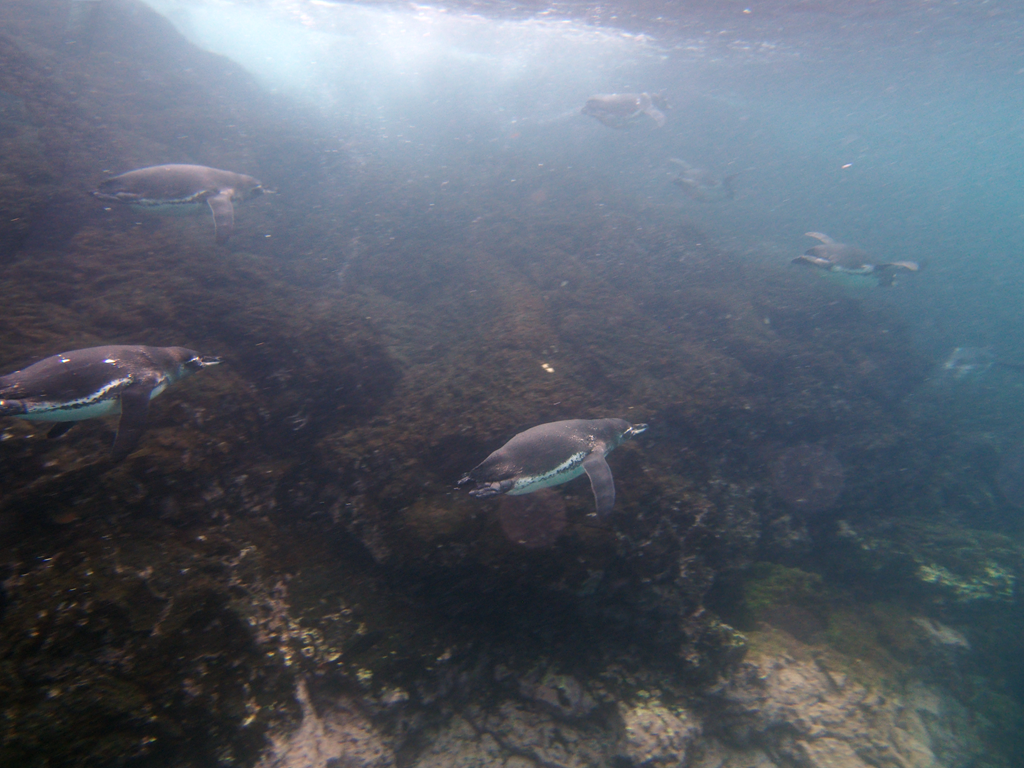
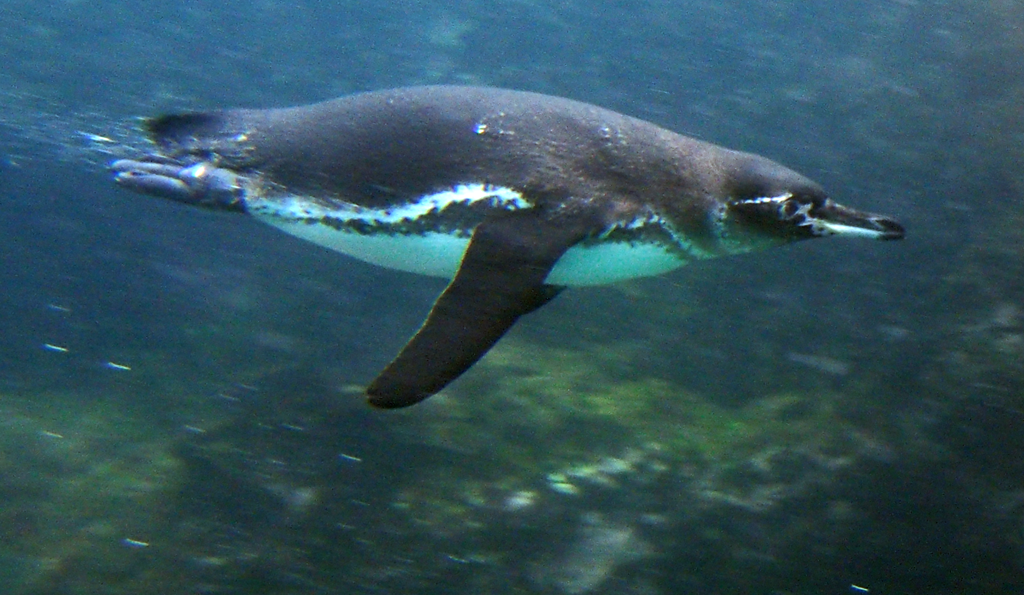
    But the best part was the penguins.

    P2060137

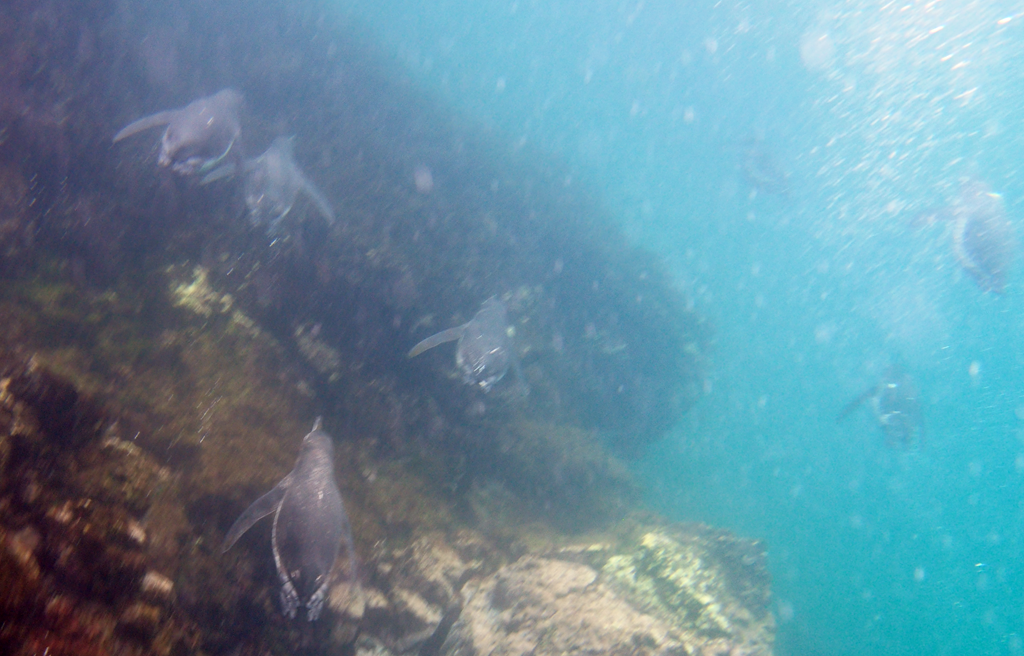
    They circled by 3 times.

    P2060139

    A whole big group of them.

    P2060143

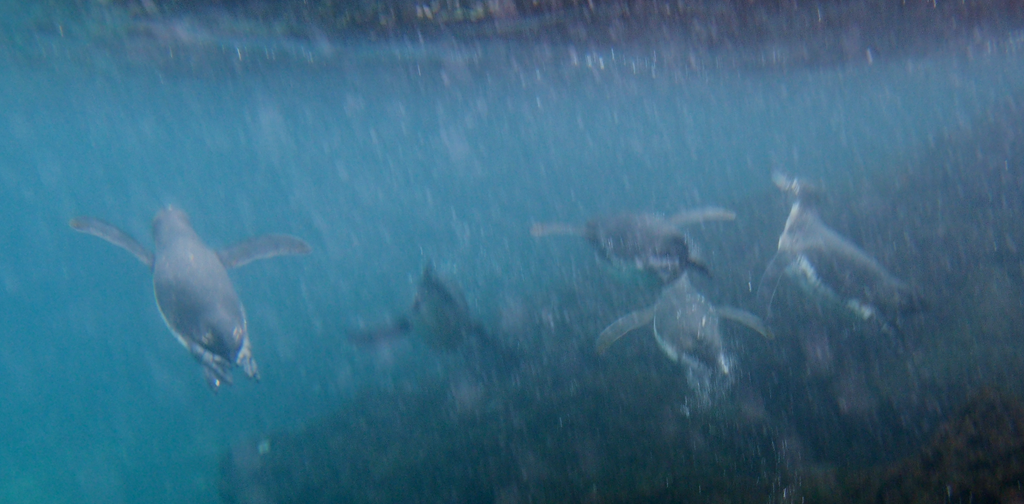
    They are really, really fast.

    P2060145

    They came shooting by under us while we were snorkelling.

    P2060150

    Then they got lost in the bubble and I couldn’t really see them anymore.

    P2060152

    But they came back again.

    P2060158

    Maybe they liked me as much as I liked them.

    P2060159

    Or maybe they just didn’t get enough fish the first time.

    P2060161

    But they seemed to be having fun.

    P2060162

    And they were very cute.

    image


  • Puerto Egas

    This morning was a hike on the west side of Santiago through the tide pools.

    image

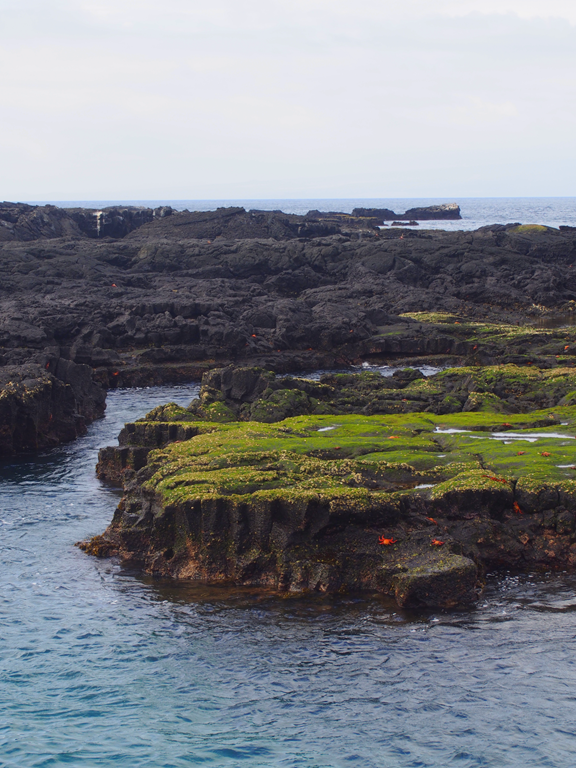
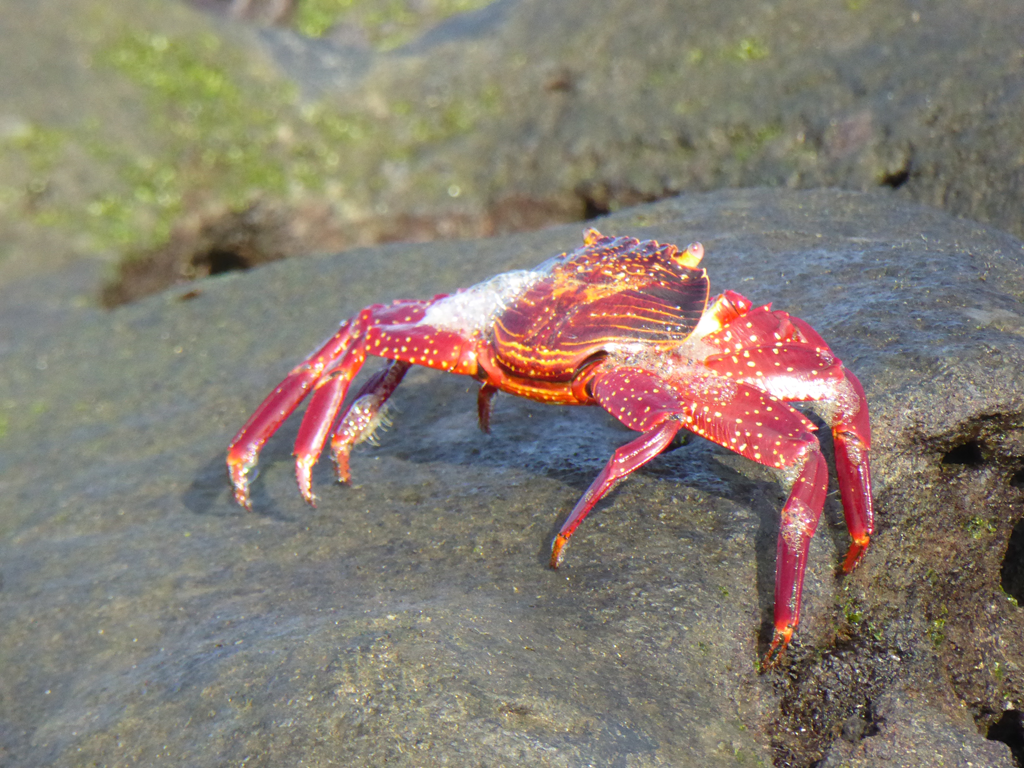
    They were very colourful with pretty blue water and green algae and red crabs.

    image

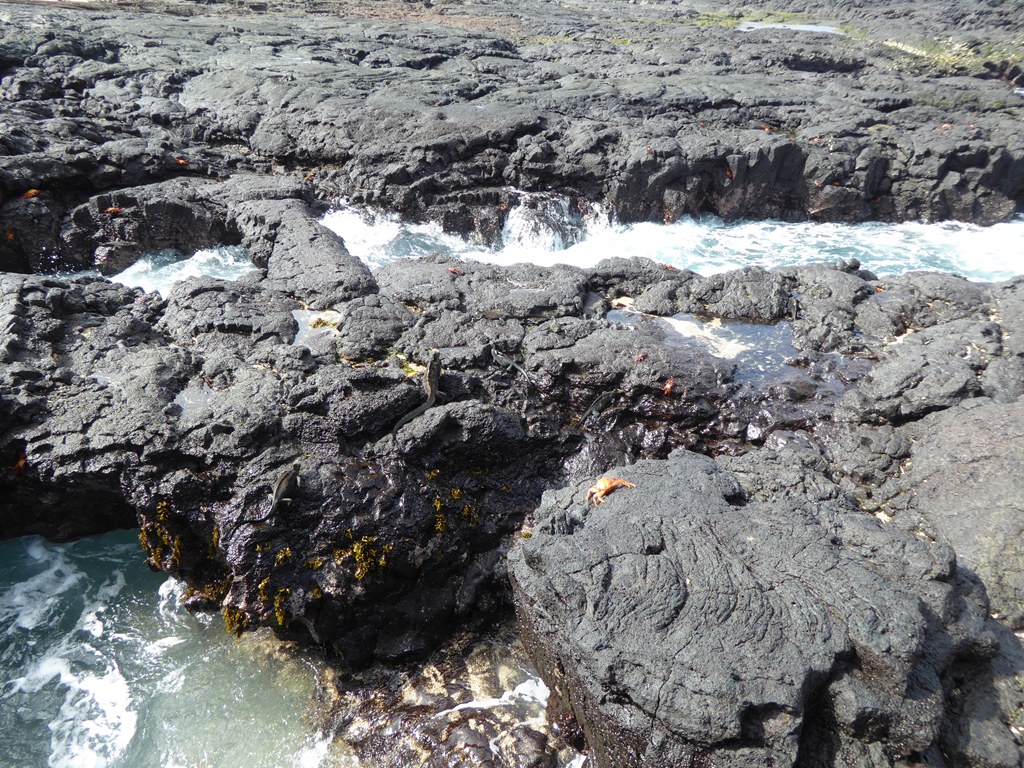
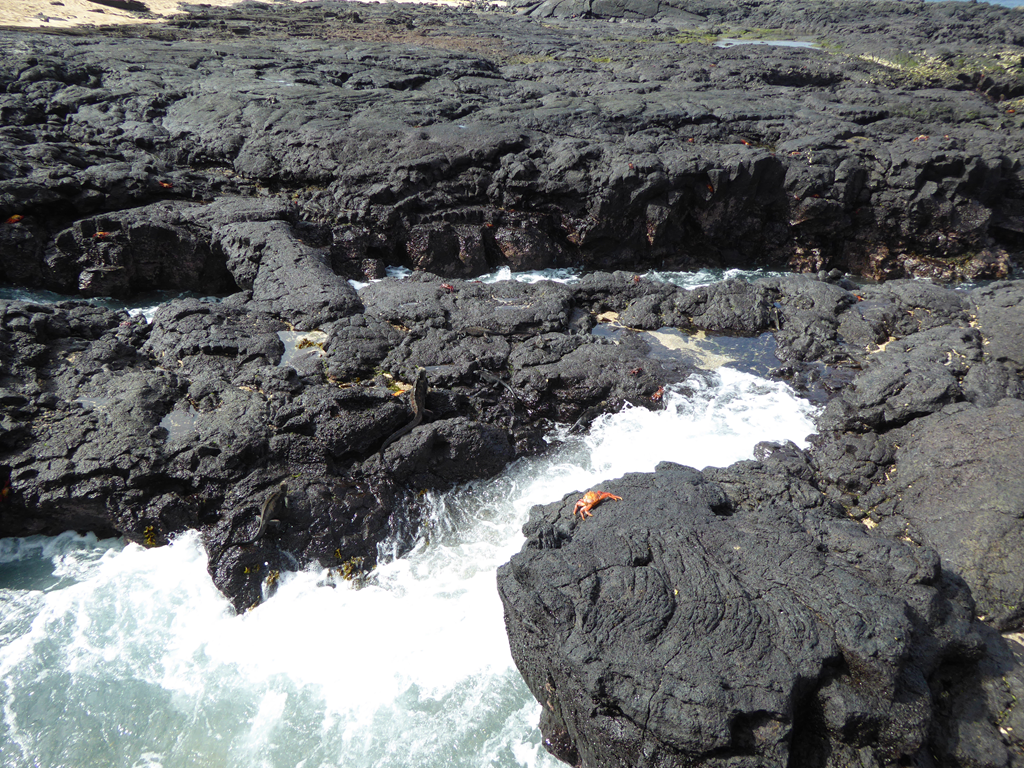
    In one place there was a bridge and a curved section that was empty when the waves went out.

    image

    But full when the waves came in, terrifying the crabbies.

    image

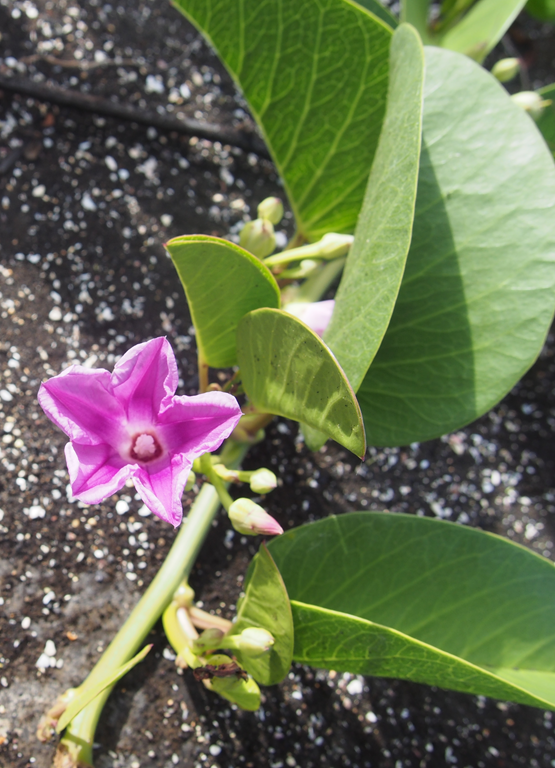
    We saw a pretty flower.

    image

    We also saw one of the “thingies that runs along the beach”.

    image

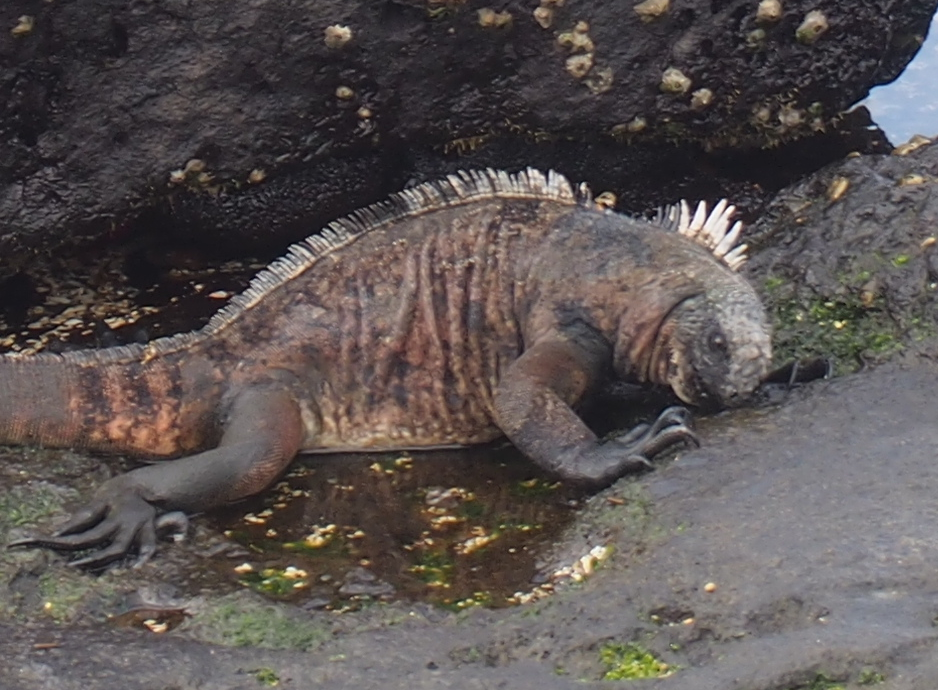
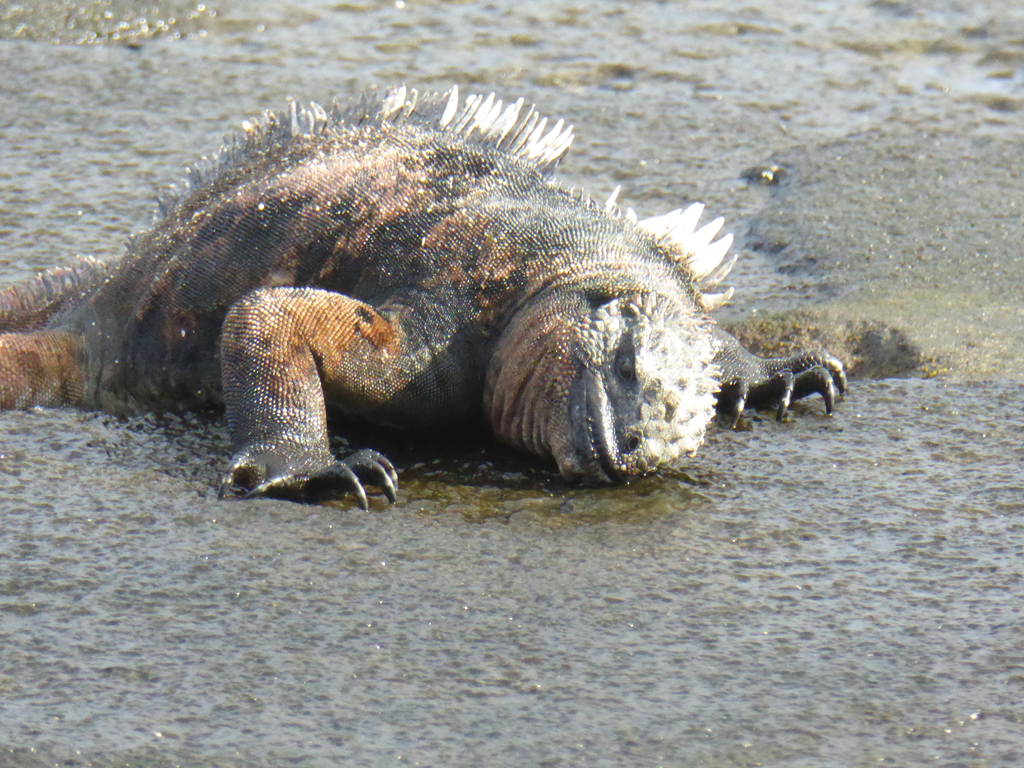
    We saw many marine iguanas.

    image

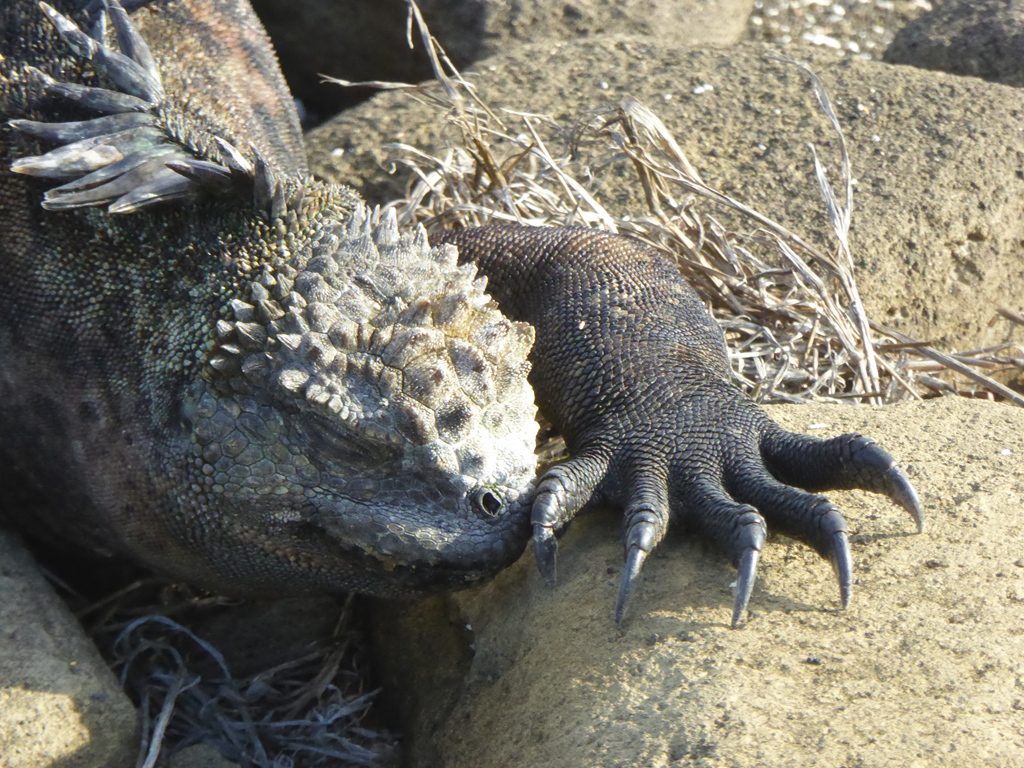
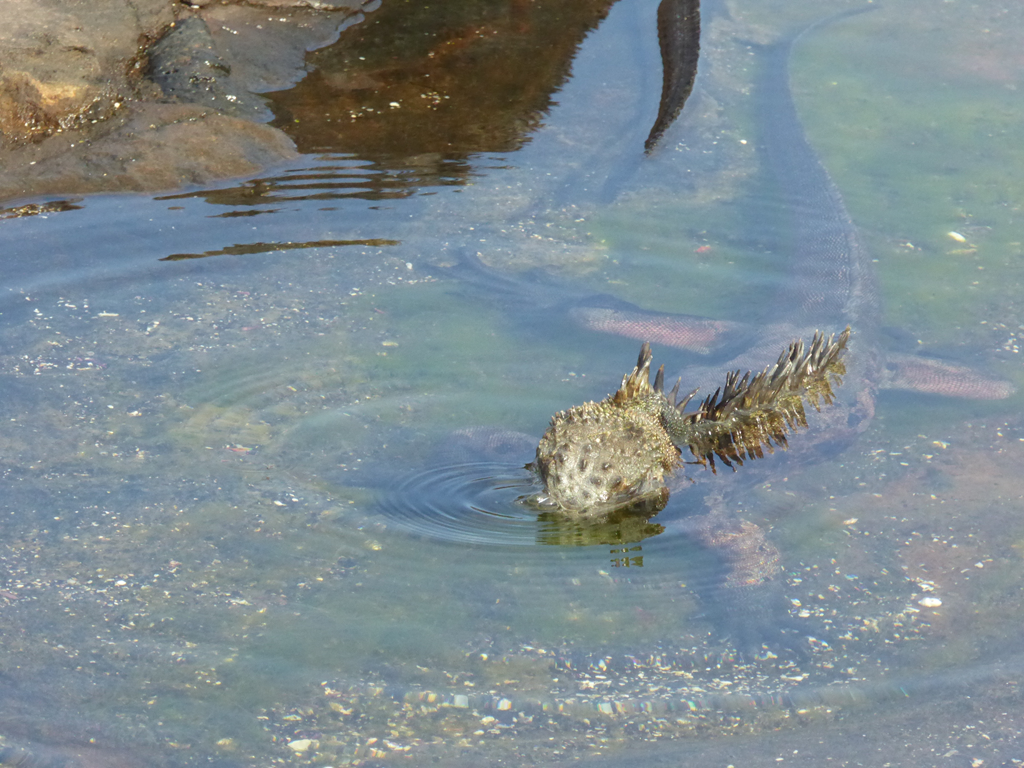
    This one is eating. He scrapes the algae off of the rocks with his teeth.

    image

    They use the side of their face to get in close.

    image

    Sometimes they soak in the tide pools to regulate their body temperature.

    image

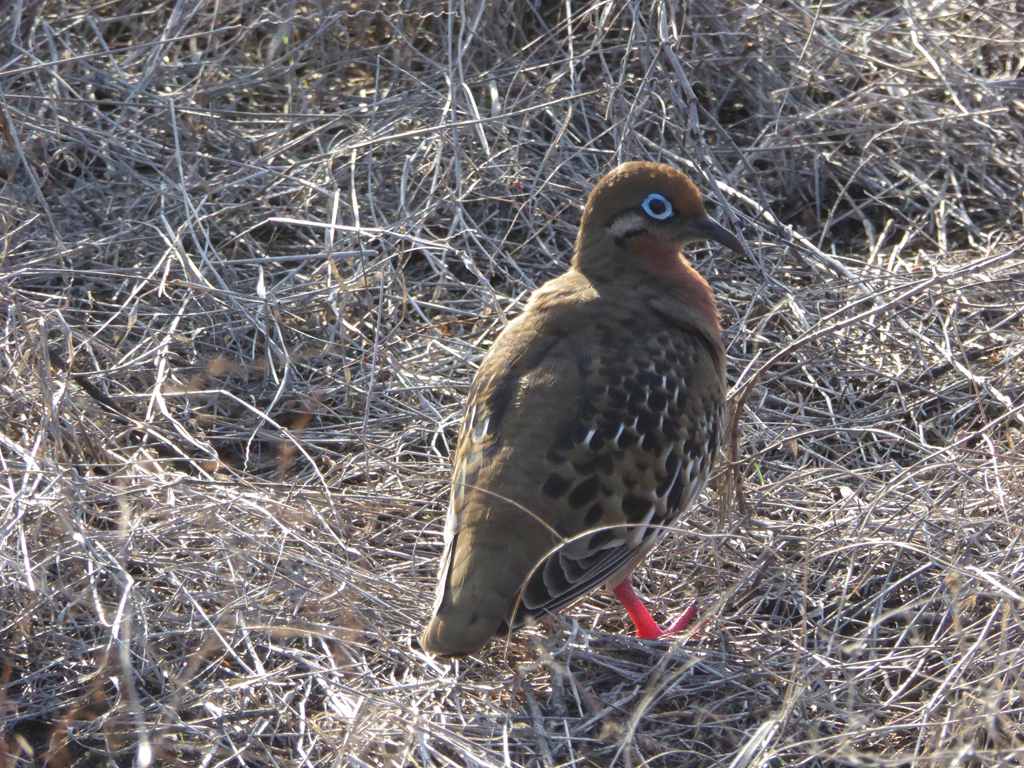
    There were lots of galapagos doves. They are kind of pretty, for pigeons.

    image

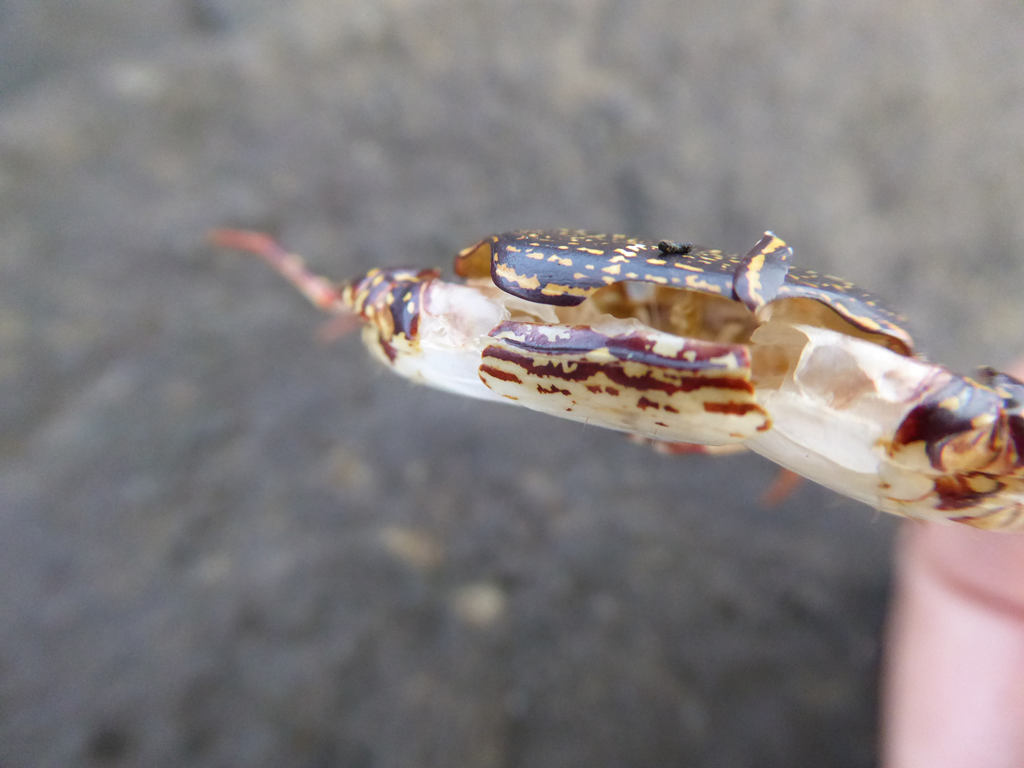
    We also came across a moulting crab. It was foaming to lubricate itself to make shedding easier.

    image

    After he will pop out of a hole in the back of his shell.

    image

    And leave a case behind, complete with eye covering.

    image

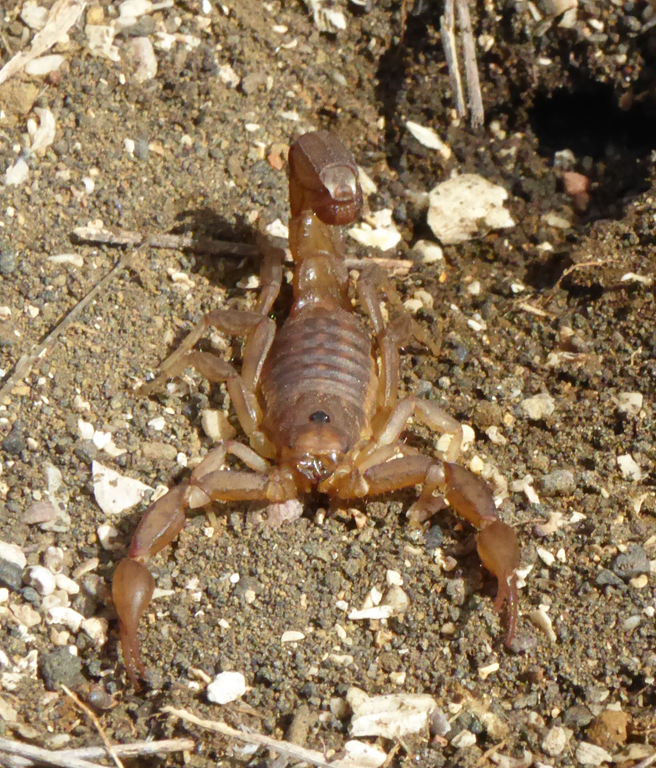
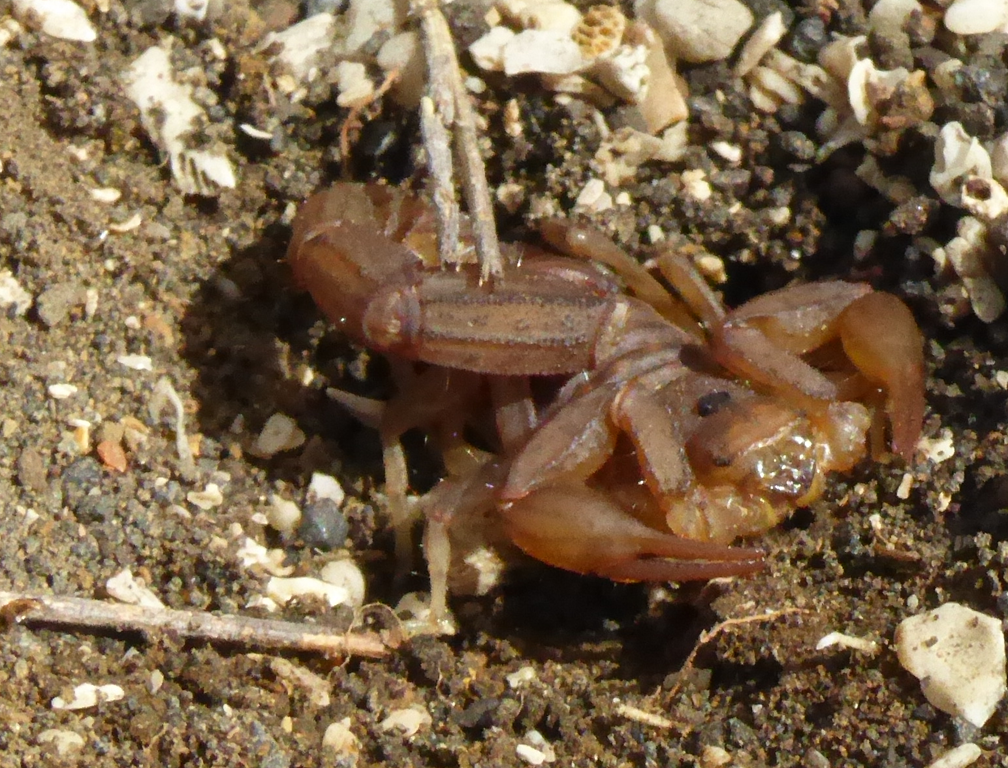
    We found a little scorpion hiding under a rock.

    image

    He looks much more like a scorpion after he wakes up.

    image

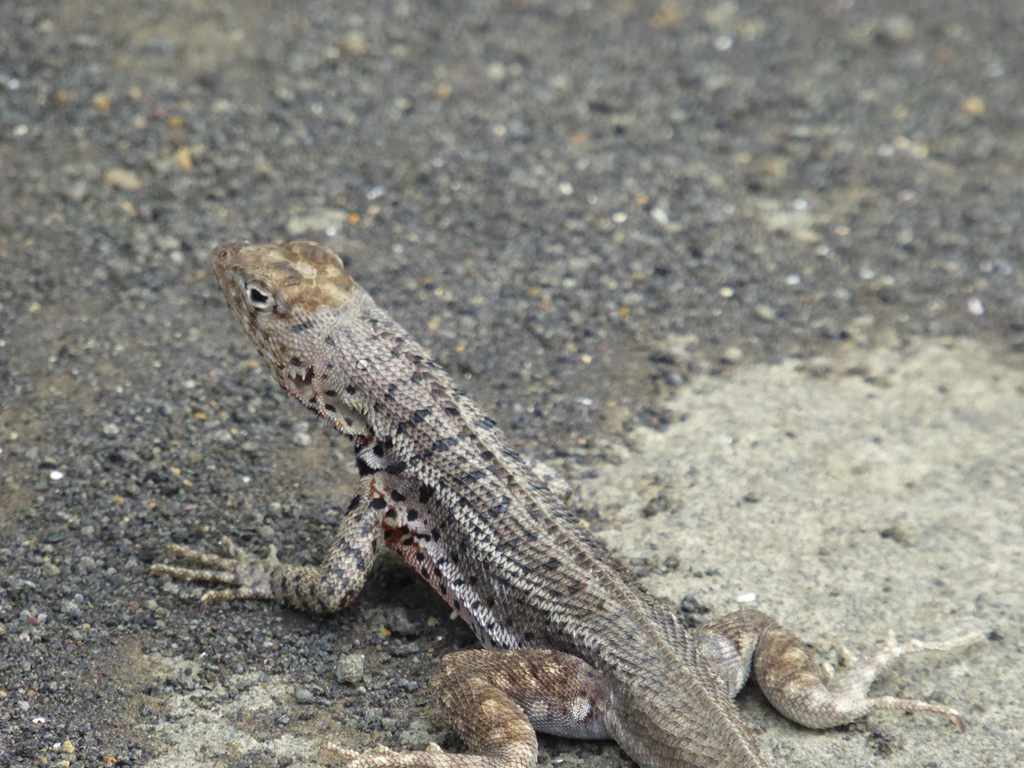
    He has to hide under rocks so he doesn’t get eaten by the lava lizards, which are much lighter in colour here.

    image

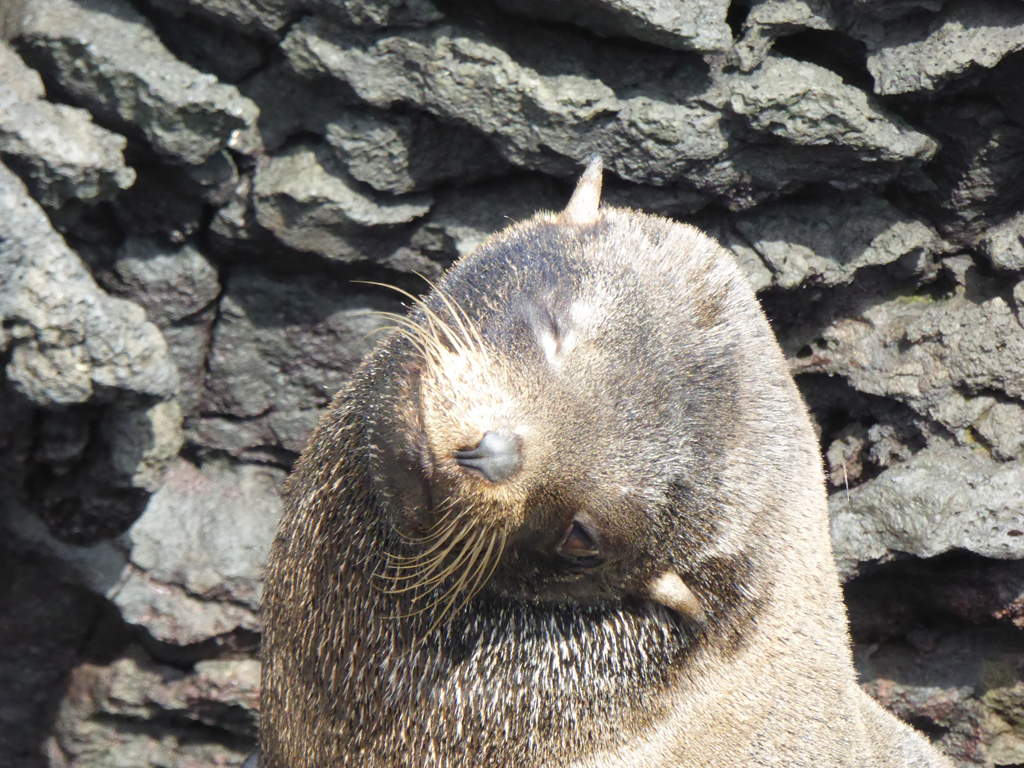
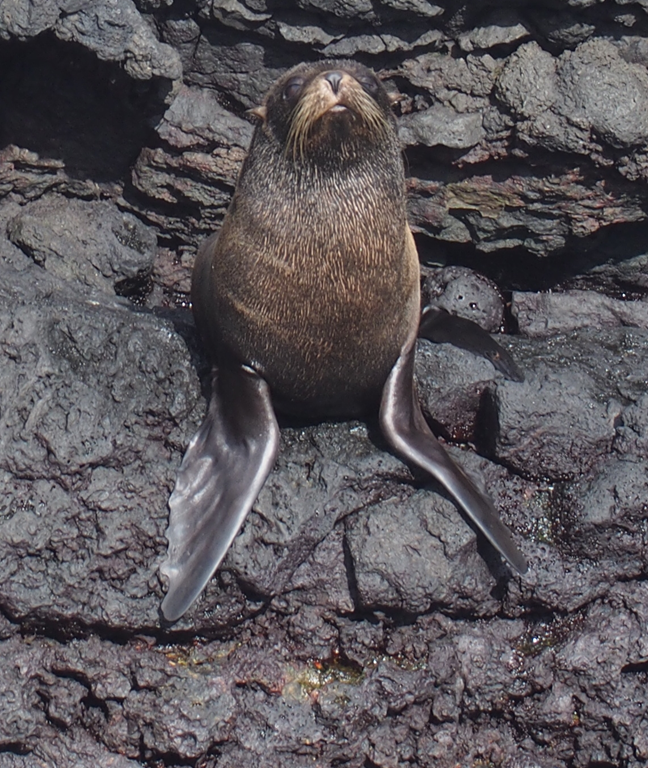
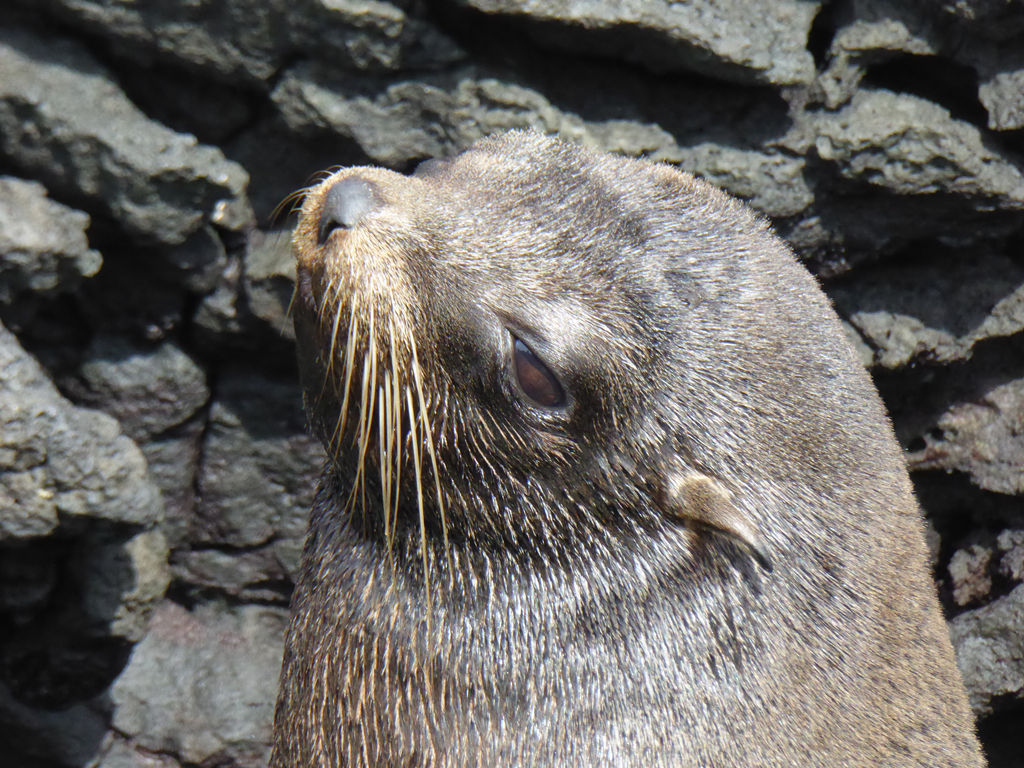
    There were also fur seals.

    image

    Fur seals are also sea lions, but they have a different head shape and bigger ears than the galapagos sea lions.

    image

    And much more fur, which is why they were hunted almost to extinction.

    image

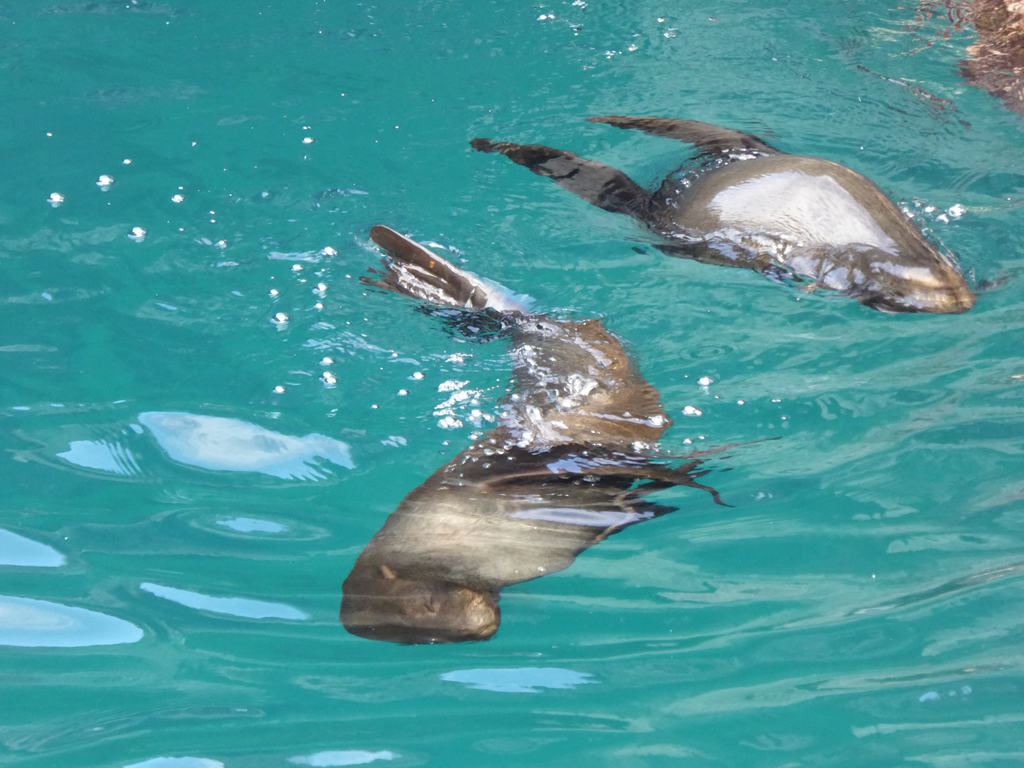
    They are harder to tell apart in the water.

    image

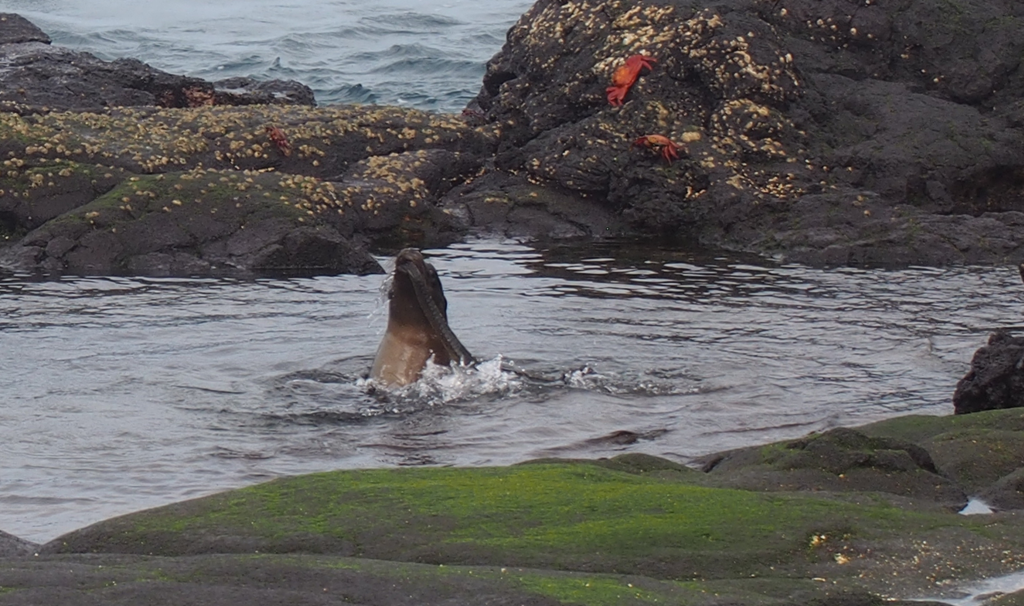
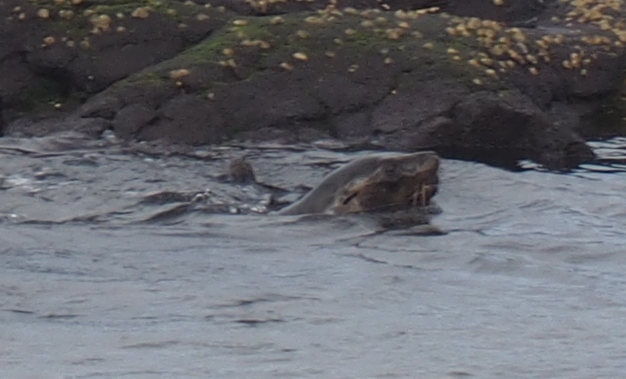
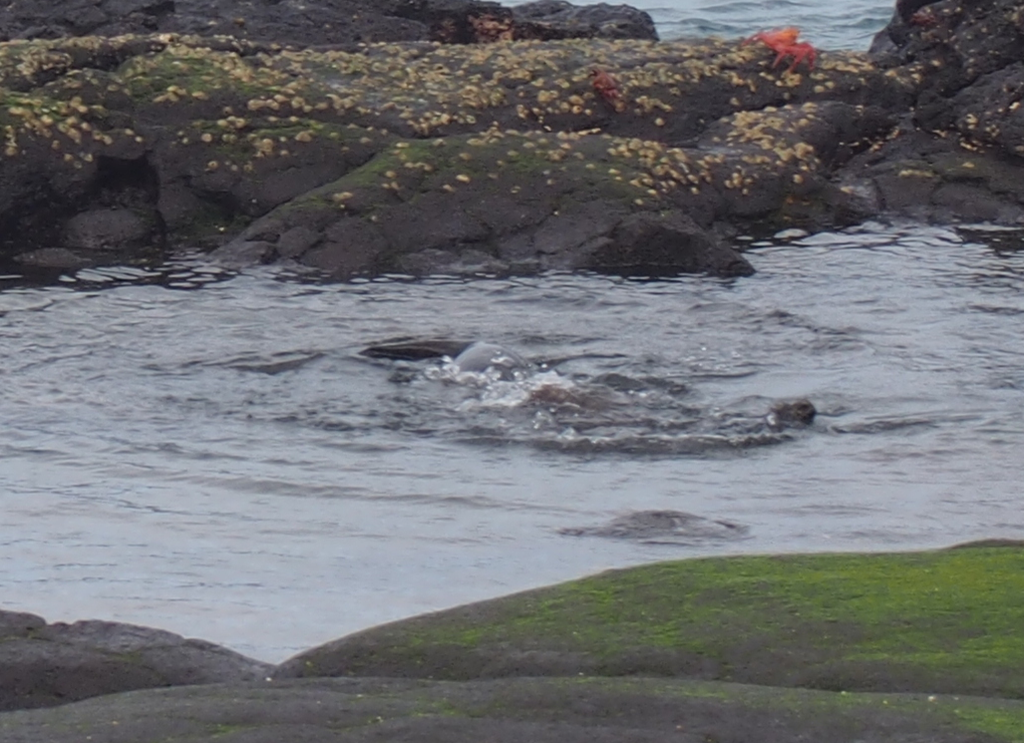
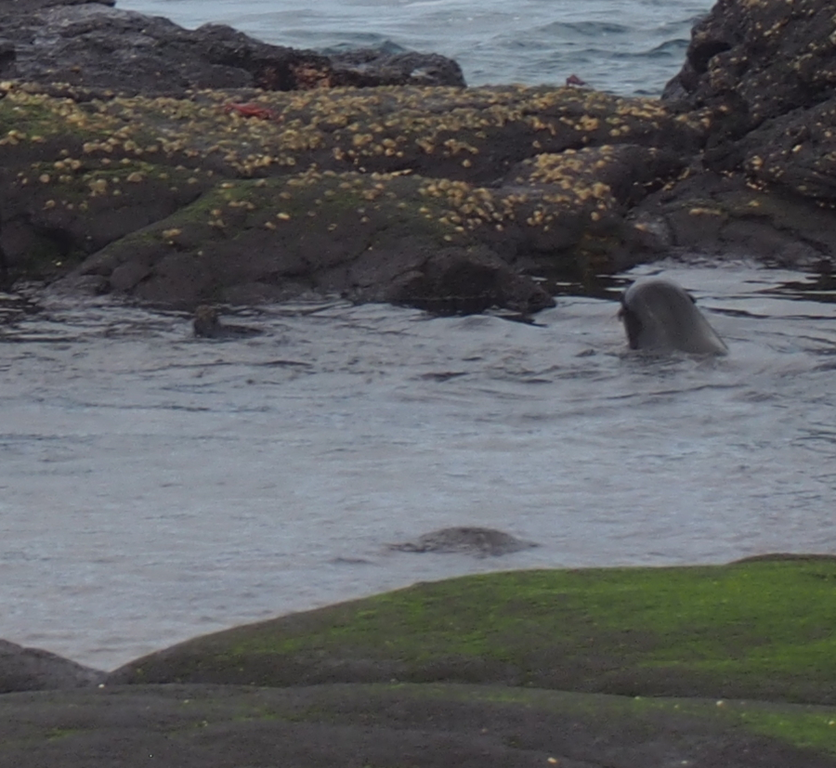
    One of the big galapagos sea lions was playing with a marine iguana in the tide pool.

    image

    He was holding him by the tail and not letting him swim away.

    image

    He kept tossing him in the air and trying to catch him again.

    image

    I think the sea lion was having more fun than the iguana. He finally escaped.

    image

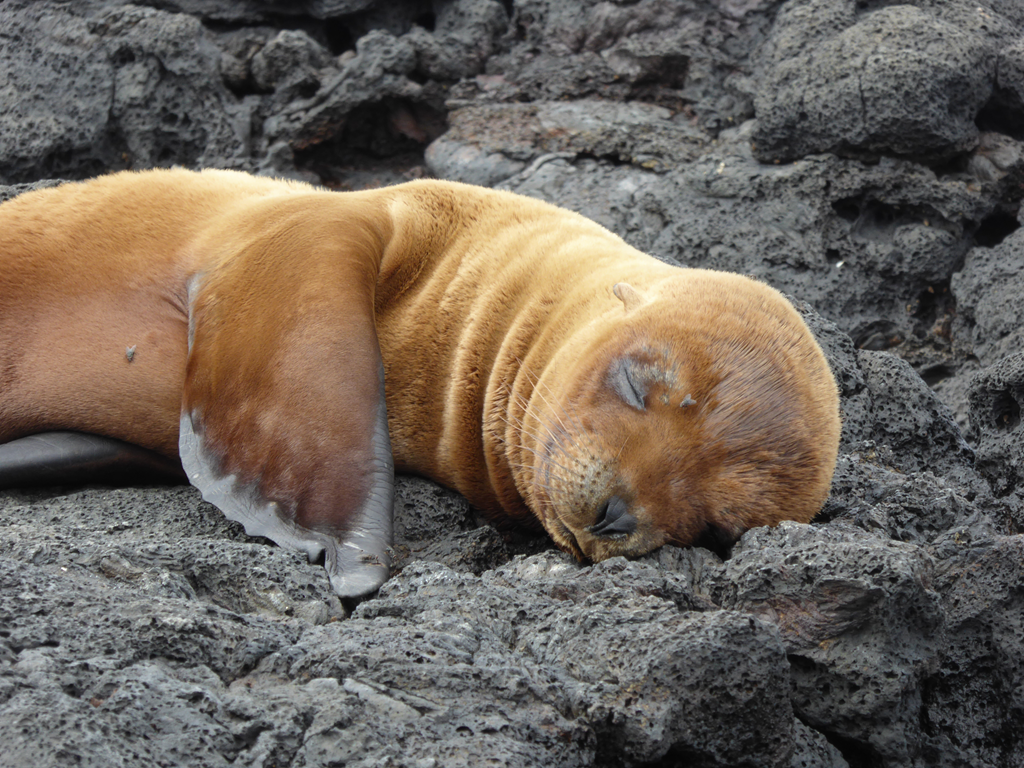
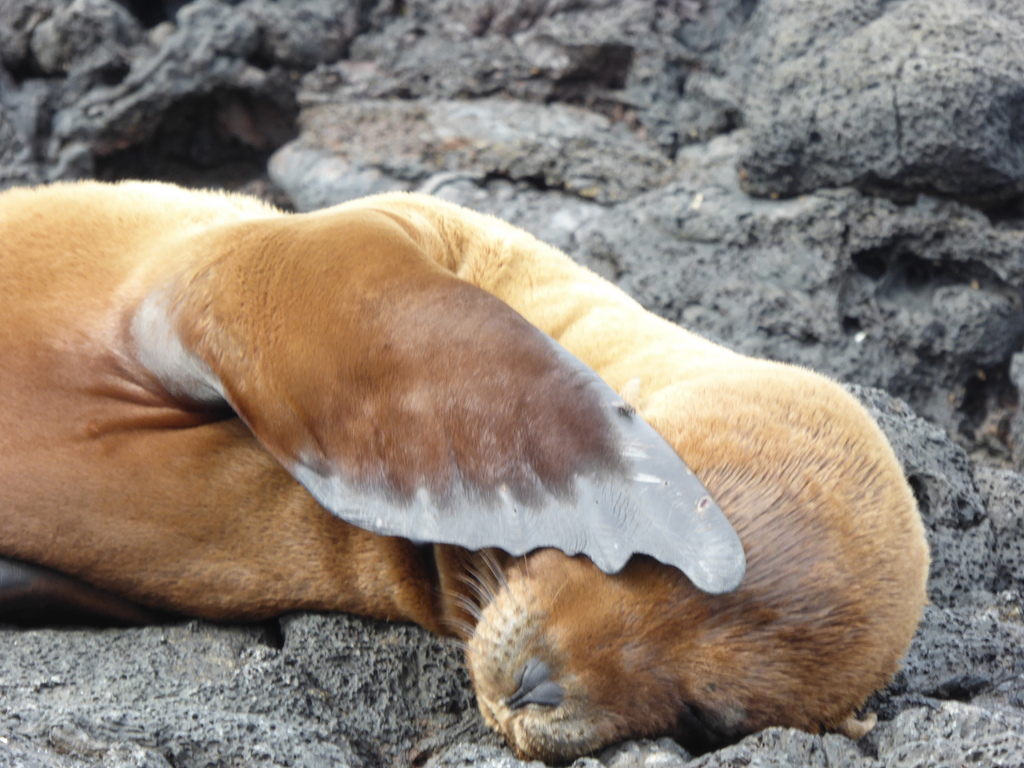
    While all of the other animals are hard at work, the baby galapagos sea lions are having a nap.

    image

    Sometimes they have nightmares about escaping iguanas.

    image