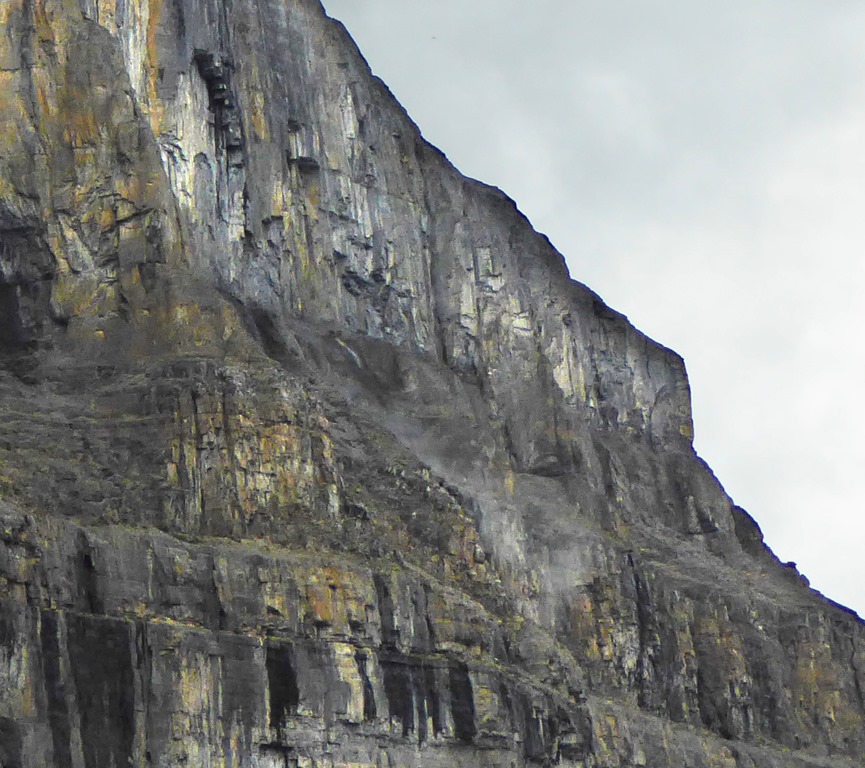
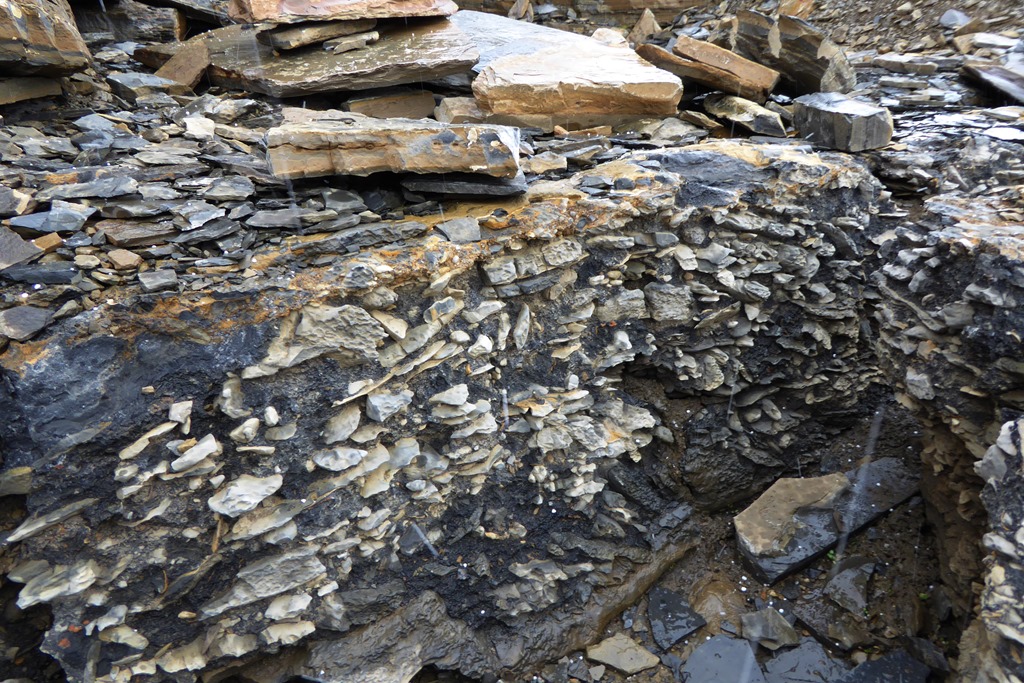
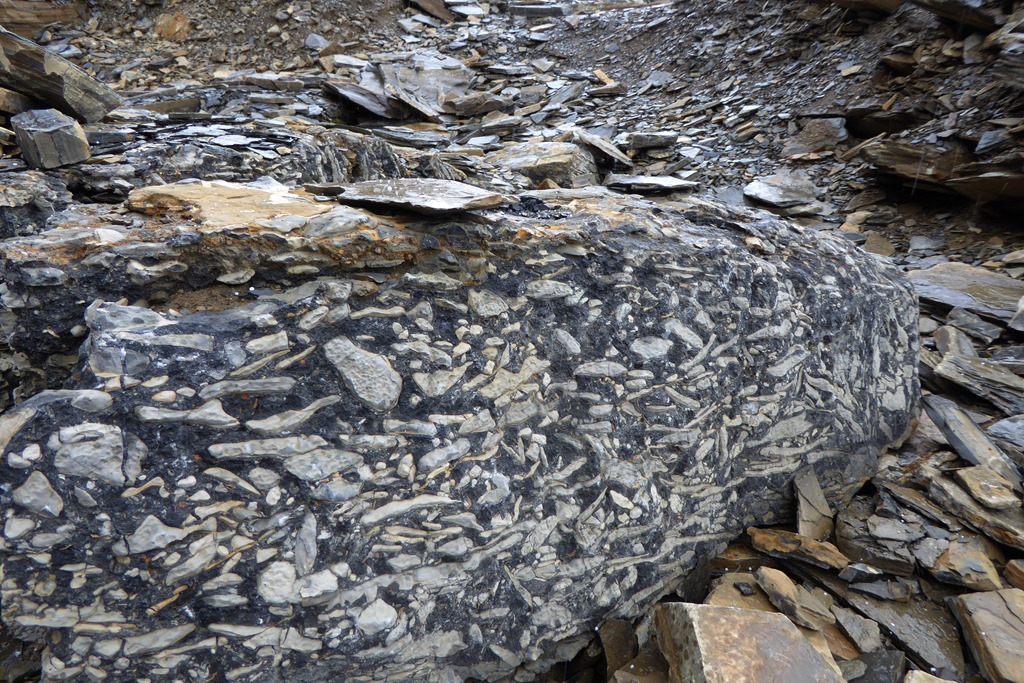
This weekend we did two guided hikes to the Burgess Shale, one to the original Walcott Quarry, and one to the Stanley Glacier Formation. The sites are high in the Rocky Mountains, where rocks from the shale layer tumble from the sides of the mountain in small avalanches. The layers split, revealing fossils of sea life forms from the middle Cambrian, 505 million years ago. This is one of the richest source of fossils from this period in the world, and one of the earliest fossil beds we have with soft-part imprints.
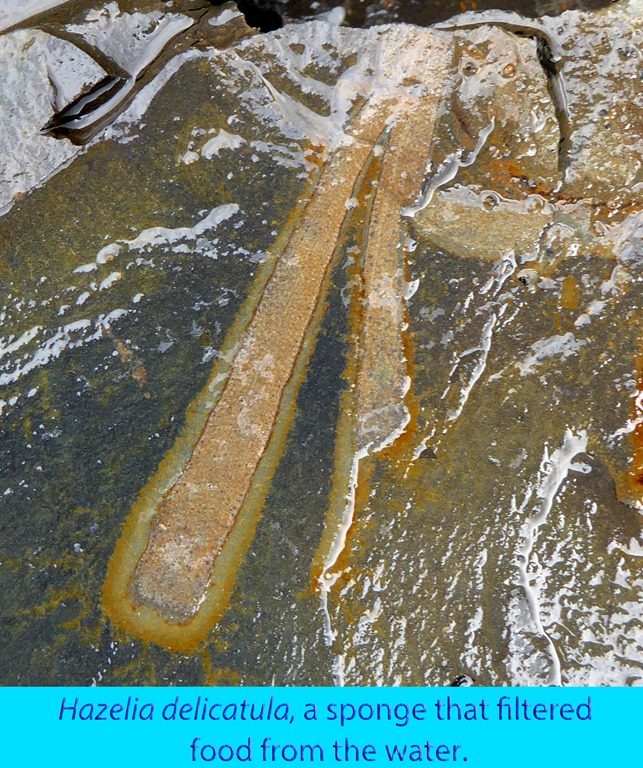
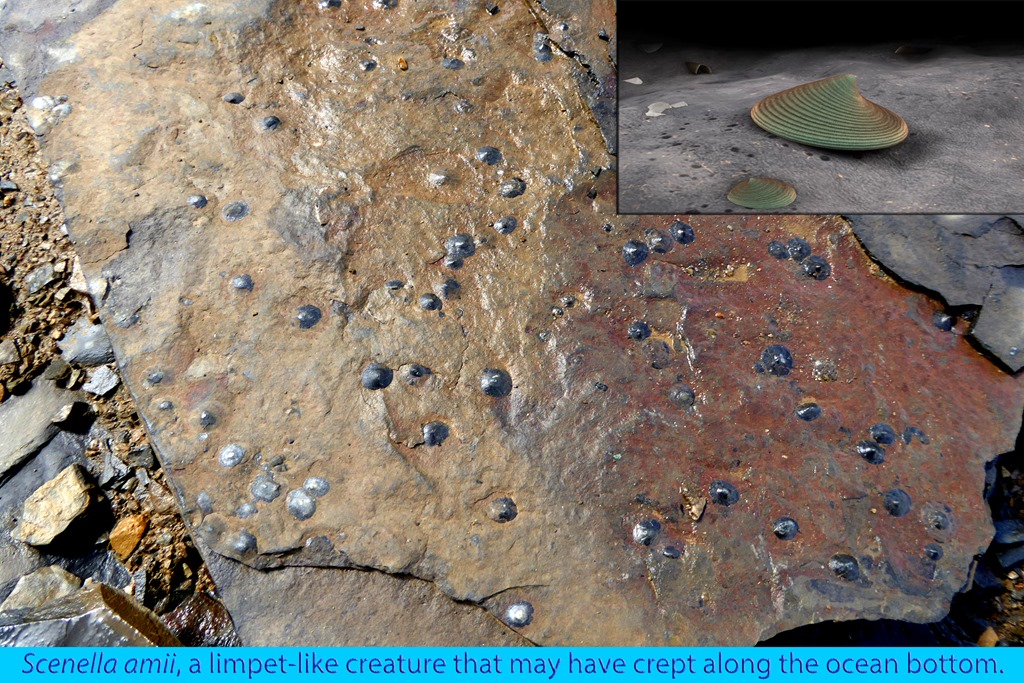
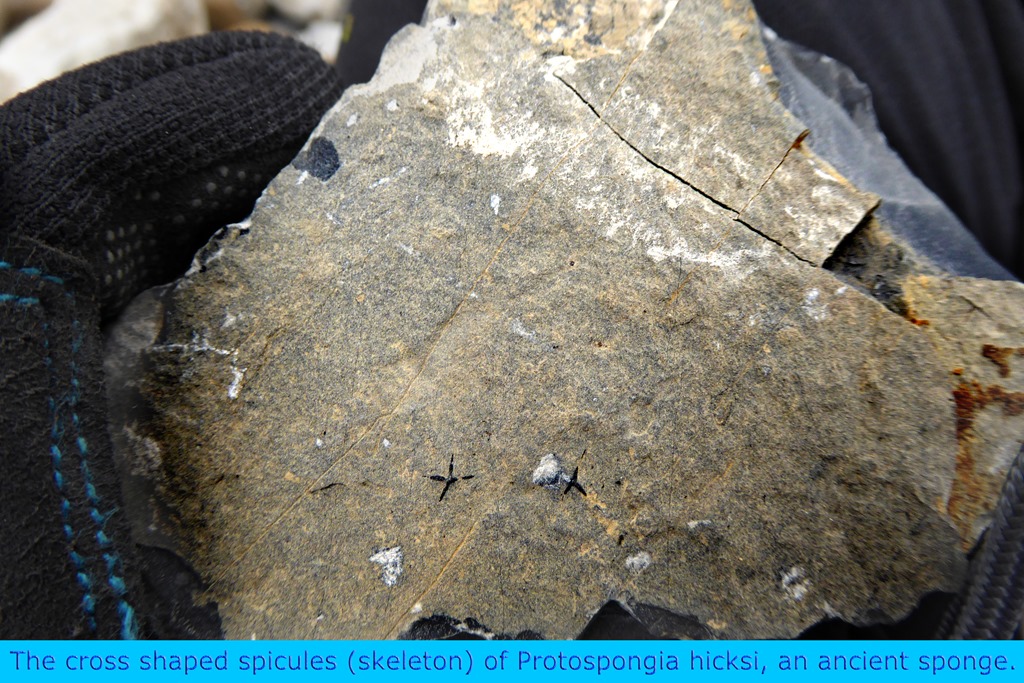
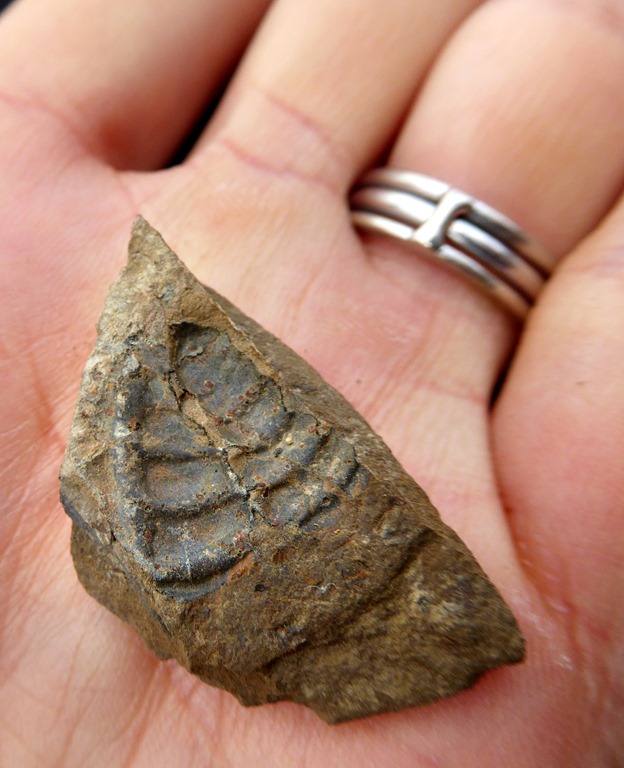
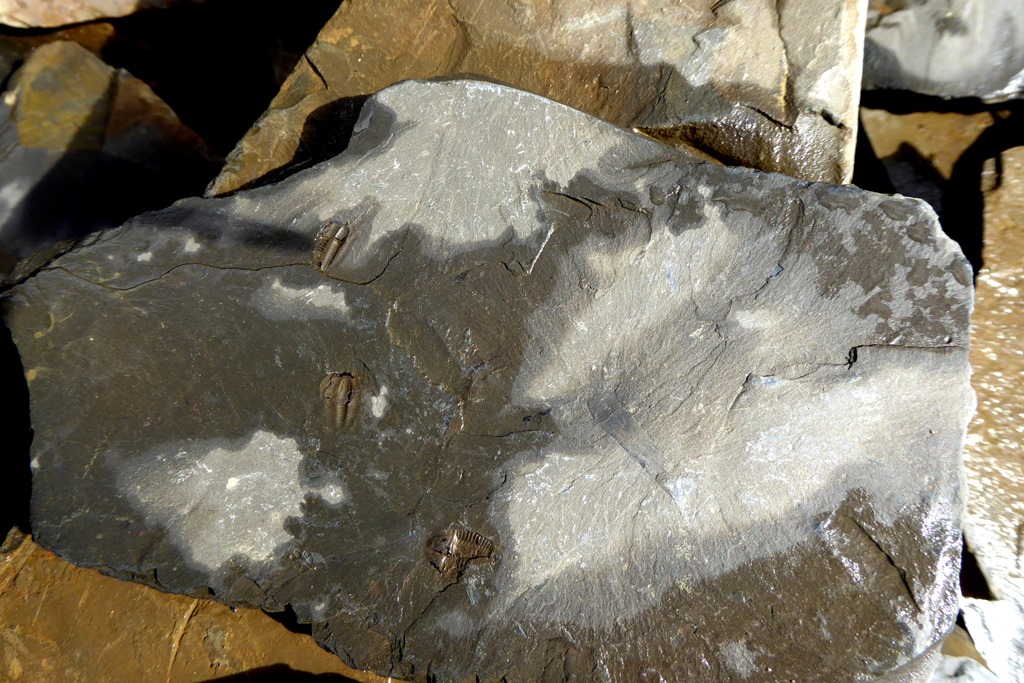
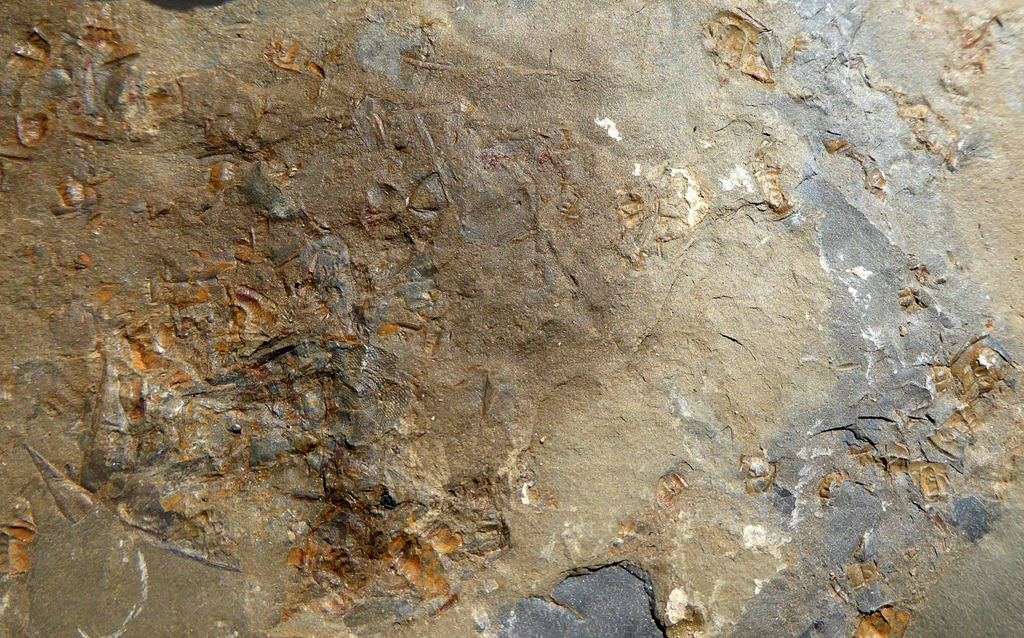
Here are some of the ones we found, with our best guess about what they are on the right.
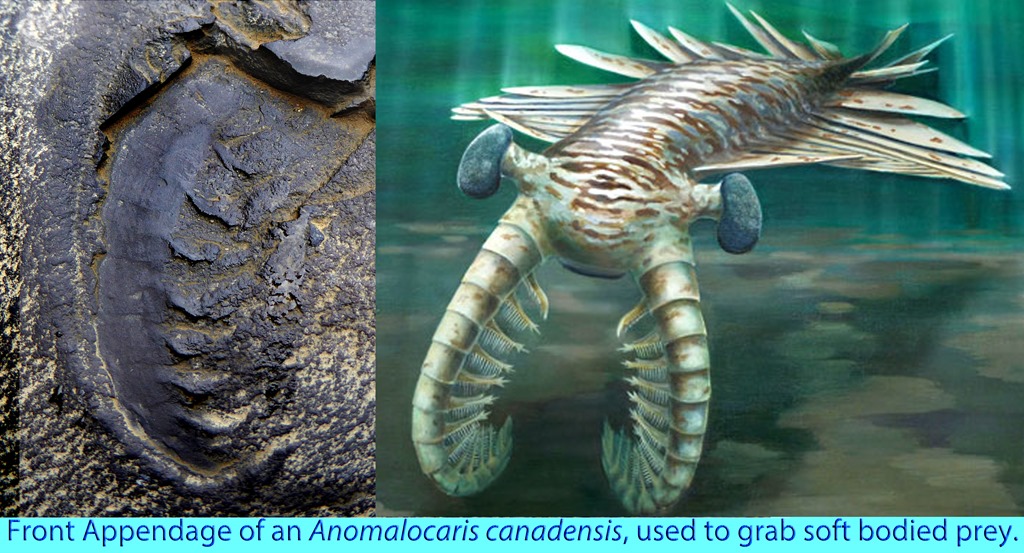
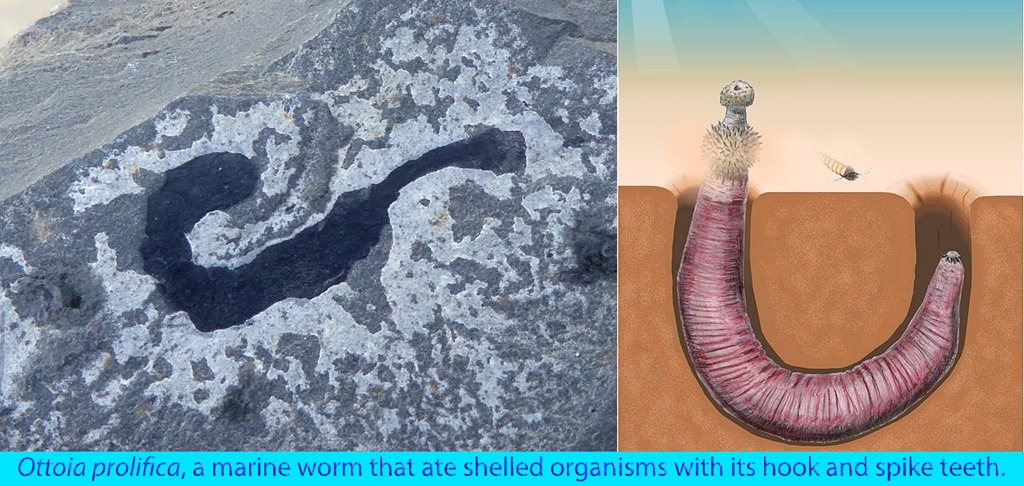
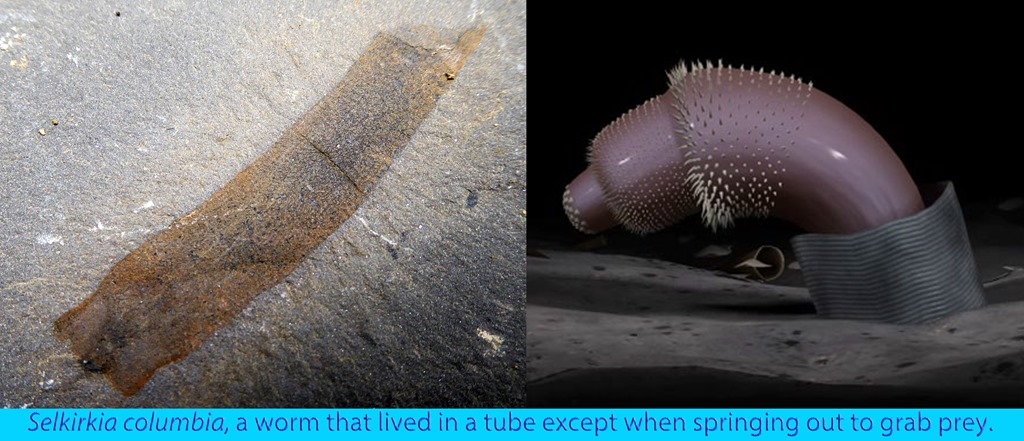
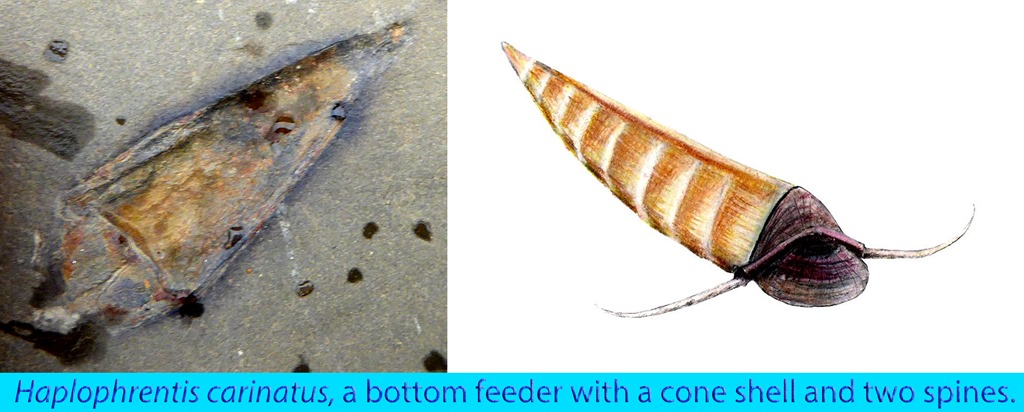
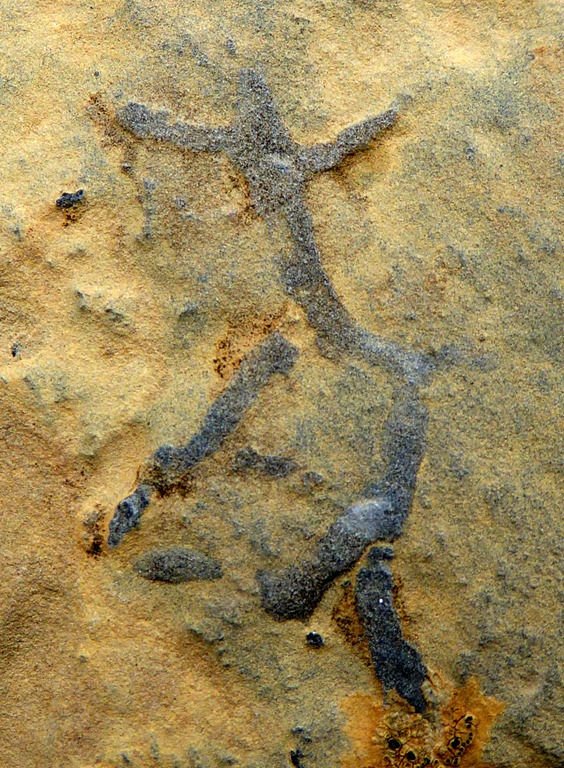
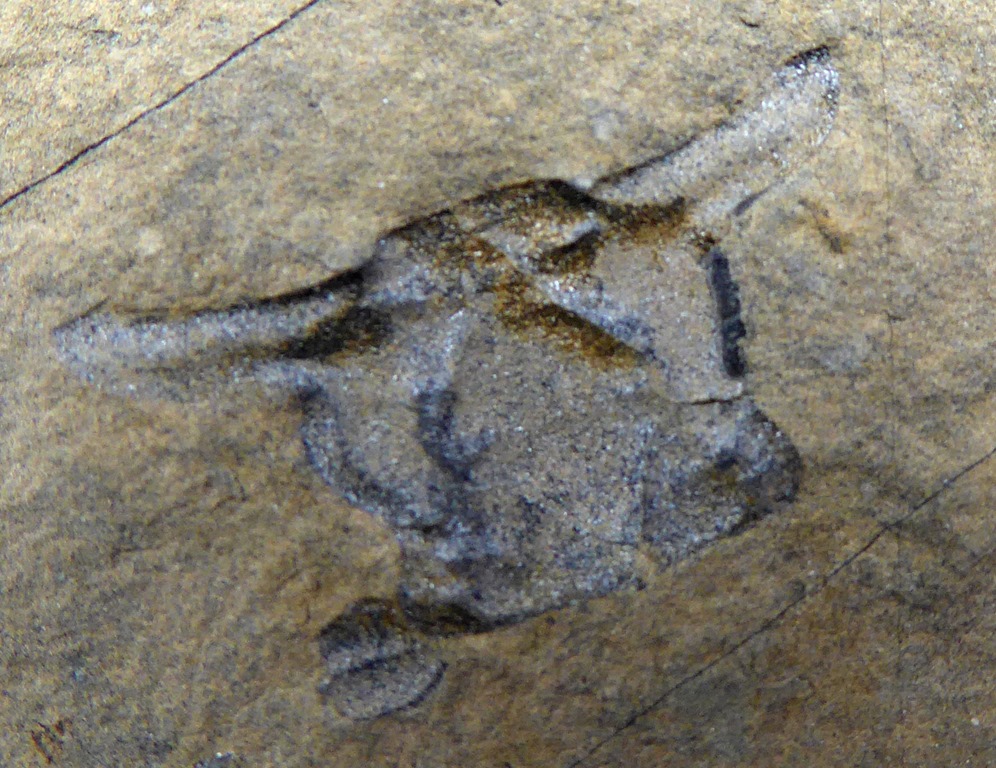
For this fossil Matt and I can’t even agree what kingdom it belongs in. He says sponge, I say algae. He has a Ph. D and spent a summer classifying diatoms on the BC coast with a key that wasn’t even in English. I vaguely remember what a key looks like from Bio 10. You can decide who to believe.
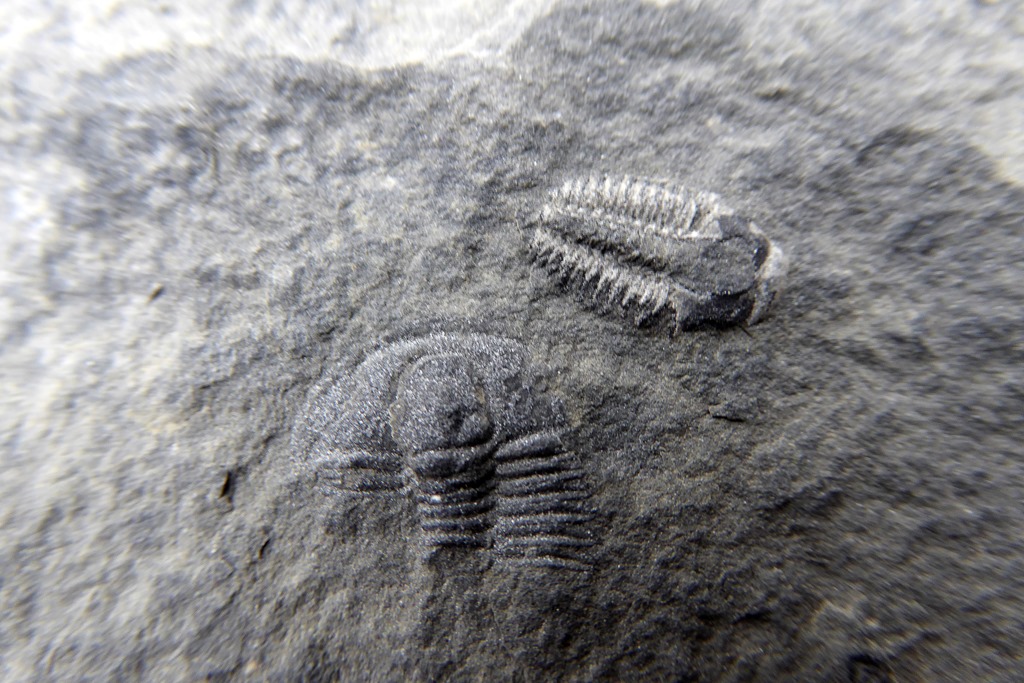
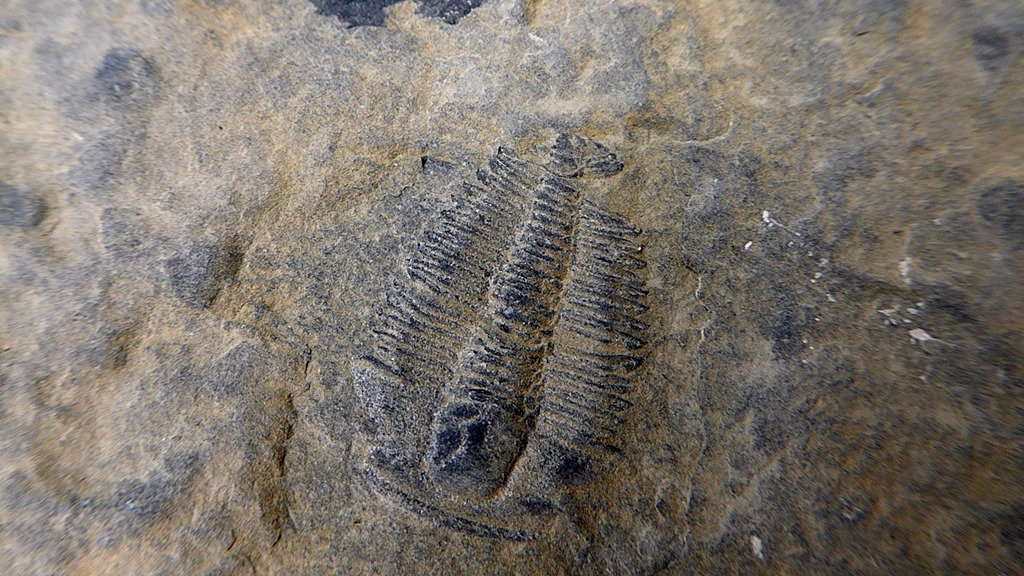
There were also TONS of trilobites. And partial trilobites, or trilobits  . Matt and I also spent an hour arguing over which trilobite was which. Then I noticed that we don’t know all that much about trilobites in general, and basically all we know about the differences between them are shape and number of segments. So even if I could identify them, I wouldn’t have much to say about them.
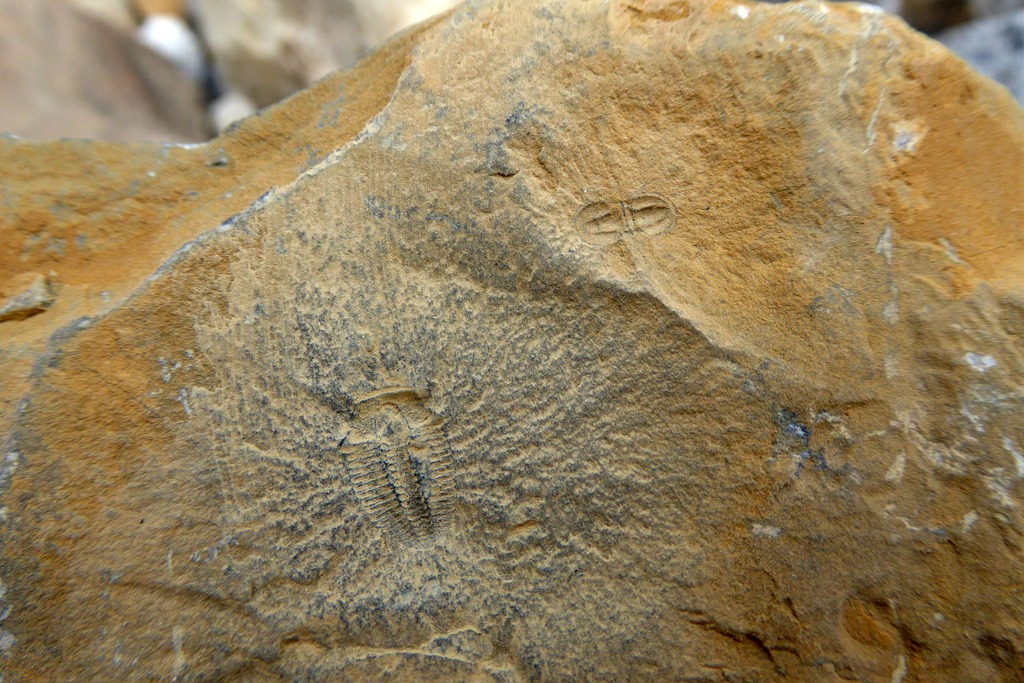
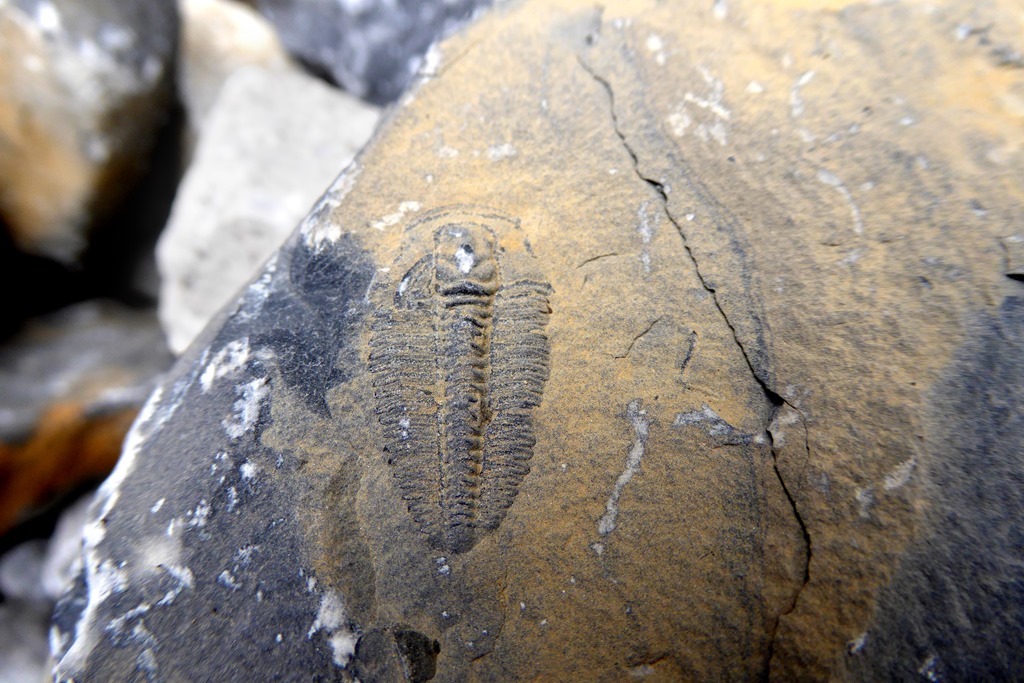
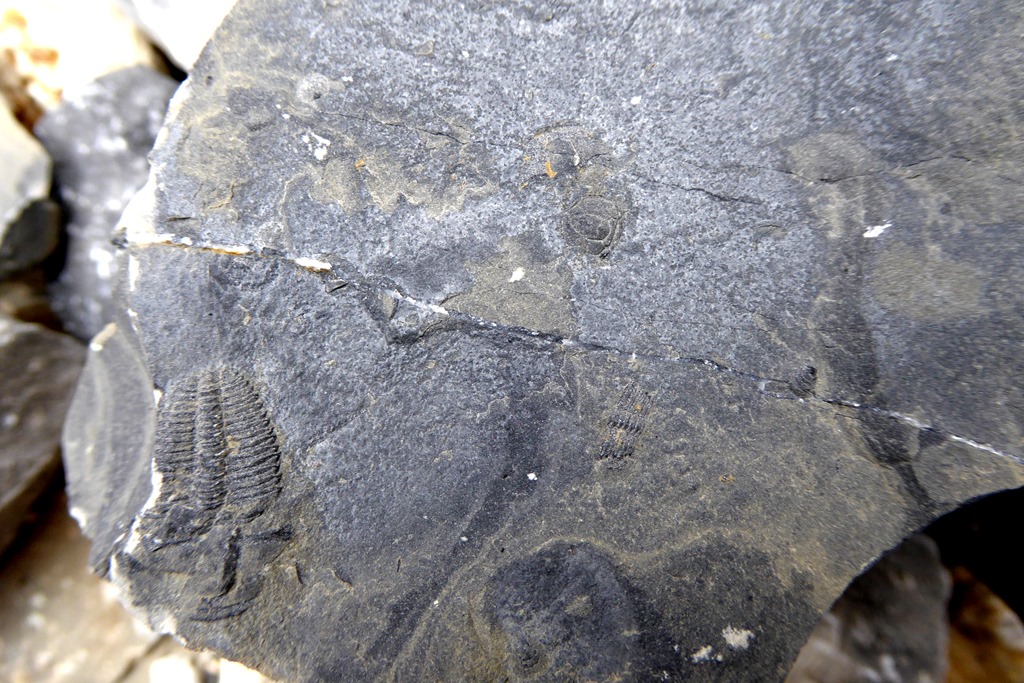
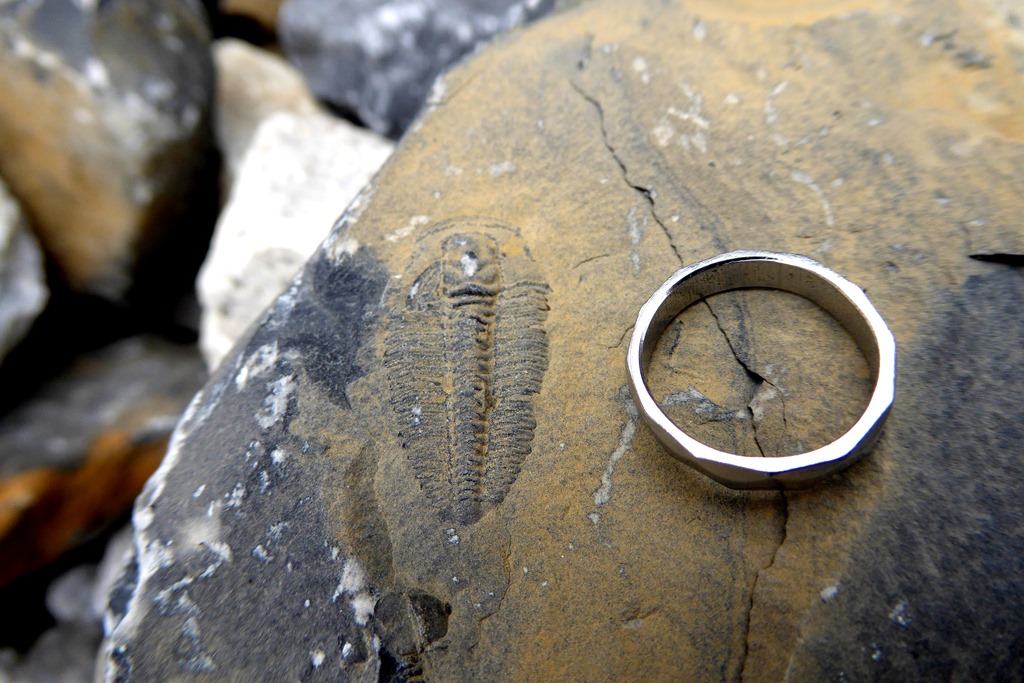
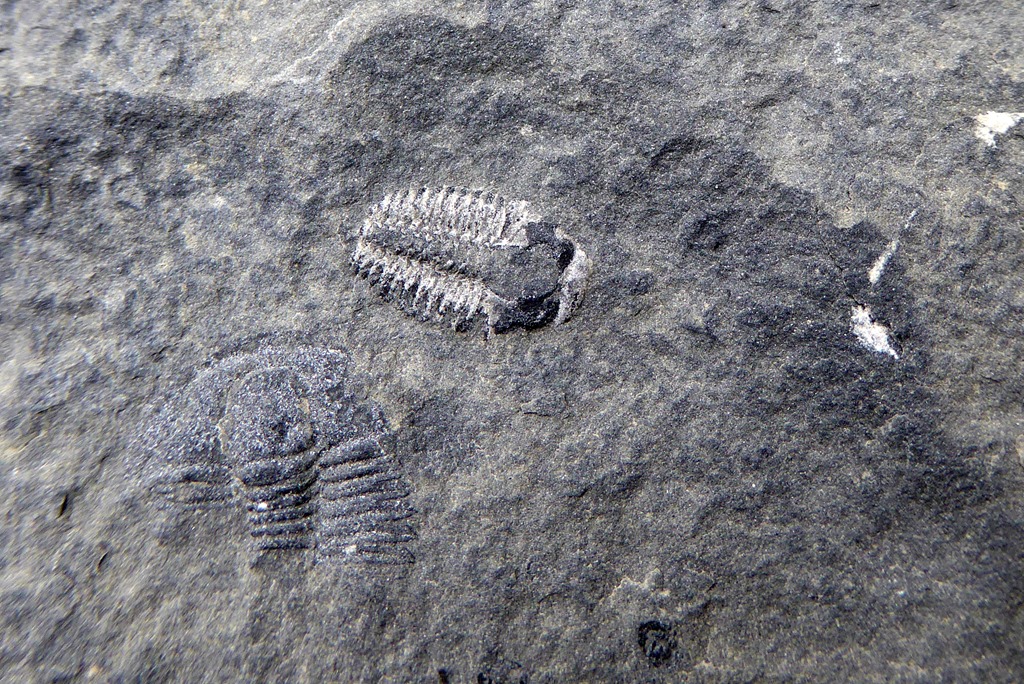
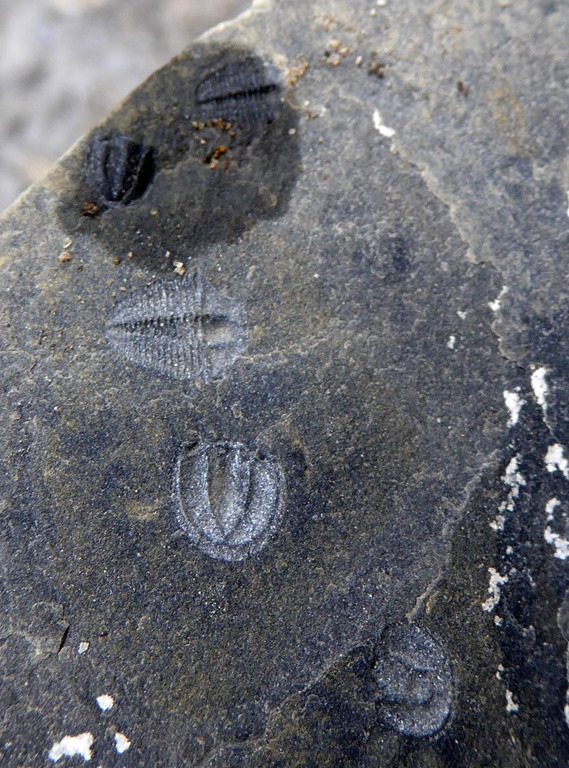
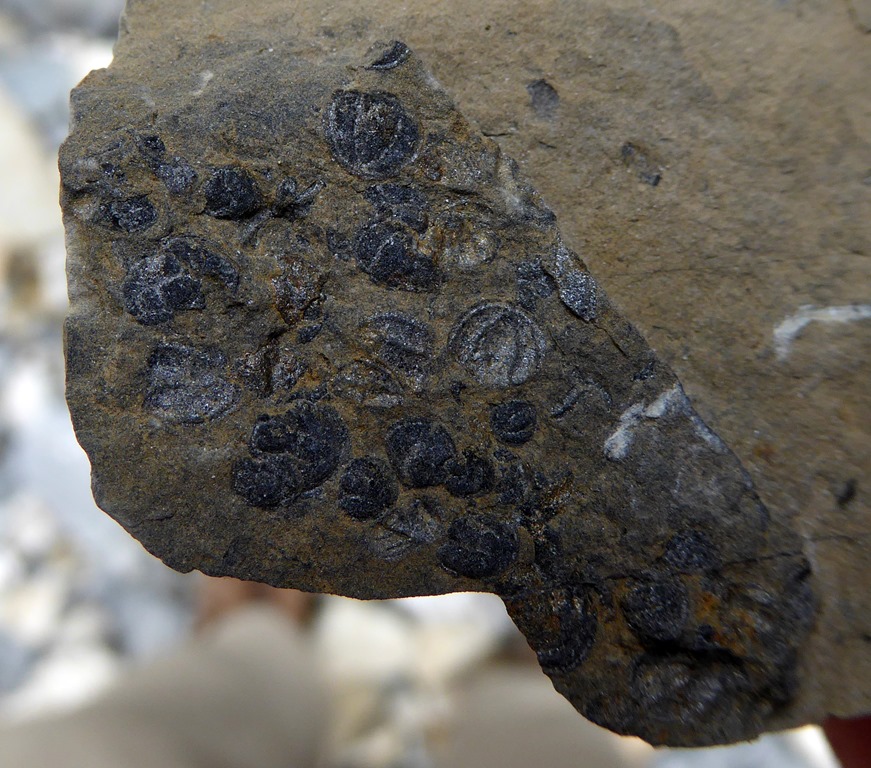
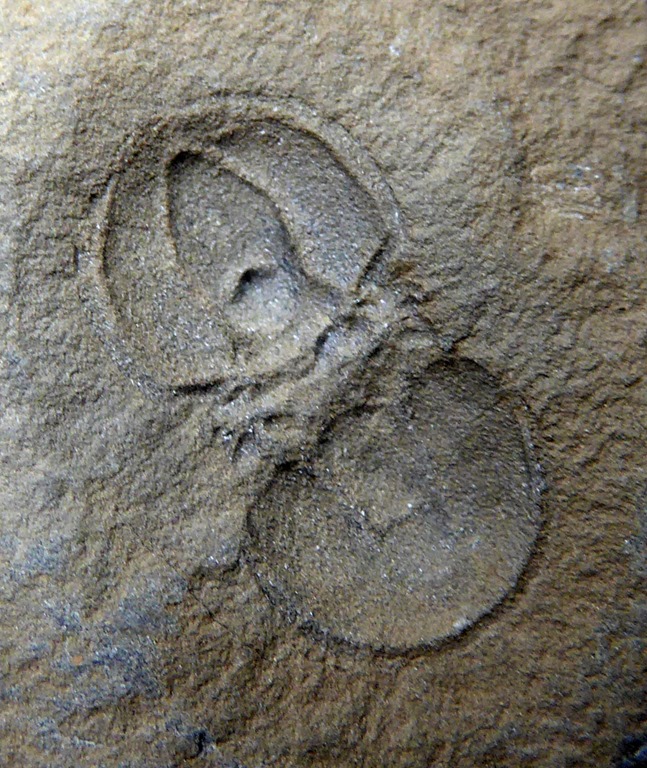
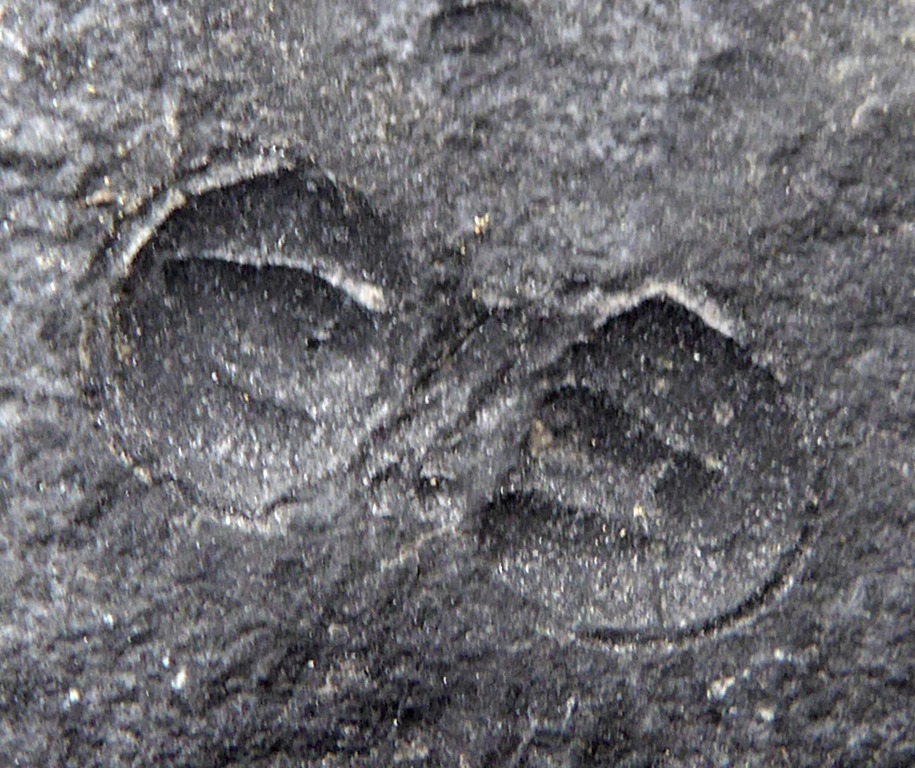
These guys are actually a type of trilobite too, but they are easy to identify as Ptychagnostus praecurrens because they have big bums and only 2 segments. They also had no eyes.
This was a small avalanche near the site.